

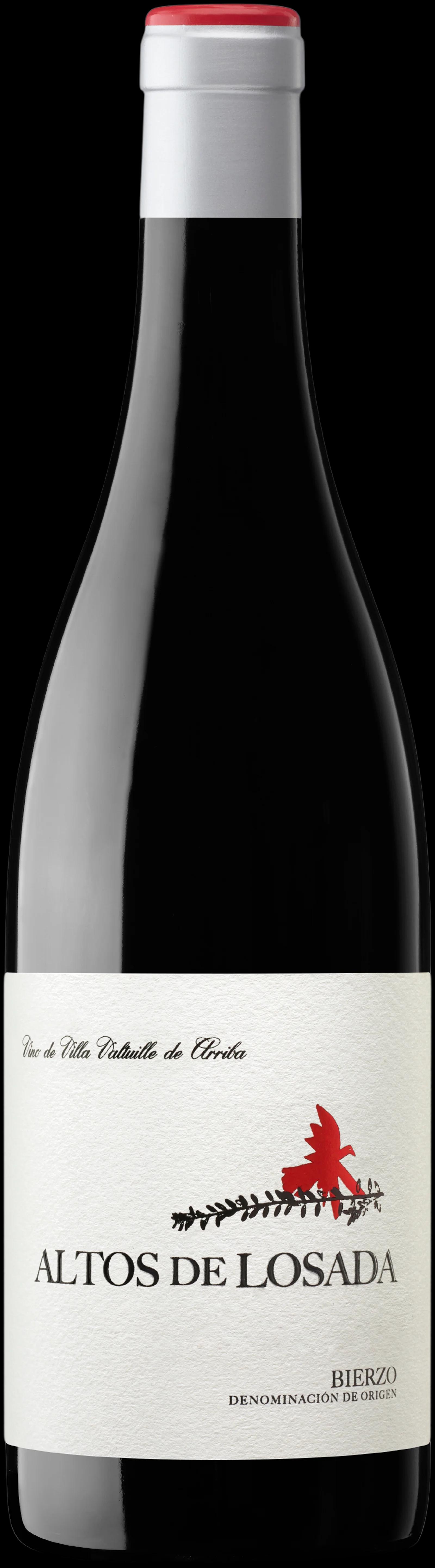
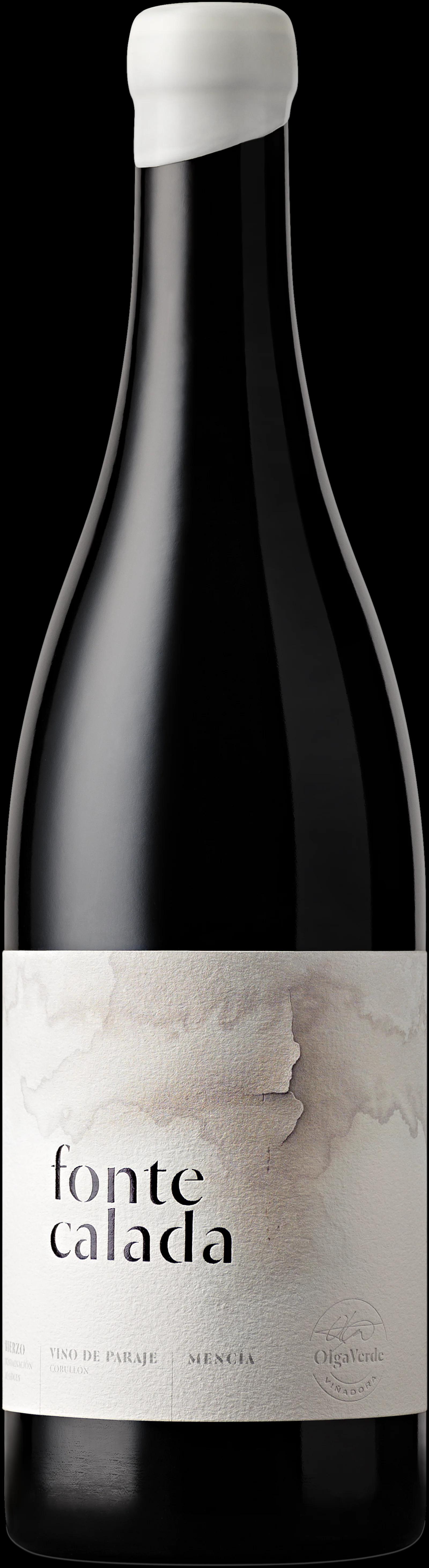
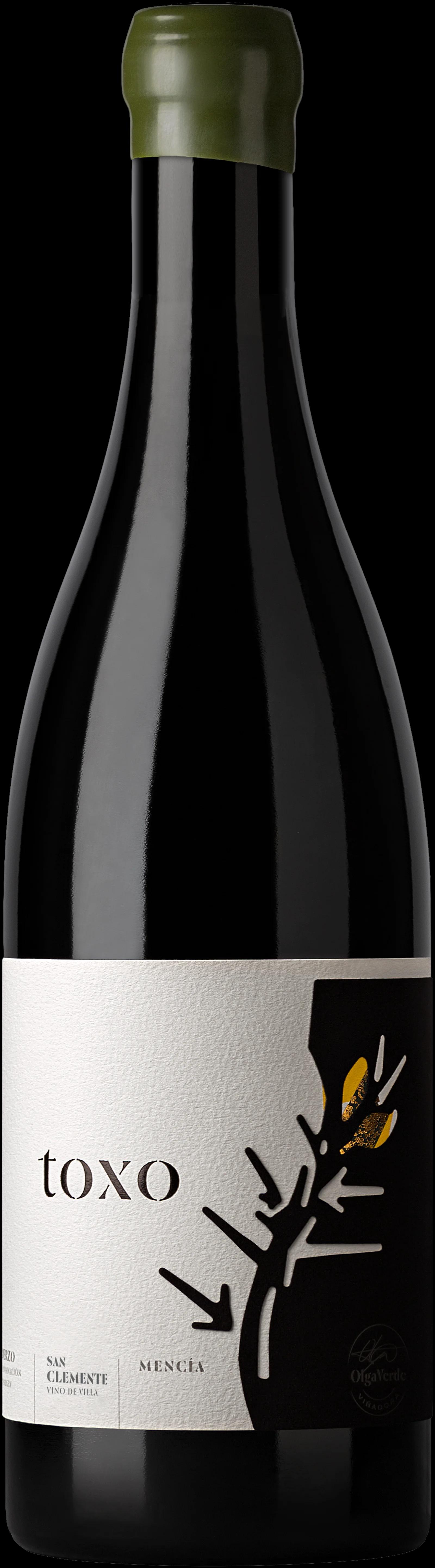
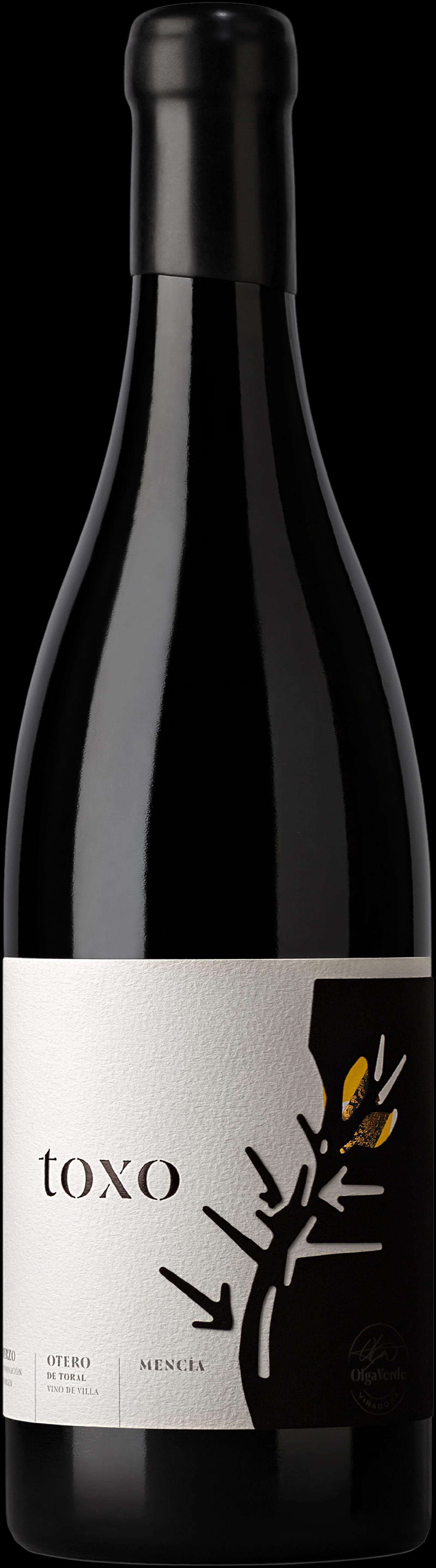
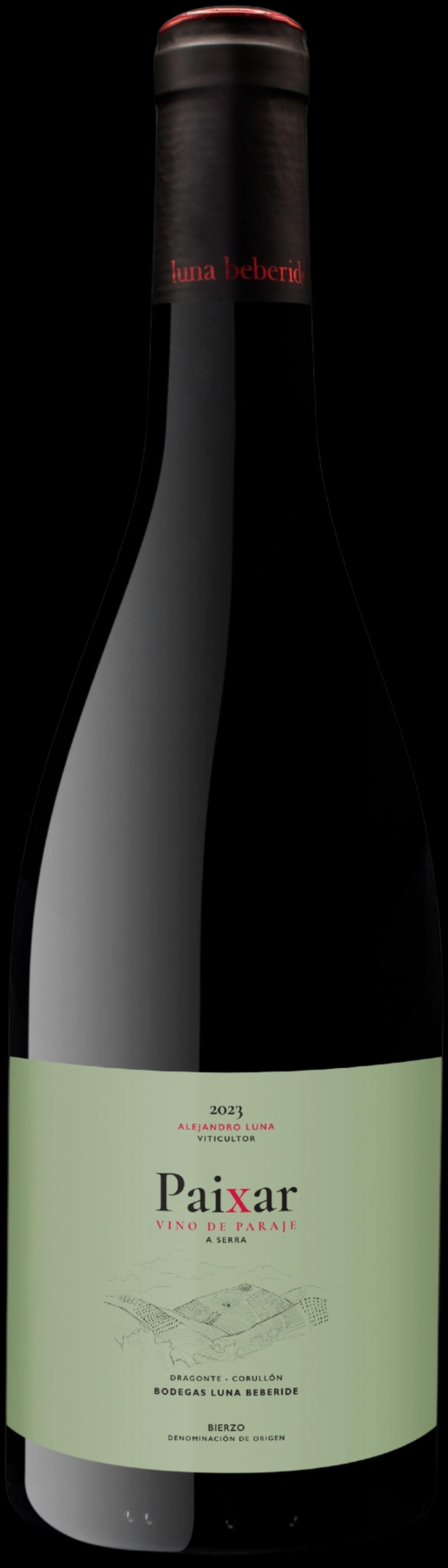
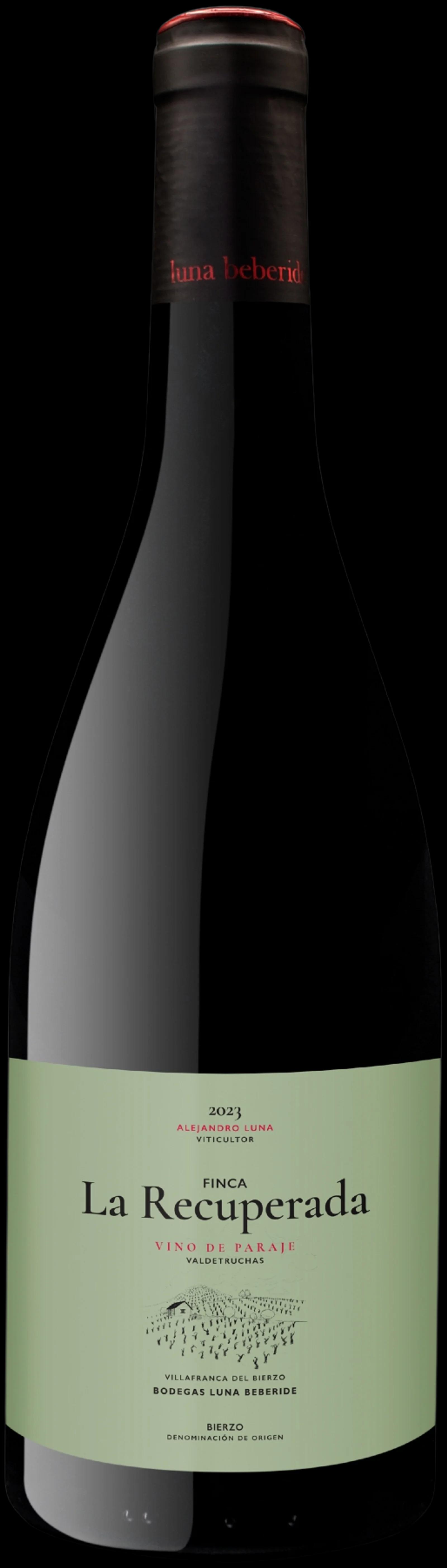
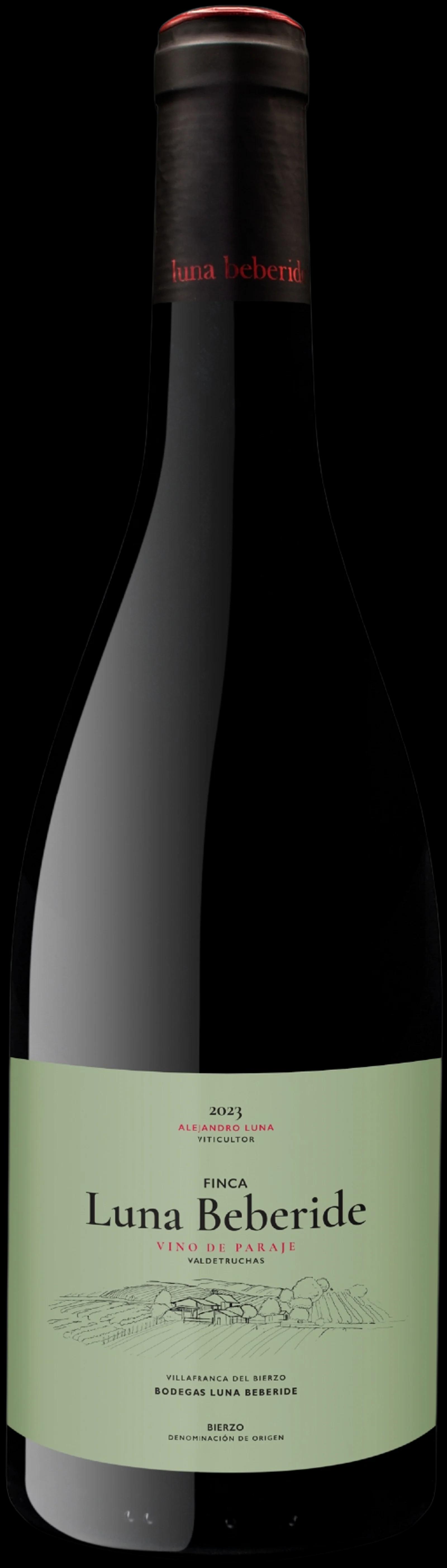





Where Mencía comes from and how region shapes it
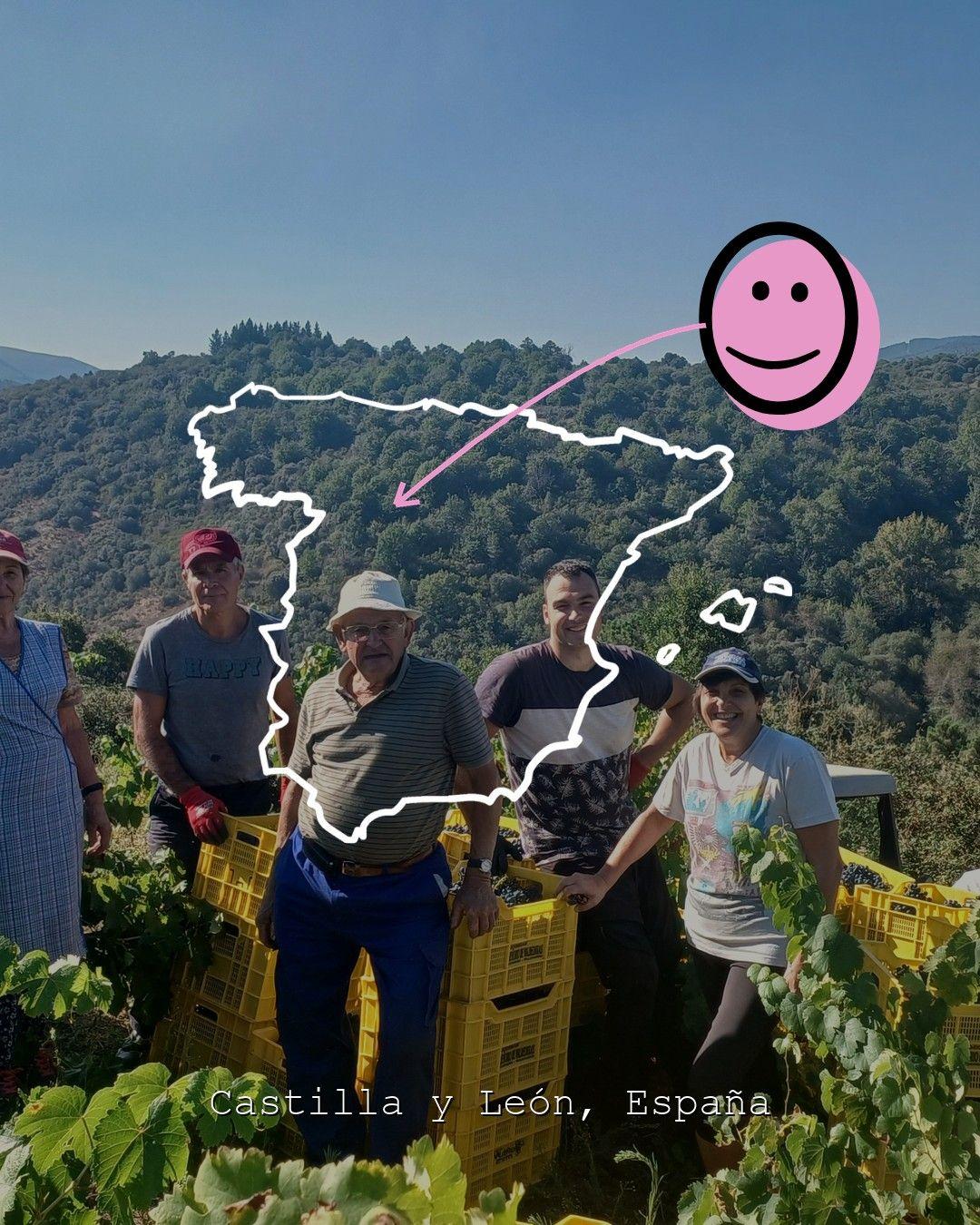
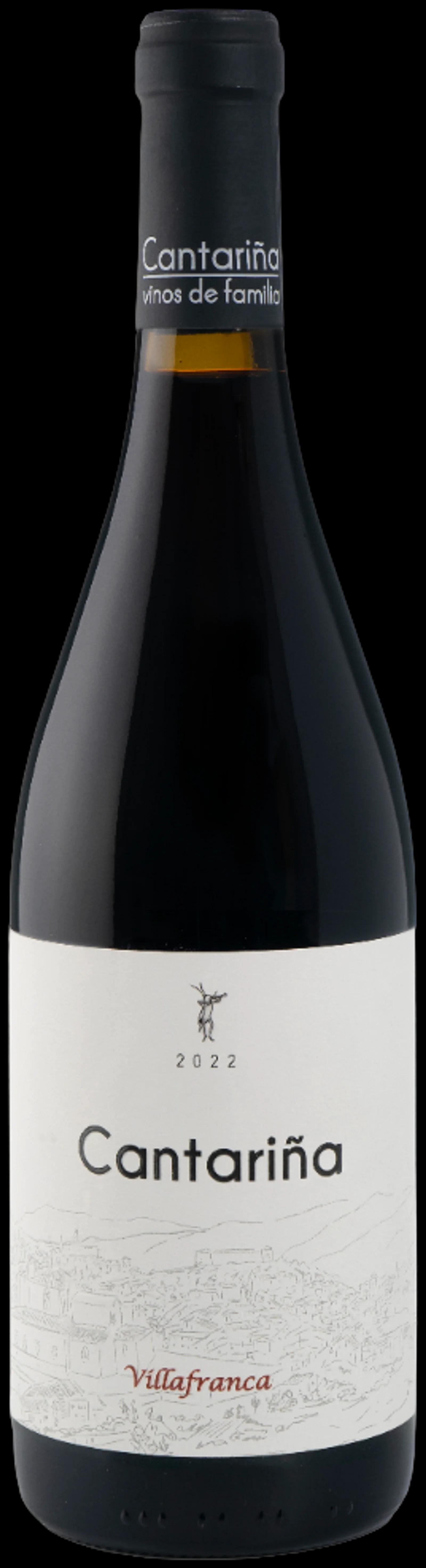
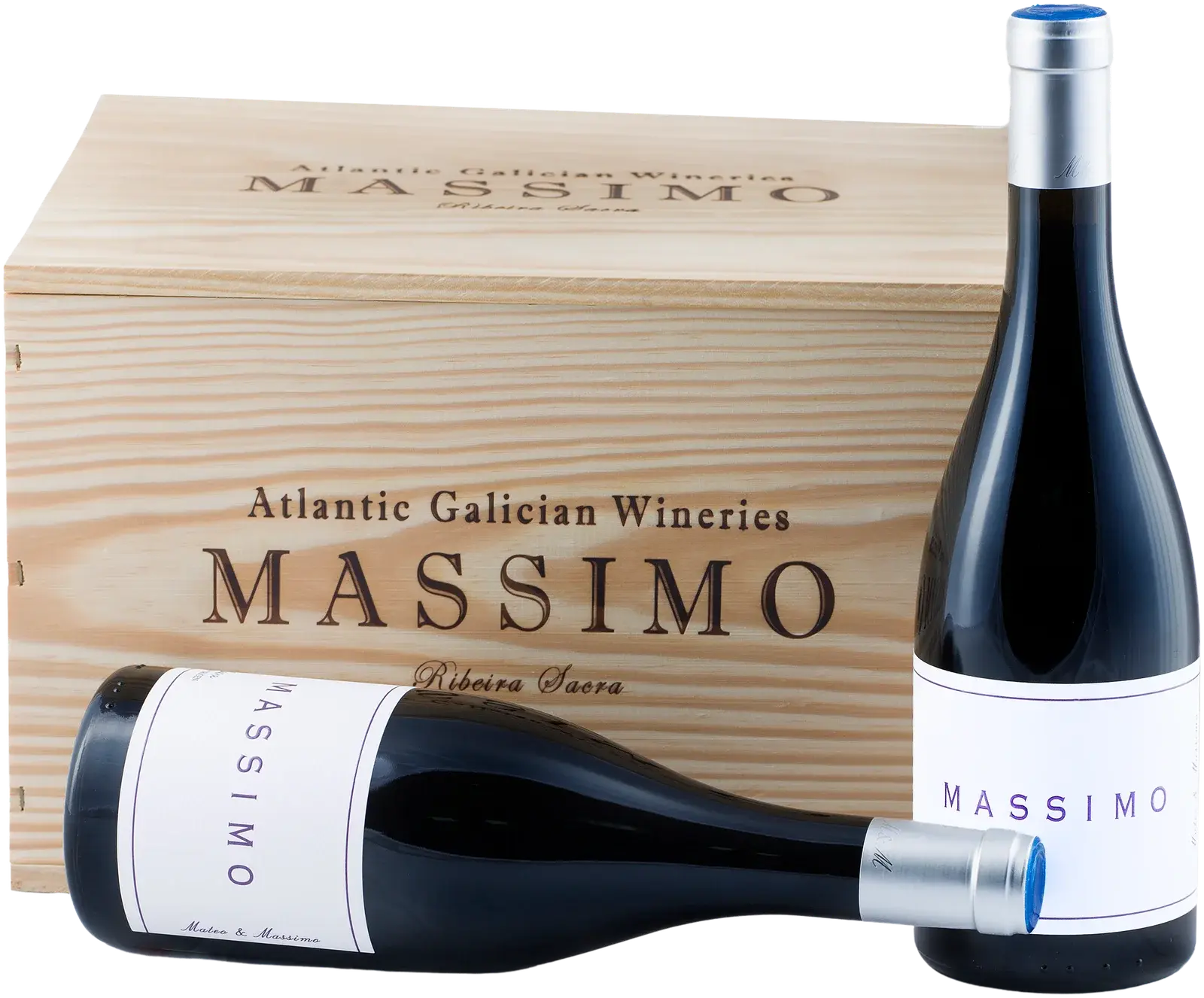
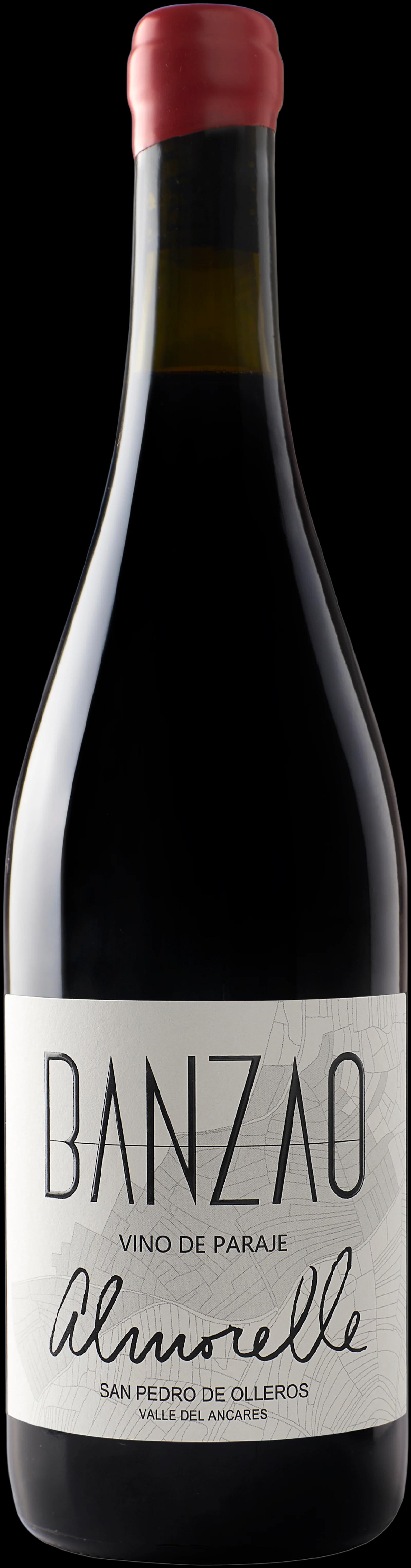
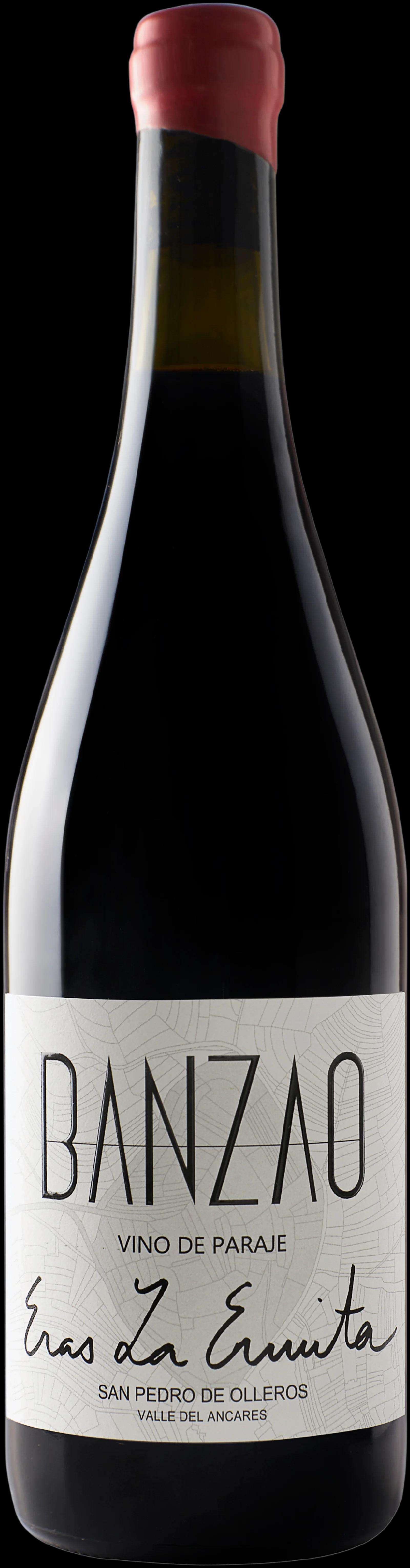
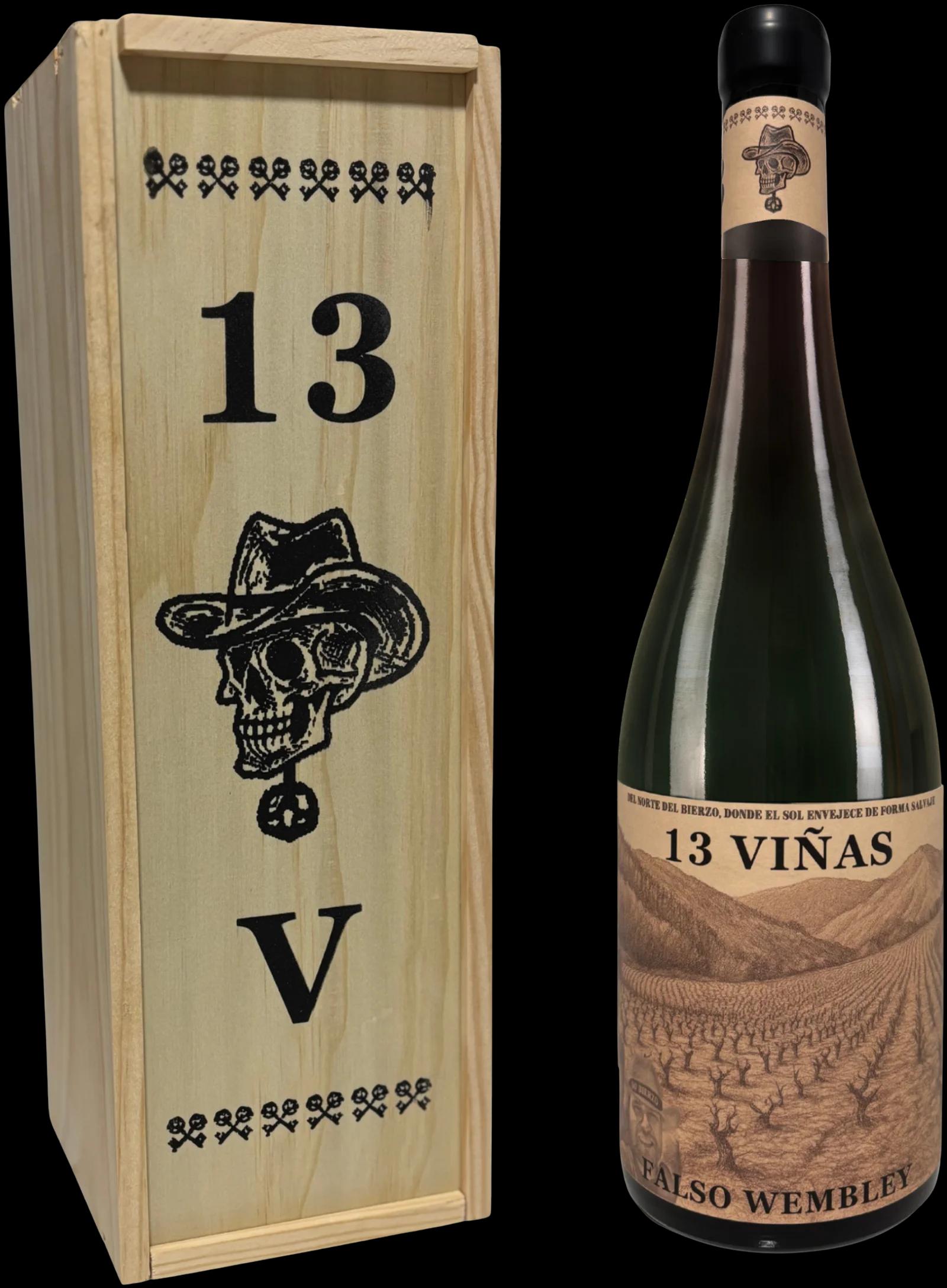
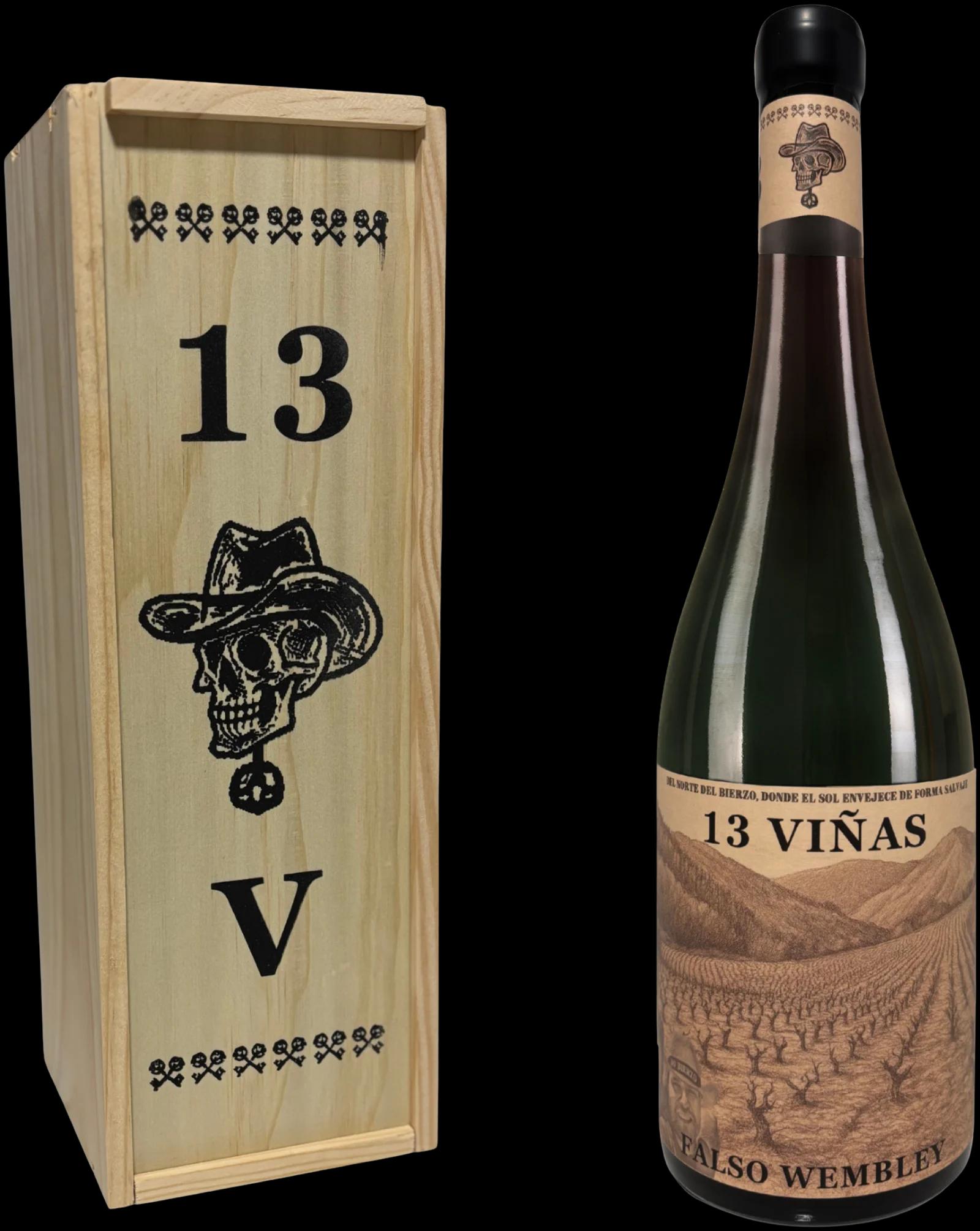
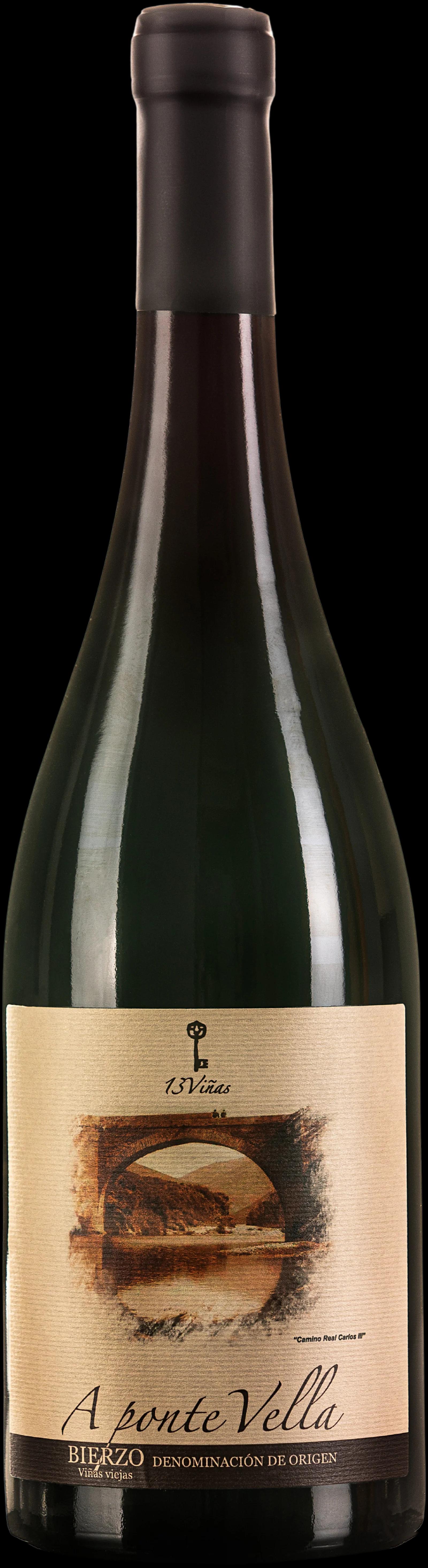
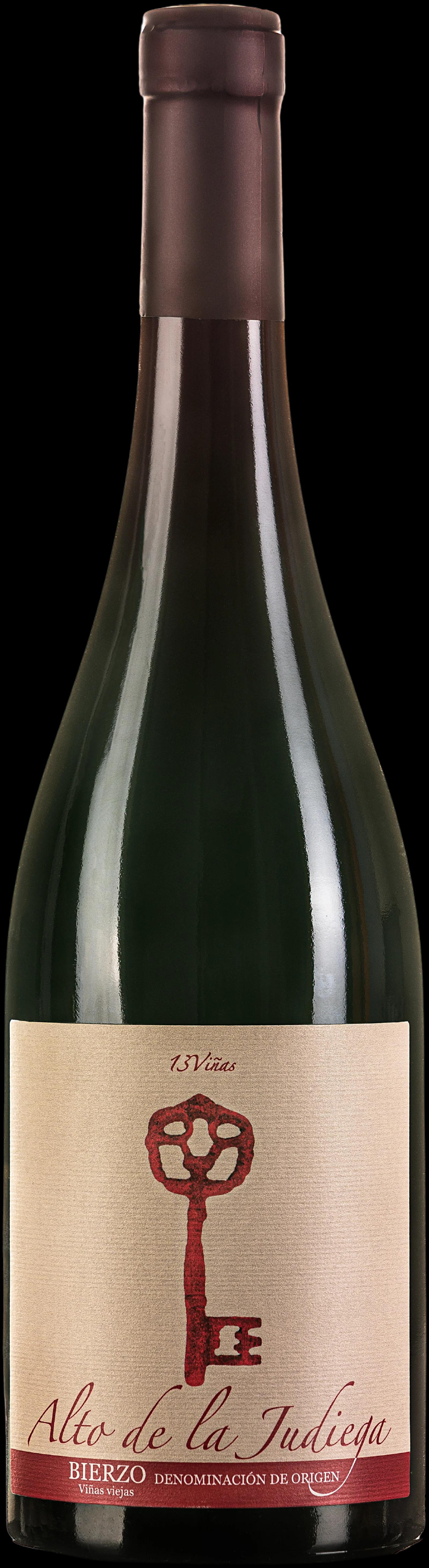
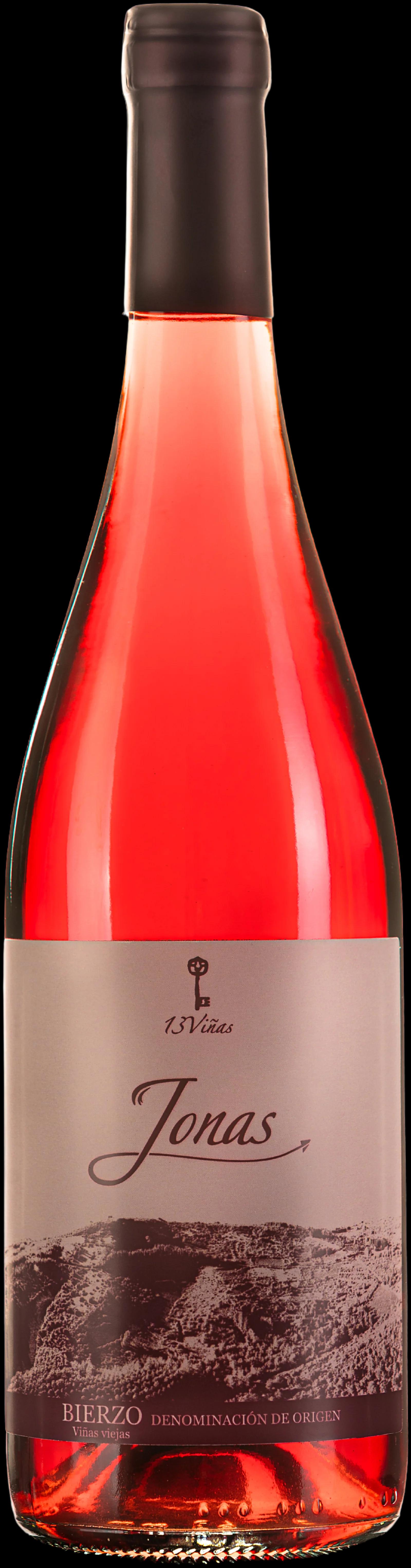
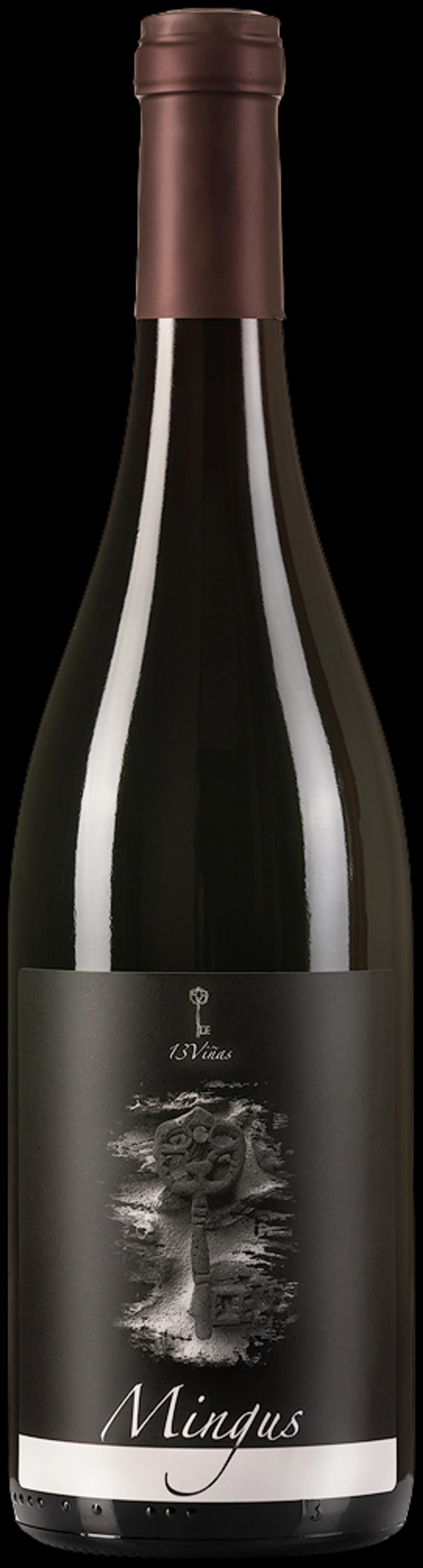
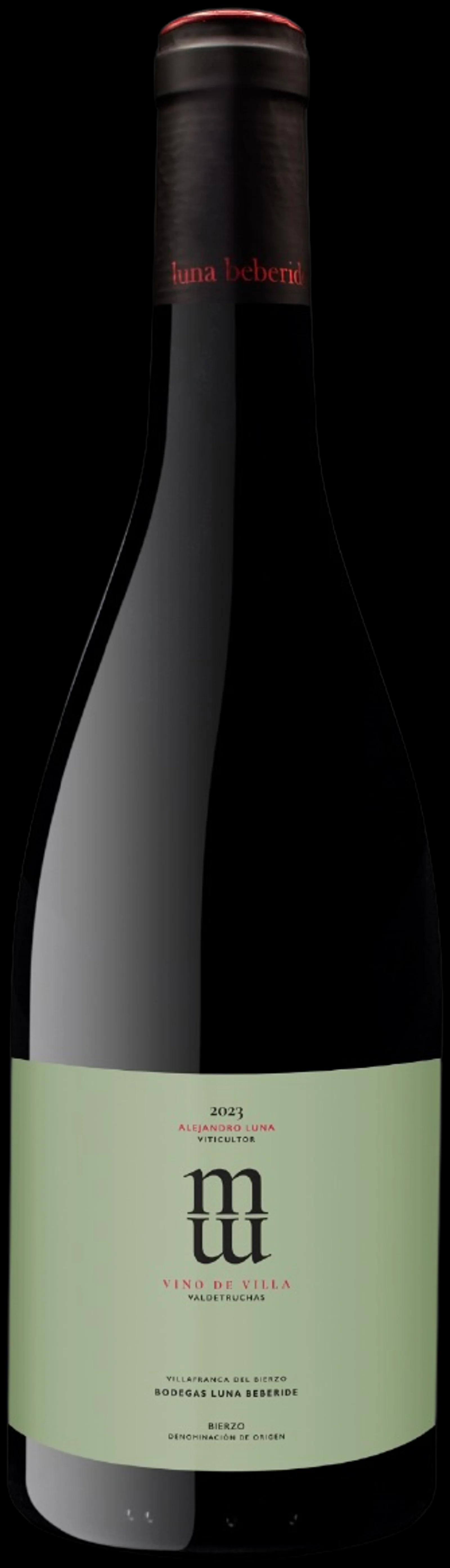
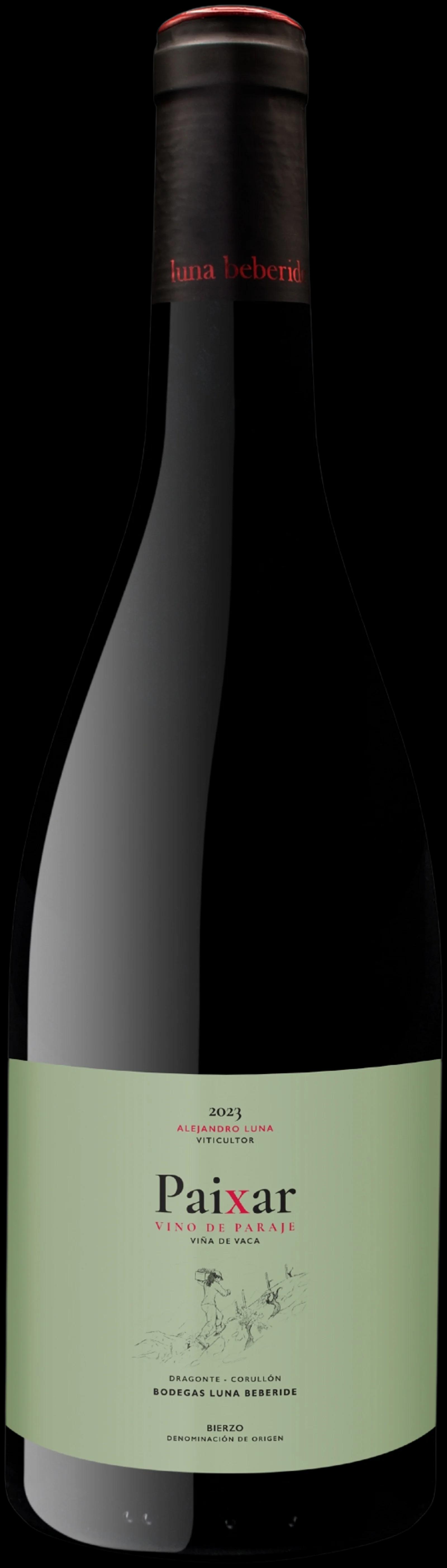
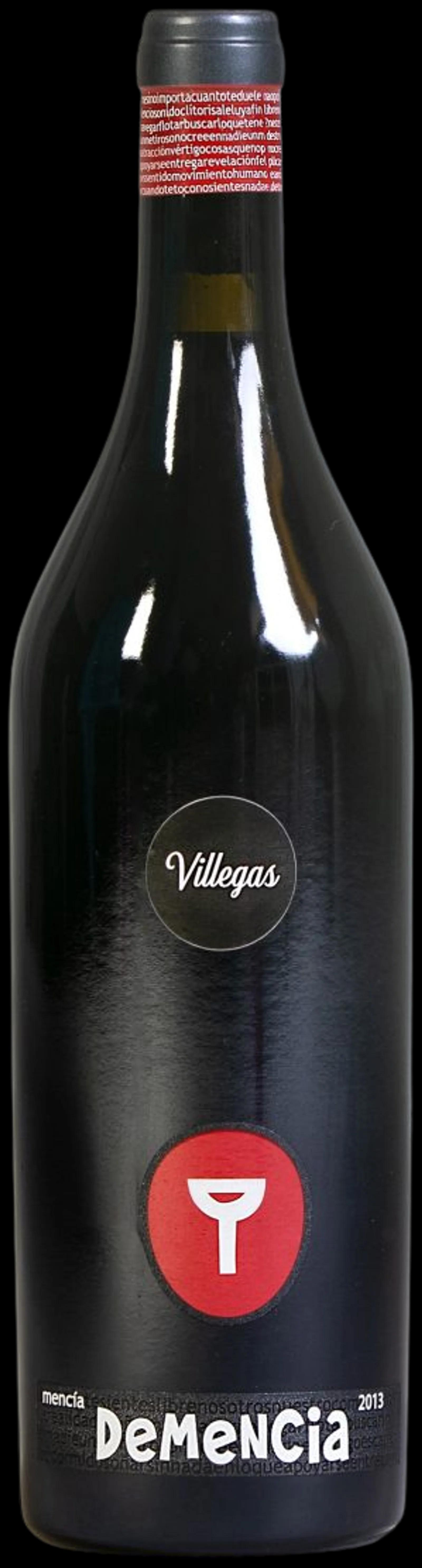
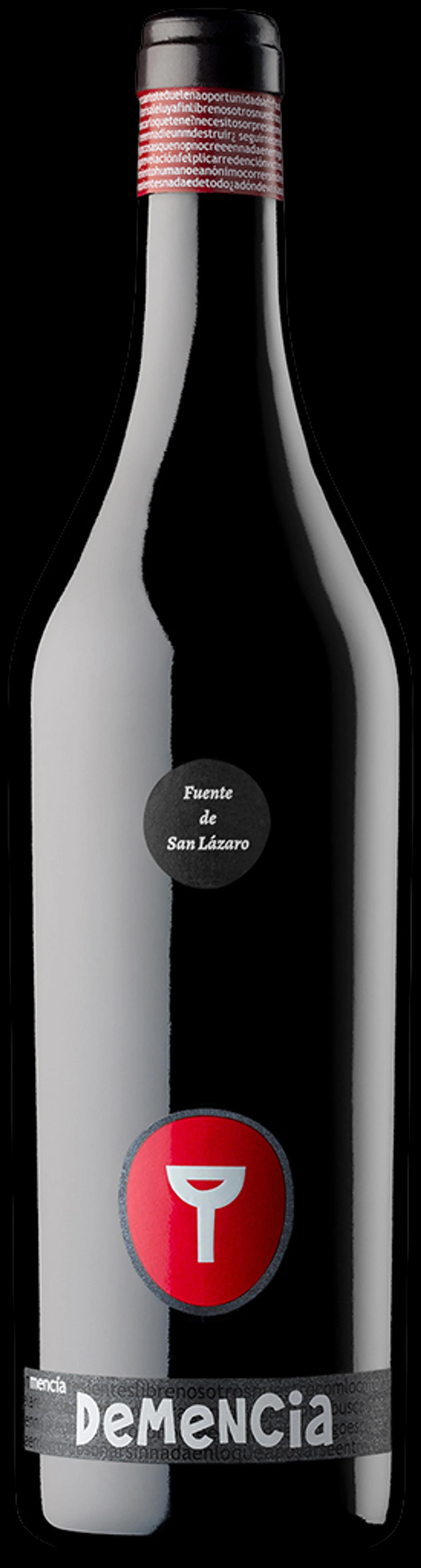
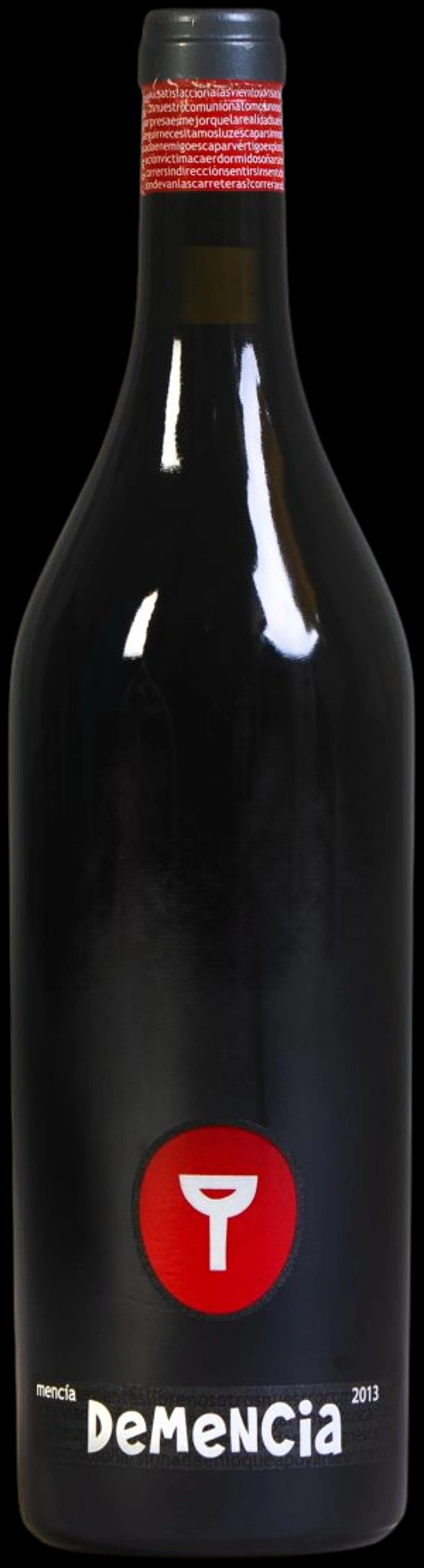
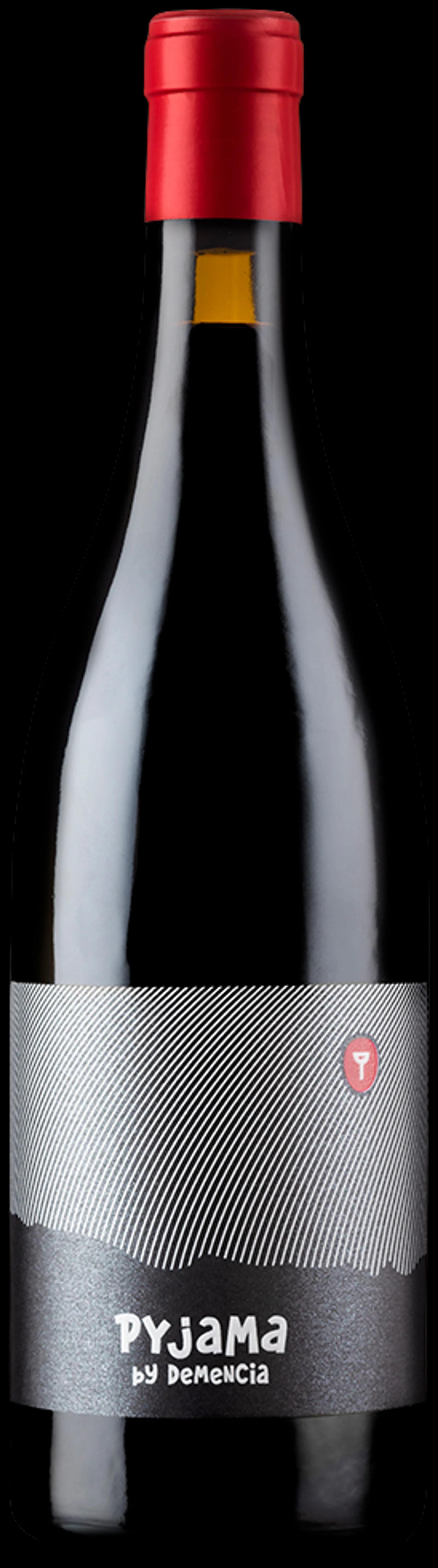
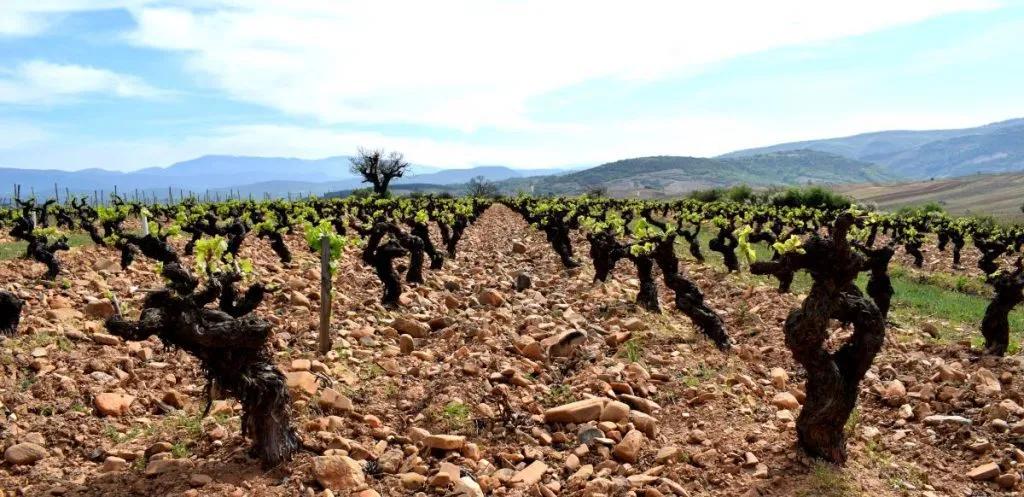
Mencía is a red grape native to the northwest of Spain, grown primarily in Galicia and Castile and León. Its heartland is the Bierzo appellation in Castile and León, where the combination of old vines, slate soils, and Atlantic-influenced temperatures produces wines with a distinctive mineral thread. In neighbouring Galicia, the Ribeira Sacra subregion is equally important: vineyards here are terraced into steep granite hillsides above the Sil and Miño rivers, farmed by hand because machinery cannot reach. The conditions in both areas push the grape toward structure and freshness rather than weight. Mencía is sometimes compared to Pinot Noir in its transparency to site — small differences in altitude, slope, and soil type show clearly in the finished wine. You will find producers working in both regions among the wineries in Galicia and across Spain's wineries on Free Grape Society.
How Mencía tastes, and what to drink it with
Mencía typically produces wines that are medium-bodied with lively acidity, fine tannin, and aromas centred on red fruit — cherry, blackcurrant, plum — alongside a herbal or smoky mineral character that varies by site. In cooler, higher-altitude vineyards, that mineral quality becomes more pronounced; in warmer, lower sites the fruit is rounder and the tannin a little softer. It is not a grape built for heavy extraction or long oak ageing in the traditional sense, though some producers do use older barrels to add texture without dominating the fruit. At the table, the grape's natural acidity makes it a good match for roasted or braised meat, lamb, aged cheeses, and the cured meats of the Galician and Leonese kitchen. If you are exploring the variety for the first time, wines from Galicia and from Bierzo in Castile and León together give a clear picture of how much the terrain moves the wine.
Buying Mencía wine direct from independent producers
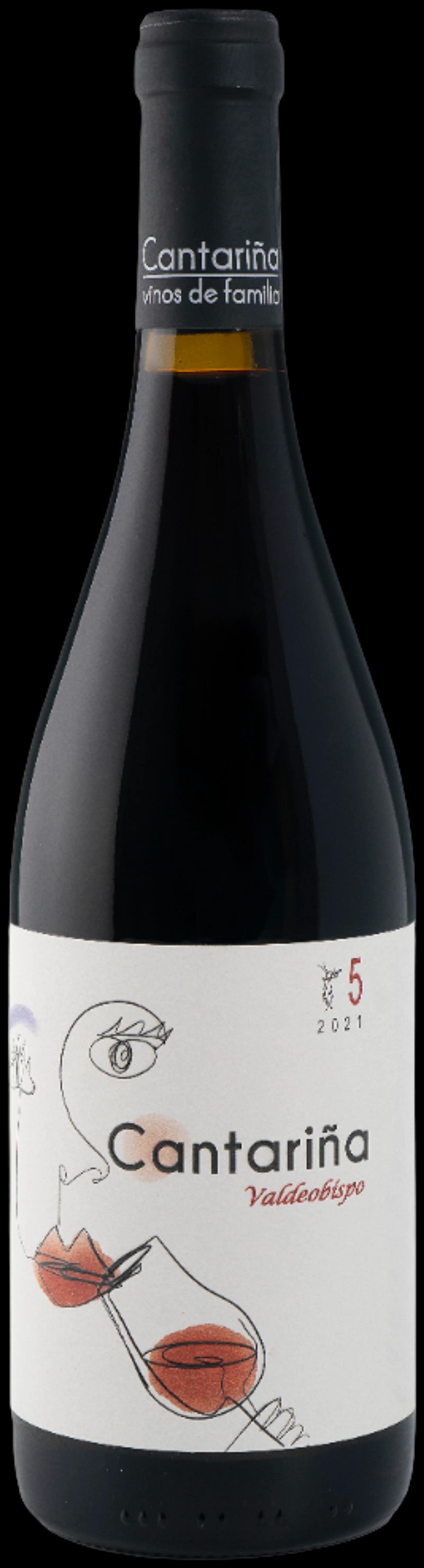
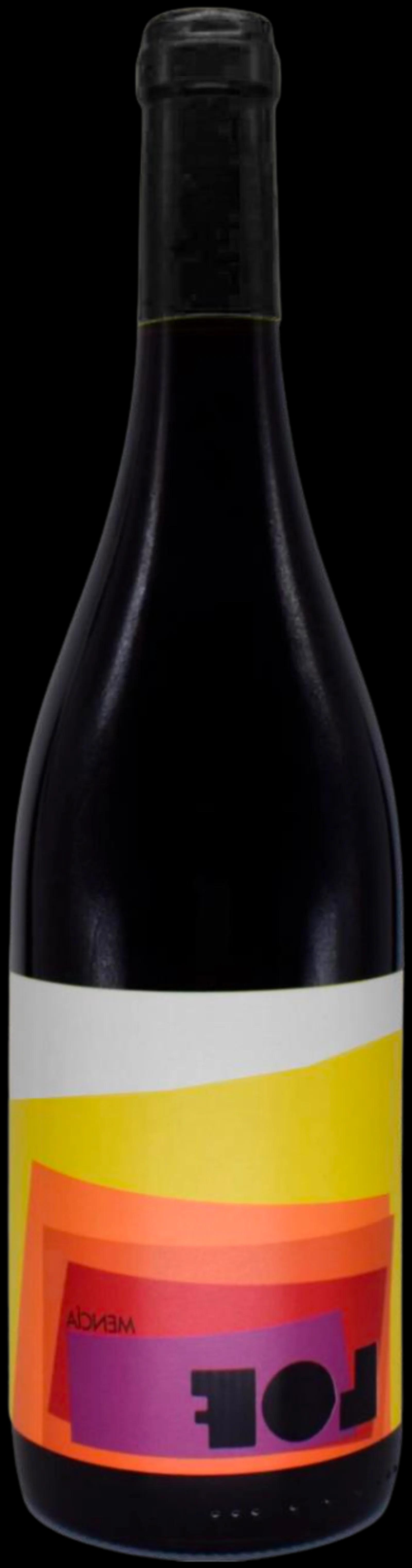
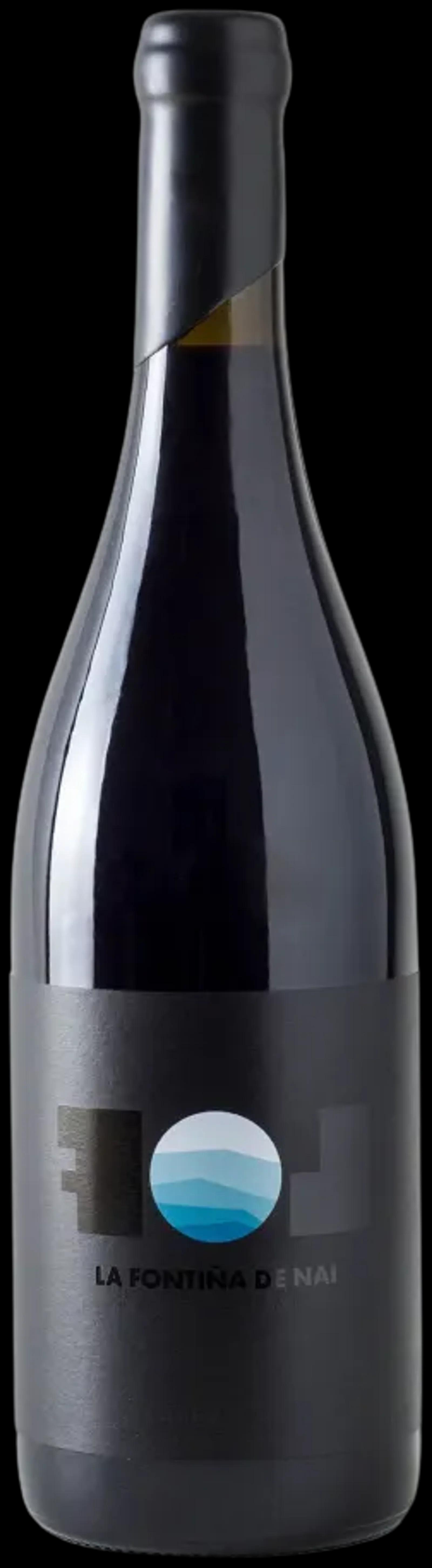
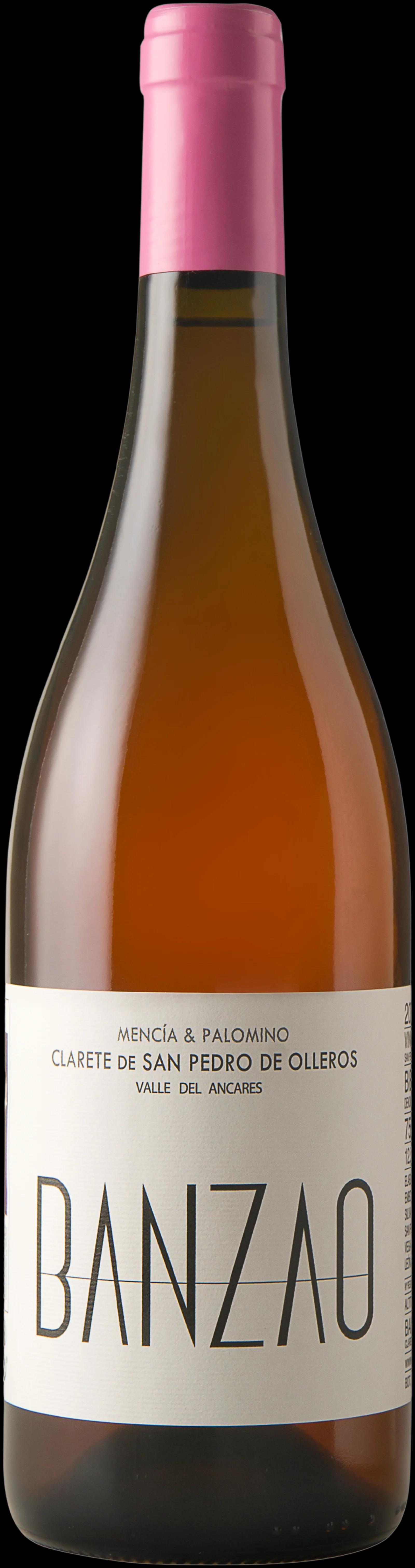
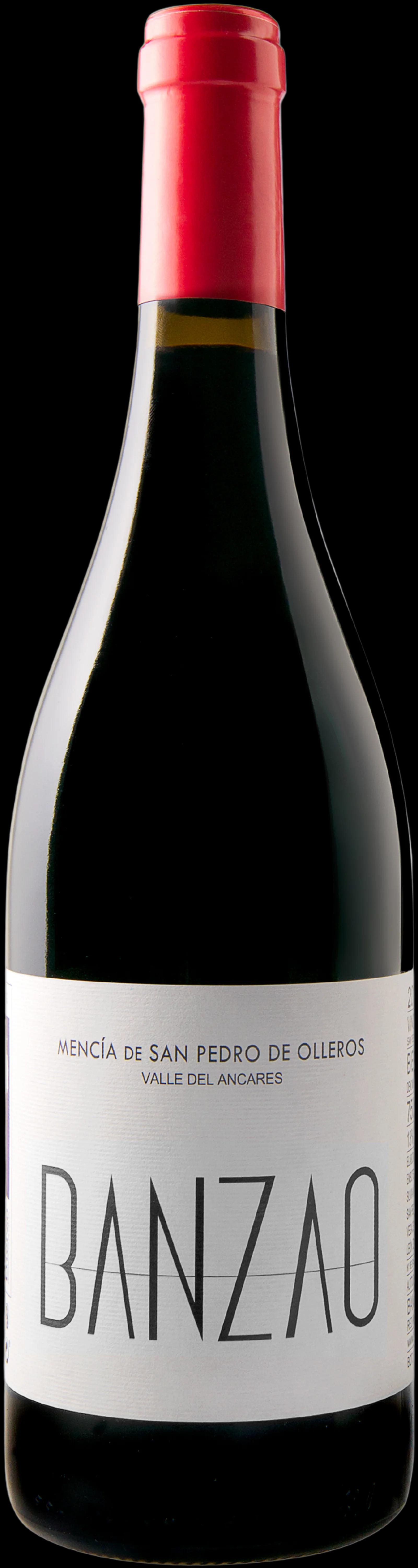
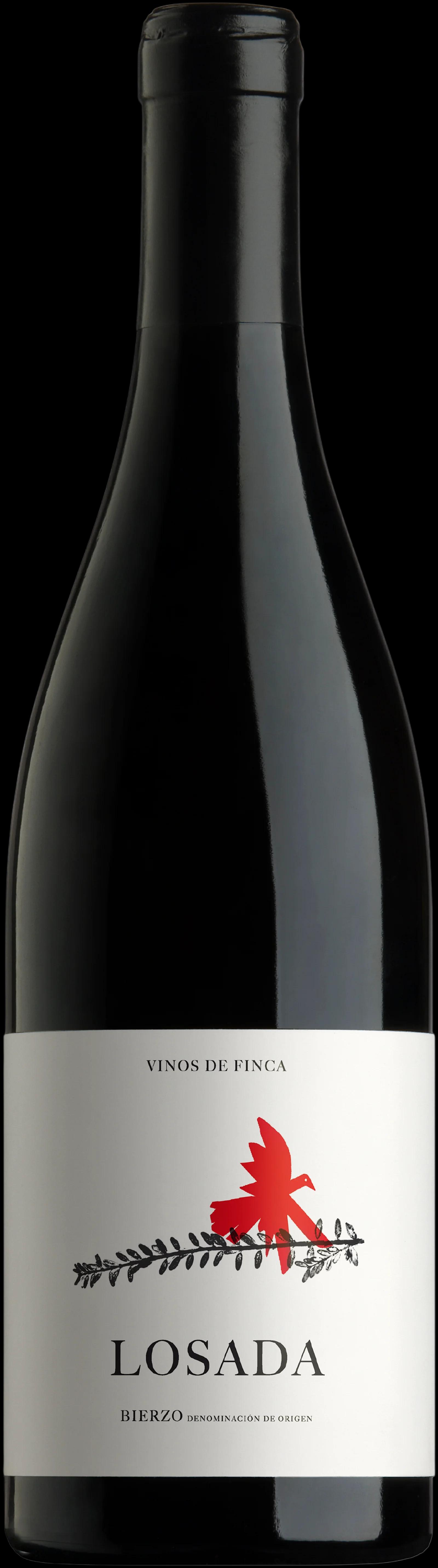
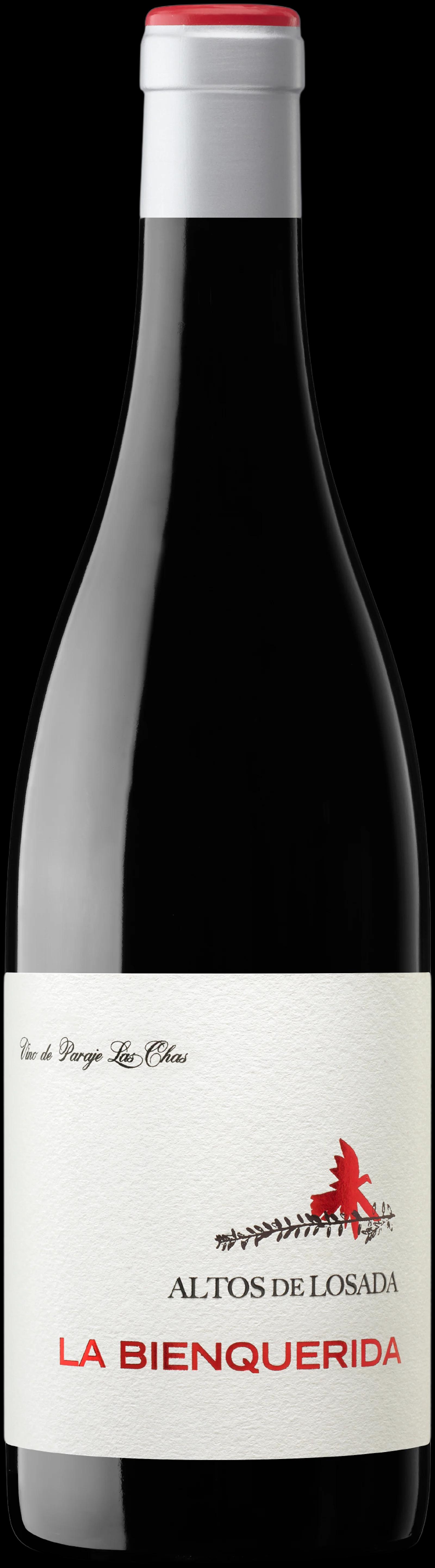
Mencía has a relatively small footprint outside Spain, which means the wines rarely reach international shelves through conventional import channels. On Free Grape Society, producers ship directly from their own cellar to your door, with no importer or warehouse adding a margin or a delay in between. That structure makes it easier to access smaller estates — growers who produce only a few thousand bottles per vintage and would not typically appear in a major wine merchant's catalogue. Wines tasted before listing means the range reflects genuine quality across different producer styles rather than commercial availability. The Mencía wines from Spain section brings together independent growers working with the variety, and the Spain mixboxes and Galicia mixboxes are a good way to explore a producer's range across a single shipment. Free Grape Society is a society of producers, independent experts and wine lovers, not a shop — the producers you find here have chosen to sell directly because they believe in the connection that comes with it.