The producers of Tuscany
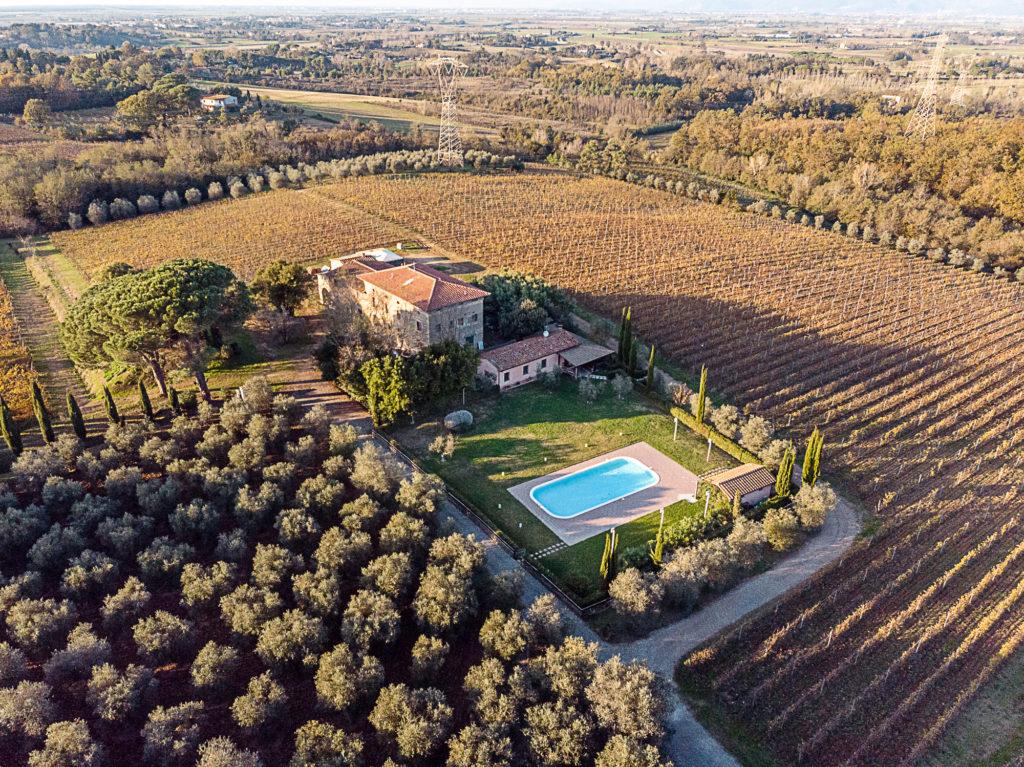
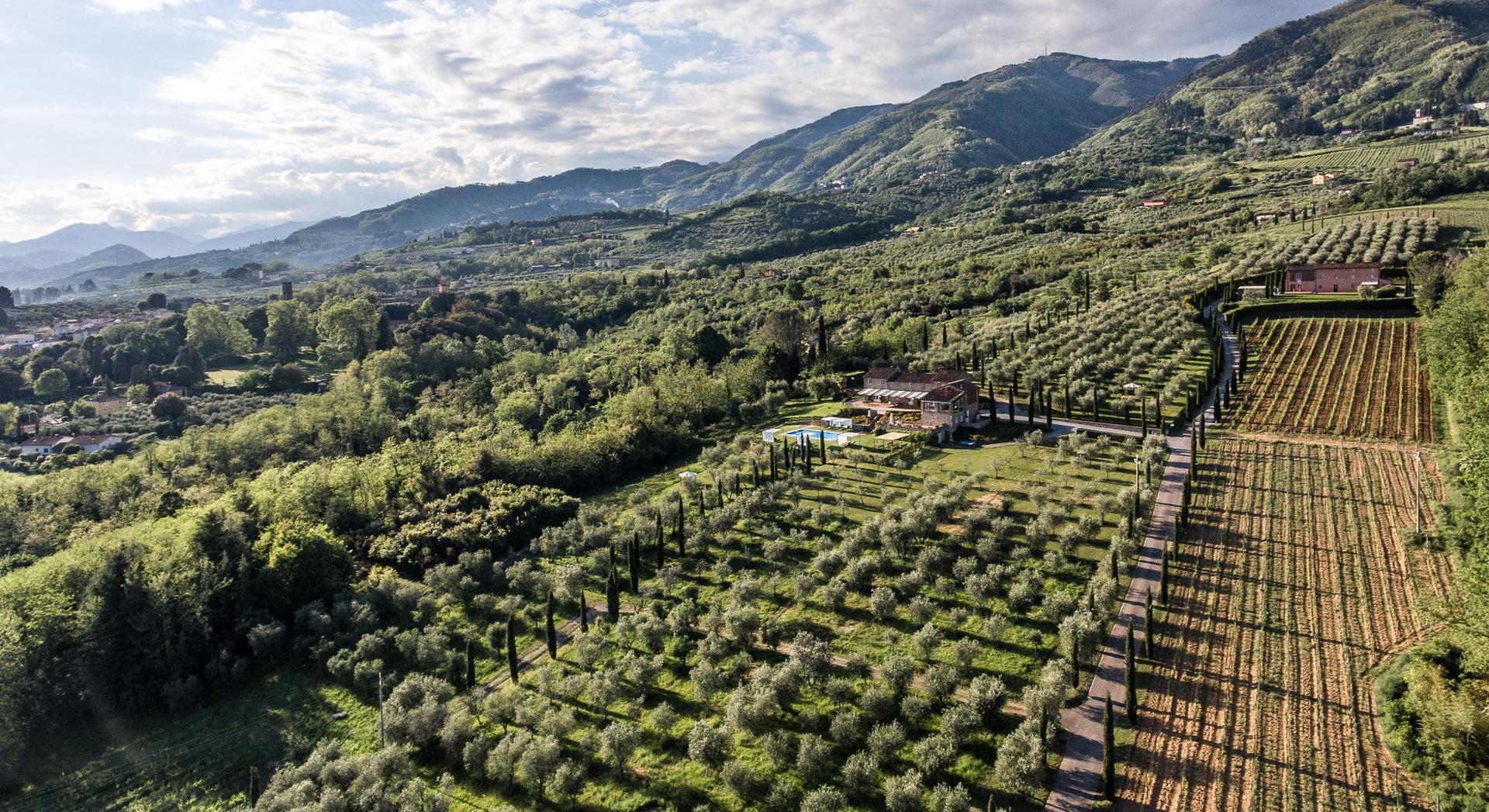
Tuscany's wineries range from estates that have farmed the same hillsides for generations to a newer wave of growers rethinking what the region can do. Most are family-run, working their own vineyards across the region's varied subzones — the galestro and alberese soils of Chianti Classico, the coastal clay and sand of Bolgheri, the volcanic tufa of Pitigliano. That variety in terrain is reflected in the range of producers: some centres on Sangiovese in all its forms, others on international varieties planted in the 1970s and 1980s, and a growing number on indigenous grapes that had nearly disappeared. The Tuscany wineries on Free Grape Society are independent estates — not négociants, not cooperatives — which means the person whose name is on the label is typically the person who made the wine and set the price. Exploring Italian wineries more broadly, you will find a similar pattern of family ownership and regional identity, with Tuscany sitting alongside Piedmont, Veneto and Sicily as one of Italy's most producer-dense regions.
How we choose our producers
We work directly with the growers behind the wines, which means getting to know how they farm, what they charge and what principles sit behind the label before anything is listed. Producers send samples, and those samples are tasted before a wine is listed — the decision rests on what is in the glass rather than on reputation or label design. We look for pricing that reflects the work in the vineyard without the mark-ups that importers and large warehouses typically add, and we keep the relationship direct so the producer sets their own terms. In Tuscany, that matters: the region carries prestigious appellations whose names alone can push prices well above what the wine warrants, and our producers are selected on quality and transparency rather than on DOCG status. Once wines are listed, independent wine experts rate and review individual bottles from the estates they have personally tasted, building a public track record visible on each wine page. We do not aim to carry every producer in the region — we list wines tasted before listing, from producers we have a direct relationship with, which keeps both quality and accountability in place.
Winemaking traditions in Tuscany
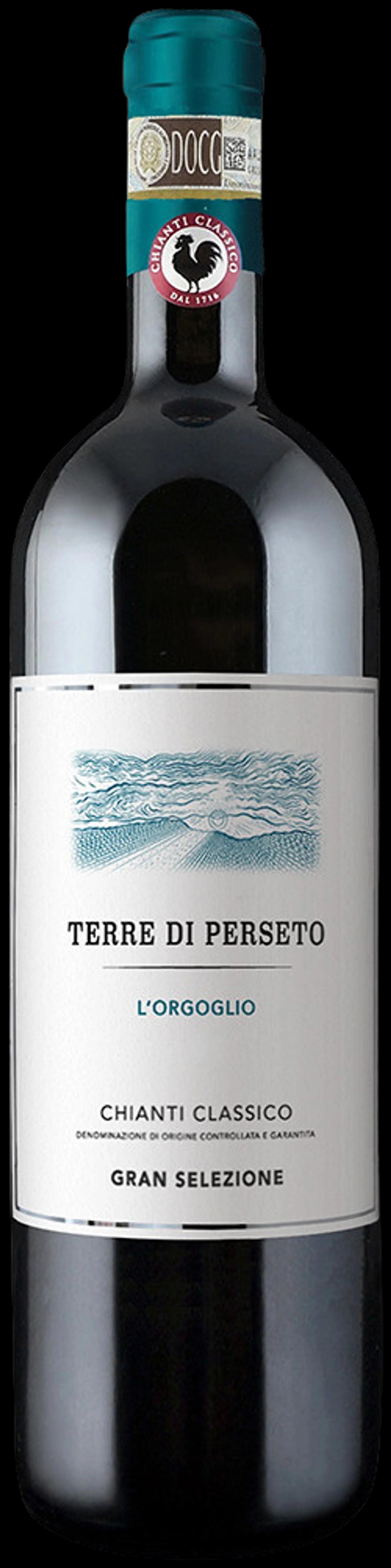
Tuscany's winemaking history is inseparable from Sangiovese, the region's dominant red grape, which expresses differently depending on altitude, soil and clone. In Chianti Classico, the rules have shifted dramatically since the 1990s: the old requirement for white grapes in the blend was dropped, and a new Chianti Classico Gran Selezione category was added at the top, tieing a wine to a specific vineyard or selection from the producer's best parcels. Brunello di Montalcino takes a different path — its Sangiovese clone, Brunello, must be aged for years in barrel and bottle before release, producing some of Italy's most structured and long-lived reds. Bolgheri, by contrast, built its identity on Cabernet Sauvignon and Merlot, largely outside Italy's traditional classification system, and remains one of the few Tuscan zones where international varieties dominate. Across the region, traditional large Slavonian oak casks and smaller French barriques are both in use, and a producer's choice between them tells you a great deal about their stylistic ambitions. For a broader view of Tuscan wines or Italian red wines, the grape and appellation combination is usually the most reliable way to navigate what you will find in the glass. Producers from neighbouring Umbria and Marches often share Tuscany's focus on Sangiovese and indigenous varieties, and are worth exploring alongside it.