The producers of Savoie
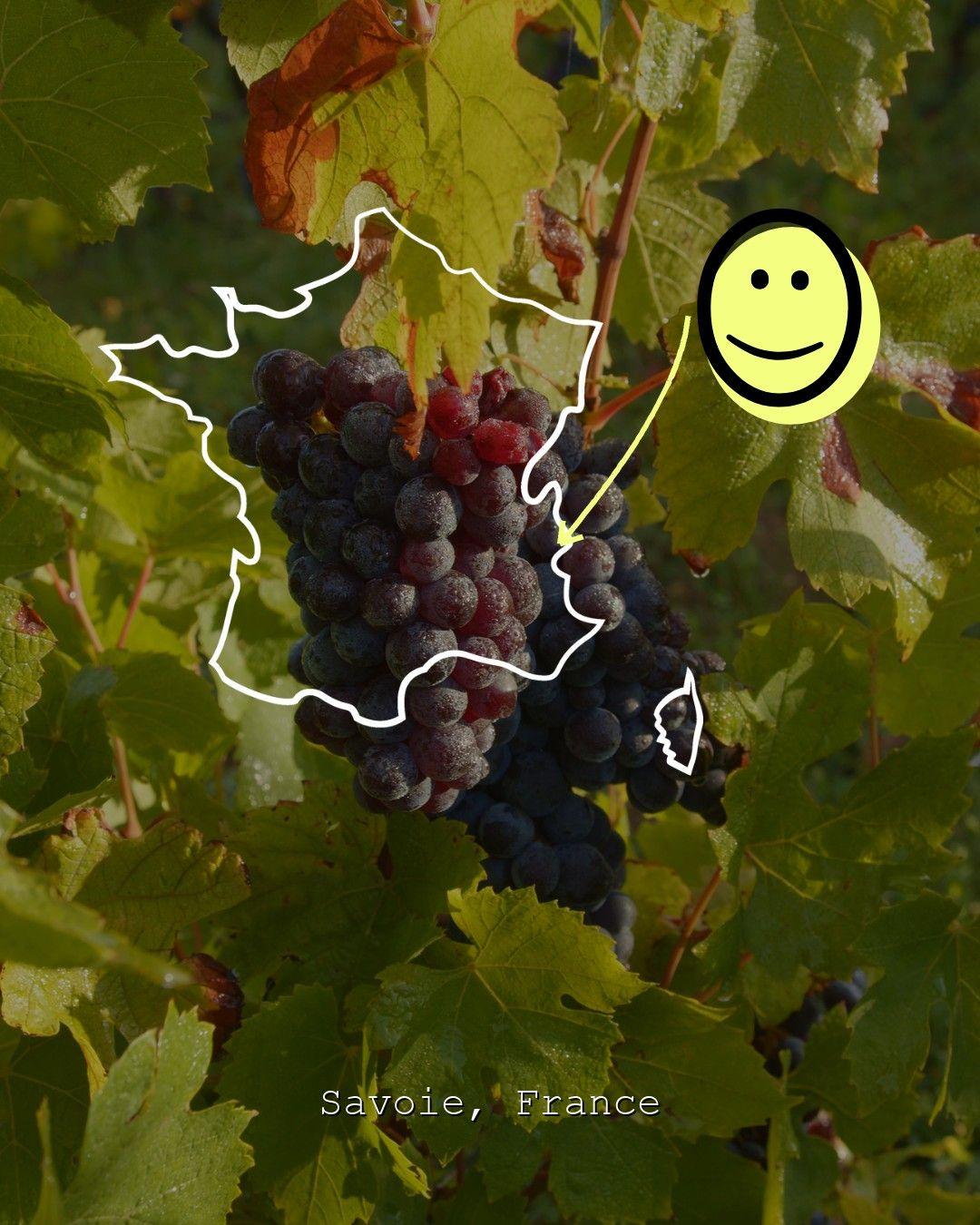
Savoie sits in the French Alps, and the producers working here are shaped by altitude, slope, and the fragmented mosaic of small appellations that run from Lac Léman down through the Combe de Savoie. Most estates are small, often family-held, farming steep terraced vineyards that require a great deal of hand work. The dominant white grapes — Jacquère, Altesse, and Roussanne locally known as Bergeron — are varieties you will rarely encounter outside this region, which is part of what makes the growers here worth knowing. For reds and light rosés, Mondeuse is the signature, producing wines with a distinctive savouriness and freshness that suits the mountain climate. Producers in Savoie typically farm across several small parcels spread between different villages and appellations, so a single estate might bottle a Roussette de Savoie from one slope and a Chignin-Bergeron from another, each reflecting its own microclimate and soil. You can browse Savoie wineries directly on Free Grape Society, or explore the wider range of French producers working across the country.
How we choose our producers
We work directly with the growers behind the wines, which means getting to know how they farm and what they charge before a single bottle is listed. Producers send samples, and those samples are tasted before a wine is listed — the decision rests on what is in the glass, not on a reputation or a back-label. In a region like Savoie, where many of the grapes and appellations are unfamiliar to buyers outside France, that tasting step matters: it is how we can stand behind what we list. We look for pricing that reflects the work in the vineyard without the mark-ups that importers and warehouses typically add, and because producers sell and ship directly from their own cellars, the grower sets their own terms. Once a wine is listed, independent wine experts rate and review individual bottles, building a public track record visible on the wine page. We do not try to carry the full output of a region: we list wines tasted before listing, from producers we have a direct relationship with. On Free Grape Society, producers ship directly to the buyer, with no importer or warehouse in between.
Winemaking traditions in Savoie
Savoie's winemaking traditions are tied closely to its geography. The region is not a single continuous plateau but a series of disconnected vineyard zones — lakeside slopes above Lac Léman, the steep hillsides of Jongieux, the terraced amphitheatre of Chignin, and the narrow valley floors of the Combe de Savoie — and each has developed its own practices around the grapes that suit it best. Jacquère, the most widely planted white variety, produces light, high-acid wines that have historically been drunk young and locally, often alongside fondue and raclette. Altesse, used in Roussette de Savoie, is a more structured grape capable of ageing, and growers working with it tend to give the wine more time in the cellar. Mondeuse, Savoie's principal red variety, fell out of favour in the mid-twentieth century as lighter, easier varieties were planted instead, but growers here have been bringing it back, and the wines it makes — firm, peppery, and distinctly cool-climate — are among the most characterful in the region. You can find Savoie wines alongside bottles from the Rhône Valley, Burgundy, and other French regions on Free Grape Society. For those exploring mountain wine regions more broadly, Austrian producers working in Steiermark and Trentino-South Tyrol producers in northern Italy share a similar alpine character.