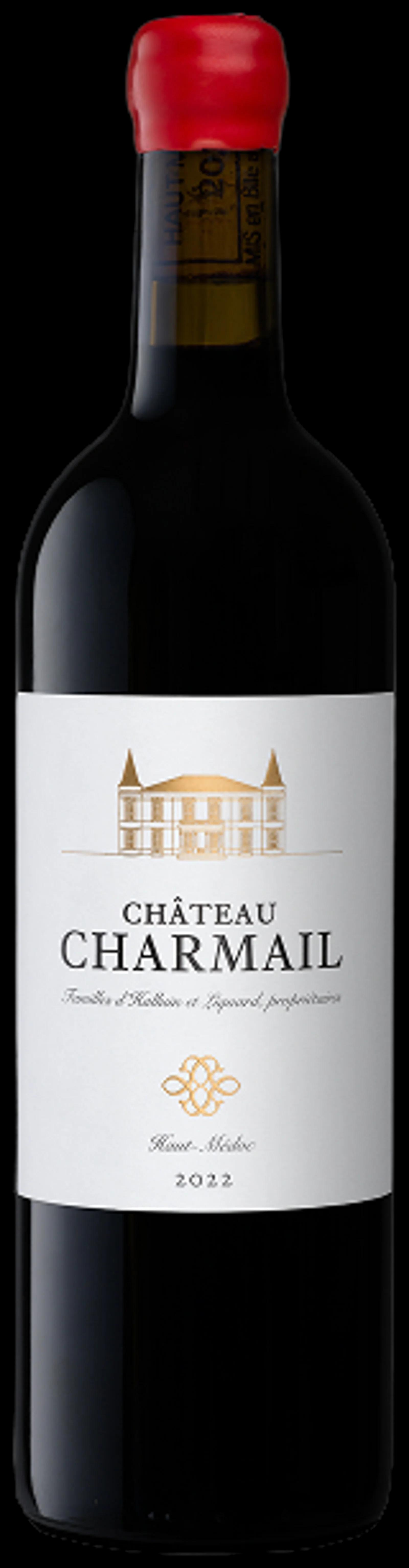
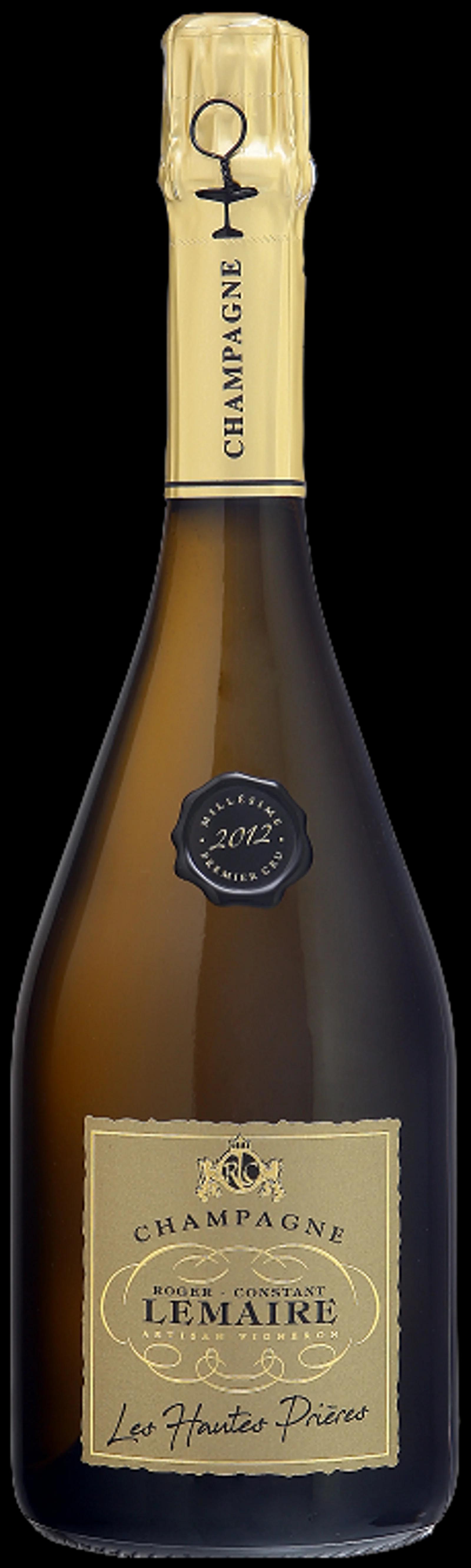
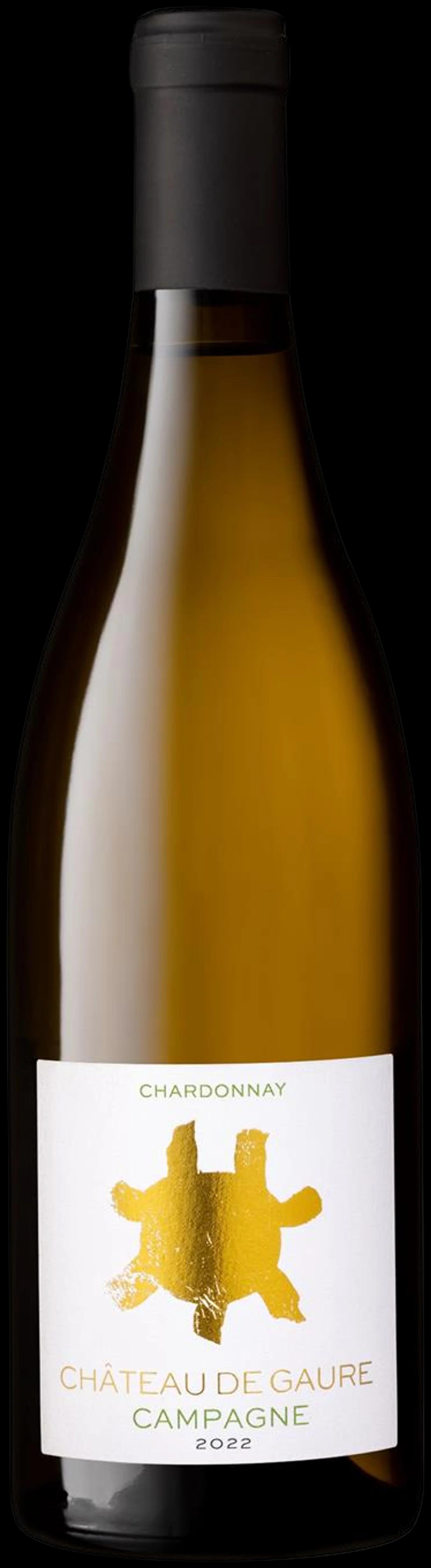
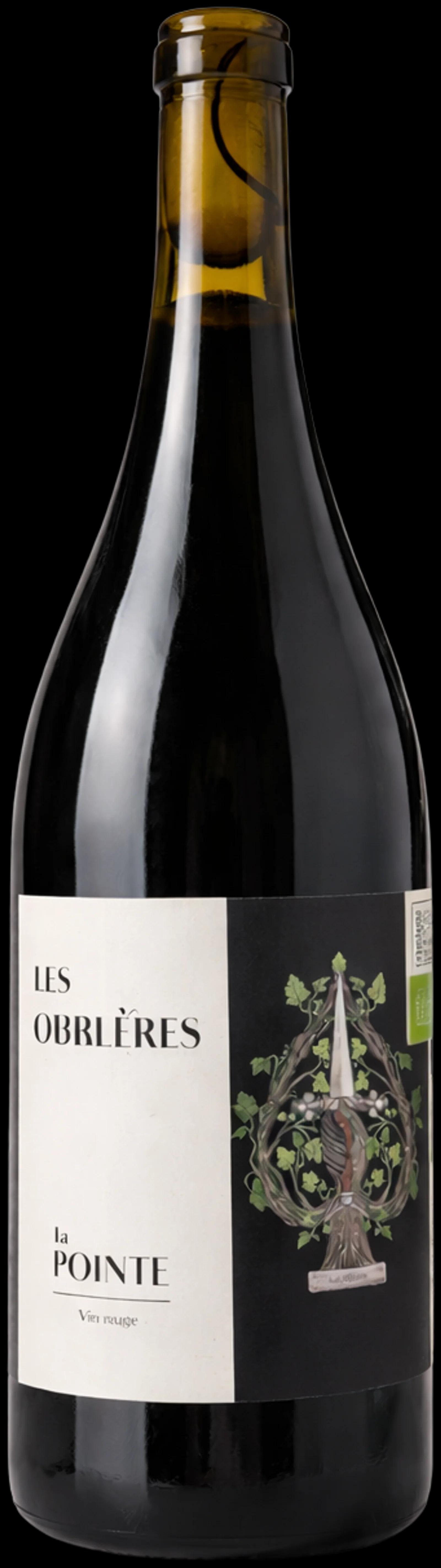

French wines from Bordeaux, Bourgogne and beyond, producer by producer

French wines span more than ten regions, each running on its own grapes, climate and rules. Below, independent producers and the bottles they make.

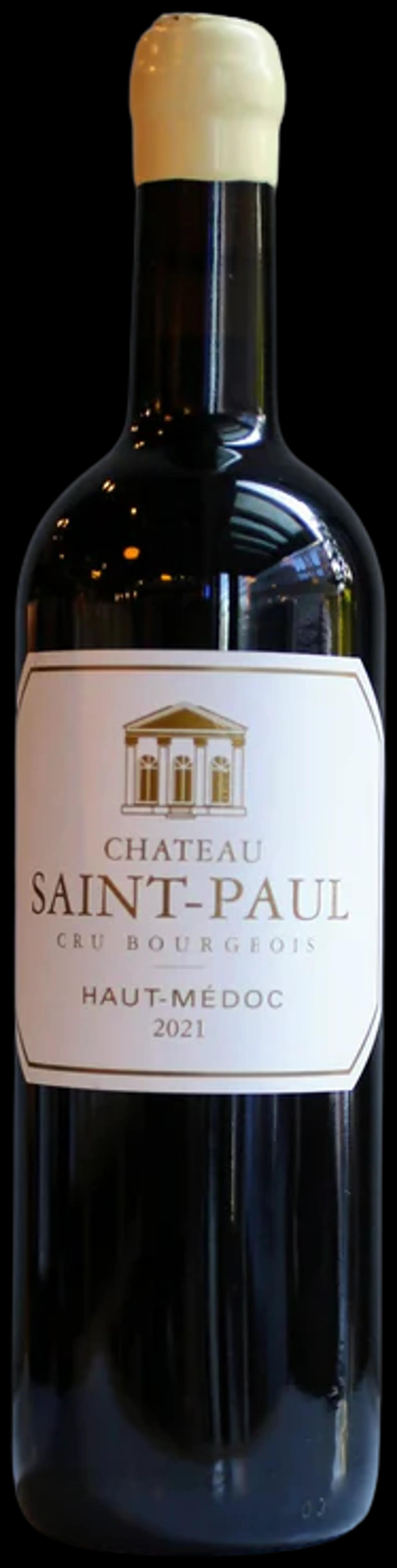
Cabernet Sauvignon on the Left Bank and Pinot Noir in Bourgogne

Color

Dropdown arrow

Type

Dropdown arrow

Country (1)

Dropdown arrow

Region

Dropdown arrow

Grape

Dropdown arrow

Pairing

Dropdown arrow

Sort by

Sort arrow
France

French wines

France divides into more than ten wine regions that share almost no rules. Bordeaux runs on a château system built around Cabernet Sauvignon and Merlot. Bourgogne is a map of tiny parcels, where a single named vineyard can have a dozen different owners, nearly all working with Pinot Noir or Chardonnay. The Rhône splits north and south: Syrah leads in the north, Grenache-based blends in the south. Each region has its own appellation logic, its own grape hierarchy and its own idea of what a good bottle looks like.

Previous1 of 11Next

French mixboxes

On Free Grape Society, the producers behind these French wines ship directly from their own cellars, with no importer, agent or warehouse in between. Prices are set by the growers themselves. Free Grape Society is a society of producers, independent experts and wine lovers, not a shop.

French wineries

Each French mixbox is six bottles from a single producer, composed by that grower as their own recommendation. A Loire domaine might move you through Chenin Blanc in different styles; a southern Rhône estate might build a box around Grenache, Syrah and Mourvèdre. The producer decides the selection, not us.

Wine experts

Independent wine experts on Free Grape Society rate and review French wines they have personally tasted. Their reviews appear on the wine page and on each expert's own profile, so you can follow the experts whose palate matches yours. Experts review what they have tasted; they do not select or curate the catalog.

Frequently asked questions

How do I order wine directly from a French producer on Free Grape Society?

Browse the French wineries listed here, open a producer page, and add bottles or a wine case to your cart. Payment is handled securely by Klarna or card. The producer packs and ships your order directly from their own cellar, and delivery typically takes between four and fourteen days, with an average of around eight to nine days.

What happens if a bottle arrives broken or doesn't taste right?

Send a photo to Free Grape Society customer support within 7 days of delivery. We will arrange a replacement or a refund. Because producers ship directly, quality issues are handled with the producer's direct involvement. Shared responsibility is built into how FGS works.

Is there a minimum order when buying from French producers?

There is no platform-wide minimum, though individual producers may set their own conditions, which you will see on their page. Shipping is free, so there is no incentive to over-order just to qualify for a delivery threshold. A six-bottle wine case is a practical starting point if you want to explore a producer's range in one order.

How long does delivery take?

Average delivery is 8 to 9 days from order to door. The full range is 4 to 14 days depending on the producer's location and your delivery address. Wines ship directly from the producer's cellar, not from a central warehouse.

How do I find the right French producer for what I am looking for?

You can filter by region, grape variety, or wine style using the options above. If you are unsure where to start, an independent wine expert on the platform can take your question and suggest a producer or a specific bottle. Experts provide personal recommendations based on wines they have tasted themselves.

What regions and styles are represented among the French wineries here?

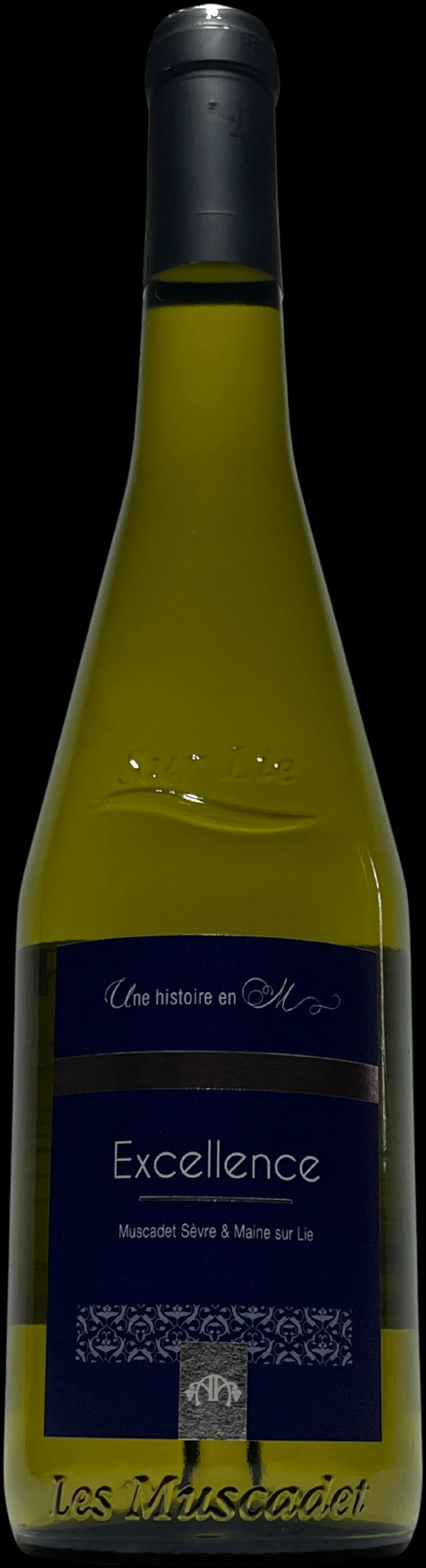
The producers span several of France's major regions, including Bordeaux, Bourgogne, the Rhône Valley, the Loire Valley, Alsace, Languedoc-Roussillon, and Champagne. Styles range from bone-dry Muscadet made on Melon de Bourgogne to structured Cabernet Sauvignon-led blends from the Left Bank and lighter Gamay-based wines from Beaujolais.

Which French wine expert can recommend something for me?

The independent wine experts listed on this page have reviewed French wines they have personally tasted. Open an expert's profile to see their reviews and track record, then submit your question directly. They can recommend a specific producer, a region, or a bottle based on what you are cooking, drinking, or curious about.

Why do you not carry every wine from every French producer you work with?

Each producer decides which wines to list on Free Grape Society and sets their own prices. Not every wine in a producer's range is offered here, only the ones they have chosen to make available for direct sale and shipping. That keeps the selection honest and ensures every bottle you see is one the producer is actively standing behind.

How is buying directly from a French producer different from buying in a wine shop or from an online retailer?

A traditional retail chain moves wine through an importer, a wholesaler, and then a shop before it reaches you, with a margin added at each step. On Free Grape Society the producer ships from their own cellar directly to your door. The price reflects what the winery actually charges, and delivery is free.

Wine regions of France

France's wine geography is not a single story. Bordeaux operates on a château system built around négociants and classified estates, with Cabernet Sauvignon dominating the Left Bank and Merlot the Right. Burgundy runs on an entirely different logic: small parcels, often a fraction of a hectare, sometimes split between a dozen owners. A single vineyard name in Burgundy can mean wines at radically different price points depending on which producer holds which rows. Champagne is the only major French region where blending across villages and vintages is the standard, not the exception — most non-vintage Champagne is assembled from 30 to 50 base wines. The Languedoc-Roussillon covers more vineyard land than all of Australia's wine regions combined, and has shifted in the last 30 years from bulk production to one of France's most productive sources of independent estate wines. The Rhône Valley divides into a narrow northern corridor where Syrah grows on steep granite terraces, and a broad southern plain where Grenache-based blends are the structural norm. The Loire Valley stretches over 1,000 kilometres from the Atlantic coast to the Massif Central, producing dry whites, sparkling wines, and reds from grapes — Melon de Bourgogne, Cabernet Franc, Gamay — that appear almost nowhere else at this scale.

Signature grapes from France

Chardonnay is the sole white grape permitted in white Burgundy and in Champagne blanc de blancs. Its expression in Chablis, where the soil is rich in Kimmeridgian limestone, is structurally different from the oak-influenced style common in the Côte de Beaune — same grape, same country, opposite results. Pinot Noir accounts for all red Burgundy and is the dominant red grape in Champagne's base wines. In Alsace, it is the only red permitted. Carignan was planted across the Languedoc in the postwar decades primarily for volume; old-vine Carignan, now over 60 years old in some plots, produces wines with structure that younger vines cannot replicate. Grenache Noir ripens late and performs best in the hot, wind-exposed soils of the southern Rhône, where the Mistral wind reduces disease pressure and concentrates the fruit. Cinsault is historically a blending grape in the southern Rhône and Languedoc, but increasingly vinified as a standalone by producers working with older vines. Petit Verdot was traditionally used in Bordeaux blends at 2–5% for colour and structure; in warm vintages it ripens fully, but historically it was too late-ripening to carry a major role.

Climate, terroir, and how French wines reach you

France sits at a latitude where Atlantic, Mediterranean, and continental climates all exert influence, depending on proximity to the coast and the degree of protection from mountain ranges. Bordeaux's oceanic climate means vintage variation is significant — the difference between a wet and a dry September can change the character of an entire appellation's output. In Alsace, the Vosges Mountains block rainfall from the west, making it one of the driest wine regions in France despite its northerly position. Climate change has pushed average harvest dates in Burgundy forward by roughly 18 days compared to the 1980s, compressing the growing season and shifting the style of wines across all appellations. These are not incremental adjustments — they are structural changes affecting which varieties perform, and at what alcohol levels. The wines listed on this page come from independent French estates. No industrial labels. Bottles ship from the producer's cellar — not from a wholesale warehouse in between. A bottle of wine normally changes hands three times before it reaches you. Here it changes hands once. Producers list directly on Free Grape Society, set their own prices, and ship to your door without an importer or distributor taking a cut. Independent wine experts rate and review individual wines on the platform. Their reviews are visible on each wine page and on the expert's own profile — not aggregated into a score that removes accountability.