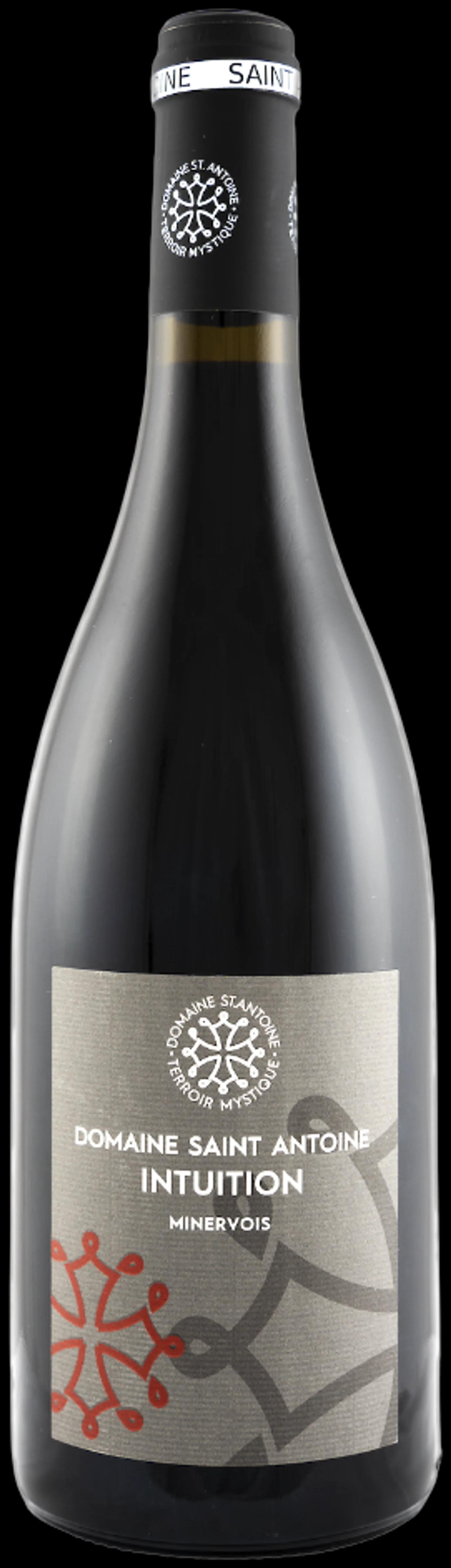
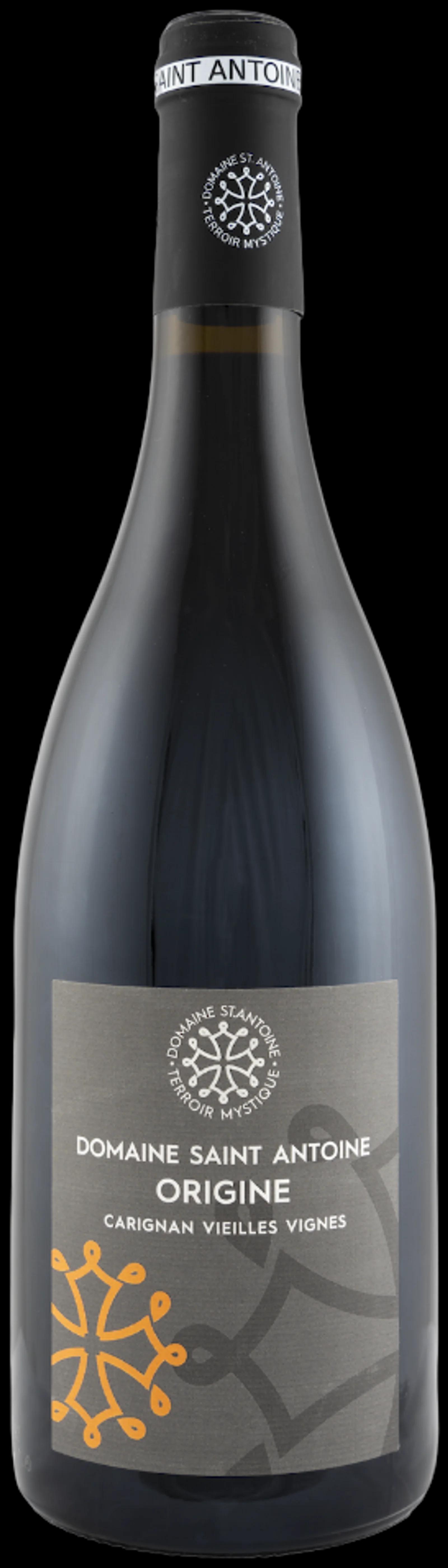
Carignan in France — Where It Found Its Identity
Carignan is not a French grape by origin. It came from the Aragon region of Spain, where it is known as Cariñena or Mazuelo. But France is where it became dominant, and specifically Languedoc-Roussillon is where it took root at scale. By the mid-twentieth century, Carignan accounted for roughly 40% of all French vineyard area — a statistic that reflects postwar reconstruction priorities, not quality aspirations. The result was decades of industrial Carignan: high-yielding, tannic, and largely anonymous.
The reversal came when older vines were recognised as assets rather than liabilities. Carignan planted in the 1950s and 1960s, left in place because replanting costs were prohibitive, turned out to produce fundamentally different wine than young-vine Carignan. Low yields from old vines concentrate extract and moderate the harsh tannins. Many of the most serious Carignan producers working today in France are working with bush vines between 50 and 80 years old, dry-farmed on schist or limestone. The grape's rehabilitation in France has been driven almost entirely by small independent estates, not by the négociant trade.
How Carignan Varies Across French Wine Regions
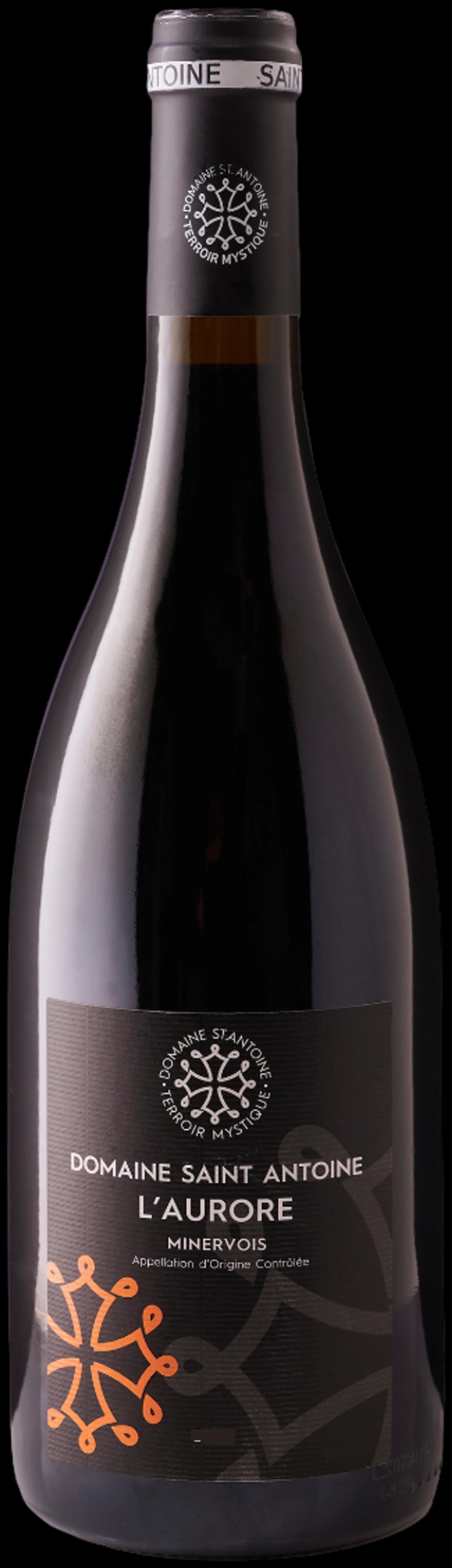
The expression of Carignan shifts considerably across the regions where it grows in France. In the Languedoc, schist soils in appellations such as Faugères and Saint-Chinian produce Carignan with pronounced mineral grip, high natural acidity, and dark fruit character that ages well. On limestone, particularly in the Corbières and Minervois, the tannins tend to be firmer and the mid-palate more structured. In Roussillon — geologically more complex, with a mosaic of schist, granite, and gneiss — Carignan planted at altitude produces noticeably higher acidity than valley-floor vines.
Carignan rarely appears as a monovarietal wine, though producers committed to old-vine parcels increasingly bottle it alone. More commonly it plays a structural role in blends alongside Grenache, Syrah, and Cinsault. In that context, Carignan provides the acid backbone and colour depth that Grenache in particular cannot sustain on its own. The production method also matters: carbonic maceration softens Carignan's tannins and emphasises fruit; traditional fermentation preserves structure and requires either old vines or careful extraction management to avoid coarseness.
French Carignan and the Producers Who Work With It
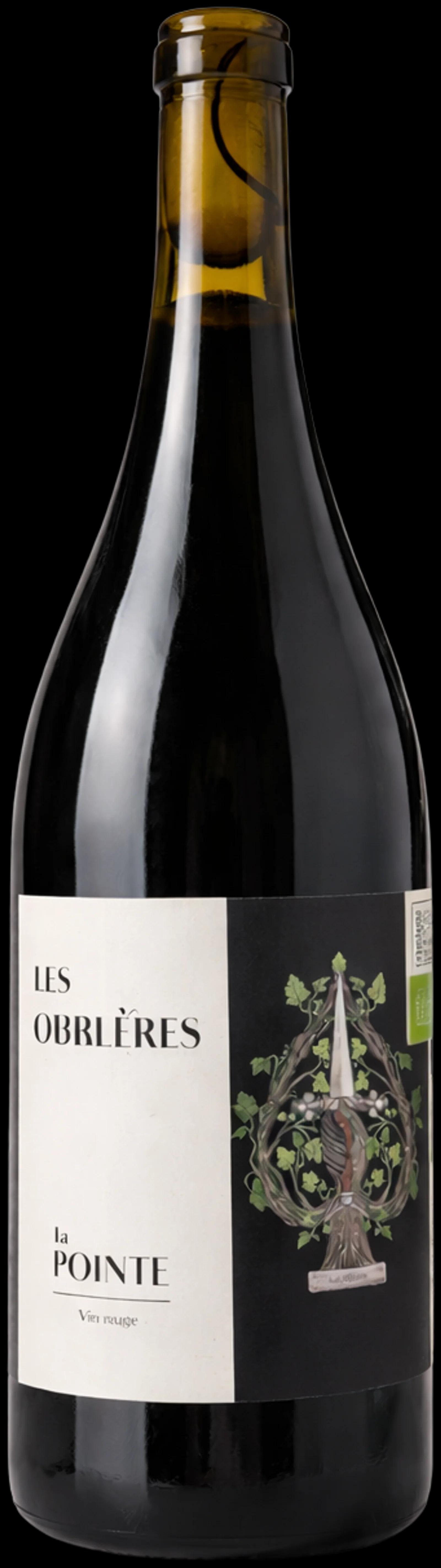
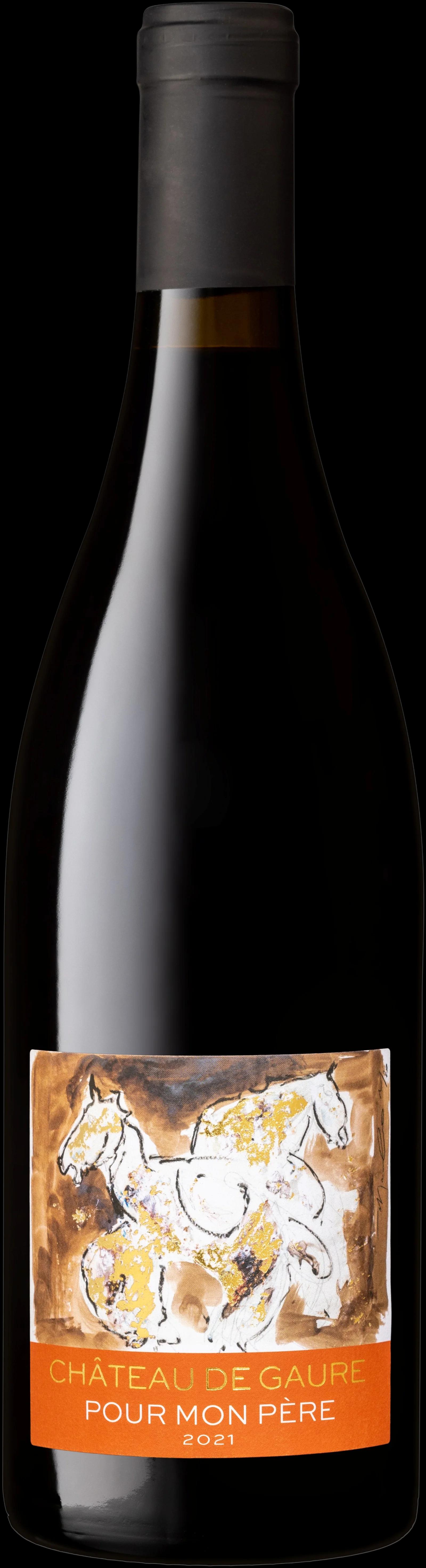
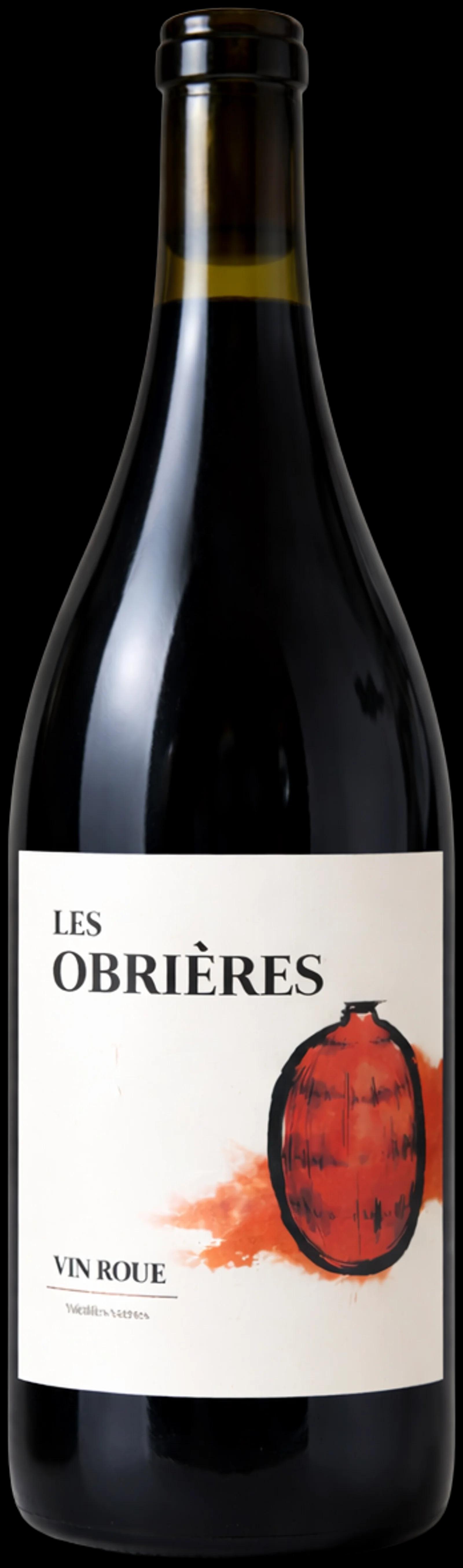
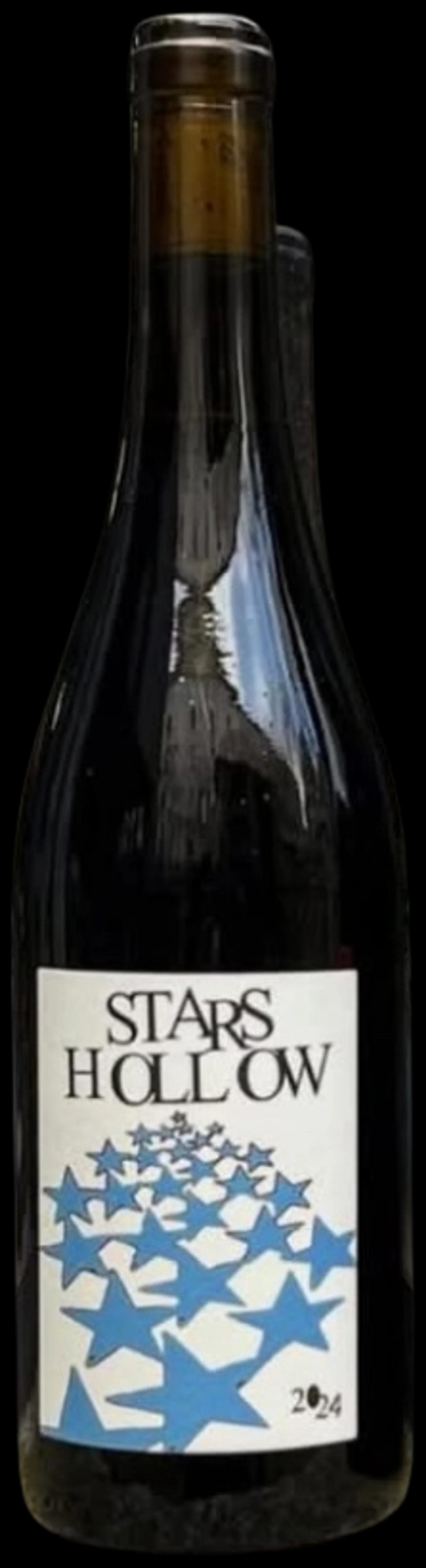
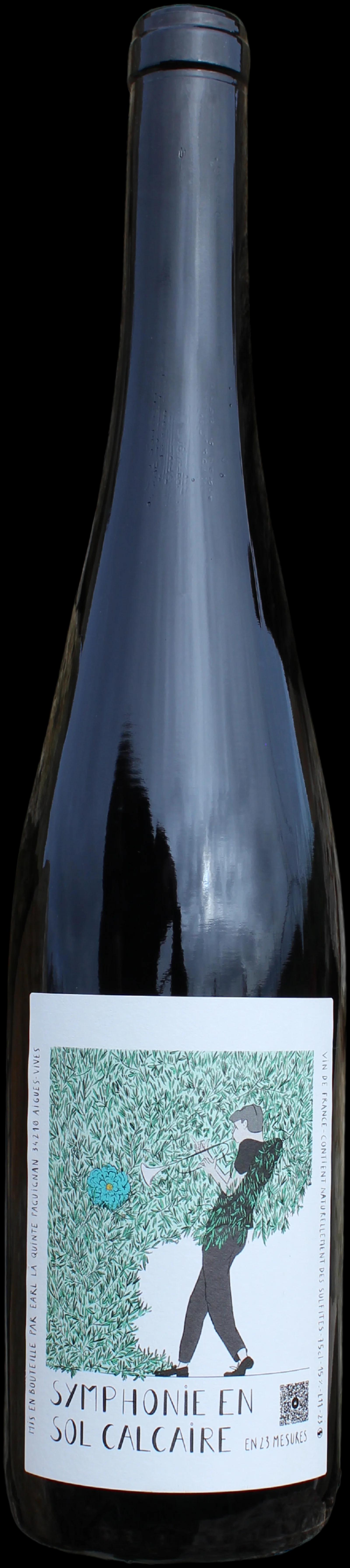
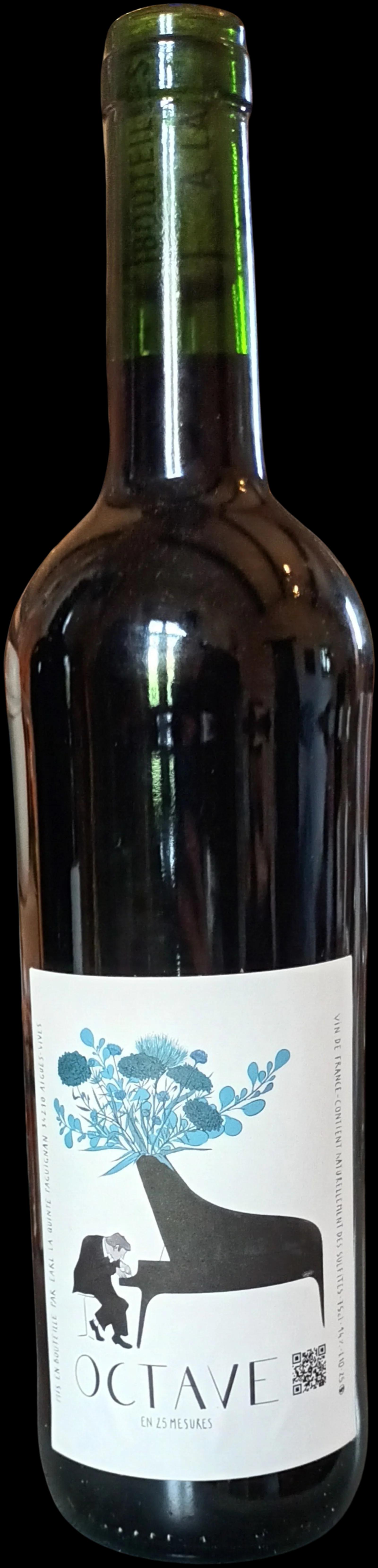
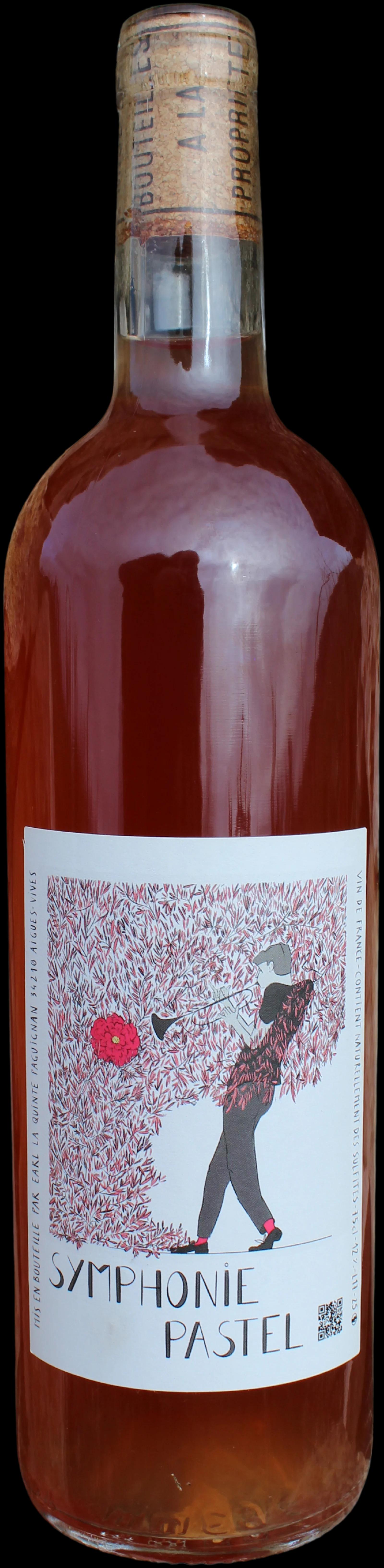
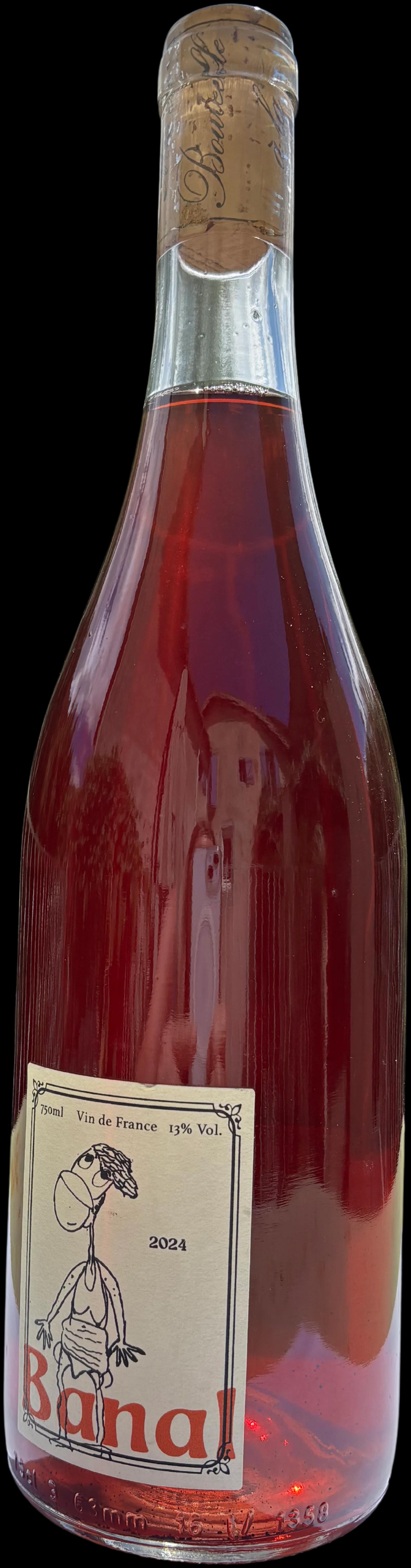
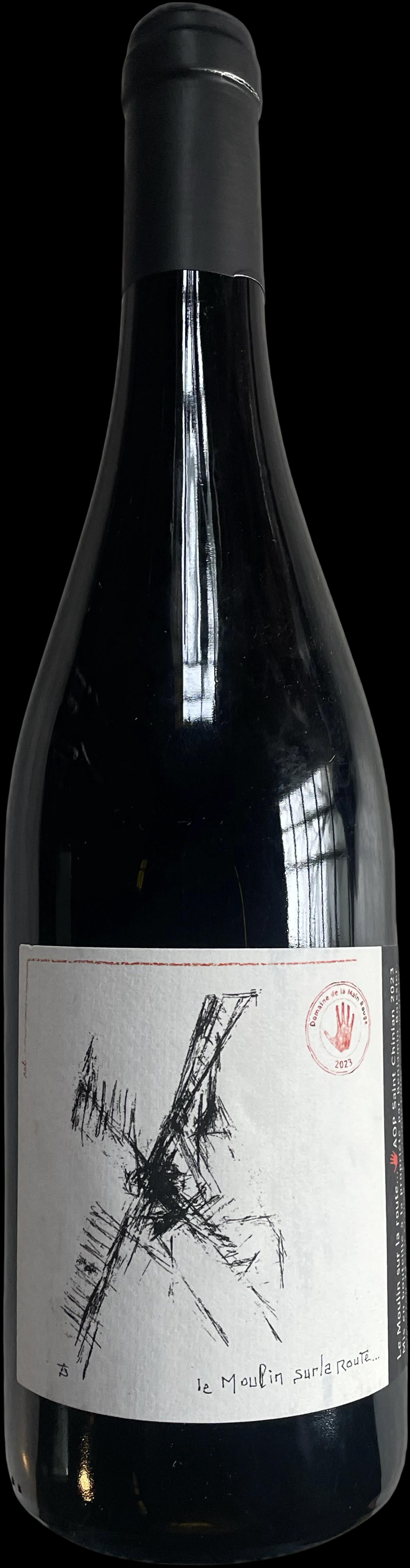
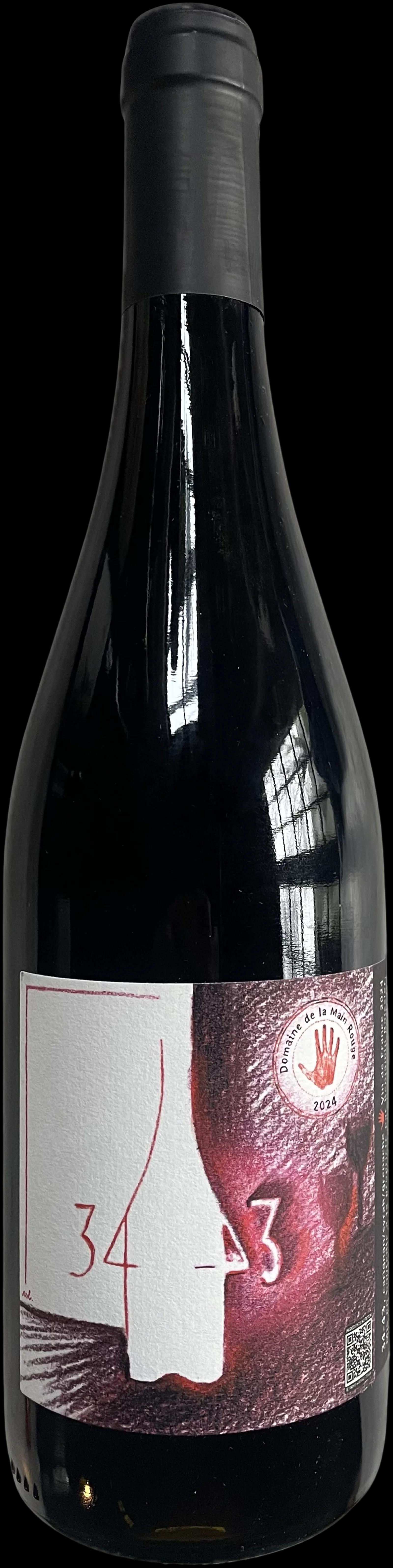
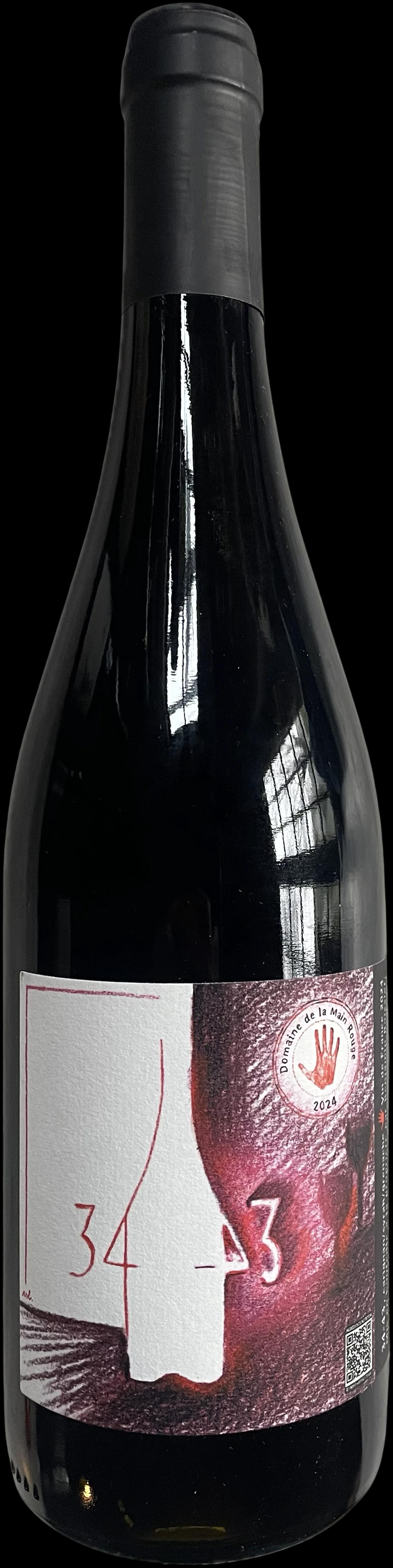
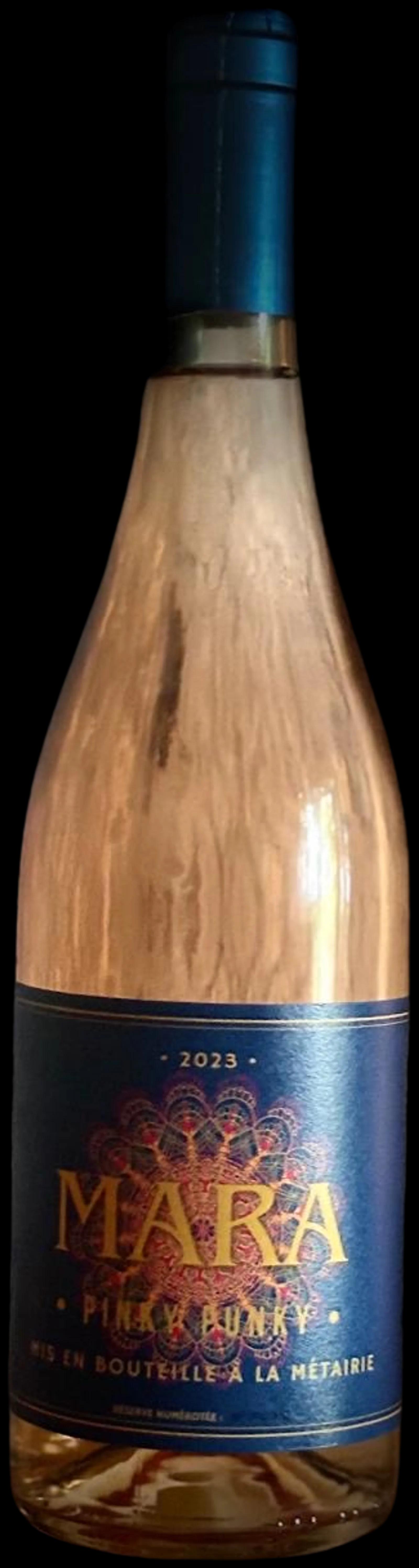
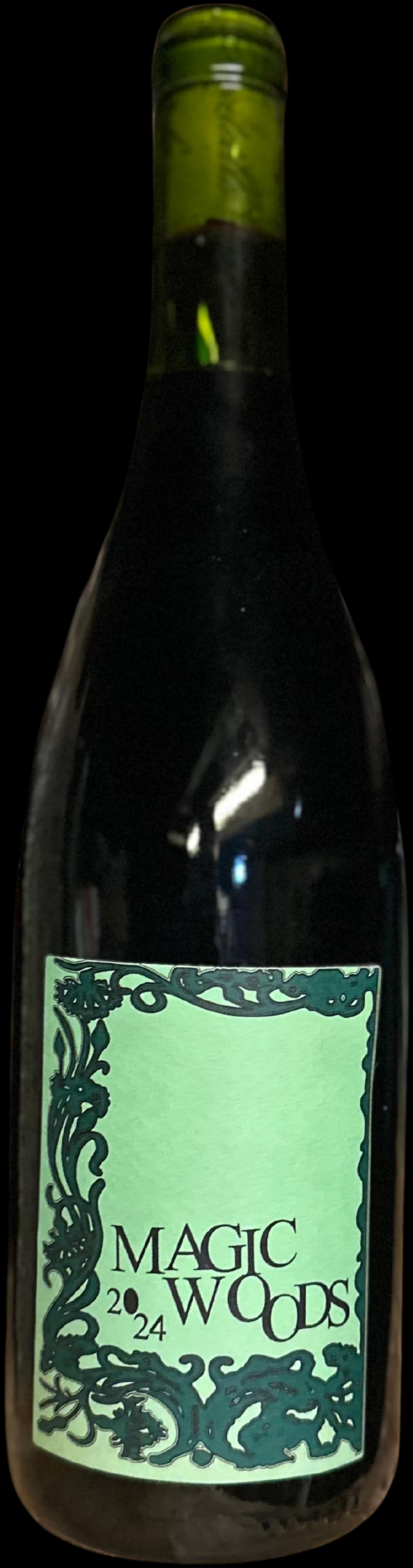
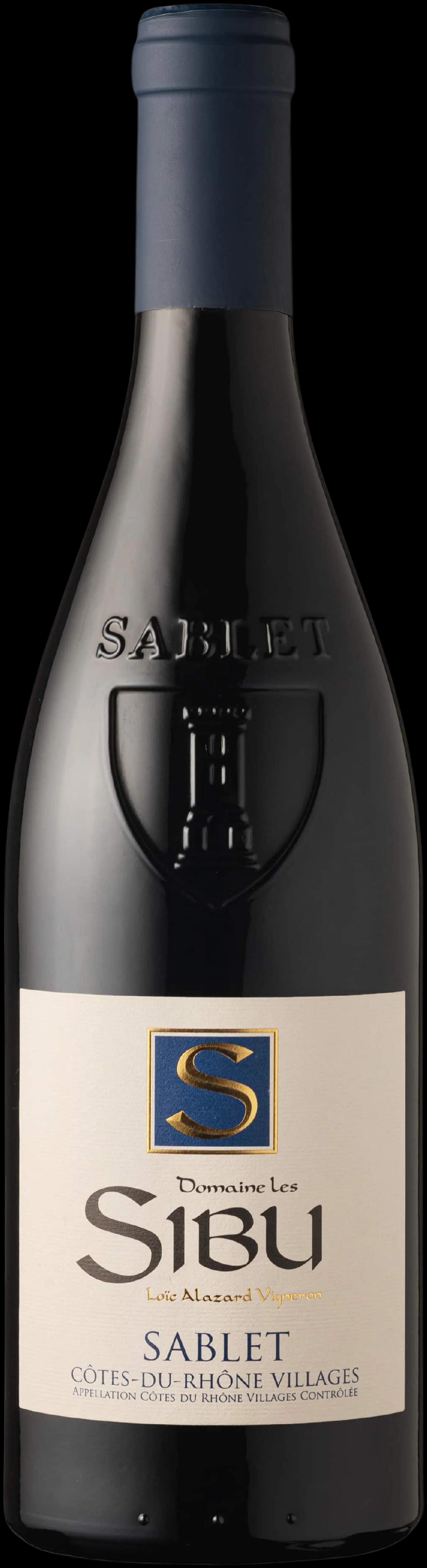
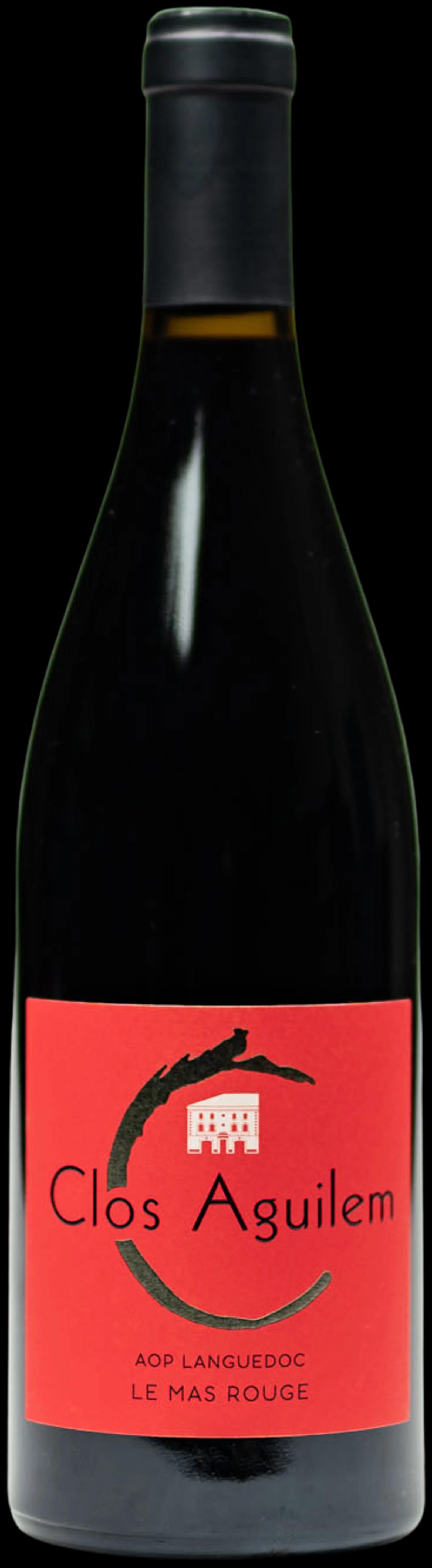
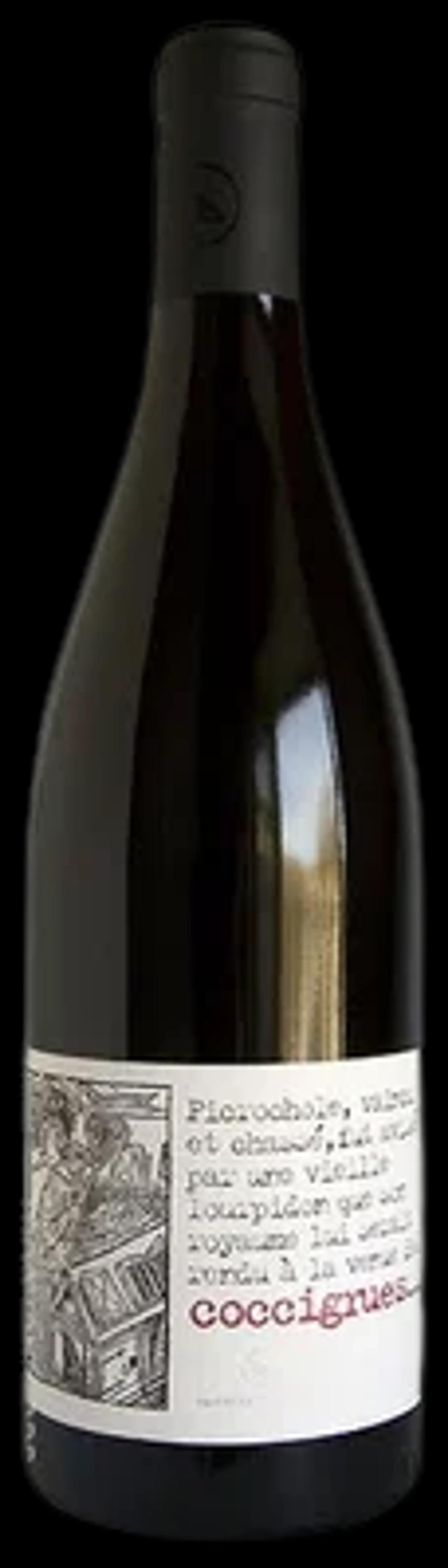
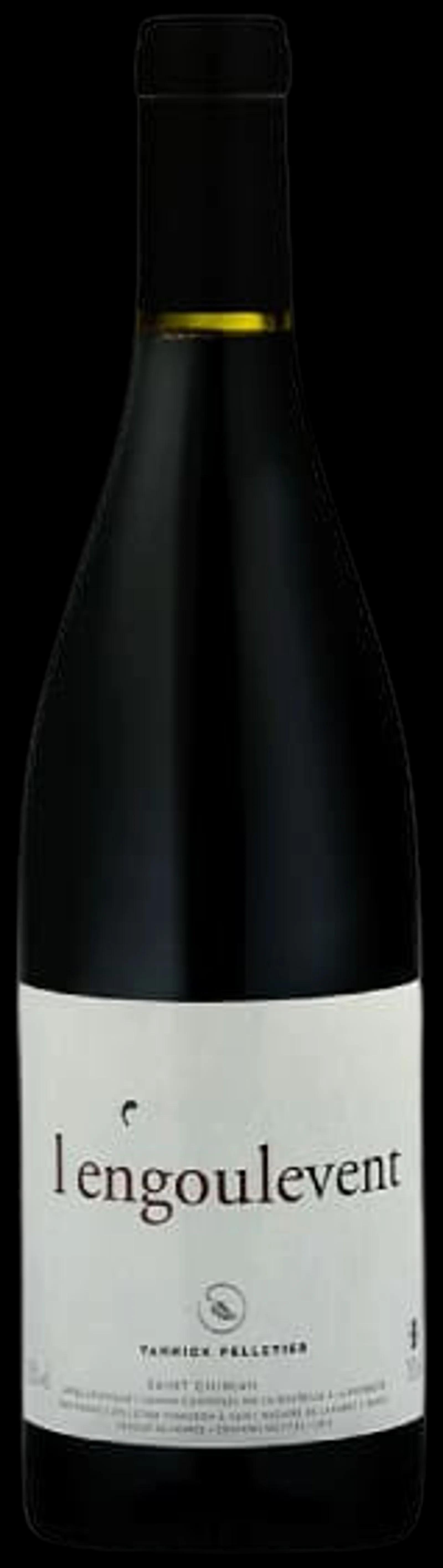
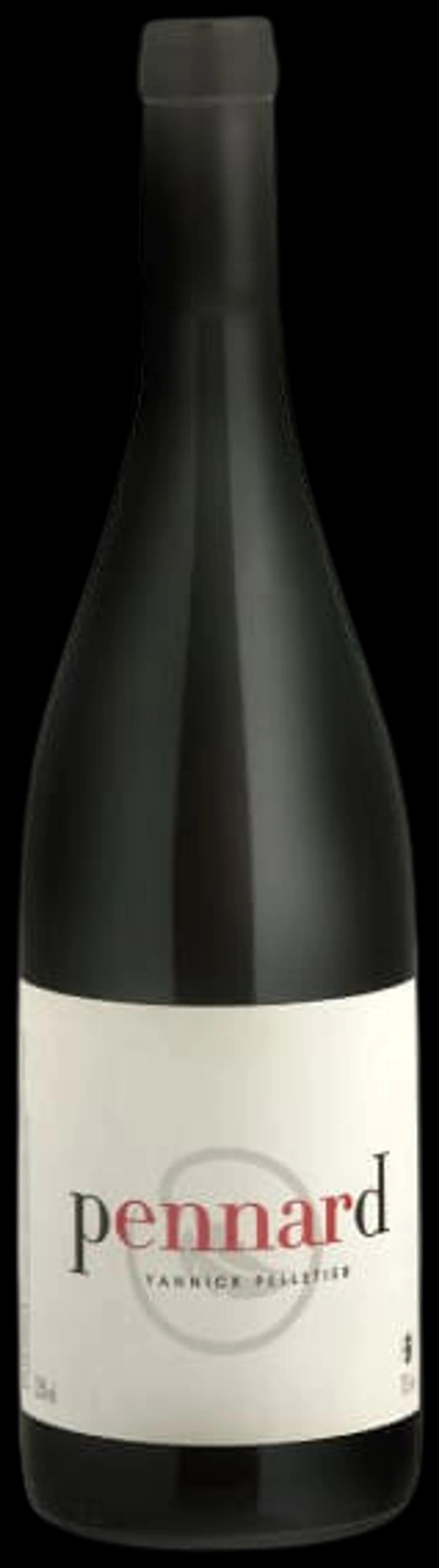
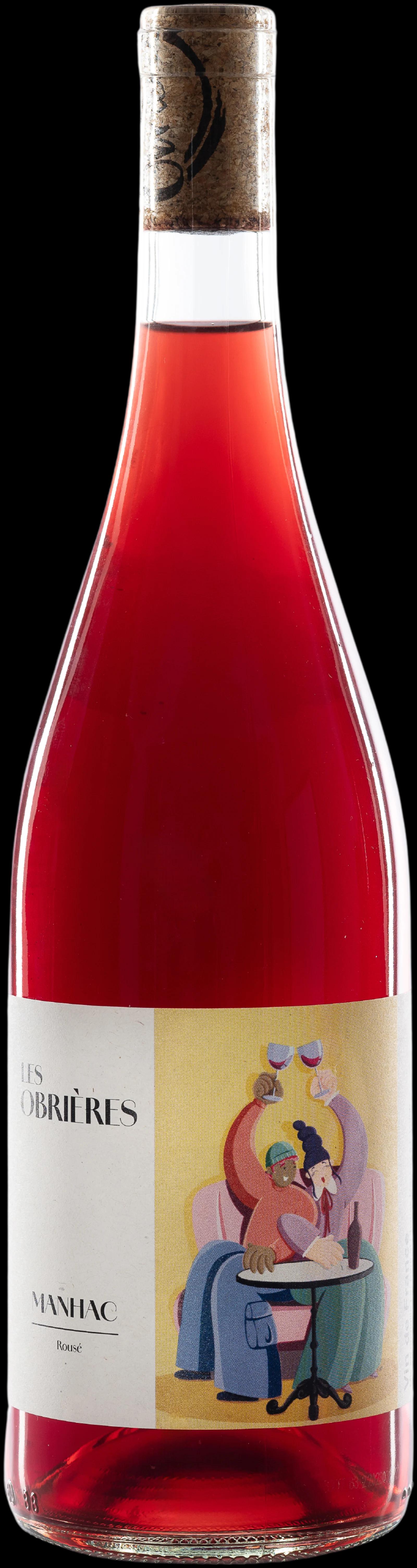
The producers on Free Grape Society working with French Carignan are almost exclusively estate-bottlers with direct control over their vineyards. That matters for Carignan specifically because the grape's quality ceiling is so tightly linked to vine age, yield management, and soil. A négociant buying grapes from multiple growers cannot guarantee the same parcel continuity that shapes what old-vine Carignan becomes.
For comparison, Garnacha from Spain — Carignan's frequent blending partner across the Pyrenees — shares some structural similarities but is typically lower in acid and higher in alcohol under equivalent conditions. Monastrell, another Mediterranean red, leans toward darker, more concentrated profiles with different tannin texture. Within France, the closest structural parallel to old-vine Carignan is probably Cabernet Franc from the Loire: both carry high acidity, firm structure in youth, and genuine ageing capacity that is frequently underestimated at release.
Producers decide whether they list here. No buyer with quarterly targets, no chain defending shelf space. The producer decides if they want to be here, and what is here. For a grape like Carignan, where the story is almost entirely told at estate level, that structure is not incidental — it is the reason the wines on this page exist at all.