

Mourvèdre: a dark, spiced grape rooted in the Mediterranean south

Mourvèdre wine is built for heat and poor soils, producing structured reds with dark fruit, iron-edged tannin, and a savoury depth that softens over time. The independent producers below grow it across its Mediterranean heartland and beyond.

From Bandol to Murcia, it ripens late, drinks deep, and rewards patience.

Color

Dropdown arrow

Type

Dropdown arrow

Country

Dropdown arrow

Region

Dropdown arrow

Grape

Dropdown arrow

Pairing

Dropdown arrow

Sort by

Sort arrow
Mourvedre

Mourvèdre wines

Mourvèdre is one of the few grape varieties that genuinely needs heat to ripen fully — not warmth, but sustained, dry Mediterranean heat. Without it, the skins never fully soften and the wine stays tannic and closed. With it, the grape produces some of the most structured, age-worthy reds in southern France and Spain. On Free Grape Society, every bottle ships directly from the producer's own cellar, with no importer or warehouse in between.

Previous1 of 1Next

Mourvèdre mixboxes

A mixbox is the producer's own recommendation: six bottles chosen by the grower as the selection they would put in front of you if you visited. With a grape like Mourvèdre, that often means exploring how the same variety tastes across different soils or blending proportions — a single estate's range, rather than a random assortment. Free Grape Society is a society of producers, independent experts and wine lovers, not a shop.

View all mixboxes

Wineries

The growers below work with Mourvèdre across the variety's main territories — Bandol and the southern Rhône in France, Murcia and Valencia in Spain, where it is known as Monastrell. Reading each producer's own approach is often the quickest way to understand why two Mourvèdre-based wines can taste so different, and the wine-advice service is there if you would rather talk it through before choosing.

View all wineries

Wine experts

Mourvèdre is a grape where a second opinion is genuinely useful: the wines can be dense and unfamiliar at first. Independent wine experts on Free Grape Society review wines they have personally tasted, and their notes are visible on each wine page and on the expert's own profile. Several of the experts below have reviewed Mourvèdre wines featured on this page.

View all wine experts

Frequently asked questions

How do I order a Mourvèdre wine on Free Grape Society?

Browse the Mourvèdre wines above, add a bottle to your basket, and place your order. Payment is handled securely via Klarna or card. Each bottle ships directly from the producer's own cellar — not from a central warehouse — so your order is packed and dispatched by the grower themselves.

What happens if a bottle arrives broken or doesn't taste right?

Send a photo to Free Grape Society customer support within 7 days of delivery. We will arrange a replacement or a refund. Because producers ship directly, quality issues are handled with the producer's direct involvement. Shared responsibility is built into how FGS works.

Can I order Mourvèdre wines from more than one producer at the same time?

Yes. You can add wines from different producers to a single basket and check out together. Each producer ships their own wines separately from their own cellar, so bottles from different estates will arrive in separate deliveries. Shipping is free on every order.

How long does delivery take?

Average delivery is 8 to 9 days from order to door. The full range is 4 to 14 days depending on the producer's location and your delivery address. Wines ship directly from the producer's cellar, not from a central warehouse.

How do I choose the right Mourvèdre wine for me?

Mourvèdre varies a lot by origin and winemaking style. Bandol-based wines tend to be the most structured and age-worthy; Monastrell from Murcia is often riper and rounder; southern Rhône blends soften the grape with Grenache and Syrah. The producer's own notes on each wine page are a good starting point, and you can ask one of the independent wine experts if you want a direct recommendation.

What is the difference between Mourvèdre and Monastrell?

They are the same grape. Mourvèdre is the French name, used across Bandol, the southern Rhône, and Languedoc. Monastrell is the Spanish name, most associated with Murcia, Valencia, and Jumilla. The wines taste different primarily because of climate and soil, not the grape itself: Spanish Monastrell typically ripens at higher temperatures, producing darker, more voluminous fruit than its French equivalent.

Which Mourvèdre wine expert can recommend something for me?

The independent wine experts listed on this page have reviewed Mourvèdre and Monastrell wines personally. Browse their profiles to read their notes, or use the wine-advice service to ask a specific question — which wine suits a particular food, how much ageing a bottle needs, or where to start if you are new to the variety.

Why don't you sell supermarket-brand Mourvèdre wines?

Free Grape Society lists wines from independent producers who grow and bottle their own grapes. Supermarket-own and large-brand wines are produced at a scale and price point that sits outside that model. The Mourvèdre wines here come from estates where the person who grew the grape also made the decision about when to harvest and how long to age it.

Is Mourvèdre available in European supermarkets and wine shops?

Rarely at the producer level. Mourvèdre from independent estates is almost never stocked in supermarkets, and specialist retailers typically carry a narrow selection. The growers on Free Grape Society sell directly, which means you are buying bottles that would otherwise only be available by visiting the estate or going through a local importer.

Where Mourvèdre comes from and how region shapes it

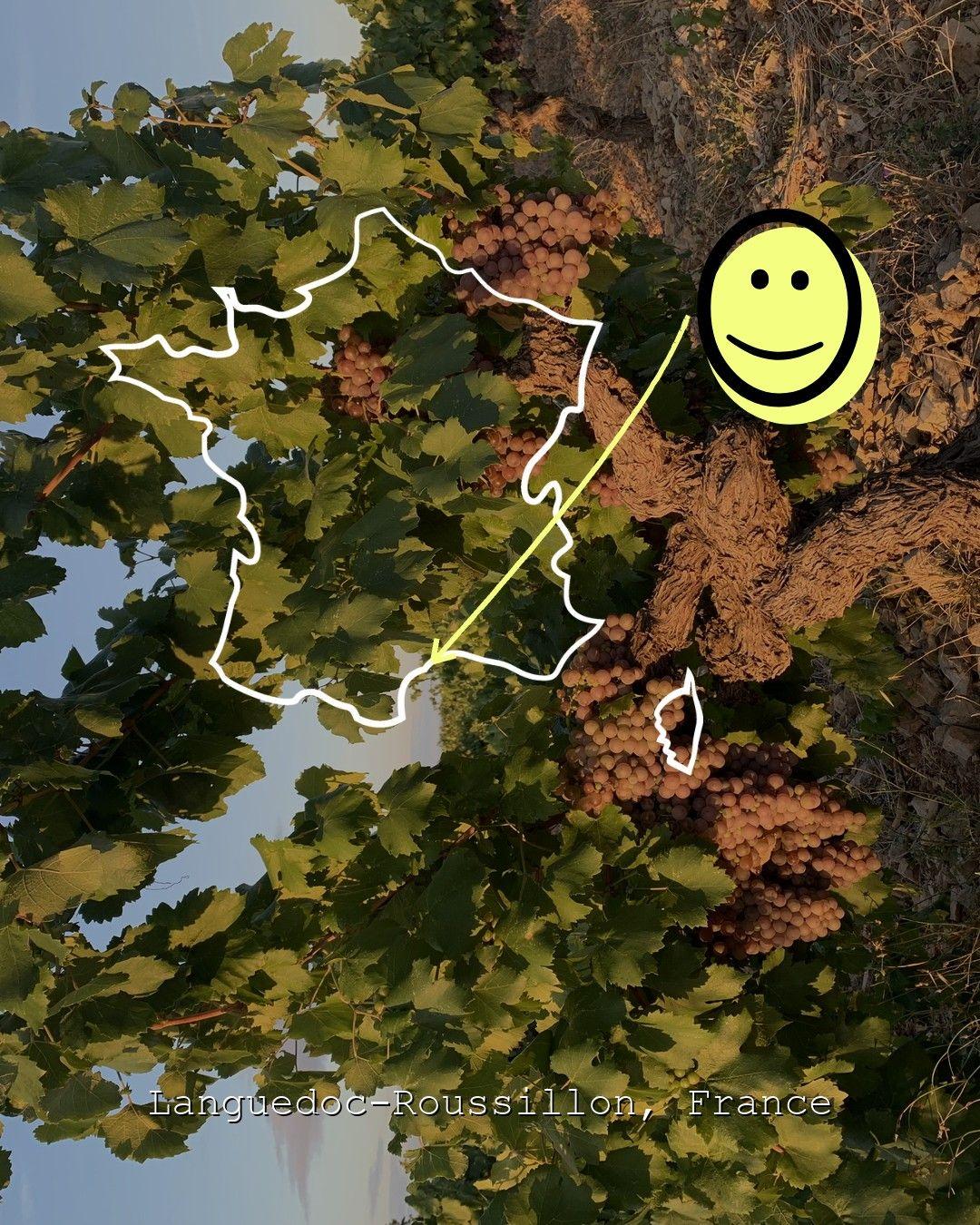
Mourvèdre is one of the Mediterranean's oldest cultivated grapes, with roots in the Levant and a long history of cultivation across the Iberian Peninsula before it spread into southern France. In Spain, where it is called Monastrell, it dominates the Murcia and Valencia regions and produces dense, sun-ripened wines with dark fruit and earthy depth. In France, it is the backbone of Bandol in Provence and appears as a key blending grape throughout the Languedoc-Roussillon and the Rhône Valley, where it adds structure and longevity to Grenache-led blends. The grape is demanding: it needs warmth, good drainage and a long growing season to ripen fully, which is why it performs best close to the sea, where heat accumulates but nights stay cool. Move it too far inland or too far north and it struggles to lose its harsh tannins. The same variety therefore tastes quite different depending on where it grows — Monastrell from Aragon can be broader and more concentrated than a coastal French version, where the influence of the sea keeps the wine tighter and more mineral.

How Mourvèdre tastes, and what to drink it with

Mourvèdre produces wines that are deep in colour, firm in tannin and slow to open up. The aromatics tend toward black olive, wild herbs, leather and dark plum, with a savoury, meaty quality that sets it apart from more fruit-forward Mediterranean reds. Acidity is moderate, but the tannin structure means the wines often reward time in the glass or a few years in the cellar. It pairs well with food that can match its weight: slow-roasted lamb, game, grilled pork, aged hard cheese and dishes built around herbs like thyme and rosemary. Its affinity with rich, fatty proteins makes it a strong choice at the table rather than as an aperitif. In lighter, coastal expressions — particularly in France — you will also find it made as a rosé, where the grape's depth of colour and structure produce wines with more grip than the average Provence pink. Wines made predominantly from Mourvèdre, rather than as part of a blend, are less common but worth seeking out: they give a clearer picture of what the variety does on its own. The Monastrell wines from Spain and the Grenache Noir-led wines from France are useful reference points for understanding where Mourvèdre fits within the broader southern red wine spectrum.

Buying Mourvèdre direct from independent producers

Most Mourvèdre and Monastrell available through conventional retail comes from large cooperative wineries or commercial bottlings blended across many estates. Independent growers who bottle their own wines from this variety are less visible in supermarkets but are exactly the producers you will find on Free Grape Society. On this platform, producers ship directly from their own cellar, with no importer or warehouse in between — which means the wine arrives as the grower intended it, without extended storage in distribution centres. You will find growers working with Mourvèdre across Spain and France, from small estates in Murcia and Valencia to producers in the Languedoc-Roussillon and the Rhône Valley. Wines are tasted before listing, and independent wine experts add their own reviews on the wine page and on the expert's profile, so there is usually a second point of view available before you decide. Free Grape Society is a society of producers, independent experts and wine lovers, not a shop — and for a grape as regional and specific as Mourvèdre, that direct relationship with the grower makes a real difference.