Rhône Valley wines, direct from the domaine

Rhône Valley wines from independent producers. Every wine tasted before listing. From Syrah in the north to GSM blends in the south.

Northern and southern Rhône producers, no middlemen.

Color

Dropdown arrow

Type

Dropdown arrow

Country

Dropdown arrow

Region (1)

Dropdown arrow

Grape

Dropdown arrow

Pairing

Dropdown arrow

Sort by

Sort arrow
Rhône

Rhône Valley wines

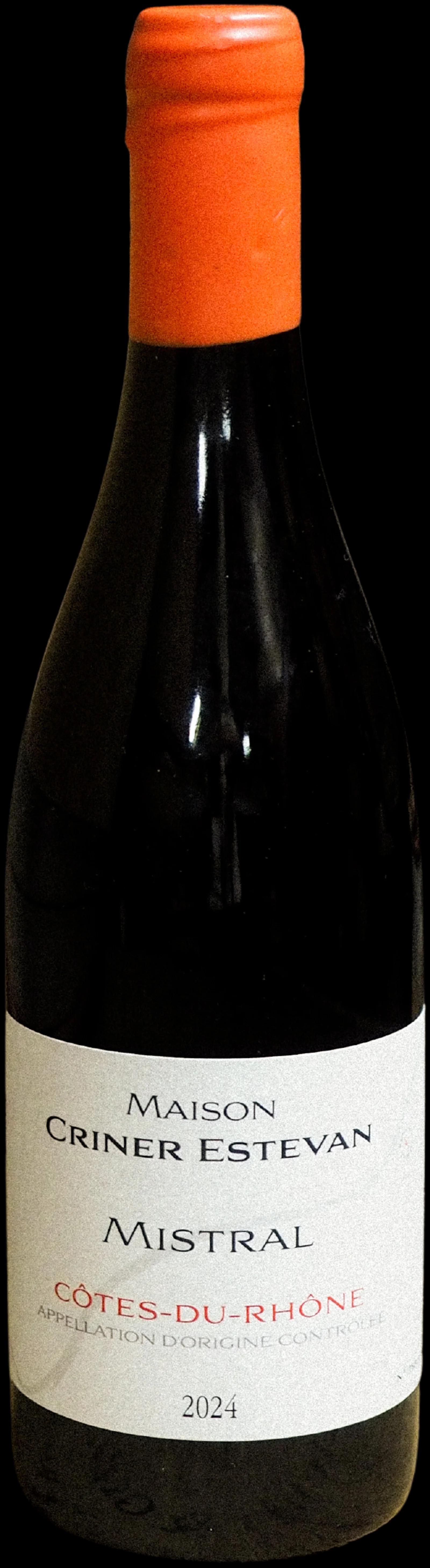
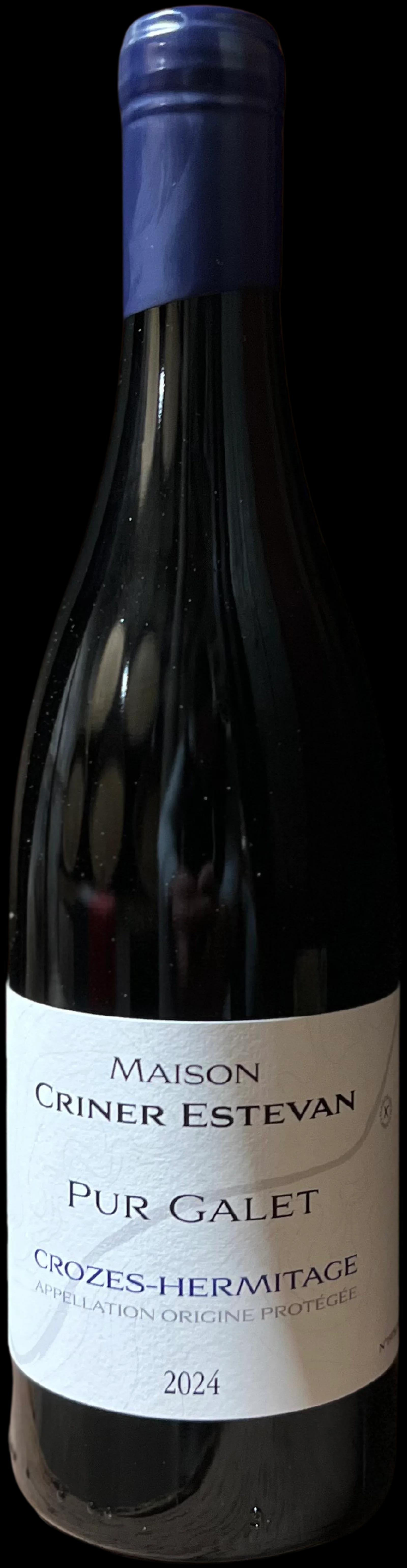
The Rhône Valley splits into two distinct zones separated by about 50 kilometres. The northern Rhône runs from Vienne to Valence and covers appellations like Côte-Rôtie, Hermitage, and Crozes-Hermitage. Syrah is the only permitted red variety there. The southern Rhône, anchored by Châteauneuf-du-Pape, allows up to 18 grape varieties in a single blend. The producers below represent both zones, shipping directly from their cellar.

Previous1 of 1Next

Rhône Valley producers

The domaines listed here set their own prices on the platform. No importer margin added on top, no wholesaler between the cellar and the checkout. A bottle of Rhône wine normally changes hands three times before it reaches you. Here it changes hands once. Browse the producers to see who is behind each label and how each estate approaches the vineyard.

View all wineries from Rhône

Rhône Valley sample boxes

A mixbox on Free Grape Society always contains exactly 6 bottles from one producer, composed by that producer as their own recommendation. Not a buyer's selection assembled from multiple estates. The producer decides what goes in the box. Several of the Rhône Valley producers in the wineries section above also offer sample boxes, which is a practical way to cover both the northern and southern styles before committing to a case.

View all mixboxes from Rhône

Wine experts

Independent wine experts on Free Grape Society rate and review wines they have personally tasted. Their reviews appear on the individual wine page and on each expert's own profile. Several of the experts listed below have reviewed Rhône Valley wines featured on this page. If you want a direct recommendation, expert profiles show their areas of focus and review history, so you can judge their track record before asking.

View all wine experts

Frequently asked questions

How do I order a Rhône Valley wine case?

Browse the cases on this page, select the one you want, and place your order through Free Grape Society. The producer packs and ships the six bottles directly from their cellar to your door. You pay by card or Klarna, and delivery typically takes between four and fourteen days depending on where you are.

What happens if a bottle arrives broken or doesn't taste right?

Send a photo to Free Grape Society customer support within 7 days of delivery. We will arrange a replacement or a refund. Because producers ship directly, quality issues are handled with the producer's direct involvement. Shared responsibility is built into how FGS works.

What is included in a Rhône Valley wine case?

Every case contains six bottles chosen by the producer themselves as a single recommendation. The six bottles are always from one estate — a case never mixes wines from different producers. The producer decides which wines go in, so the selection reflects how that grower wants to introduce their range.

How long does delivery take?

Average delivery is 8 to 9 days from order to door. The full range is 4 to 14 days depending on the producer's location and your delivery address. Wines ship directly from the producer's cellar, not from a central warehouse.

How do I find the right Rhône Valley case for me?

Start with the north-south split. If you want Syrah-focused wines from steep granite terraces, look for producers in the northern appellations. If you prefer Grenache-led blends with the warmth of the southern garrigue, focus on estates in Châteauneuf-du-Pape, Gigondas, or Vacqueyras. The producer's page tells you which appellations they farm and which grapes they work with.

Can I find white and rosé wine cases from the Rhône Valley?

Yes, depending on the producers currently listed. The Rhône produces whites from Viognier, Roussanne, Marsanne and Grenache Blanc, as well as rosés in the southern appellations. Whether a case covers reds only or includes whites and rosés depends on each producer's own selection — check the case contents on the producer's page.

Which Rhône Valley wine expert can recommend something for me?

Check the wine experts listed on this page. Each expert publishes their ratings and tasting notes on the wines they have personally tried, so you can read their reviews before asking a question. Use the contact form on an expert's profile to ask for a recommendation — there is no booking or consultation required, just a direct question.

Why are Rhône Valley mixboxes always 6 bottles from one producer?

Because the case is the producer's own recommendation, not a sampler assembled by someone else. Six bottles from one estate tells you something coherent about how that grower works — which appellations they farm, which grapes they favour, how the style shifts across their range. Mixing across producers would lose that through-line and turn the case into a generic selection.

Can I buy Rhône Valley wine cases that I couldn't find in a normal wine shop?

Most of the producers on Free Grape Society sell directly and do not distribute through the importers and warehouses that supply retail shelves. That means the wines in these cases are often ones you would not encounter in a high-street shop or a supermarket aisle — they come from growers who have chosen to sell on their own terms.

Appellations and grape varieties of the Rhône Valley

The Rhône Valley divides into two distinct zones separated by roughly 50 kilometres. The Northern Rhône runs from Vienne south to Valence and is built almost entirely on Syrah for reds — a grape that expresses itself differently here than anywhere else on the planet, shaped by steep granite terraces and a continental climate that delivers cold winters and hot, dry summers. Condrieu and Château-Grillet are the only Northern Rhône appellations where Viognier is permitted, producing aromatic whites from a variety that nearly went extinct in the 1960s, with fewer than 14 hectares remaining globally at its low point. The Southern Rhône operates on a different logic entirely. Grenache is the dominant red variety, almost always blended with Syrah, Cinsault, Mourvèdre, and others. Châteauneuf-du-Pape permits up to 18 grape varieties in a single wine, a figure that reflects the appellation's long history of working with whatever the terroir supported rather than following a single-variety doctrine. Gigondas, Vacqueyras, and Vinsobres are Southern Rhône appellations that consistently produce red wines at a fraction of Châteauneuf prices with comparable structure and concentration. The Rhône's Clairette, Grenache Blanc, and Roussanne varieties account for most of the region's white wine production — grapes rarely found in comparable volumes anywhere else in France.

Terroir and climate across the Rhône's two zones

The Northern Rhône sits on ancient granite and gneiss soils formed over 300 million years. Hillside vineyards face south and southeast, relying on slope angle rather than latitude for heat accumulation. In Hermitage, the hill rises 350 metres above the river and has been planted continuously since at least the 13th century — one of France's oldest documented vineyard sites. The mistral wind, which can reach 90 km/h in the Southern Rhône, acts as a natural drying agent that reduces disease pressure and eliminates the need for many conventional treatments. Many producers cite the mistral as the single biggest factor in their ability to work with reduced inputs. Southern Rhône soils are more varied: large rounded galets roulés in Châteauneuf-du-Pape store daytime heat and release it at night, extending ripening; limestone and clay dominate in the Gard and Vaucluse departments to the west and east. Altitude matters too. Southern Rhône vineyards sit between 100 and 400 metres above sea level, and producers at higher elevations regularly achieve longer hang times and more retained acidity than those on the valley floor. The broader Languedoc-Roussillon region to the south shares several of the same grape varieties but operates under entirely different geological and regulatory conditions.

How Rhône Valley producers work with Free Grape Society

Producers on this page set their own prices. No buyer with quarterly targets has adjusted those prices to fit a margin structure. No chain is defending shelf space. A bottle of wine in conventional retail typically changes hands three times before it reaches you — importer, wholesaler, retailer. Here it changes hands once. Producers send samples to our Head of Product, who tastes every wine before it goes live on the platform. Independent wine experts then Rate & Review individual wines, and those reviews are visible on the wine page and on the expert's own profile. The Rhône Valley is a region where producer reputation is built over decades: families like those behind the great Cornas, Crozes-Hermitage, and Rasteau estates have been working the same slopes long enough to know exactly what their land produces in each vintage. That continuity shows up in the wines. If you want to read across French wines more broadly, the Loire Valley, Burgundy, and Bordeaux pages cover regions with different grape identities and appellation structures. For white Rhône varieties specifically, Grenache Blanc and Viognier pages give additional varietal context.