




Where Cinsault comes from and how region shapes it
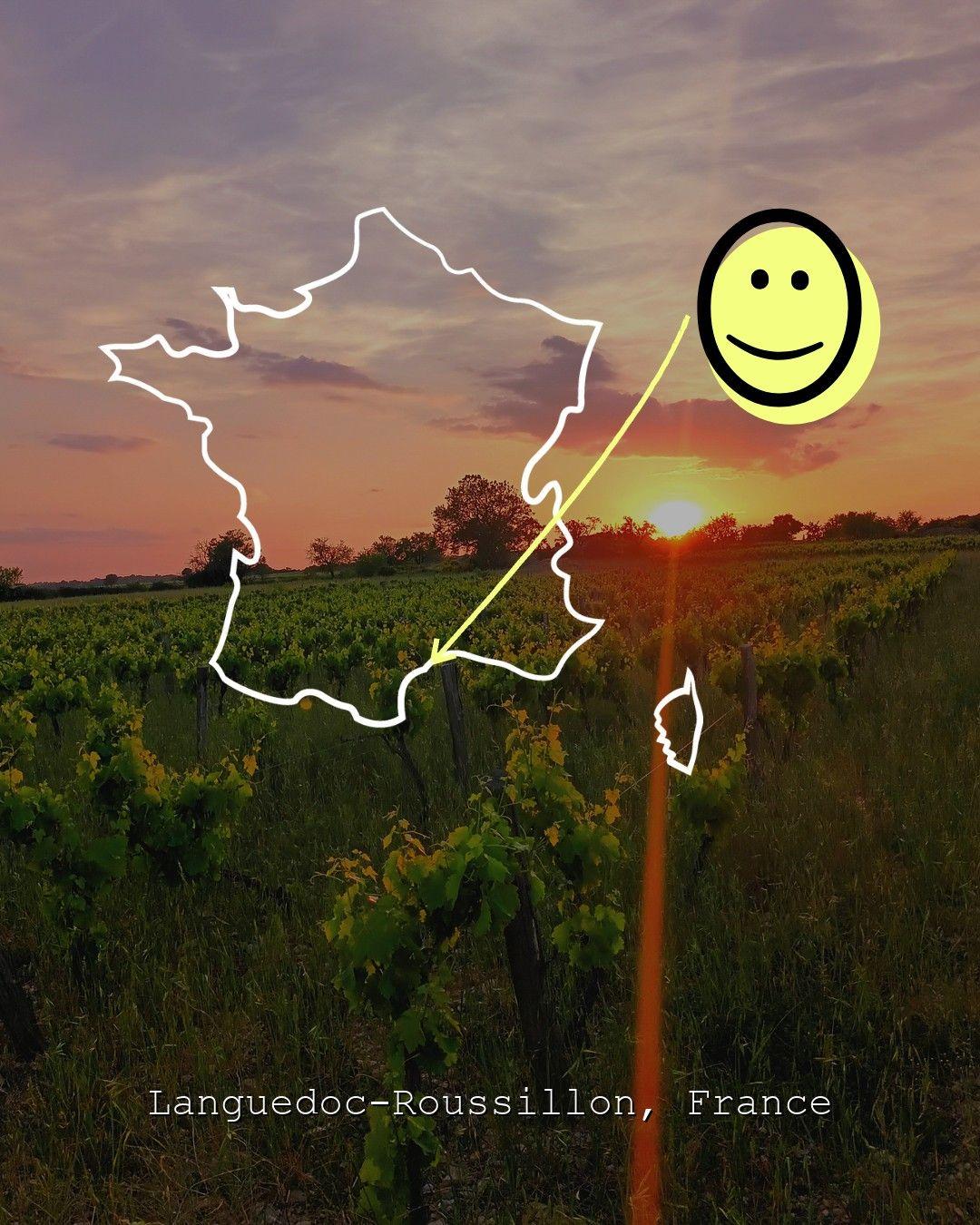
Cinsault is one of the oldest cultivated grapes in the Mediterranean basin, with its deepest roots in the south of France. It is a central variety in Languedoc-Roussillon, where it has been grown for centuries alongside Grenache, Syrah and Carignan, and it appears throughout the Rhône Valley and Provence-influenced corners of southwest France as a blending grape that adds freshness and floral lift to heavier reds. The same heat tolerance that made it valuable in southern France also carried it to Lebanon, South Africa and North Africa, where it thrives in dry, warm conditions. Climate shapes the wine significantly: in cooler, higher-altitude sites it holds its acidity and produces pale, fragrant reds and rosés; in hotter, lower sites it can become soft and generous but loses definition without careful canopy management. Producers who bottle Cinsault as a single variety rather than blending it away tend to treat it more like Pinot Noir than like Grenache, keeping yields low and picking early to preserve the grape's characteristic lightness.
How Cinsault tastes, and what to drink it with
Cinsault produces wines that are notably lighter in body and colour than most southern French reds. The tannins are soft, the acidity is moderate to fresh, and the aromatic profile tends toward red fruits — strawberry, raspberry, dried rose petal — often with a faint spice or herbal note depending on where it is grown. Rosés made from Cinsault are some of the palest and most delicate in the Languedoc, closer in texture to a still rosé from the Loire than to a bold Provençal pink. At the table, Cinsault works well where you might otherwise reach for a light Pinot Noir: grilled fish, charcuterie, lamb dishes with fresh herbs, or a spread of mezze-style vegetables. Its softness makes it an easy choice when you want a red that won't overpower food. Chilled briefly — 30 minutes in the refrigerator — it is particularly good in warmer weather, a quality that growers in southern Spain and Sicily have been exploring with their own warm-climate takes on the variety.
Buying Cinsault direct from independent producers
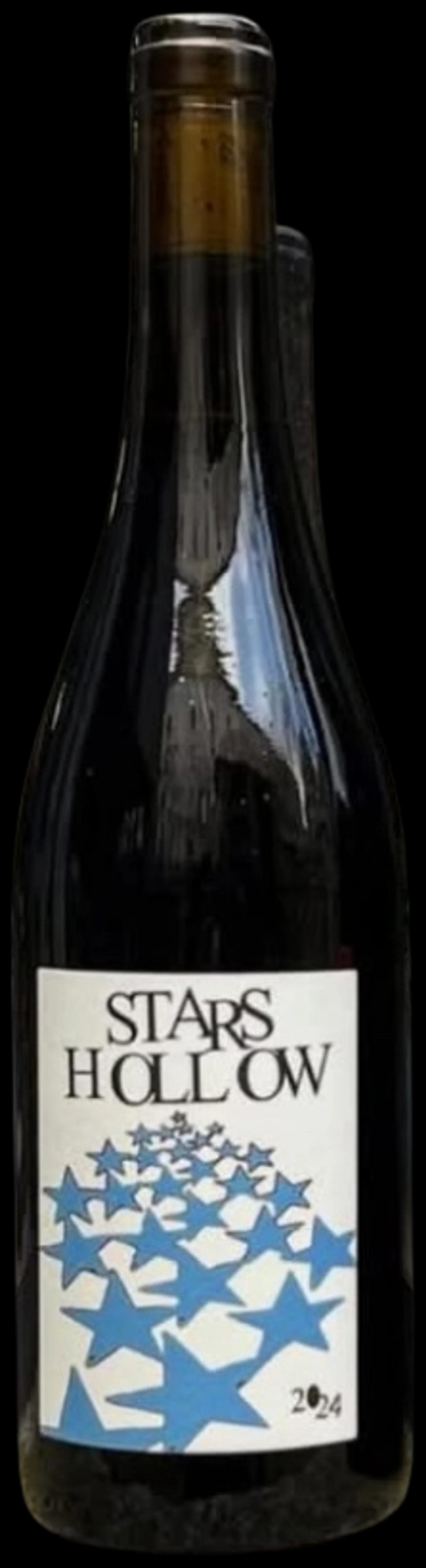
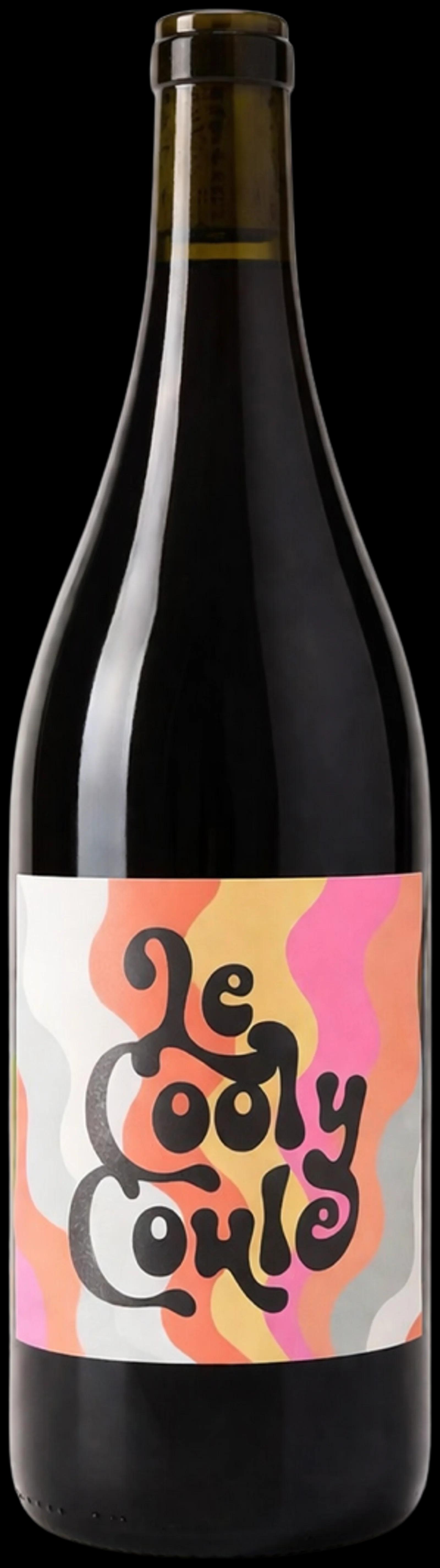
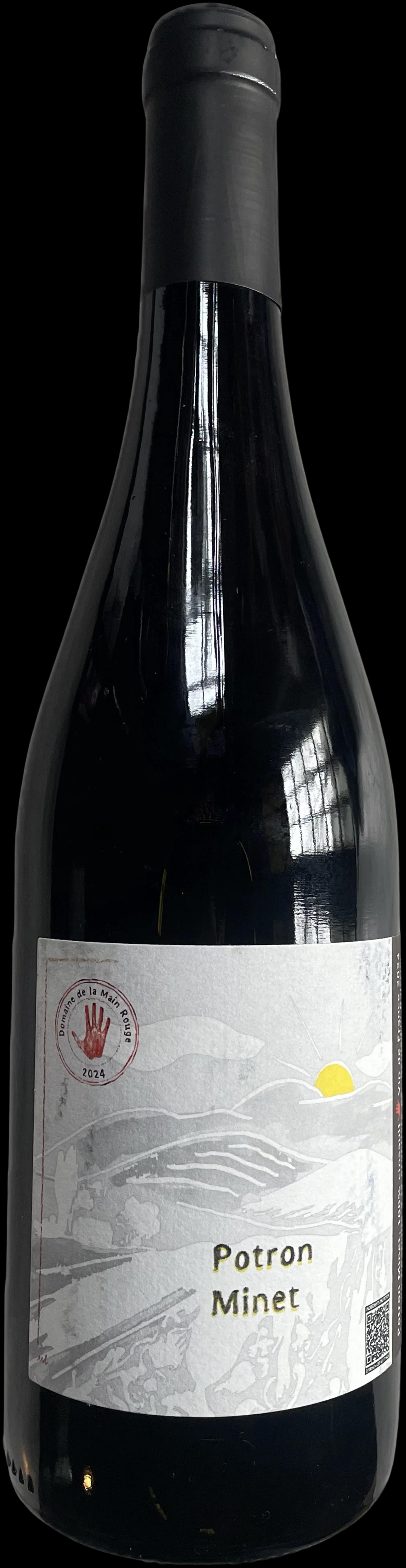
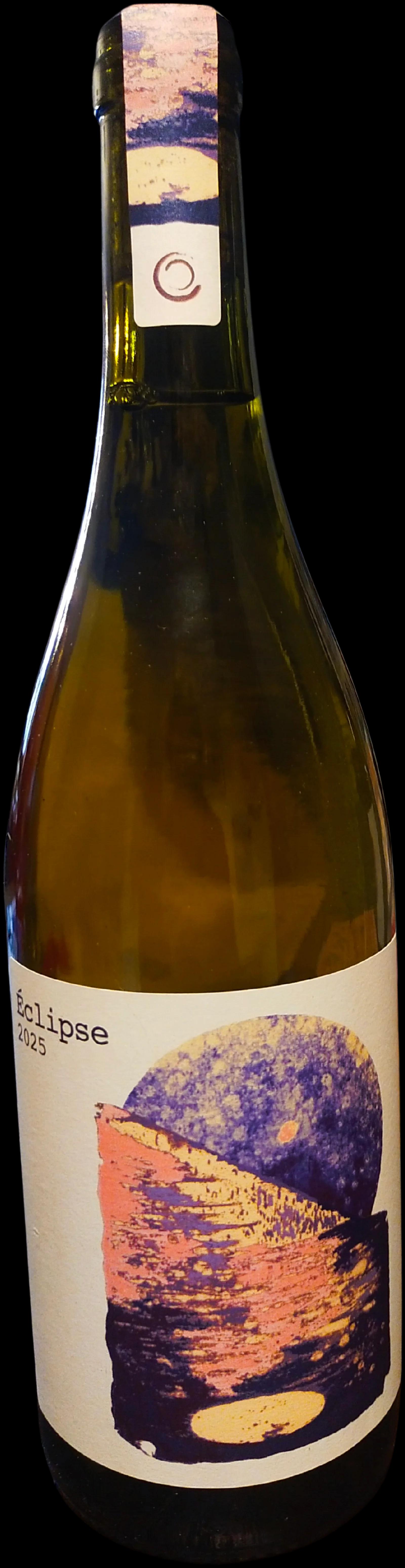
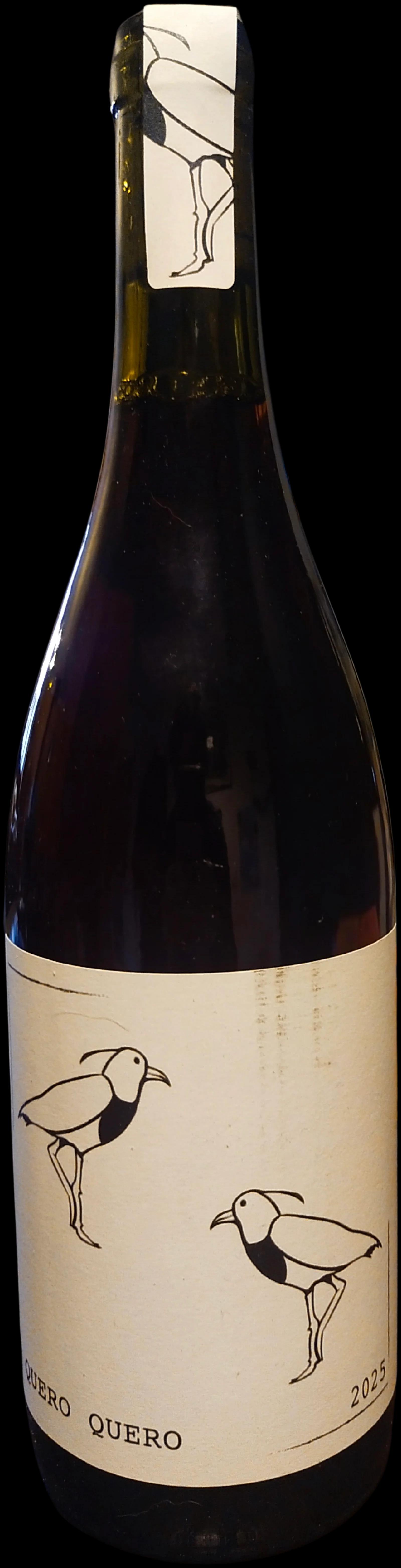
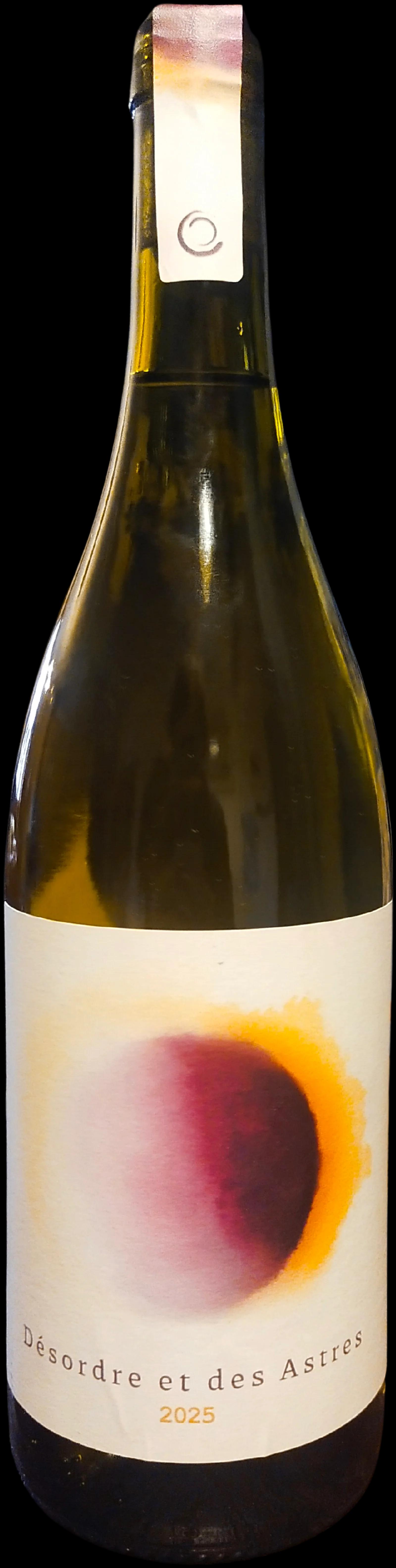
Cinsault is rarely the headline variety in a wine shop, which makes the producer the best guide to what you are getting. On Free Grape Society, the wines you see are shipped directly from each producer's own cellar, with no importer or warehouse in between. That matters with a grape like Cinsault because so much of what makes it interesting is decided in the vineyard and in how early the producer chooses to pick — details you learn from the grower, not from a generic label description. Producers working with Cinsault in France tend to position it as their lighter, more food-friendly offering alongside heavier Grenache or Syrah blends, so reading their own notes on the wine tells you quickly whether it is made for immediate drinking or for a year or two in the rack. Free Grape Society is a society of producers, independent experts and wine lovers, not a shop — every producer here represents themselves, sets their own prices, and ships from their own estate. You can also browse the Carignan, Gamay and Cabernet Franc pages for other lighter-structured red varieties from independent European growers.