Where Limnio comes from and what makes it distinctive
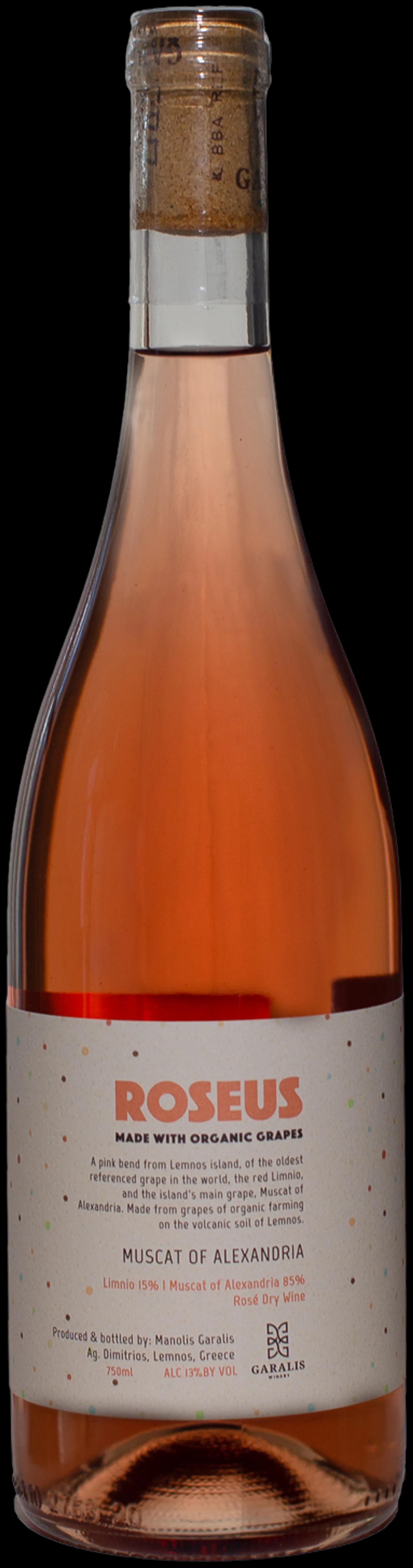
Limnio is one of the oldest documented grape varieties in the world, with written references stretching back to ancient Greece — Aristotle and later writers named a grape from the island of Lemnos that most ampelographers believe to be the same variety grown in northern Greece today. It is cultivated primarily in Macedonia and Thrace, particularly in Halkidiki and around Kavala, where the climate is continental enough to give the wine its structure. The grape produces red wines with firm tannin, relatively high acidity, and a distinctive aromatic quality that can lean toward herbs, earth, and dark fruit simultaneously. Because it has rarely been planted outside Greece, and because even within Greece it occupies a small area compared to varieties like Agiorgitiko or Xinomavro, Limnio remains genuinely obscure — which means the bottles you find from independent growers tend to reflect individual winemaking choices rather than a standardised regional style. You can explore other red wines from Greece or compare it with varieties from the Aegean Islands, where a different set of indigenous grapes is at work.
How Limnio tastes and what to drink it with
Limnio tends toward medium to full body with tannins that are present but not heavy, and an acidity that keeps the wine fresh. The aromatic profile is one of its more recognisable traits: expect dried herbs, bay leaf, and dark cherry alongside earthy undertones that shift with the winemaker's choices about oak and extraction. Because it has high natural acidity and savory character, it sits well alongside food rather than as a standalone drink — lamb roasted with herbs is the classic pairing, though it holds up equally well against game, hard aged cheeses, and dishes with tomato and olive oil as a base. Winemakers who work with it carefully tend to avoid overworking the extraction, letting the variety's natural tannic grain come through without drying the finish. Producers who also work with other indigenous Greek varieties sometimes blend Limnio with Cabernet Sauvignon or Merlot to soften it, though single-variety bottlings from committed growers show what the grape can do on its own terms. For other indigenous red varieties worth comparing it against, the red wines section covers the broader range available through Free Grape Society.
Buying Limnio direct from independent producers
Limnio is not a variety you will find in most importers' catalogues or on the shelves of large wine retailers — its production volume is small, and the producers who grow it are predominantly small family estates in northern Greece that have little incentive to sell through intermediaries at reduced margins. On Free Grape Society, producers ship wines tasted before listing directly from their own cellars, with no importer or warehouse taking a cut between the grower and your door. That structure matters particularly for a grape like Limnio, where the difference between producers is significant and the wines rarely travel through conventional distribution. Free Grape Society is a society of producers, independent experts and wine lovers, not a shop — the idea is that you can reach the grower, read what independent wine experts have said about their wines, and make a choice based on the actual source rather than a retailer's selection. If you are working outward from Greece and want to explore what else is available, the all wineries in Greece page gives you the full picture of Greek producers currently on the platform.