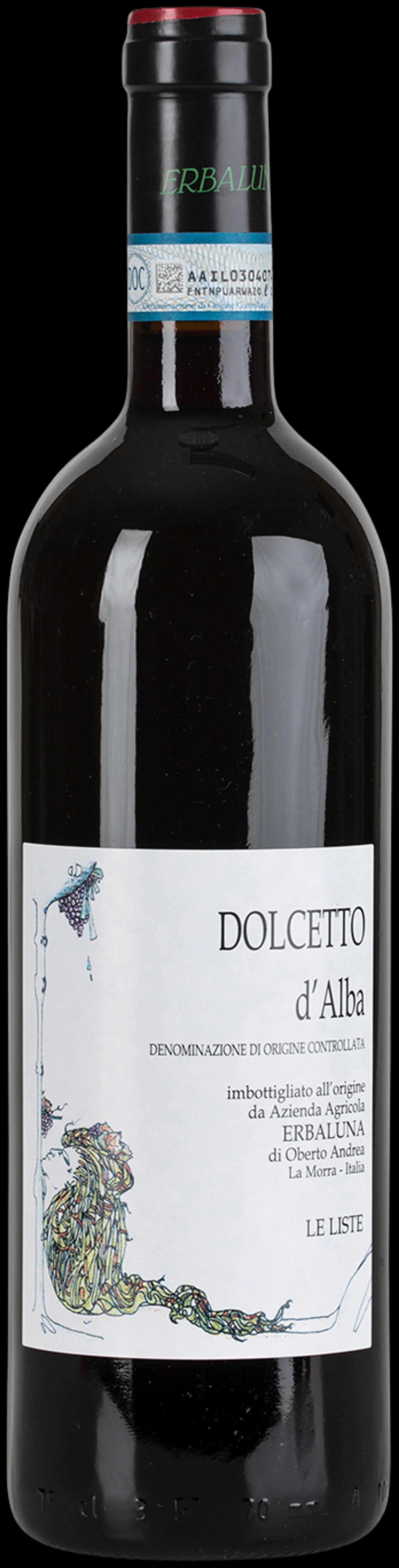
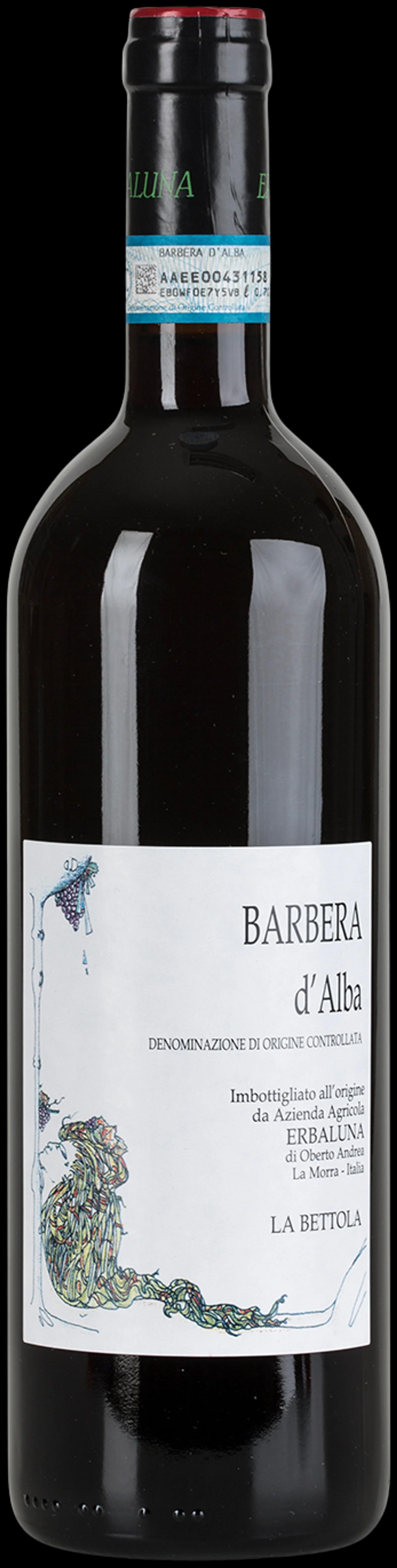
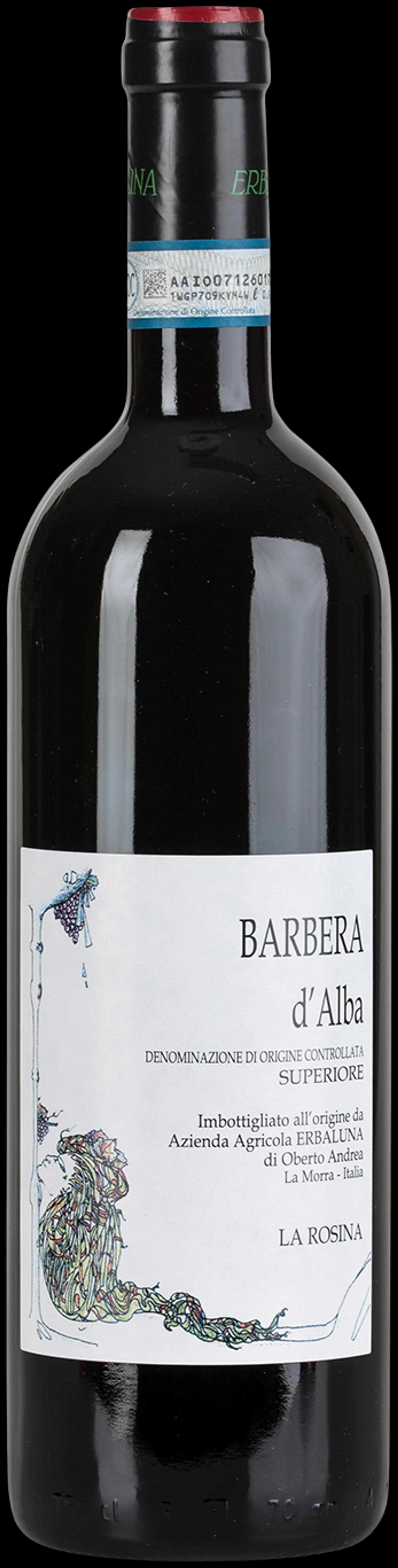
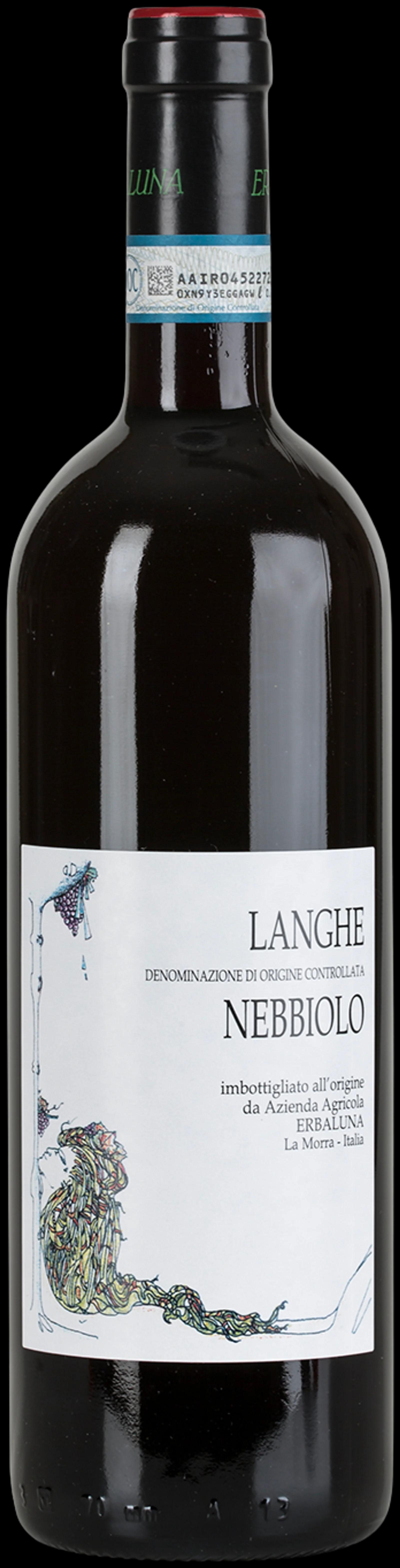
Italian winemaking traditions — from amphora to barrique
Italy has more officially recognized native grape varieties than any other wine-producing country — over 500 are documented, with estimates of cultivated varieties reaching closer to 2,000. That number is not a marketing claim. It is the result of centuries of fragmented cultivation across 20 administratively distinct regions, each with its own DOC and DOCG framework. The appellation system was codified in 1963 and significantly revised in 1992, but the underlying diversity predates it by millennia.
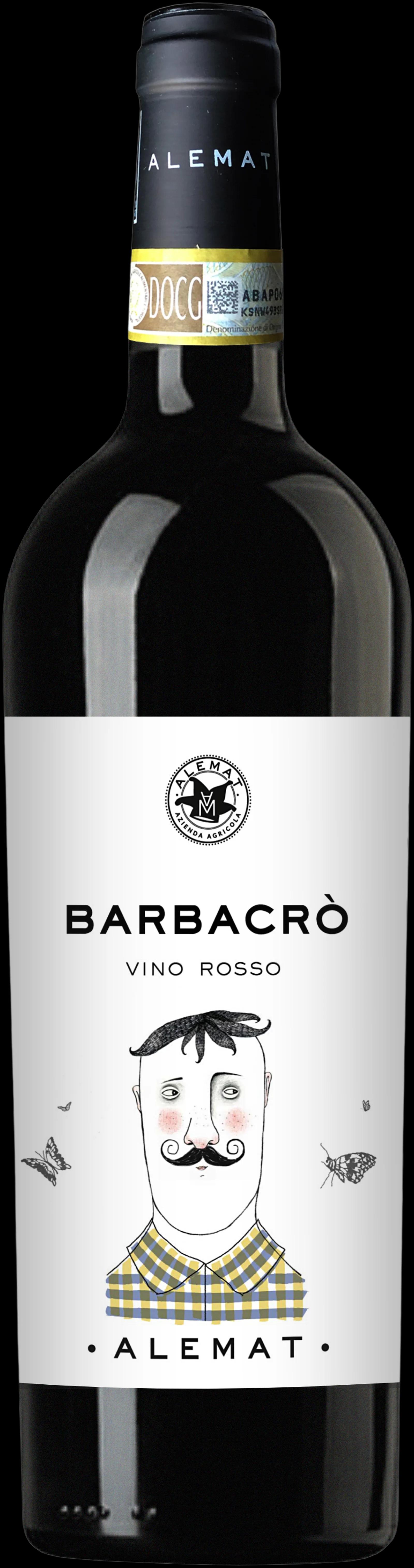
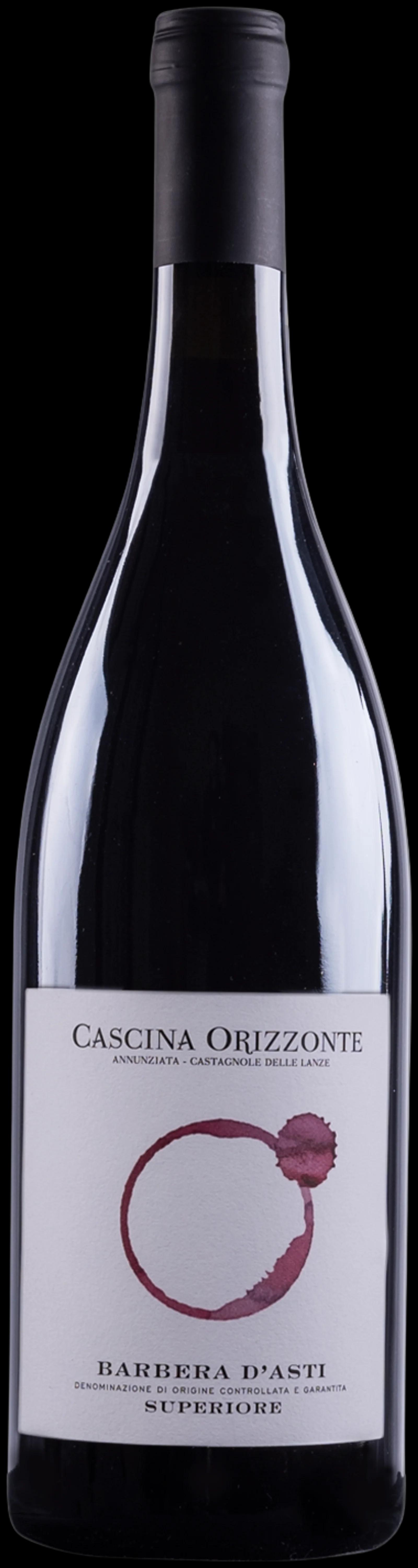
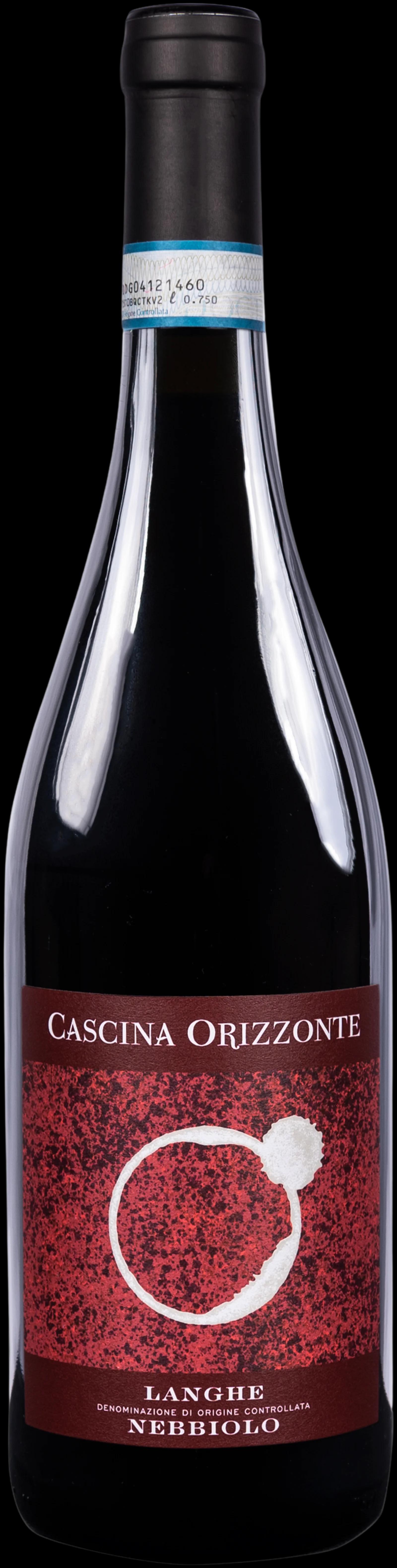
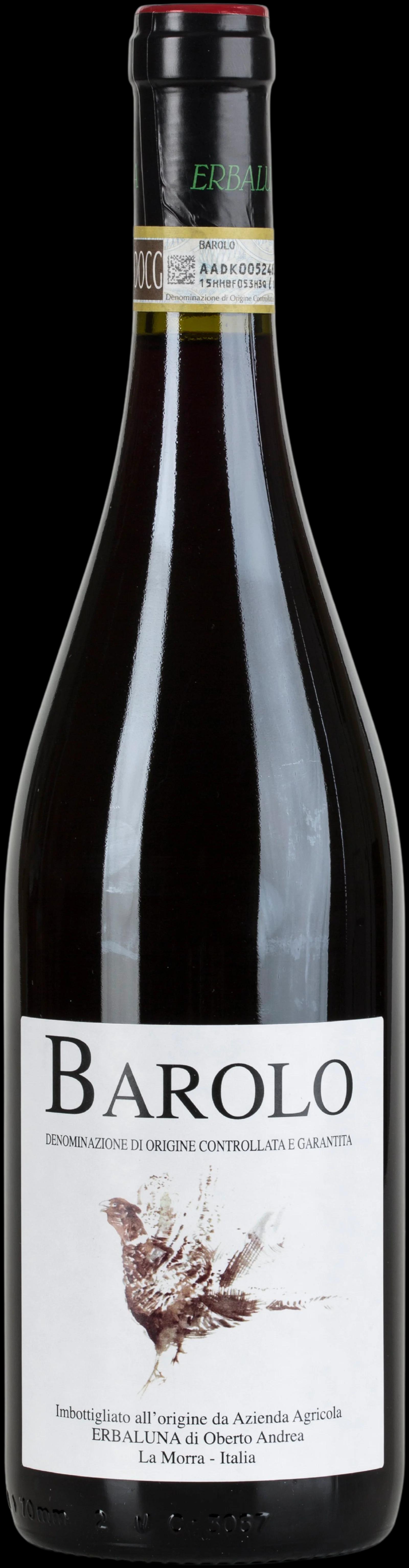
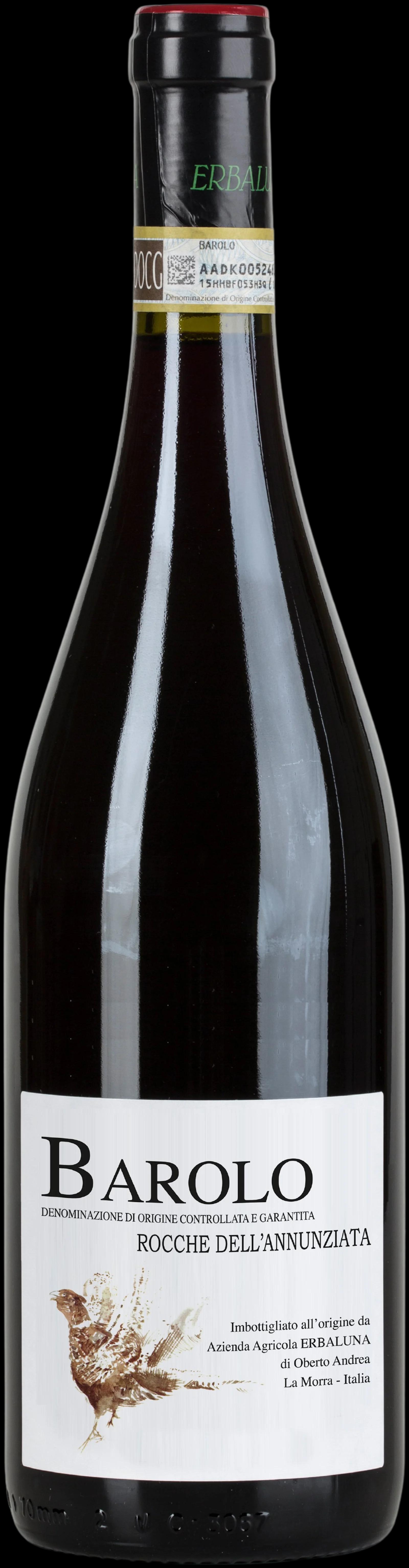
Nebbiolo in Piedmont requires a minimum of 18 months in oak under Barolo DOCG rules — and many traditional producers extend that to 36 or even 48 months in large Slavonian oak casks, producing wines with tannin structures that need years of bottle age to resolve. The shift toward shorter macerations and smaller French oak barriques, associated with the so-called Barolo Boys movement of the 1980s and 1990s, created a split that producers still navigate today. Neither approach is wrong. They produce structurally different wines from the same grape.
Sangiovese behaves differently depending on where it grows. In Tuscany, the clone selection and altitude of the vineyard shape the wine as much as the winemaker's decisions. Sangiovese Grosso — known locally as Brunello — in Montalcino ripens later and produces wines with higher natural acidity than the Sangiovese clones used in Chianti Classico, 60 kilometers to the north. In Umbria, Sagrantino di Montefalco is one of the most tannic grapes in the world by polyphenol count — a fact that directly determines how the wine ages and how much time it needs before it is approachable.
In the northeast, Friuli Venezia Giulia became a reference point for skin-contact white wines in the 1990s and 2000s, with producers like Gravner and Radikon abandoning temperature-controlled stainless steel in favor of extended maceration in Georgian clay amphorae. What became fashionable globally under the name "orange wine" had roots in Friuli's specific winemaking culture — not a trend, but a deliberate return to pre-industrial technique.
From the Dolomites to Sicily — how geography shapes the producers
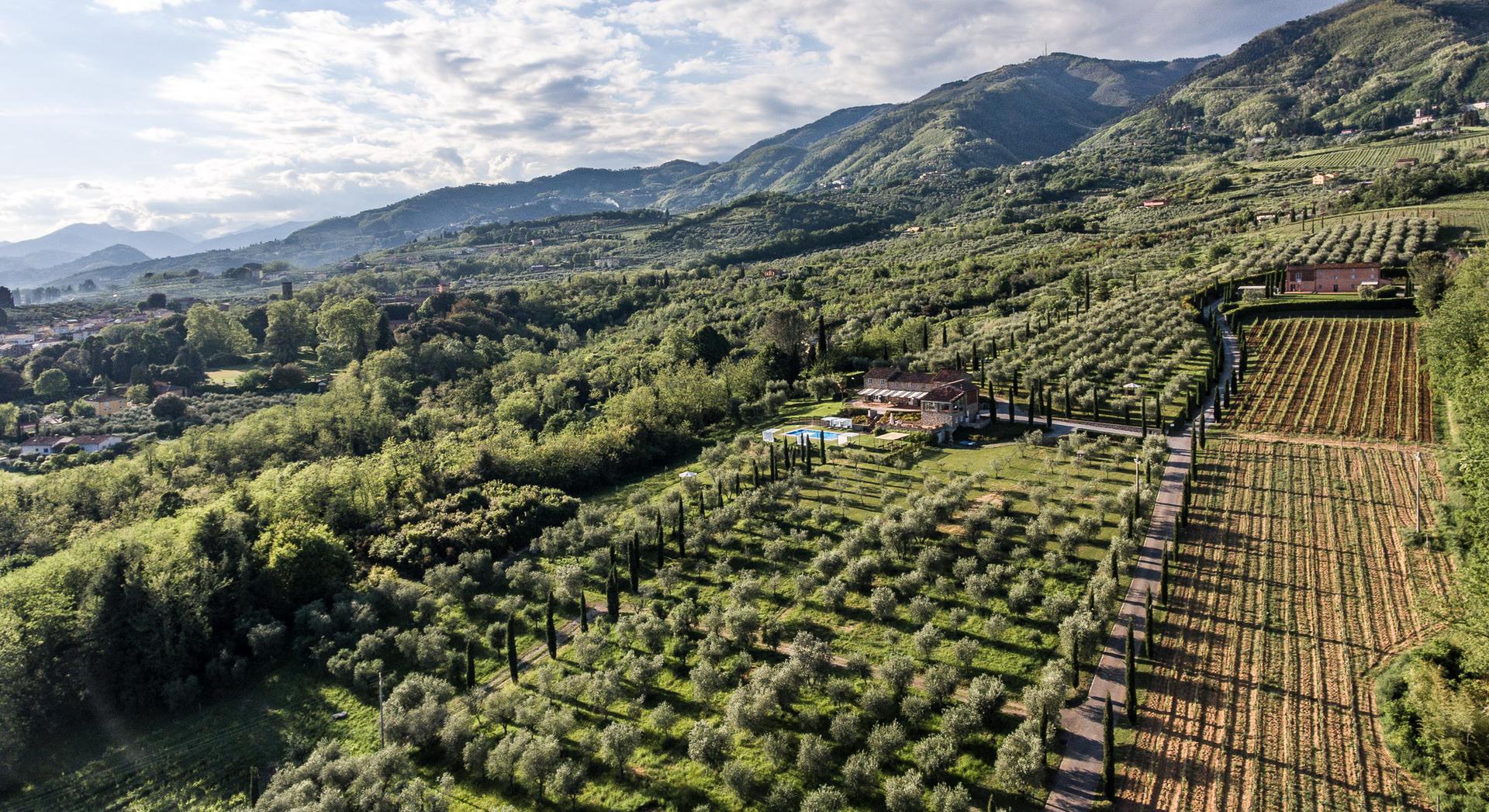
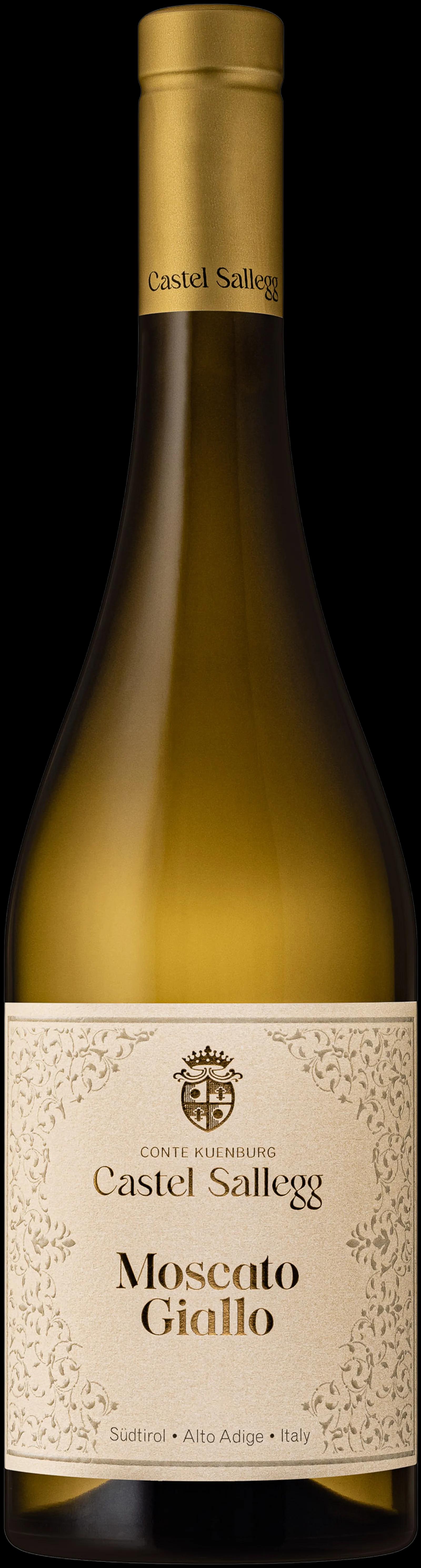
Italy's vineyard area runs from the Alpine foothills of Trentino-South Tyrol at elevations above 900 meters to the volcanic soils of Sicily and the thermal heat of the far south. That vertical range — more than 900 meters of altitude difference between the country's northernmost and southernmost vineyard zones — produces wines that are climatically incomparable. Alto Adige Riesling and Sicilian Nero d'Avola are both Italian wines. They share almost nothing else.
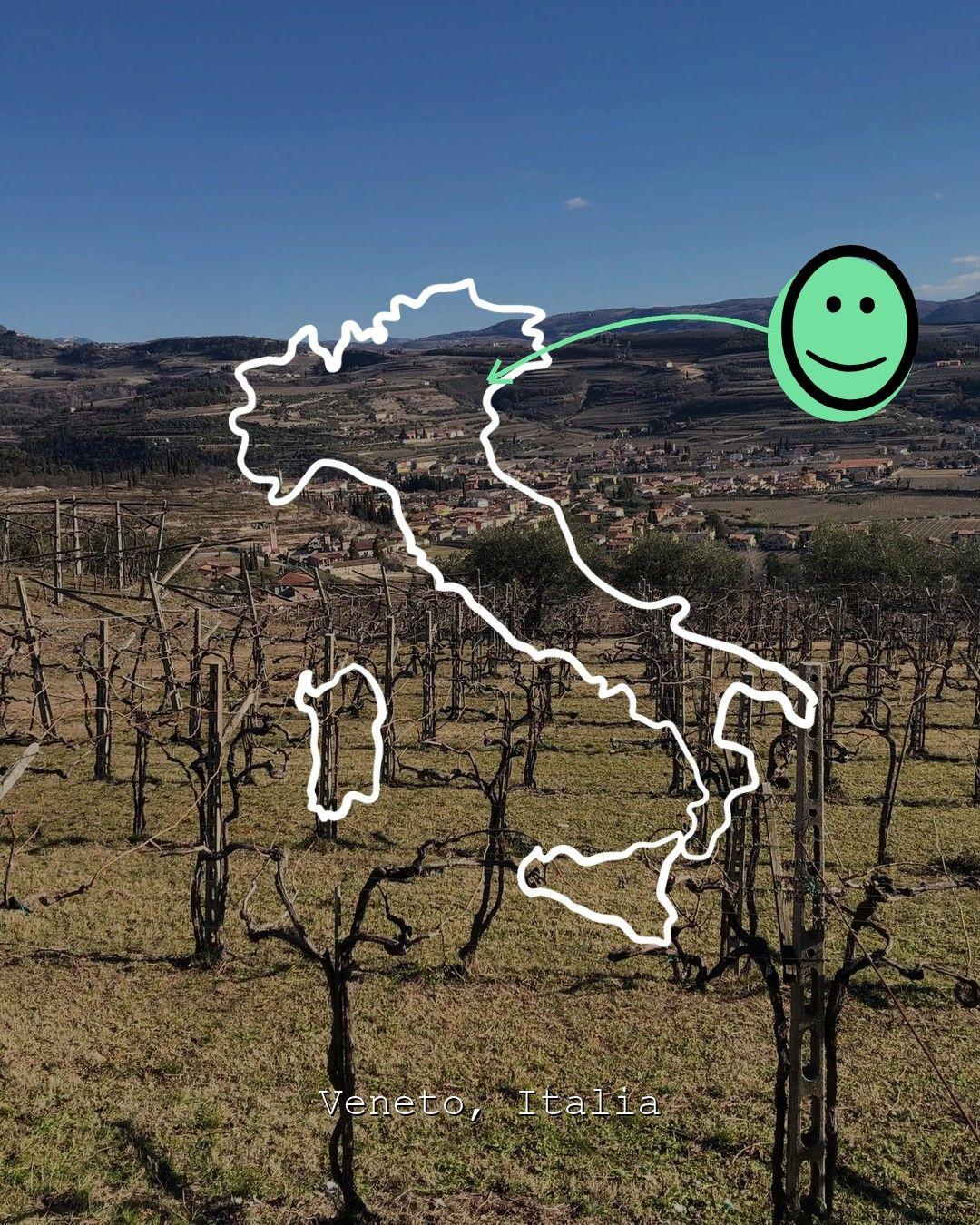
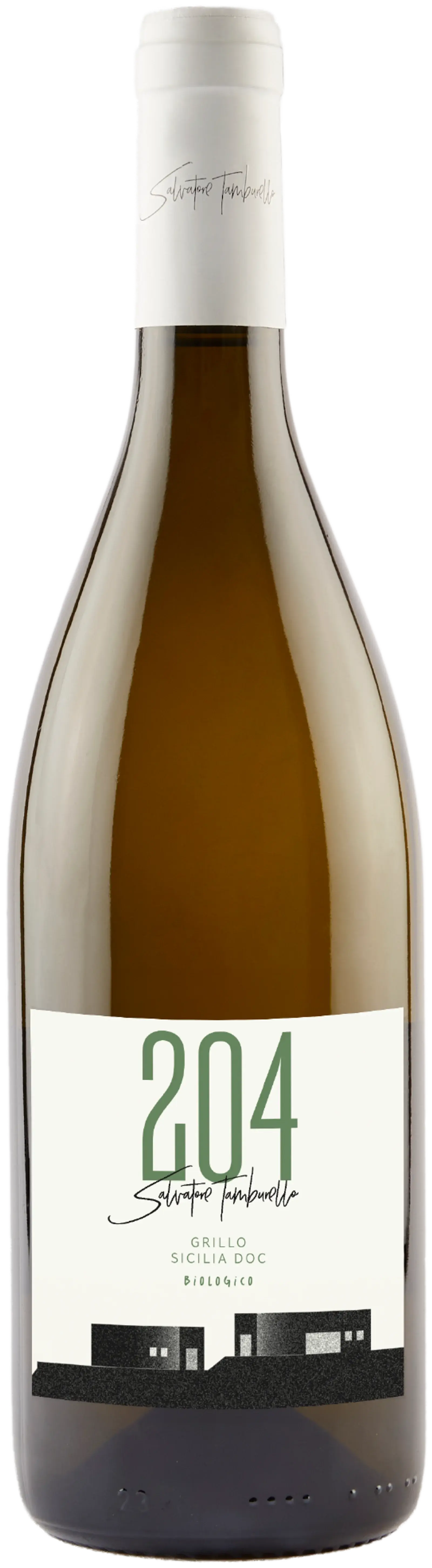
The Veneto is Italy's highest-volume wine region by output, producing roughly 13 million hectoliters per year. But volume and independence do not move together. Many of the most interesting producers in the Veneto are small estates working outside the industrial Prosecco and Pinot Grigio pipelines — fermenting indigenous varieties like Garganega and Corvina in ways that rarely reach export markets through conventional channels.
Lombardy contains Franciacorta, Italy's most technically demanding sparkling wine appellation. Franciacorta DOCG requires a minimum of 18 months on the lees for non-vintage wines and 30 months for vintage releases — stricter than Champagne's minimum requirements. The Marches on the Adriatic coast remain one of Italy's least-exported regions despite producing Verdicchio, a white grape with documented cultivation in the area since at least the 15th century.
Producers on Free Grape Society ship directly from their own cellars. Not from a shared warehouse in northern Europe. The address on the shipping label is the address of the estate.
How we choose our Italian producers
Free Grape Society does not operate as a buyer. There are no purchasing agents with quarterly targets, no margin negotiations, and no shelf-space decisions. Italian producers apply to join the platform and list their wines themselves. That structural difference matters: the producer controls their own pricing, their own range, and their own presence on the platform.
Before any wine goes live, it is tasted by our Head of Product. Producers send samples. Every sample is evaluated. If the wine does not meet the quality threshold, it does not go live — regardless of how well-known the producer is or how strong their appellation reputation. A wine from a recognized Barolo cru does not automatically pass. A wine from an obscure Calabrian producer does not automatically fail.
Independent wine experts on the platform rate and review individual wines they have personally tasted. Those reviews are visible on the wine page and on each expert's profile. The review history is public and permanent — there is no editorial control over what experts write. That transparency is part of how quality accountability works on the platform.
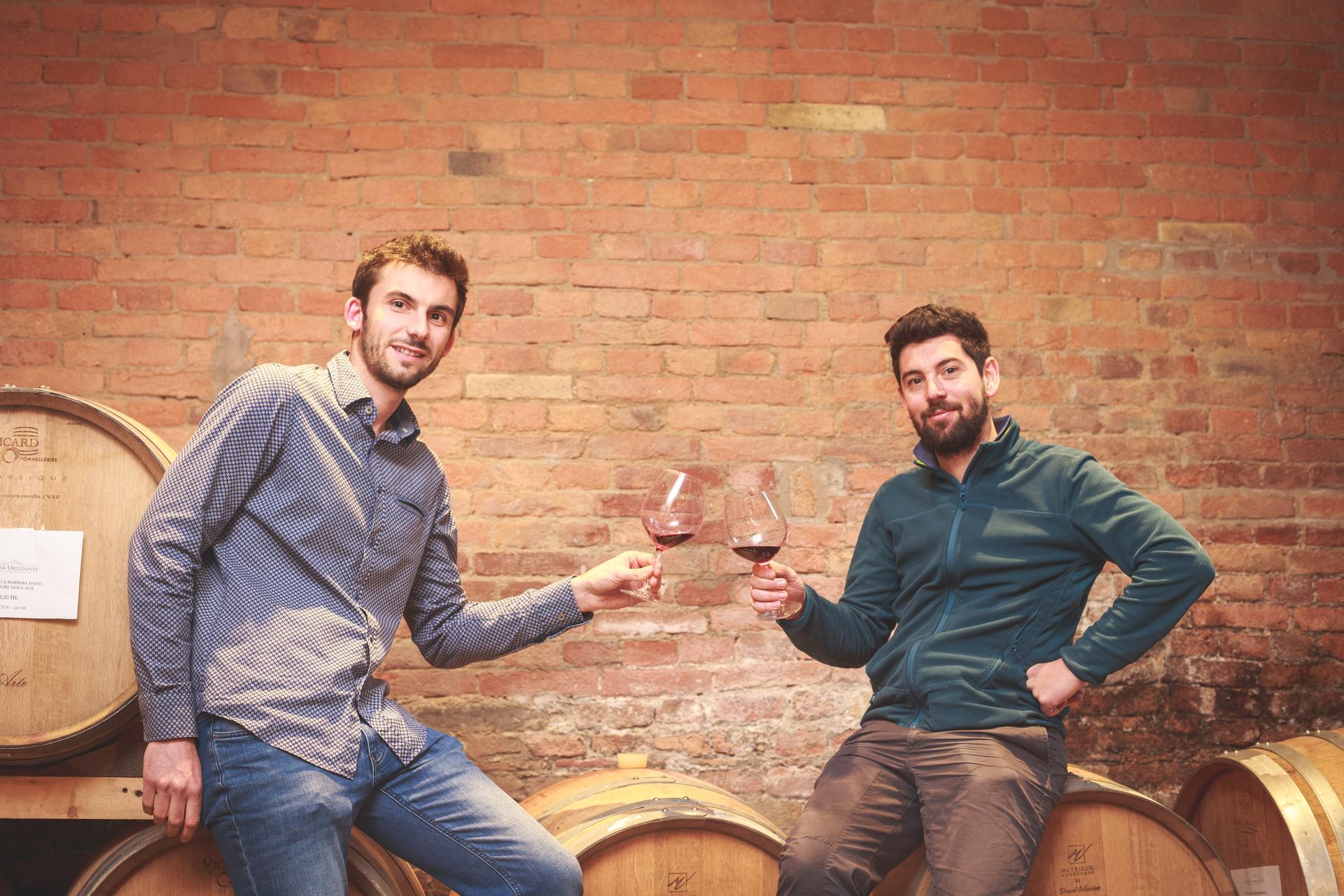
Producers on this page range from multi-generational family estates in Piedmont to newer projects in Sicily working with recovering indigenous varieties. What they share is that each one chose to be here, set their own price, and took responsibility for what they ship. Producenten äger sin hylla. The producer owns their shelf. Independent wine experts own their recommendations. Free Grape Society owns the platform that holds it together. No other parties sit between them. Browse the Italian producers listed here, or look across the full range of Italian wines and Italian mixboxes for context on what each estate produces.