Where Schioppettino comes from and what makes it rare
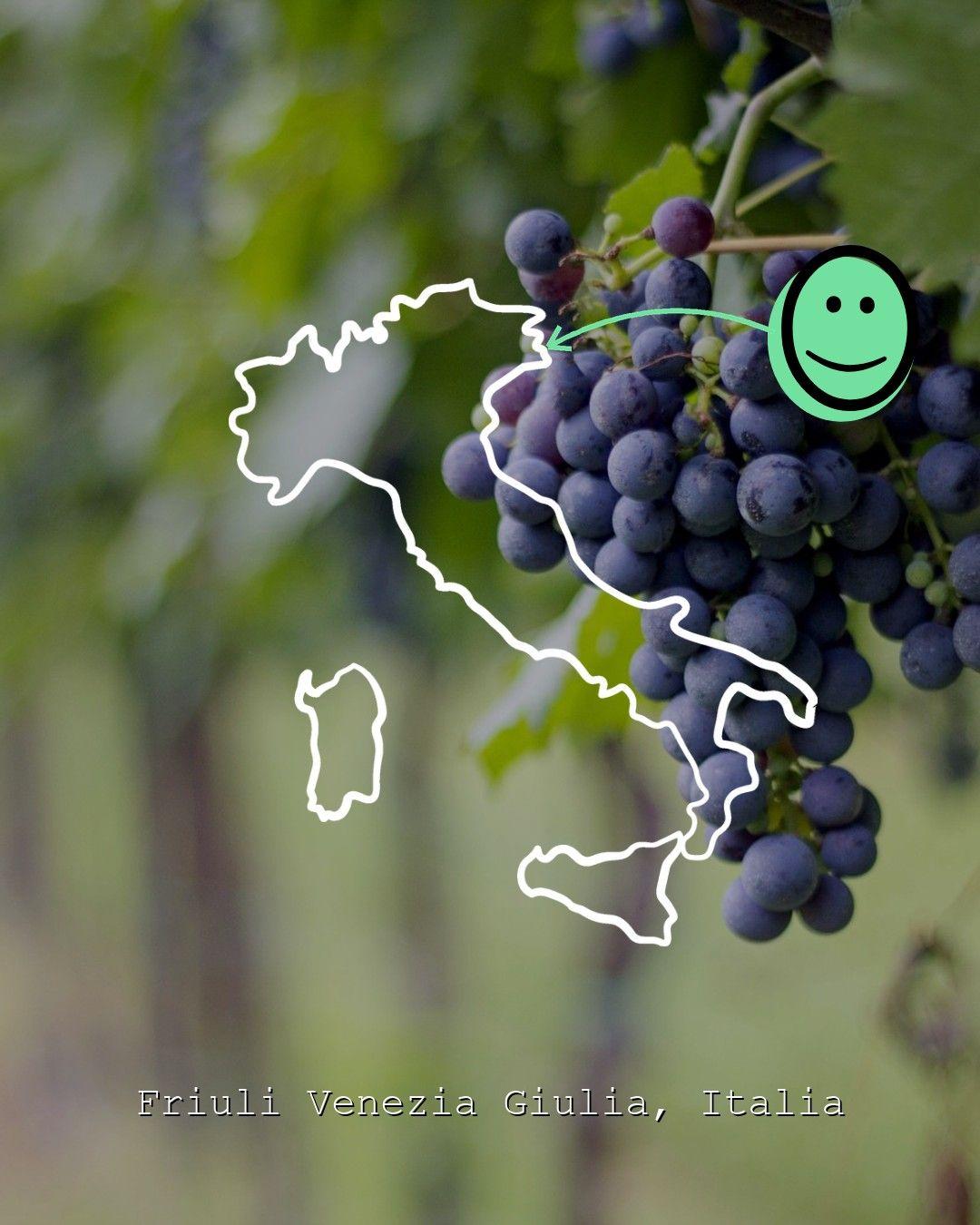
Schioppettino is a red grape native to Friuli Venezia Giulia in northeastern Italy, where it has been grown for centuries in the hills around Prepotto and Cividale del Friuli. For much of the twentieth century it nearly disappeared: post-war replanting programmes favoured international varieties, and Schioppettino was at one point close to losing its DOC recognition entirely. A handful of growers in Friuli kept it alive, and by the 1980s a small group had fought to restore its standing. Today it is protected under the Colli Orientali del Friuli DOC and remains one of the most distinctive native varieties in Italian wine. Outside Friuli it is grown in only tiny quantities, which means that almost every bottle you encounter comes from an independent producer in a specific corner of the northeast rather than from a large commercial operation.
How Schioppettino tastes, and what to drink it with
Schioppettino produces wines with a deep ruby colour, pronounced natural acidity, and a peppery, spiced character that sets it apart from better-known Italian reds. The name itself is thought to derive from the Italian word for a small firearm, a reference to the grape's explosive, crackling freshness on the palate. Expect aromas of dark cherry, blackberry, and wild herbs alongside a signature white-pepper note that comes from the grape's natural levels of rotundone, the same compound found in Syrah. The structure is firm but not heavy, which makes Schioppettino a natural partner for roasted meats, game, aged hard cheeses, and the hearty dishes of Friulian cooking. Because the acidity stays lively, it also holds up well alongside rich pasta sauces and braised pork. Younger wines show more fruit and spice; with a few years in bottle the pepper softens and earthy, leathery notes emerge alongside the dark fruit.
Buying Schioppettino direct from independent producers
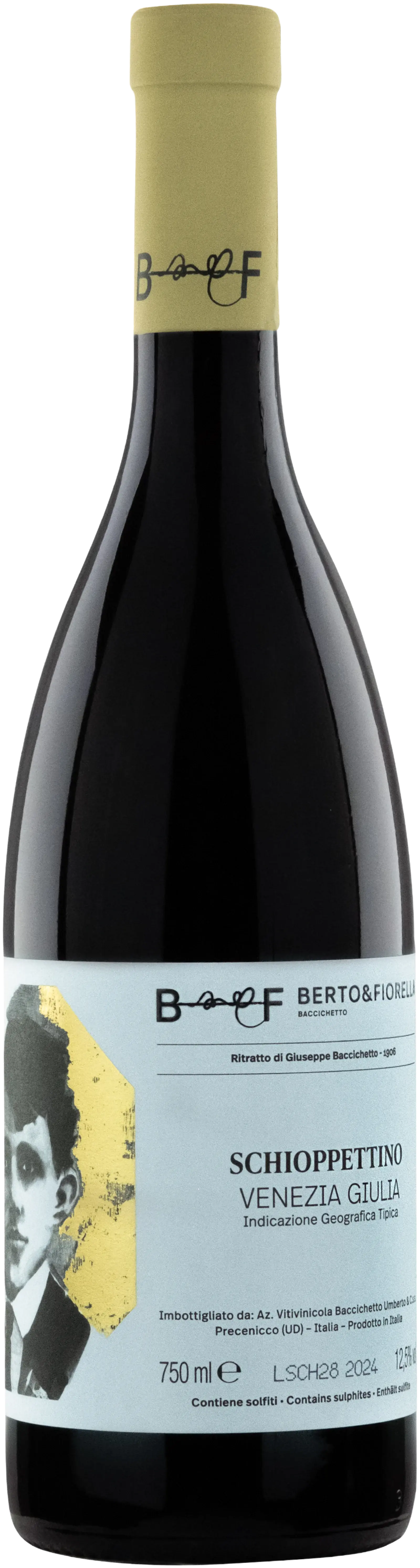
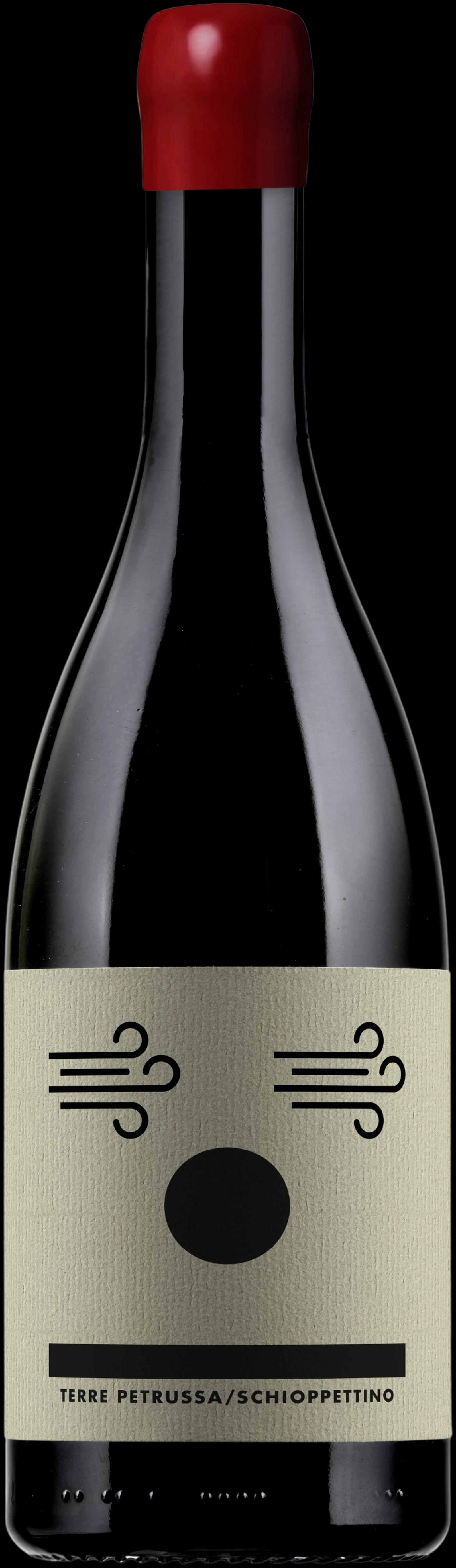
Because Schioppettino is grown in such a concentrated area, the easiest way to explore it is to go directly to the growers who have kept it alive. The producers on Free Grape Society ship wines directly from their own cellars in Friuli, with no importer or warehouse in between, which means you receive the wine as the grower intended and at a price that reflects the actual cost of making it rather than a chain of middlemen. If you are new to the variety, browsing the Friuli Venezia Giulia wineries is a good way to understand who grows it and how their approaches differ. You can also explore Friuli Venezia Giulia mixboxes to taste across producers in a single order, or look at red wines from Italy for a broader view of what Italian independent growers are making. Free Grape Society is a society of producers, independent experts and wine lovers, not a shop — and with a grape as geographically specific as Schioppettino, that direct relationship with the grower matters more than usual.