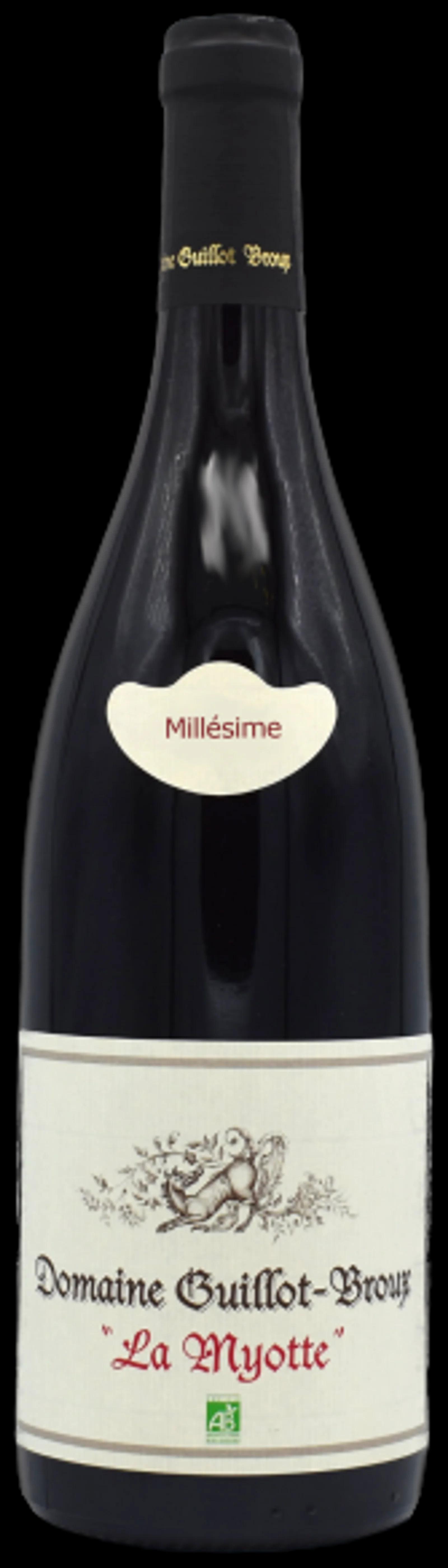
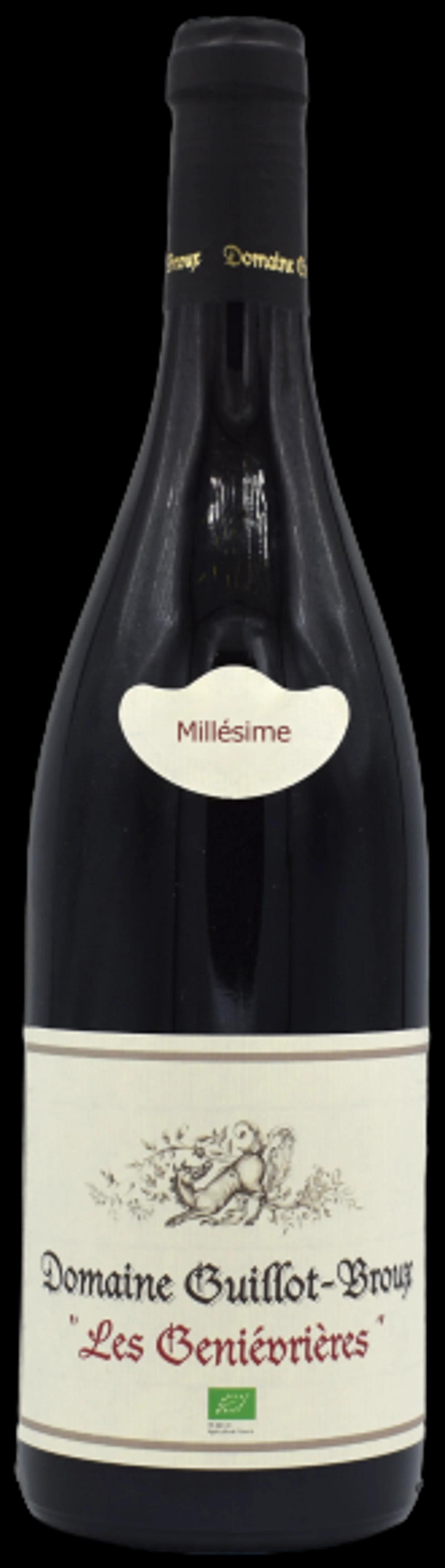
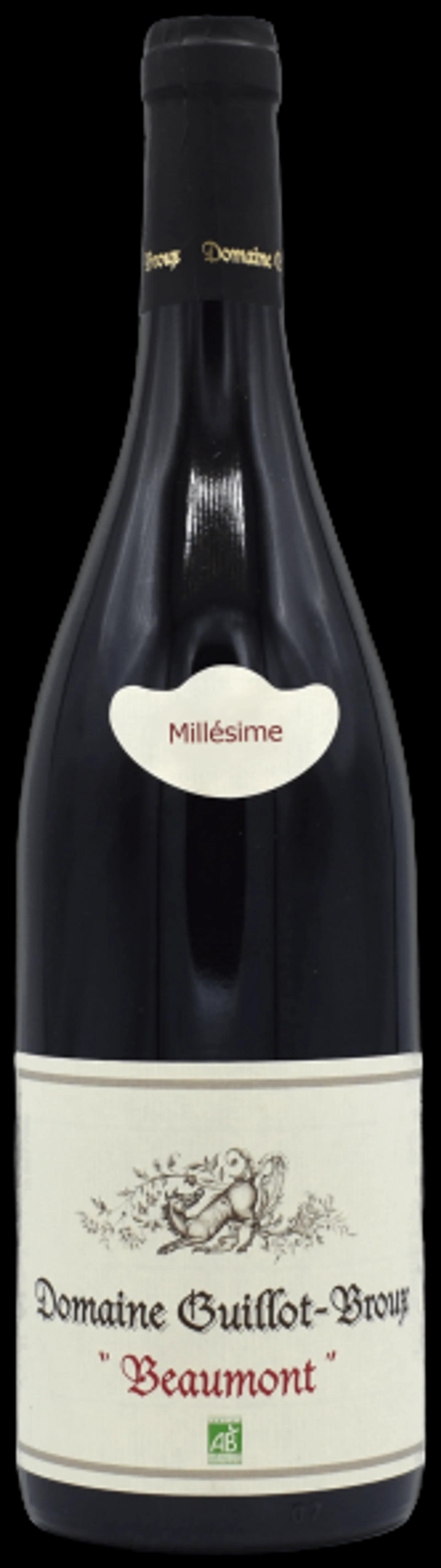
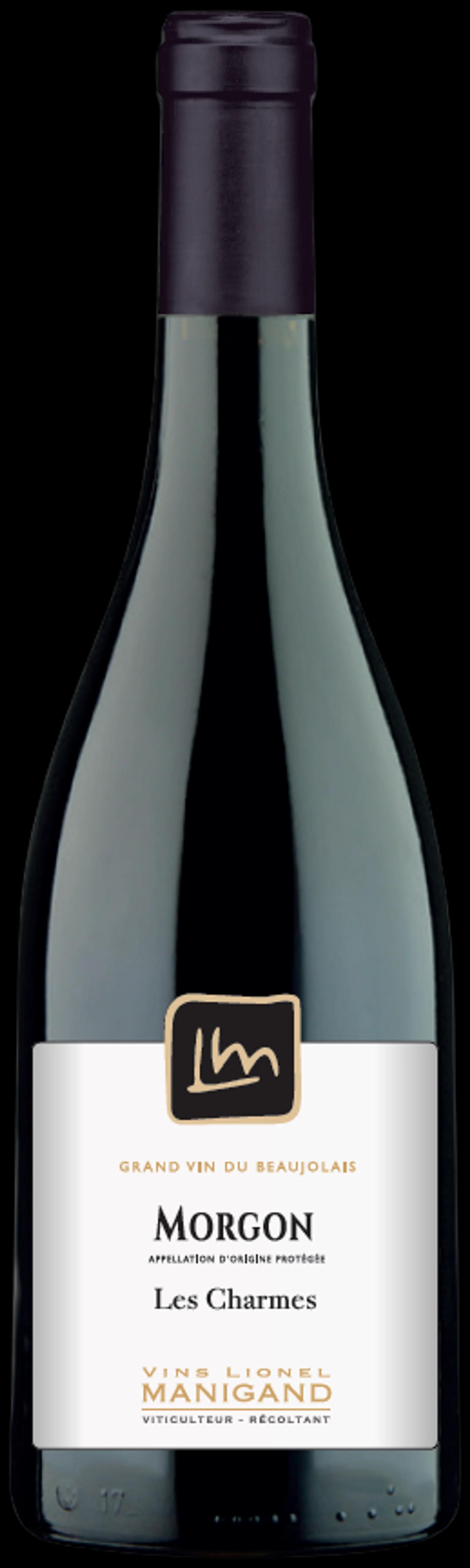
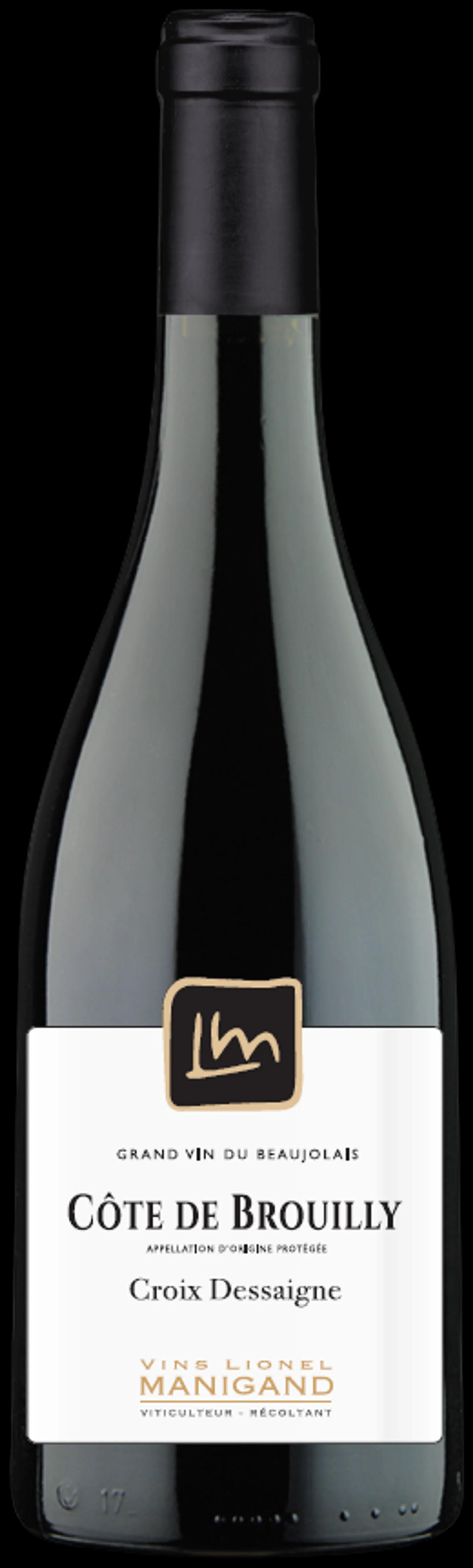
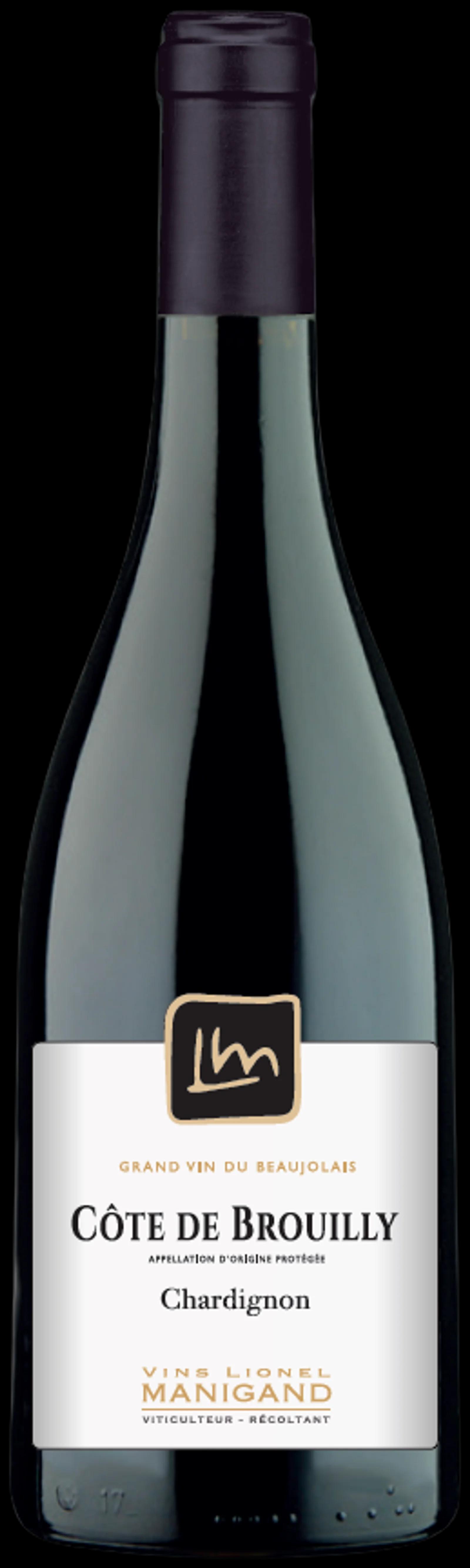
Burgundy wines from the domaines that define the appellation

Burgundy wines from independent domaines. Every wine tasted before listing. No négociant chains between the cellar and your door.

Pinot Noir and Chardonnay, direct from the cellar.

Color

Dropdown arrow

Type

Dropdown arrow

Country

Dropdown arrow

Region (1)

Dropdown arrow

Grape

Dropdown arrow

Pairing

Dropdown arrow

Sort by

Sort arrow
Bourgogne

Burgundy wines

Burgundy is divided into five sub-regions: Chablis, Côte de Nuits, Côte de Beaune, Côte Chalonnaise, and Mâconnais. Côte de Nuits runs just 20 kilometres north to south, yet contains the majority of Burgundy's grand cru vineyards. Climate change has shifted the Burgundy harvest forward by roughly 18 days on average since the 1980s. The producers listed here ship directly from their cellar, not via a regional warehouse.

Previous1 of 1Next

Burgundy producers

Burgundy's appellation pyramid has four tiers: Bourgogne regional, village, premier cru, and grand cru. There are 33 grand cru appellations, and most cover areas of fewer than 10 hectares. Many domaines hold parcels across several tiers simultaneously, producing wines of markedly different character from vineyards separated by only a few hundred metres. The producers below represent that range, from village-level bottles to premier cru parcels.

Burgundy sample boxes

A mixbox on Free Grape Society always contains exactly 6 bottles, all from one producer, composed by the producer as their own recommendation. Not a buyer's selection pulled from multiple domaines. The producer chooses what goes in the box, which in Burgundy often means a vertical of one vineyard or a horizontal across their appellation tiers. Producers set their own price. No third party adjusts it.

Wine experts

Independent wine experts on Free Grape Society rate and review wines they have personally tasted. Their reviews are visible on the wine page and on the expert's own profile. Burgundy is one of the most reviewed regions on the platform. Several of the experts below have reviewed specific domaine wines featured on this page, with notes on vintage variation and vineyard character.

Frequently asked questions

How do I order Burgundy wines on Free Grape Society?

Browse the wines listed on this page and add bottles to your cart. Each listing shows the domaine, appellation, and vintage. You pay once at checkout. Wines ship directly from the producer's cellar. No account is required to browse the full catalogue.

What happens if a bottle arrives broken or doesn't taste right?

Send a photo to Free Grape Society customer support within 7 days of delivery. We will arrange a replacement or a refund. Because producers ship directly, quality issues are handled with the producer's direct involvement. Shared responsibility is built into how FGS works.

Can I order Burgundy wines by appellation or grape variety?

Yes. You can filter by colour and grape on this page. Burgundy red wines are made from Pinot Noir; white wines are made from Chardonnay. Aligoté is a third permitted white variety, produced in smaller volumes and in its own appellation, Bourgogne Aligoté.

How long does delivery take?

Average delivery is 8 to 9 days from order to door. The full range is 4 to 14 days depending on the producer's location and your delivery address. Wines ship directly from the producer's cellar, not from a central warehouse.

How does Free Grape Society choose which Burgundy wines to list?

Every wine on Free Grape Society is tasted by our Head of Product before listing. Only wines that pass the quality review go live. Independent wine experts also rate and review individual wines on the platform. No producer pays to be listed, and no buying team curates the assortment on their behalf.

What is the difference between a village wine and a premier cru in Burgundy?

Village wines carry the name of the commune, such as Gevrey-Chambertin or Meursault. Premier cru wines carry the commune name plus the specific vineyard name, such as Meursault Perrières. There are 684 premier cru vineyards in Burgundy. Grand cru wines carry only the vineyard name, with no commune reference.

Which Burgundy wine expert can recommend something for me?

Several wine experts on Free Grape Society specialize in French and Burgundy wines. Browse the expert profiles below to find one whose speciality matches what you are looking for. You can message any expert directly and ask for a recommendation based on your budget and taste.

Why don't you sell Burgundy wines from the supermarket brands?

The large négociant labels that appear in supermarkets are built for volume distribution across wholesale chains. The domaines on Free Grape Society ship directly from their cellar, which means the bottle changes hands once, not three times. Different model, different wines, different price logic.

Are Burgundy wines on Free Grape Society available in Sweden without going through Systembolaget?

Most wines on Free Grape Society are not stocked at Systembolaget. Burgundy domaines that produce in smaller volumes rarely meet the minimum order requirements for retail distribution. That is part of why they work directly with platforms like Free Grape Society instead.

Appellations and grape varieties of Burgundy

Burgundy is divided into five main sub-regions: Chablis, Côte de Nuits, Côte de Beaune, Côte Chalonnaise, and Mâconnais. Each operates under its own appellation rules, and the hierarchy runs from regional AOC at the base through village, premier cru, and grand cru at the top. There are 33 grand cru appellations in Burgundy — all but one located in the Côte d'Or. Pinot Noir is the only red grape permitted across the main Côte d'Or appellations. Chardonnay dominates whites, from the steely mineral expressions of Chablis to the rounder, oak-influenced styles of Meursault and Puligny-Montrachet. Gamay is the primary grape of Beaujolais, which sits at Burgundy's southern tip and operates largely under its own logic — ten crus, granite soils, and a winemaking culture distinct from the Côte d'Or. Aligoté, Burgundy's secondary white grape, produces wines under its own AOC and is the traditional base for Kir. A single vineyard in Burgundy — a climat — can be divided among dozens of producers, each farming as little as a few rows. That fragmentation is structural, not accidental: it traces back to post-revolutionary land redistribution in the early 19th century.

Terroir, climate, and what shapes a Burgundy vintage

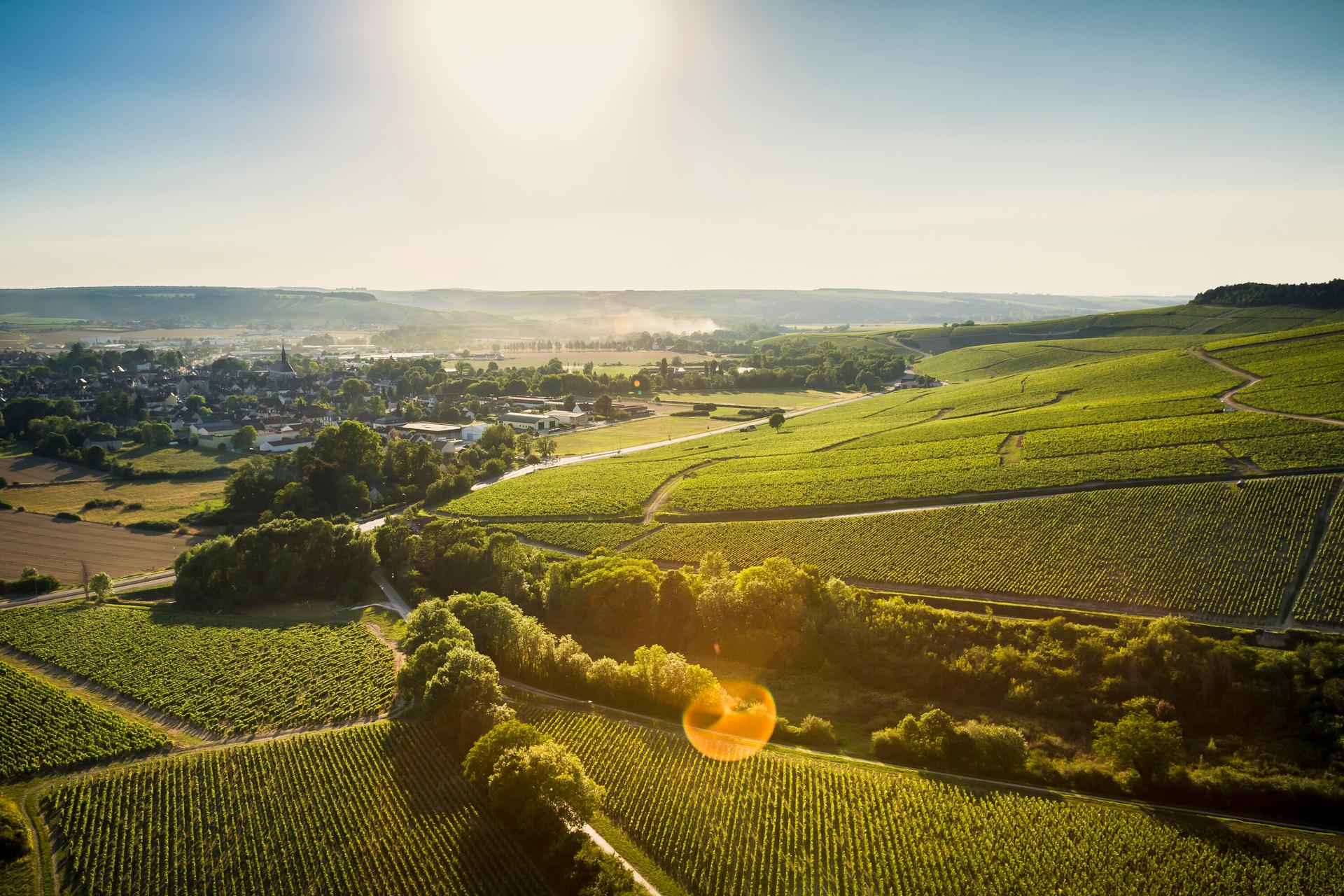
Burgundy sits at roughly 47 degrees north latitude, making it one of the northernmost major red wine regions in France. The continental climate — cold winters, warm summers, unpredictable springs — means vintage variation is wider here than in most of France. Late frost in April and hail in summer are recurring risks; the 2016 and 2021 vintages both saw significant crop losses from frost. Soils along the Côte d'Or are primarily limestone and clay, with the ratio shifting as you move down the slope. Grand cru vineyards tend to sit at mid-slope, where drainage is optimal and sun exposure is maximised. Climate change has shifted the Burgundy harvest forward by roughly 18 days on average since the 1980s, pushing sugar levels higher and altering the structural profile of both reds and whites. Producers are responding differently — some harvesting earlier to retain acidity, others working with vine age and canopy management to moderate ripening. The differences between a village-level wine and a premier cru from the same commune often come down to a few hundred metres of elevation and a shift in soil depth, not to different farming methods or producers.

How Burgundy producers work with Free Grape Society

Burgundy is not a region where volume defines quality. Many of the domaines listed here farm between two and ten hectares total, across multiple appellations and climat parcels. Producers on Free Grape Society set their own prices. No intermediary adjusts the margin. No import chain adds a markup before the bottle reaches you. Samples are sent to our Head of Product, who tastes every wine before it goes live on the platform. Independent wine experts Rate & Review individual wines on the platform — their assessments are visible on the individual wine pages and on each expert's profile. These are not the wines your supermarket carries. They are the wines your supermarket cannot carry, because the volumes are too small and the logistics too direct. You can browse white Burgundy separately, or look at the full range of French red wines if you want to compare Burgundy against other French regions. Producers, experts, restaurants, and wine lovers on the same platform, on the same terms. That is what Free Grape Society is.