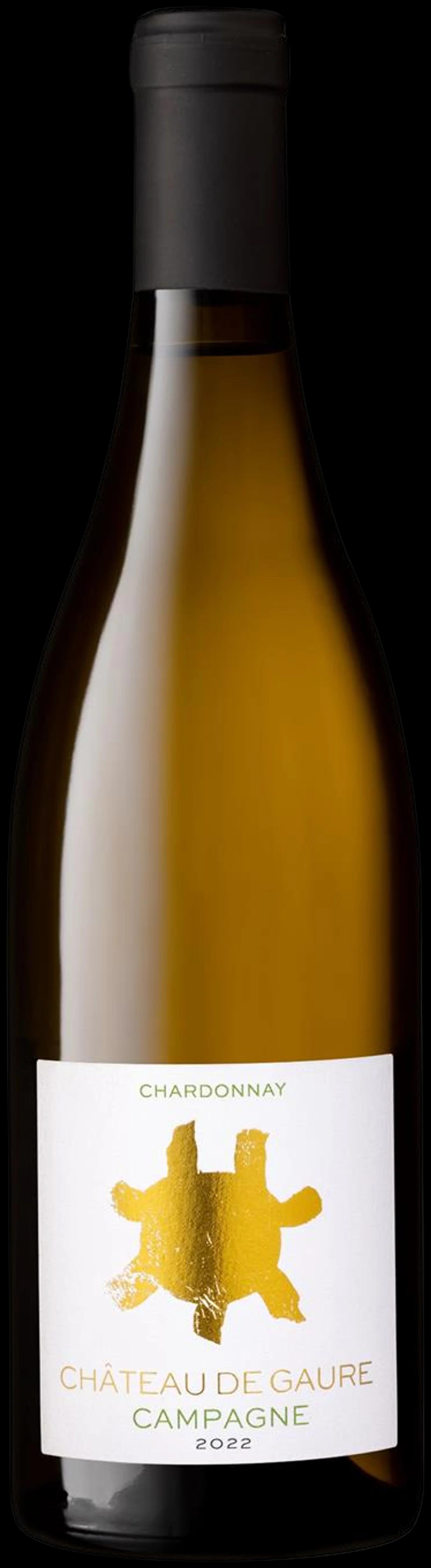
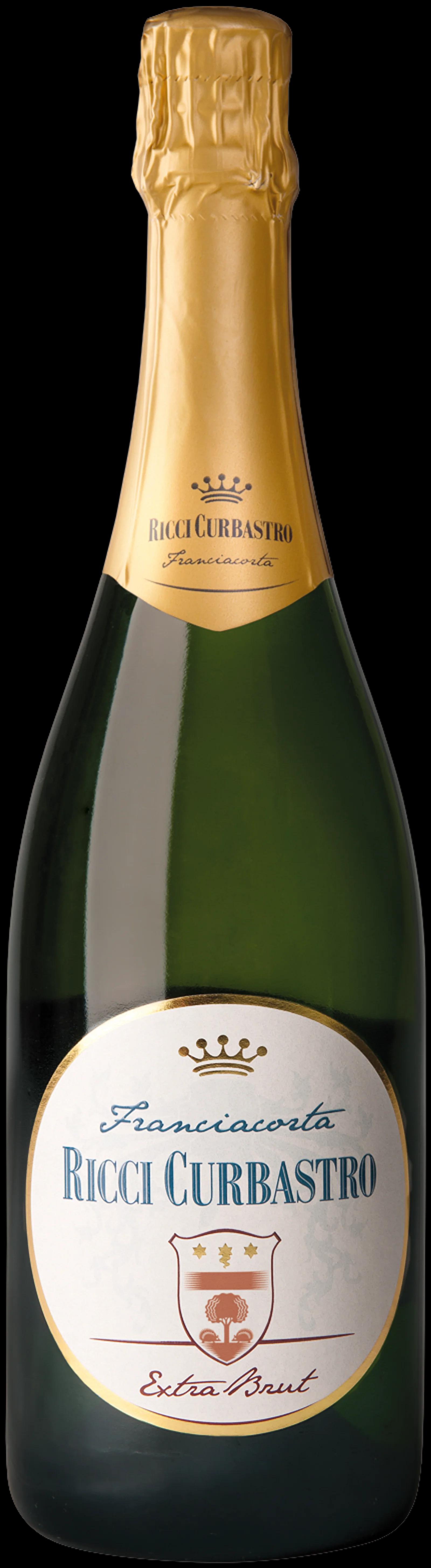
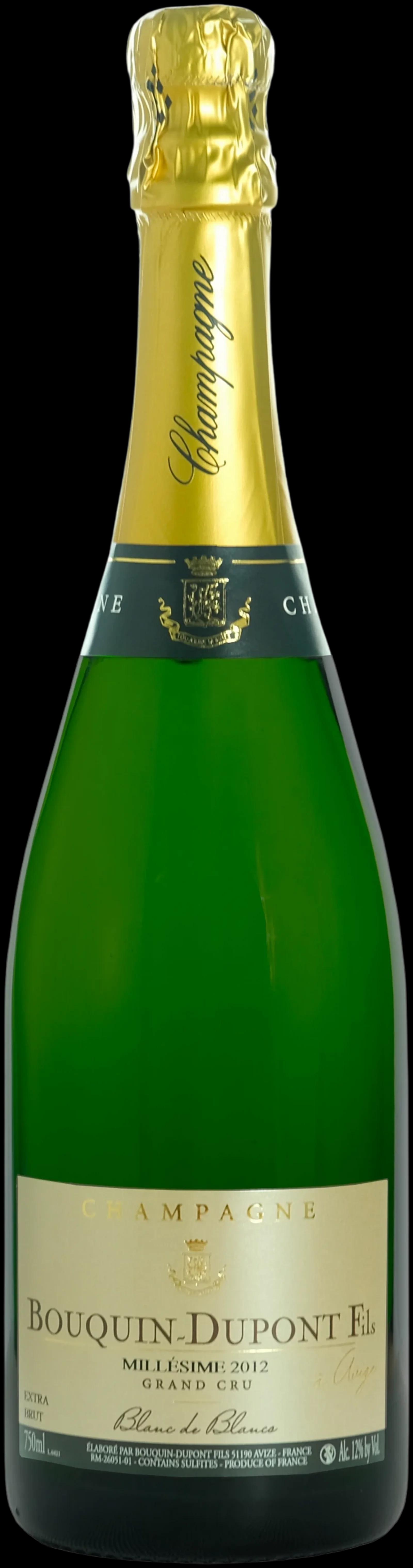
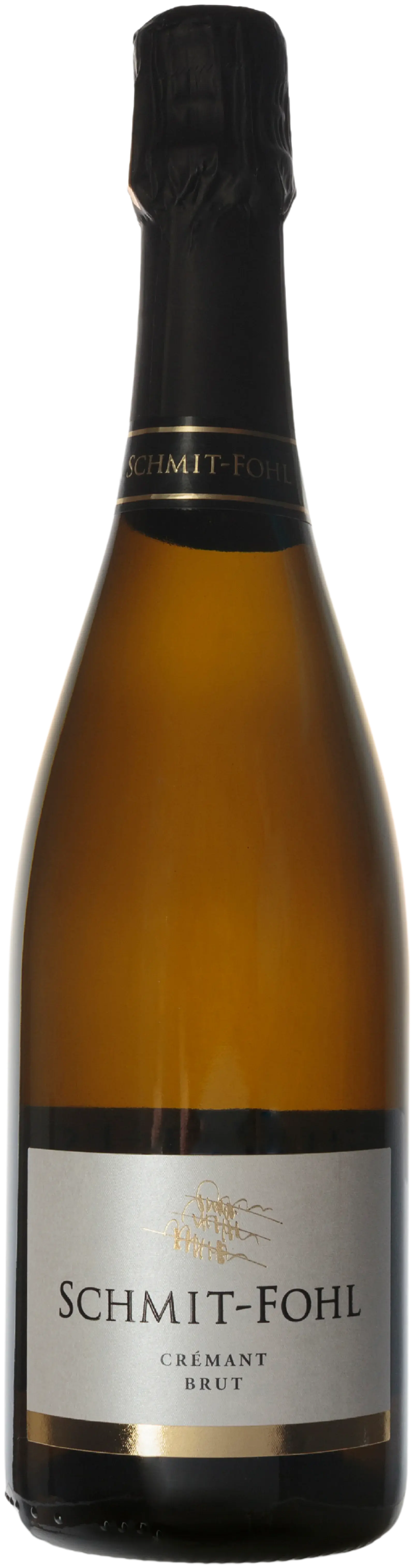
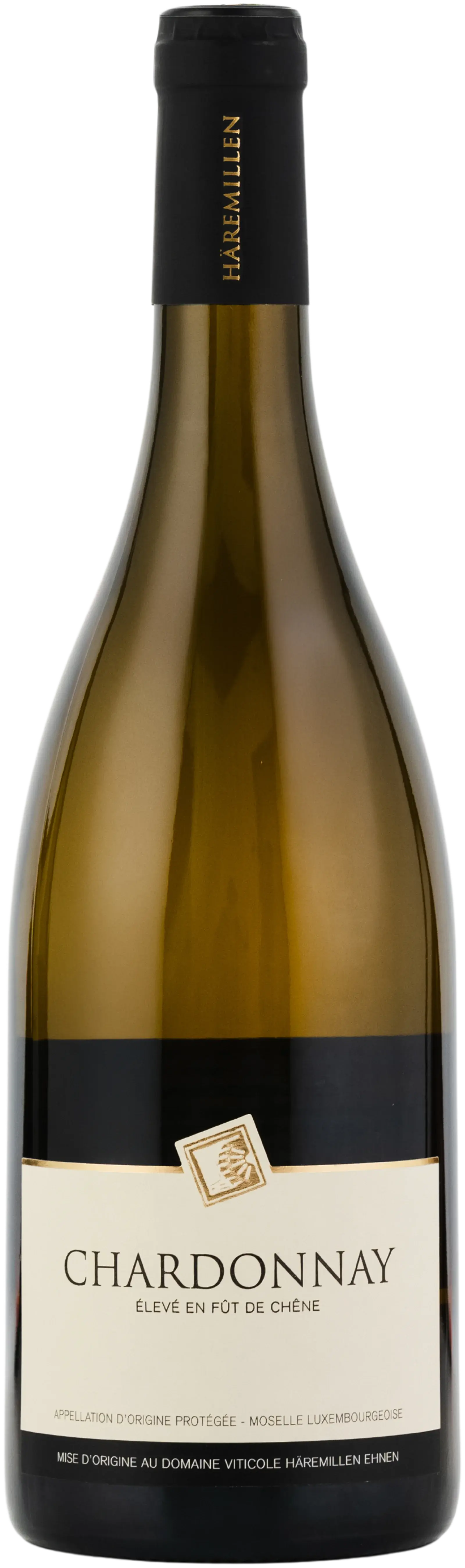
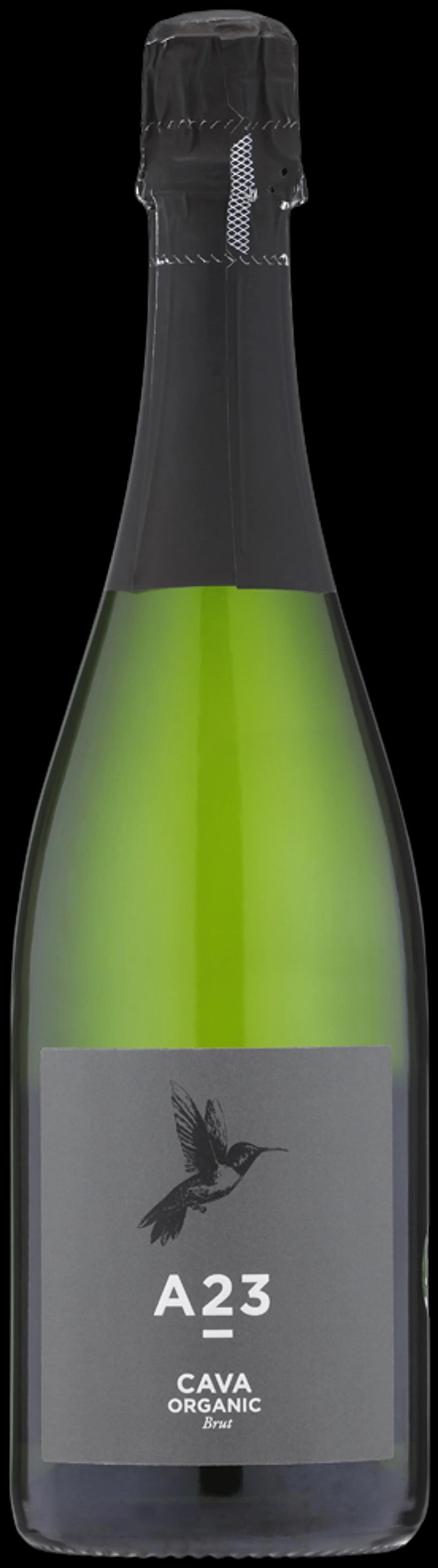
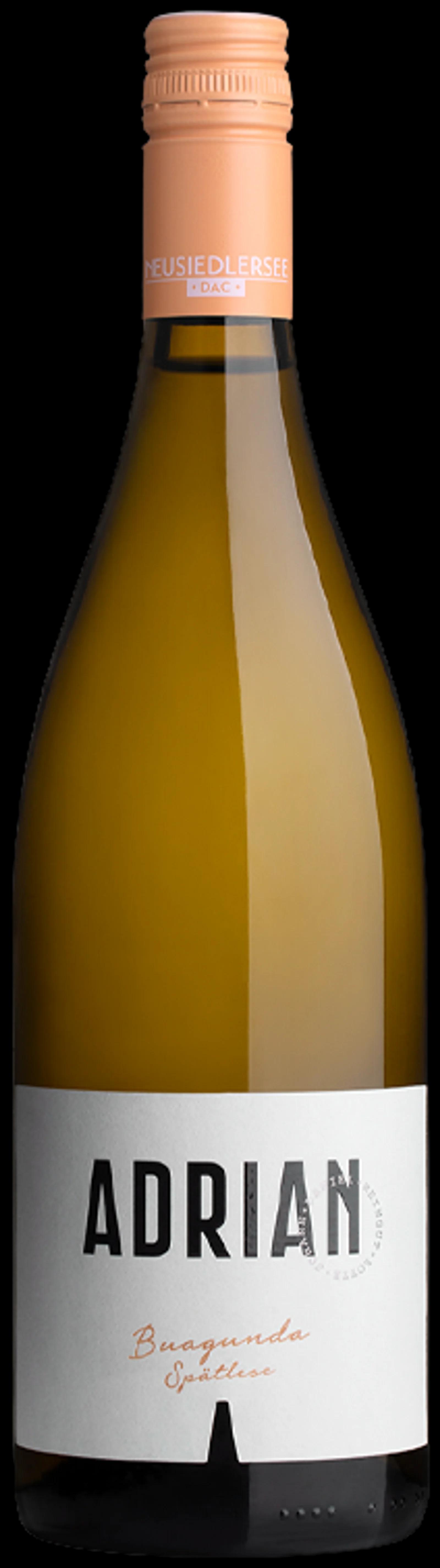
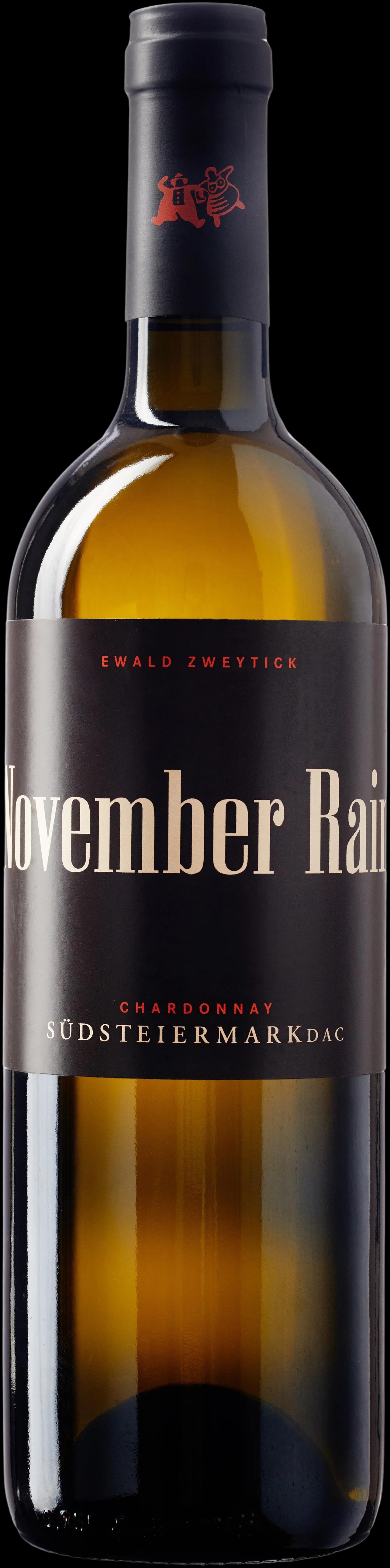
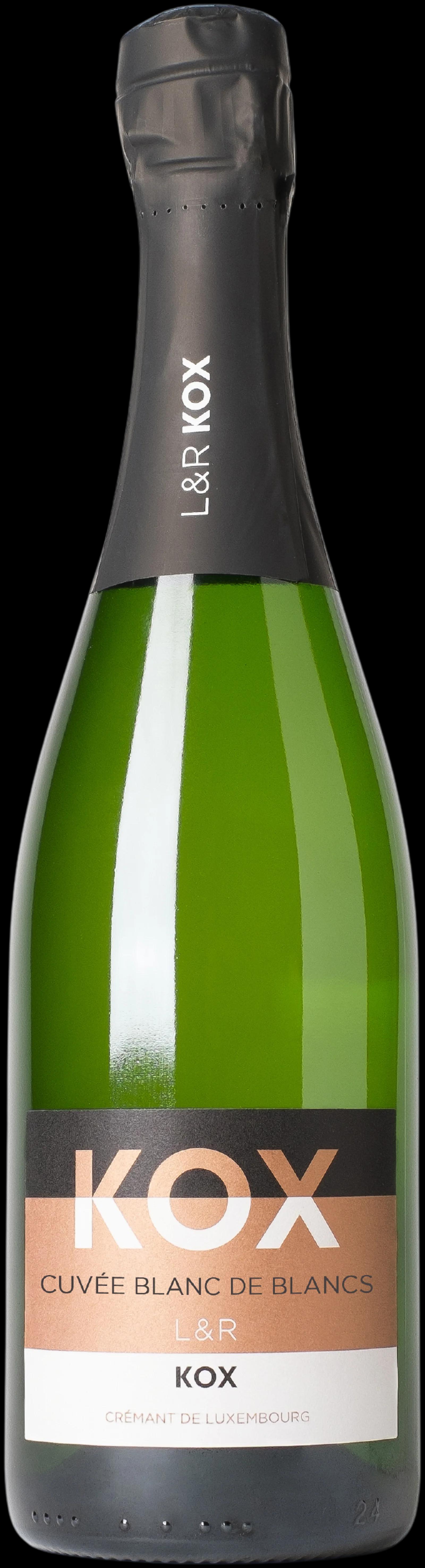
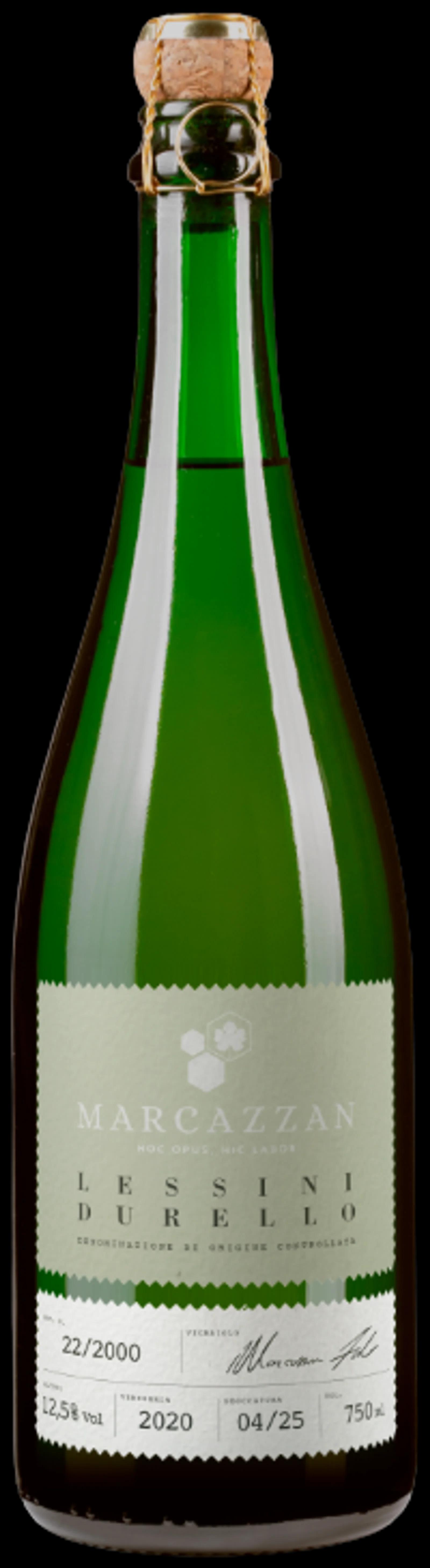
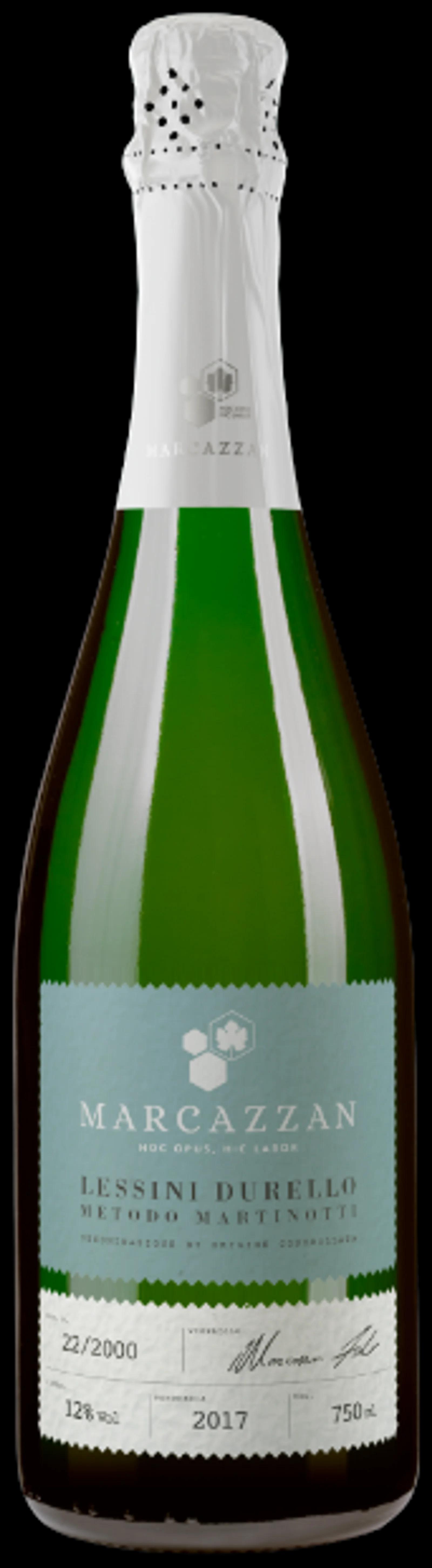
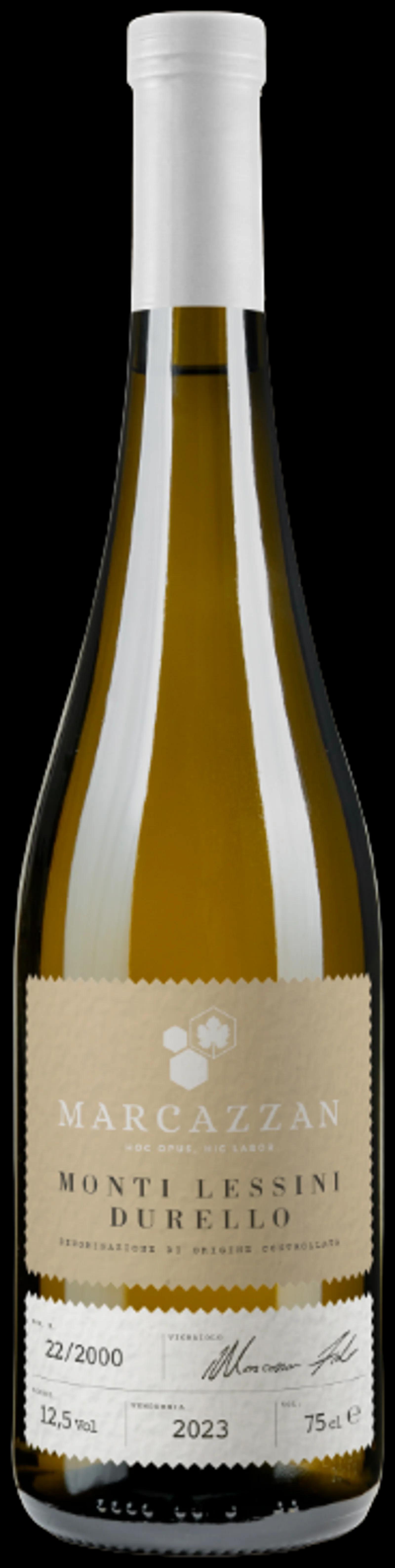
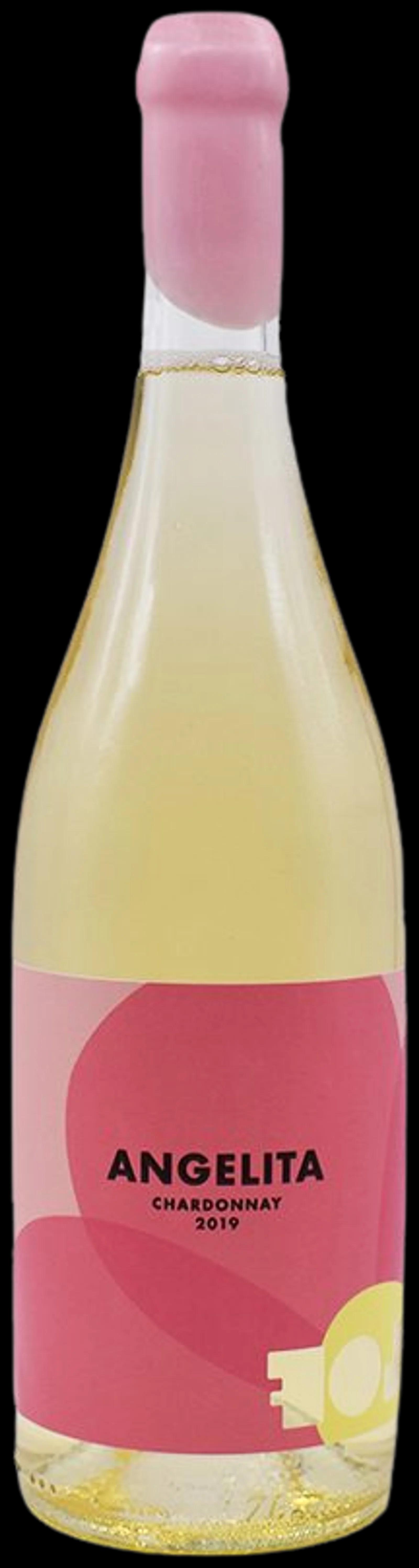
Chardonnay wines from producers who grow their own fruit

Chardonnay from estate-bottled producers. Every wine tasted before listing. Direct from the cellar.

From Burgundy's limestone slopes to cooler-climate estates worldwide.

Color

Dropdown arrow

Type

Dropdown arrow

Country

Dropdown arrow

Region

Dropdown arrow

Grape

Dropdown arrow

Pairing

Dropdown arrow

Sort by

Sort arrow
Chardonnay

Chardonnay wines

Chardonnay is one of the most widely planted white grapes in the world, but its character is unusually malleable. Unoaked, it runs lean and mineral. In barrel with lees contact, it builds texture and weight. In Burgundy, it is the sole white grape of both Chablis and Meursault, two appellations with almost nothing in common in terms of style. The Chardonnay on this page comes from growers who control their own production and ship from their own cellars.

Previous1 of 3Next

Chardonnay mixboxes

A mixbox on Free Grape Society is six bottles from a single producer, composed by that producer as their own recommendation. On a grape page like this one, between three and six of those six bottles will be Chardonnay. The full box can be Chardonnay when the producer works exclusively with this grape. The remaining bottles, if any, are chosen by the producer to give context to the Chardonnay within their own range. No buyer assembles these boxes. The producer does.

Wine experts

The producers listed below represent Chardonnay grown across several distinct climates. Cool-climate sites produce high-acid, tightly wound wines that need time. Warmer sites push toward riper fruit and rounder texture. Style is driven by place and by decisions made in the cellar: fermentation vessel, lees ageing, and malolactic conversion all pull the wine in different directions. Every producer here bottles under their own name.

Chardonnay producers

Independent wine experts on Free Grape Society rate and review Chardonnay wines they have personally tasted. Their reviews are visible on the individual wine page and on the expert's own profile. Several of the experts below have reviewed Chardonnay wines featured on this page. You can read their notes, see their track record, and ask for a recommendation directly.

Frequently asked questions

How do I order Chardonnay on Free Grape Society?

Browse the wines above and add bottles to your cart. Each listing shows the producer, region, vintage, and price set by the producer. You check out once. Wines ship directly from the producer's cellar to your address. No account is required to browse.
What happens if a bottle arrives broken or doesn't taste right?

Send a photo to Free Grape Society customer support within 7 days of delivery. We will arrange a replacement or a refund. Because producers ship directly, quality issues are handled with the producer's direct involvement. Shared responsibility is built into how FGS works.

Can I order Chardonnay from more than one producer in the same order?

Yes. You can add Chardonnay from multiple producers to a single order and pay once at checkout. Each producer ships their bottles separately, so you may receive more than one delivery from a single order, depending on how many cellars are involved.

How long does delivery take?

Average delivery is 8 to 9 days from order to door. The full range is 4 to 14 days depending on the producer's location and your delivery address. Wines ship directly from the producer's cellar, not from a central warehouse.

How do I find the right Chardonnay style for me?

Filter by region: Chablis and cooler-climate estates lean mineral and unoaked. Meursault, Puligny-Montrachet, and comparable sites from producers who use barrel fermentation produce richer, textured wines. Read the producer notes and any expert reviews on the wine page to get a clearer picture before you buy.

What is the difference between oaked and unoaked Chardonnay?

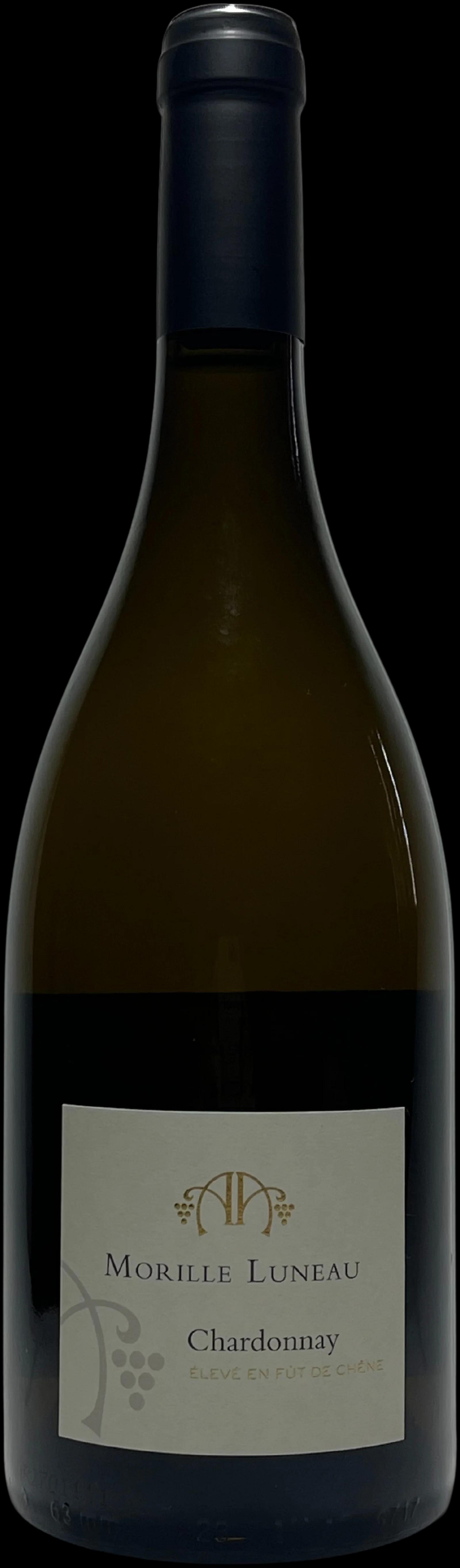
Oaked Chardonnay is fermented or aged in barrel, which adds texture, a rounder mouthfeel, and notes of toast or hazelnut. Unoaked Chardonnay fermented in steel or concrete stays sharper, with more direct fruit and higher apparent acidity. Both approaches are well represented by producers on this page.

Which wine expert can recommend a Chardonnay for me?

Several experts on Free Grape Society have reviewed Chardonnay wines, particularly from Burgundy and other French white wine regions. Browse the expert profiles in the section below, look at their review history, and message any expert directly with your question. Their recommendations reflect wines they have personally tasted.

Why don't you sell Chardonnay from supermarket brands?

Supermarket Chardonnay is produced at volume, priced to a margin, and distributed through wholesale chains. The bottles on Free Grape Society come from producers who own their vineyards, control their winemaking, and ship directly. Different supply chain, different wine. These are not the same category of product.

How does Chardonnay on Free Grape Society differ from what Systembolaget carries?

Systembolaget's Chardonnay range is built around labels with volume to supply a national retail network. Most estate-bottled Chardonnay from smaller Burgundian or European producers does not exist in those volumes. Producers on Free Grape Society tend to make quantities too small for retail distribution, which is partly why they work directly with platforms like this one.

Where Chardonnay is grown

Chardonnay is planted on every wine-producing continent, but its most referenced expressions come from Burgundy, where the grape has been cultivated for centuries on limestone and clay soils. Within Burgundy, the style shifts markedly by sub-region: Chablis in the north produces lean, mineral-driven whites with little or no oak; Côte de Beaune — including Meursault and Puligny-Montrachet — tends toward richer, more textured wines; Mâconnais in the south offers rounder, earlier-drinking styles at lower price points. Outside France, Chardonnay is planted widely in Italy, where it appears across Piedmont, Lombardy, and Trentino-South Tyrol, often with a crisper, higher-acid profile than its Burgundian counterparts. In Spain, plantings are concentrated in Catalonia and used frequently in cava production. Austria grows small but quality-focused volumes, often in Burgenland. The grape's adaptability is both its commercial strength and its critical weakness: in the wrong hands, Chardonnay becomes indistinct. In the hands of a producer who knows their vineyard, it becomes one of the most site-specific white wines in the world.

The taste profile of Chardonnay

Chardonnay is a neutral grape in the sense that it carries little intrinsic aromatic character of its own. What you taste is largely the product of where it was grown and how it was made. Cool-climate Chardonnay — Chablis, high-altitude Italian versions, unoaked Mâcon — tends toward green apple, lemon pith, chalk, and saline minerality. Warmer-climate expressions develop stone fruit, yellow plum, and in some cases tropical notes. Oak ageing adds layers of toast, hazelnut, vanilla, and cream, but many producers now work with little or no new oak to preserve freshness. Malolactic fermentation — the conversion of sharp malic acid into softer lactic acid — is a key decision point: full MLF produces that characteristic buttery roundness; partial or blocked MLF keeps the wine tighter and more acidic. Ageing potential varies widely. An entry-level unoaked Chardonnay is best within two to three years of harvest. A village-level Burgundy from a careful producer can develop over five to ten years. At the top end, grand cru whites from estates who control their own production are documented to age for two decades or more. Related grapes worth exploring if you're drawn to textured white wines: Grenache Blanc, Pinot Gris, and Melon de Bourgogne.

Chardonnay producers on Free Grape Society

Producers list themselves on Free Grape Society. No importer, no wholesaler. The price you see is the price the producer agreed to. Before a wine goes live, it is tasted by our Head of Product. Independent wine experts Rate and Review individual wines on the platform — those reviews are visible on each wine page and on the expert's own profile. The Chardonnay producers listed here range from French estate-bottlers in Burgundy and Languedoc-Roussillon to growers who control their own production in Italian regions where Chardonnay plays a supporting role in a broader range. Style diversity is built in: you will find unoaked, barrel-fermented, and extended-lees versions across the list. What they share is that each producer bottles under their own name and ships from their own cellar — not from a warehouse sorting facility somewhere in between.