


Riesling, Chardonnay and Grüner Veltliner: white wines from independent growers

White wine stretches from bone-dry and mineral to rich and barrel-aged, shaped by grape, climate, and whether it sees oak or steel. Browse white wines shipped directly from the producer's own cellar.

From the slate slopes of the Mosel to the limestone hills of Burgundy and the cool valleys of Niederösterreich

Color (1)

Dropdown arrow

Type

Dropdown arrow

Country

Dropdown arrow

Region

Dropdown arrow

Grape

Dropdown arrow

Pairing

Dropdown arrow

Sort by

Sort arrow
White

White wines

White wine is pressed off its skins before fermentation, which is why it holds little colour and little tannin. What drives its character is the grape, the climate, and the winemaker's choices in the cellar. Cool sites — the Mosel's steep slate, Austria's Wachau, Galicia's granite coast — give tension and acidity; warmer ones, such as parts of Sicily or southern Rhône, give weight and a rounder texture. On Free Grape Society, the grower who made the wine ships it directly from their own cellar, with no importer or warehouse in between.

Previous1 of 12Next

White wine cases

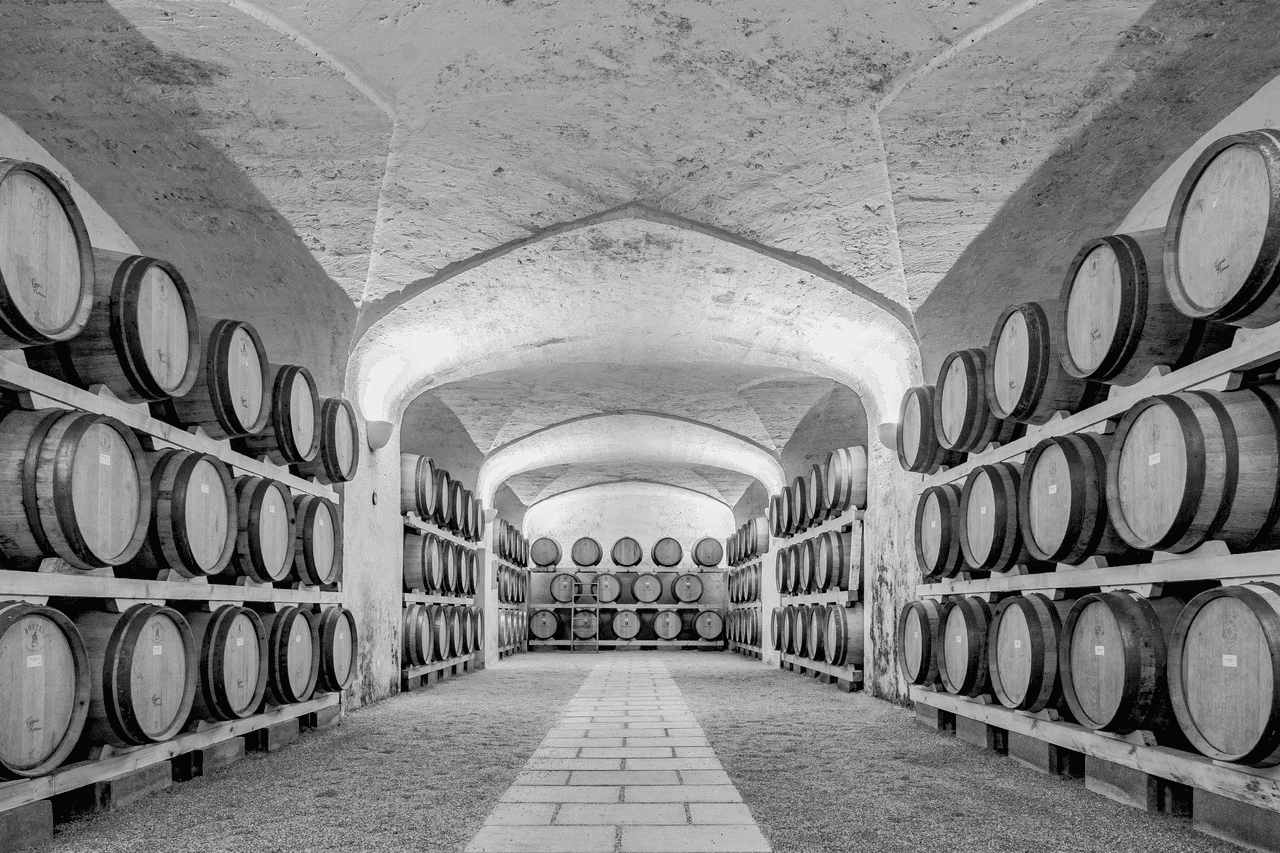
Winemaking method shifts white wine's character as much as the grape does. Fermentation and ageing in stainless steel keeps the fruit precise and clean — you taste the variety and the site. Oak, whether new barrique or older large cask, adds texture, a touch of spice, and in some cases the capacity to age for years. Wines tasted before listing.

View all white mixboxes

Wineries

Independent wine experts on Free Grape Society have personally tasted and reviewed wines across this selection. Their ratings and tasting notes sit alongside the producer's own story, giving you two perspectives — the grower's and the expert's — before you decide. Browse [individual white wines](/SE/en/wines/color/white) by grape or region, or explore [white wine cases](/SE/en/mixboxes/color/white) from a single producer if you'd like a ready-made selection.

View all wineries

Wine experts

Free Grape Society is a society of producers, independent experts, and wine lovers — not a shop. Producers set their own prices, choose what they list, and ship each order from their own cellar. That means what arrives at your door is the producer's own bottling, not a warehouse repack.

View all wine experts

Frequently asked questions

How do I order a white wine case?

Choose a case from the selection above and add it to your basket. Each case contains six bottles selected by the producer. Payment is handled securely by Klarna or card. Once your order is confirmed, the producer ships directly from their cellar. Delivery typically takes between 4 and 14 days, with an average of around 8 to 9 days depending on where the producer is based.

What happens if a bottle arrives broken or doesn't taste right?

Send a photo to Free Grape Society customer support within 7 days of delivery. We will arrange a replacement or a refund. Because producers ship directly, quality issues are handled with the producer's direct involvement. Shared responsibility is built into how FGS works.

What is included in a white wine case?

Each case contains six bottles chosen by the grower who made them. The selection varies by producer — some focus on a single grape across different styles or vintages, others include several varieties that grow on their estate. The case page shows which bottles are included. Shipping is free, and payment is by Klarna or card.

How long does delivery take?

Average delivery is 8 to 9 days from order to door. The full range is 4 to 14 days depending on the producer's location and your delivery address. Wines ship directly from the producer's cellar, not from a central warehouse.

How do I choose between different white wine cases?

Start with the producer and the region. A case from a Mosel estate built around Riesling will be high in acidity and mineral; one from a Burgundian domaine working with Chardonnay may include both a leaner village wine and a richer premier cru style. Use the filters to narrow by country or region, then read the producer's own description of what they have put in the case.

How are white wine cases on Free Grape Society different from a subscription box?

A case here is not curated by an algorithm or a buying team. It is a single producer's own selection of six bottles, composed by the grower to represent their cellar. You choose the producer and the case they have put together. There is no subscription and no recurring charge — you order when you want to.

Which white wine expert can recommend something for me?

Several independent wine experts on Free Grape Society have reviewed white wines from producers whose cases appear on this page. Visit any expert's profile to read their reviews and ratings, or fill in the form on the wine expert page to ask a question directly. The advice is free and comes from experts with no commercial interest in which producer you choose.

Why do the cases only come from independent producers?

Free Grape Society works with independent growers, not with large négociant houses or supermarket-label producers. The cases here are made by the people who grew the grapes. That means the selection in each case reflects a real producer's real decisions about their own wines — not a commercial blending brief written to a price point.

Can I find white wine cases from specific countries?

Yes. Use the country and region filters to browse cases from France, Italy, Austria, Spain, Germany and other producing countries. Each producer ships from their own country, so delivery time varies slightly depending on origin — typically between 4 and 14 days from the moment the order is confirmed.

Signature grapes for white wine

Chardonnay is the most widely planted white grape in France and produces wines across an extreme stylistic range — from bone-dry, unoaked Chablis to barrel-fermented Burgundy with years of aging potential. Riesling in Germany can be vinified dry, off-dry, or sweet from the same vineyard depending on harvest timing and must weight; the Oechsle scale used in Germany measures sugar concentration at harvest and directly determines which Prädikat a wine may carry. Grüner Veltliner is grown almost exclusively in Austria, where it accounts for roughly 30% of total vineyard area; its characteristic white pepper note comes from a rotundone compound also found in Syrah. Melon de Bourgogne was planted in the Loire after the catastrophic frost of 1709 wiped out most of Muscadet's vineyards — it was chosen for frost resistance, not flavour profile. Godello in northwestern Spain nearly disappeared in the 1970s; fewer than 200 hectares remained before a recovery effort in Valdeorras restored it to its current standing. Sauvignon Blanc expresses methoxypyrazines — the compound behind its herbaceous, green-pepper character — at higher concentrations in cooler climates and in grapes harvested before full physiological ripeness.

Regions producing white wine on Free Grape Society

Alsace in northeastern France is one of the few French appellations where grape variety is printed on the front label as the primary identifier — unlike most of Burgundy or the Rhône, where the appellation carries that role. The Loire Valley stretches over 280 kilometres and covers whites built on Chenin Blanc, Muscadet, and Sauvignon Blanc; the variation in style across that distance is wider than many entire wine-producing countries. Friuli Venezia Giulia in northeastern Italy is where many skin-contact white producers consolidated their practice in the 1990s, though the method itself predates the appellation by centuries. Trentino-South Tyrol in northern Italy produces Pinot Grigio at altitude — vineyards above 700 metres retain acidity that flatland sites in the same DOC cannot match. In Germany's Pfalz, Riesling competes with Pinot Blanc and Pinot Gris for vineyard space, partly because warmer recent vintages have shifted what ripens reliably there. Austria's Steiermark is the country's southernmost wine region and grows Sauvignon Blanc and Muskateller alongside Grüner Veltliner on steep slopes that reach gradients of 85% in some parcels. White wines from Czech Republic's Moravia come primarily from the Pálava and Welschriesling grapes — varieties with minimal international distribution that remain almost unknown outside Central Europe.

How white wine is made — and what changes style

The stylistic range in white wine is driven as much by winery decisions as by grape or terroir. Fermentation temperature is one of the most consequential variables: cooler fermentations (around 10–15°C) preserve aromatic compounds; warmer ones push toward rounder, broader texture. Malolactic fermentation converts sharper malic acid into softer lactic acid — standard practice in oaked Chardonnay, typically blocked in high-acid whites like Riesling or Muscadet. Lees aging, where wine rests in contact with spent yeast cells after fermentation, adds weight and a characteristic biscuity texture; sur lie aging in Melon de Bourgogne from Muscadet is mandated for certain Muscadet Sèvre-et-Maine sur lie designations. Barrel fermentation in new oak introduces vanillin compounds and reduces the primary fruit character of the grape — which is why the same Chardonnay grape can produce wines that read completely differently from Burgundy versus Languedoc-Roussillon. The producers listed on this page set their own prices and ship from their own cellars. No importer, no wholesaler. The price you see is the price the producer agreed to.