Where Melon de Bourgogne comes from and how the Loire shaped it
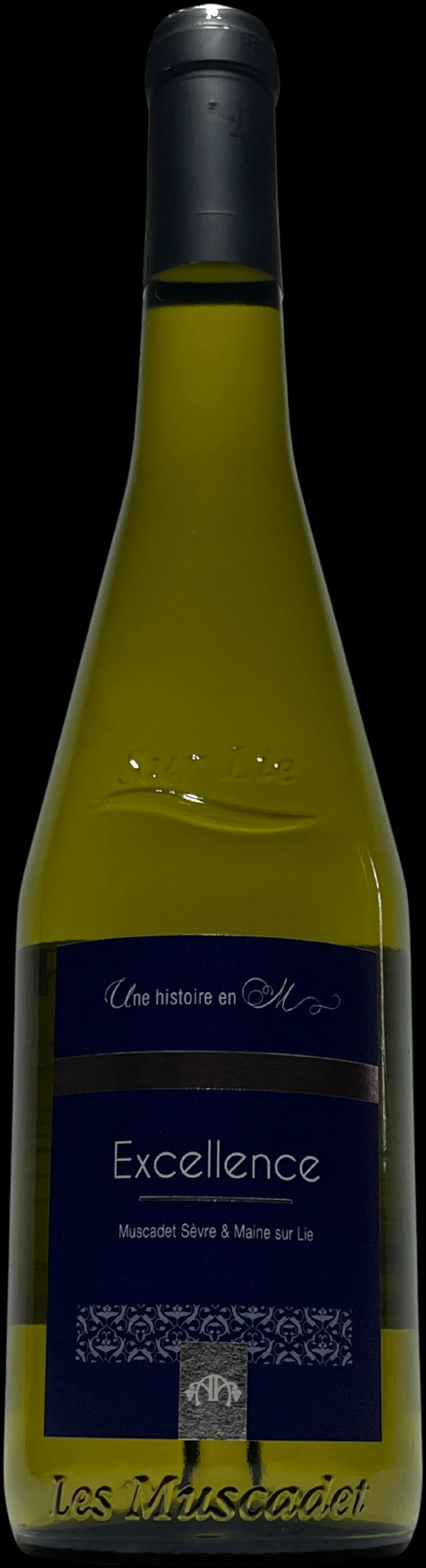
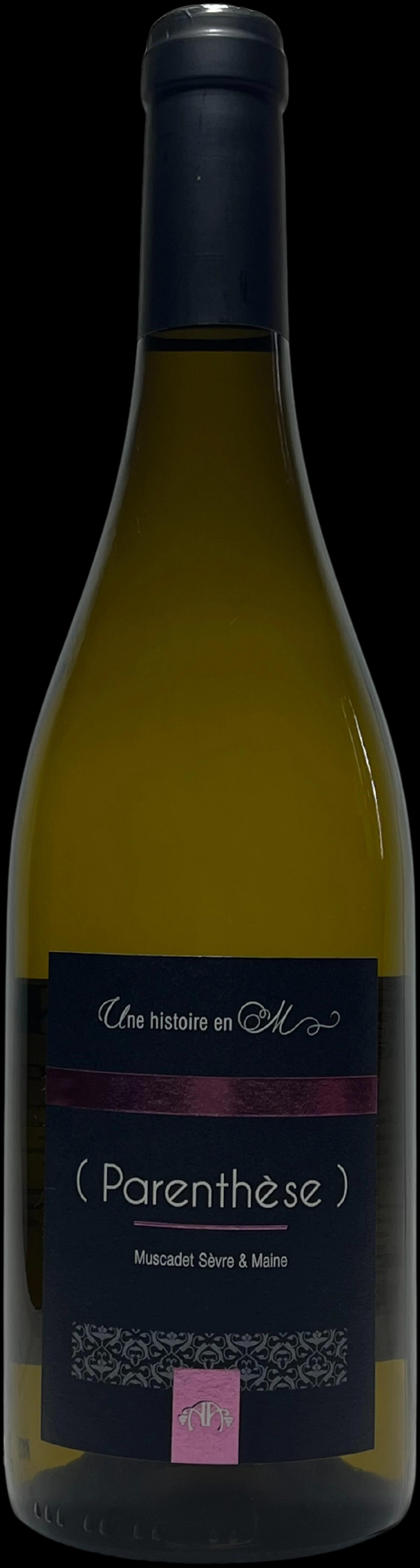
Melon de Bourgogne is native to Burgundy, where it was widely planted before harsh winters in the early eighteenth century wiped out much of the region's vineyard stock. It survived in the western Loire Valley, where growers found it suited the Atlantic climate and the region's distinctive soils — schist, gneiss, and fossilised shells left by a prehistoric sea. Today it is almost entirely associated with the Muscadet appellation at the Loire's mouth, near Nantes. Muscadet is not a grape name but an appellation name: the wine inside the bottle is always made from Melon de Bourgogne. The grape's neutrality, which can seem like a limitation in warmer climates, becomes an asset here — it holds acidity well and picks up saline, mineral character from the soils rather than adding its own aromatic signature. You can explore wines from across the Loire Valley and compare them with whites from other Atlantic-influenced regions on the France wines page.
How Melon de Bourgogne tastes, and what to drink it with
Melon de Bourgogne makes dry, pale white wines with relatively low alcohol, high natural acidity, and a lean, saline quality that is unlike most other French whites. The primary character is mineral rather than fruity — you are more likely to find lemon pith, green apple, and something close to sea spray than stone fruit or floral notes. Wines labelled sur lie have spent time resting on their spent yeast after fermentation, which adds a faint creaminess and sometimes a gentle prickle without changing the wine's fundamental character. The grape's affinity with seafood is genuine and practical: the acidity cuts through fat, the salinity echoes the briny quality of oysters and clams, and the low alcohol does not overwhelm lighter dishes. It is also well suited to grilled fish and simple shellfish preparations. For whites in a similar lean, mineral style, the Chenin Blanc and Muscadet's regional neighbours in the Loire are worth exploring.
Buying Melon de Bourgogne direct from independent producers
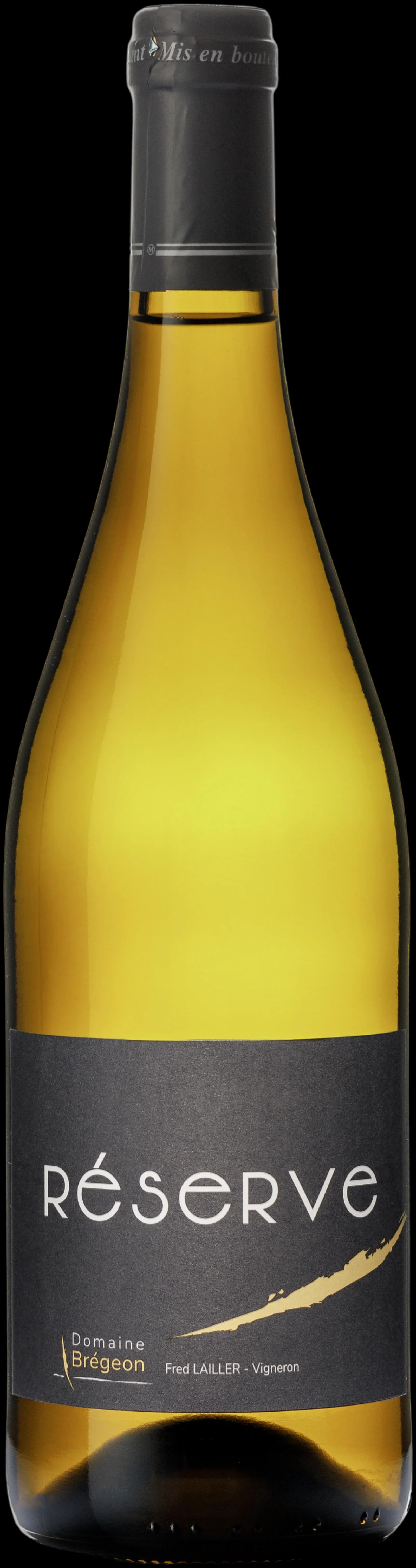
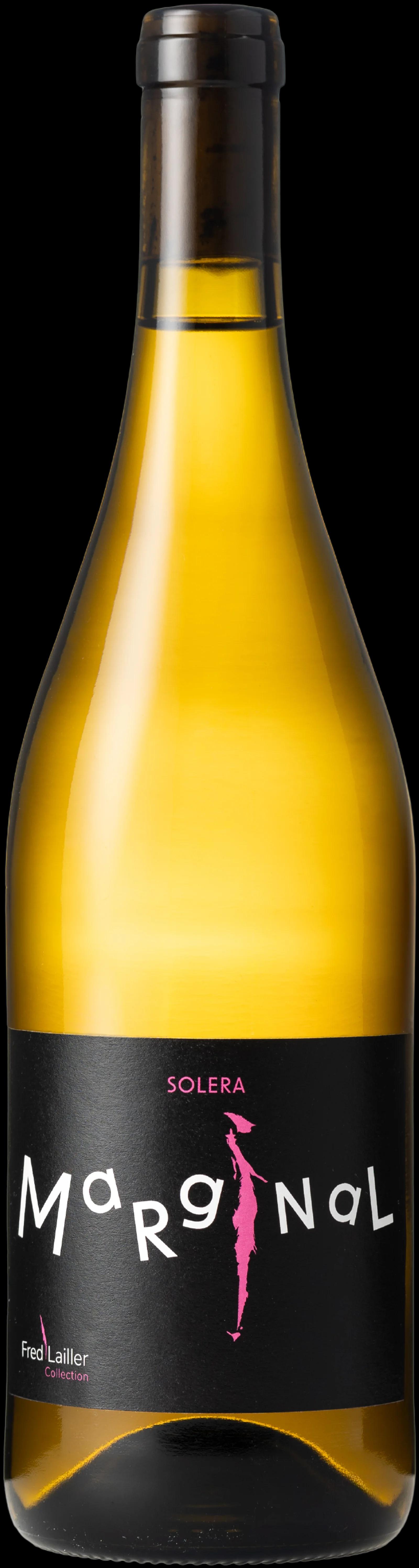
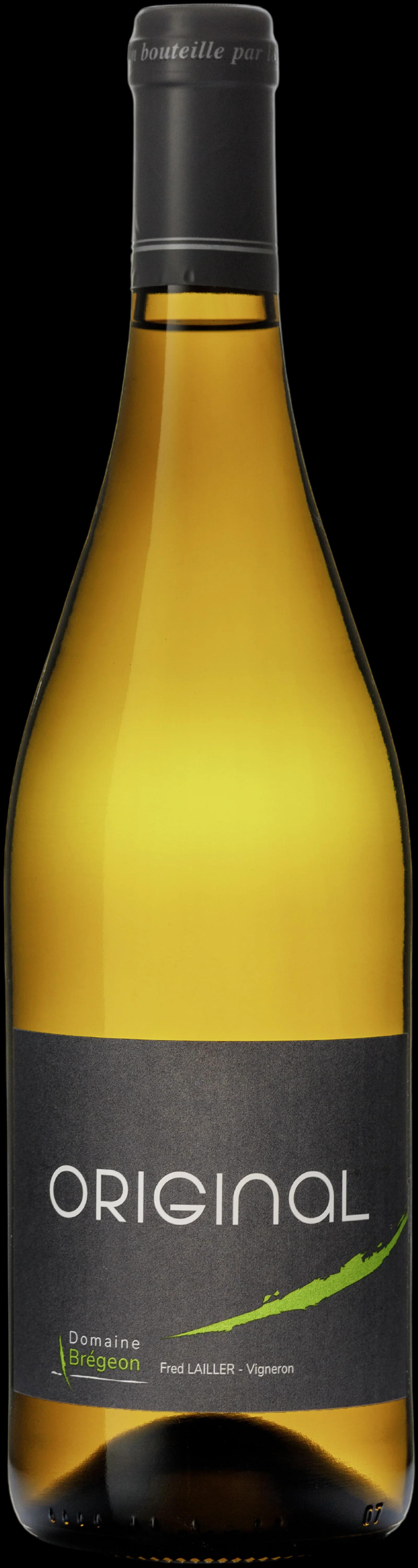
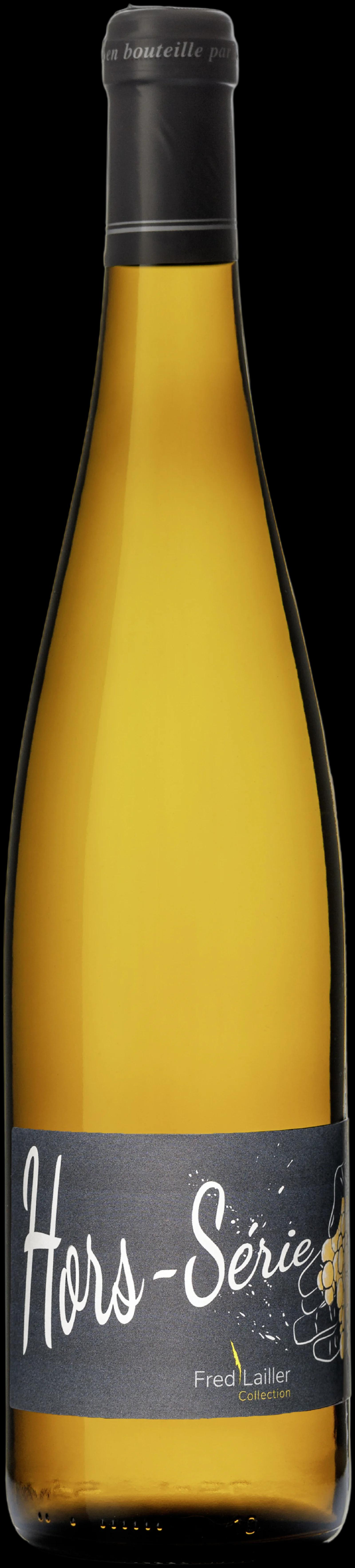
Most commercially available Muscadet is made at scale for supermarket shelves, which means the grape's reputation for blandness is partly a distribution problem rather than a reflection of what the variety can do. Independent producers working with older vines, lower yields, and longer sur lie ageing make wines that are structured enough to age and interesting enough to drink on their own. On Free Grape Society, producers ship directly from their own cellar — there is no importer or warehouse adding time or margin between the estate and your door. That direct relationship also means you can read the producer's own notes, see which wines independent experts have reviewed, and choose with more information than a back label typically offers. Browse white wines from France for a broader view of what independent French producers are making, or go directly to Loire Valley wines to see what is available in that region today. Free Grape Society is a society of producers, independent experts and wine lovers, not a shop.