


Palava wine from independent growers across Europe

Palava wine is made from a cross of Traminer and Müller-Thurgau, bred in Moravia and known for its aromatic intensity. The producers below grow it in the vineyards where it was developed.

A Czech white grape with bright acidity, grown mainly in Moravia.

Color

Dropdown arrow

Type

Dropdown arrow

Country

Dropdown arrow

Region

Dropdown arrow

Grape

Dropdown arrow

Pairing

Dropdown arrow

Sort by

Sort arrow
Palava

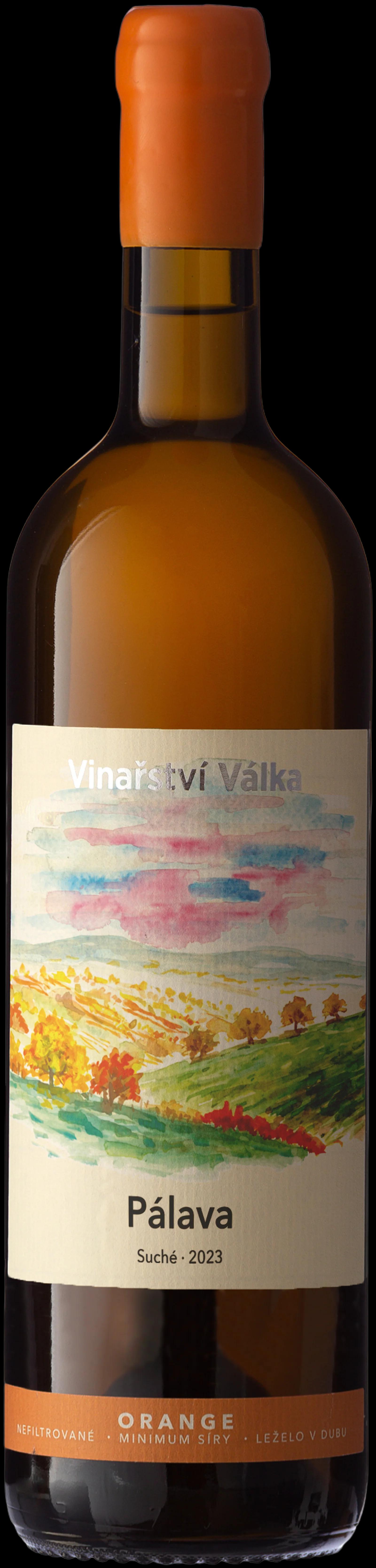
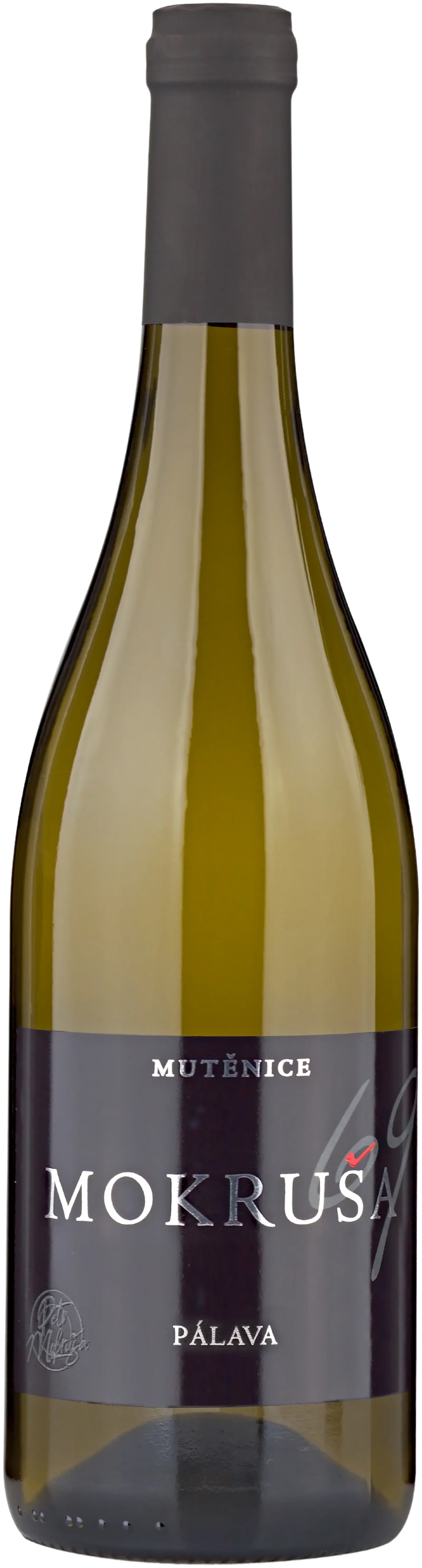
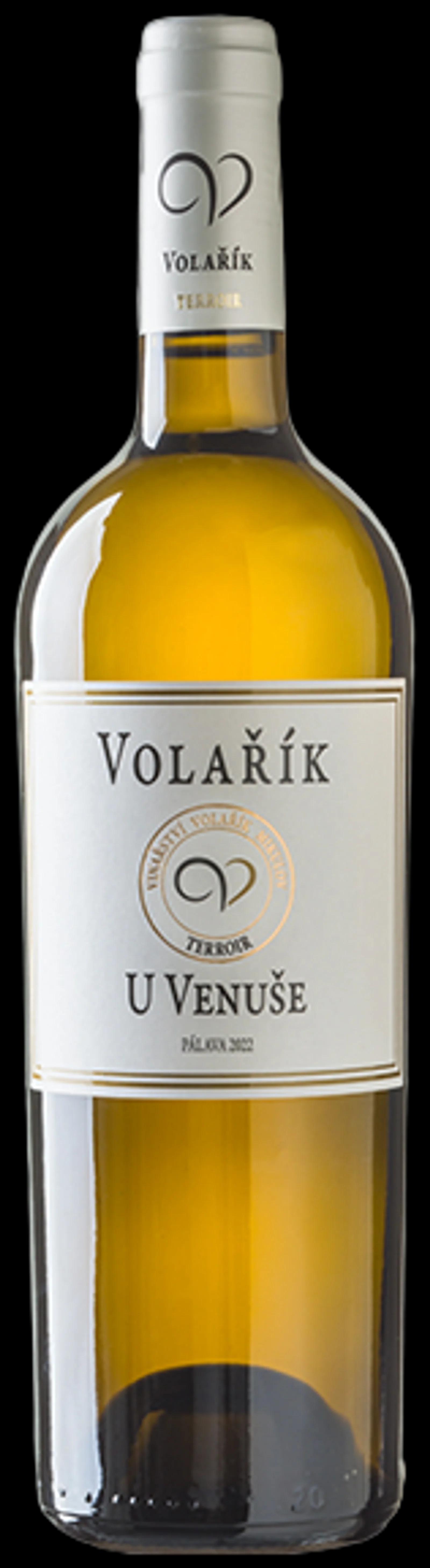
Palava wines

Palava was developed at the Valtice breeding station in Moravia in the 1970s as a cross between Traminer and Müller-Thurgau. It takes its name from the Palava Hills, a limestone ridge in southern Moravia near the Austrian border. The grape is well suited to the region's warm, dry summers and produces wines that range from dry and floral to late-harvest styles when conditions allow. On Free Grape Society, each bottle ships directly from the producer's own cellar, with no importer or warehouse in between.

2 of 2 wines

Previous1 of 1Next

Palava wine cases

A wine case here is a producer's own selection of six bottles, put together as the recommendation they would make if you came to the cellar. For a grape like Palava, that often means showing the variety across different harvest conditions or winemaking approaches — dry, off-dry, or late-harvest — so you get a real sense of what one estate can do with it. Free Grape Society is a society of producers, independent experts and wine lovers, not a shop.

View all mixboxes

Wineries

The wineries below all work with Palava, mostly in Moravia, where the grape is most at home. Reading a producer's own notes is often the quickest way to understand their approach — whether they pick early for freshness or late for concentration, and whether they ferment dry or leave a little residual sugar. The wine-advice service is there if you would rather talk through the options before choosing.

View all wineries

Wine experts

Palava is aromatic and can divide opinion, which makes a second view useful before you buy. Independent wine experts review wines they have personally tasted, and their notes are visible on each wine page and on the expert's own profile. Several of the experts below have reviewed Palava wines featured on this page, so you can read what they thought before deciding.

View all wine experts

Frequently asked questions

How do I order Palava wines on Free Grape Society?

Browse the wines above and add bottles to your basket. Each bottle is held by the producer and ships directly from their cellar to your door. Delivery takes between 4 and 14 days, with an average of around 8 to 9 days. Shipping is free, and you can pay by card or Klarna.

What happens if a bottle arrives broken or doesn't taste right?

Send a photo to Free Grape Society customer support within 7 days of delivery. We will arrange a replacement or a refund. Because producers ship directly, quality issues are handled with the producer's direct involvement. Shared responsibility is built into how FGS works.

Can I order Palava from more than one producer in the same basket?

Yes. You can add wines from different producers to the same order. Each producer ships their own wines separately, so if you order from two estates you will receive two parcels. Delivery times and tracking are provided for each shipment.

How long does delivery take?

Average delivery is 8 to 9 days from order to door. The full range is 4 to 14 days depending on the producer's location and your delivery address. Wines ship directly from the producer's cellar, not from a central warehouse.

How do I choose between different Palava wines on this page?

Palava can be made dry, off-dry, or as a late-harvest wine, and the style varies noticeably between producers. The wine page for each bottle tells you the producer's approach and tasting notes. If you are unsure, you can also ask a wine expert through the advice service on the site.

How does the selection of Palava producers on Free Grape Society work?

Producers apply to join Free Grape Society and list their own wines. Wines are tasted before listing. The producers you see here are independent estates that grow Palava themselves — not negociants or large co-operatives. The range grows as more Moravian producers join the platform.

Which Palava wine expert can recommend something for me?

The wine experts listed on this page have reviewed Palava wines personally. You can read their notes on the individual wine pages or ask one of them directly through the advice service. They are independent — they are not employed by Free Grape Society — and their recommendations reflect their own tasting experience.

Why don't you sell supermarket-brand Palava wines?

Free Grape Society works with independent producers who grow their own grapes and bottle their own wine. Supermarket-brand wines are typically produced at scale by large négociants or co-operatives and sold under retailer labels. The estates here are the ones who made the wine you are buying.

How is buying Palava on Free Grape Society different from buying at a wine shop?

Most wine shops source through importers and distributors, which adds cost and distance between the producer and the buyer. On Free Grape Society, the producer ships directly from their own cellar. For a grape like Palava, grown by a relatively small number of estates, that direct connection also makes a wider range of producers accessible than most retail shelves can carry.

Where Palava comes from and what shaped it

Palava is a Czech aromatic white grape variety developed at the Research Institute of Viticulture and Enology in Lednice in 1977, a cross of Müller-Thurgau and Traminer. It was bred to combine the early-ripening reliability of Müller-Thurgau with the perfumed intensity of Traminer, and the result is a grape that ripens well in cooler continental conditions while producing wines with a distinctly expressive aromatic character. It takes its name from the Pálava hills in southern Moravia, the limestone ridge that runs along the border with Austria and the region where most of the variety is grown. Moravia accounts for the overwhelming majority of Palava plantings, with the limestone and loess soils of the hills giving the grape a mineral backbone that keeps its pronounced aromatics in check. The variety is officially permitted in several Moravian wine subregions and is considered one of the region's signature grapes alongside Welschriesling and Müller-Thurgau.

How Palava tastes and what to drink it with

Palava is an aromatic white, and its signature is a pronounced nose of rose petal, peach, apricot and spice — closer to Gewürztraminer in style than to the lighter Müller-Thurgau parent. In the glass it tends toward medium to full body with relatively low acidity, which makes it feel round and generous rather than sharp. Winemakers in Moravia vinify it in a range of styles: dry Palava is the most common, but late-harvest and botrytised versions are also made when the vintage allows, and the grape's natural sugar accumulation makes it well suited to dessert styles. Dry Palava works well alongside dishes where its aromatics can engage with flavour rather than compete with it — spiced food, mild soft cheeses, and richly sauced pork or poultry are natural companions. Sweeter versions pair with fruit-based desserts or with strong blue cheeses, where the residual sugar provides the necessary contrast.

Buying Palava wine direct from independent producers

Palava is not a variety you find easily outside its home region, which is precisely why buying directly from the producers who grow it makes sense. Most of the estates working with Palava are small, family-run operations in southern Moravia that sell the majority of their wine locally or at the cellar door. On Free Grape Society, producers ship directly from their own cellar, with no importer or warehouse in between, which means you receive bottles as the producer intends them rather than after months in a distribution chain. If you want to explore the variety further, the Czech Republic wines page covers the broader range of grapes and styles from the country's two main wine regions, and Moravia wines goes deeper into the specific region where Palava is at home. Free Grape Society is a society of producers, independent experts and wine lovers, not a shop — the producers here set their own prices and compose their own selections, and wines are tasted before listing.