
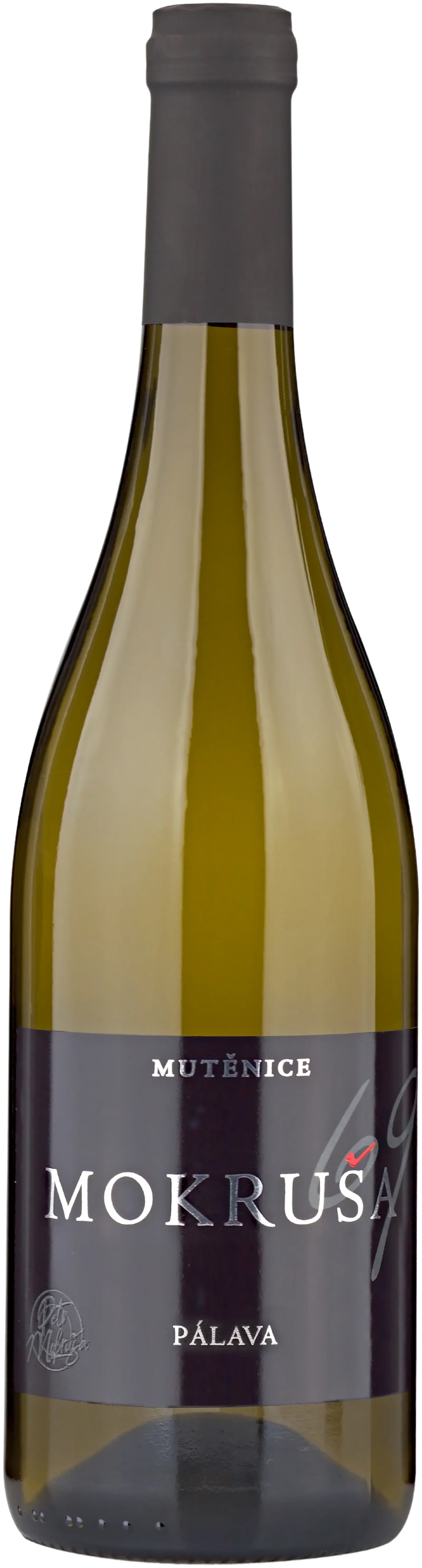
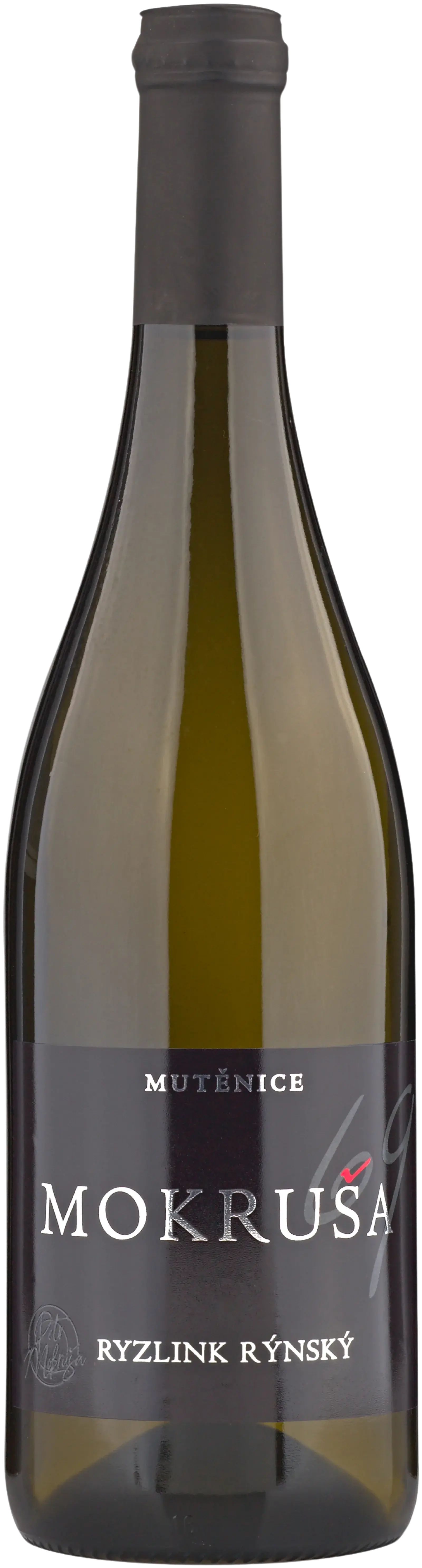
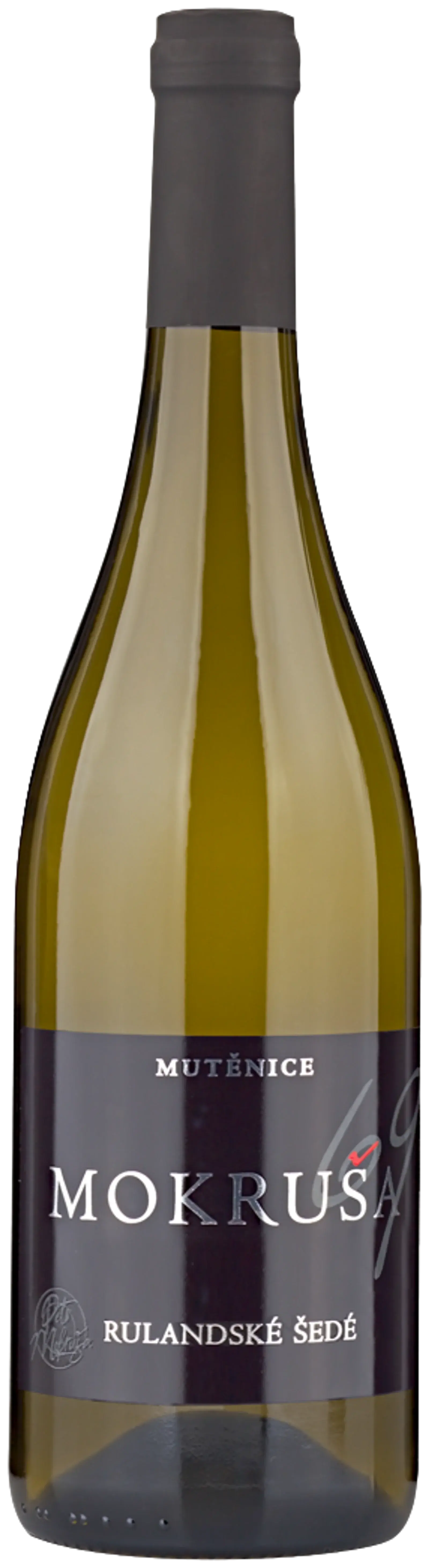
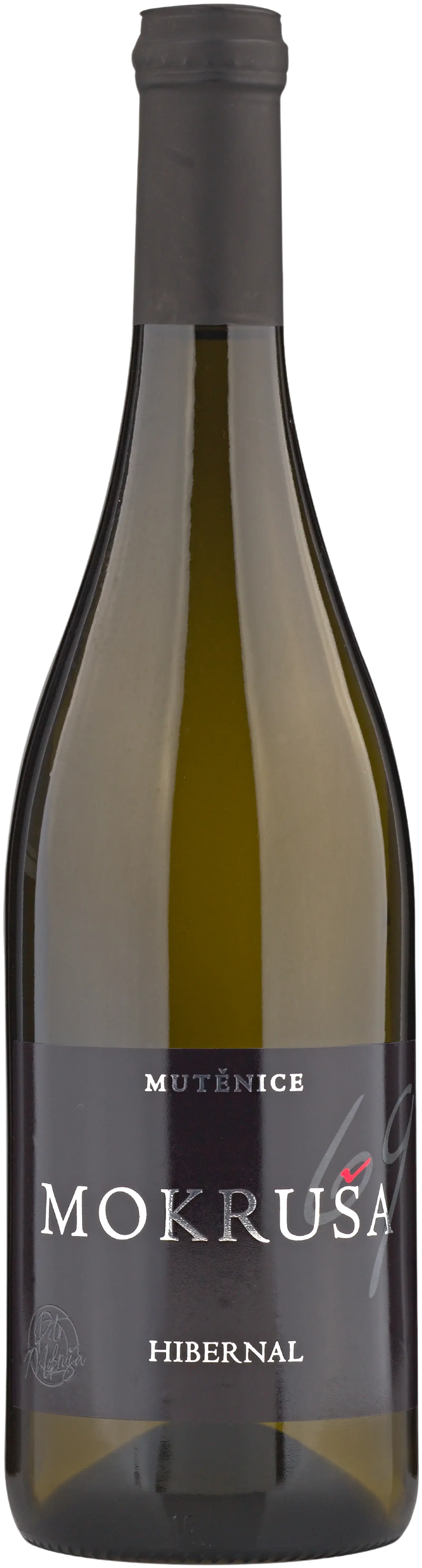
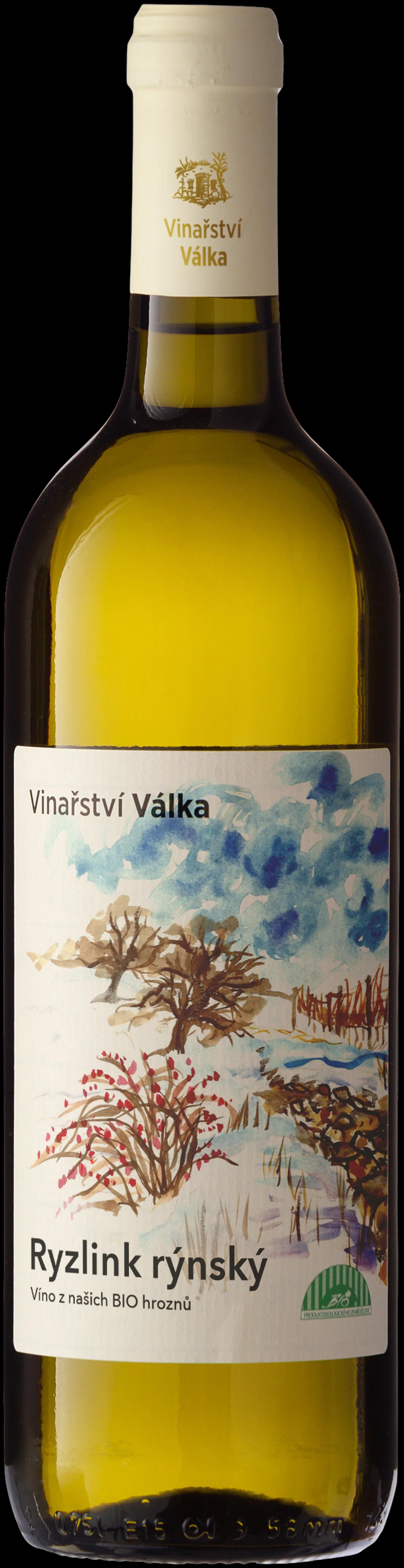
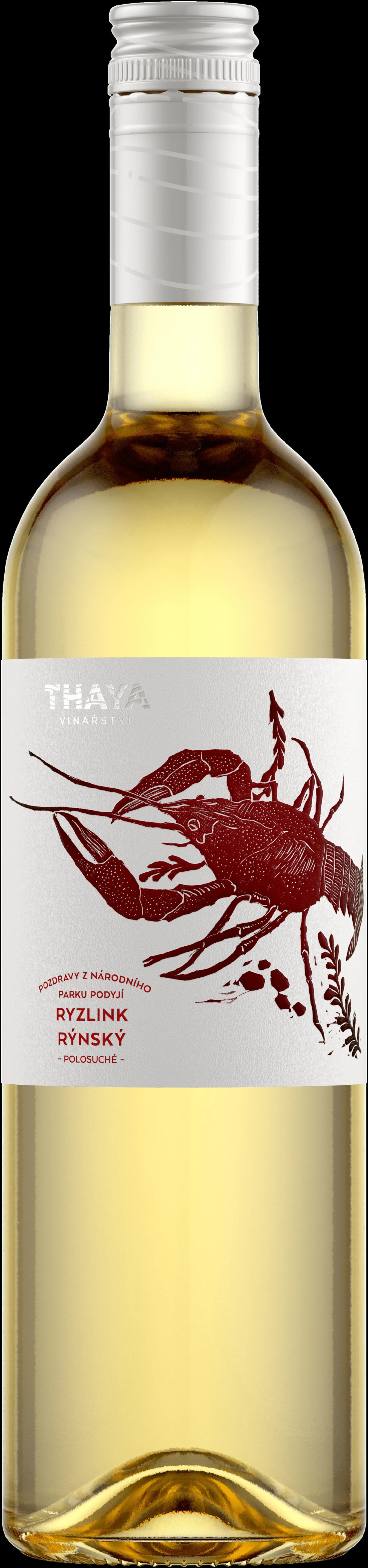
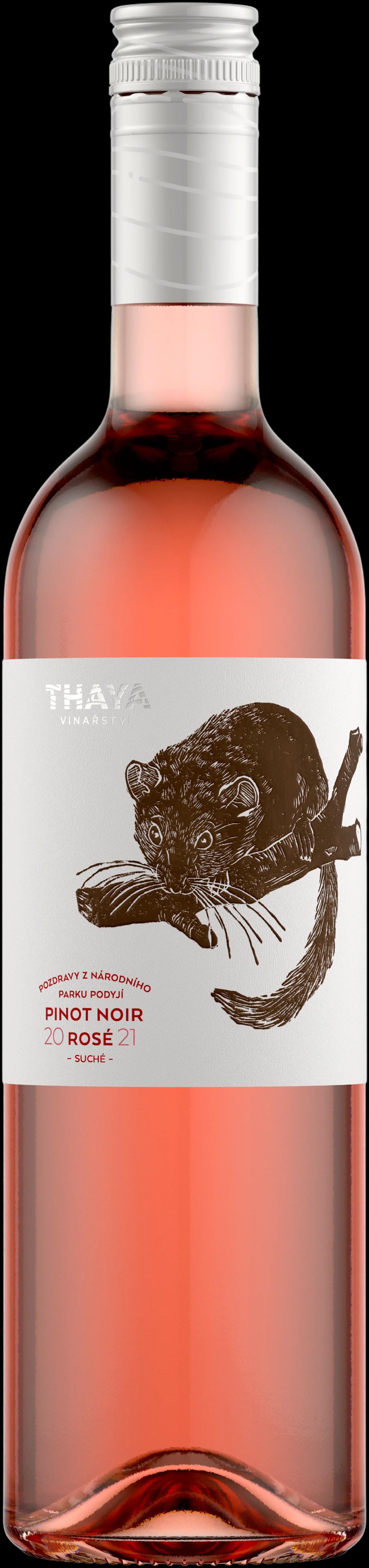
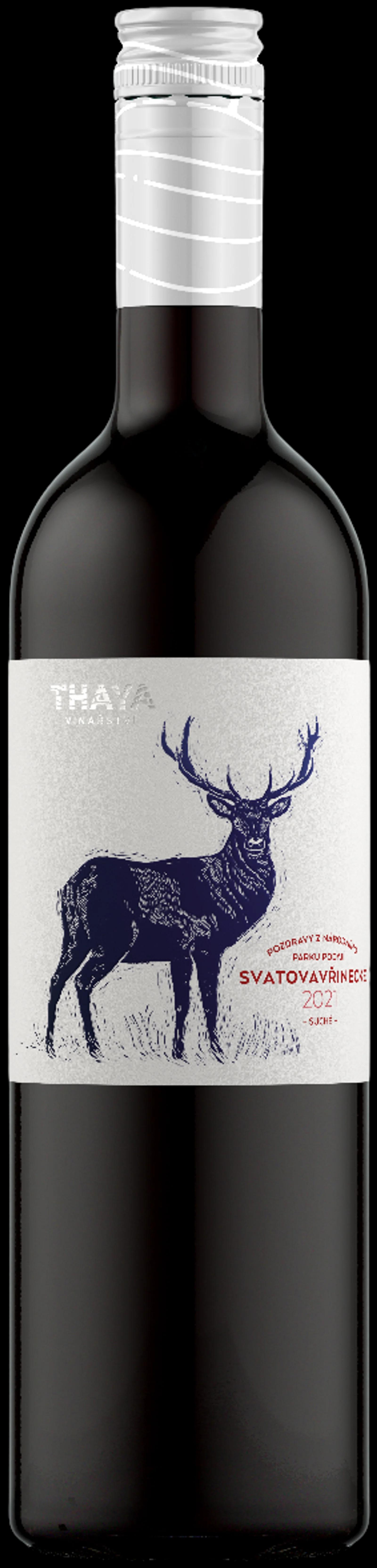


Moravian wines from independent Czech cellars

Moravian wines from small estates in Bohemia's south. Every wine tasted before listing. No industrial labels.

A wine region producing 96% of Czech output, largely unknown abroad.

Color

Dropdown arrow

Type

Dropdown arrow

Country

Dropdown arrow

Region (1)

Dropdown arrow

Grape

Dropdown arrow

Pairing

Dropdown arrow

Sort by

Sort arrow
Morava

Moravian wines

Moravia accounts for roughly 96% of all Czech wine production. The region is divided into four sub-regions: Znojmo, Slovácká, Velkopavlovická, and Mikulovská. Mikulovská sits on limestone soils close to the Austrian border, which pulls it toward the same terroir conditions as the northern Weinviertel. Most Moravian producers bottle for the domestic market first, which means very little reaches conventional export channels. The wineries listed below ship directly from their cellars.

Previous1 of 1Next

Moravian producers

Several of the producers in the wineries section above also compose their own sample boxes. A mixbox on Free Grape Society always contains exactly 6 bottles from one producer, selected by the producer as their own recommendation. Not assembled by a buyer choosing across multiple estates.

View all wineries from Morava

Moravian sample boxes

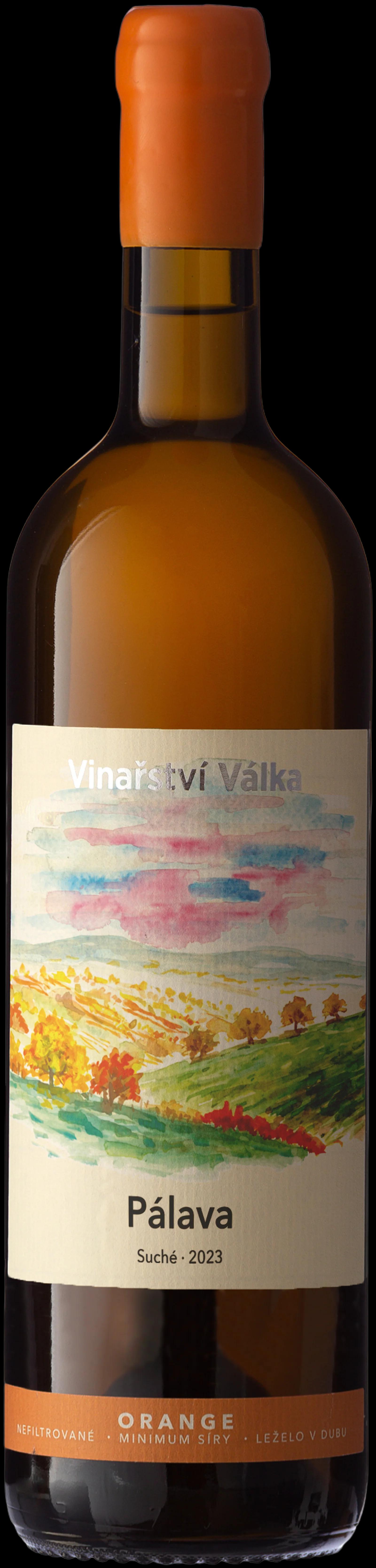
Moravia has a documented winemaking history stretching back to the Roman period, with written records from Moravian monasteries dated to the 11th century. The region grows over 40 registered varieties, including Pálava, a 1953 cross between Tramín červený and Müller-Thurgau that is grown almost nowhere outside Moravia. This narrow geographic range is part of why Moravian wines rarely appear on standard retail shelves outside Czechia.

View all mixboxes from Morava

Wine experts

Independent wine experts on Free Grape Society rate and review wines they have personally tasted. Their reviews are visible on the wine page and on each expert's profile. Some of the experts below have reviewed Moravian wines currently listed on the platform. Their assessments reflect individual tasting notes, not a catalog gatekeeping role.

View all wine experts

Frequently asked questions

How do I order a Moravia wine case?

Browse the cases on this page, select the one that interests you, and add it to your cart. Each case is six bottles from a single Moravian producer. Payment is handled securely via Klarna or card, and the case ships directly from the producer's cellar to your door. Delivery typically takes between 4 and 14 days.

What happens if a bottle arrives broken or doesn't taste right?

Send a photo to Free Grape Society customer support within 7 days of delivery. We will arrange a replacement or a refund. Because producers ship directly, quality issues are handled with the producer's direct involvement. Shared responsibility is built into how FGS works.

What is included in a Moravia wine case?

Each case contains exactly six bottles, all from one producer. The grower composes the selection themselves — it might span several grape varieties, different vineyard parcels, or a mix of styles from their range. The case is the producer's own recommendation, not a mix drawn from multiple estates.

How long does delivery take?

Average delivery is 8 to 9 days from order to door. The full range is 4 to 14 days depending on the producer's location and your delivery address. Wines ship directly from the producer's cellar, not from a central warehouse.

How do I find the right Moravia wine case for me?

Read the producer description and the wines included in each case. Because every case comes from a single estate, looking at the grower's location within Moravia — whether they work the cooler Znojmo sub-region or the warmer Velké Pavlovice area — and the grape varieties they use will tell you a lot about the style you can expect.

How do Moravian producers choose what goes into their six bottles?

The producer composes the case themselves, so the selection reflects their own strengths and what they want to show. A grower farming multiple parcels might use all six bottles to trace how the same grape tastes across different sites, while a smaller estate might offer a cross-section of everything they make. The case is a personal recommendation from the cellar.

Which Moravia wine expert can recommend something for me?

The independent wine experts listed on this page have personal experience tasting wines from Moravia and the Czech Republic. Browse their profiles to see their tasting notes and track records. You can also submit a question to a wine expert through the form on the platform and receive a personal recommendation.

Why are Moravia mixboxes always 6 bottles from one producer?

Because a case composed by a single grower says something coherent about how that producer works. Blending bottles from different producers would give you variety but lose the point of view. Six bottles from one Moravian estate lets you understand a cellar — its grape choices, its vineyard sites, its style — in a way that a mixed selection cannot.

Can I buy Moravian wine cases in a Czech wine shop or online retailer?

Most wine retail and online shops stock wines from larger producers or importers. The independent Moravian estates on Free Grape Society typically sell directly from their own cellars without going through the import and distribution chain, which means their wines are rarely found in standard retail. Ordering here puts you in direct contact with the producer.

Appellations and grapes of Moravia

Moravia accounts for roughly 96% of all Czech wine production, yet it remains almost unknown outside Central Europe. The region is divided into four wine sub-regions: Mikulovská, Velkopavlovická, Slovácká, and Znojemská. Each sits within the Bohemian Massif's southern edge, where continental climate conditions — warm summers, cold winters, significant day-to-night temperature swings — preserve natural acidity in the grapes. That thermal range is one of the structural reasons Moravian whites tend to hold their shape without the need for heavy intervention in the cellar.

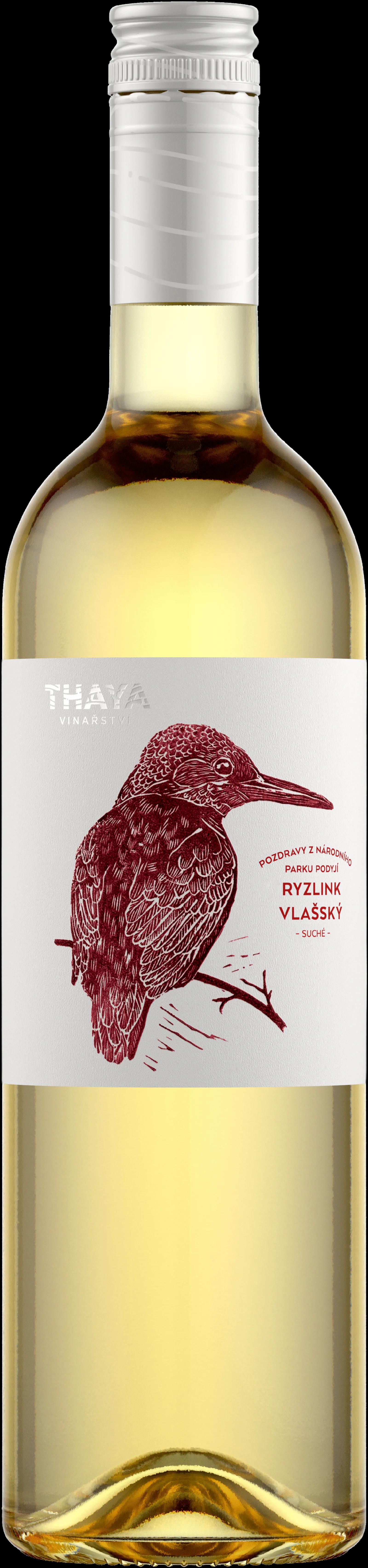
The grape lineup is distinct from Western Europe. Welschriesling (locally Ryzlink vlašský) is the most widely planted variety. Pálava, a 1953 cross between Tramín červený (Gewürztraminer) and Müller-Thurgau, is grown almost nowhere outside Moravia and produces aromatic whites with elevated natural sugar levels. Moravian Muscat Blanc à Petits Grains is vinified dry here far more often than in Alsace or Greece. On the red side, Zweigelt and Frankovka (Blaufränkisch) dominate, both crossing well from Austrian Burgenland — the border sits less than 30 kilometres from many Moravian vineyards. White wines from Czech producers on Free Grape Society ship directly from the producer's cellar.

How Moravian producers work

Most Moravian wine estates are small. The average vineyard holding per producer is under five hectares, and multi-generational family cellars still dominate the landscape — particularly in villages like Pavlov, Velké Pavlovice, and Nový Šaldorf. Winemaking philosophy ranges from reductive, technically precise whites to extended skin-contact orange wines and amphora-aged naturals; the region does not have a single stylistic identity, which is part of what makes it interesting to producers working outside the mainstream.

Certified organic viticulture is growing: Moravia's climate is drier than much of France or Germany, which reduces disease pressure and makes low-spray farming more viable than in higher-rainfall regions. Several producers have converted fully to organic practices without seeking formal certification, preferring to document their methods directly to buyers rather than through a certifying body.

Quality vetting at Free Grape Society works as follows: producers send samples to our Head of Product, who tastes every wine before it goes live on the platform. Independent wine experts then Rate and Review individual wines on the platform — their reviews are visible on each wine page and on the expert's own profile. The producer sets the price. No buyer with quarterly targets. No retail chain defending shelf space. The producer decides if they want to be here, and what is here.

Moravia in the context of Central European wine

Moravia's wine geography connects directly to its neighbours. The Znojemská sub-region borders Austria's Niederösterreich, and the two share similar loess and limestone soils as well as a strong tradition of Grüner Veltliner. Mikulovská, the southernmost sub-region, sits close to the Austrian border and produces some of the warmest, most structured reds in the Czech Republic.

Compared to German Riesling or Alsace whites, Moravian wines remain significantly underpriced relative to quality — a structural consequence of low export volume and limited international distribution. Most bottles never leave the country through conventional retail channels. That is not a romantic claim; it is a logistical fact that has kept prices low and kept smaller producers dependent on direct sales and local restaurant accounts.

For buyers accustomed to Italian whites or Austrian varietals, Moravian wines offer comparable aromatic precision at a fraction of the shelf price — not because the quality is lower, but because the name recognition has not yet translated into market premium. A bottle of well-made Pálava from a family estate in Mikulovská changes hands once before reaching you. That is not the standard route for most European wine.