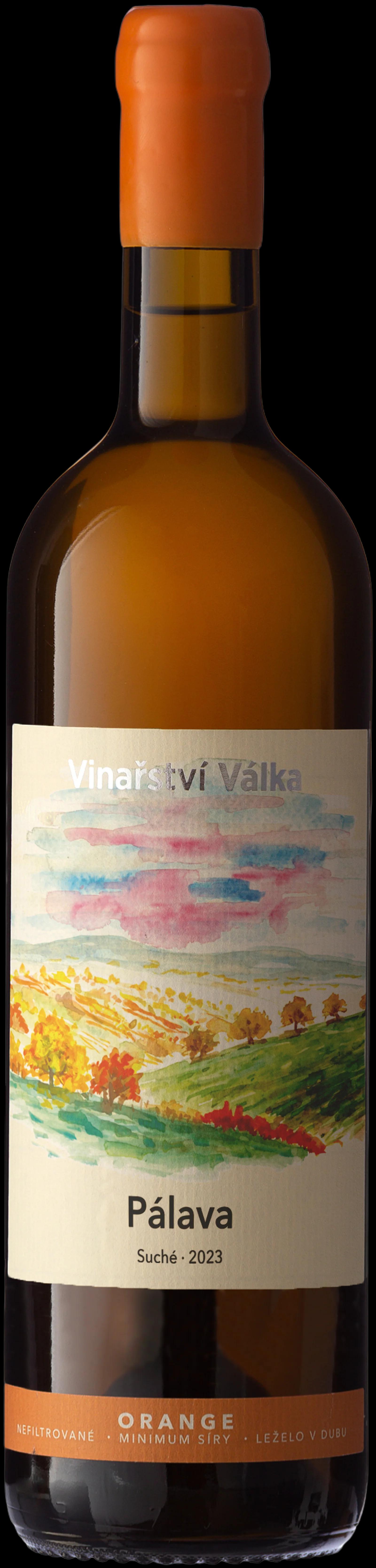
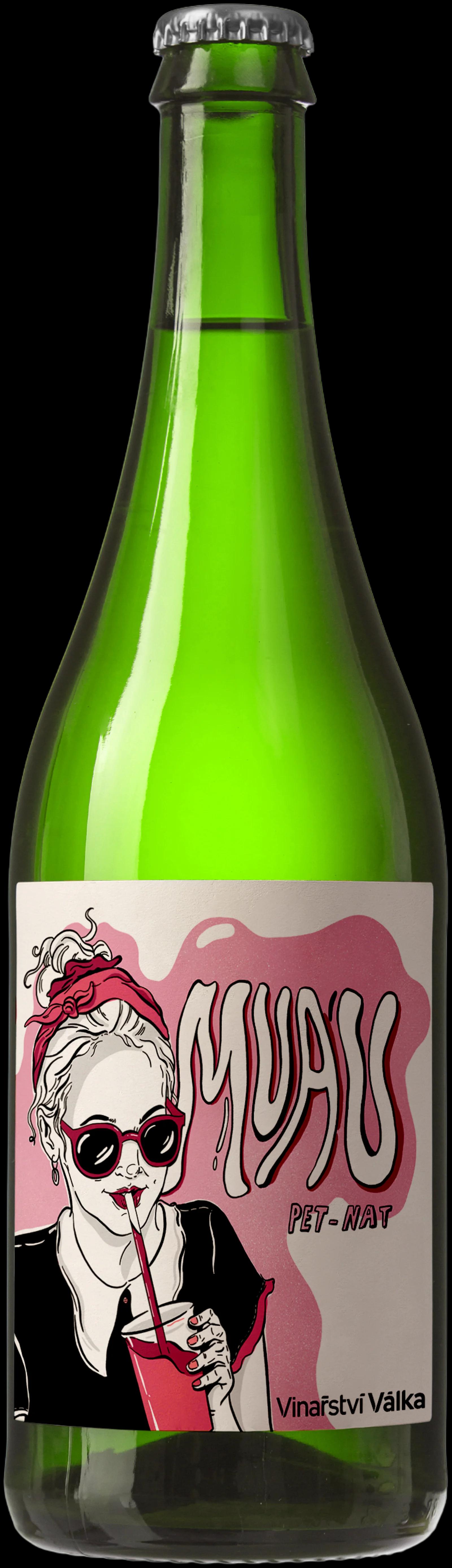
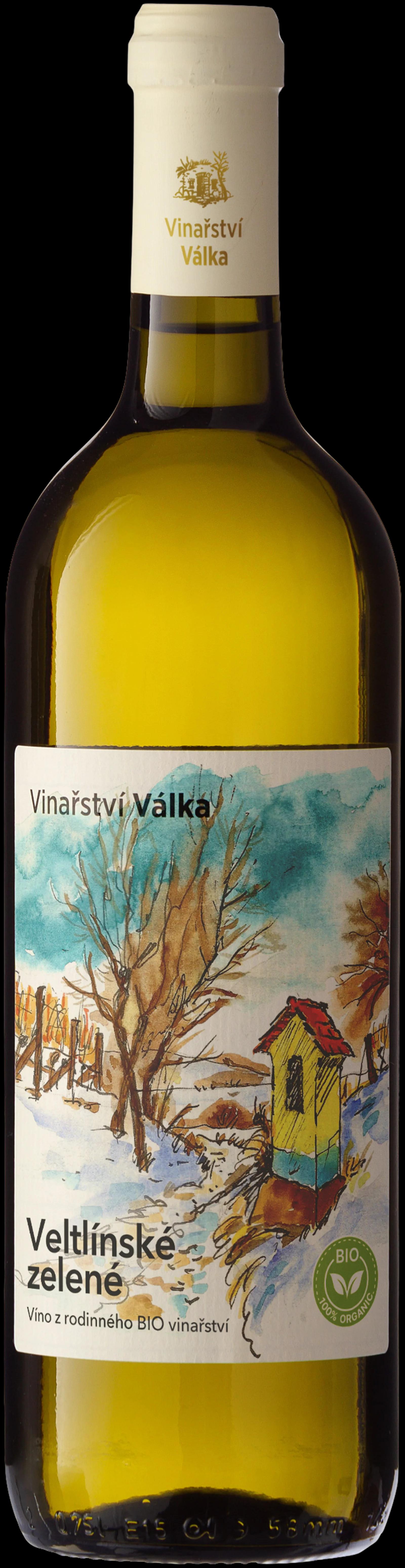
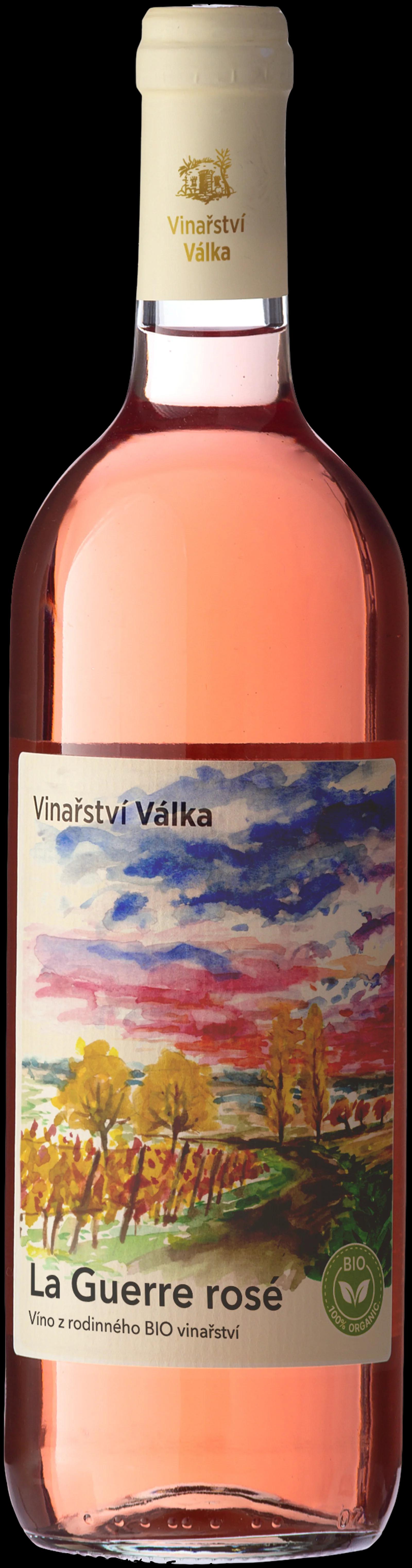
The producers of Moravia
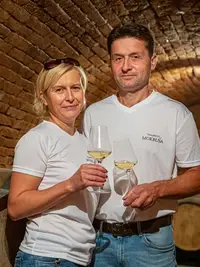
Moravia sits in the south-east of the Czech Republic, sharing a border with Austria and Slovakia, and it accounts for the great majority of the country's vineyard land. The region divides into four subregions — Znojmo, Mikulov, Velkopavlovická and Slovácká — each shaped by a different interplay of soil and climate. Znojmo, in the west, is cooler and suits aromatic whites such as Welschriesling and Grüner Veltliner; Mikulov, closest to Austria, sits on limestone and chalk and produces some of Moravia's most structured whites; Velkopavlovická, the largest subregion, carries more clay and grows both white and red varieties; Slovácká, the furthest east, is the warmest and gives the fullest reds. Most estates here are small, often family-run, and have worked the same plots across generations. That scale means decisions about farming and winemaking stay close to the person who signs the label. You can browse the full range of Czech Republic wineries or explore Moravian wines and Moravian wine cases alongside the producers listed here.
How we choose our producers
We work directly with the growers behind the wines, which means we get to know how they farm and what they charge before a single bottle is listed. Producers send samples, and those samples are tasted before a wine is listed — the decision rests on what is in the glass rather than on a label or a reputation. We look for pricing that reflects the work in the vineyard without the mark-ups that importers, agents and large warehouses typically add, and we keep the relationship direct so the grower sets their own terms. Once a wine is listed, independent wine experts rate and review individual bottles, building a public track record that buyers can read on the wine page. We do not try to carry the full output of a region: we list wines tasted before listing, from producers we have a direct relationship with. Free Grape Society is a society of producers, independent experts and wine lovers, not a shop, and that shapes every producer we bring on.
Winemaking traditions in Moravia
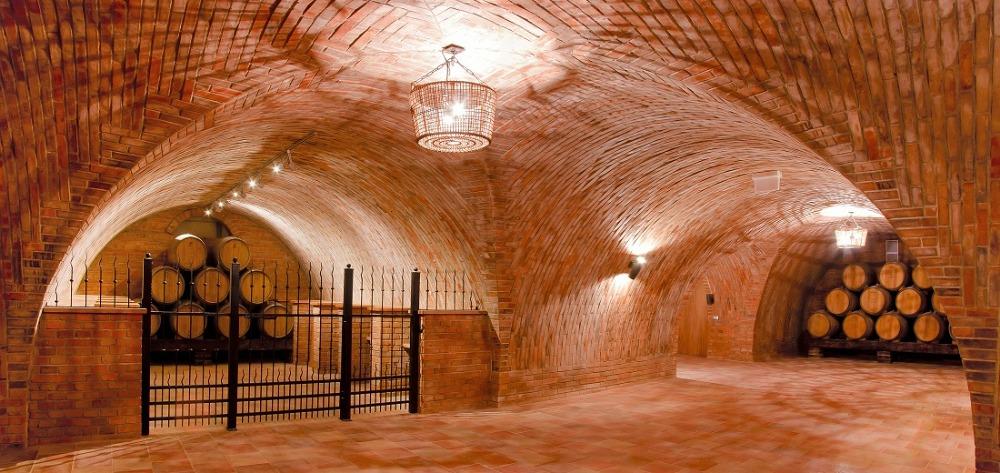
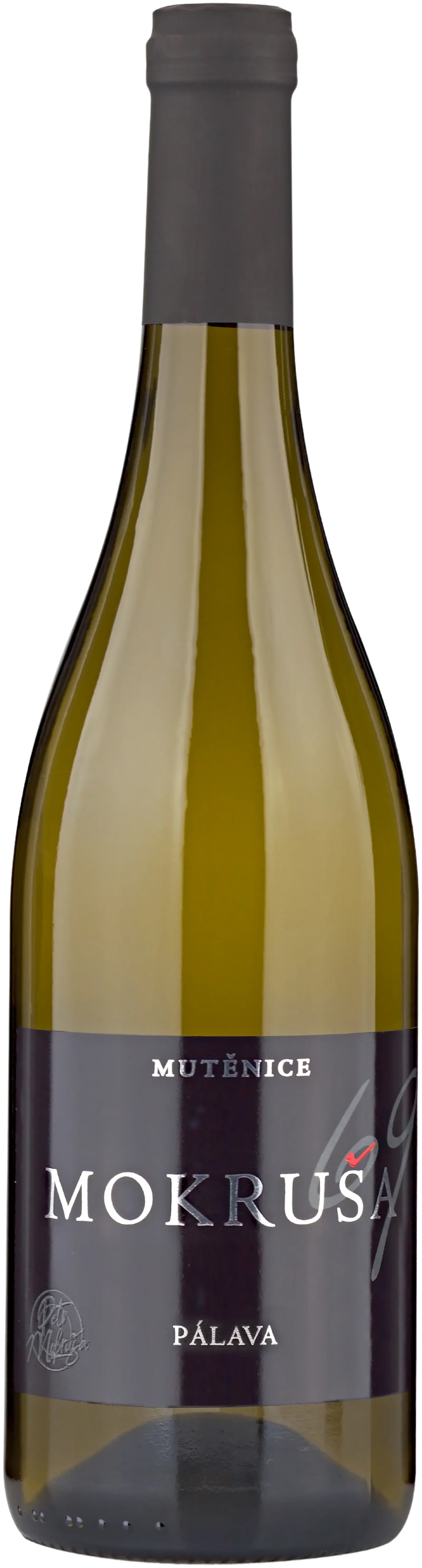
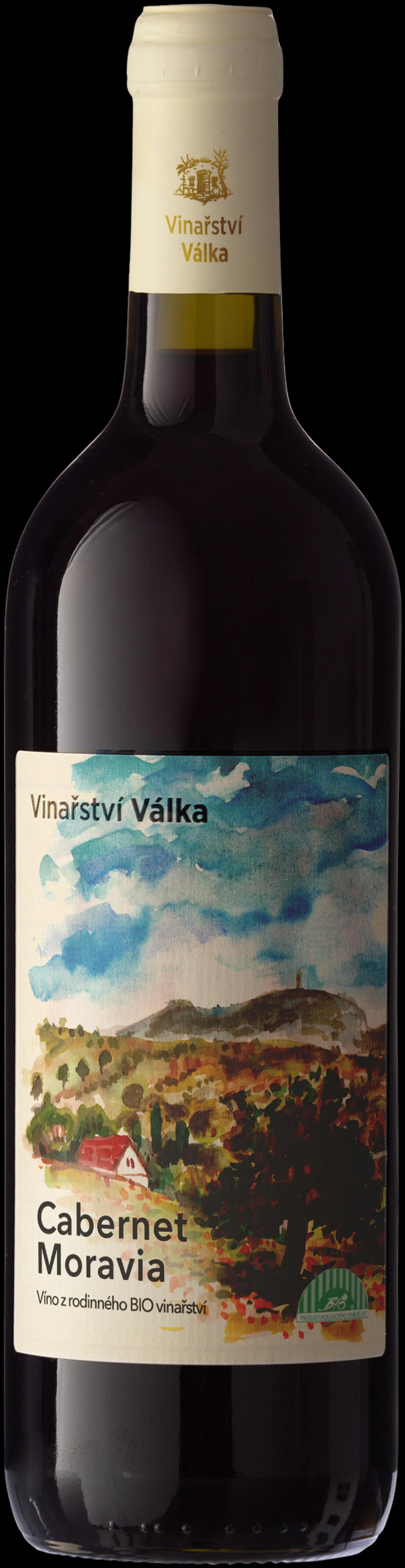
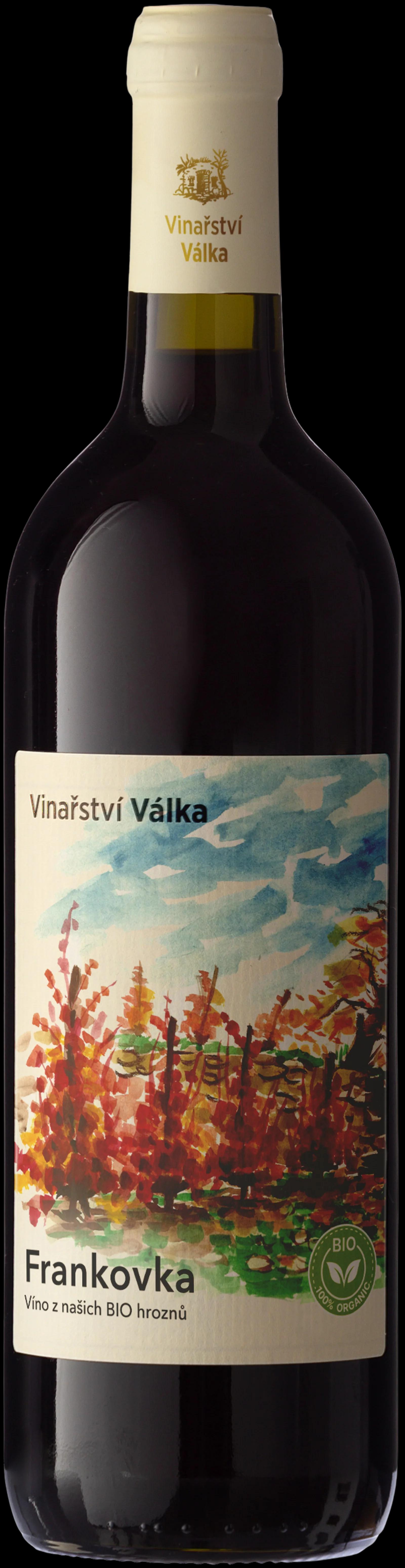
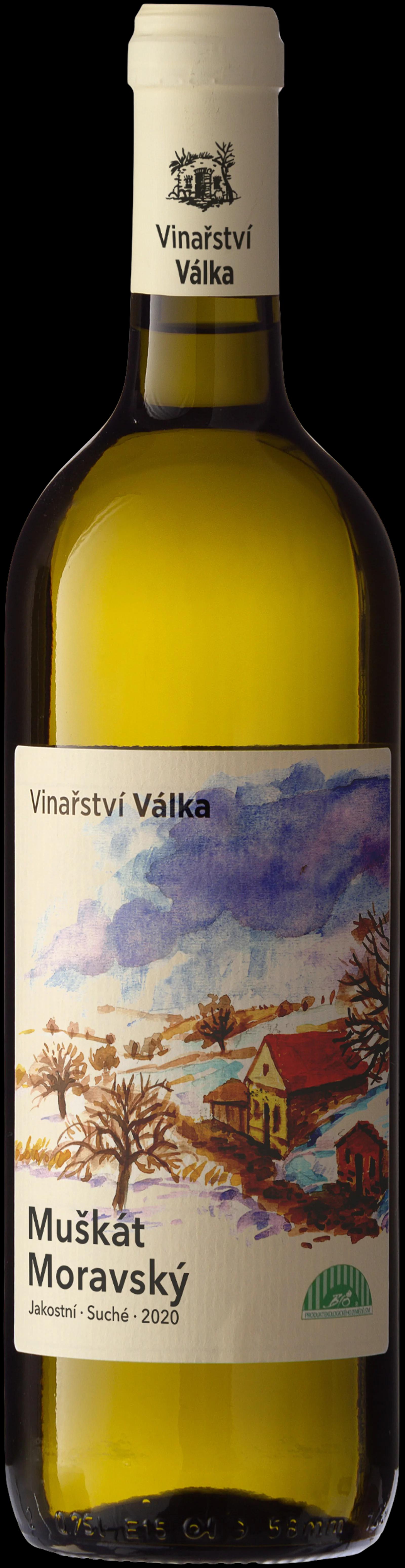
Moravia has been growing wine since at least the medieval period, and the tradition runs deep enough that wine cellars — sklepní ulička, the cellar lanes — are a fixture of village life in the south of the region. The style that emerged here leans toward aromatic, food-friendly whites: Welschriesling, Müller-Thurgau, Palava and Moravian Muscat are widely planted and tend to be bottled young and fresh. Palava is a Moravian crossing developed locally, with a distinctly floral character that is hard to find elsewhere. On the red side, Blauer Portugieser and Frankovka (Blaufränkisch) have long roots, while Saint Laurent and Cabernet Moravia — another crossing bred for the region's continental climate — have gained ground more recently. The continental conditions, with cold winters and warm summers, mean sugar accumulation can be rapid in ripe years, so many growers harvest carefully to hold onto freshness and structure. That balance between ripeness and acidity is a thread running through Moravian wine at its best. For a wider view of central European producers, see Austrian wineries and German wineries.