The wine countries on Free Grape Society
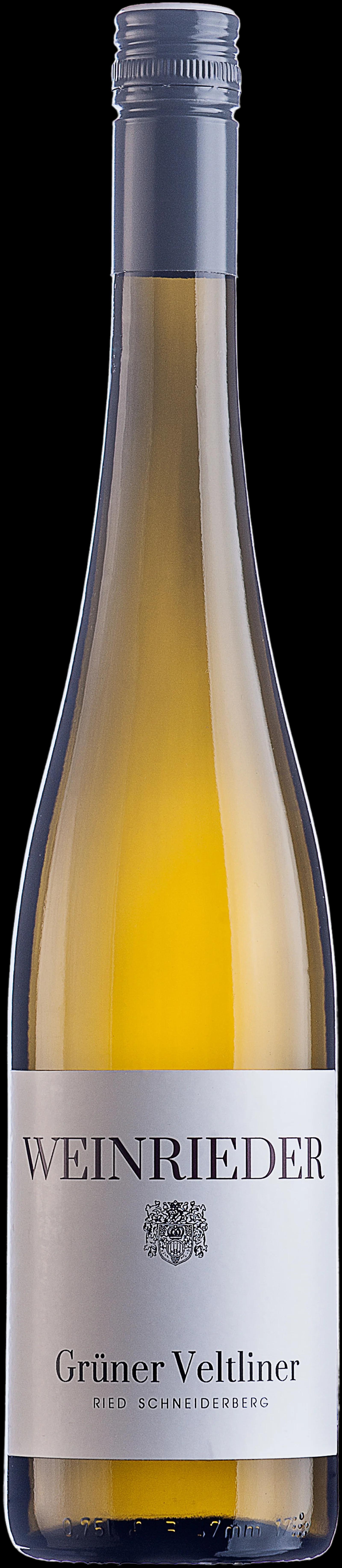
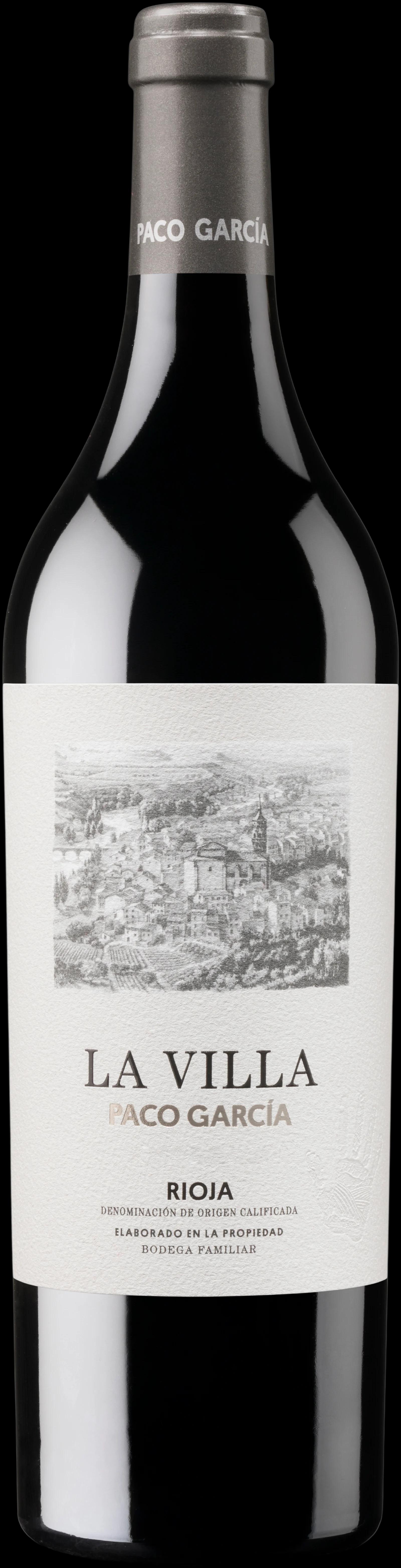
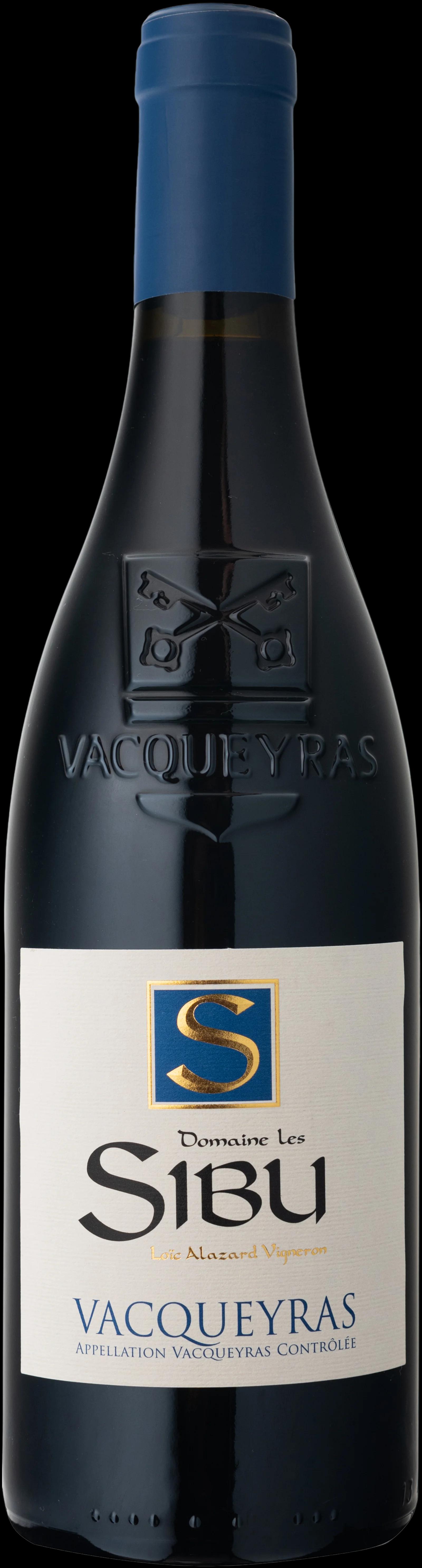
The catalogue spans growers across France, Italy, Spain, Austria, Germany, Portugal, Czech Republic, Luxembourg, and Greece. Each country runs by its own rules: France organises itself around appellation, where a vineyard's location dictates the grape permitted and the label it earns; Italy leans on variety, with DOC and DOCG designations tied to specific communes and grapes like Nebbiolo in Piedmont or Sangiovese in Tuscany; Spain rewards terroir diversity, from the Atlantic-cooled Rías Baixas in the north-west to the sun-baked vineyards of Murcia where Monastrell thrives on limestone soils. Austria is one of the few countries where the winemaker's name tends to count for more than the appellation: growers in Niederösterreich have built the Grüner Veltliner and Riesling reputations of their own estates from the ground up. The breadth here is not a goal in itself — it follows the producers who applied to join, region by region.
Signature grapes you will meet across the range
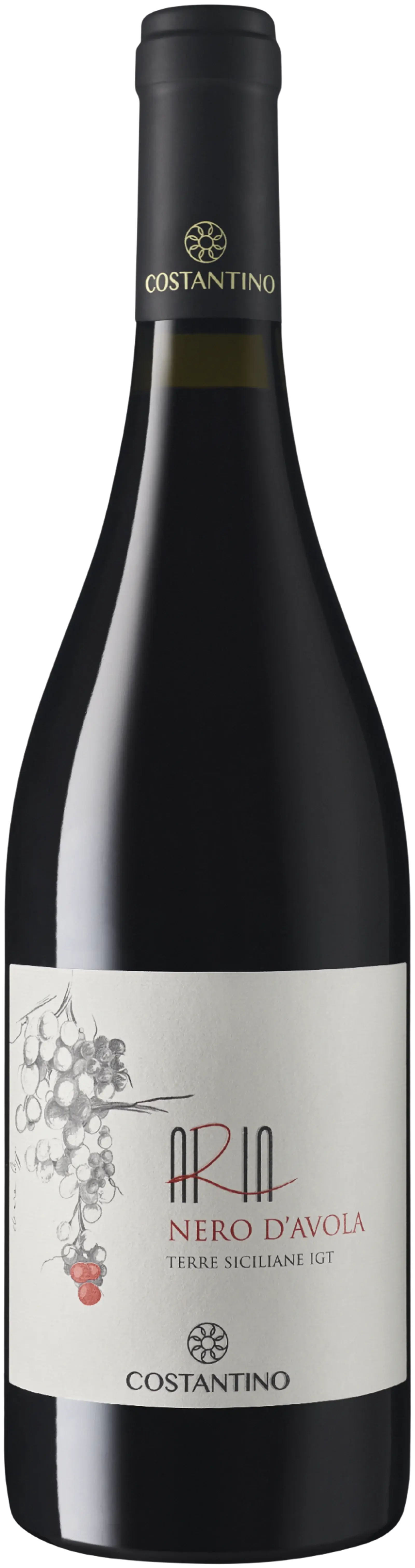
Grapes tell a region's climate better than almost any other signal. Riesling from Germany's Pfalz and Mosel shows what a cool-climate slate soil does to acidity and aromatics: the wine can age for decades while retaining a taut, mineral freshness that warmer-climate versions rarely reach. Grüner Veltliner is so closely tied to Austria that it accounts for a third of the country's entire vineyard area; the grape's characteristic white pepper note is not added — it comes from the soil and the vine. Gamay in Beaujolais was historically treated as everyday wine, but the best village-level and cru bottlings from granite and volcanic soils show a structural depth that surprised critics for years. Carignan, once planted purely for volume in Languedoc-Roussillon, is now one of the south of France's most prized varieties when old vines are farmed carefully by growers who refused to uproot them. Mencía in north-west Spain, Nero d'Avola in Sicily, Godello in Galicia — each is a local answer to a specific soil and a specific sky.
Wine styles across the range
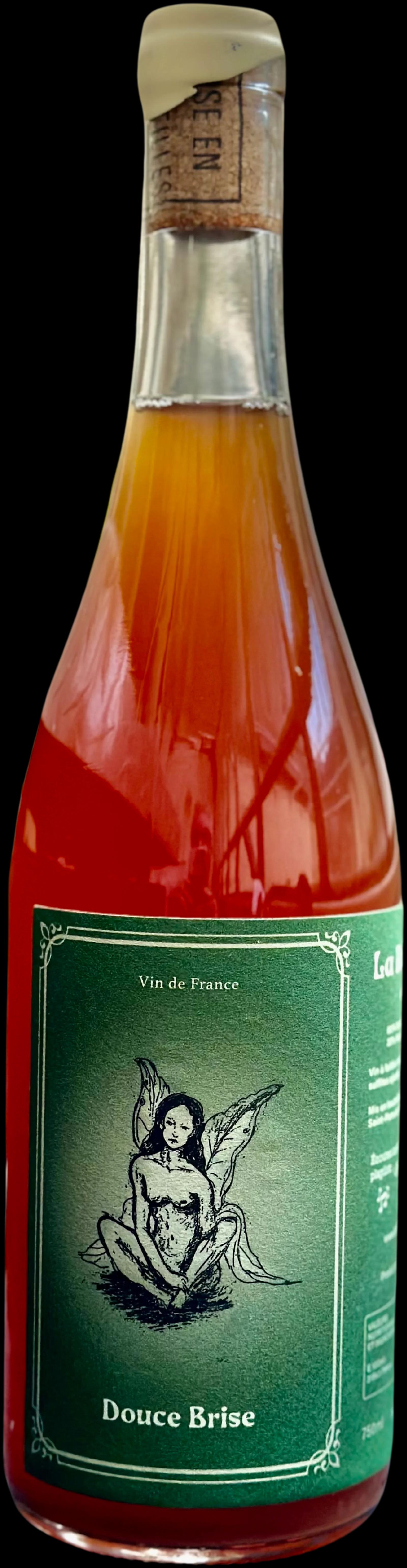
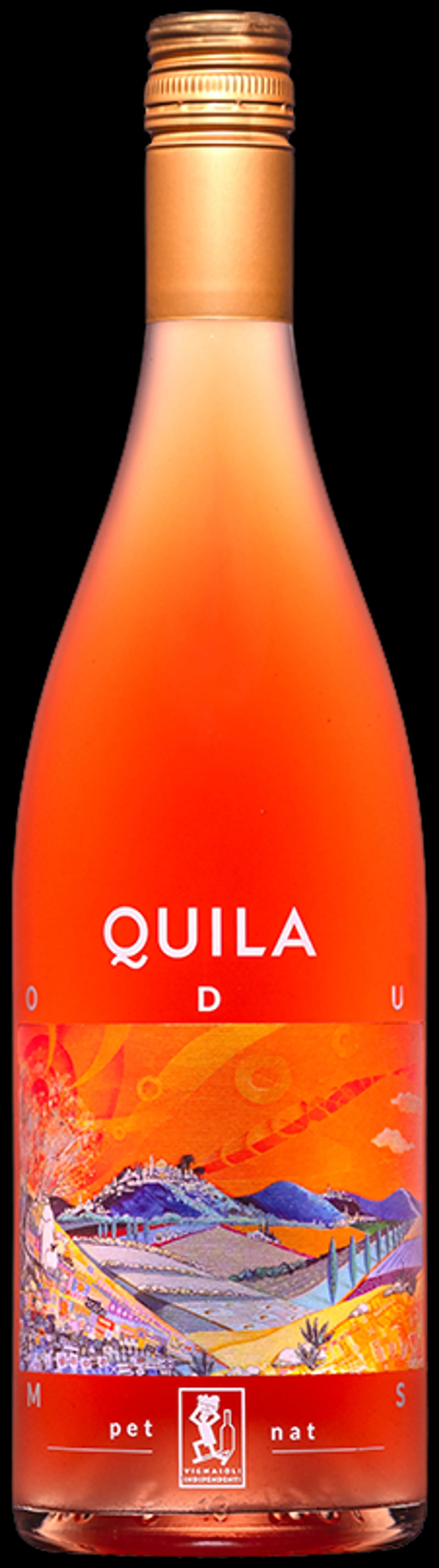
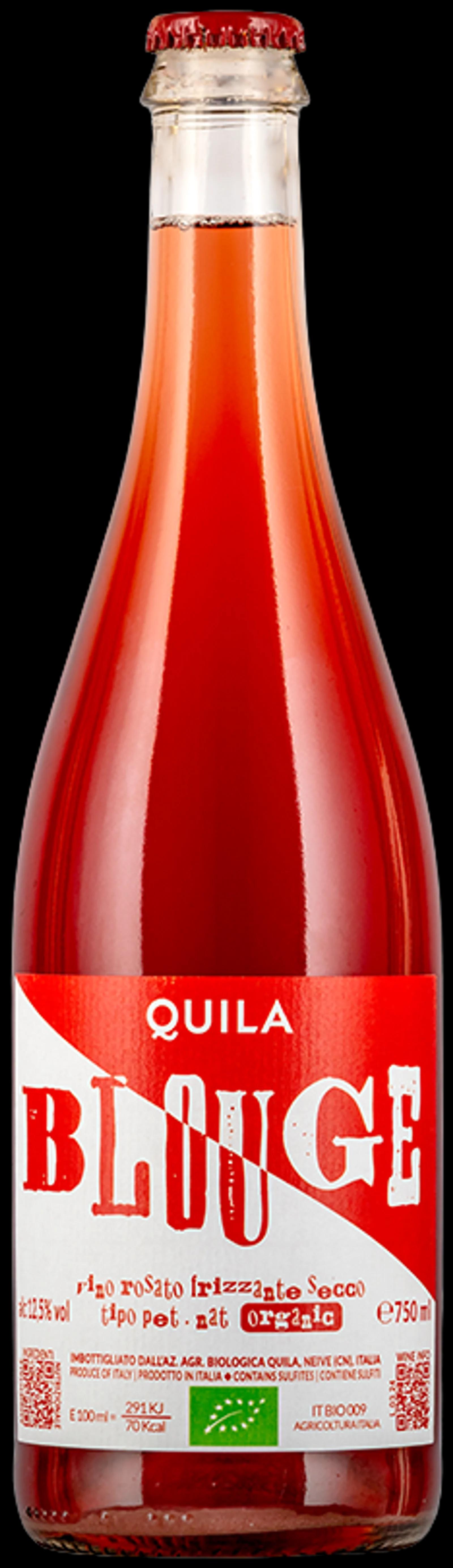
The wines here run from crisp, high-acid whites made on Melon de Bourgogne along the Loire's Atlantic edge to structured, age-worthy reds built on Cabernet Sauvignon in Bordeaux and the longer-macerated Nebbiolo bottlings of northern Italy. Orange wines — whites fermented with extended skin contact — have moved from the fringes of Georgian and Slovenian winemaking into the mainstream repertoire of growers across Friuli, the Rhône, and further afield; the result sits somewhere between a white and a red in texture, with a depth of flavour that pairs well with food most white wine cannot handle. Rosé from Provence and the Spanish coast tends toward pale salmon and restrained fruit; rosé from southern Italy reads richer, with more colour and body. Free Grape Society is a society of producers, independent experts and wine lovers, not a shop — the range here reflects who applied and what they make, not a category plan built around shelf space or margin.