Where Sangiovese comes from and how region shapes it
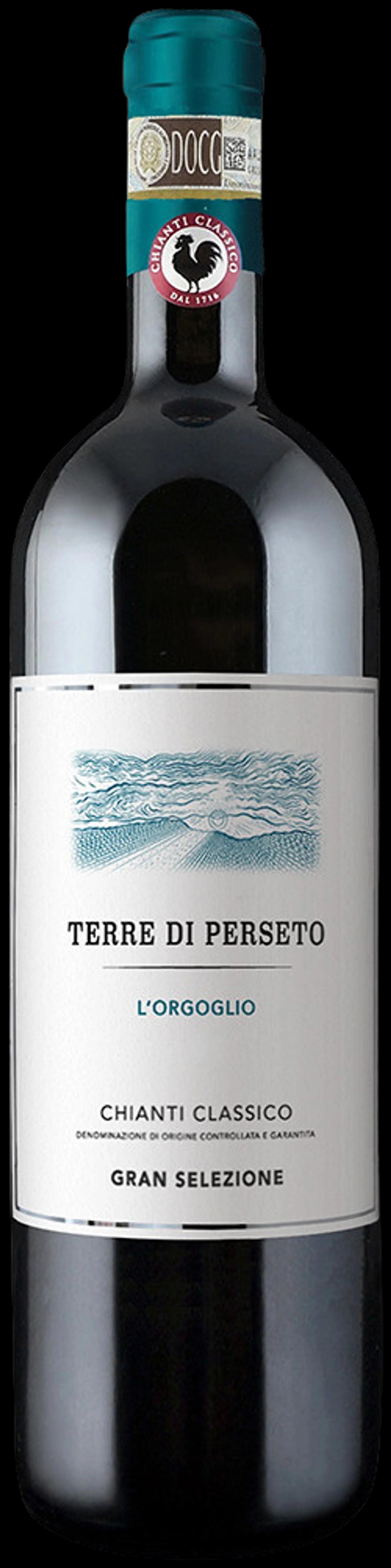
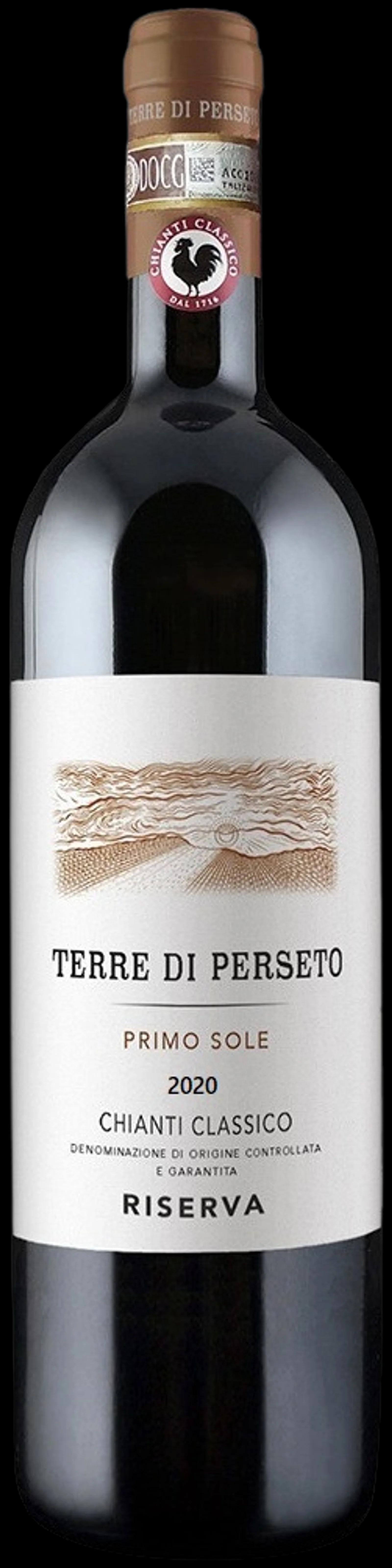
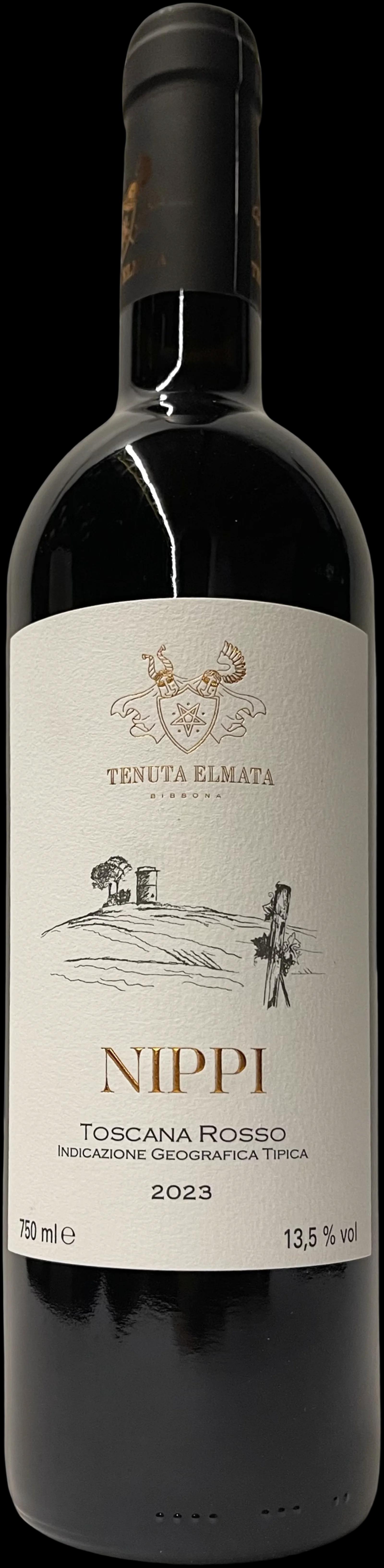
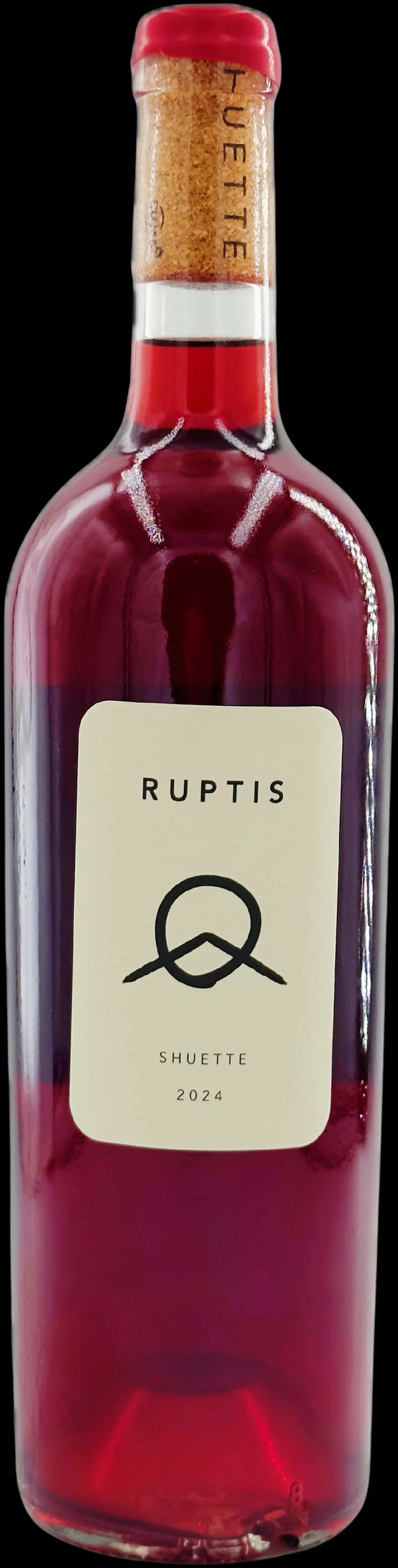
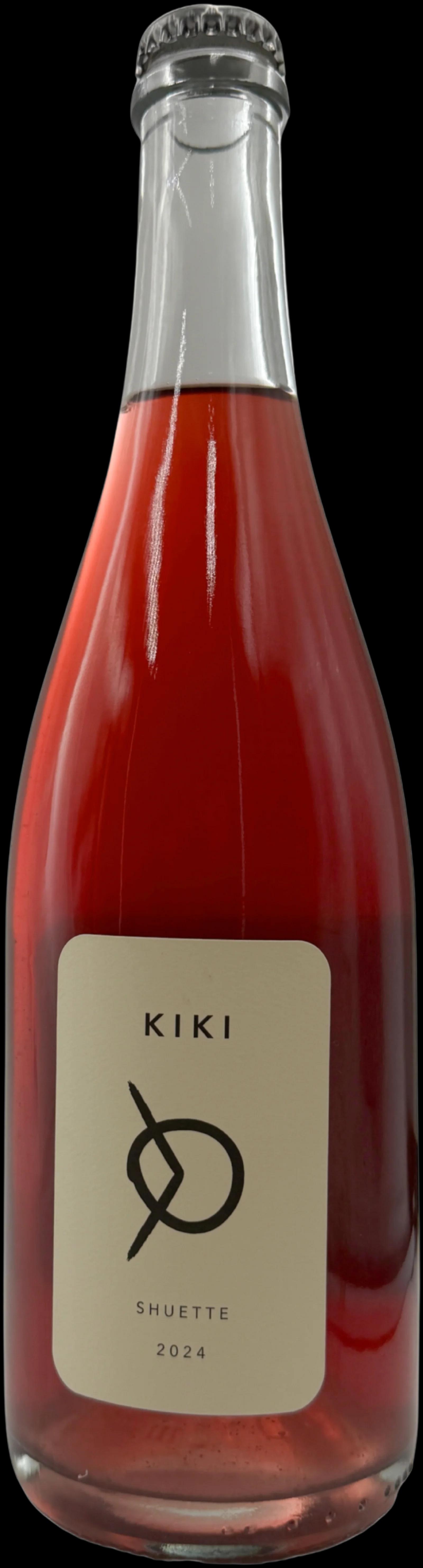
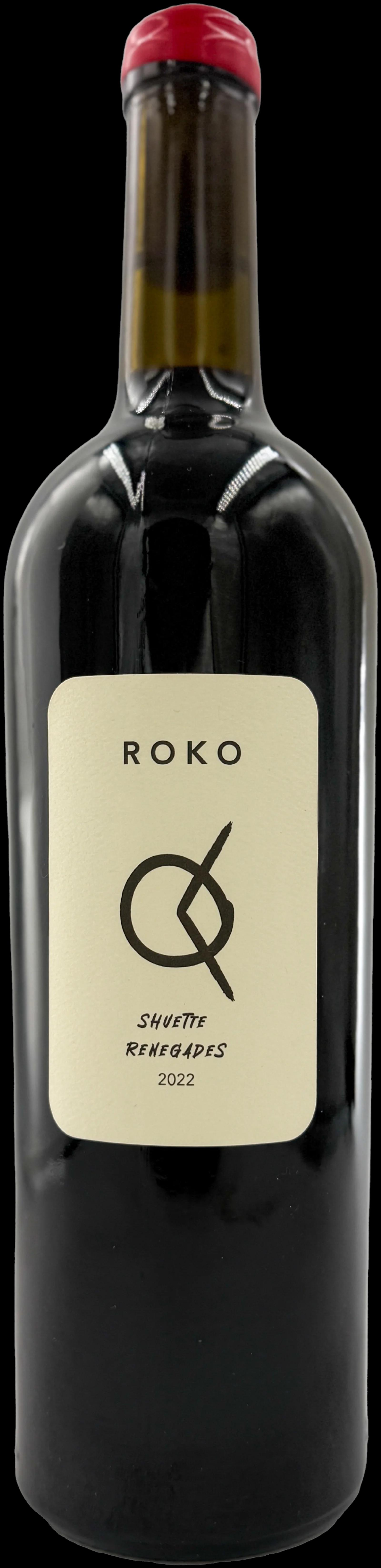
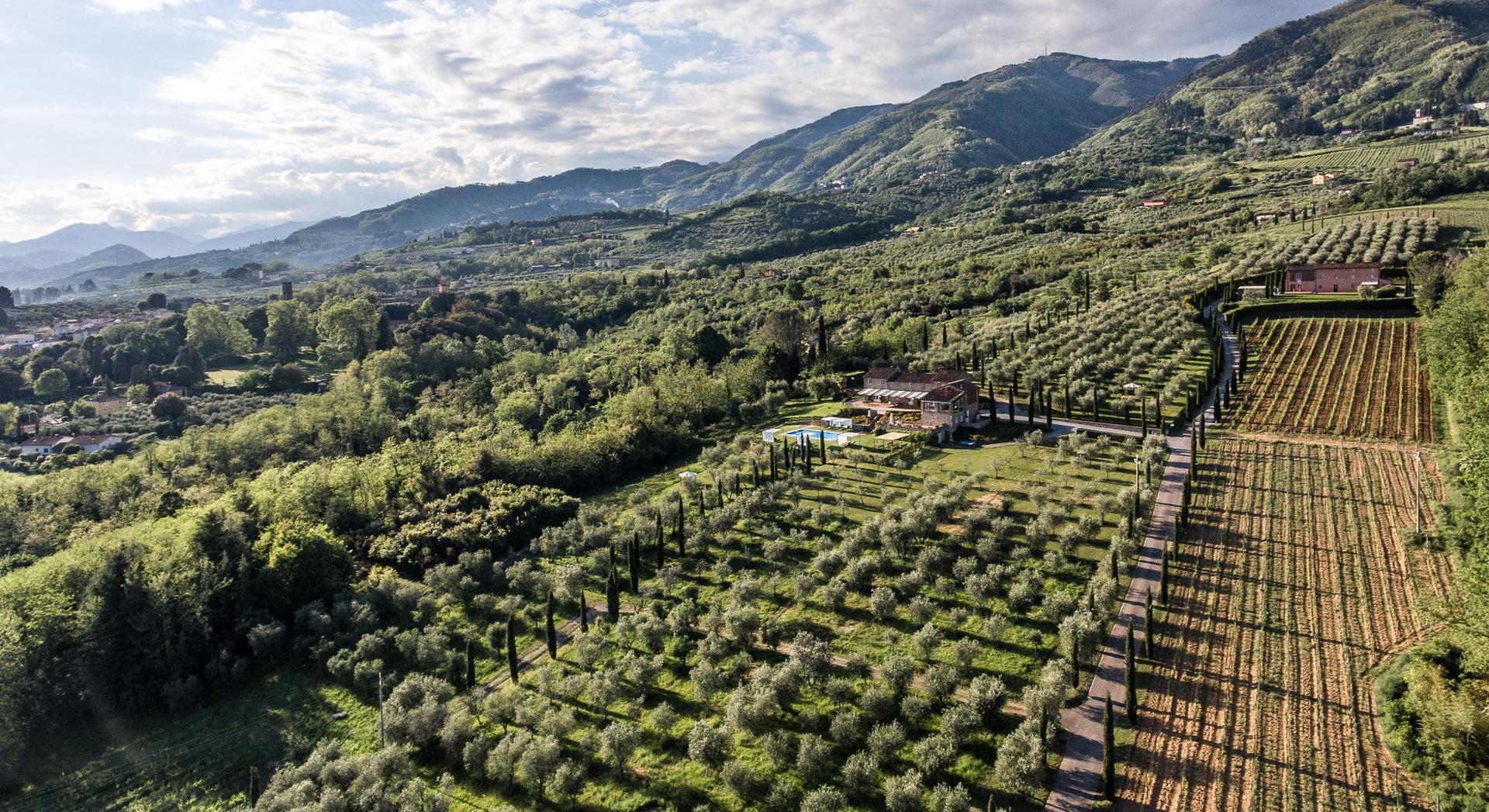
Sangiovese is Italy's most widely planted red grape, and its home is central Italy — above all Tuscany, where it forms the backbone of Chianti, Brunello di Montalcino, and Morellino di Scansano. Cross the Apennines into Umbria and it appears as Sagrantino's quieter neighbour, often blended; head south into Marches and it underpins Rosso Piceno alongside Montepulciano. The grape travels under different names depending on where it grows: in Montalcino it is called Brunello, in Montepulciano d'Abruzzo territory it is sometimes confused with the Montepulciano grape, which is a separate variety entirely. What changes most from one appellation to the next is structure. Sangiovese grown at altitude on galestro soils — the crumbly limestone-clay schist of Chianti Classico — tends toward high acidity, firm tannin, and a savoury, cherry-driven character. The same grape grown on richer volcanic soils closer to the coast, as in Morellino, softens and rounds. Climate, elevation, and soil type pull in different directions, which is why two Sangiovese wines from the same vintage and the same country can taste quite different. Producers on Free Grape Society growing Sangiovese span Tuscany, Umbria, and beyond — each bottling their own interpretation of the variety.
How Sangiovese tastes, and what to drink it with
Sangiovese has a structural signature that makes it recognisable across its many expressions: bright acidity, firm tannin, and a fruit profile centred on sour cherry, dried herbs, and a characteristic earthy note that sommeliers sometimes describe as iron or leather in older wines. It is not a particularly aromatic grape in the way that Gewürztraminer or Muscat are — its appeal is more about texture and savour than perfume. Young Sangiovese, especially from lighter appellations, can be vivid and direct, good with a slight chill. Aged Brunello or Chianti Classico Riserva is a different experience: tannin that has softened over years in barrel and bottle, with dried fruit, tobacco, and forest floor coming through. Because of its acidity and tannin, Sangiovese is one of the grape varieties most naturally suited to food. It cuts through fat and richness, making it a reliable match for tomato-based pasta, roasted pork, bistecca, aged hard cheeses, and anything with a savoury, umami character. If you are choosing between a red wine from Tuscany and one from a less-known appellation, the acidity level and the oak regime are the two things most worth paying attention to — both shift the experience considerably. You can also explore Sangiovese alongside other Italian red wines or look at what growers in Piedmont are doing with Nebbiolo if you enjoy structured, food-friendly reds.
Buying Sangiovese direct from independent producers
Most Sangiovese that reaches northern European markets travels through a chain of importers, agents, and distribution warehouses before it reaches the shelf — each step adding cost and time, and often flattening out the smaller, more individual producers in favour of labels that can supply large volumes consistently. On Free Grape Society, producers ship Sangiovese wine directly from their own cellars, with no importer or warehouse in between. That means the bottle that arrives has been stored under the producer's own conditions until it leaves, and the price reflects the producer's margin rather than a chain of intermediaries. The independent growers on this page range from well-established Chianti Classico estates to smaller operations in Umbria and Sicily working with Sangiovese in less conventional ways. Wines are tasted before listing by Free Grape Society's Head of Product, and independent wine experts add their own ratings and reviews on an ongoing basis, visible on each wine page. If you want a recommendation before choosing — whether that is help navigating appellations, finding a Sangiovese that suits a specific food, or understanding the difference between a normale and a riserva — the wine-advice service connects you with an independent expert at no cost. Free Grape Society is a society of producers, independent experts and wine lovers, not a shop. You can also explore Sangiovese mixboxes from Tuscany if you want to try a producer's own selection of six bottles, or browse all Italian wineries to find growers whose range goes beyond Sangiovese.