Nebbiolo: Piedmont's great red grape, from Barolo to Gattinara

Nebbiolo wine ranges from the structured and age-worthy to the lighter and more approachable, depending on where and how it is grown. The producers below grow it across Piedmont and beyond, from the fog-wrapped hills of the Langhe to the granite soils of northern Italy.

Thick-skinned and late-ripening, it needs the right hillside to give its best.

Color

Dropdown arrow

Type

Dropdown arrow

Country

Dropdown arrow

Region

Dropdown arrow

Grape

Dropdown arrow

Pairing

Dropdown arrow

Sort by

Sort arrow
Nebbiolo

Nebbiolo wines

Nebbiolo is one of Italy's oldest documented grape varieties, recorded in Piedmont as far back as the thirteenth century. It is a demanding grape: it buds early and ripens late, which means it needs the best-exposed hillside sites to reach full maturity before the autumn fog rolls in — the fog the Piedmontese call nebbia, and from which the grape most likely takes its name. That tight relationship between site and quality is why the wines below can taste so different from one producer to the next, even within the same appellation. On Free Grape Society, each bottle ships directly from the grower's own cellar, with no importer or warehouse in between.

Previous1 of 2Next

Nebbiolo mixboxes

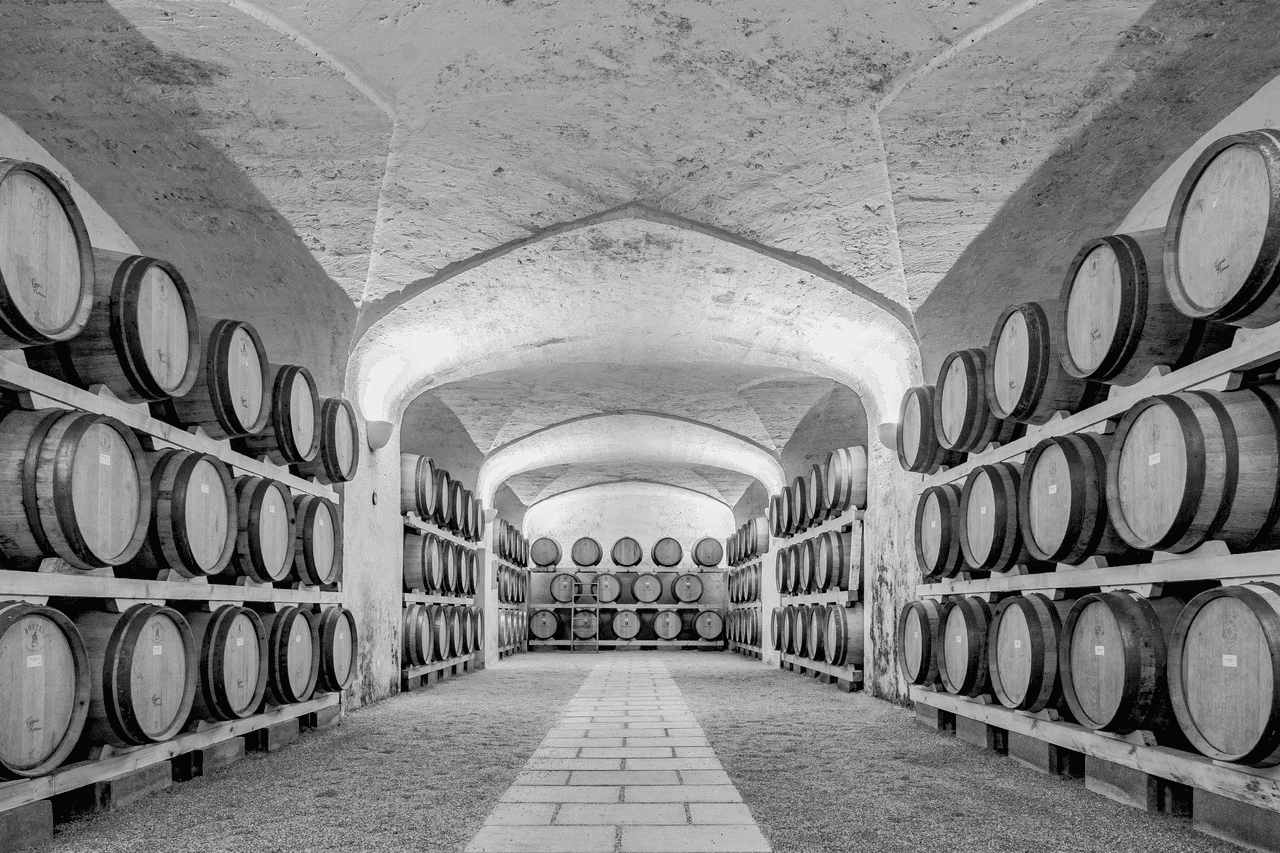
A producer's Nebbiolo mixbox is their own selection of six bottles — put together as the recommendation they would make if you visited their cellar in person. For a grape with the range of Nebbiolo, that often means tasting one estate across different appellations or styles side by side: a Barolo next to a Langhe Nebbiolo, or a Barbaresco next to the producer's entry-level expression, where the differences in structure and age-worthiness show clearly in the glass. Free Grape Society is a society of producers, independent experts and wine lovers, not a shop.
View all mixboxes

Wineries

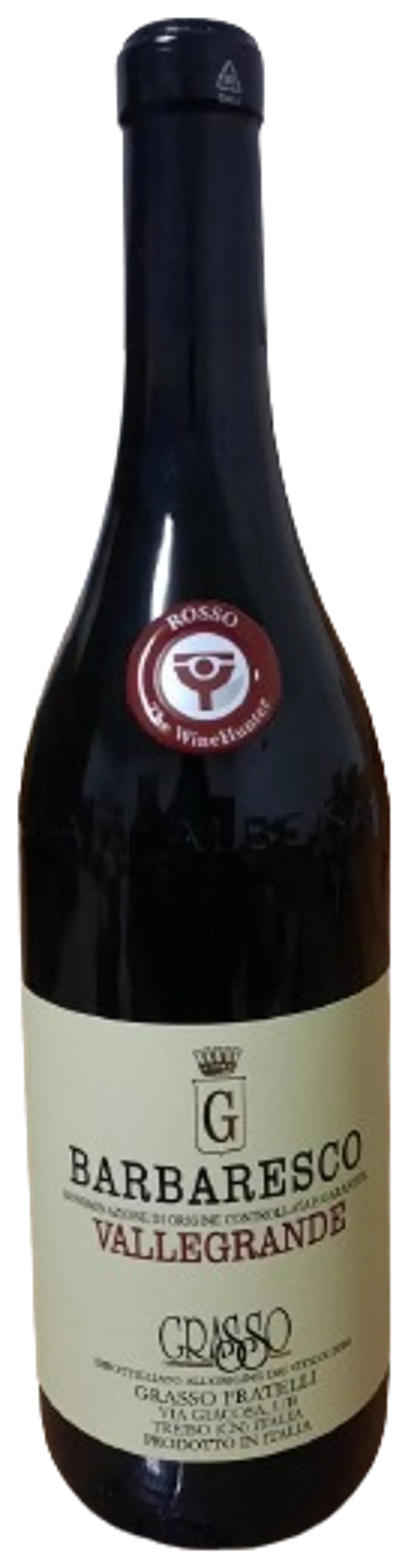
The wineries below all work with Nebbiolo, but they sit in different corners of northern Italy — some in the Langhe, the heartland of Barolo and Barbaresco, others in the Monferrato, the Valtellina in Lombardy, or the hills around Ghemme and Gattinara further north. Reading a producer's own notes is often the quickest way to understand why their Nebbiolo tastes the way it does, and the wine-advice service is there if you would rather talk through the differences before choosing.
View all wineries

Wine experts

Nebbiolo's high tannin and acidity divide opinion, which makes a second view genuinely useful before you commit to a bottle. Independent wine experts review wines they have personally tasted, and their notes are visible on each wine page and on the expert's own profile. Several of the experts below have reviewed Nebbiolo wines featured on this page, so you can read what they found before deciding.

View all wine experts

Frequently asked questions

How do I order Nebbiolo wines on Free Grape Society?

Browse the Nebbiolo wines above, add bottles to your basket, and check out with Klarna or card. Each bottle ships directly from the producer's cellar to your door. Delivery typically takes between four and fourteen days, averaging around eight to nine days, and shipping is free.

What happens if a bottle arrives broken or doesn't taste right?

Send a photo to Free Grape Society customer support within 7 days of delivery. We will arrange a replacement or a refund. Because producers ship directly, quality issues are handled with the producer's direct involvement. Shared responsibility is built into how FGS works.

Can I order Nebbiolo from more than one producer in the same order?

Yes. You can add wines from different producers to the same basket. Each producer ships their own bottles directly from their cellar, so bottles from different estates may arrive in separate packages. You pay once at checkout regardless of how many producers are involved.

How long does delivery take?

Average delivery is 8 to 9 days from order to door. The full range is 4 to 14 days depending on the producer's location and your delivery address. Wines ship directly from the producer's cellar, not from a central warehouse.

How do I choose between a Barolo, a Barbaresco and a Langhe Nebbiolo?

All three are made from Nebbiolo, but they sit at different points on the scale of structure and age-worthiness. Barolo and Barbaresco are the most powerful and age well over a decade or more. A Langhe Nebbiolo from the same producer typically shows the same character at a lighter weight, drinkable sooner and at a lower price. The wine-advice service can help if you want a recommendation matched to your palate and occasion.

How does Free Grape Society select the Nebbiolo producers on the platform?

Producers apply to join Free Grape Society and wines are tasted before listing by our Head of Product. The focus is on independent growers who make their own wine and ship directly from their own cellar. The result is a range that reflects how Nebbiolo actually varies across producers and subzones, rather than a curated shortlist from one style.

Which Nebbiolo wine expert can recommend something for me?

Independent wine experts on Free Grape Society review Nebbiolo wines they have personally tasted. Browse the experts above to read their profiles and published reviews. If you want a personal recommendation matched to your taste and budget, use the wine-advice service to send your question directly to an expert.

Why don't you sell supermarket-brand Nebbiolo wines?

Supermarket Nebbiolo is typically sourced through importers and large negociants, blended for consistency at scale and priced to move volume. The producers on Free Grape Society grow their own fruit, make their own wine and ship it directly. That means the wine in the bottle reflects the decisions of one producer in one place, not a blend assembled for shelf appeal.

Can I buy Nebbiolo online if I live outside Sweden?

Free Grape Society currently ships within Sweden, with Germany and Denmark also available. European wine retail operates under a patchwork of national distribution rules, which means many of the independent producers on the platform have limited or no presence in traditional retail channels outside their home country. Buying directly through Free Grape Society is often the only practical way to access their wines across borders.

Where Nebbiolo comes from and how region shapes it

Nebbiolo is one of the oldest documented grape varieties in northern Italy, with records placing it in Piedmont as far back as the thirteenth century. Its name is thought to derive from the Italian word for fog, *nebbia*, a reference to the thick autumn mists that settle over the Langhe hills during harvest. The grape is extraordinarily sensitive to site: even within Piedmont, a few hundred metres of altitude or a shift in soil composition can mean the difference between a wine of delicate perfume and one of concentrated, almost austere structure. In its heartland, Nebbiolo produces Barolo and Barbaresco, two of Italy's most age-worthy appellations, where the grape's natural high acidity and firm tannin demand years in the bottle before they soften into something approachable. Move north into the hills of Gattinara or Ghemme, and the wines shift again: lighter in colour, more aromatic, shaped by different soils and a cooler microclimate. Outside Piedmont, Nebbiolo is grown in Lombardy's Valtellina, where steep Alpine terraces produce wines of real elegance, and in Trentino-South Tyrol, where altitude stretches the growing season and sharpens the grape's natural acidity further still.

How Nebbiolo tastes, and what to drink it with

Nebbiolo's colour can deceive: the wine pours pale garnet, often with an orange-brick rim even in relative youth, yet the structure underneath is anything but delicate. High tannin, high acidity, and firm alcohol are the grape's calling cards, alongside a distinctive aromatic profile that moves from dried rose petals and tar in younger wines toward leather, tobacco, liquorice, and dried cherry as they age. This is not a grape built for early drinking, and the independent producers on this page mostly work with it in that spirit — giving it time in wood and bottle before release. At the table, Nebbiolo's tannin and acidity make it a natural companion to rich, slow-cooked meat dishes: braised beef, osso buco, hare, and aged hard cheeses are all classic pairings in Piedmont. The tannin acts as a structural counterweight to fat and protein, and the acidity cuts through richness cleanly. If you are new to the grape, a wine from a producer outside the main Barolo and Barbaresco appellations — Gattinara or a Langhe Nebbiolo — is often an accessible starting point, less structured and ready to drink sooner, while still carrying the variety's signature character.

Buying Nebbiolo wine direct from independent producers

Nebbiolo is one of the few grapes where the name of the producer matters as much as the appellation on the label. Winemaking choices — how long the wine spends on its skins, the size and age of the barrels used, how early or late the grapes are picked — have an enormous influence on the finished wine, and two bottles from neighbouring vineyards in the same appellation can taste worlds apart. The producers working with Nebbiolo on Free Grape Society are independent growers who make their own decisions at every step and ship directly from their own cellar, with no importer or warehouse in between. That means fresher stock, full traceability back to the source, and pricing that reflects the producer's own choices rather than a chain of intermediaries. Wines tasted before listing are a baseline on Free Grape Society, so you can read reviews grounded in the actual bottles rather than press releases. If you want to explore beyond Piedmont's best-known appellations, the Lombardy and Trentino-South Tyrol pages are worth a look alongside the main Italian wines catalogue, and if you are interested in how Nebbiolo sits within the broader family of Italian reds, Sangiovese, Barbera, and Aglianico are all varieties with similarly serious structures and long ageing potential. Free Grape Society is a society of producers, independent experts and wine lovers, not a shop.