Appellations and grapes of Piedmont
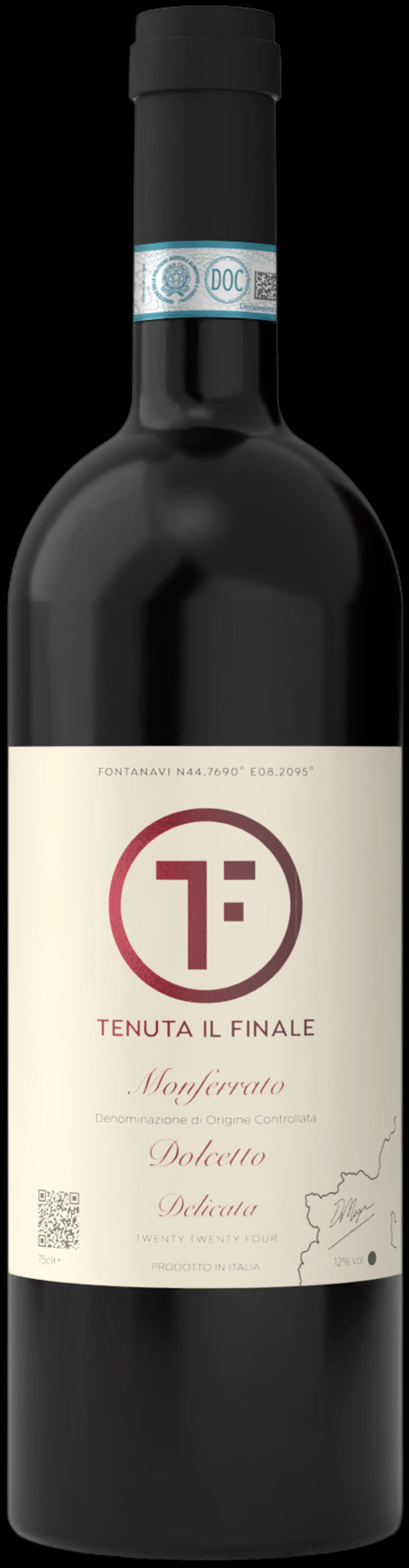
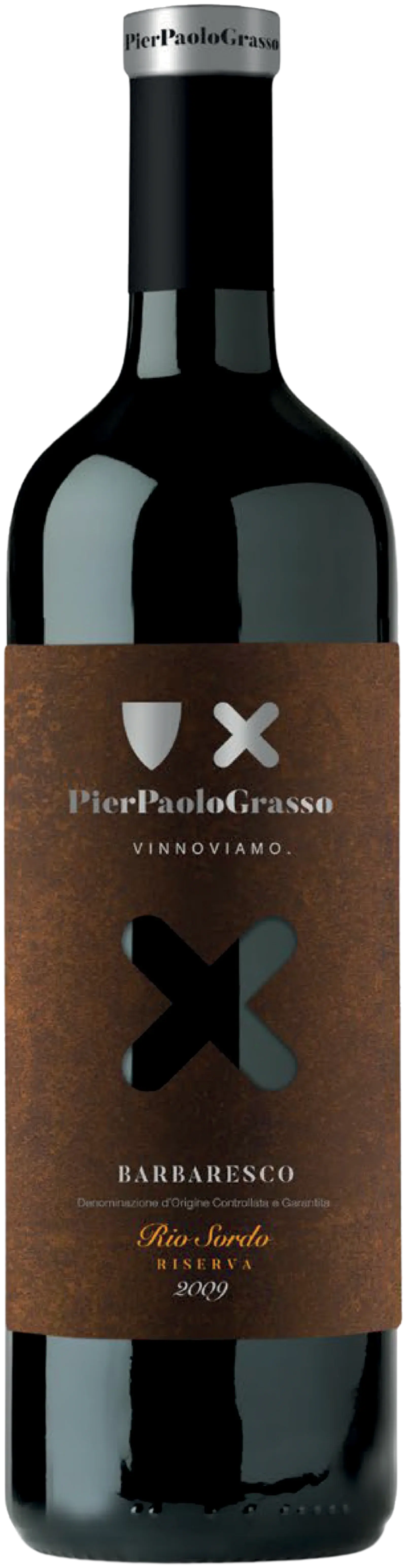
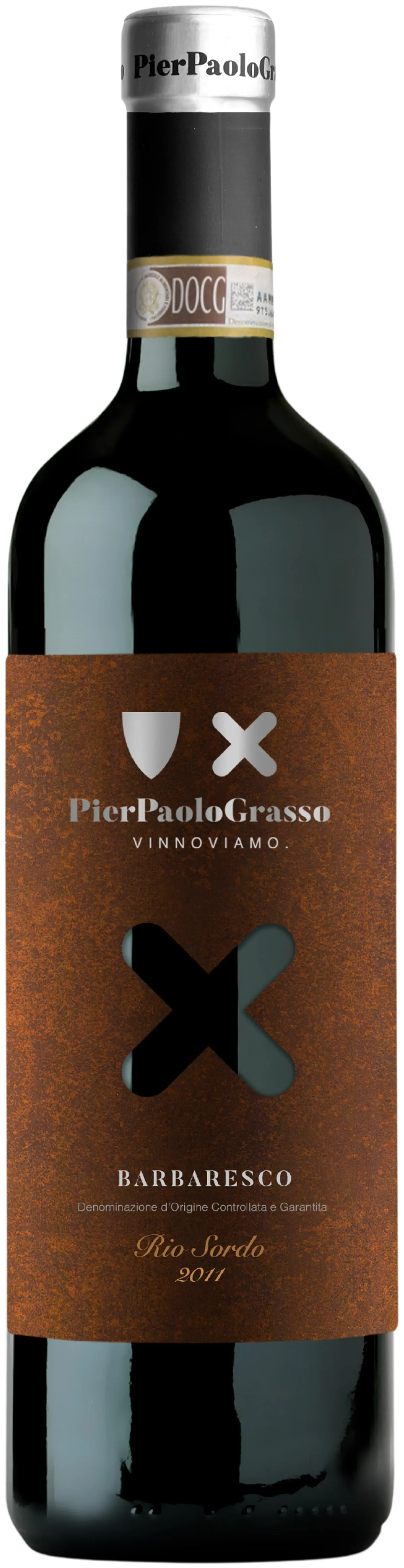
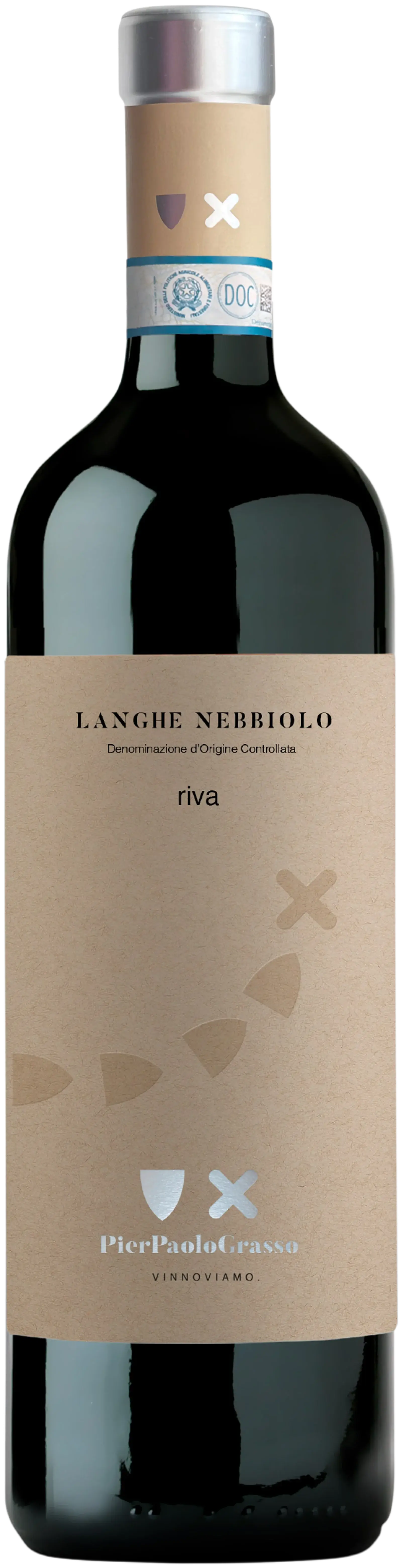
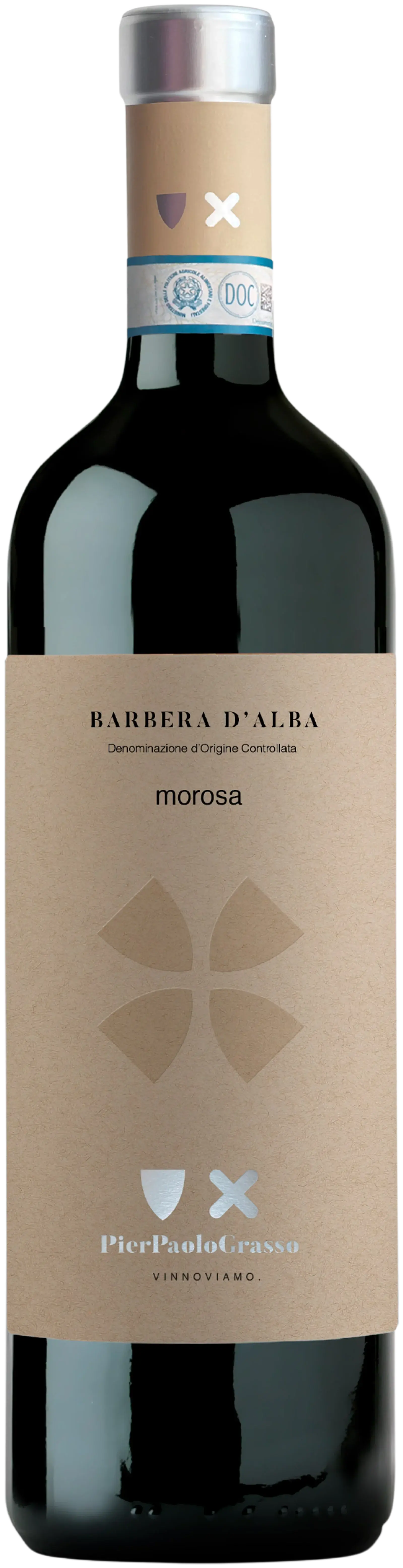
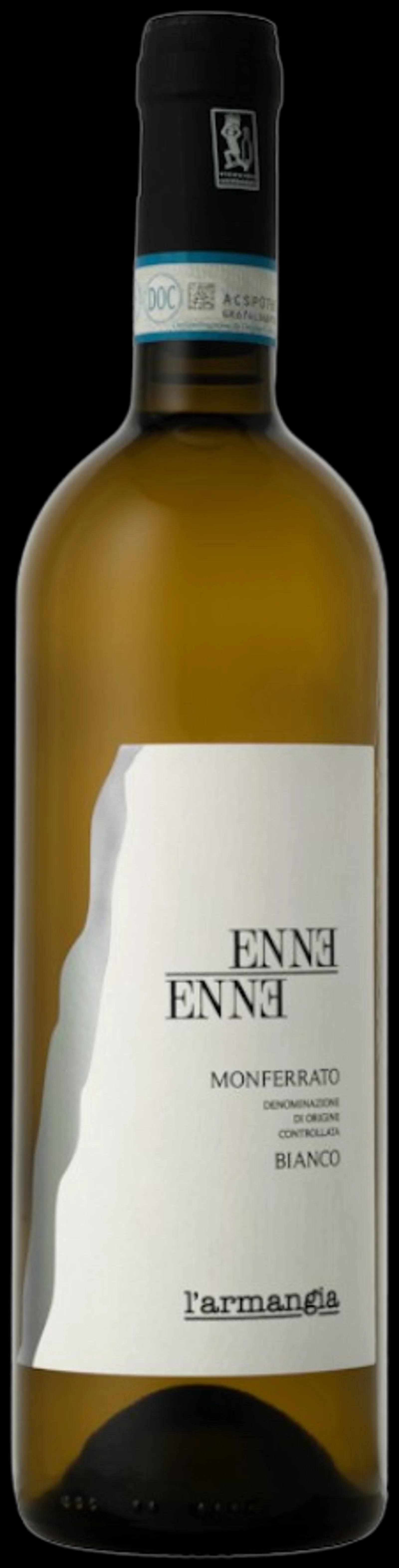
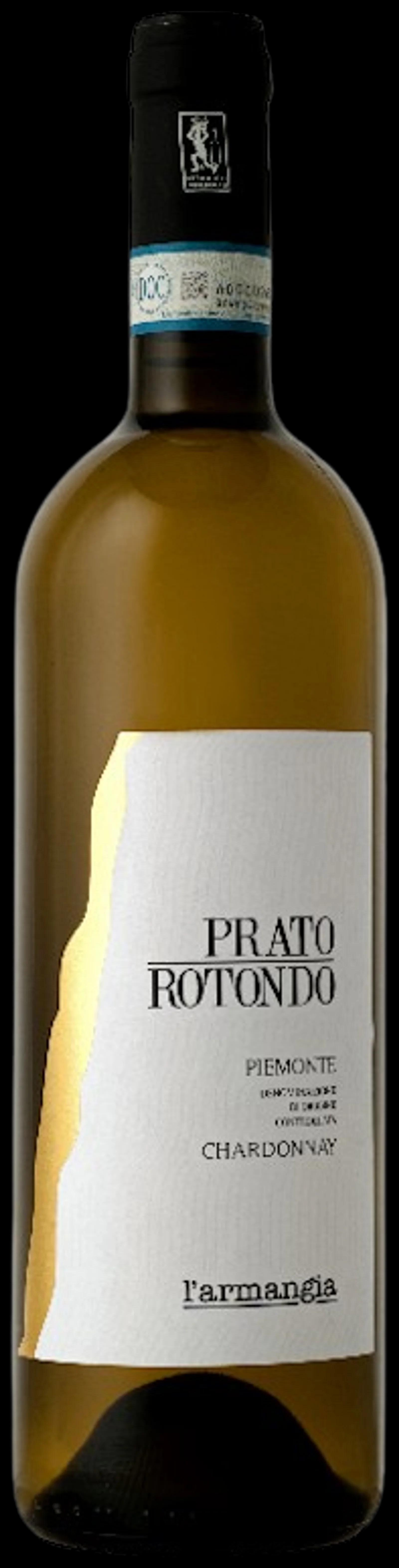
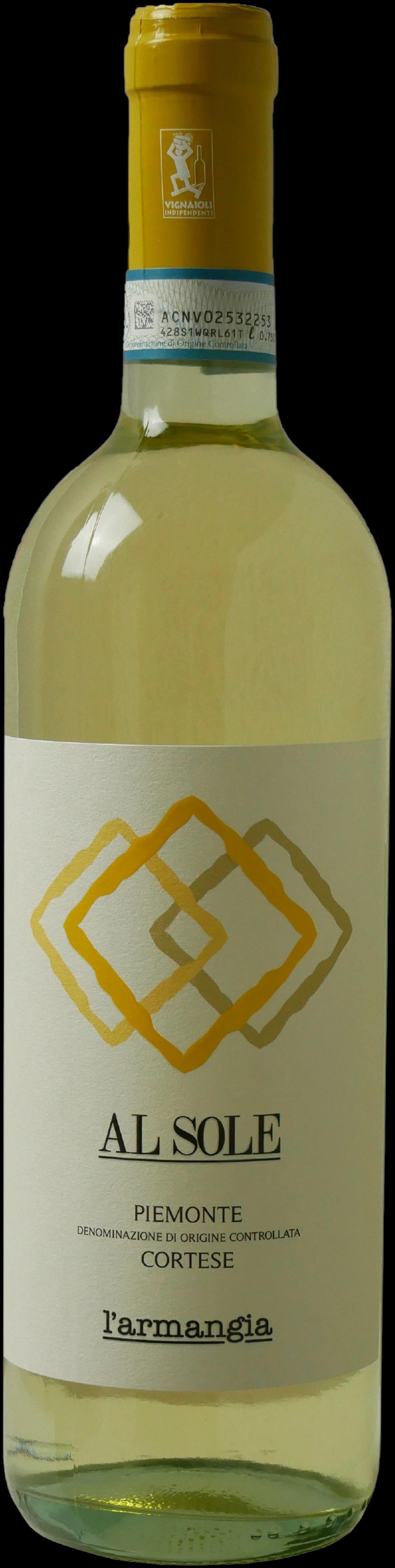
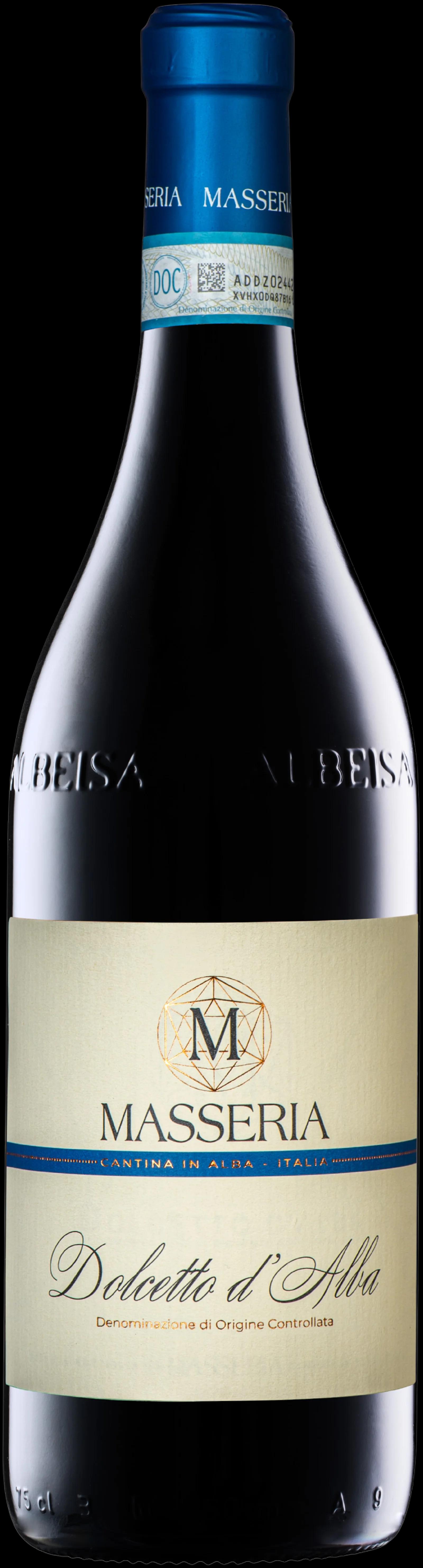
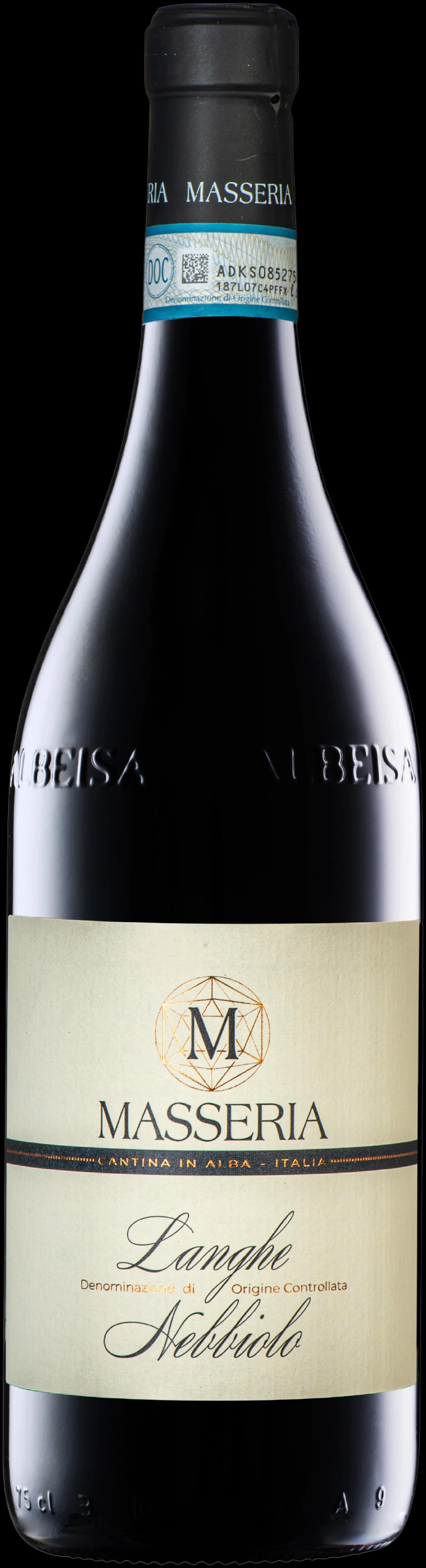
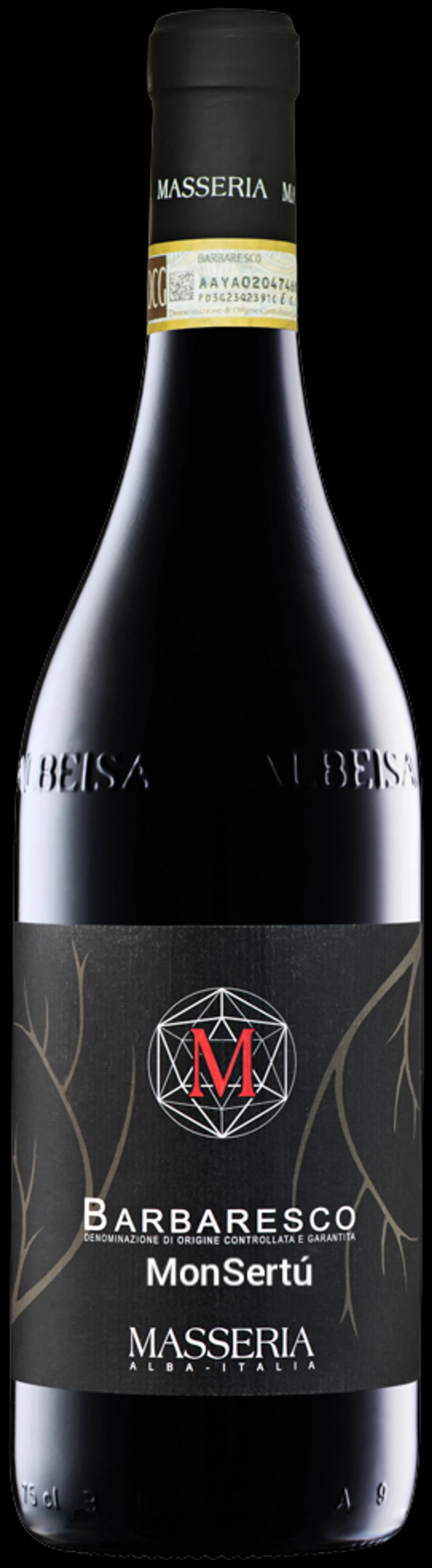
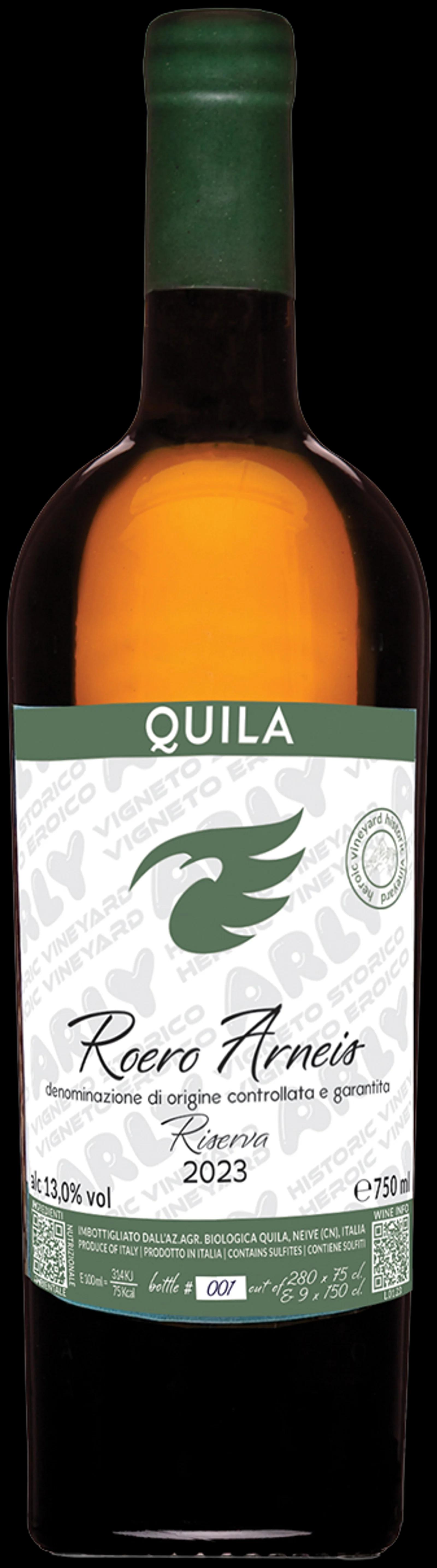
Piedmont is Italy's most appellation-dense wine region, with 17 DOCG designations and 42 DOC zones. The region runs along the inner arc of the Alps in northwest Italy, and the hill systems — Langhe, Monferrato, and Asti — each produce wines with distinct soil compositions and microclimates. Nebbiolo is the region's structurally dominant grape. In Barolo, it must be aged a minimum of 38 months before release, 62 months for Riserva. In Barbaresco, the minimum is 26 months, 50 for Riserva. These are not stylistic choices — they are legally enforced production requirements that define when bottles enter the market. Barbera covers more total planted hectares in Piedmont than Nebbiolo, making it the everyday red rather than the prestige one. Dolcetto, a third native variety, is lower in acidity than Barbera and typically released within the year of harvest. For white wines, Moscato Bianco is the base for Moscato d'Asti DOCG, a low-alcohol sparkling wine capped at 5.5% ABV — not a late addition to the category but one of the region's oldest documented varieties. Arneis, grown primarily in Roero across the Tanaro river from Langhe, produces dry whites that sit alongside Chardonnay and Cortese in the region's white wine portfolio.
Terroir and climate in Piedmont
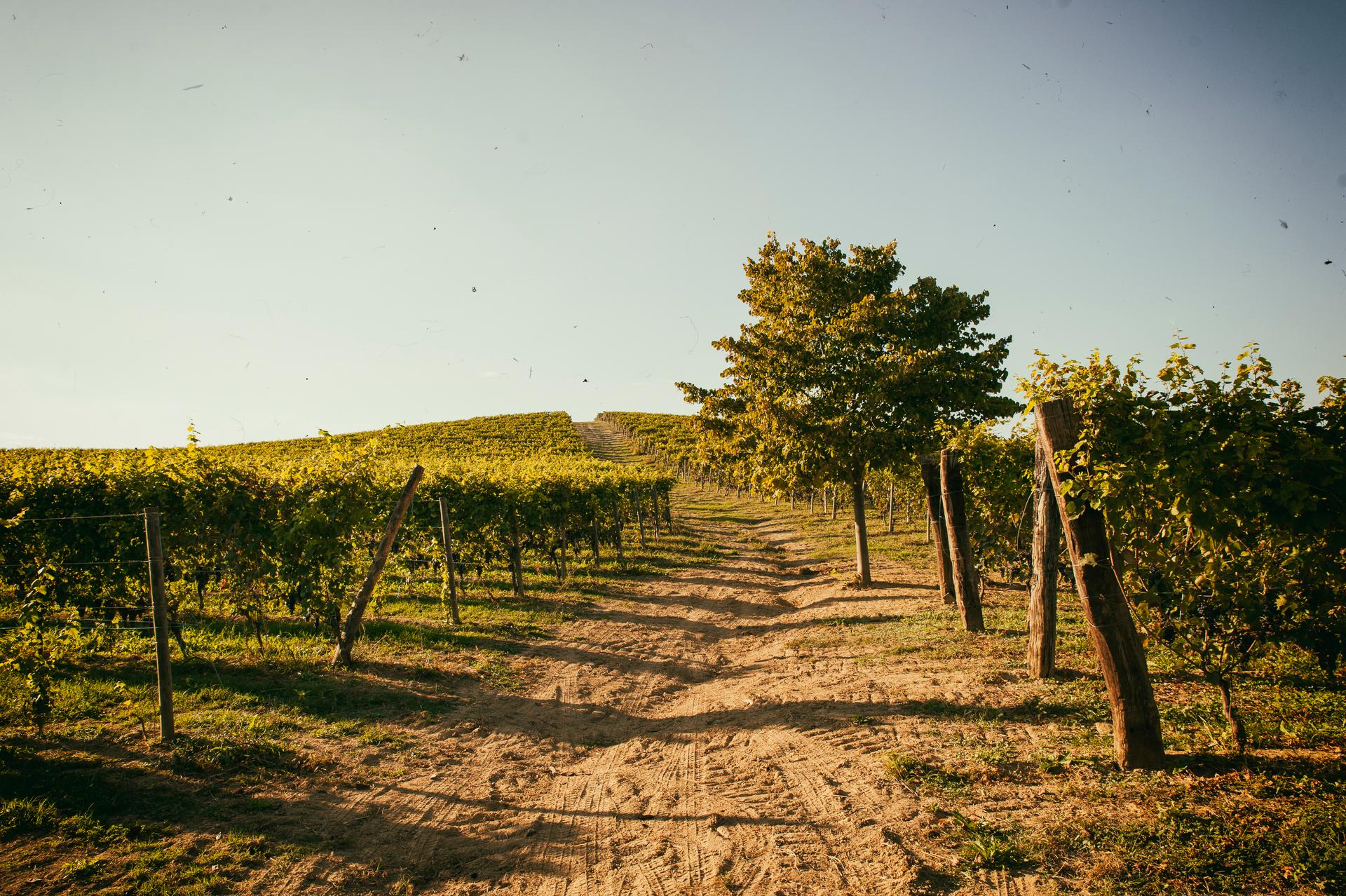
The Langhe hills that surround the towns of Barolo and Barbaresco are geologically split into two major soil types: Helvetian soils, which are older, more compact, and higher in magnesium, and Tortonian soils, which are younger, sandier, and higher in calcium. This division directly correlates with wine style differences within Barolo — estates in Serralunga d'Alba and Castiglione Falletto tend to sit on Helvetian soils, while La Morra and Barolo village itself lean Tortonian. The practical result is that two bottles labeled Barolo DOCG can taste structurally different in tannin weight and aromatic development depending solely on vineyard geology. Altitude across the Langhe ranges from 150 to over 500 metres above sea level. The diurnal temperature range — warm days, cold nights during growing season — slows ripening and is the primary reason Nebbiolo retains high acidity even in warm vintages. Piedmont receives the fewest annual sunshine hours of any major Italian wine region. Fog, known locally as nebbia, settles into the valleys each autumn. Nebbiolo takes its name from this fog, though the etymology is debated among ampelographers. The 2017 vintage saw a sharp spring frost across the region that reduced yields by up to 50% in some communes. Producers who ship directly from their cellar — rather than through a distributor holding inventory — reflect these vintage-level variations accurately in what is available.
How Piedmont producers work on Free Grape Society
Producers list their wines directly on the platform, set their own prices, and ship from their own cellar. No importer, no wholesaler. The price you see is the price the producer agreed to. Before any Piedmont wine goes live, samples are sent to our Head of Product, who tastes every wine before it is listed. Independent wine experts Rate & Review individual wines on the platform — their reviews are visible on the individual wine page and on their own expert profile. Producers, experts, restaurants, and wine lovers are on the same platform, on the same terms. Bottles ship from the producer's cellar directly to you, not from a warehouse in between. You can browse the full range of Piedmont wines available, or look at the Piedmont producers listed on Free Grape Society. If you want to try several wines before committing to full bottles, Piedmont mixboxes let you do that with samples composed by the producers themselves. Piedmont wines sit within the broader Italian wine catalogue on the platform, alongside regions including Tuscany, Veneto, and Lombardy.