Chardonnay in Italy — what the regions actually do differently
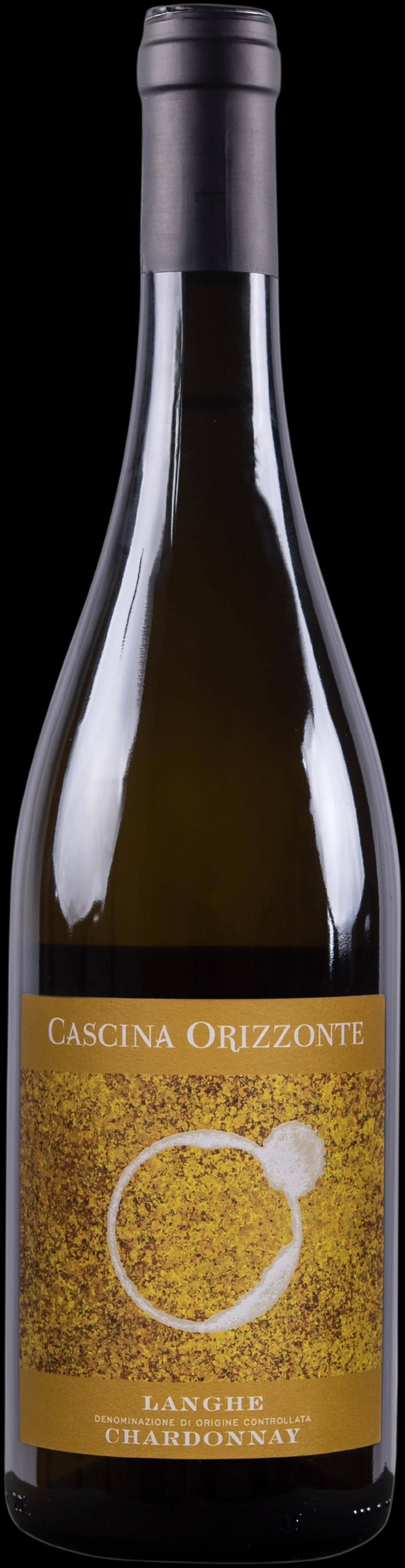
Chardonnay is not native to Italy, but it has been grown there seriously since the 1970s, when producers in Trentino-Alto Adige and Friuli Venezia Giulia began treating it as a variety worth understanding on its own terms rather than blending material. The results split along regional lines in ways that are not obvious from the label.
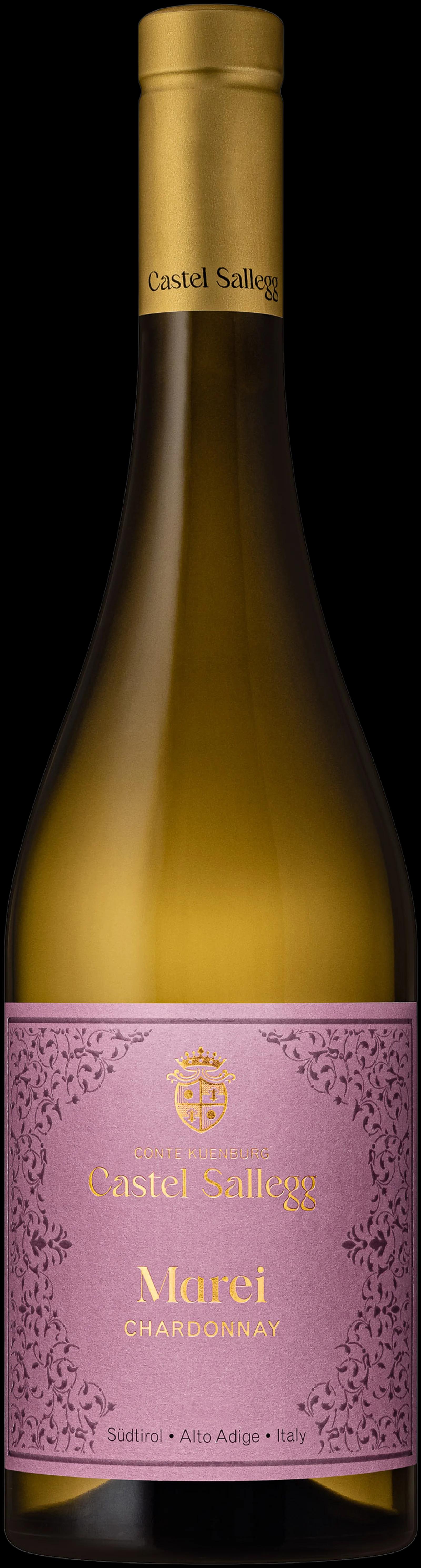
In Trentino-Alto Adige, altitude is the defining variable. Vineyards above 400 metres produce Chardonnay with acidity levels that read more like northern France than central Italy — the diurnal temperature range at harvest can exceed 18°C, which slows phenolic development and preserves tartaric acid. Lower-altitude sites in the same region produce structurally different wine from the same variety.
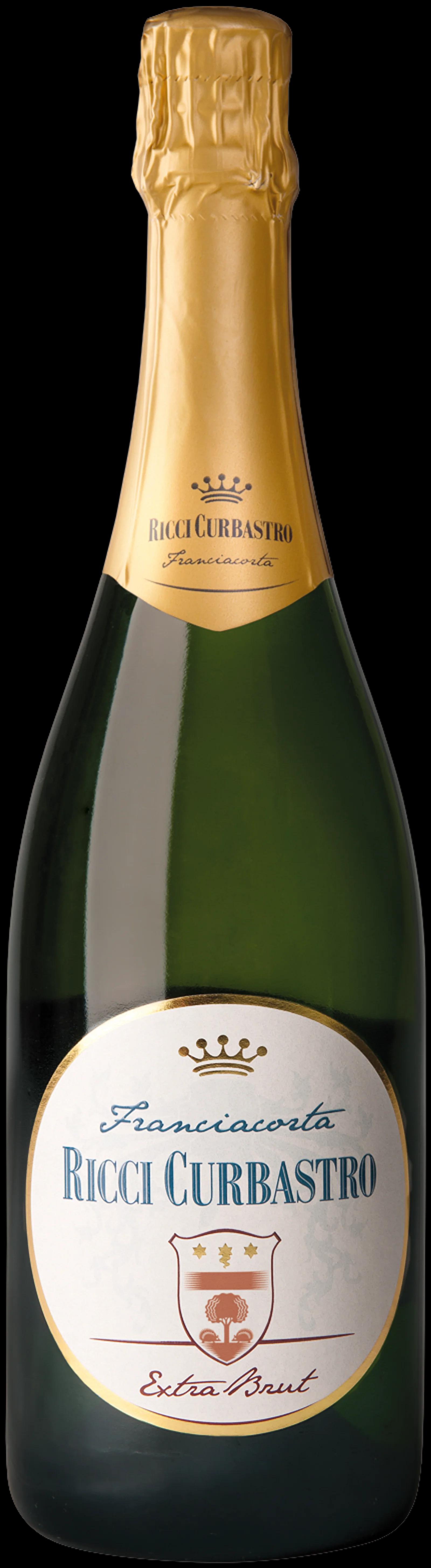
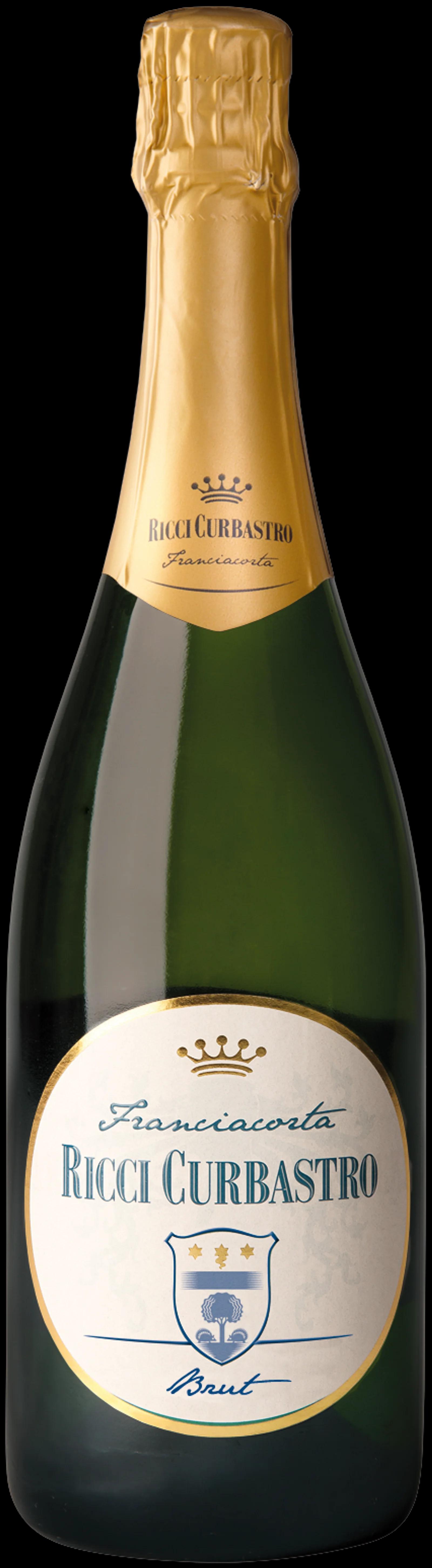
In Lombardy, specifically Franciacorta, Chardonnay is almost always destined for sparkling wine made by the traditional method. The still Chardonnay category in Lombardy is smaller and less defined, though single-producer expressions from Oltrepò Pavese show what happens when the grape meets clay-limestone rather than the glacial moraines of Franciacorta.
Tuscany and Sicily represent the warmer end of the spectrum. Tuscan Chardonnay — particularly in the Maremma and around Bolgheri — tends toward riper, fuller-bodied styles, sometimes with significant oak. In Sicily, producers working at higher elevations on Etna's slopes have shown that volcanic soil forces a mineralic precision in Chardonnay that does not appear at lower altitudes, even in the same vintage.
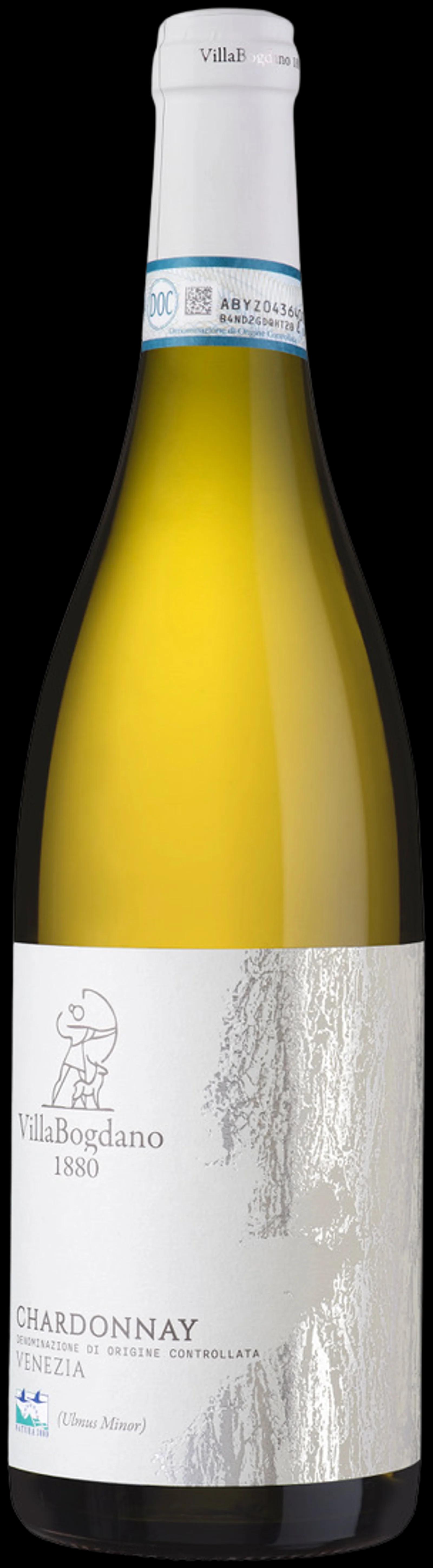
Veneto produces large volumes of Chardonnay, much of it blended into IGT whites or used in Prosecco production. Single-varietal still Chardonnay from the Veneto is less consistent but producers working in Soave-adjacent zones on basalt and limestone are producing wines with more tension than the regional reputation suggests.
How Italian Chardonnay compares to French Chardonnay
The comparison with French Chardonnay is useful because it shows what geography does to a single variety. In Burgundy, Chardonnay on Kimmeridgian limestone produces wines where acidity and mineral texture dominate over fruit weight. In Alsace, Chardonnay is a minor variety; Pinot Gris and Riesling take the structural roles it plays elsewhere.
Italian Chardonnay, even at its most northern expression, starts from a warmer baseline. The grape reaches physiological ripeness more easily in Italy than in Burgundy, which means producers who want tension and restraint have to make deliberate decisions — picking earlier, working at altitude, choosing fermentation vessels that do not add weight. Italian producers who do this are not imitating Burgundy; they are using the same lever set to get to a different but equally valid outcome.
The oak question is also handled differently. Oak-aged Italian Chardonnay from the 1990s — the era of the so-called Supertuscan whites — tended toward heavy extraction and broad structure. A significant number of producers have moved away from that style in the last 15 years, working with concrete tanks, large neutral oak vessels, or extended skin contact instead. The shift is not uniform, and some producers have kept the full-oak approach. Both styles exist on Free Grape Society, and both are tasted before listing by our Head of Product.
For reference: Italian Chardonnay at altitude shares more structural DNA with cool-climate white wine than with warm-climate Chardonnay from further south. Producers who want to understand the range should also look at Italian white wines broadly and compare with what Sauvignon Blanc does in Italy — a variety that handles warmth differently and shows how the same regional conditions produce divergent results depending on the grape.
How producers work with Chardonnay on Free Grape Society
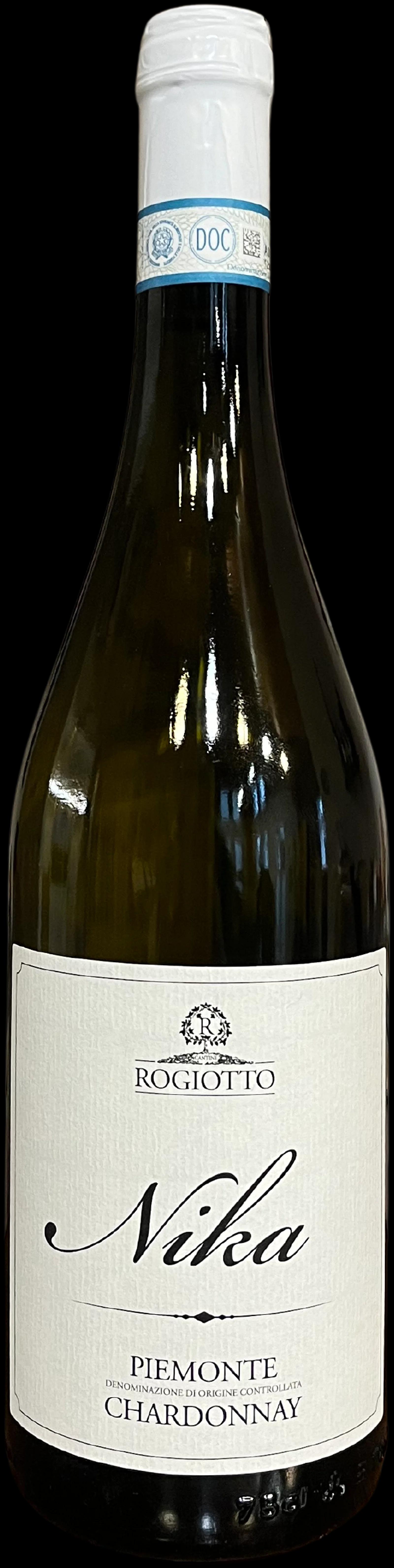
The producers listing Chardonnay from Italy on Free Grape Society are single-estate operations. No bulk blenders, no négociant-style aggregators. The producer sets the price. Independent wine experts review individual wines on the platform. No one sits between the cellar and the buyer.
This matters for Chardonnay specifically because the variety is highly sensitive to how it is handled post-harvest. A Chardonnay from Friuli Venezia Giulia fermented in stainless steel at low temperature produces a structurally different wine from the same-region grape fermented in barriques. Both exist in the Italian Chardonnay category, and both are represented. The producer's listed notes describe the actual vinification method — not a marketing style descriptor.
For context on what surrounds Italian Chardonnay in the broader Italian white picture: Nebbiolo dominates the conversation in Piedmont, but producers there also work with white varieties that rarely appear outside Italy. Barbera is another Piedmontese reference point. The white wine tradition in Tuscany is less prominent than its red counterpart, but producers working with international varieties like Chardonnay in Tuscany often sit in the same estates producing Sangiovese. If Chardonnay as a global variety is the reference point, Italian expressions from altitude represent one of the less-discussed but structurally distinct categories within it.