Nebbiolo in Italy: what the soil and altitude actually do
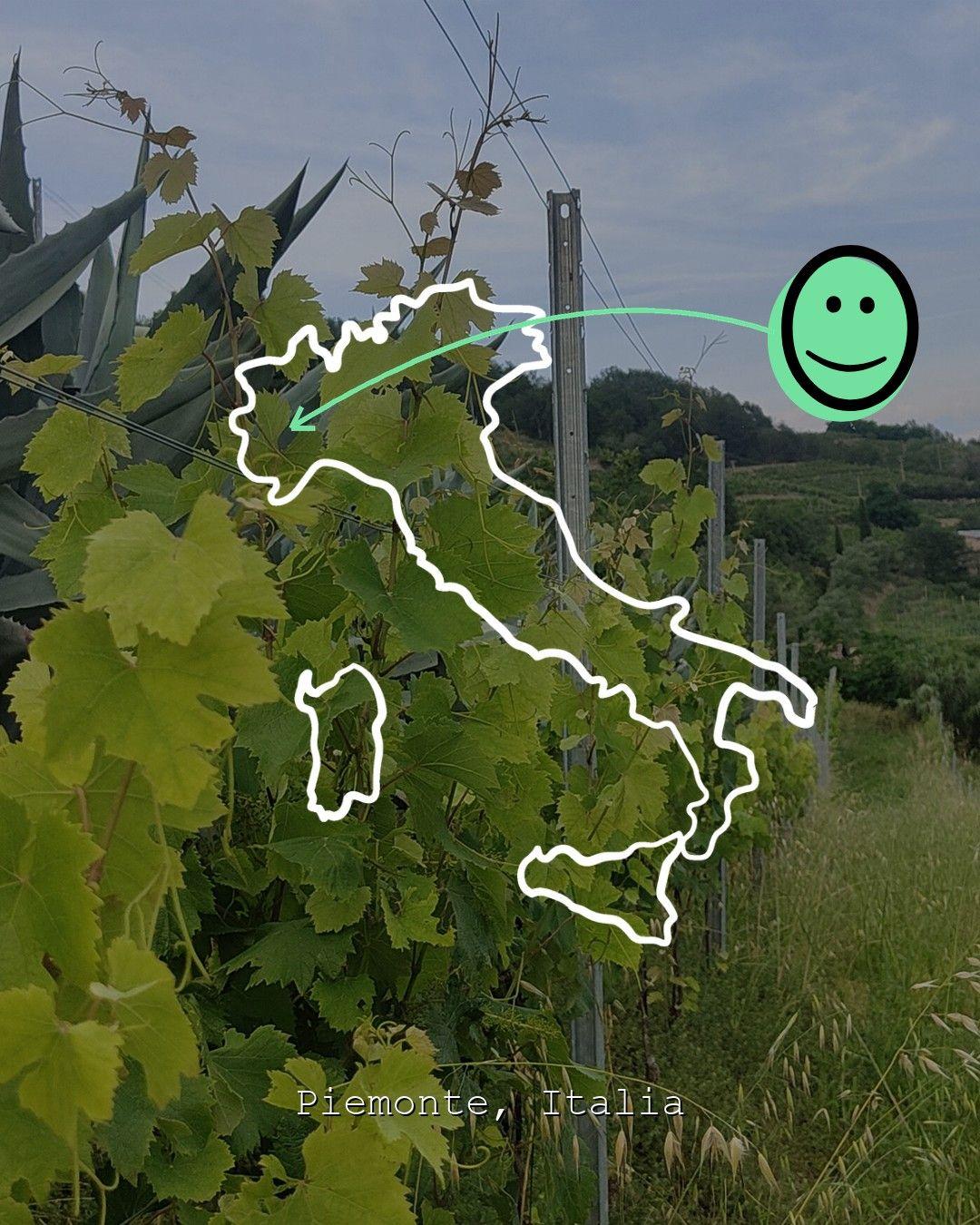
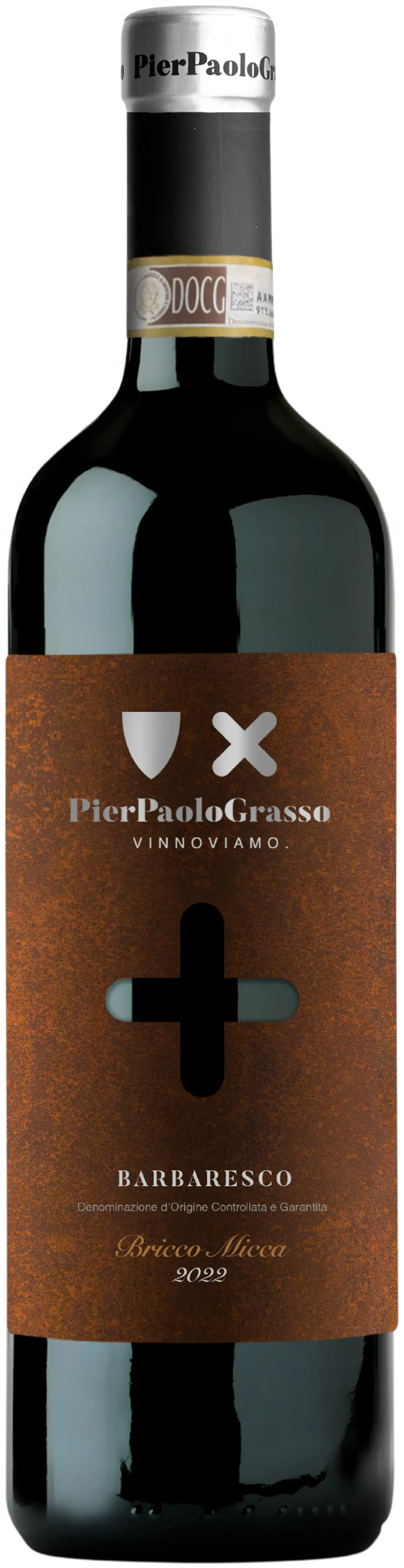
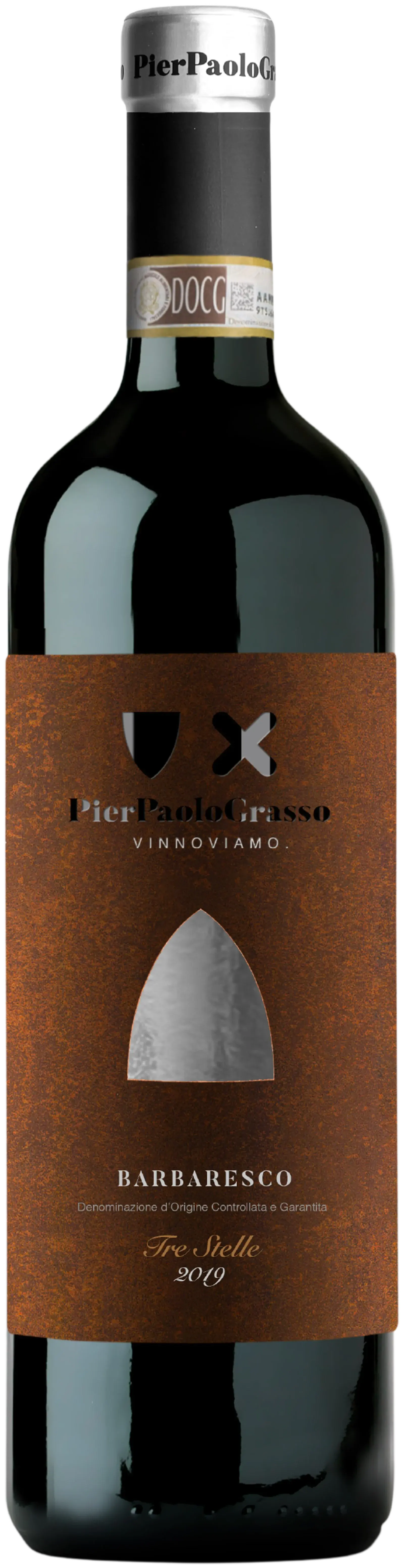
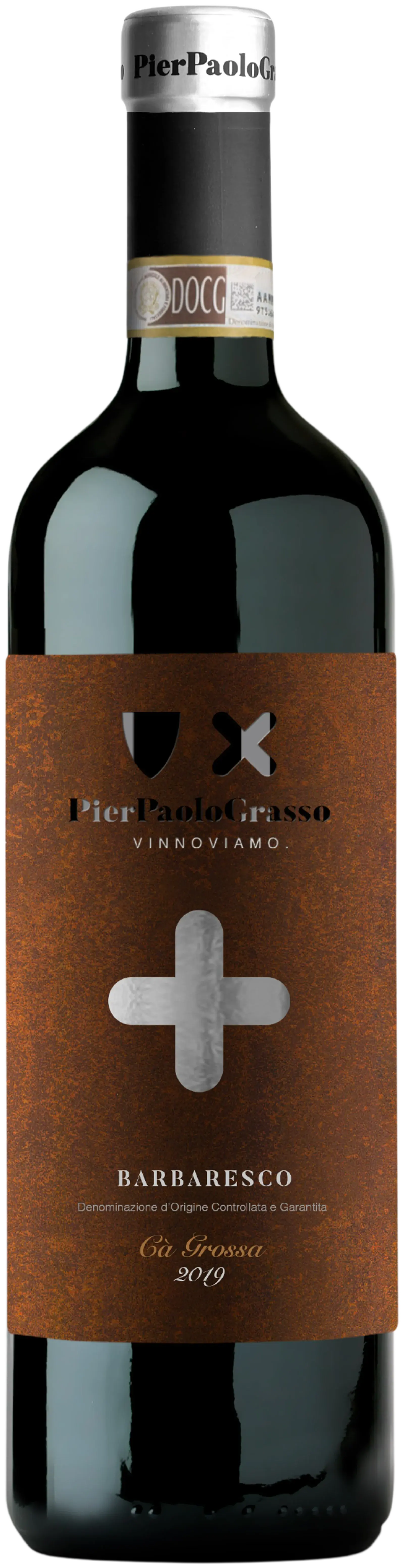
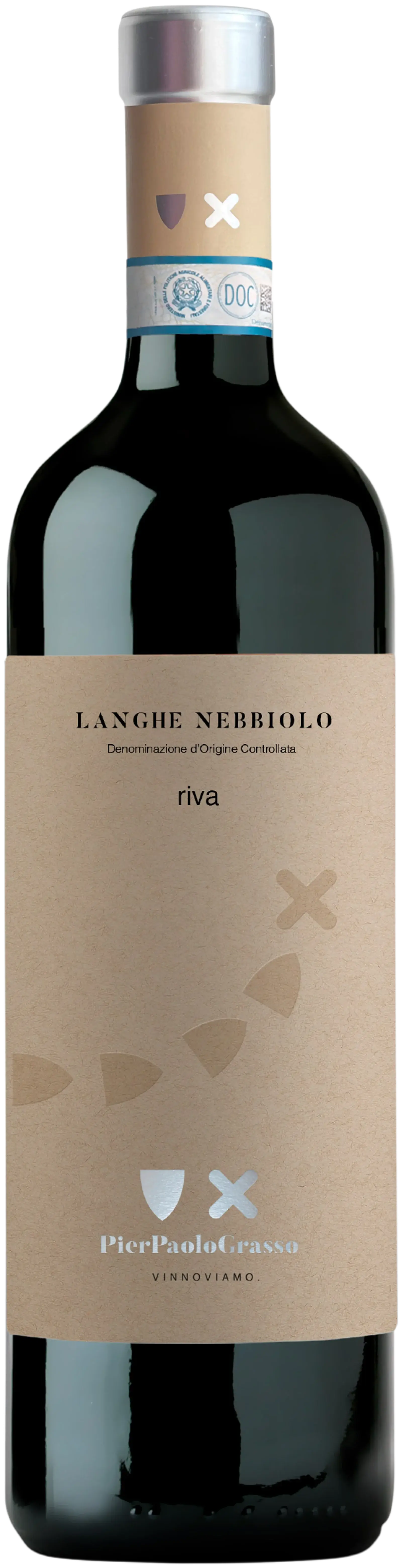
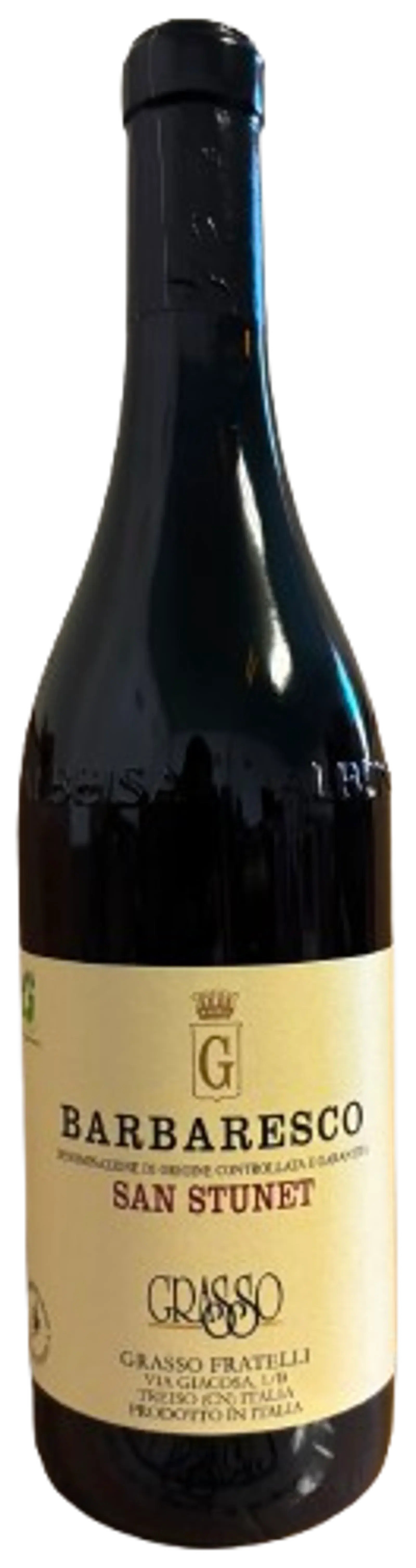
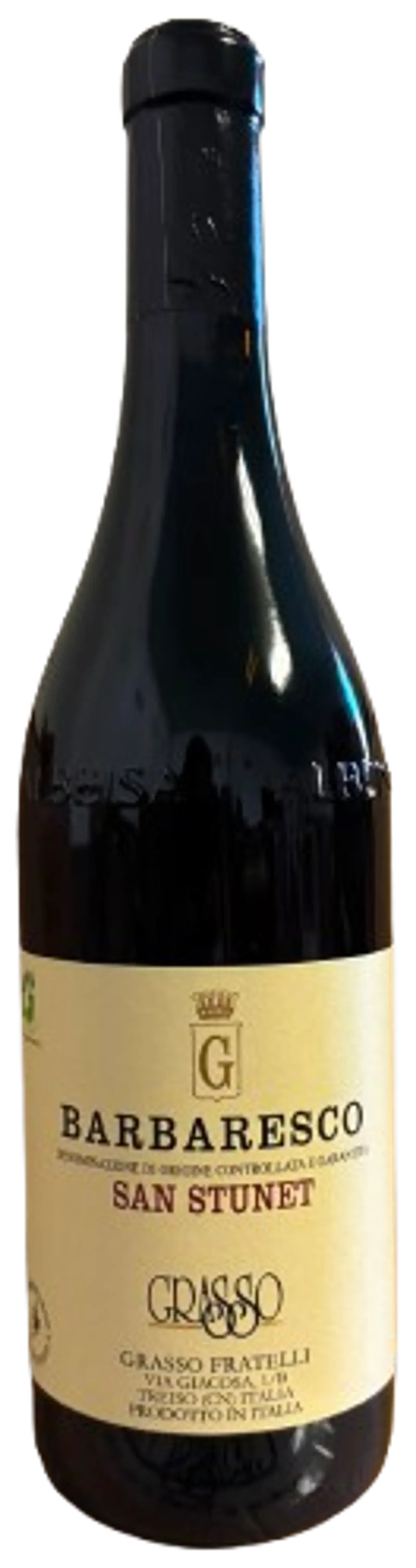
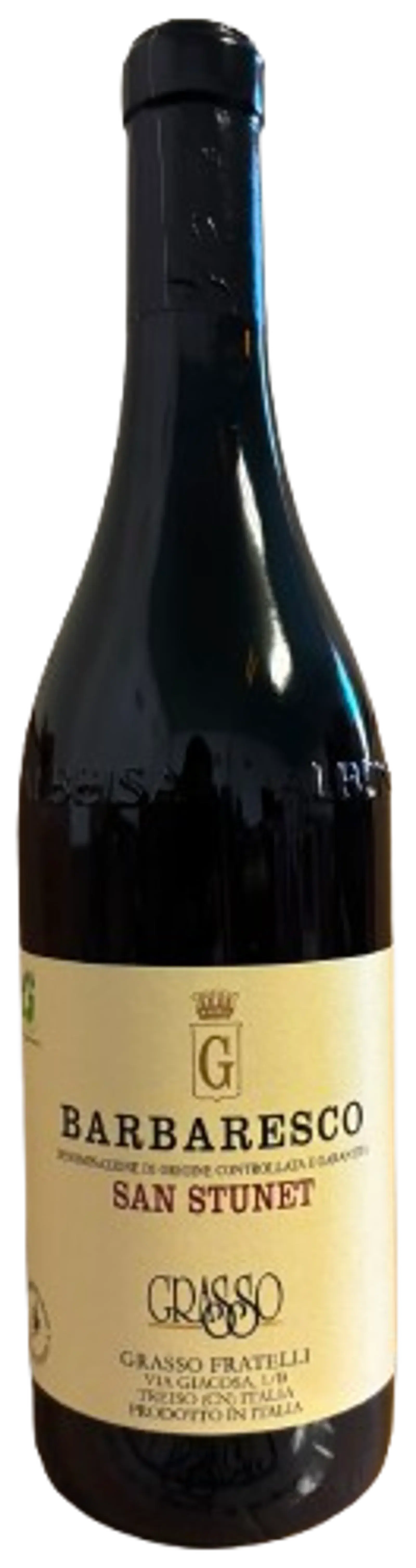
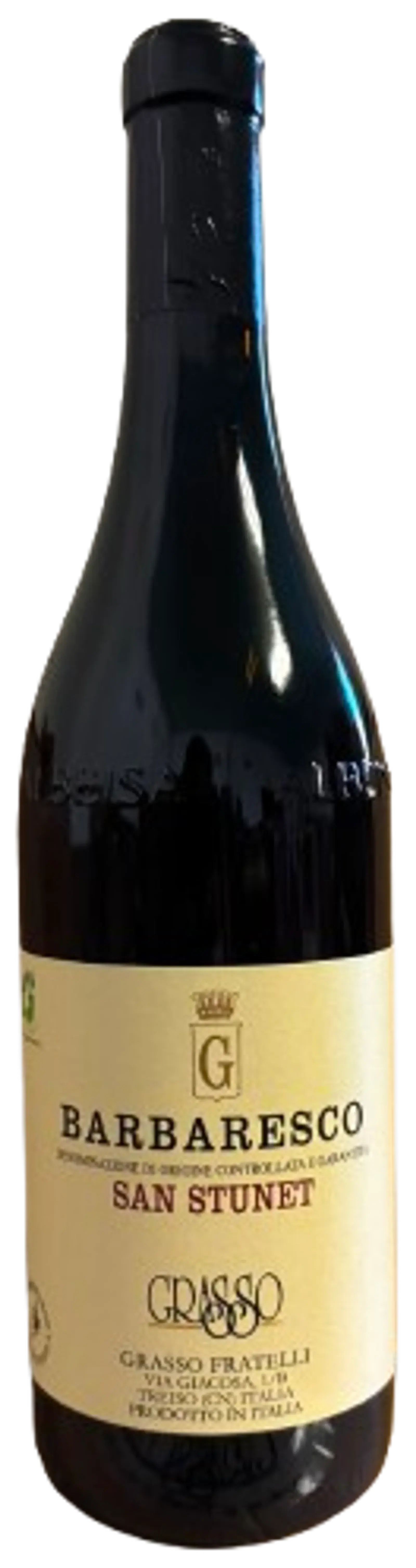
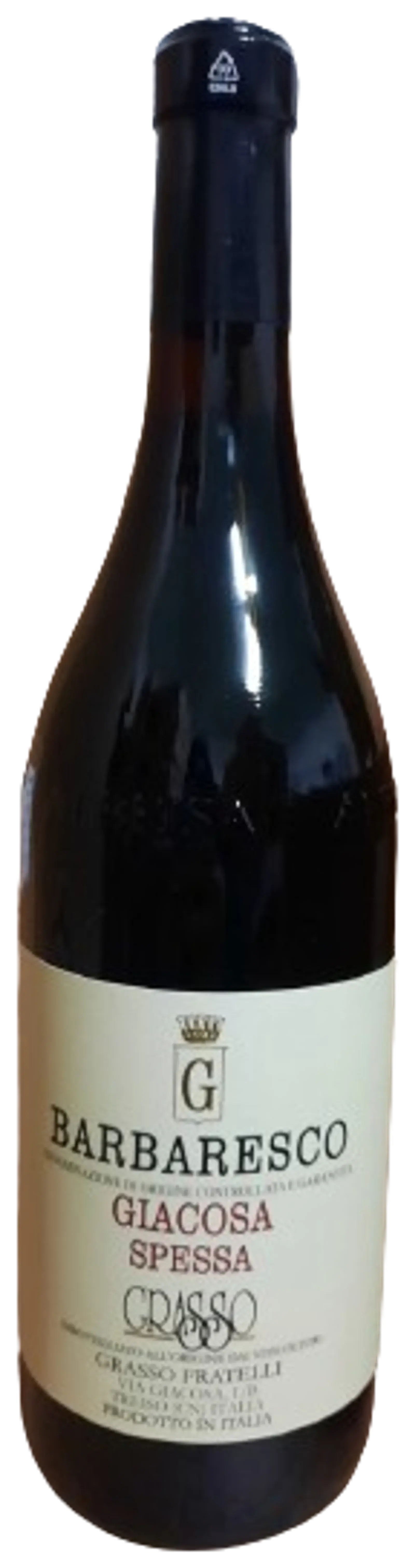
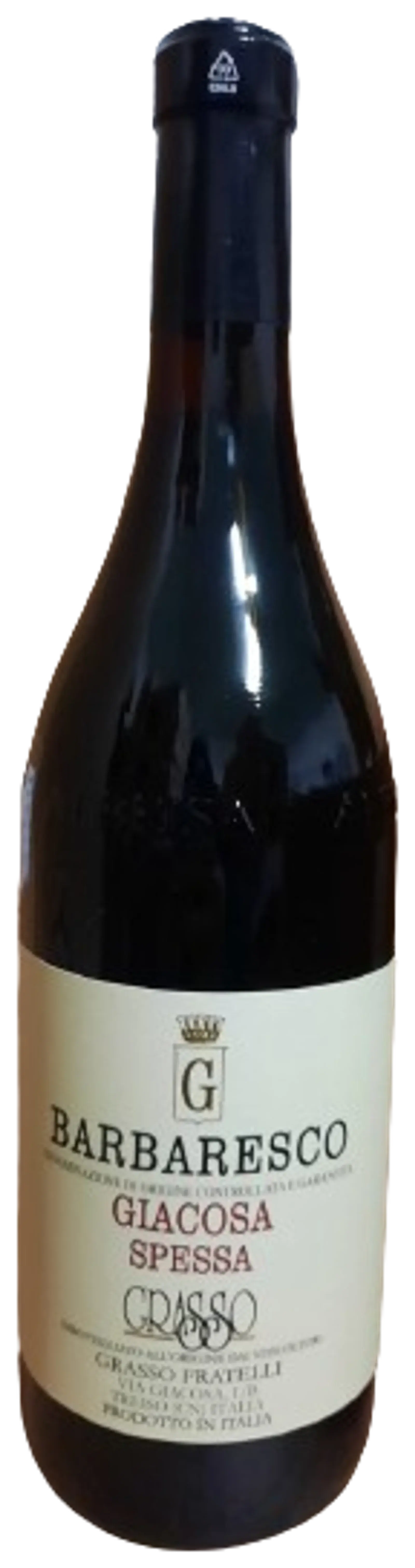
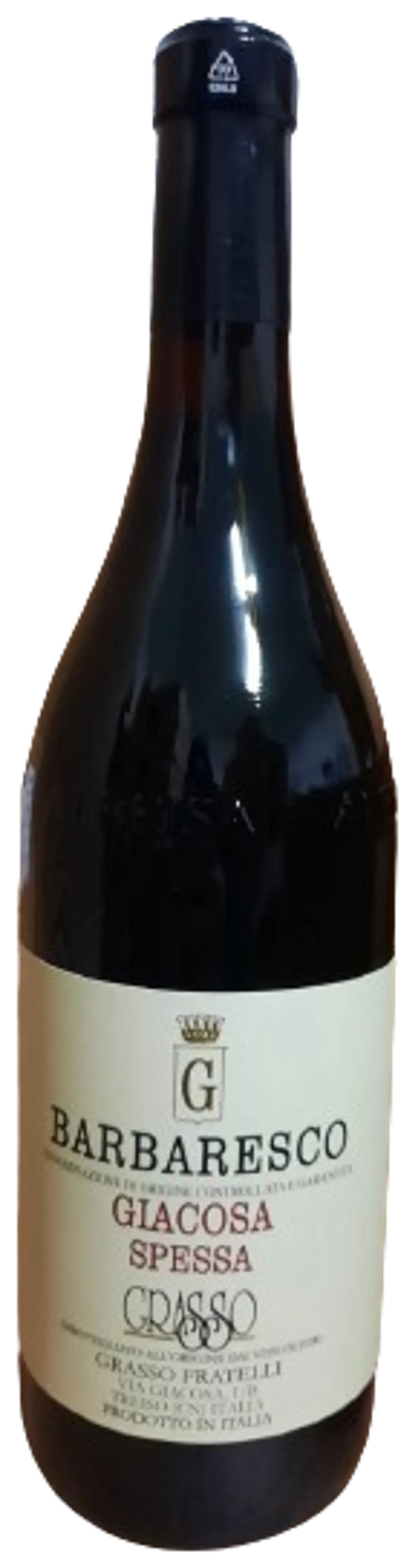
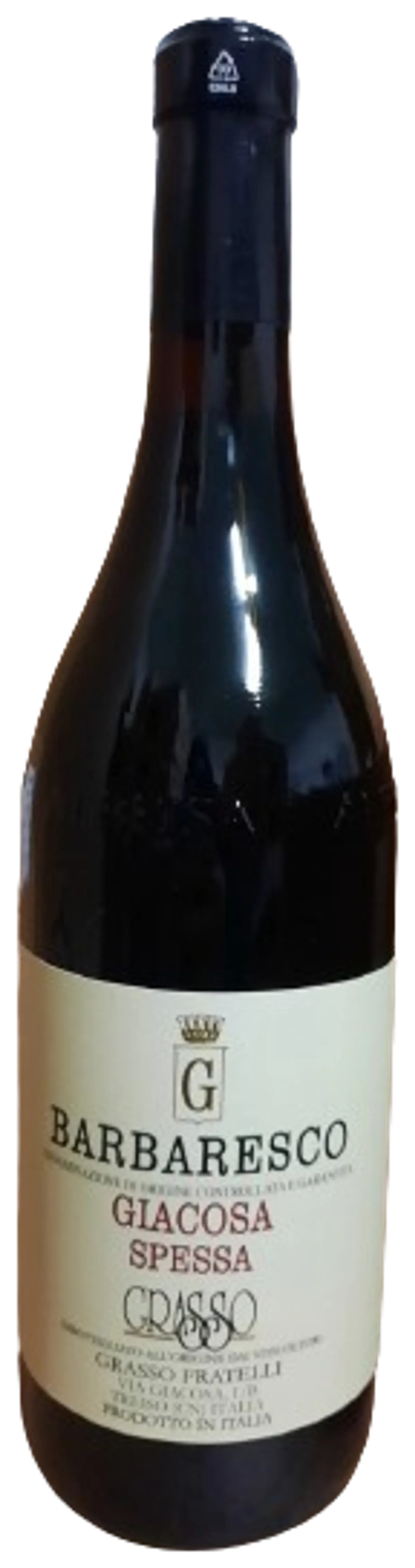
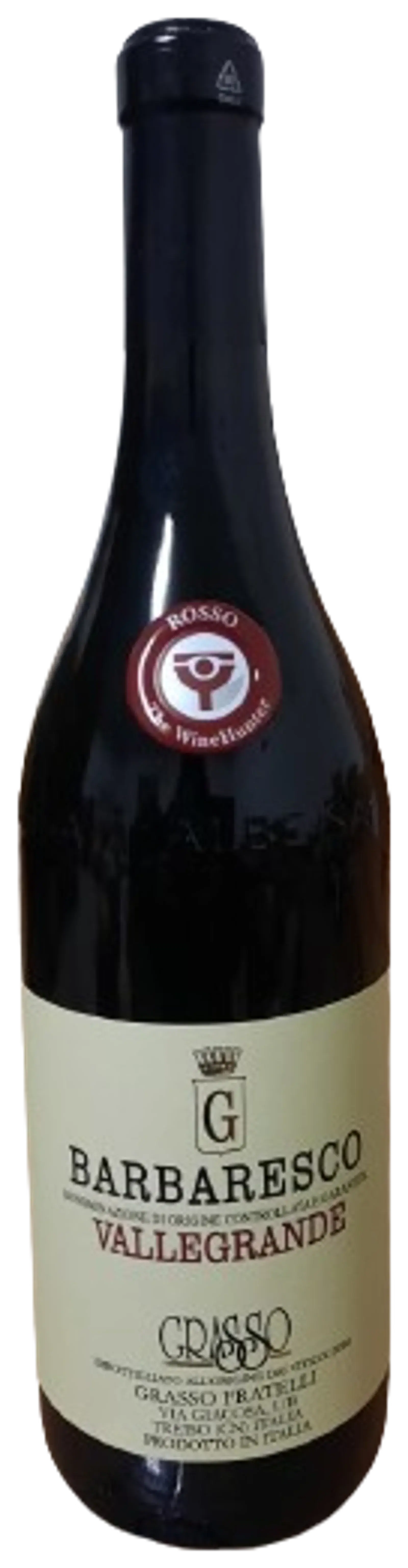
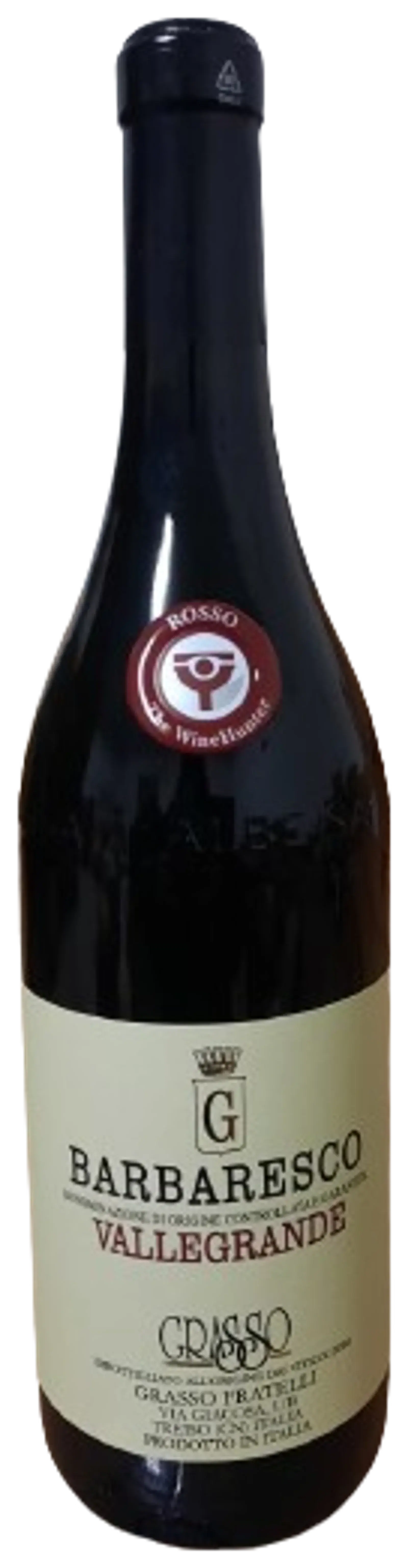
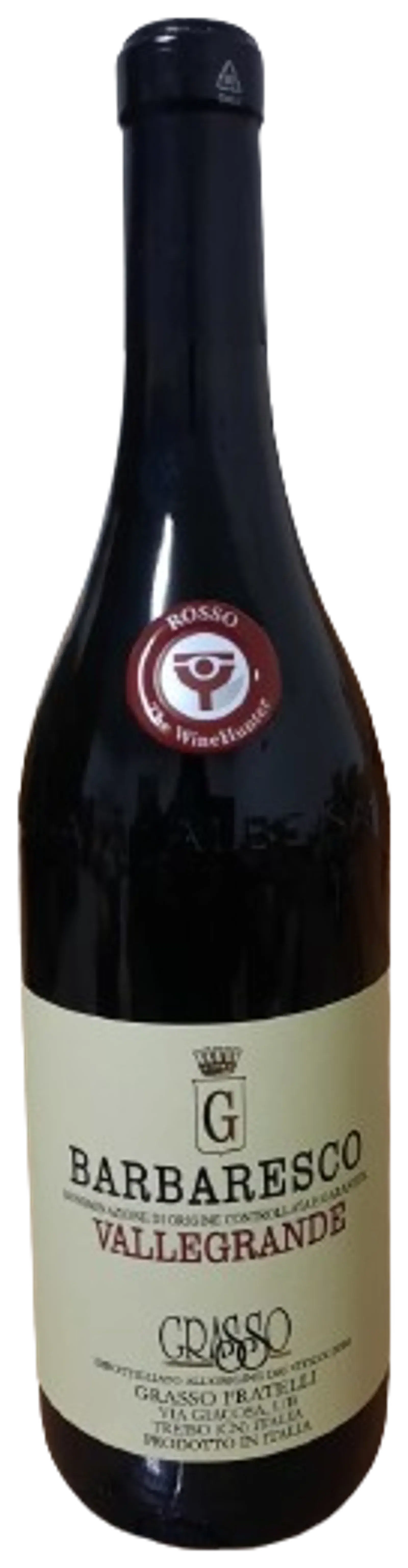
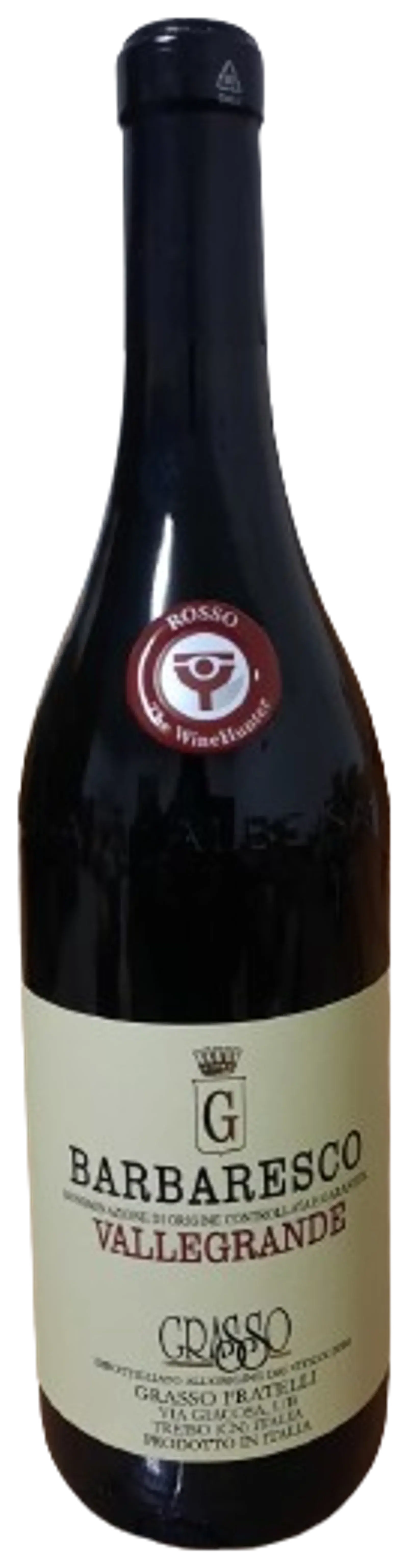
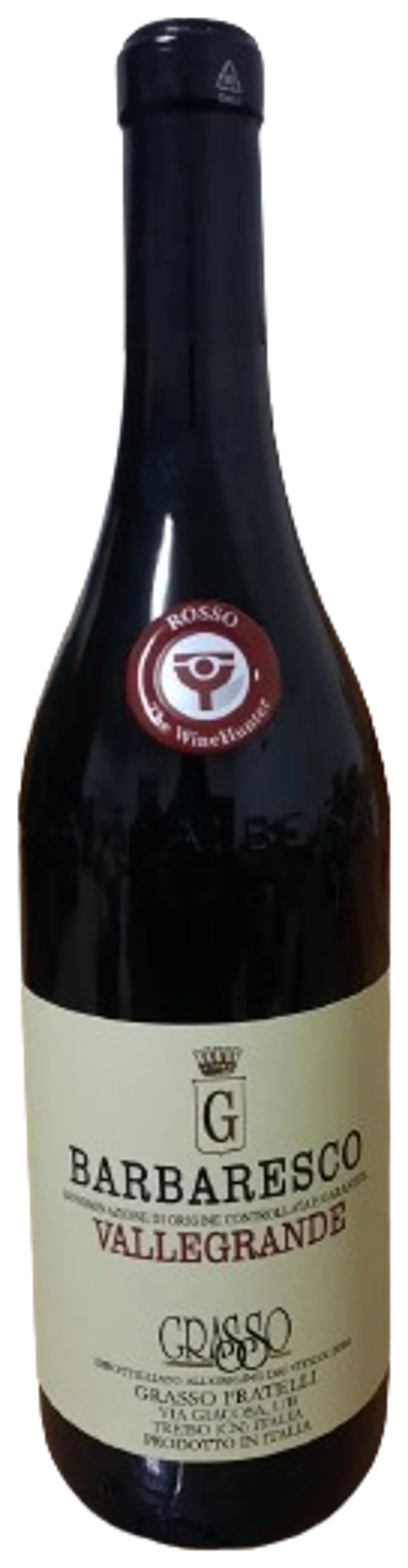
Nebbiolo is one of the few major red grapes in the world that is grown almost exclusively in one country, and within that country, almost exclusively in two regions. In Piedmont, the Langhe hills between 150m and 400m elevation produce the two appellations that define the grape globally: Barolo and Barbaresco. The difference between them is not just geography — it is soil composition. Barolo sits on two distinct soil types: Tortonian soils in the Serralunga d'Alba zone, dense and compact, producing structured, age-demanding wines, and Helvetian soils in La Morra and Barolo village, more friable and calcium-rich, yielding earlier-opening wines with more floral lift. Barbaresco, closer to the Tanaro river, has more sand in the subsoil, which reduces tannin weight and typically produces wines that are drinkable 2–3 years earlier than equivalent Barolo. Further north in Lombardy, Nebbiolo is grown in Valtellina under the name Chiavennasca. Here the grape is trained on granite terraces at 300–700m above sea level, and the altitude, combined with Alpine temperature swings, produces a distinctly lighter, more aromatic expression than Piedmont — lower alcohol, higher acidity, visibly paler colour. These are not stylistic choices by individual producers. They are structural outcomes of soil and climate that no winemaking decision fully overrides. Producers working with Nebbiolo in Italy are almost always single-estate operations — the grape does not travel well as a blending component and has almost no commercial presence outside its home zones.
How Italian Nebbiolo compares to Nebbiolo grown elsewhere
Outside Italy, plantings of Nebbiolo are scattered and thin. Small amounts exist in California, Australia, and Argentina, but none have reproduced the tannin-acid architecture that makes Italian Nebbiolo structurally distinct. The reason is partly climatic: Nebbiolo is a late-ripening variety that needs a long, warm growing season followed by a cold autumn to fix acidity before harvest. The diurnal temperature range in the Langhe hills — sometimes 15–20°C between day and night during September — is difficult to replicate in warmer wine regions without losing the acidity that defines the grape's ageing potential. Italian Nebbiolo also shows a specific phenolic profile: tannins that are grippy when young but resolve over 10–20 years into something more supple, alongside persistent red fruit and tar characteristics that intensify rather than fade. This is why Barolo and Barbaresco are commonly cellared for a decade before drinking, and why the phrase "it needs time" is not marketing language but a practical description of how the wine behaves. The red wines from Italy built on Nebbiolo are among the longest-lived produced anywhere in Europe. For comparison, Sangiovese in Tuscany typically resolves its tannins in 5–10 years; Barbera in Piedmont has higher acidity but softer tannins and drinks earlier. Nebbiolo occupies a different structural category from both. No buyer with quarterly targets. No chain defending shelf space. The producers on Free Grape Society decide if they want to be here, and what they list.
Styles of Nebbiolo from Italy: how producers approach the grape differently
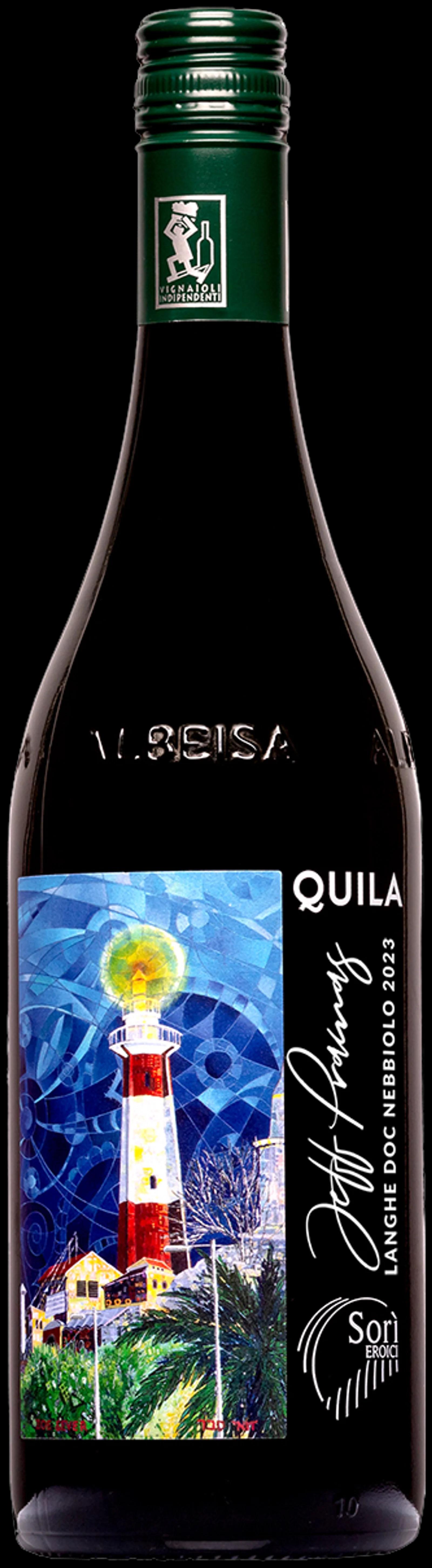
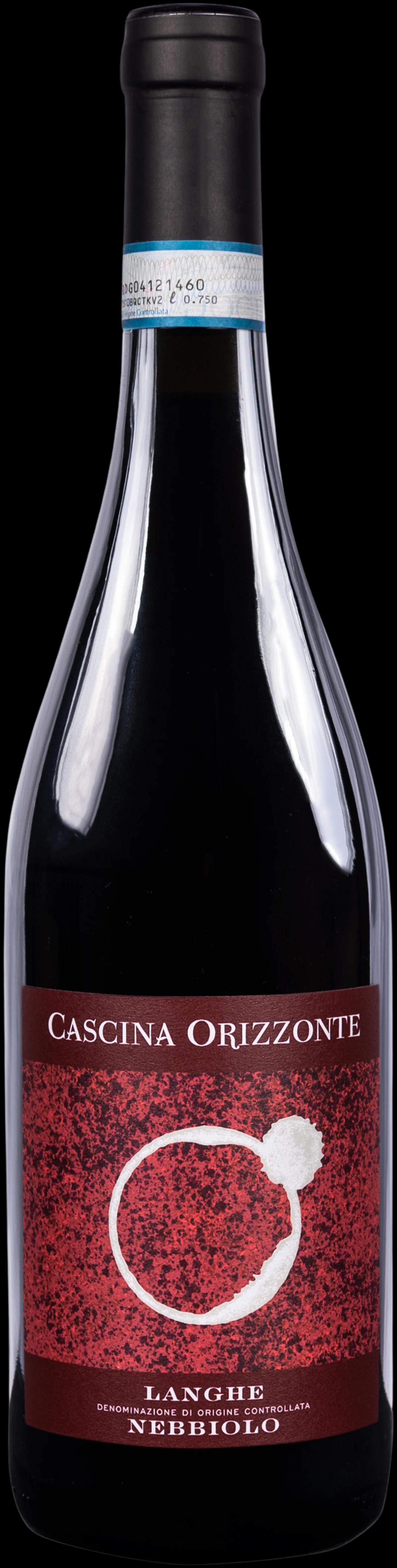
Within Italian Nebbiolo, the most significant stylistic divide is between traditional and modernist production approaches, and it maps loosely but not perfectly onto the Barolo MGA (Menzione Geografica Aggiuntiva) system introduced in 2010. Traditional producers use large Slavonian oak casks (botti) of 2,000–10,000 litres for ageing, often 3–5 years, which allows slow oxidative development without extracting oak flavour. The wine retains its austere fruit character and develops tertiary notes of dried roses, leather, and iron. Modernist producers shifted toward smaller French barriques from the 1980s onward — shorter skin contact, rotary fermenters, and 18–24 months in 225-litre barrels. The result is darker fruit, softer tannins on release, and more immediately accessible structure. Neither is objectively better; they reflect different theories about when and how the wine should be drunk. Since 2010, the MGA system has codified 170+ individual vineyard names across Barolo, similar to the Burgundy premier cru logic — allowing producers to label by specific site. Cannubi, Brunate, Cerequio, Rocche dell'Annunziata are among the most documented. In Barbaresco, crus such as Asili, Rabajà, and Sorì Tildin carry equivalent weight. Producers listing Nebbiolo from Italy on Free Grape Society tend to be working within defined MGA sites or identified Valtellina crus — wines where the origin is specific enough to be traceable. For broader context on Italian reds, the Italy wines page covers the full range of regions and varieties, and the Barbera from Italy page shows how Piedmont's other major red grape compares structurally.