Where Dolcetto comes from and what makes it distinctly Piedmontese
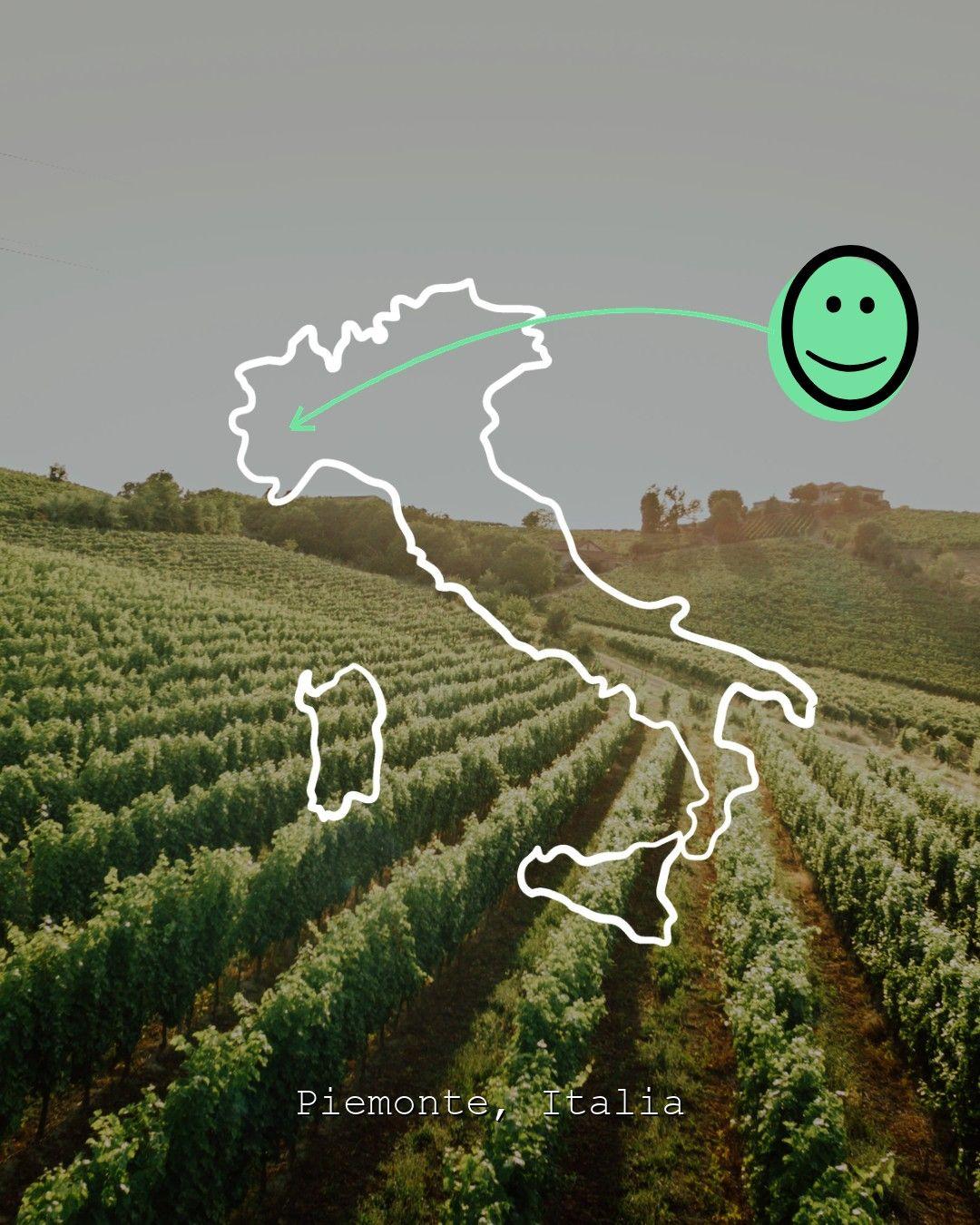
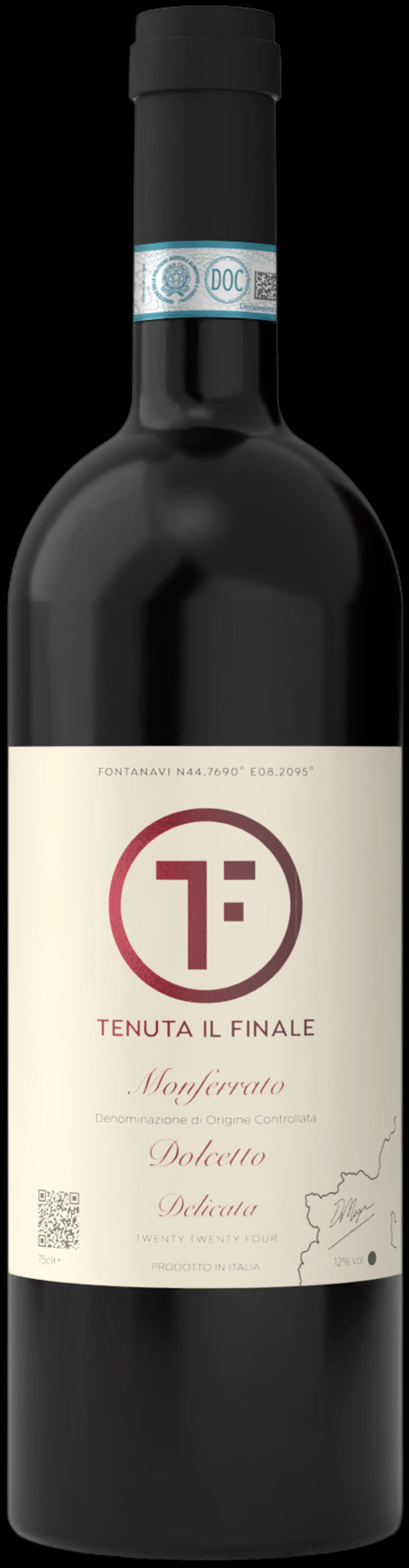
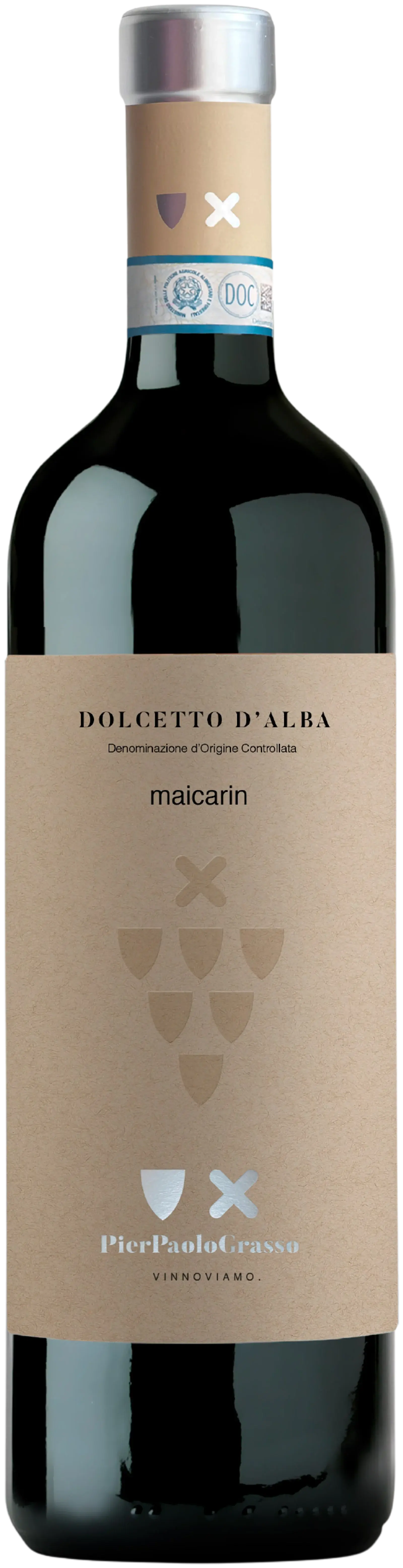
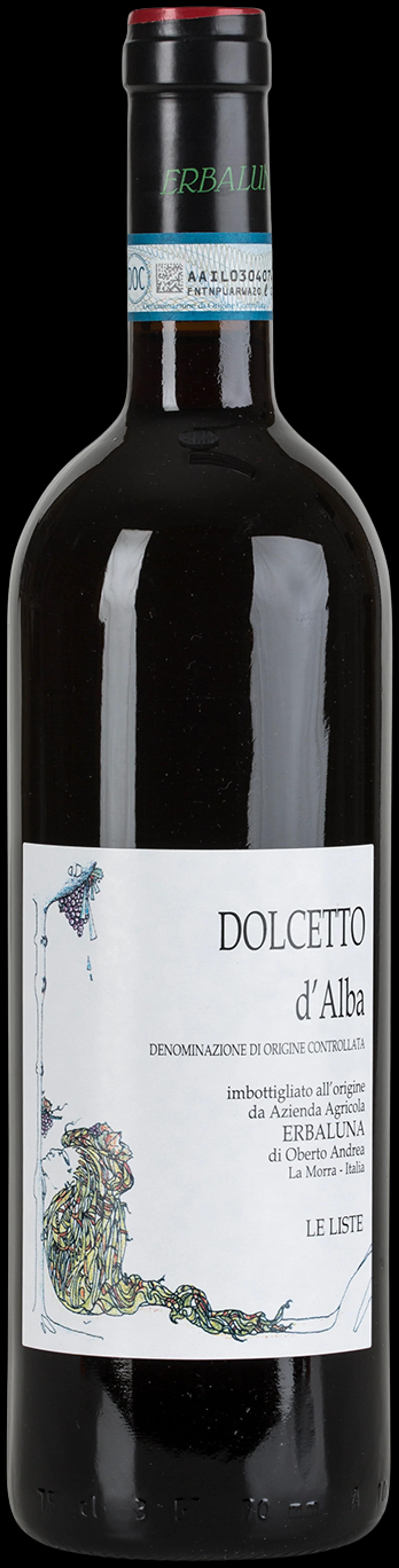
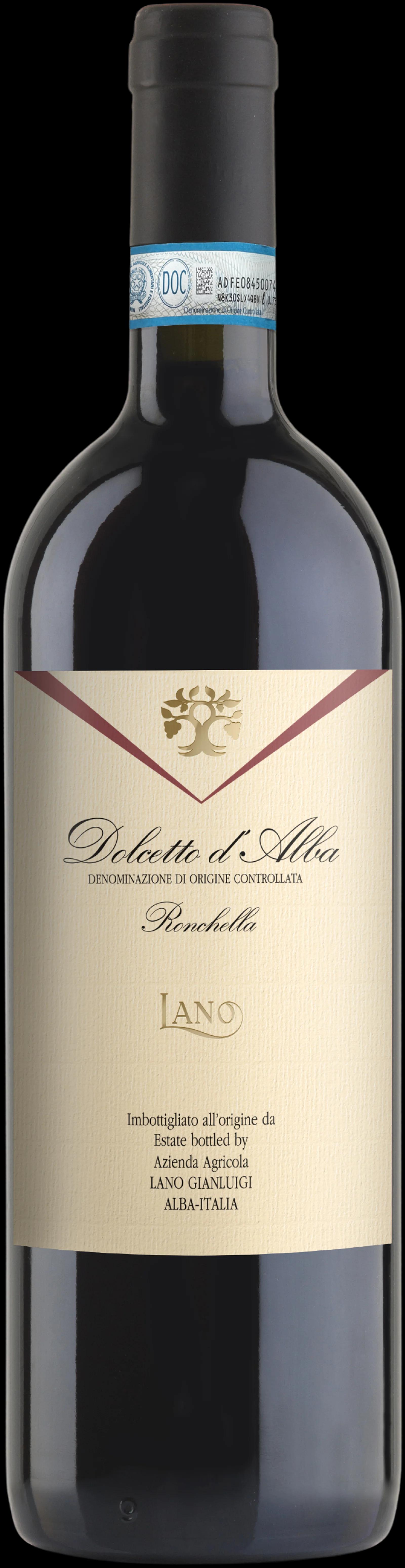
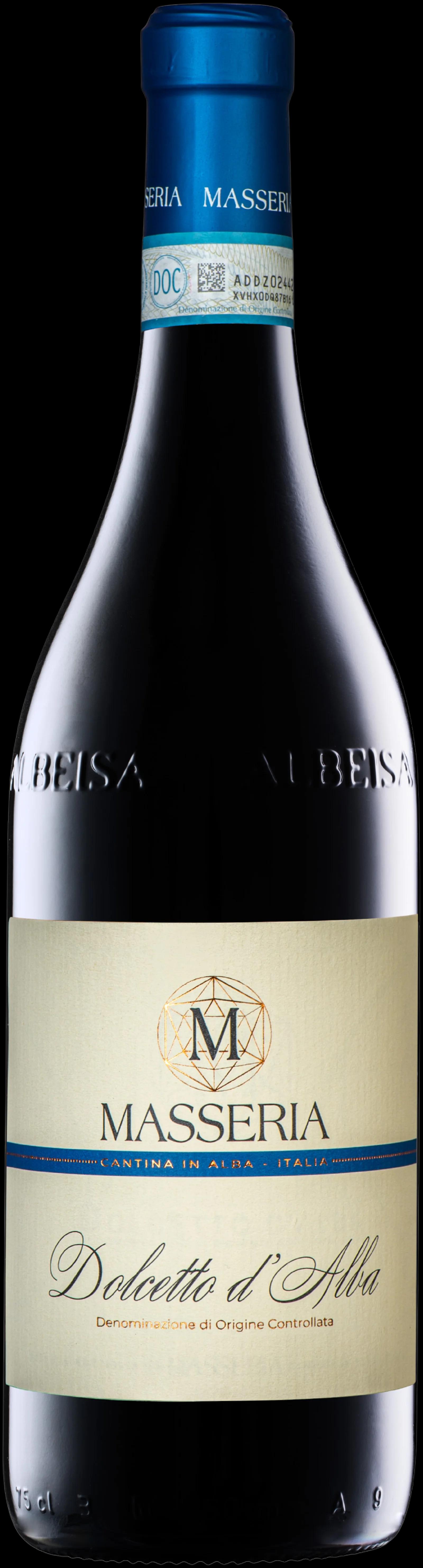
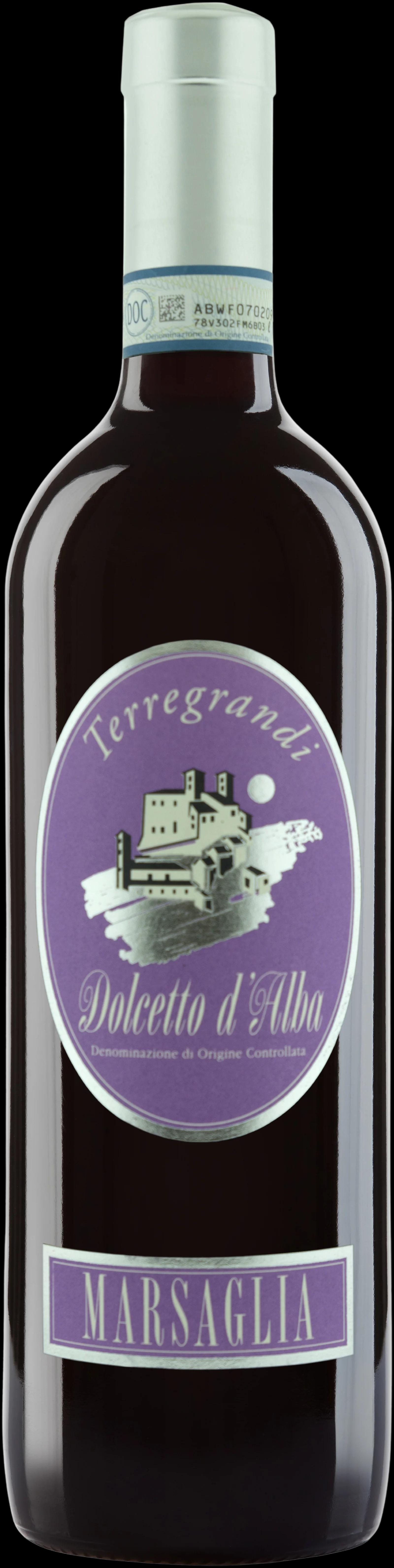
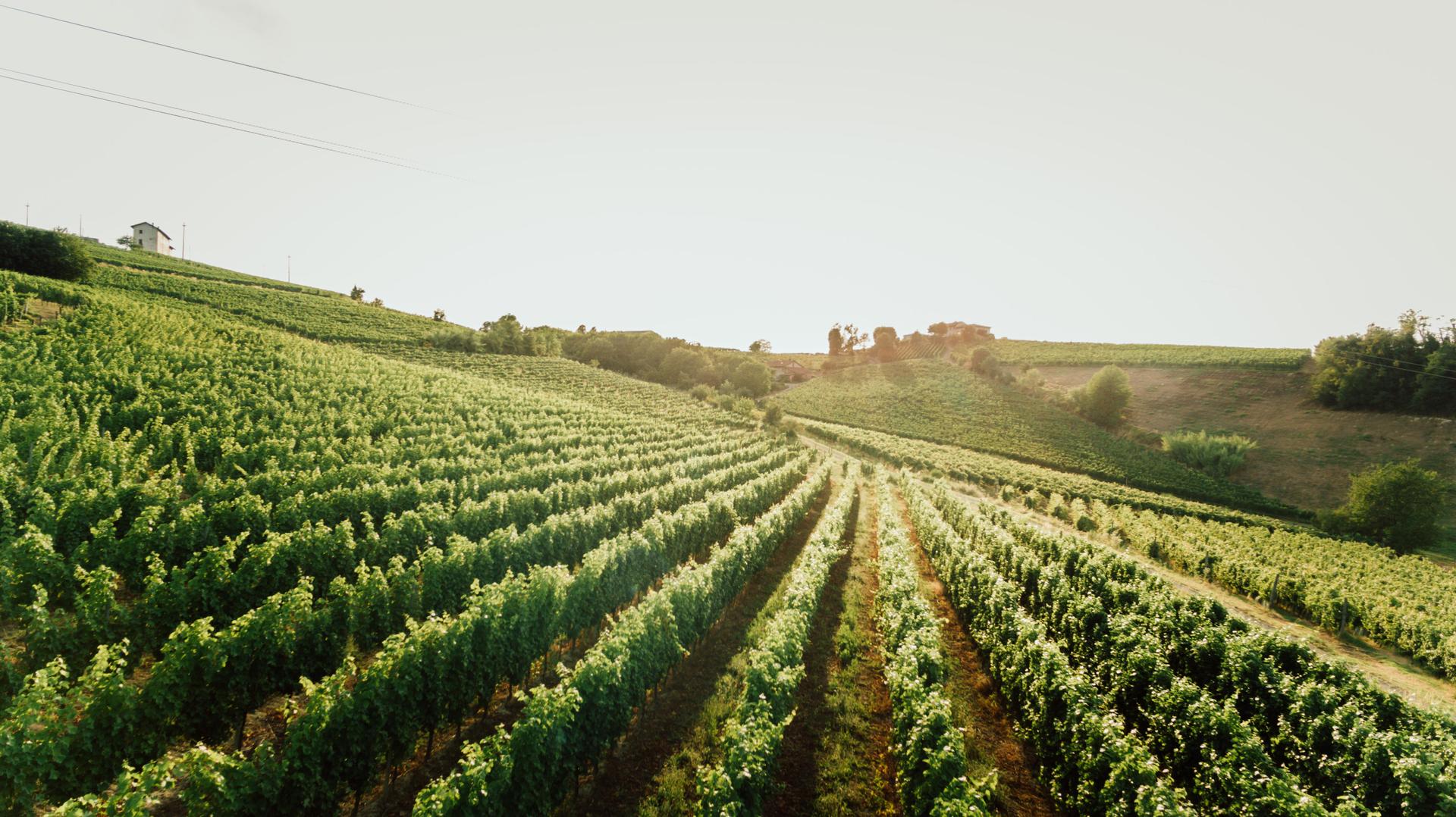
Dolcetto is one of Piedmont's three great red grapes, alongside Nebbiolo and Barbera, but it sits in a different register from both. Where Nebbiolo demands years of ageing and Barbera brings bright acidity, Dolcetto is the everyday wine of the region — approachable young, deeply coloured, and built around soft tannin rather than sharp edges. The name means 'little sweet one', though the wines are dry; it refers to the grape's relatively low natural acidity and the gentle sweetness of the fruit when fully ripe. Its heartland runs across the Langhe and Monferrato hills in southern Piedmont, with the appellations of Dolcetto d'Alba, Dolcetto di Dogliani, and Dolcetto d'Asti each producing wines with their own character. Dogliani in particular — now with its own DOCG — is considered by many growers to give the most serious expression of the variety, with more structure and ageing potential than the Alba version. You will find producers working with Dolcetto across the Piedmont wines page, and many also grow Nebbiolo and Barbera on the same estates.
How Dolcetto tastes, and what to drink it with
Dolcetto produces deeply pigmented red wines — almost purple when young — with aromas of black cherry, liquorice, and dried violet. The tannins are firm but rounded rather than grippy, which makes the wines easy to drink without much time in the cellar, though good examples from Dogliani or older vines in Alba will hold for five to eight years. The acidity is moderate, lower than Barbera, which makes Dolcetto particularly well suited to food with a degree of richness or bitterness. It is the classic pairing for northern Italian antipasti — cured meats, hard cheeses, chicken liver crostini — and it handles bitter greens and walnut-based dishes with ease. The bitterness in the finish that can occasionally appear in less ripe examples is not a flaw but a structural trait of the variety; in a good vintage it reads as savoury depth rather than astringency. If you are exploring the grape across styles, the Italian red wines page gives a broader view of the range independent producers are working with across the country.
Buying Dolcetto wine direct from independent producers
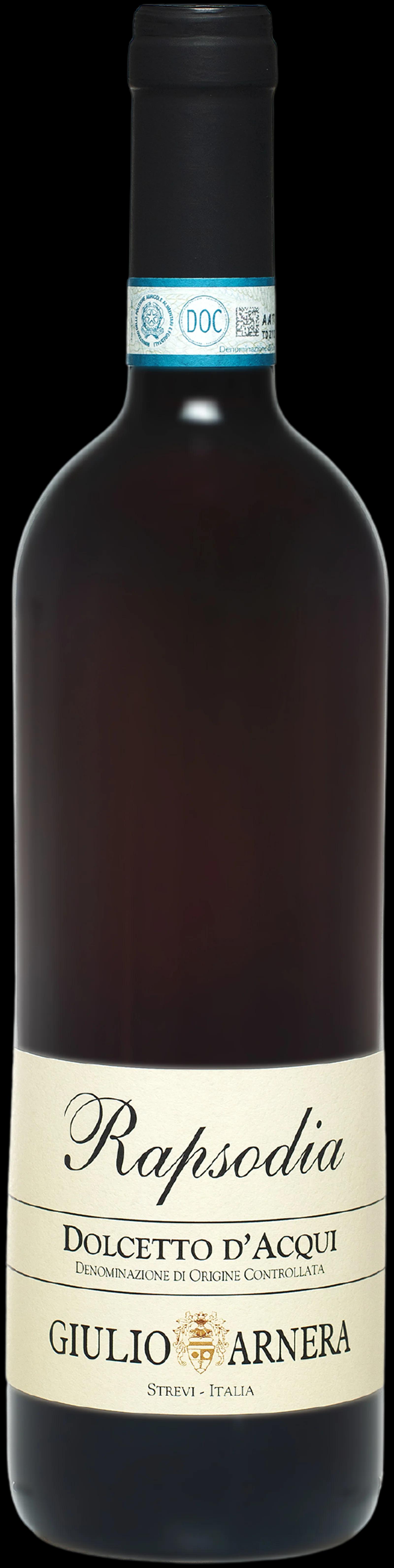
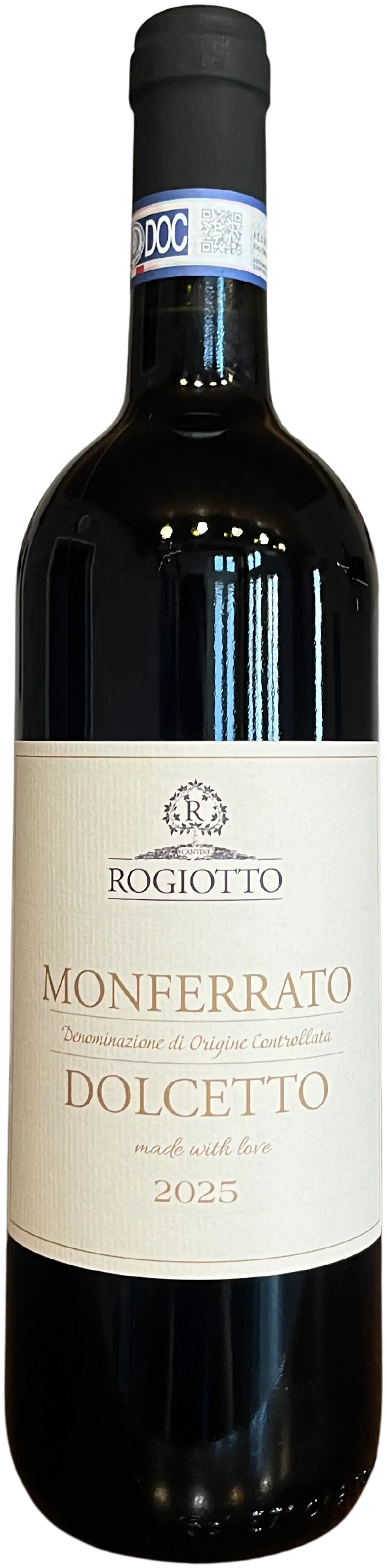
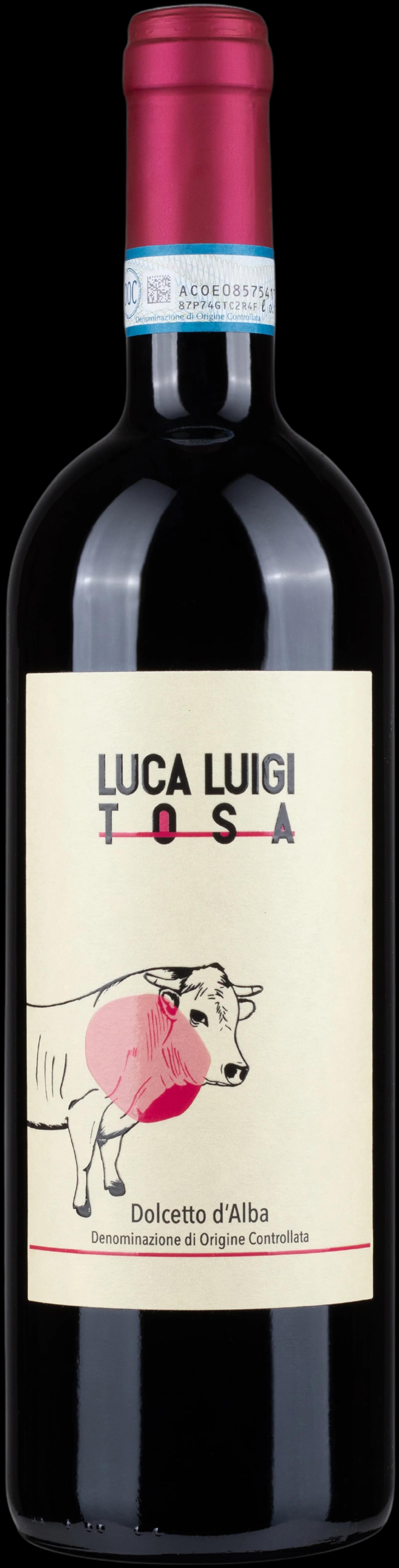
Most Dolcetto sold outside Italy passes through importers and regional distributors before it reaches a shop shelf, which tends to compress the range — only the most commercially viable bottlings travel. Buying through Free Grape Society removes that filter: producers list their own wines, set their own prices, and ship directly from their cellar. That means you can access estate bottlings, single-vineyard cuvées, and older vintages that would not typically appear in retail. The independent growers on Free Grape Society working with Dolcetto are based overwhelmingly in Piedmont, where the grape has been cultivated for centuries and where its role in the local food culture keeps it central to what producers make for themselves as much as for export. If you want to explore beyond Dolcetto into the wider context of Piedmontese winemaking, the Piedmont wineries page shows the estates in the region, and the Italian wines page covers the full breadth of varieties and regions the producers on the platform work with. Free Grape Society is a society of producers, independent experts and wine lovers — not a shop — and wines are tasted before listing.