Where Durella comes from and what makes it unusual
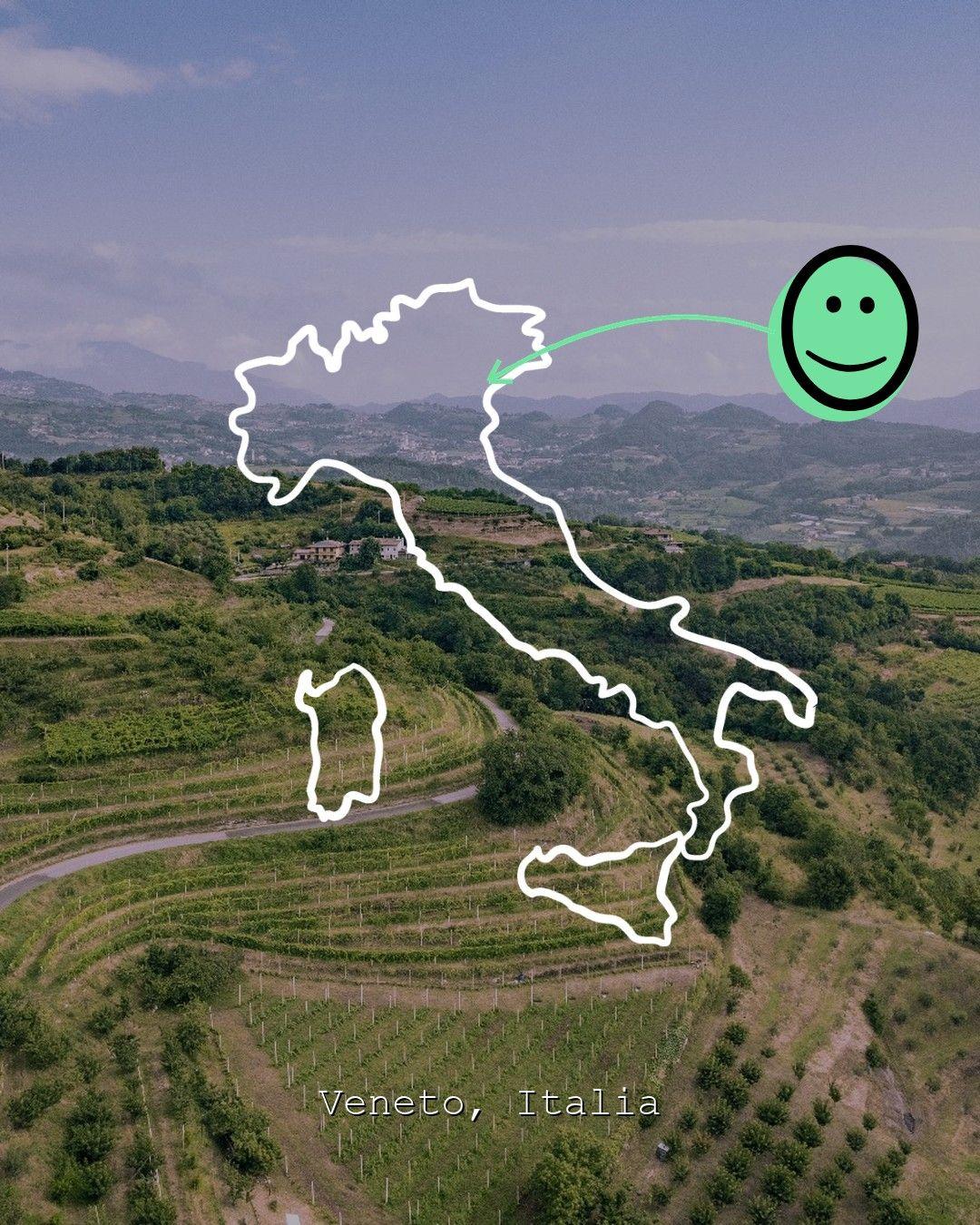
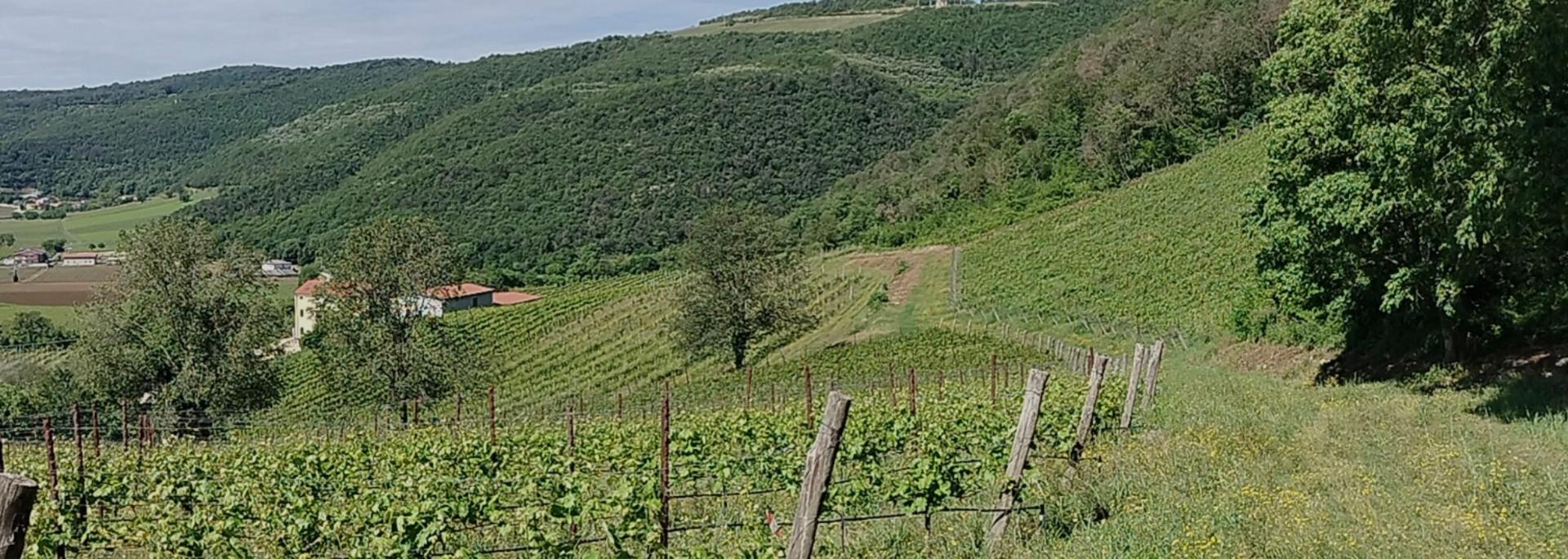
Durella is a white grape native to the Veneto and Trentino-Alto Adige regions of northeast Italy, grown at altitude in the Lessini hills and the broader Monti Lessini zone. It is one of Italy's most acid-retentive varieties — the name is thought to derive from the Italian word for hard, a reference to both the thick skin and the high natural acidity that makes it difficult to ripen fully. That same acidity is also why it is prized: in warm vintages and at lower elevations where other whites turn flat, Durella holds its structure. The grape is closely associated with Lessini Durello DOC, where it is made both as a still wine and, increasingly, as a méthode classique sparkling wine aged on its lees. Producers working in the neighbouring Veneto and Trentino-South Tyrol regions sometimes blend it with Garganega or Chardonnay, though single-variety Durella shows the grape's character most clearly.
How Durella tastes and what to drink it with
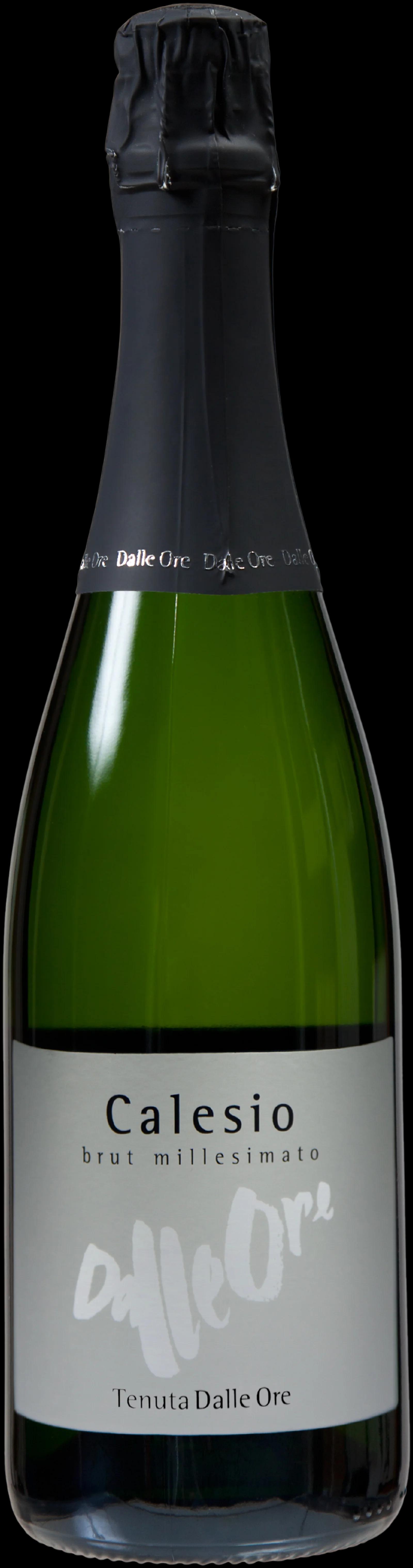
Still Durella is lean and taut — green apple, citrus peel, and a saline mineral edge that comes through clearly in wines from hillside sites. The finish tends to be long and dry. As a sparkling wine made by the traditional method, the high acidity integrates with extended lees contact to produce a structured, bread-dough and citrus profile closer to Champagne in character than to Prosecco. Both styles are notably food-compatible because the acidity cuts through fat and salt without dominating. Still Durella pairs well with freshwater fish, risotto, and the lighter lake and river dishes common in Veneto cooking. The sparkling version works across a wider table — fried food, aged cheese, and simple seafood all benefit from the wine's clean, bracing finish. For sparkling wines from nearby in Italy's north, the Lombardy mixboxes and Veneto mixboxes pages show what independent producers in the region are currently bottling.
Buying Durella wine direct from independent producers
Durella remains genuinely niche outside its home region, which means it is rarely stocked in supermarkets and seldom reaches specialist retailers far from northeast Italy. Most of the producers who grow it are small estates that sell primarily at the cellar door or through direct channels. On Free Grape Society, each bottle is shipped directly from the producer's own cellar, with no importer or warehouse in between — which is how wines like Durella, made in small quantities by estates without large distribution networks, can reach buyers across Europe. Free Grape Society is a society of producers, independent experts and wine lovers, not a shop. If you are new to the variety, the broader Italian white wines page gives context on the regional styles Durella sits alongside, and the Veneto wineries page shows which independent estates from the region are currently available.