Winemaking traditions and grape varieties in the Veneto
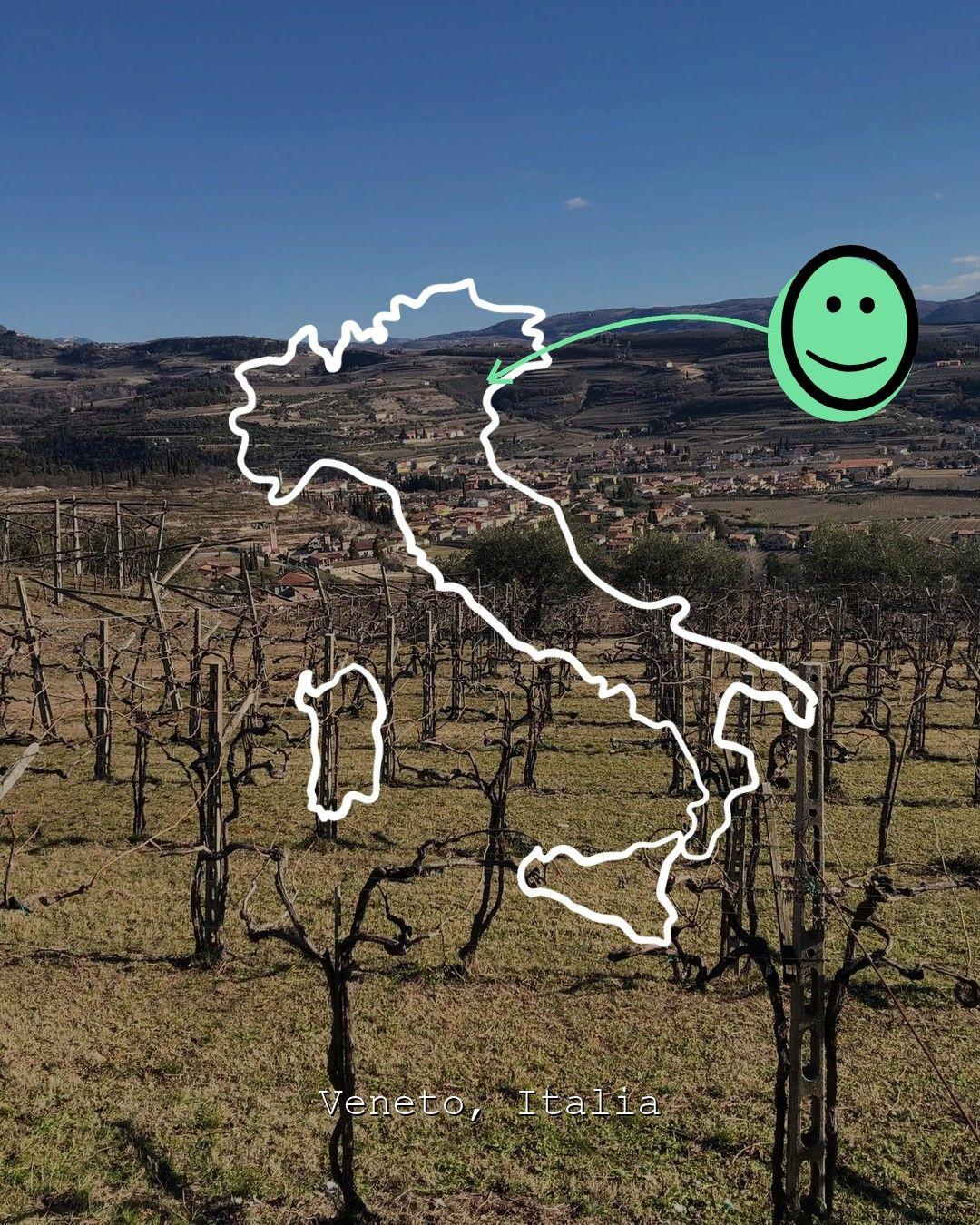
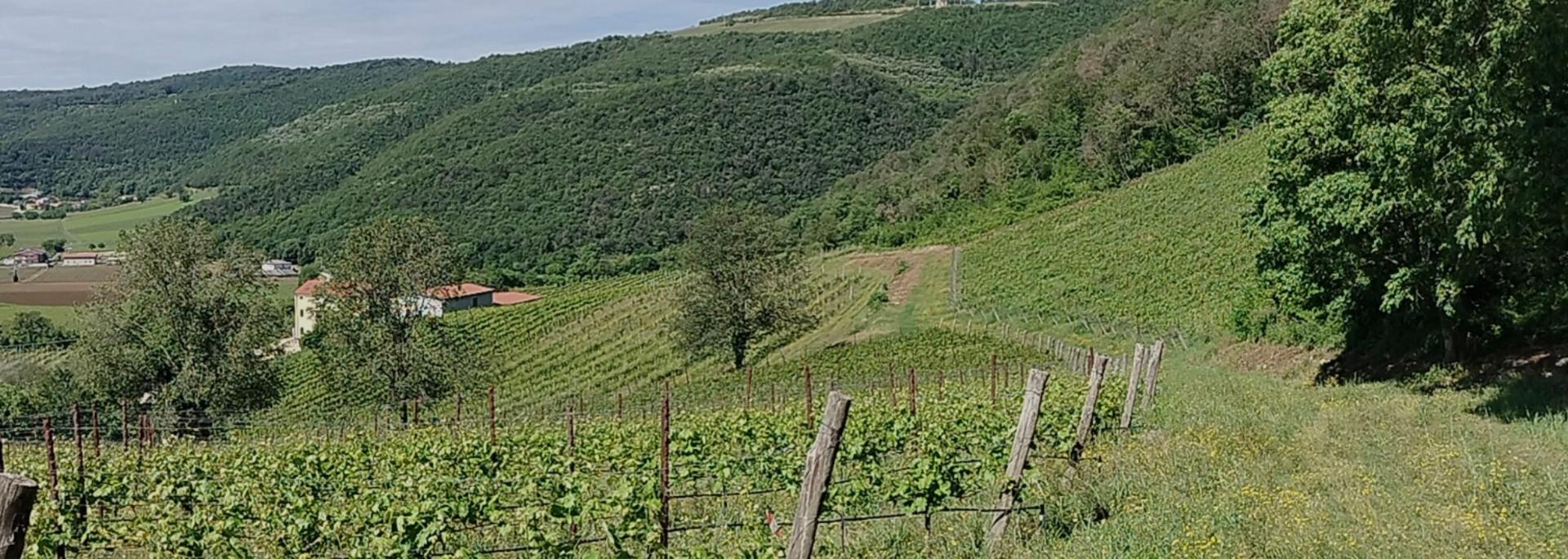
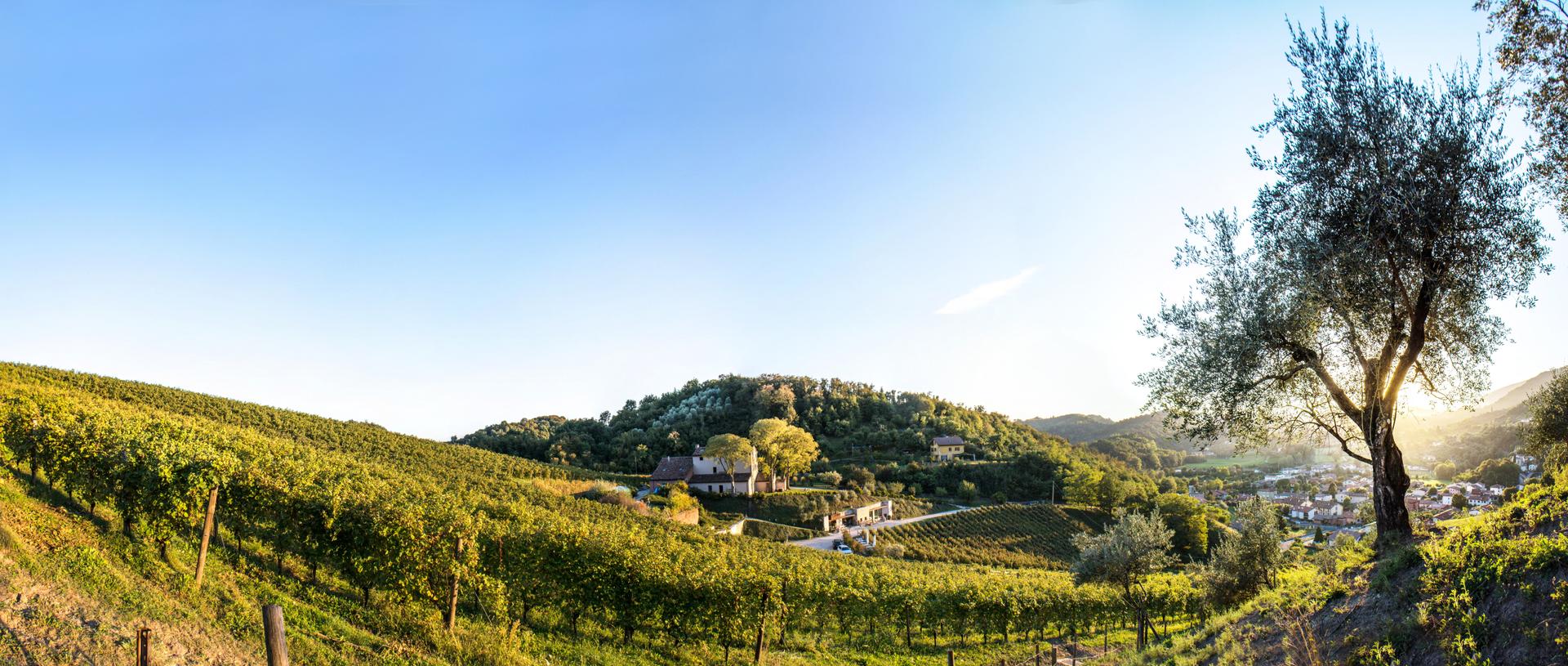
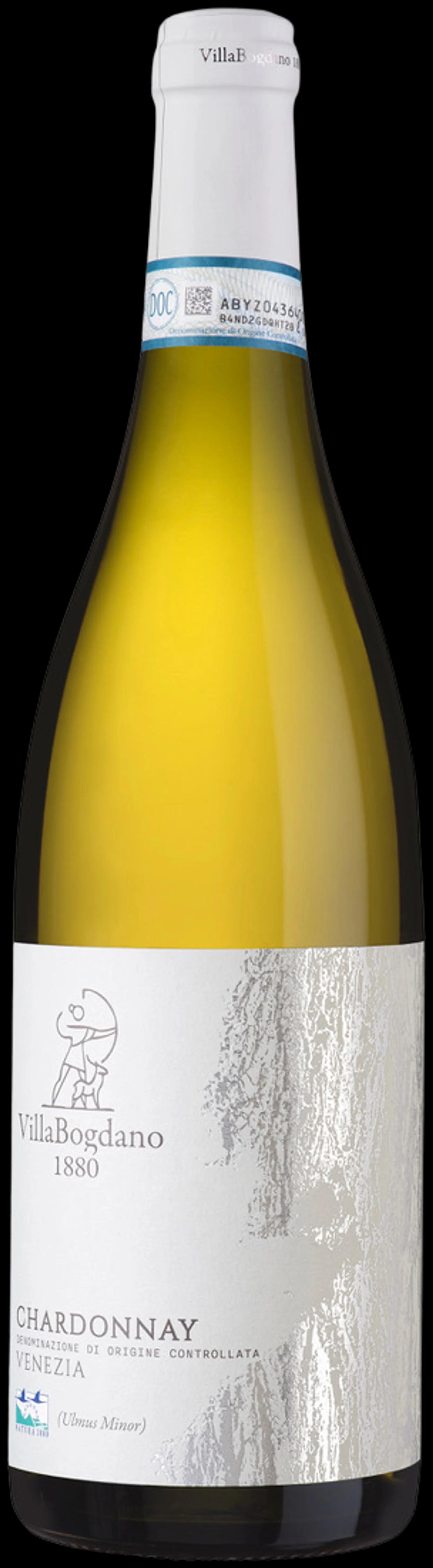
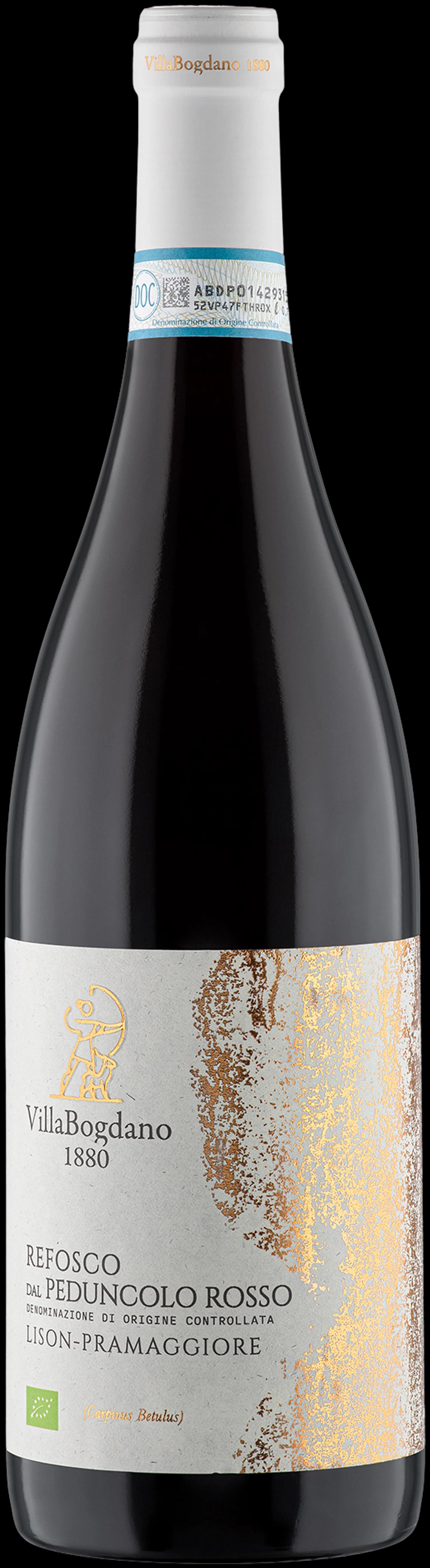
The Veneto is Italy's largest DOC wine-producing region by volume, but volume tells only part of the story. The region runs from the Dolomite foothills in the north down to the Adriatic plain, and the elevation difference of over 1,000 metres between those two points creates conditions that have almost nothing in common. Garganega is the dominant white variety, forming the backbone of Soave and Gambellara. At its best — from low-yielding old vines on volcanic basalt soils in the Soave Classico zone — it produces wines with a mineral tension that the grape rarely shows elsewhere. Corvina anchors most of the red blends, including Valpolicella, Ripasso, and Amarone della Valpolicella. The drying technique used for Amarone, called appassimento, reduces fresh grapes to roughly 40% of their original weight over three to four months before pressing. The result is not simply a concentrated wine: the biochemical changes during drying produce compounds that do not exist in fresh-pressed juice. Pinot Grigio from the eastern Veneto plains accounts for a significant share of the region's exported volume, though the high-yield, low-price segment does not reflect what the variety produces in the hillside zones of Colli Euganei or Breganze.
Appellations that define Veneto producers
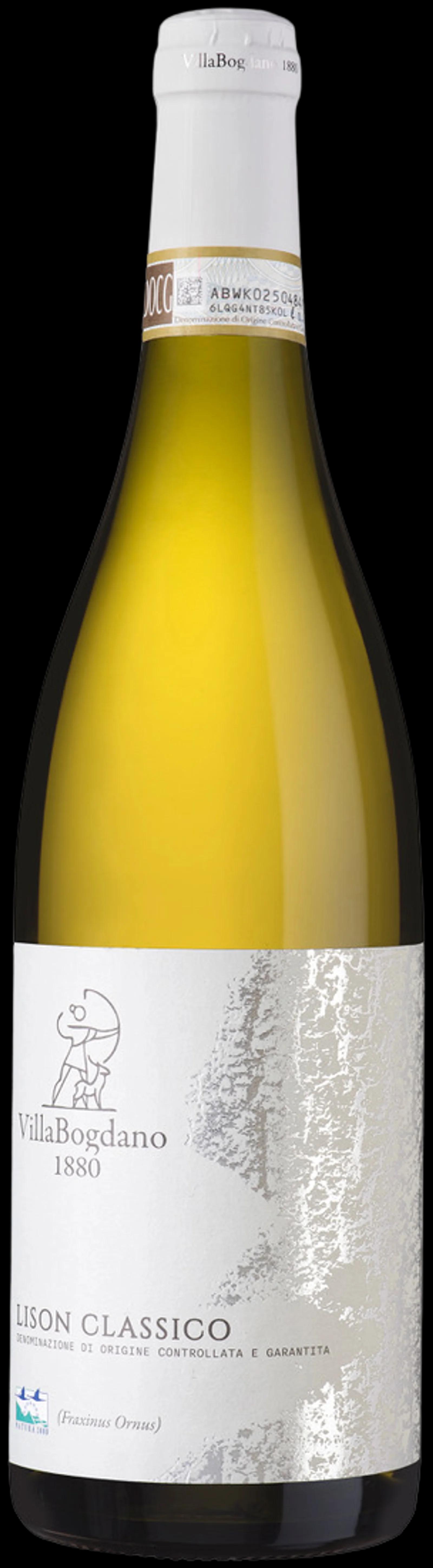
The Veneto contains 29 DOC zones and 14 DOCG designations. Three appellations carry the majority of international recognition. Amarone della Valpolicella DOCG requires a minimum of 45% Corvina or Corvinone, a minimum of 24 months ageing for standard bottlings, and 48 months for Riserva. Soave Classico DOC covers the original hillside zone around the villages of Soave and Monteforte d'Alpone — a significantly smaller area than the broader Soave DOC, which extended onto the flat plain in 1968 to accommodate industrial production. Prosecco DOC stretches across nine provinces in two regions, while Conegliano Valdobbiadene Prosecco Superiore DOCG is the smaller, hillside zone within it. The 107 single-vineyard Rive designations within Conegliano Valdobbiadene, introduced in 2009, identify plots at specific altitudes and aspects. The terraced hillsides of Valdobbiadene were added to the UNESCO World Heritage List in 2019. Producers working within these tighter appellations operate under yield caps and geographic constraints that flat-land Prosecco DOC producers do not face. The difference shows in the glass and in the price — and the reasons behind both are worth understanding before ordering.
How Veneto producers work with Free Grape Society
Every producer listed on Free Grape Society was quality-vetted before going live. Producers send samples to our Head of Product, who tastes every wine before it is listed. Independent wine experts Rate & Review individual wines on the platform — their assessments are visible on the wine page and on the expert's own profile, so you can follow a specific palate over time. Free Grape Society is built so that producers set their own prices and own their own listings. No buyer with quarterly targets. No chain defending shelf space. The producer decides if they want to be here, and what is here. For Veneto producers in particular — many of them family estates that have worked the same hillside for three or more generations — that structure matters. Bottles ship from the producer's cellar, not from a redistribution warehouse. Browse the Veneto wineries listed on the platform, or cross-reference with Italian wines by colour to see which estates produce across multiple styles. You can also compare with producers from neighbouring Friuli Venezia Giulia, Trentino-South Tyrol, or further south in Tuscany and Piedmont.