




Where Pinot Gris is grown — and what it becomes
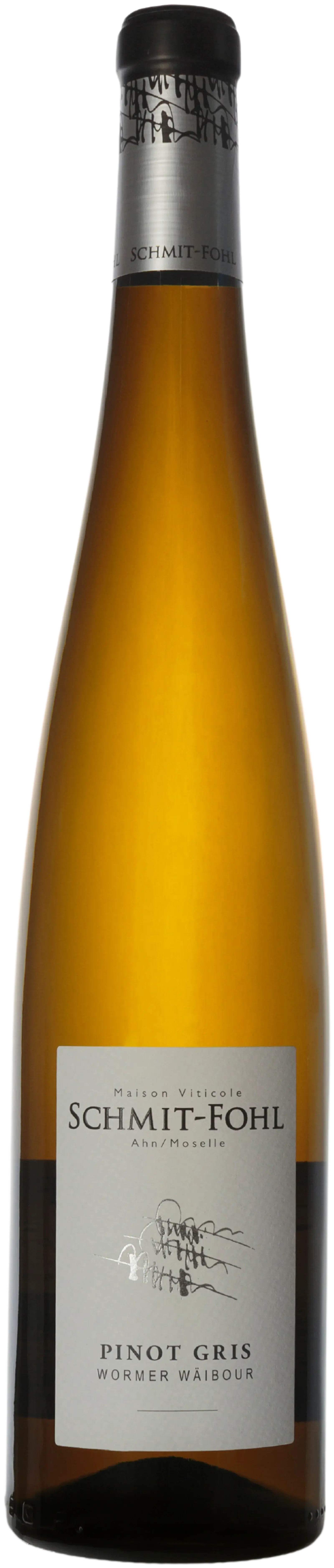
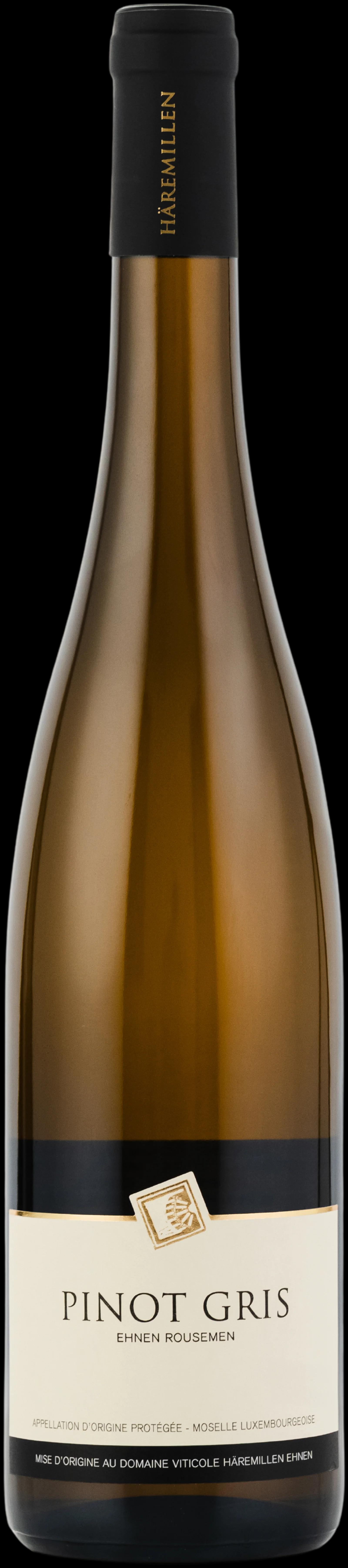
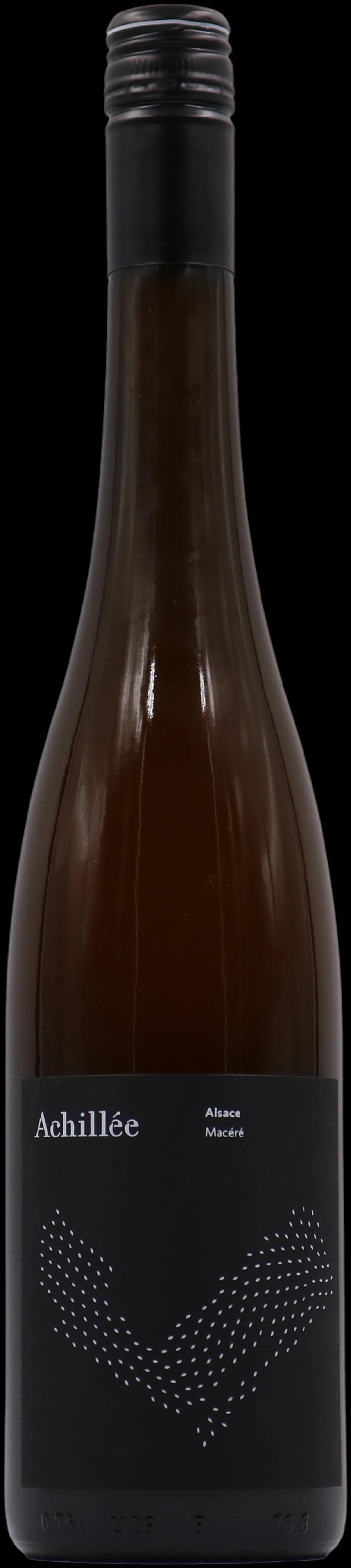
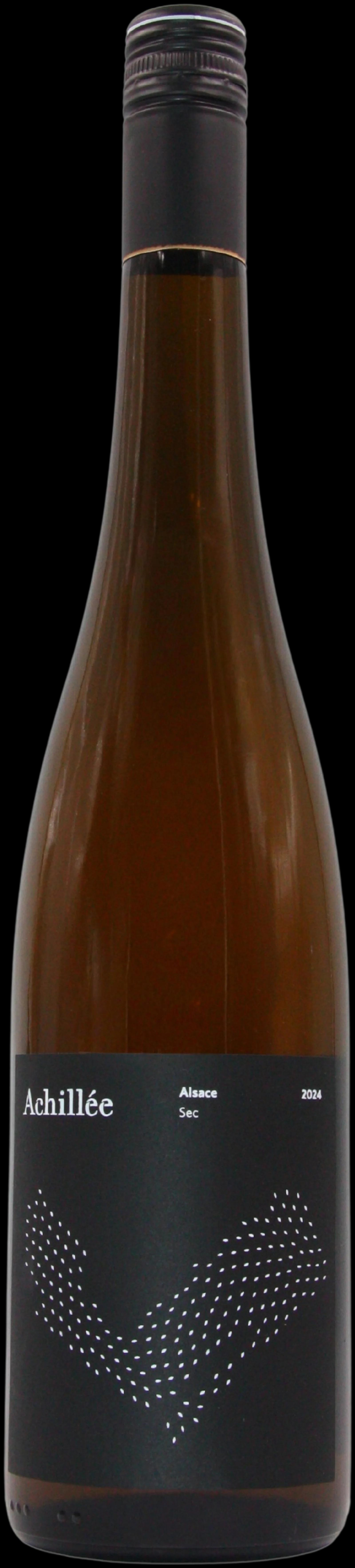
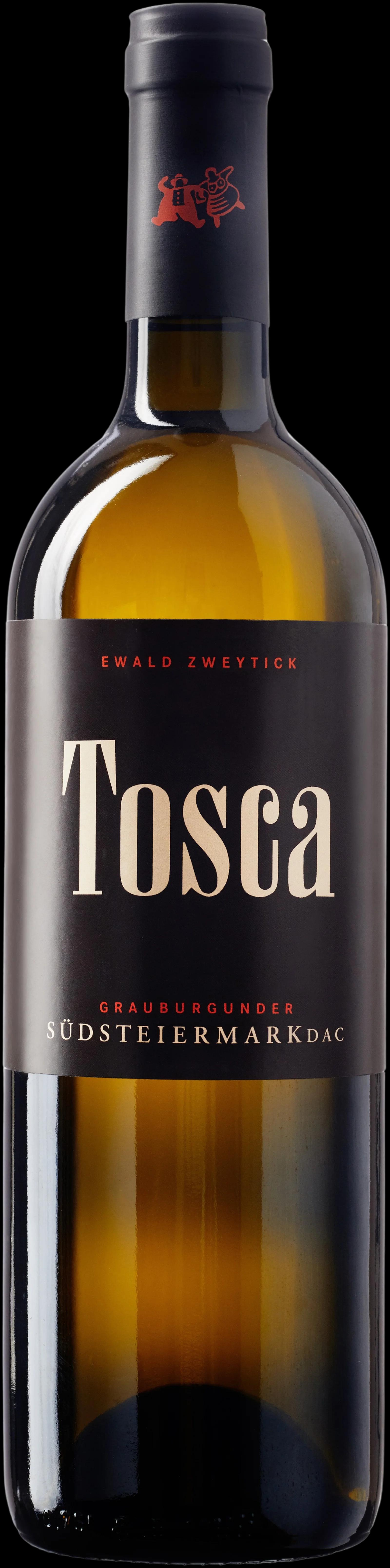
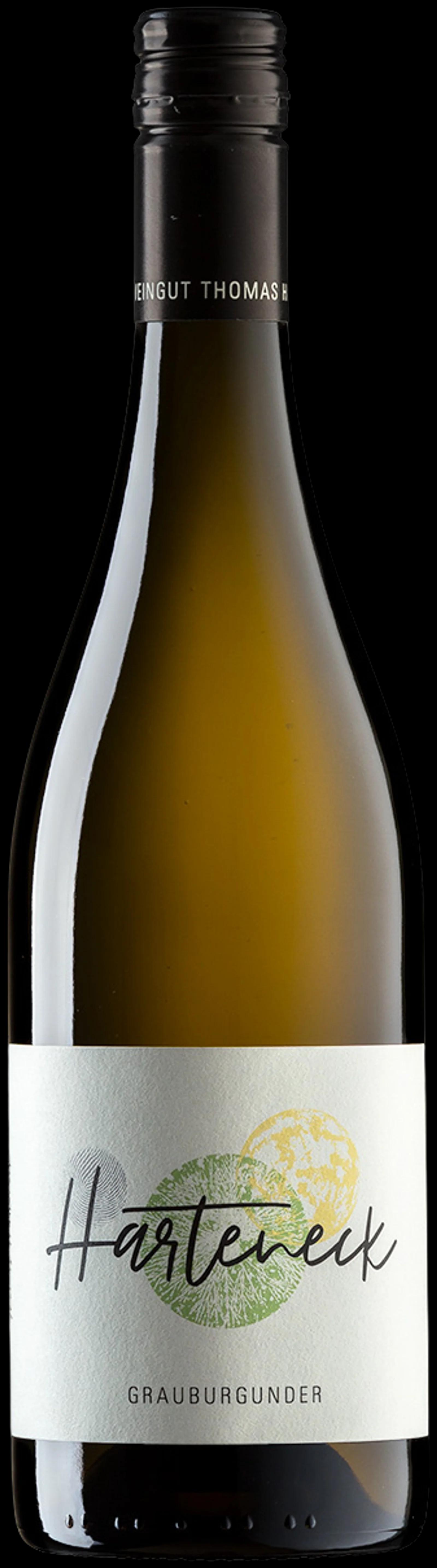
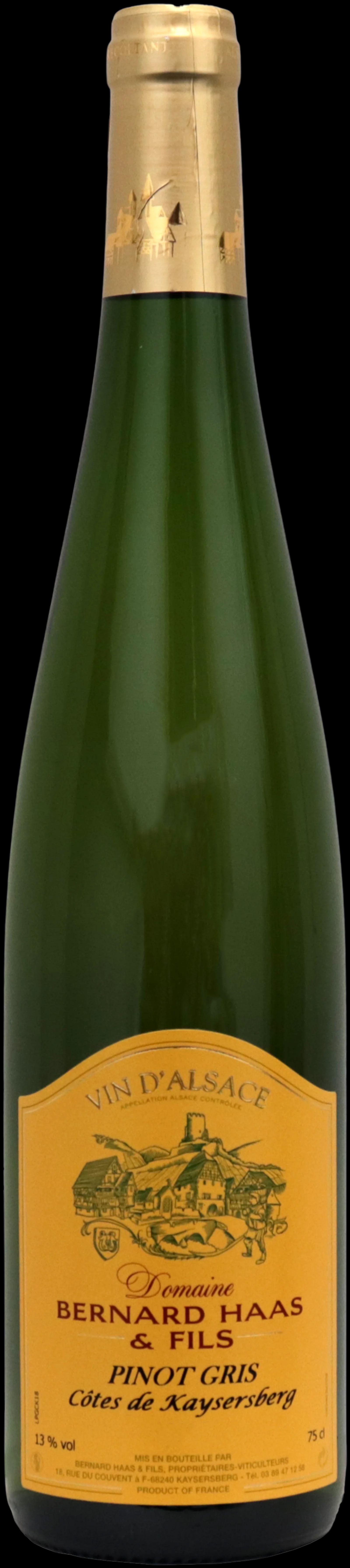
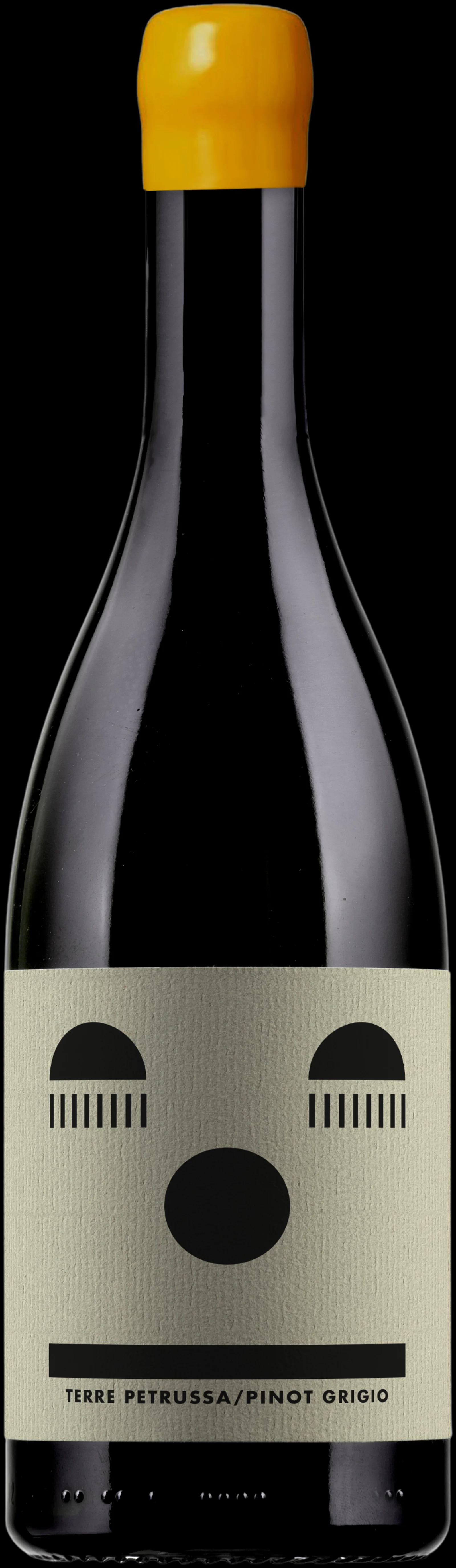
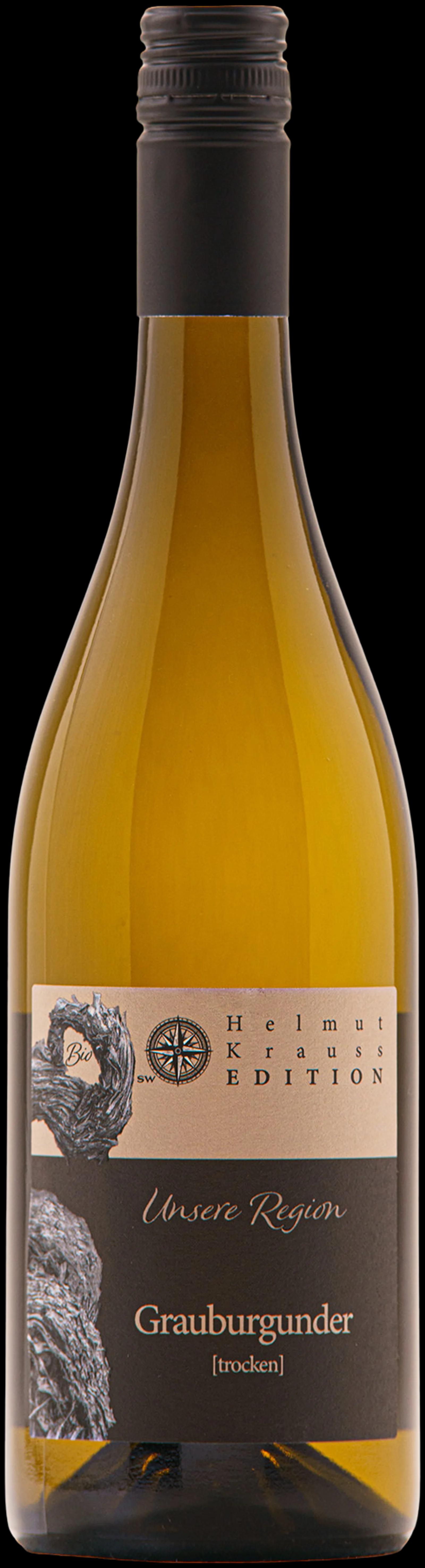
Pinot Gris is the same grape in Alsace and Alto Adige, in Oregon and Oltrepò Pavese — but what it becomes in each place is markedly different. In Alsace, it tends toward full-bodied, richly textured whites, sometimes with residual sugar and real ageing potential; an Alsatian Pinot Gris can hold for a decade or longer. In Friuli Venezia Giulia, the grape is often pressed early for a crisp, clean white sold as Pinot Grigio — pale-skinned and light in body. The same producers in Friuli, working with extended skin contact, produce amber-coloured wines with tannin, grip, and a drying finish — a style now marketed internationally as orange wine. In Germany, where it travels under the name Grauburgunder or Rulander, it sits stylistically between the two poles: dry, structured, with a mineral edge. In Italy more broadly, Pinot Grigio is the country's most exported white wine by volume, though the category spans everything from neutral bulk production to genuinely serious estate bottles from the northeast. The grape's pink skin — darker than most white varieties — is the reason it can produce everything from a pale straw still wine to a deeply pigmented skin-contact expression, all from the same variety.
The taste profile of Pinot Gris
Pinot Gris in its conventional white-wine form has a lower natural acidity than Riesling or Sauvignon Blanc, which gives it a broader, rounder texture on the palate. Aromatically it tends toward stone fruit — white peach, apricot, quince — with a smoky or spiced background that is most pronounced in Alsatian expressions. Residual sugar, when present, is rarely disclosed on the label, which can make style difficult to predict from label reading alone. Skin-contact versions — where the juice ferments on the grape skins for days or weeks — shift the profile entirely: tannin appears, the colour deepens toward amber or copper, and the fruit character moves from fresh stone fruit toward dried apricot, walnut skin, and tea. Orange wines made from Pinot Gris are among the more structured examples of the category, with enough grip to accompany food that would overwhelm a conventional white. Producers who work with both styles — conventional and skin-contact — often do so with fruit from the same vineyard, making the vinification choice the defining variable, not the terroir.
How Pinot Gris producers differ in approach
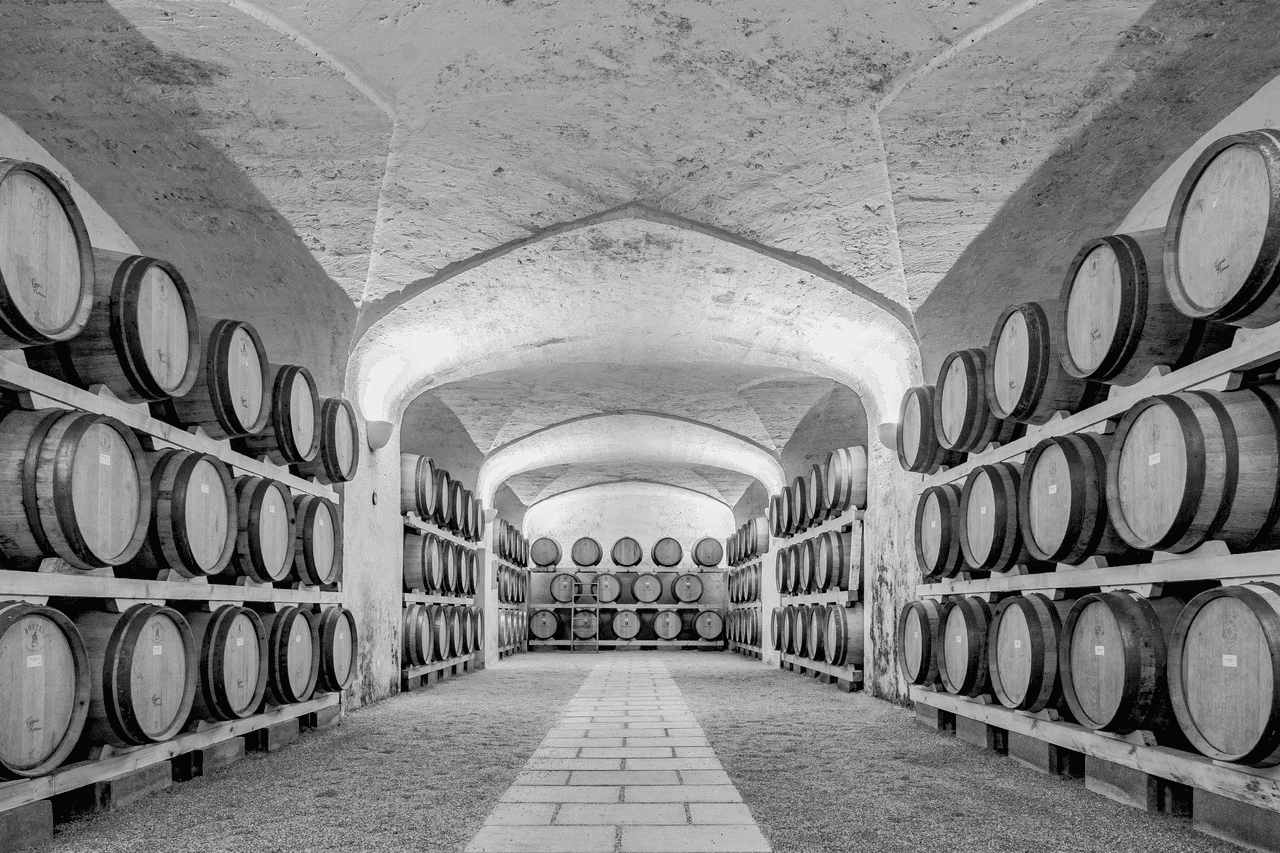
The clearest dividing line between Pinot Gris producers is pressing timing and skin contact. Early pressing with minimal skin contact gives a pale, fresh wine; longer maceration gives colour, texture, and tannin. Beyond that, the key decisions are fermentation vessel (stainless, large oak, amphora) and whether to bottle with residual sugar or take the wine to dryness. Producers in Alsace have historically used natural residual sugar as a stylistic tool, though the category labelling — Vendange Tardive, Sélection de Grains Nobles — is regulated and declared. Producers in Friuli Venezia Giulia and Trentino-South Tyrol often work with the grape as a neutral base, with precision and restraint defining the house style. Growers who control their own production and bottle under their own name have the most latitude: they can choose maceration length, sugar level, and vessel without answering to a cooperative or a brand brief. The Pinot Gris wines listed on Free Grape Society come from producers who make those choices themselves — no intermediary determines the style, and no importer margin is added to the shelf price. Bottles ship from the producer's cellar directly. That is not the distribution model your supermarket works with.