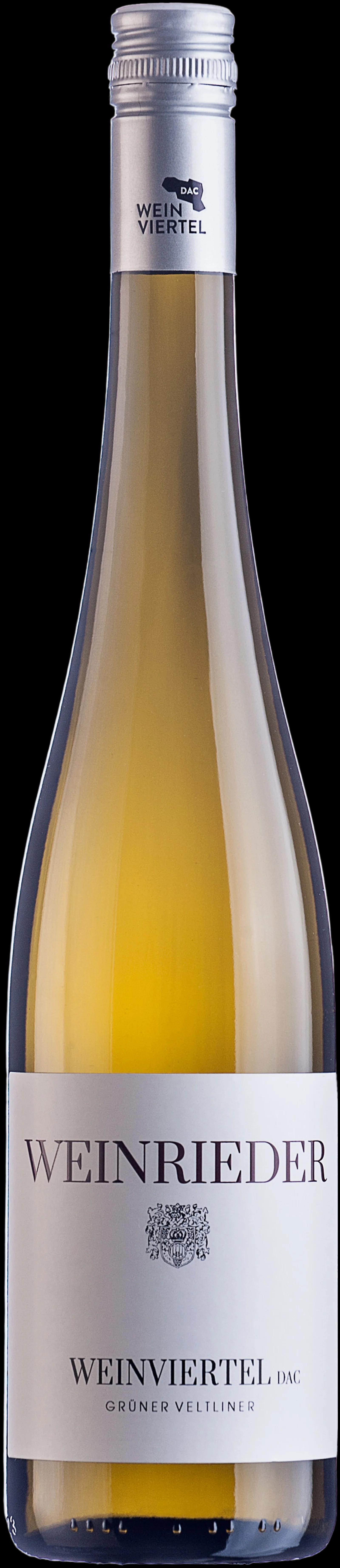
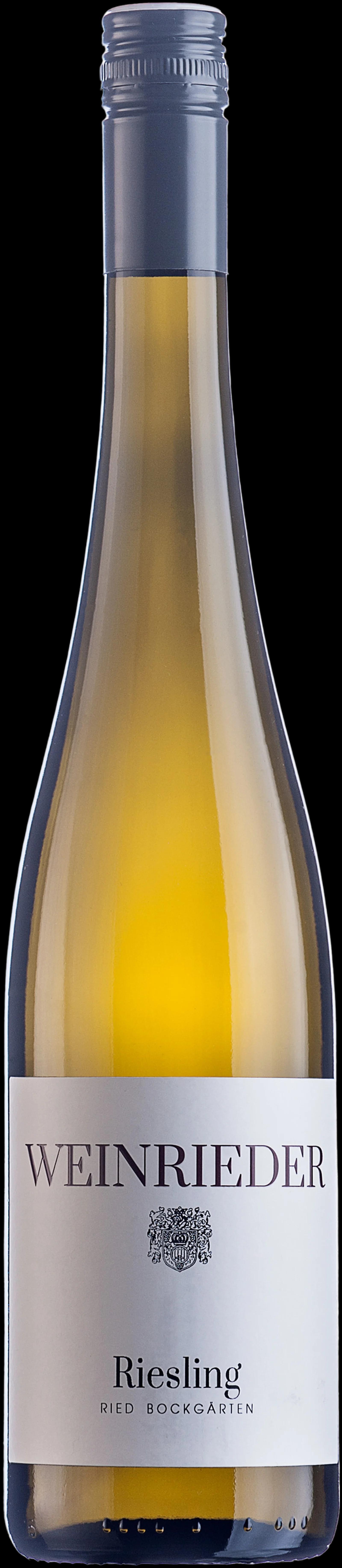
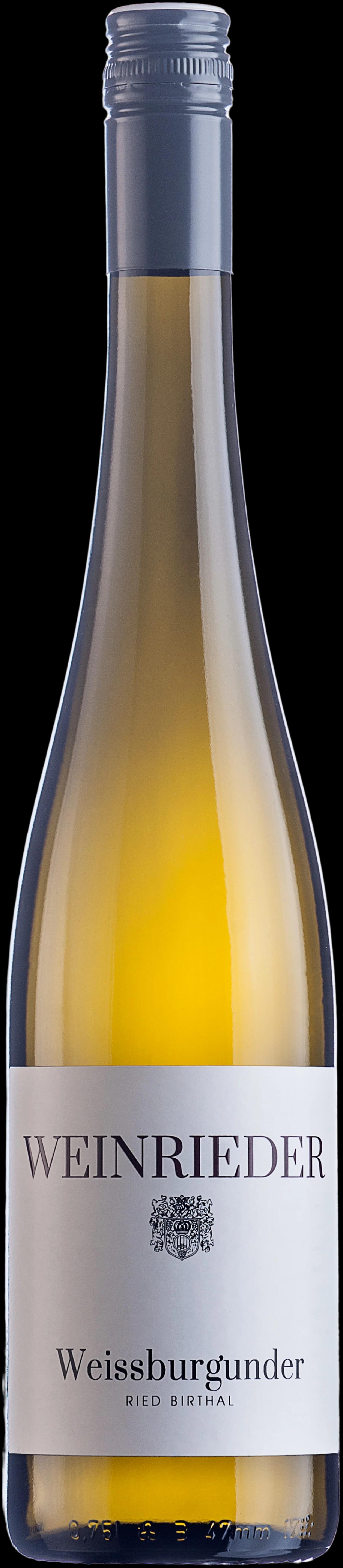
Grüner Veltliner, Riesling and Blaufränkisch from Austria's independent growers

Austrian wine is built on a handful of grapes grown nowhere else with quite the same result — Grüner Veltliner and Riesling in the north, Blaufränkisch in the east. Below, the independent producers behind them.

From the loess slopes of Niederösterreich to the warm shores of Burgenland, the terroir shifts with every valley.

Color

Dropdown arrow

Type

Dropdown arrow

Country (1)

Dropdown arrow

Region

Dropdown arrow

Grape

Dropdown arrow

Pairing

Dropdown arrow

Sort by

Sort arrow
Austria

Austrian wines

Austria is one of the few wine countries where a single indigenous grape — Grüner Veltliner — accounts for a third of all plantings, yet the style it produces varies sharply depending on where it grows. On the steep primary-rock terraces above the Danube, it is taut and mineral; on the loess and sand further east, it broadens and softens. On Free Grape Society, the producers here ship directly from their own cellars, with no importer or warehouse in between, so the wine reaches you as the grower bottled it.

Previous1 of 3Next

Wine cases

Austria's wine cases are each six bottles from a single producer, composed by the grower as their own introduction to their range — not a mixed selection from different cellars. A case from a Wachau estate might walk you from a young Federspiel to a more structured Smaragd; one from Burgenland might move through several expressions of Blaufränkisch. The producer chooses the six bottles, and the case ships directly from their cellar.

Austrian wineries

The producers listed here are mostly family-run estates, farming their own fruit and bottling under their own name. Austria's DAC system ties each appellation to a specific grape and style — Kamptal DAC means Grüner Veltliner or Riesling from the Kamp valley, Eisenberg DAC means Blaufränkisch from the south of Burgenland — so knowing the region tells you a great deal about what is in the bottle. If you are unsure where to start, the wine-advice service can help you find a grower whose style suits you.

Wine experts

Independent wine experts on Free Grape Society review wines they have personally tasted — rating them and leaving notes that sit on the wine page and on the expert's own profile. Several of the experts below have reviewed Austrian wines featured on this page. Their reviews reflect their own palate and judgement; they do not select which wines are listed or which producers appear on the platform.

Frequently asked questions

How do I order wine directly from an Austrian producer?

Browse the Austrian wineries below and open any producer's page to see the wines they have listed. Add bottles to your basket and check out — the order goes directly to that producer's cellar, and they ship it to your door. Delivery takes between 4 and 14 days, with an average of around 8 to 9 days from despatch.

What happens if a bottle arrives broken or doesn't taste right?

Send a photo to Free Grape Society customer support within 7 days of delivery. We will arrange a replacement or a refund. Because producers ship directly, quality issues are handled with the producer's direct involvement. Shared responsibility is built into how FGS works.

Can I order from more than one Austrian producer in a single order?

Yes. You can add wines from several Austrian producers to the same basket. Each producer ships their own wines separately from their own cellar, so you may receive more than one delivery. Each shipment is packed and despatched by the producer directly, with no central warehouse involved.

How long does delivery take?

Average delivery is 8 to 9 days from order to door. The full range is 4 to 14 days depending on the producer's location and your delivery address. Wines ship directly from the producer's cellar, not from a central warehouse.
How do I find an Austrian producer whose style suits me?

Start by region if you have a preference — Niederösterreich for Grüner Veltliner and Riesling, Burgenland for fuller reds and sweet wines, Steiermark for aromatic whites. Or browse by grape variety. Each producer's page describes how they work, what they grow, and which wines they have listed. If you are still unsure, use the wine-advice service and an independent wine expert can point you in the right direction.
How does Free Grape Society decide which Austrian producers to list?

Producers send samples, and those wines are tasted before any of them is listed. The process looks at how a producer works — whether they farm their own fruit, how they treat their land, and whether their prices are fair to both grower and buyer. Wines that are listed are then open to review by independent wine experts who rate bottles they have personally tasted.

Which Austrian wine expert can recommend something for me?

Several independent wine experts on Free Grape Society have reviewed Austrian wines and can offer personal recommendations. Open any Austrian wine page to see expert reviews attached to that wine, or browse the wine experts listed on this page and read their profiles to find one whose background or region focus suits you. You can submit a question through the wine-advice form and an expert will respond.

Why don't you carry every wine from every Austrian producer you work with?

A producer's full range can be large, and not every wine travels or stores well for direct shipment. The wines listed are the ones the producer has chosen to offer through Free Grape Society — typically their core range and any wines they are particularly proud of. If a wine you are looking for is not listed, you can ask through the wine-advice service and an expert may be able to help.

Can I buy Austrian wine directly if I live in a country with a state retail monopoly?

Yes. Free Grape Society operates as a direct-trade marketplace, so producers ship to customers in markets where state retail monopolies cover domestic sales. The wine is ordered through Free Grape Society and fulfilled by the producer from their own cellar, which is a different channel from domestic retail. Check the delivery options at checkout for your specific country.

Wine regions of Austria

Austria's wine geography is compact but internally diverse. Niederösterreich accounts for roughly 60% of total production and contains some of the country's most consequential subzones: Wachau, Kremstal, Kamptal, and Traisental. These are cool-climate river valleys where Grüner Veltliner and Riesling reach unusual precision and mineral tension. The Wachau alone operates under its own internal classification system — Steinfeder, Federspiel, and Smaragd — that predates Austria's national DAC appellation framework and is not legally codified but is widely followed by producers. Burgenland, to the southeast, is a warmer region bordering Hungary. The shallow Neusiedlersee lake creates microclimatic humidity that historically supported noble rot production, giving Austria one of Europe's most credible traditions in botrytised sweet wine. Today, Burgenland is equally known for structured reds, particularly from Blaufränkisch, a grape that expresses cooler vintages with notable grip and darker fruit character. Steiermark — Styria in English — sits in the south and is almost entirely given over to white wine. Sauvignon Blanc performs atypically here, retaining acidity at ripeness levels that soften it in warmer climates. The region's wines are among Austria's least exported, which means they remain underpriced relative to quality.

Grüner Veltliner and the grapes that define Austrian wine

Grüner Veltliner is not a relative of any widely grown international variety. It is Austria's own — planted on approximately 30% of the country's total vineyard area — and it produces a range of styles that most wine drinkers underestimate. At entry level, it is dry, light-bodied, and marked by white pepper. At the top of the quality pyramid, in single-vineyard Smaragd-level Wachau wines, it can age for 15 or more years and develop a complexity closer to grand cru white Burgundy than to anything in a casual category. Riesling covers a smaller share of Austrian planting but is concentrated in the best sites. Austrian Riesling is structurally distinct from both German and Alsatian expressions: it is typically drier than German styles and slightly less aromatic than Alsatian, with mineral character that reflects the gneiss and primary rock soils of the Wachau. Blaufränkisch is Austria's most significant red grape and the reference variety for Burgenland. It is related to Gamay and tends toward firm acidity, moderate tannin, and a signature spice character that holds better in cooler vintages. Zweigelt, a 1922 cross between Blaufränkisch and St. Laurent, is Austria's most widely planted red and dominates volume production. Producers working at higher quality levels generally favour Blaufränkisch for its structural range. White wines from Austria span from light-bodied Grüner Veltliner to full-weighted barrel-fermented single-vineyard expressions. Red Austrian wines are led by Blaufränkisch and Zweigelt, with smaller volumes of St. Laurent, a grape related to Pinot Noir that remains almost entirely unknown outside Central Europe.

Climate, terroir, and what shapes Austrian wine

Austria's vineyards sit at the continental edge of a temperate climate zone. The country shares a latitude band with Burgundy and parts of Germany, but its eastern position means hotter summers, colder winters, and sharper diurnal temperature swings than Atlantic-influenced wine regions at the same latitude. This temperature gap between warm days and cool nights is a primary driver of acidity retention in Austrian whites. The Wachau is shaped by two competing air masses: warm Pannonian air from the east and cool Atlantic air channelled through the Danube valley. The river itself moderates temperature and maintains humidity in a corridor where otherwise the continental climate would be too extreme for fine white wine. Loess soils dominate the flatter sites of Niederösterreich and produce Grüner Veltliner with a broader, more rounded texture. Primary rock — gneiss and granite — characterises the steep terraced vineyards along the Danube and tends to produce wines with more mineral linearity. Producers working small parcels on these sites often vinify them separately, which is why single-vineyard Austrian whites have become a distinct commercial and qualitative category. Austria's wine law was overhauled substantially after the 1985 glycol scandal, in which a small number of producers were found to have used diethylene glycol to artificially sweeten wines. The response was the strictest wine-testing regime in Europe at the time. It restructured the industry toward quality production and is a documented reason why Austrian wine regained and ultimately exceeded its pre-scandal export reputation within two decades. Bottles ship from the producer's cellar. Not from a warehouse in the Netherlands. That matters most for Austrian wines at the top of the quality tier, where storage conditions affect what reaches the glass.