Grüner Veltliner in Austria — soil, altitude, and acid structure
Grüner Veltliner is planted on roughly 30% of Austria's total vineyard area, making it the country's most widely grown variety by a significant margin. But that statistic obscures how differently the grape behaves across the country's wine regions. In Niederösterreich, which accounts for the bulk of Austrian Grüner Veltliner production, the grape grows on loess, loam, and primary rock soils depending on the sub-region. In the Wachau and Kamptal, steep terraced vineyards on granite and gneiss bedrock slow ripening and preserve acidity even in warm vintages. The result is a wine with high natural tension — not sharpness, but structural grip. In the Weinviertel, the largest Austrian wine region by area, lighter loess soils produce wines with less concentration but higher aromatic clarity. The peppery character associated with Grüner Veltliner — a compound called rotundone, the same molecule responsible for the spice note in cool-climate Syrah — is most pronounced in wines from lower-yield parcels on harder soils. Warmer sites in Burgenland push the grape toward fuller, rounder expressions, sometimes vinified with extended skin contact or in large oak. Producers working with Grüner Veltliner in Steiermark tend to produce a leaner, more reductive style, often compared structurally to northern Burgundy — though the grape itself has no relation to Chardonnay or any French variety. The comparison is a function of climate and winemaker intention, not genetics.
How Austrian Grüner Veltliner compares to the same grape grown elsewhere
Grüner Veltliner is grown outside Austria — in the Czech Republic, Slovakia, Hungary, and in small experimental plantings in California and New Zealand — but nowhere does it carry the same structural identity it has in Austria. In Czech Moravia, Grüner Veltliner is planted on lighter soils and generally vinified for earlier drinking, with less extraction and lower alcohol than its Austrian equivalents. The pepper note is present but softer. The difference is not simply terroir in the abstract sense: it is altitude, yield management, and a longer tradition of working specifically with this grape at the level of individual vineyard blocks. Austrian producers have mapped Grüner Veltliner by site classification since 2002 under the DAC system, distinguishing regional, village, and single-vineyard expressions with rules around minimum aging and maximum yields. No other country has developed an equivalent framework for the variety. That classification matters in practice: a single-vineyard Grüner Veltliner from a Kamptal DAC Ried site and a regional Weinviertel DAC wine are not different expressions of the same style — they are structurally different wines that happen to share a grape name. For a broader view of white wine from Austria beyond Grüner Veltliner, Riesling and Welschriesling represent the other two pillars of Austrian white wine production, though neither approaches Grüner Veltliner's planted area. Producers on Free Grape Society set their own prices. No importer, no wholesaler. The price you see is the price the producer agreed to.
Styles of Grüner Veltliner from Austria — from everyday to age-worthy
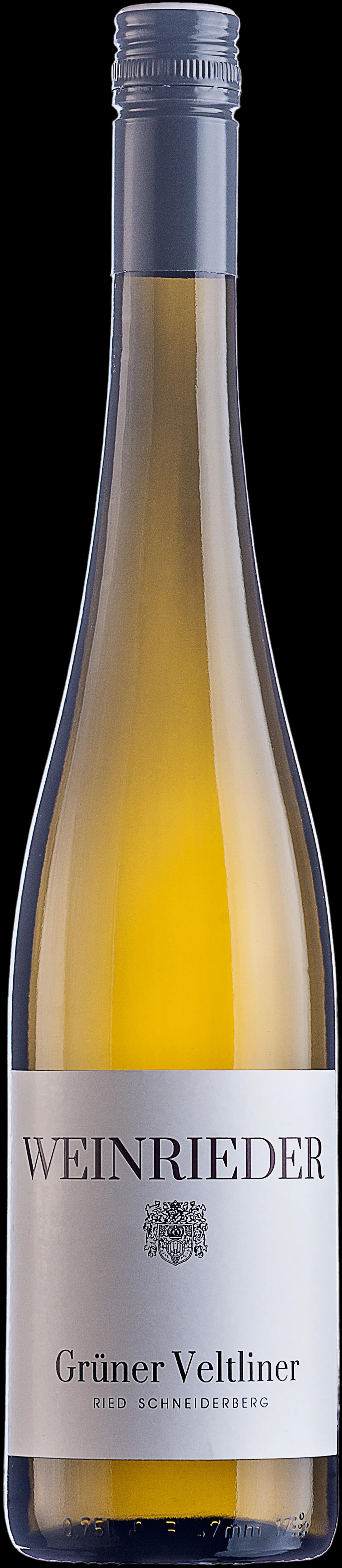
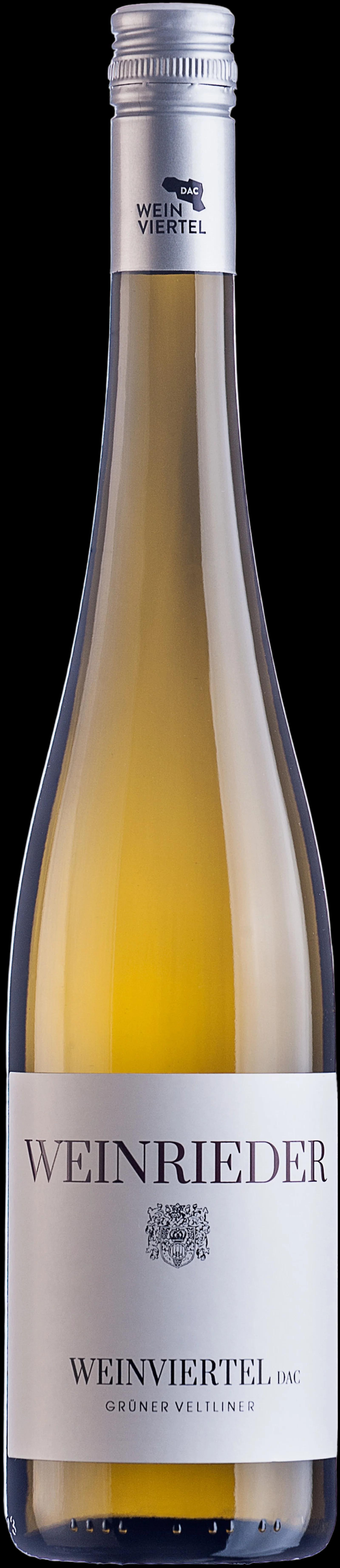
Austrian Grüner Veltliner covers more stylistic ground than most single-variety categories. At one end, Weinviertel DAC wines are designed for drinking young — light to medium body, high aromatics, under 12.5% alcohol in most vintages. At the other end, top single-vineyard bottlings from the Wachau's Smaragd classification reach above 14% alcohol and are built to develop in bottle for a decade or more. The Wachau uses its own classification system rather than DAC: Steinfeder (light, under 11.5%), Federspiel (medium, 11.5–12.5%), and Smaragd (full, over 12.5%). These thresholds are tied to the Wachau as a geographical unit and do not apply elsewhere in Austria. Between those poles, Kamptal and Kremstal producers often work with a middle register — enough concentration for short to medium aging, enough acidity to stay fresh. Barrel fermentation is uncommon in the leaner styles but appears more frequently in wines from warmer sites or producers who aim for texture over primary fruit. Skin-contact Grüner Veltliner exists but is a minority style. Most producers keep the wine in stainless steel or large neutral oak to protect the grape's characteristic green herb and white pepper notes. For wines from Austria more broadly, or to see how other white varieties compare, the white wines of Austria page covers the full range of grapes and producers represented on the platform.