Welschriesling: Austria's high-acid white grape, from Steiermark to Burgenland

Welschriesling wine is one of Austria's most planted white varieties, producing everything from bone-dry everyday whites to some of the country's finest late-harvest and Trockenbeerenauslese dessert wines. The producers below grow it across Austria's contrasting wine regions.

Crisp and nervy in cool Styrian hills, richer and botrytised along the Neusiedlersee — the same grape, two very different wines.

Color

Dropdown arrow

Type

Dropdown arrow

Country

Dropdown arrow

Region

Dropdown arrow

Grape

Dropdown arrow

Pairing

Dropdown arrow

Sort by

Sort arrow
Welschriesling

Welschriesling wines

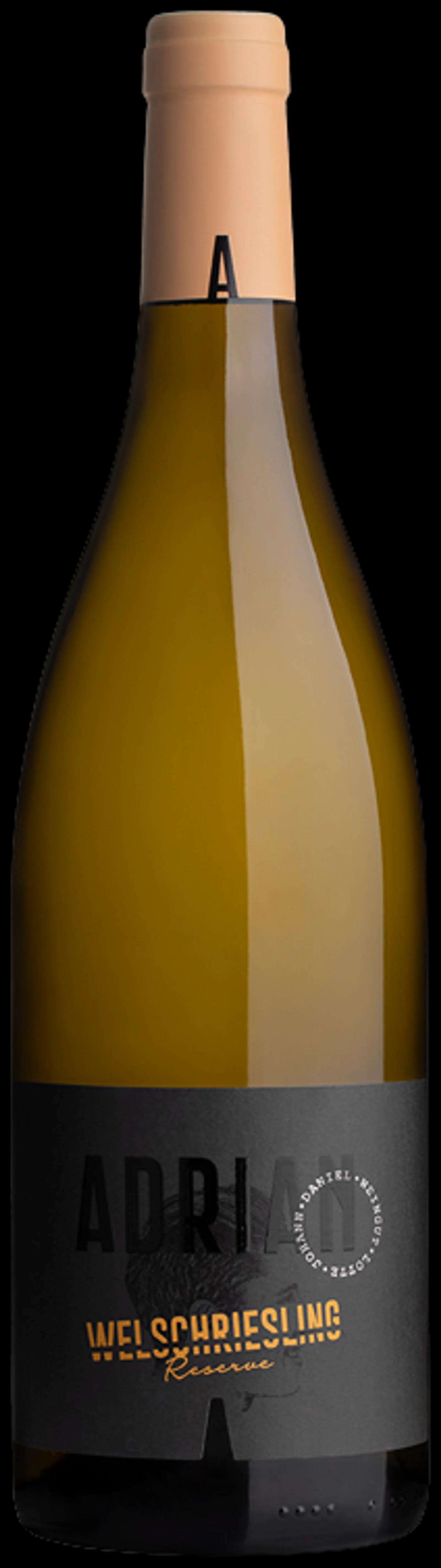
Welschriesling is unrelated to Riesling despite the name — it is a distinct variety, and one of Austria's most widely planted whites. In Steiermark it produces lean, high-acid wines with green apple and citrus character; in Burgenland, where warm autumns and the Neusiedlersee's mist encourage botrytis, it yields some of Austria's most celebrated sweet wines. The bottles below come directly from each producer's cellar, with no importer or warehouse between grower and buyer.

Previous1 of 1Next

Welschriesling wine cases

A wine case here is a producer's own selection of six bottles — the recommendation they would make if you stopped by the cellar. For a grape like Welschriesling, that often means tasting one estate's interpretation across dry, off-dry and late-harvest styles, where the variety's range comes into focus in a single delivery. Free Grape Society is a society of producers, independent experts and wine lovers, not a shop.

View all mixboxes

Wineries

The growers below work with Welschriesling in very different landscapes — some in the steep, cool slopes of Südsteiermark, others on the flat, warm plains around the Neusiedlersee. A producer's own notes explain how site and season shape their approach, and the wine-advice service is available if you would prefer to talk through the differences before choosing.

View all wineries

Wine experts

Independent wine experts on Free Grape Society review wines they have personally tasted, and those reviews appear on each wine page and on the expert's own profile. Several of the experts below have reviewed Welschriesling wines featured on this page, so you can read their assessments before deciding.

View all wine experts

Frequently asked questions

How do I order Welschriesling wine on Free Grape Society?

Browse the wines above and add bottles to your cart. Each bottle ships directly from the producer's cellar to your door. Orders include free shipping, and payment is handled securely by Klarna or card. Delivery typically takes 4–14 days depending on where you are and which producer you order from.

What happens if a bottle arrives broken or doesn't taste right?

Send a photo to Free Grape Society customer support within 7 days of delivery. We will arrange a replacement or a refund. Because producers ship directly, quality issues are handled with the producer's direct involvement. Shared responsibility is built into how FGS works.

Can I order Welschriesling from more than one producer in a single delivery?

Yes. You can add wines from different producers to the same order. Each producer ships their own bottles separately, so you may receive more than one delivery. All shipping is free regardless of how many producers you order from.

How long does delivery take?

Average delivery is 8 to 9 days from order to door. The full range is 4 to 14 days depending on the producer's location and your delivery address. Wines ship directly from the producer's cellar, not from a central warehouse.

How do I choose between the different styles of Welschriesling on this page?

Start with the region: Steiermark tends toward dry, high-acid wines with citrus and herb character; Burgenland produces richer styles, including late-harvest and botrytised wines. If you are unsure, the wine-advice service connects you with an independent expert who can suggest a bottle based on what you are eating or what style you prefer.

How does the selection of Welschriesling producers on Free Grape Society work?

Free Grape Society works with independent producers who sell and ship directly. Wines are tasted before listing by our Head of Product. The selection spans Austria's main Welschriesling-growing regions, with producers who bottle their own grapes rather than selling through négociants or cooperatives.

Which Welschriesling wine expert can recommend something for me?

The independent wine experts listed on this page have reviewed Welschriesling wines and can point you in the right direction. Fill in the wine-advice form to ask a specific question — about food pairing, style, region, or occasion — and an expert will respond with a personal recommendation.

Why don't you sell supermarket-brand Welschriesling wines?

Free Grape Society lists wines from independent producers who grow their own grapes and bottle under their own name. Supermarket-brand wines are typically blended and bottled by large négociants or cooperatives to a price point, rather than reflecting a single estate's terroir. The producers here are accountable for every bottle they ship.

Is Welschriesling the same grape as Riesling?

No — despite the name, Welschriesling and Riesling are genetically unrelated. Riesling is a German variety known for aromatic intensity and age-worthiness; Welschriesling is a separate grape, widely grown in Austria and Central Europe, valued for its high acidity and its capacity for both dry whites and late-harvest sweet wines.

Where Welschriesling comes from and what the name means

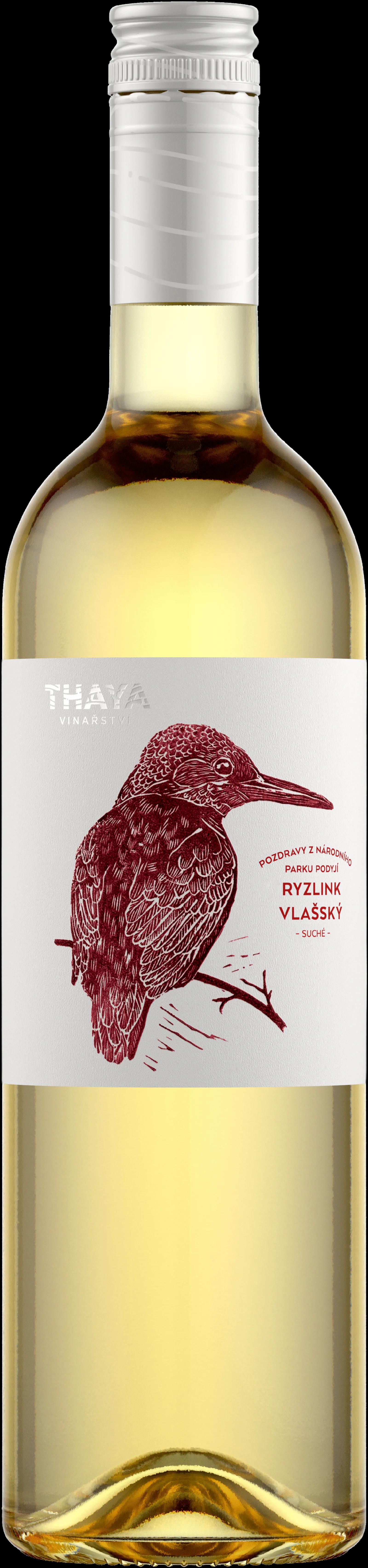
Welschriesling is a white grape variety grown widely across Central Europe, particularly in Austria, Slovenia, Croatia, and the Czech Republic. Despite sharing part of its name with Riesling, it is an entirely different grape with no known genetic relationship. The name is thought to derive from an old Central European word for "foreign" or "Romance," suggesting the variety arrived from somewhere to the west, though its exact origins remain uncertain. In Austria, where it is most prominent, it ripens relatively late and performs especially well in Niederösterreich, Burgenland, and Steiermark. In the Czech region of Moravia, it is one of the most planted white varieties, often called Ryzlink vlašský. Across these regions the grape goes by several names — Welschriesling in Austria and Germany, Laški Rizling in Slovenia, Olasz Rizling in Hungary — which can make it easy to overlook on a label if you do not know what to look for.

How Welschriesling tastes and what to drink it with

At its lightest, Welschriesling produces dry, high-acid whites with green apple, citrus, and a faintly herbal edge — lean wines suited to seafood, light salads, and fresh cheeses. Grown in warmer sites or harvested later, it develops more body and stone-fruit character while keeping its natural acidity, which makes it a reliable match for roasted chicken, white fish, or vegetable-led dishes. In Austria, particularly around the Neusiedlersee in Burgenland, the grape's thin skin makes it susceptible to botrytis, and it is used to produce Beerenauslese and Trockenbeerenauslese — some of the richest sweet wines made anywhere in Europe. The same variety that makes a brisk, dry everyday white in Moravia can, under the right autumn conditions, become something entirely different. That range is part of what makes it interesting to follow across producers and regions.

Buying Welschriesling direct from independent producers

Because Welschriesling sits outside the better-known international varieties, most bottles reach consumers through local retail or specialist importers — channels that add cost and distance between you and the producer. On Free Grape Society, producers ship directly from their own cellar, with no importer or warehouse in between, which means the wines on this page come to you at the price the winery sets, not a price shaped by several layers of distribution. The producers working with this grape tend to be family estates in Austria, Czech Republic, and neighbouring Central European regions — growers who know the variety well and often make wines from it at more than one ripeness level. If you want to explore the range — from dry and high-acid to late-harvest styles — browsing by producer rather than by style is often the most direct route. Free Grape Society is a society of producers, independent experts and wine lovers, not a shop, and wines are tasted before listing.