Croatia's wine regions and the grapes behind them
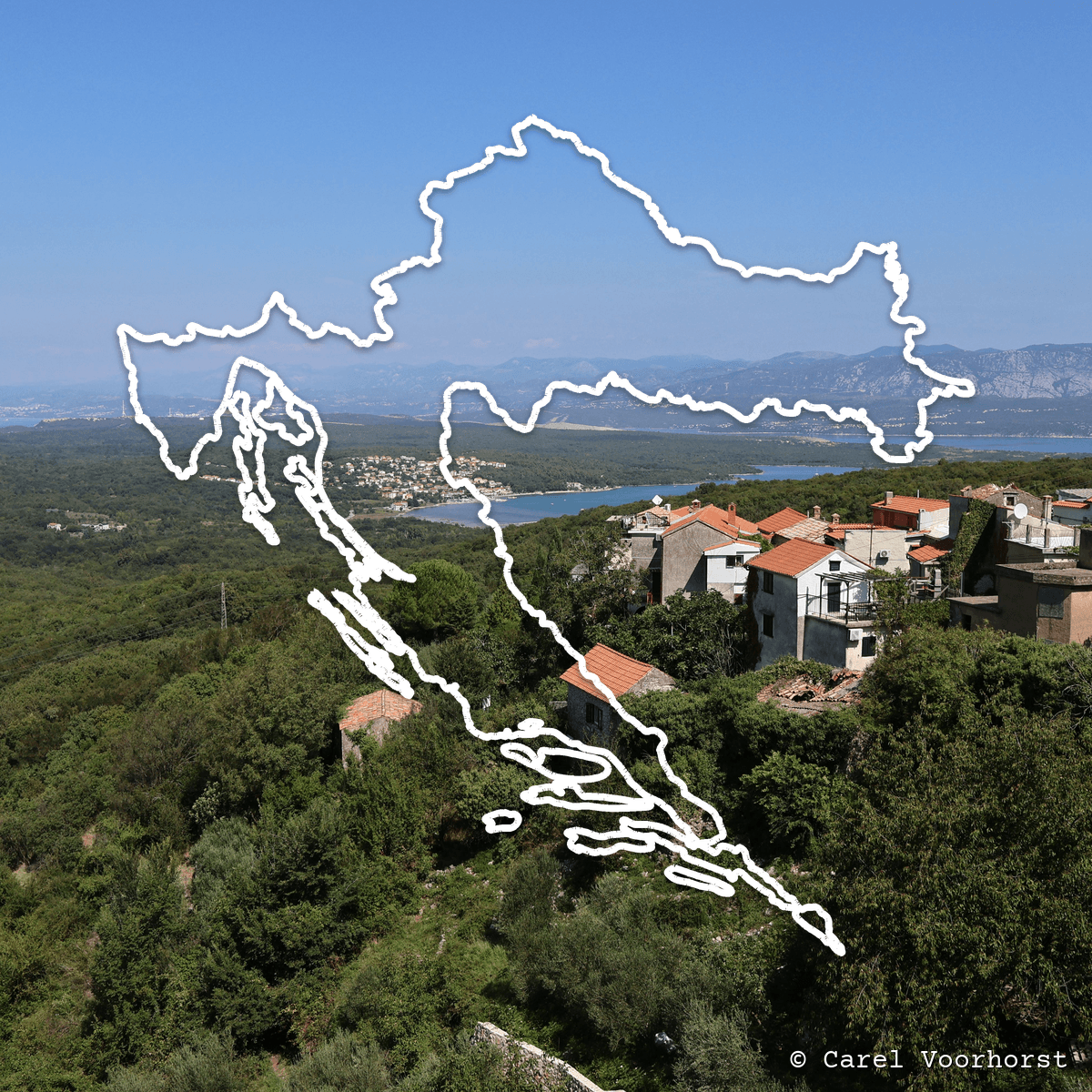
Croatia divides naturally into two distinct wine worlds: the continental interior and the Adriatic coast, and the grapes that thrive in each are largely different. Inland, in regions such as Hrvatsko Zagorje and Međimurje, the cooler climate suits crisp whites and lighter reds. Along the Dalmatian coast and across the islands, the Mediterranean sun and thin limestone soils bring out the character in indigenous red varieties that grow almost nowhere else. Plavac Mali, a close relative of Zinfandel, produces structured, sun-drenched reds on the steep coastal slopes of the Pelješac peninsula. Graševina, the most widely planted grape in the country, dominates the continental east and produces everything from dry table wine to late-harvest styles depending on the vintage and the winemaker's hand. The island of Korčula is known for Pošip, a white grape with a savoury, textured quality that suits the heat without losing freshness. These are not internationally traded varieties — most bottles never leave Croatia — which is part of what makes finding them through an independent grower worthwhile. You can browse the producers behind Croatian wine on the Croatian wineries page, or explore the region of Hrvatsko Zagorje and Međimurje in more detail.
How Croatian wine is labelled
Croatian wine labels follow a geographic logic that takes some reading. The country uses a controlled designation system with two tiers: Oznaka izvornosti (PDO, protected designation of origin) for wines tied to a specific place and production method, and Oznaka zemljopisnog podrijetla (PGI, protected geographical indication) for a broader regional category. In practice, many of the most interesting wines from small independent producers carry a regional or variety designation alongside the producer's own name, which is often the most useful guide to what is in the bottle. Grape variety is commonly listed, which helps when navigating unfamiliar names: seeing Plavac Mali on the label tells you something about the wine's weight and structure before you open it. Vintage variation matters along the coast, where a dry summer can concentrate flavour significantly on the best-exposed slopes. Continental wines tend to be more consistent year to year because the climate is less extreme. If you want to explore the range of Croatian wine available through independent growers, the Croatian wines page is a useful starting point, and the all-wineries listing shows the producers Free Grape Society works with across Europe.
Buying Croatian wine directly from the producer
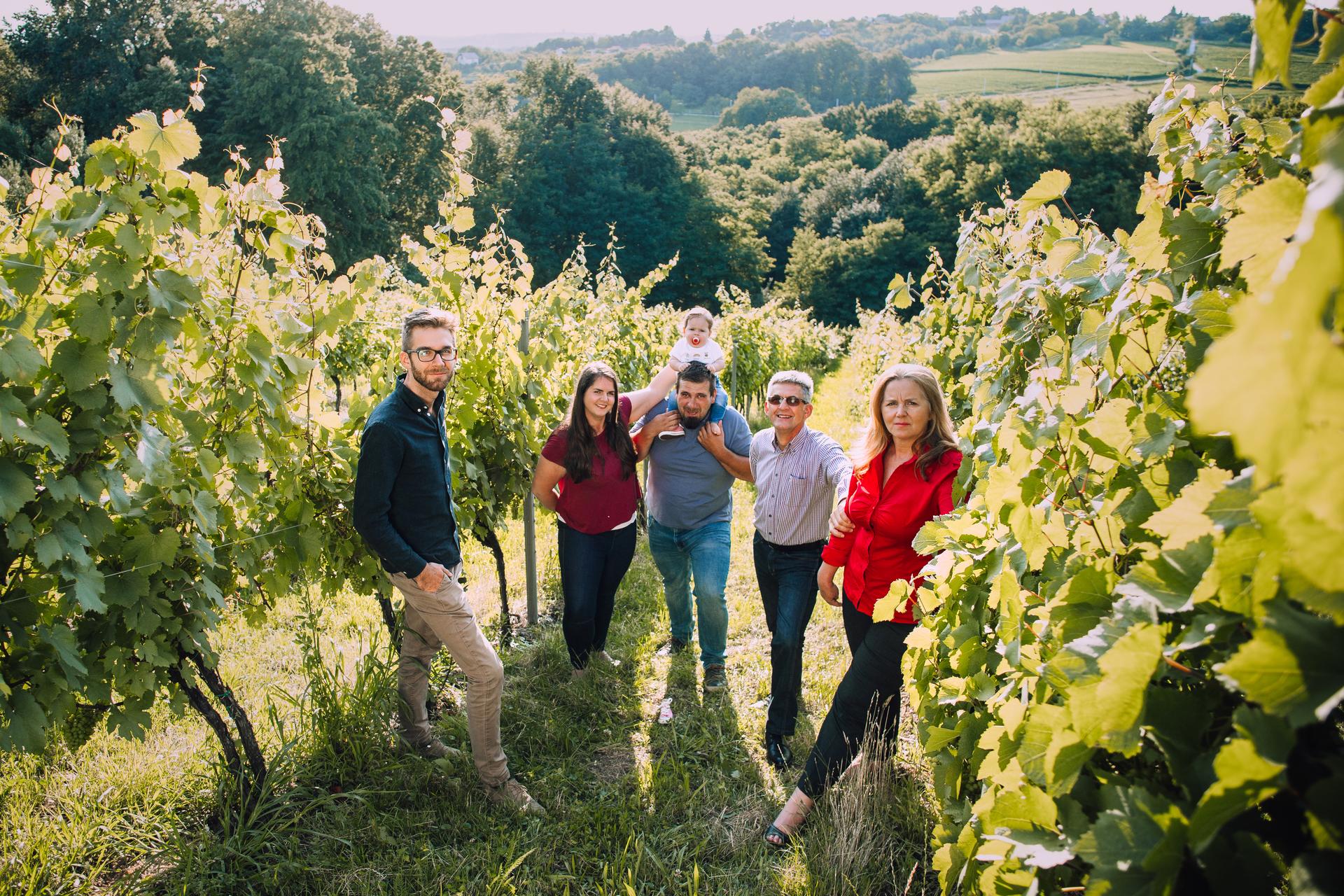
Croatian wine has historically been difficult to find outside specialist importers, in part because the country's best independent producers are small and have little reason to discount through a distribution chain. Buying directly changes that: when a producer ships from their own cellar, the wine reaches you as they bottled it, without passing through a warehouse. Free Grape Society is a society of producers, independent experts and wine lovers, not a shop — the producers here sell on their own terms, set their own prices, and ship directly to your door. Independent wine experts on the platform review wines they have personally tasted, and those reviews are visible on the wine pages, so you can read what someone with direct knowledge of the wine has said before you order. For producers making wine in a country where domestic distribution is limited and export even more so, a direct relationship with the buyer is often the only way their wine travels at all. If you are curious about what else is available from neighbouring wine countries, you can compare with Italian wines, Greek wines, or browse the full range of wines by country.