Where Ribolla comes from and how region shapes it
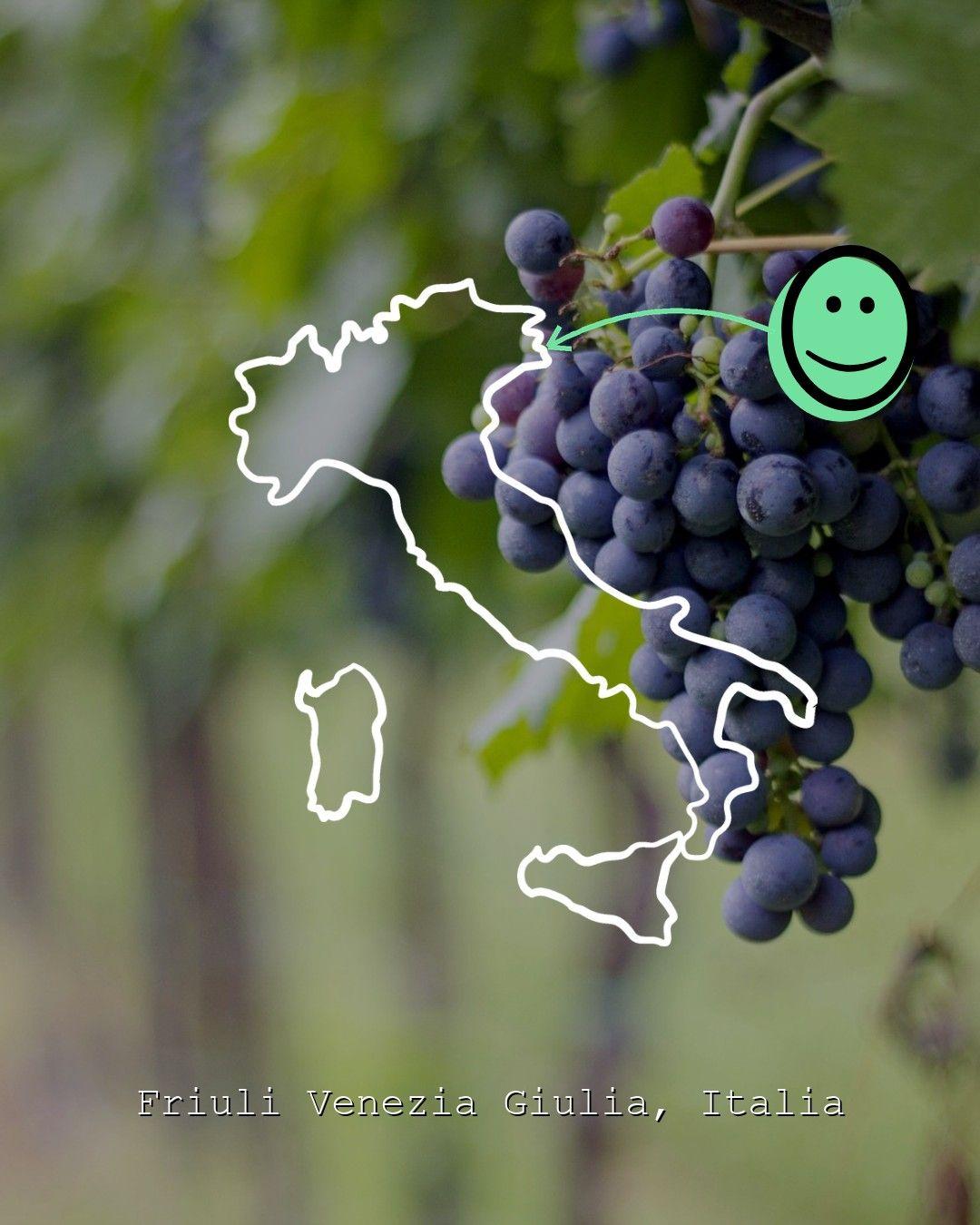
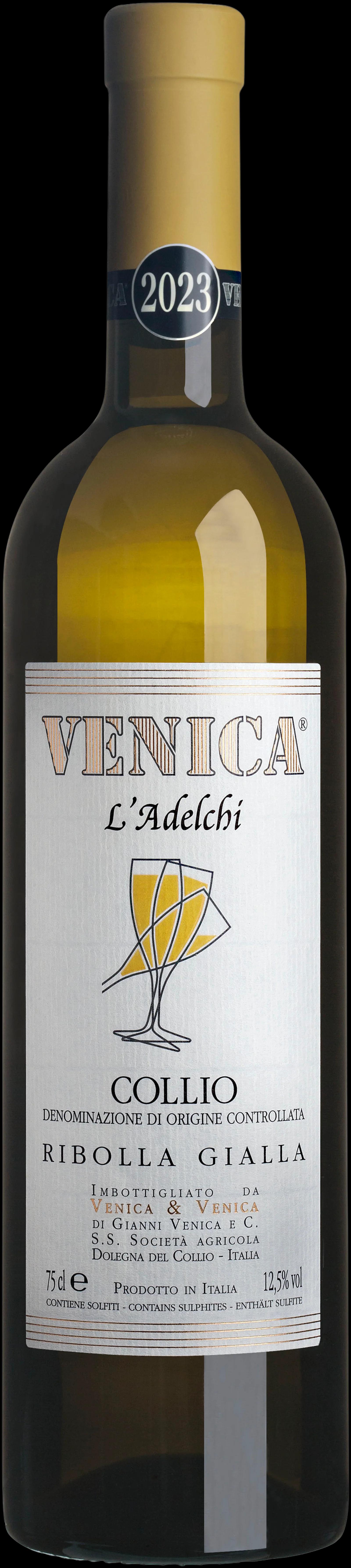
Ribolla is one of the oldest white grapes native to the northeastern corner of Italy, with its heartland straddling Friuli Venezia Giulia and the Slovenian border. Records of its cultivation in the region go back to the thirteenth century, making it one of the most historically documented varieties in the Italian northeast. On the Italian side, it is grown primarily in the Colli Orientali del Friuli and Collio appellations, where the combination of cool nights and the region's distinctive flysch soils — a compressed mix of marl and sandstone — gives it a firm, food-friendly acidity. Across the border in Slovenia, where it is called Rebula, it follows the same logic: hillside vineyards, mineral-driven whites, and a winemaking culture that prizes texture as much as fruit. The grape also has a presence on the Greek island of Zakynthos under the name Robola, though the relationship between the Adriatic and Ionian expressions is still debated among ampelographers. For wines made from related northeastern Italian varieties, the Veneto and Lombardy pages offer useful context on how the region's white wine tradition developed.
How Ribolla wine tastes, and what to drink it with
In its still, dry form, Ribolla produces wines that are typically pale gold, relatively light-bodied, and defined by high natural acidity and a clean, citrus-driven profile — lemon zest, green apple, and sometimes a subtle saline or stony note that reflects the flysch soils where it grows best. It is not a grape that loads on weight or extract, which makes it particularly well suited to the table. The grape's naturally high acidity and neutral flavour profile made it a natural candidate for skin-contact, or orange, winemaking, and Friuli is where that style gained international attention in the 1990s and 2000s. A Ribolla made with extended skin contact tastes quite different: deeper in colour, broader in texture, with tannins that frame a more complex, oxidative character and a capacity to age. For skin-contact and orange wines from across the platform, the orange wine page brings together producers working in that style. Still Ribolla pairs naturally with light seafood, antipasti, and fresh cheeses; the skin-contact version holds up to richer dishes, cured meats, and aged cheeses.
Buying Ribolla direct from independent producers
Ribolla remains a niche grape outside its home region, which means the producers who work with it tend to be specialists — growers with a long connection to Friuli or the borderland between Italy and Slovenia who have chosen to focus on varieties with genuine local roots rather than international ones. On Free Grape Society, wines are tasted before listing, and each bottle ships directly from the producer's own cellar, with no importer or warehouse in between. That matters for a grape like Ribolla, where the difference between a conventional white and a skin-contact version from the same estate can be significant, and where reading the producer's own approach to the variety is often the most useful guide. Producers who grow Ribolla typically appear on the Friuli Venezia Giulia winery listings, and the white wines from Italy page covers the broader context of Italian white winemaking. Free Grape Society is a society of producers, independent experts and wine lovers, not a shop — the producers here are selected because they work with the grape directly, grow their own fruit, and bottle under their own name.