
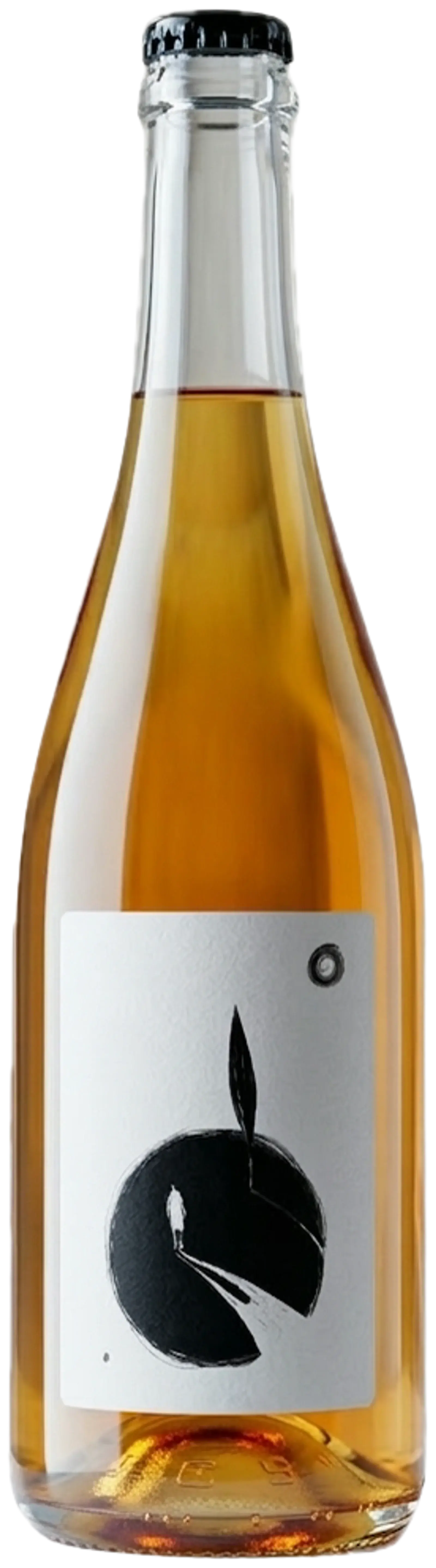
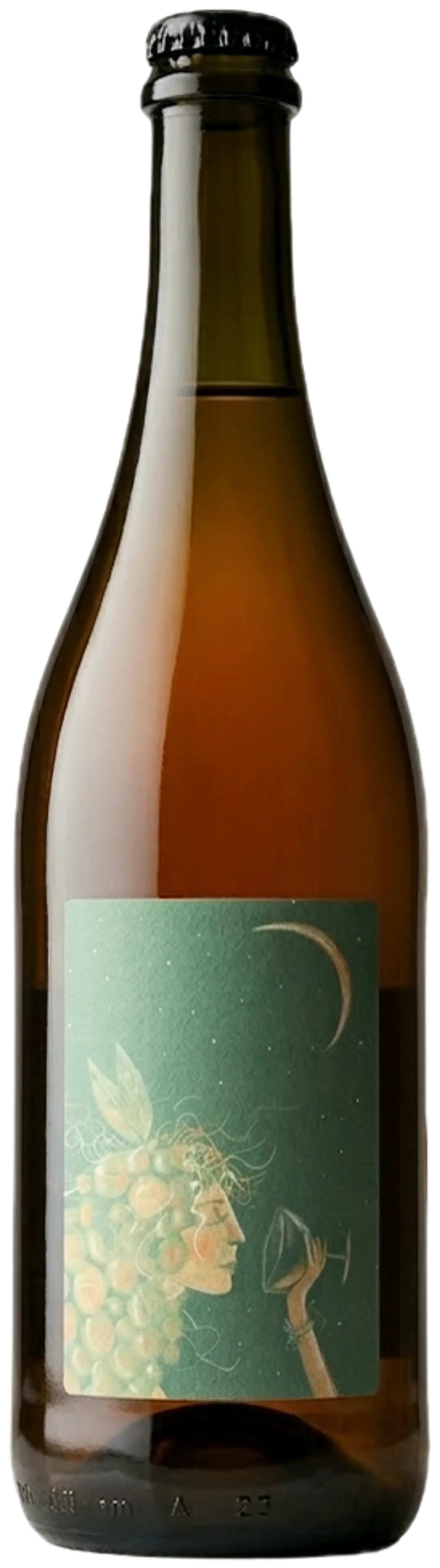
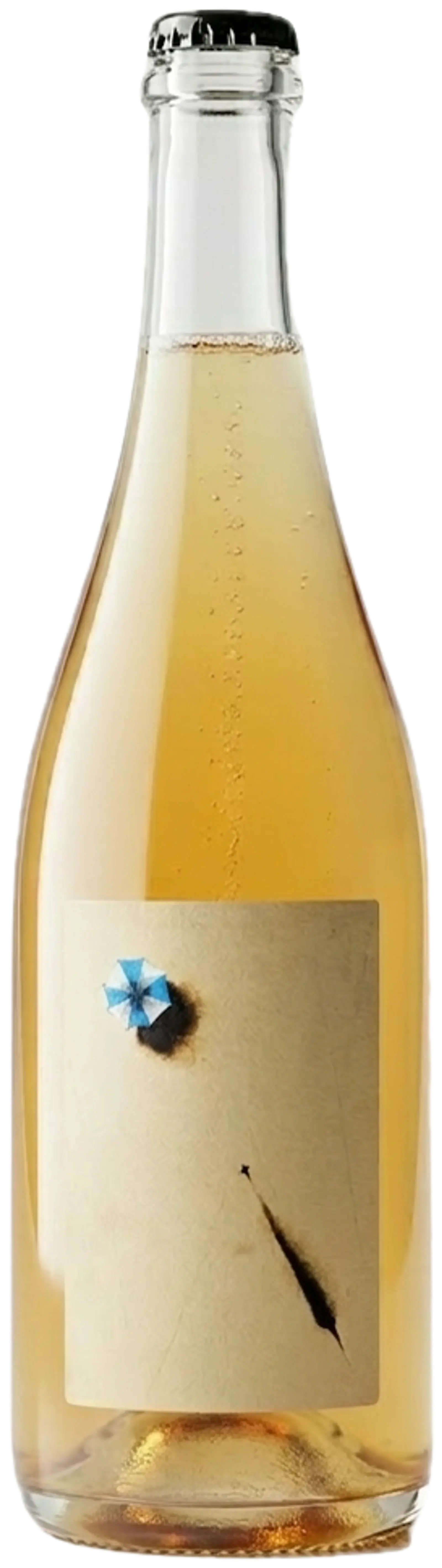
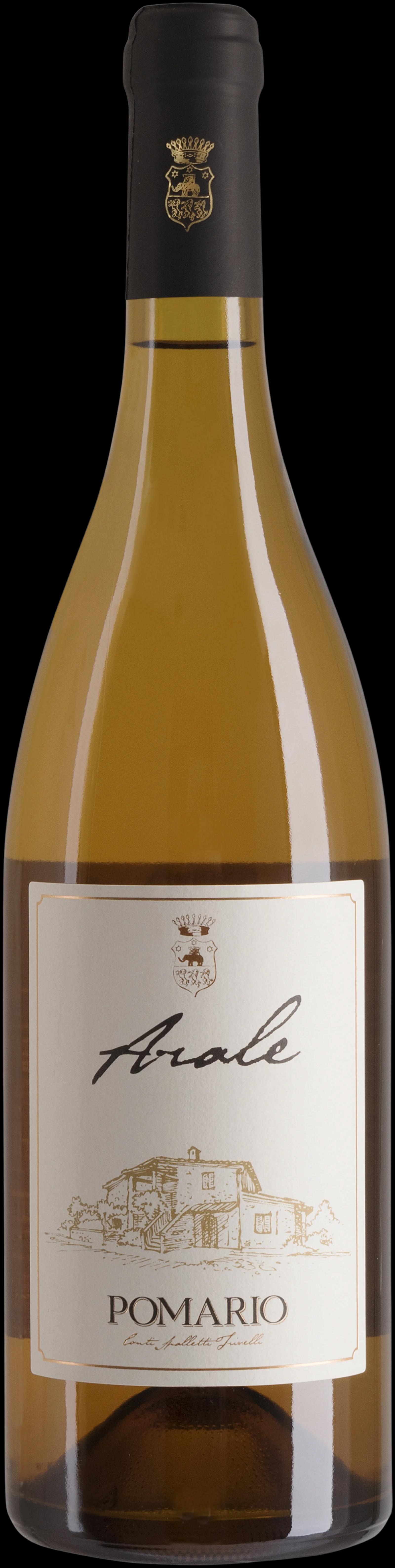
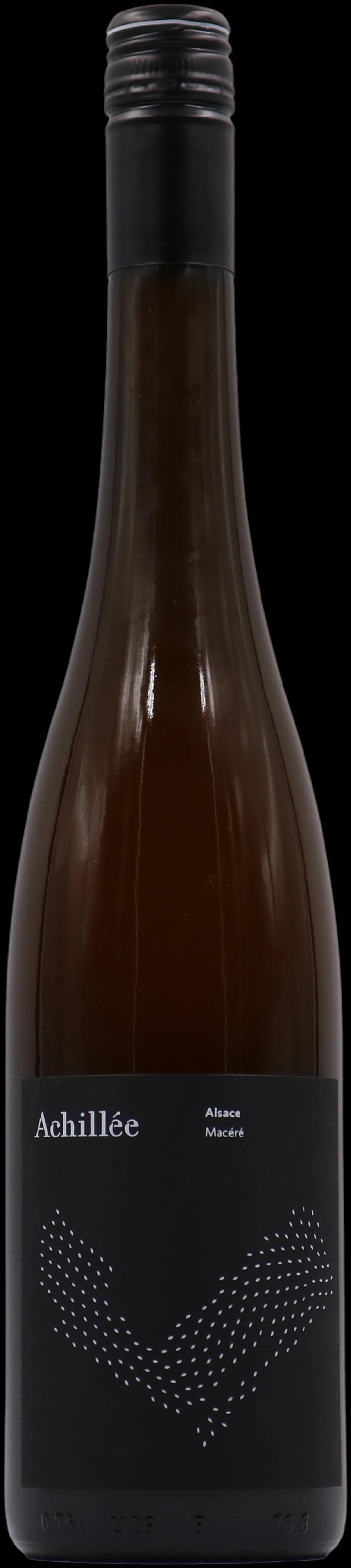

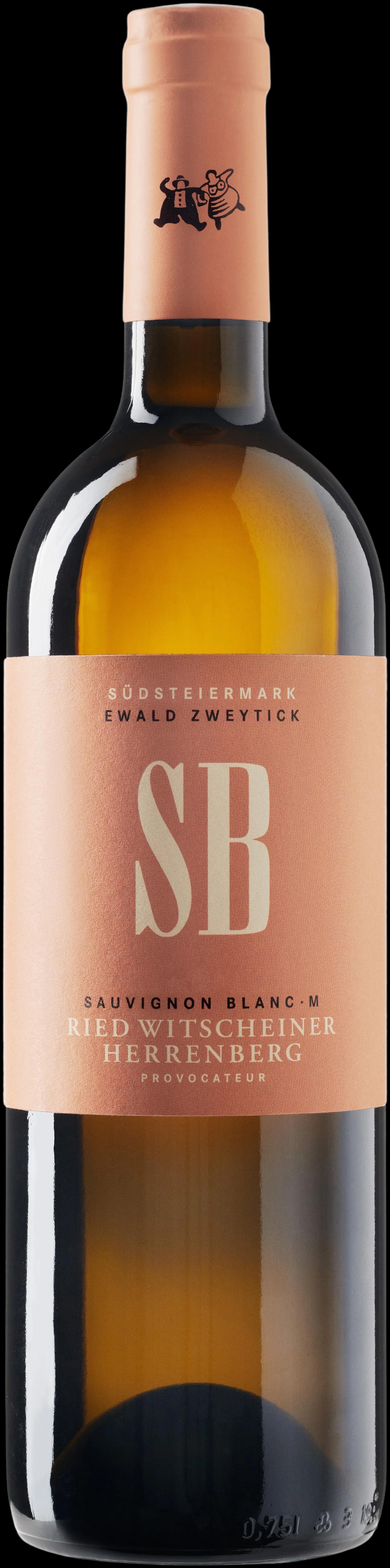
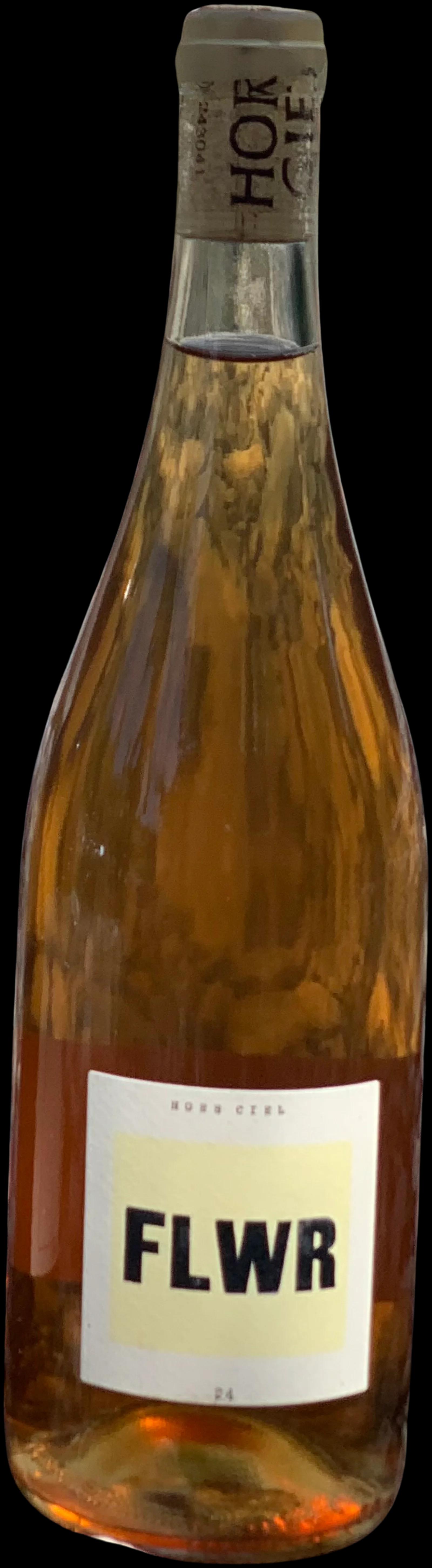

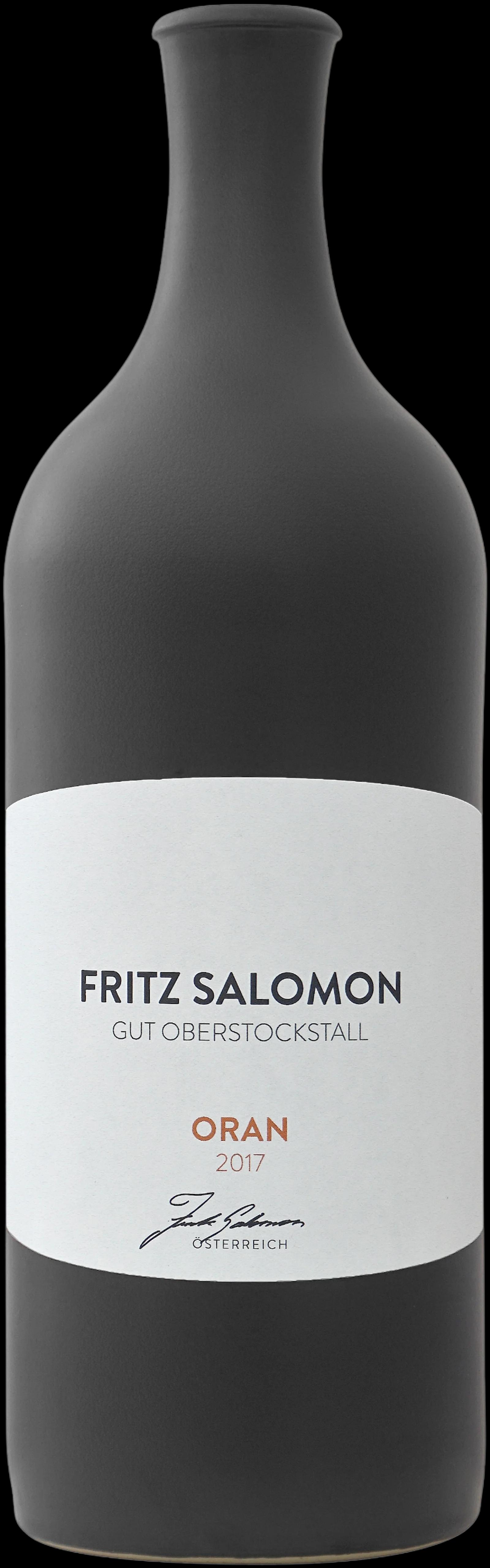
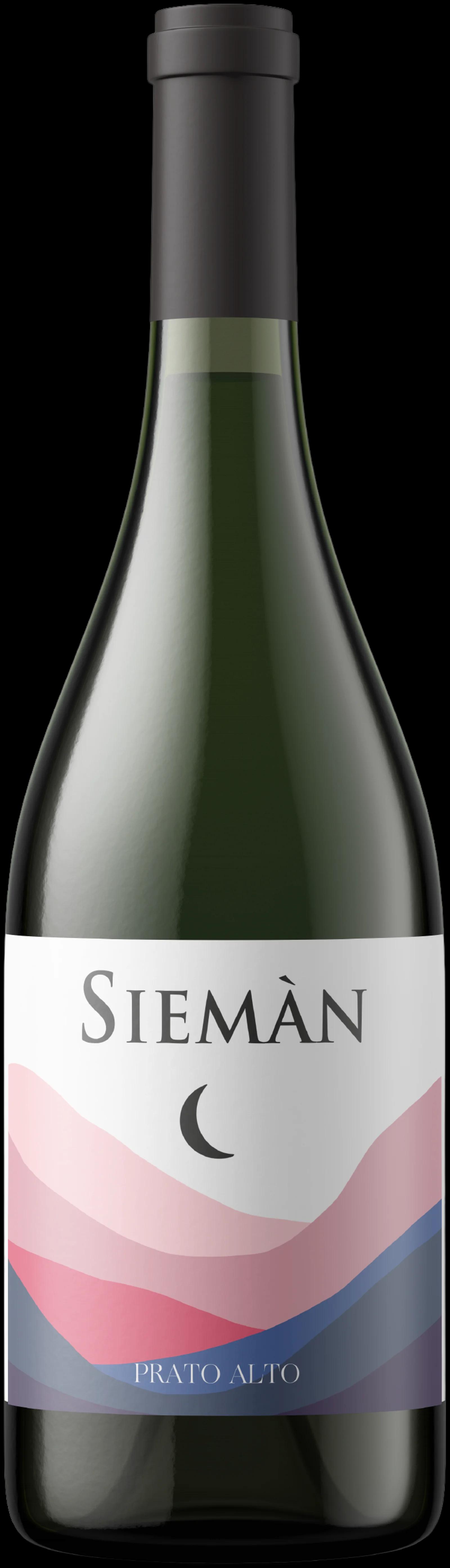
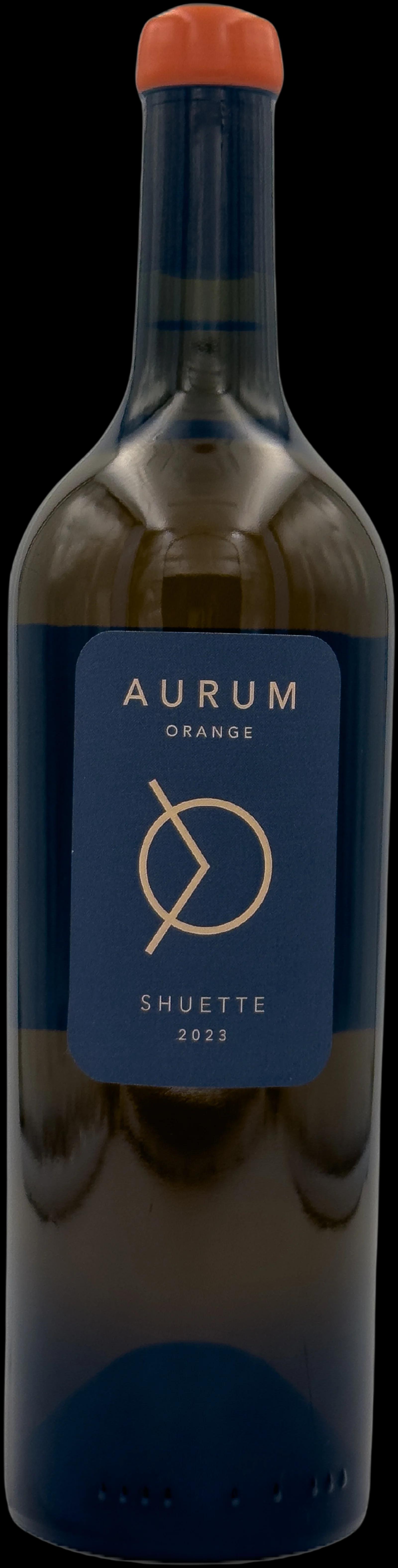




Pinot Grigio, Ribolla and Gewürztraminer: orange wines from independent growers

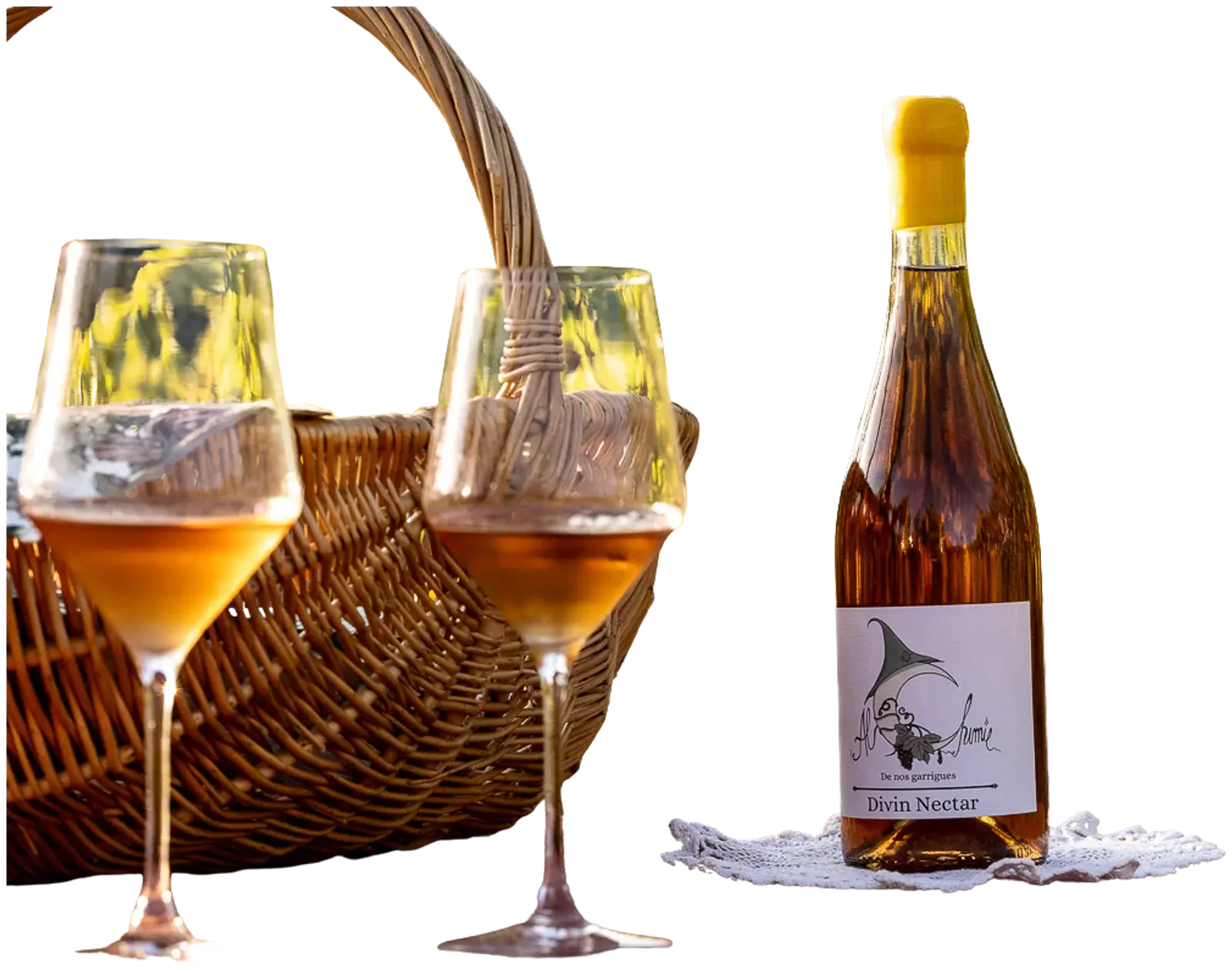
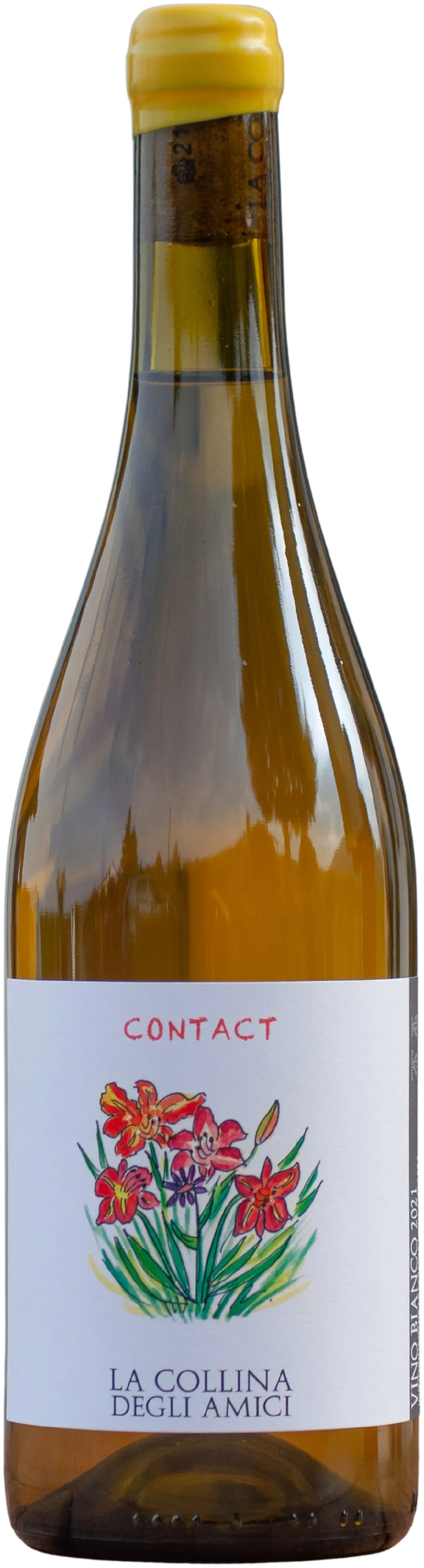
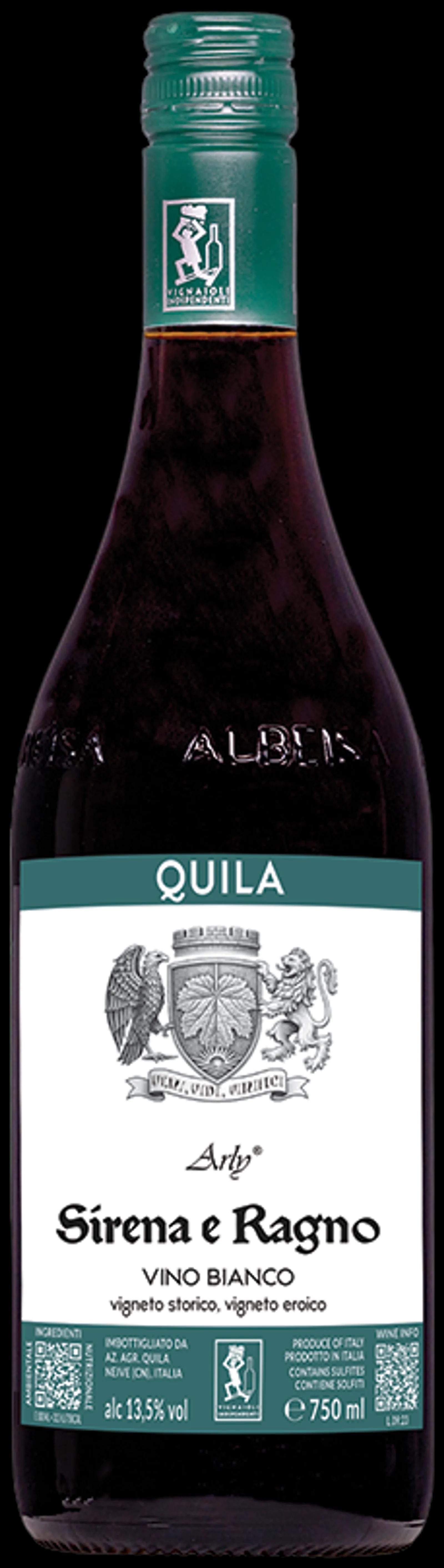
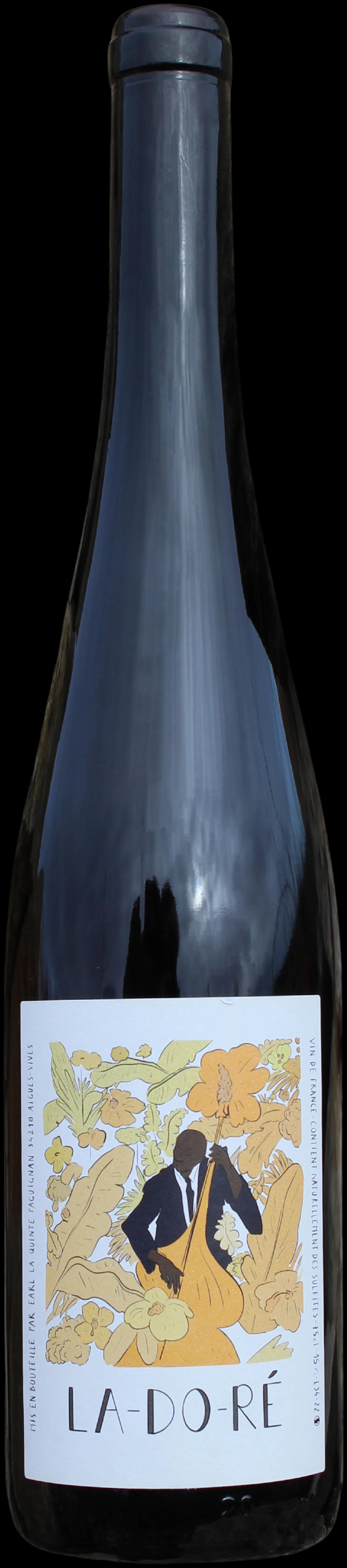
Orange wine is white wine made with extended skin contact — the grape skins stay in the juice during fermentation, giving colour, tannin, and texture that white wine normally lacks. Each bottle on Free Grape Society ships directly from the producer who made it.

From the skin-contact cellars of Friuli-Venezia Giulia to the amphora producers of Georgia

Color (1)

Dropdown arrow

Type

Dropdown arrow

Country

Dropdown arrow

Region

Dropdown arrow

Grape

Dropdown arrow

Pairing

Dropdown arrow

Sort by

Sort arrow
Orange

Orange wines

Orange wine starts with a white grape — Pinot Grigio, Ribolla Gialla, Gewürztraminer, Malvasia, Welschriesling — and keeps it in contact with its skins for days, weeks, or months. That contact is what drives the colour, from pale copper to deep amber, and it is also where the tannin comes from. The longer the maceration, the more structure the wine carries. Wines tasted before listing.

Previous1 of 1Next

Orange wine cases

The most historically rooted orange wines come from Friuli-Venezia Giulia in north-east Italy and from the Brda hills just across the border in Slovenia, where winemakers like Joško Gravner brought extended maceration back into serious conversation in the 1990s. Georgia has practised skin-contact fermentation in clay qvevri for at least eight thousand years. Today producers across Alsace, the Rhône Valley, Austria's Steiermark, Moravia, and Spain are working with the same principle. On Free Grape Society, the grower who made the wine ships it directly from their own cellar, with no importer or warehouse in between.

View all orange mixboxes

Wineries

Independent wine experts on Free Grape Society rate and review orange wines they have personally tasted, building a track record that is visible on each wine's page. Several of the experts below have reviewed orange wines featured on this page. Free Grape Society is a society of producers, independent experts, and wine lovers — not a shop. If you want a recommendation before you order, you can ask a wine expert directly. Browse ready-made [orange wine cases](/SE/en/mixboxes/color/orange) from individual producers if you would prefer a six-bottle selection chosen by the grower.

View all wineries

Wine experts

Choosing an orange wine is largely a question of maceration length. A short skin contact — two to five days — gives a wine that sits close to a full-bodied white: a little more texture, a little more grip, but still fresh and food-friendly. A long maceration — several weeks or months, sometimes in qvevri or large oak — produces something closer to a light red in structure: significant tannin, oxidative notes, dried fruit, and a long finish. If you are new to orange wine, shorter maceration is a practical starting point. If you are browsing individual bottles rather than a case, the [full orange wine selection](/SE/en/wines/color/orange) shows what is currently available from growers across Europe.

View all wine experts

Frequently asked questions

How do I order an orange wine case?

Choose the case you want and add it to your basket. Each case contains six bottles selected by the producer. Payment is handled securely via Klarna or card. Your case ships directly from the producer's cellar, with delivery typically taking between 4 and 14 days. There are no minimum orders and no membership fee required to buy.

What happens if a bottle arrives broken or doesn't taste right?

Send a photo to Free Grape Society customer support within 7 days of delivery. We will arrange a replacement or a refund. Because producers ship directly, quality issues are handled with the producer's direct involvement. Shared responsibility is built into how FGS works.

What is included in an orange wine case?

Each orange wine case contains six bottles chosen by the grower — their own selection from the wines they produce, composed to give you a coherent picture of their cellar's approach to skin contact. The case always comes from a single producer. Prices vary by producer and are set by the grower directly.

How long does delivery take?

Average delivery is 8 to 9 days from order to door. The full range is 4 to 14 days depending on the producer's location and your delivery address. Wines ship directly from the producer's cellar, not from a central warehouse.

How do I choose between orange wine cases from different producers?

Consider the region and grape first: Friuli-Venezia Giulia cases built on Ribolla Gialla tend toward structure and grip; Loire Valley cases on Chenin Blanc often balance that texture with higher acidity. Some growers use short skin contact for a lighter style, others ferment for weeks or months. Reading each producer's profile gives you a clearer sense of their method before you commit to a case.

How does a producer decide what goes into their orange wine case?

The grower chooses the six bottles themselves — it is their own recommendation, not a selection made by a buyer or an algorithm. They typically build the case to show their range: perhaps a lighter, earlier-drinking orange alongside a wine that has spent longer on the skins. The case is a direct expression of how that producer works, which is why cases differ so much from one grower to the next.

Which orange wine expert can recommend something for me?

The wine experts on Free Grape Society are independent — they rate and review wines they have personally tasted, and their track records are visible on the platform. Browse the experts listed on this page, read their reviews of orange wines, and use the contact form to ask a question. There is no fee to ask.

Why do the orange wine cases here only come from independent growers?

Free Grape Society lists wines from independent producers who make and sell their own wine. Large commercial labels made for supermarket shelves are not part of the platform. Each case here comes from a grower with their own vineyard, their own cellar, and their own approach to skin contact — and they ship directly to you.

Can I find orange wine cases in shops or wine merchants where I live?

Skin-contact wines from small independent growers are rarely stocked by general retailers. On Free Grape Society, the producer ships directly from their cellar, which means you have access to growers whose wines do not move through importers or distribution warehouses, and whose cases you would be unlikely to find on a shop shelf.

How orange wine is made

Orange wine is not a separate grape color. It is a white wine made using red wine technique: the juice ferments in contact with the grape skins. That skin contact extracts phenolic compounds — tannins, pigments, and structural elements — that conventional white wine production deliberately avoids. Maceration can run from 24 hours to several months. The longer the contact, the deeper the amber color and the firmer the tannic grip. Producers in Friuli Venezia Giulia were central to the modern revival of the style in the 1990s, though the method itself is thousands of years old. Georgian winemakers fermented white grapes on their skins in clay vessels called qvevri long before the term "orange wine" existed. Today the style appears across Italy, France, Austria, Spain, and Greece, made from a wide range of white grapes. The result is not a single flavor profile — a 48-hour skin-contact Pinot Gris is structurally different from a six-month qvevri maceration. What they share is more texture and oxidative complexity than conventional whites.

Grapes used for orange wine

Aromatic and phenolically rich white grapes tend to perform best with extended skin contact. In Friuli Venezia Giulia and across the border in Slovenia, Ribolla Gialla is the dominant variety for skin-contact production. Pinot Gris — already a deeply pigmented grape — produces orange wines with pronounced copper tones and substantial structure. Grenache Blanc appears in skin-contact versions from Languedoc-Roussillon and Rhône Valley producers working outside conventional appellation rules. In Alsace, some producers apply skin contact to Pinot Gris and Gewurztraminer. Godello and indigenous Basque varieties are used by Spanish producers experimenting with the format. Grüner Veltliner on skins appears from Austrian producers in Burgenland and Niederösterreich. The grape matters less than the decision of how long it stays on its skins — and that decision is entirely the producer's.

What to expect from orange wine on the shelf

Orange wines are not labeled by law in most producing countries. There is no protected term, no appellation category, and no minimum skin-contact requirement. A bottle labeled "skin contact" or "macerated white" may have spent 12 hours or 12 months on skins. Some producers note maceration time on the back label; most do not. Color is the most visible signal: pale amber to deep amber-orange. Tannin is the structural signal: orange wines have detectable tannin that conventional whites lack, which affects how they pair with food and how they age. Bottles from producers who use whole-cluster maceration in sealed vessels tend to be more reductive and savory. Producers working in open-top vessels with pump-overs often produce more oxidative styles. The white wines on Free Grape Society sit alongside these skin-contact bottles — the difference in method is documented at the producer level. No importer, no wholesaler. The price you see is the price the producer agreed to.