Where Grenache Blanc comes from and how it changes by region
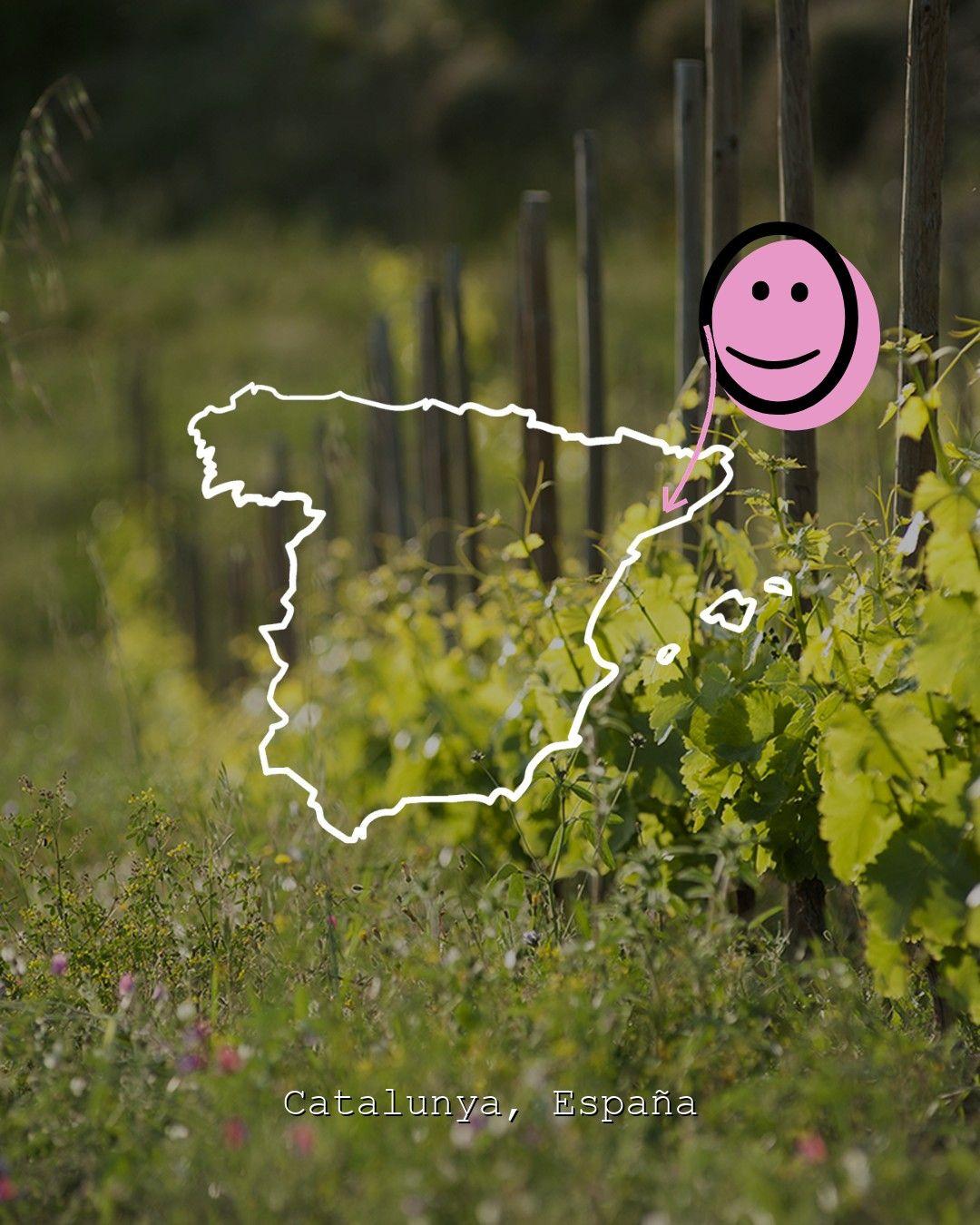
Grenache Blanc is native to the Iberian Peninsula, where it is known as Garnacha Blanca, and it spread northward into the south of France centuries ago. Today it is most at home in the Rhône Valley, where it is a permitted variety in white Châteauneuf-du-Pape, and across Languedoc-Roussillon, where it often carries an appellation all of its own. In Spain it appears throughout Aragon, Catalonia and Valencia, and in Greece and Portugal you find related or similarly styled white Grenache varieties grown in warm, dry conditions. What changes most across these regions is weight and aromatics: in cooler or higher-altitude sites the grape retains fresher acidity and floral lift; in hotter, lower sites it tends toward richness, texture and stone-fruit depth. The variety is thin-skinned and prone to oxidation, which means winemaking choices — early picking, reductive handling, or deliberate skin contact — shape the finished wine considerably.
How Grenache Blanc tastes, and what to drink it with
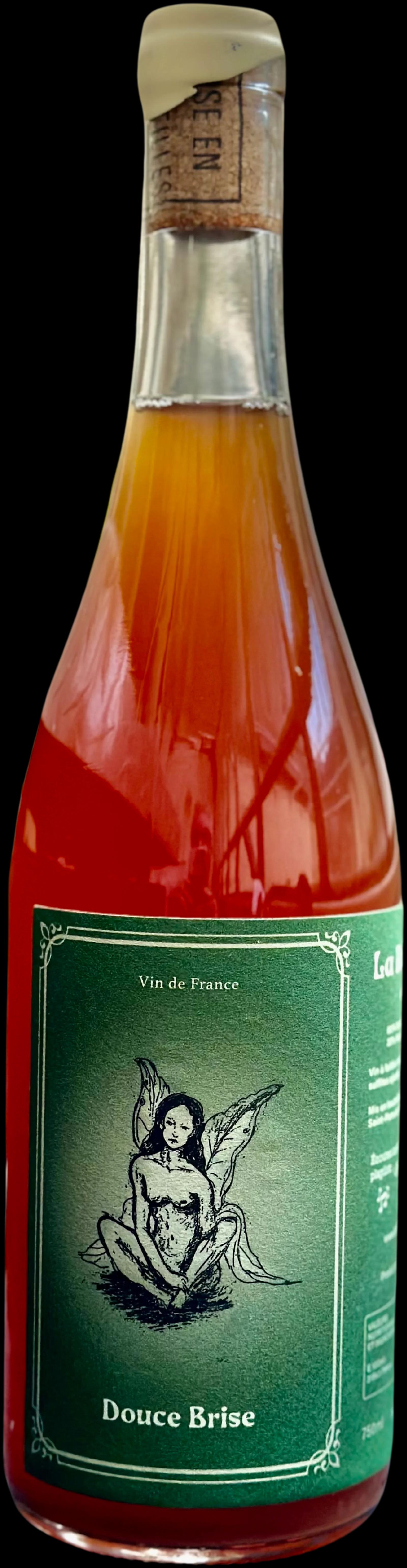
At its most expressive, Grenache Blanc produces full-bodied dry whites with low natural acidity, generous texture and aromas that range from white peach and apricot in warmer years to herbs, fennel and citrus peel when harvested earlier or grown at altitude. Oak-aged versions develop a creamy, almost waxy character; unoaked or lightly handled versions are rounder and more immediate. Because the grape is low in acidity, it pairs well with dishes that share its richness: roasted fish, cream-based sauces, aged hard cheeses and dishes built around olive oil and garlic. It also works alongside mildly spiced food where a high-acid white might clash. Skin-contact Grenache Blanc — increasingly made by smaller producers who also work with orange wines — adds grip and a savory edge that extends the food-pairing range further into charcuterie and fermented dishes.
Buying Grenache Blanc direct from independent producers
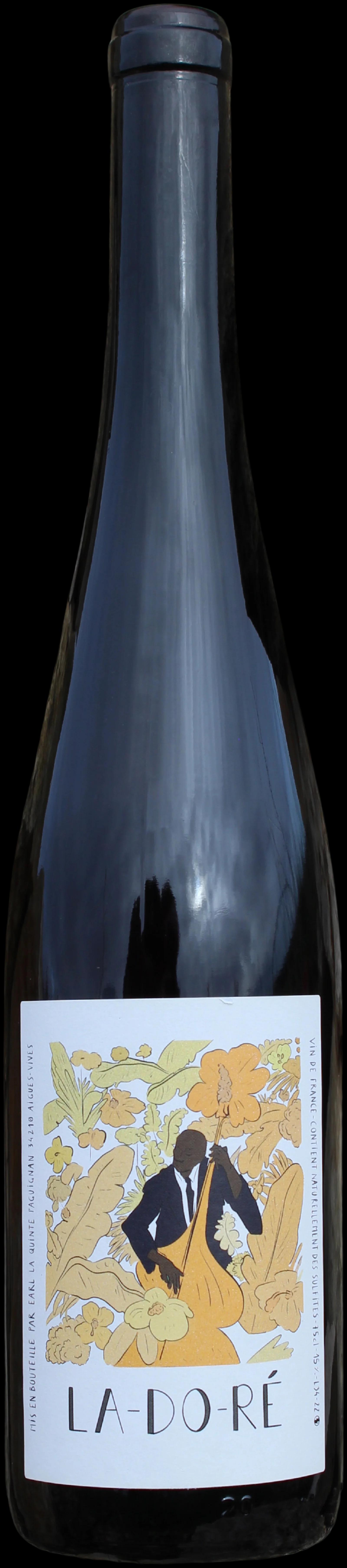
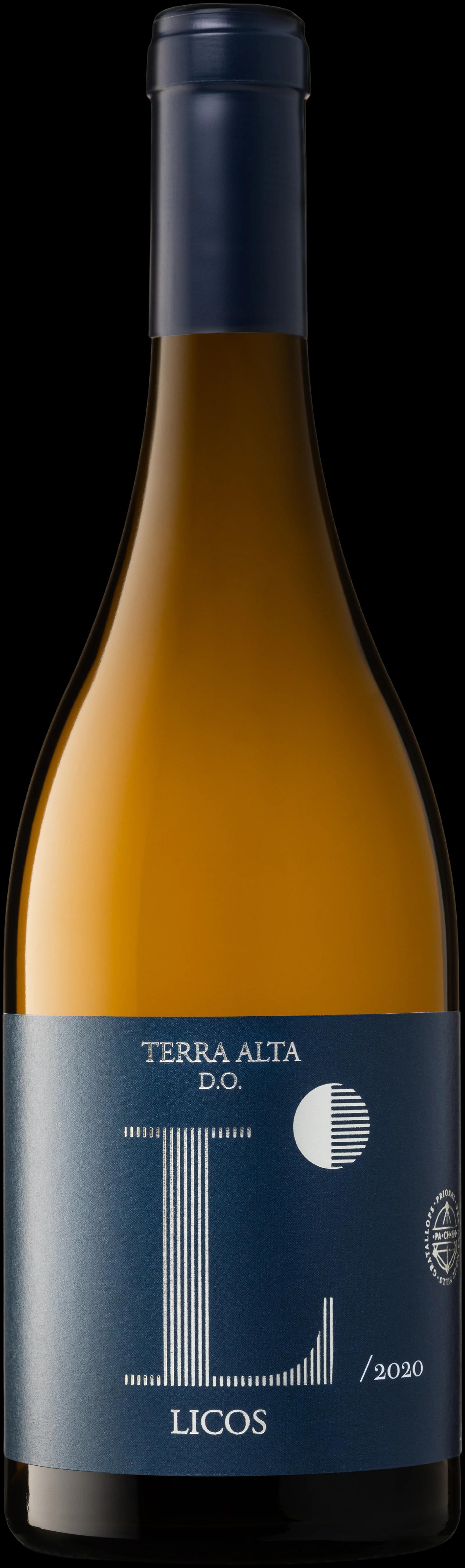
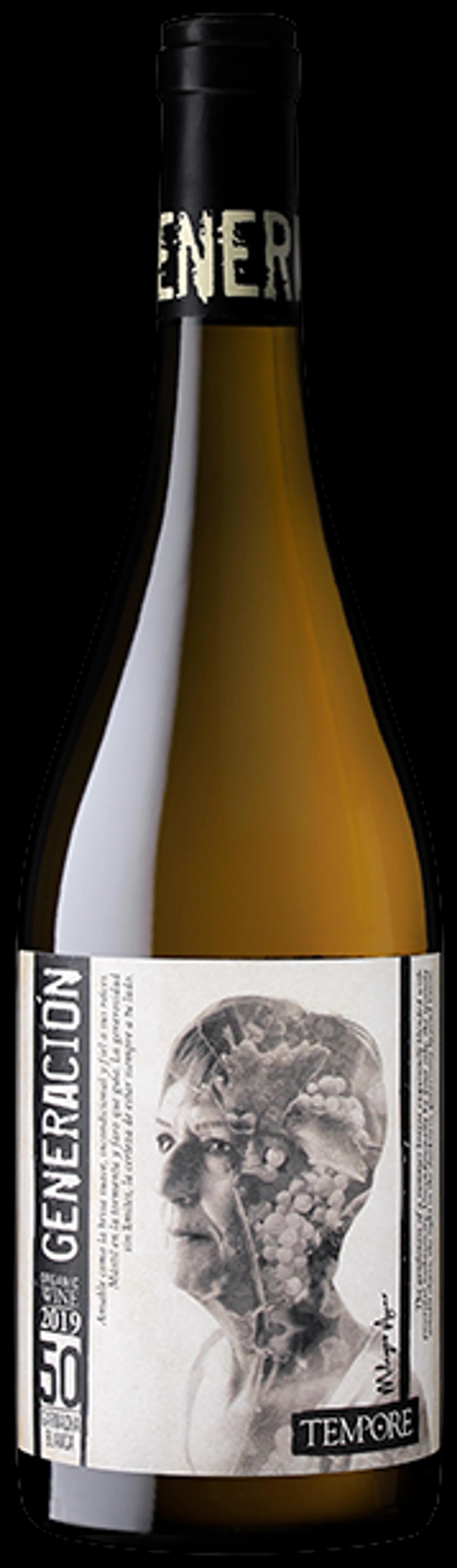
Grenache Blanc rarely reaches northern European markets through conventional retail channels; most of the wines are made in small quantities by producers who sell primarily through direct relationships. On Free Grape Society, those producers ship each order directly from their own cellar, with no importer or warehouse between grower and buyer. That matters practically: you receive the wine in the condition it left the estate, and the price reflects what the producer sets rather than a chain of margins added along the way. The producers working with Grenache Blanc on the platform come from its core regions in France and Spain, including growers in Languedoc-Roussillon, the Rhône Valley and Aragon. If you want to compare the grape across climates, the white wines section and the country pages for France and Spain are useful starting points. Free Grape Society is a society of producers, independent experts and wine lovers, not a shop — which means the producers you find here are present because they chose to sell directly, not because a buyer selected them for a catalogue.







 Wine case