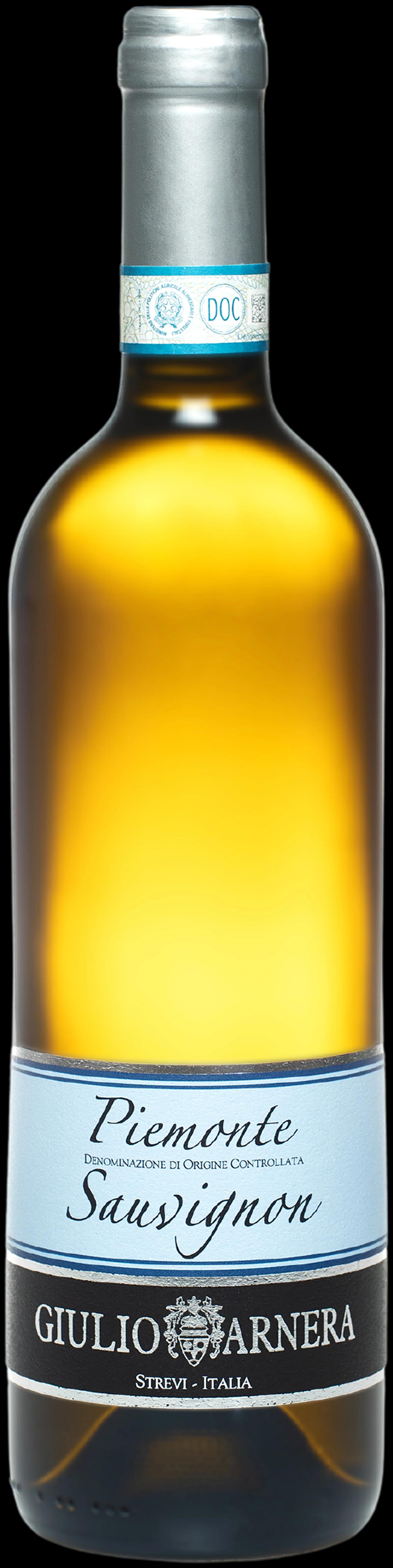
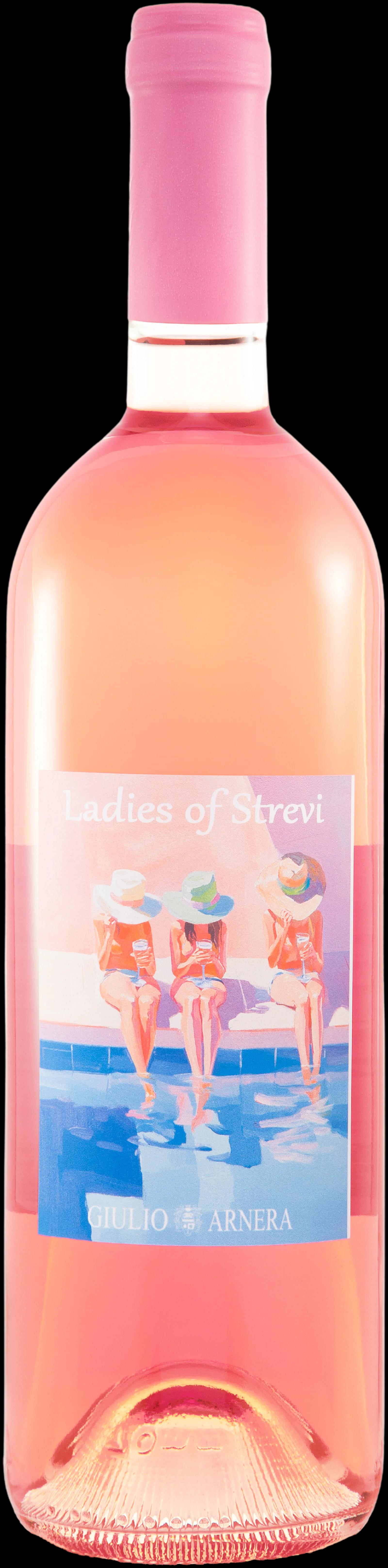
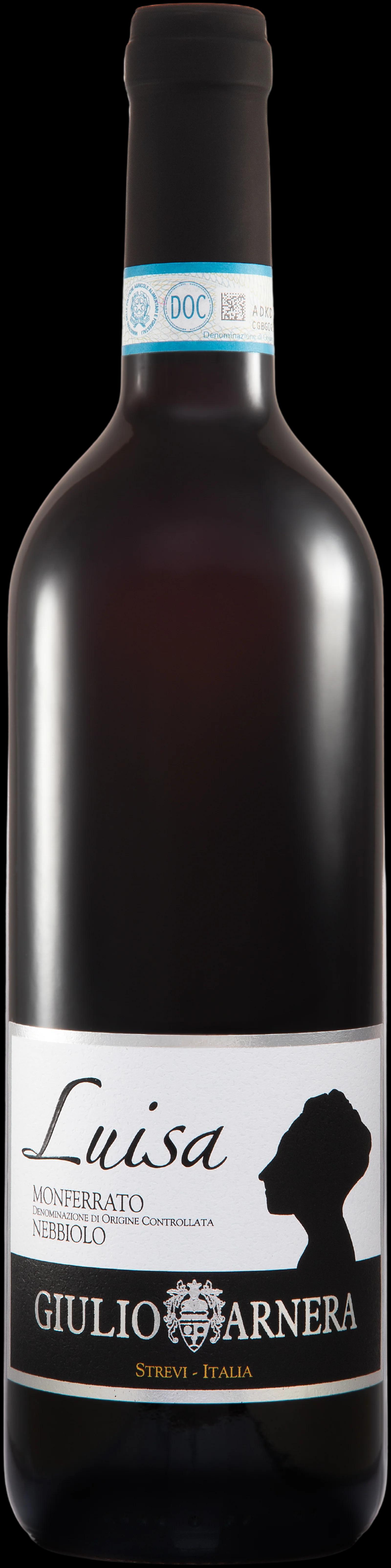
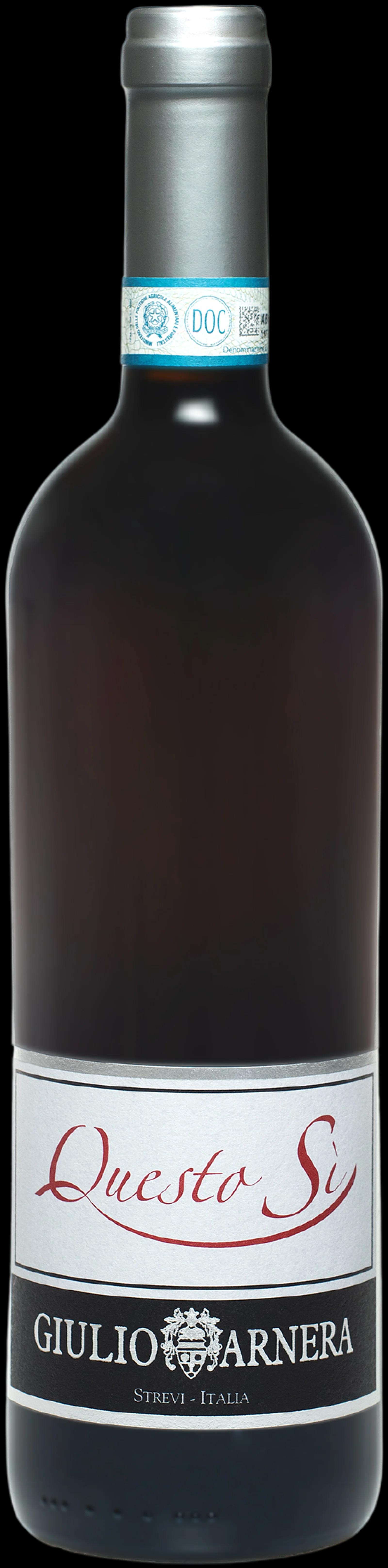
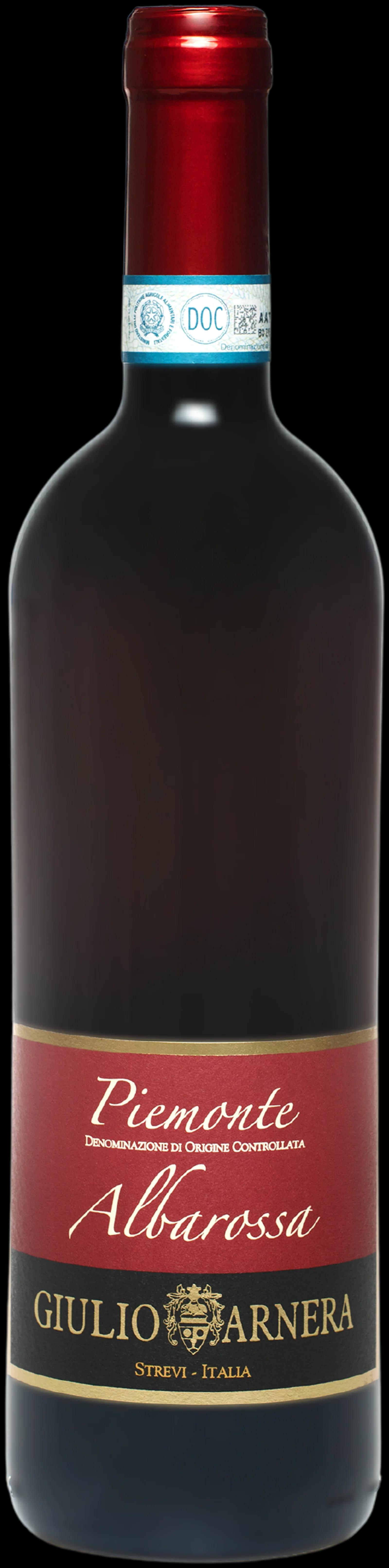
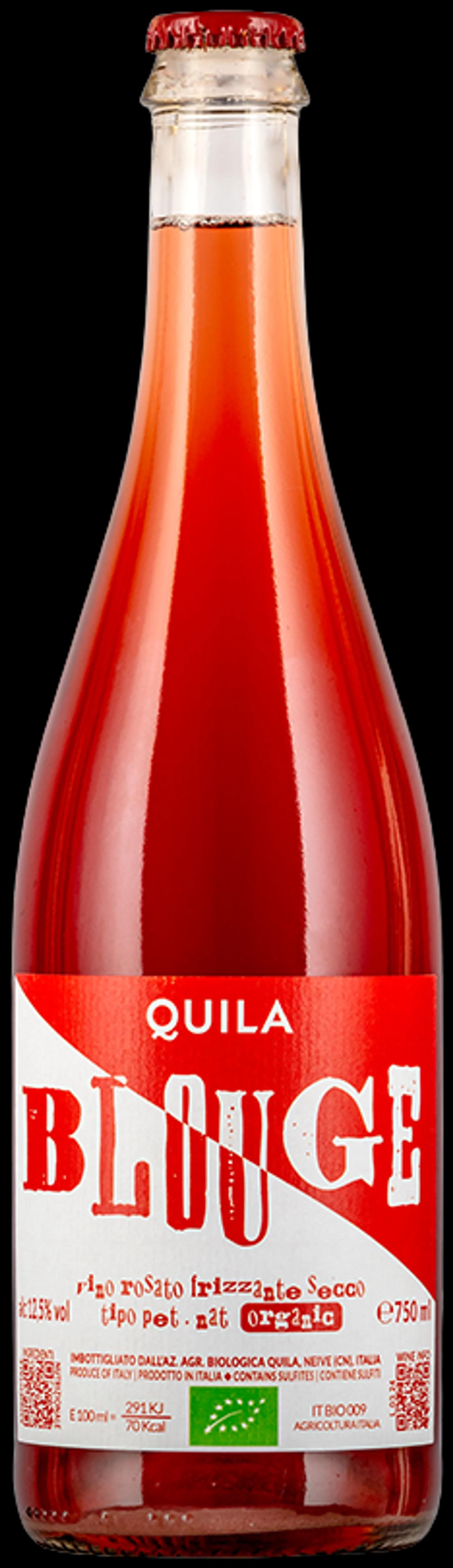
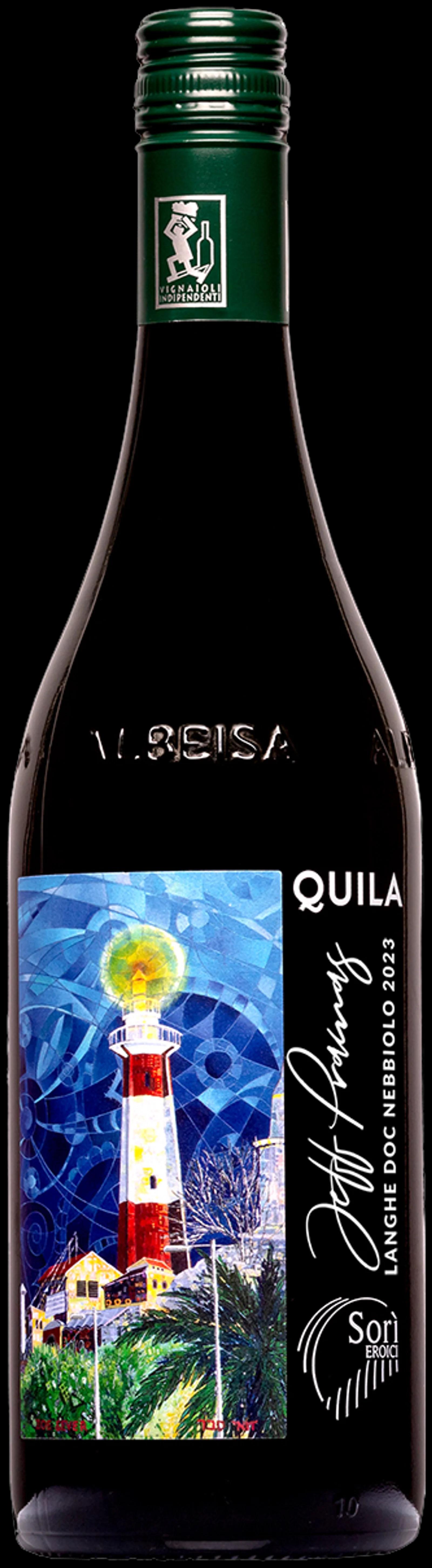
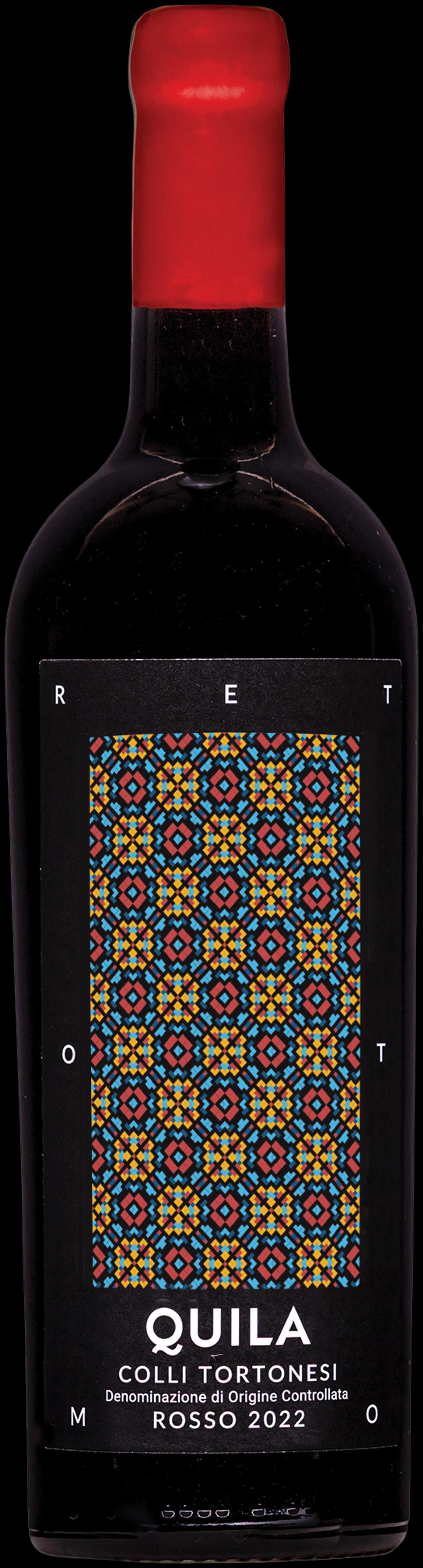


Cabernet Jura: a rare Jura red from independent growers

Cabernet Jura wine is one of the Jura's own crossings, grown almost exclusively in this compact eastern French region. The producers below work with this variety as part of a tradition that sits apart from the main French appellations.

A little-known variety with firm tannin, dark fruit and a distinctly Jurassien character.

Color

Dropdown arrow

Type

Dropdown arrow

Country

Dropdown arrow

Region

Dropdown arrow

Grape

Dropdown arrow

Pairing

Dropdown arrow

Sort by

Sort arrow
Cabernet Jura

Cabernet Jura wines

Cabernet Jura is a crossing developed in the Jura in the twentieth century, designed to suit the region's cool continental climate and particular clay-limestone soils. It produces red wines with firm structure, darker fruit than many Jura reds, and an earthiness that reflects the region's singular terroir. Because it is grown almost nowhere else, every bottle is an expression of one small area of eastern France — and of the individual grower who chose to plant it. On Free Grape Society, each bottle ships directly from the producer's own cellar, with no importer or warehouse in between.

2 of 2 wines

Previous1 of 1Next

Cabernet Jura mixboxes

A mixbox from a Jura producer working with Cabernet Jura is a chance to follow one estate across its range — perhaps alongside the region's better-known Poulsard or Trousseau, or across different parcels and vintages. Each box is put together by the producer as their own recommendation. Free Grape Society is a society of producers, independent experts and wine lovers, not a shop.

View all mixboxes

Wineries

The growers working with Cabernet Jura are a small group, almost all based in the Jura itself. Because the variety is so closely tied to one region, reading a producer's notes gives a clear picture of what they are trying to do with it — the soils they farm, how long they age the wine, and how it fits alongside the other varieties on their estate. The wine-advice service is there if you would like a second view before choosing.

View all wineries

Wine experts

Because Cabernet Jura is little documented outside specialist circles, a review from someone who has tasted it recently is particularly useful. Independent wine experts review wines they have personally tasted, and their notes are visible on each wine page and on the expert's own profile. Several of the experts on this page have reviewed wines from the Jura, including those made from less common local varieties.

View all wine experts

Frequently asked questions

How do I order Cabernet Jura wine on Free Grape Society?

Browse the wines listed on this page, add bottles to your cart and check out. Each bottle ships directly from the producer's own cellar. Free shipping is included, and you can pay by card or Klarna. Delivery typically takes between 4 and 14 days, with an average of around 8 to 9 days.

What happens if a bottle arrives broken or doesn't taste right?

Send a photo to Free Grape Society customer support within 7 days of delivery. We will arrange a replacement or a refund. Because producers ship directly, quality issues are handled with the producer's direct involvement. Shared responsibility is built into how FGS works.

Can I order Cabernet Jura alongside other wines in the same order?

Yes. You can add wines from different producers to the same order. Each producer ships their bottles separately from their own cellar, so if you order from more than one estate your bottles will arrive in separate shipments, each within the 4 to 14 day delivery window.

How long does delivery take?

Average delivery is 8 to 9 days from order to door. The full range is 4 to 14 days depending on the producer's location and your delivery address. Wines ship directly from the producer's cellar, not from a central warehouse.

How do I choose between different Cabernet Jura wines?

Start with the producer's own notes on each wine page — they describe the parcel, the vintage and how the wine was made. Because Cabernet Jura is grown almost exclusively in the Jura, the main differences between bottles come down to the producer's approach: how long the wine is aged, whether it sees oak, and which soils the vines grow on.

How many producers on Free Grape Society work with Cabernet Jura?

The variety is rare, so the selection is focused rather than broad. All the producers listed here are independent growers who bottle their own wine in the Jura. Because the pool is small, it is worth reading each producer's full profile to understand what makes their approach to this variety distinctive.

Which wine expert can recommend a Cabernet Jura wine for me?

Use the wine-advice form to send your question to an independent wine expert. Describe what you are looking for — a food pairing, a style preference, a budget — and an expert familiar with Jura varieties will respond with a personal recommendation from the wines available.

Why don't you sell supermarket-brand Cabernet Jura wines?

Supermarket ranges rarely carry Cabernet Jura at all — it is too regional and too low-volume to reach large-scale distribution. The wines on this page come from independent growers who bottle their own production. That is a different category entirely: small-batch, estate-grown, and not available through conventional retail.

Is Cabernet Jura available in shops or through other wine retailers?

Rarely. The variety is grown almost exclusively in the Jura and produced in small quantities, which means it rarely reaches standard retail distribution. Ordering directly from the grower through a platform like Free Grape Society is typically the most reliable way to find it outside the region itself.

Where Cabernet Jura comes from and what makes it unusual

Cabernet Jura is a modern crossing developed in Germany in the 1980s, bred from Cabernet Sauvignon and a disease-resistant parent. It was created primarily to bring the structure and character of Cabernet Sauvignon to cooler, wetter climates where that variety struggles to ripen reliably. The result is a red grape that ripens earlier, resists fungal disease without chemical intervention, and produces wines with genuine depth — dark fruit, firm tannin, and a green-herb edge that recalls its Cabernet lineage. It is not an ancient variety with centuries of tradition behind it, but it fills a real gap: growers in France, Germany, and Central Europe who want a structured red without the climatic risk that Cabernet Sauvignon demands. Because it requires fewer treatments in the vineyard, it suits producers working organically or with minimal inputs, which is why you find it more often among small independent estates than in large commercial operations.

How Cabernet Jura tastes, and what to drink it with

The wines tend to be medium to full-bodied, with dark berry fruit — blackcurrant, plum — alongside a characteristic herbaceous note that sits somewhere between bell pepper and dried herbs depending on the vintage and how ripe the fruit was at harvest. Tannins are present but not aggressive, and acidity is usually good, which keeps the wines fresh and food-friendly. At the table it works well with grilled red meat, lamb, aged hard cheeses, and dishes with earthy components like mushrooms or lentils. Cooler vintages lean more herbal and benefit from a year or two of bottle age; warmer years produce something closer to a ripe Bordeaux-style red. Producers across France and Germany approach it differently — some vinify it alone as a varietal wine, others blend it with Cabernet Franc, Merlot, or Cabernet Sauvignon to add complexity. Tasting it from two different producers side by side is a quick way to understand the range it is capable of.

Buying Cabernet Jura wine direct from independent producers

Because Cabernet Jura is grown almost exclusively by smaller, often organically minded estates, it rarely appears in supermarkets or mainstream wine retail. The producers who grow it tend to be the kind of growers who also bottle and sell their own wine — which makes direct purchase a natural fit. On Free Grape Society, producers ship wines directly from their own cellar, with no importer or warehouse in between. That means the bottle arrives as the grower intended it to, and the price reflects the producer's own valuation rather than a chain of intermediary margins. If you want to explore further once you have found a Cabernet Jura you like, the all wineries pages and red wines section give you a way to keep going by region or style. Free Grape Society is a society of producers, independent experts and wine lovers — wines tasted before listing, and expert reviews visible on each wine page for the varieties and estates that have been covered.