Cabernet Sauvignon in France: Region by Region
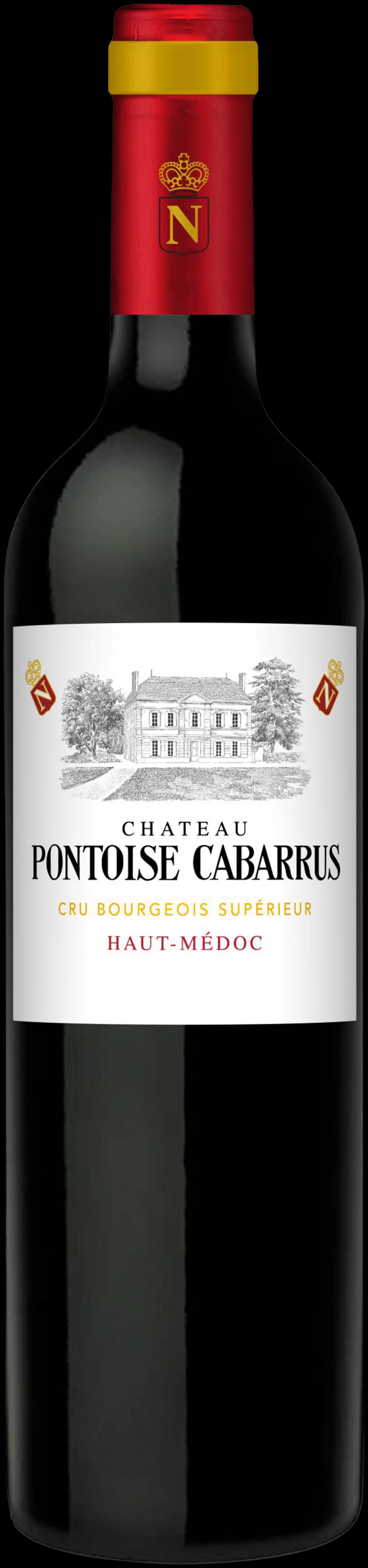
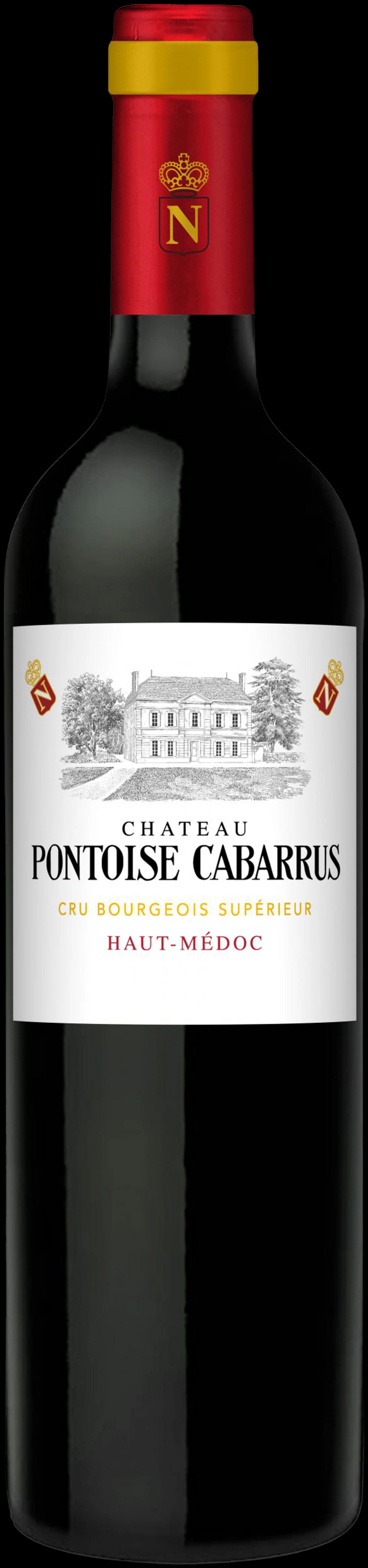
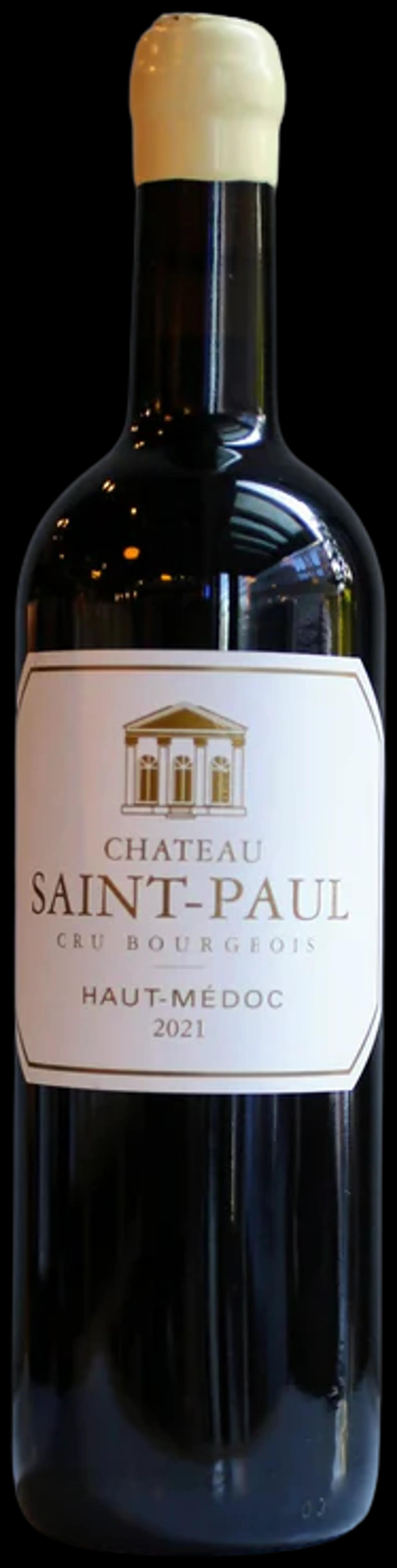
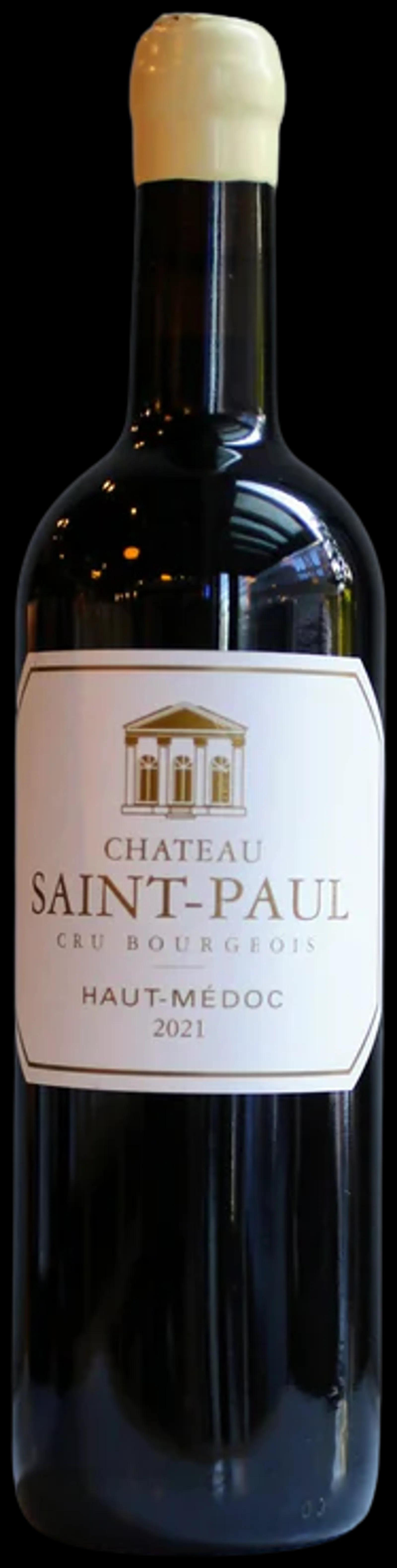
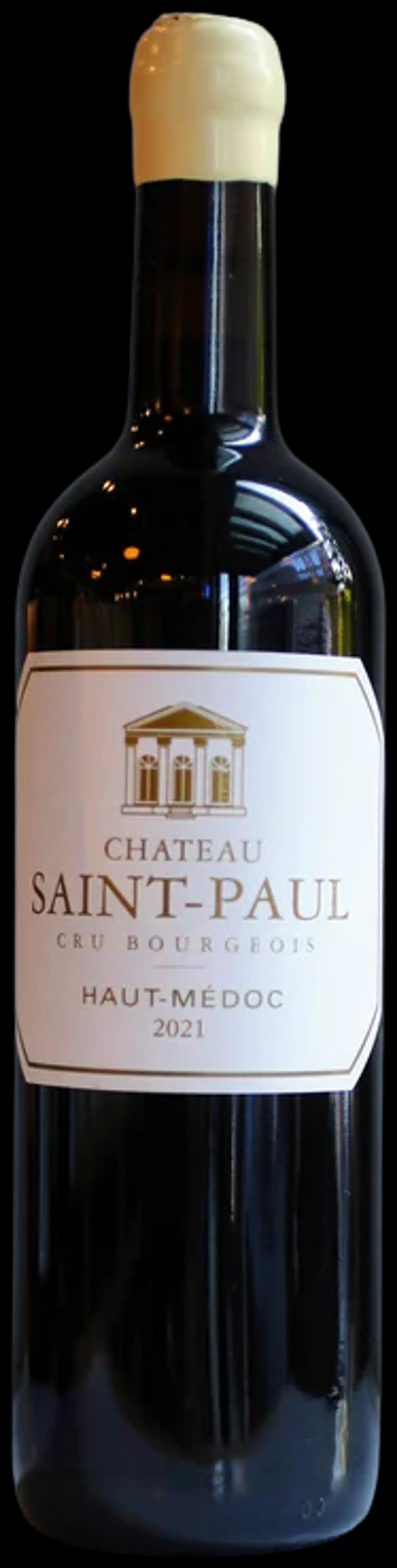
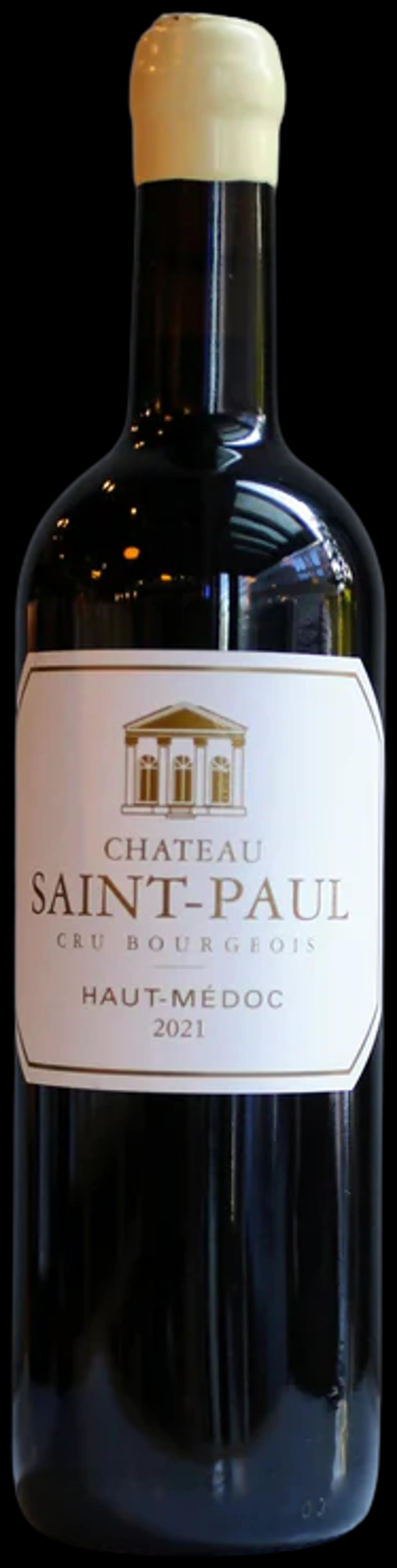
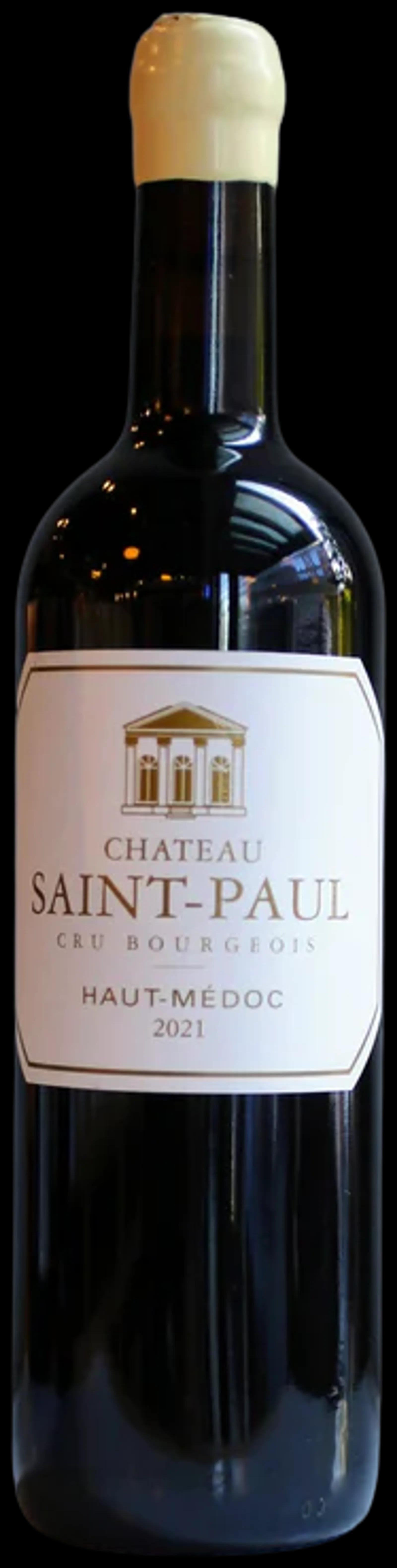
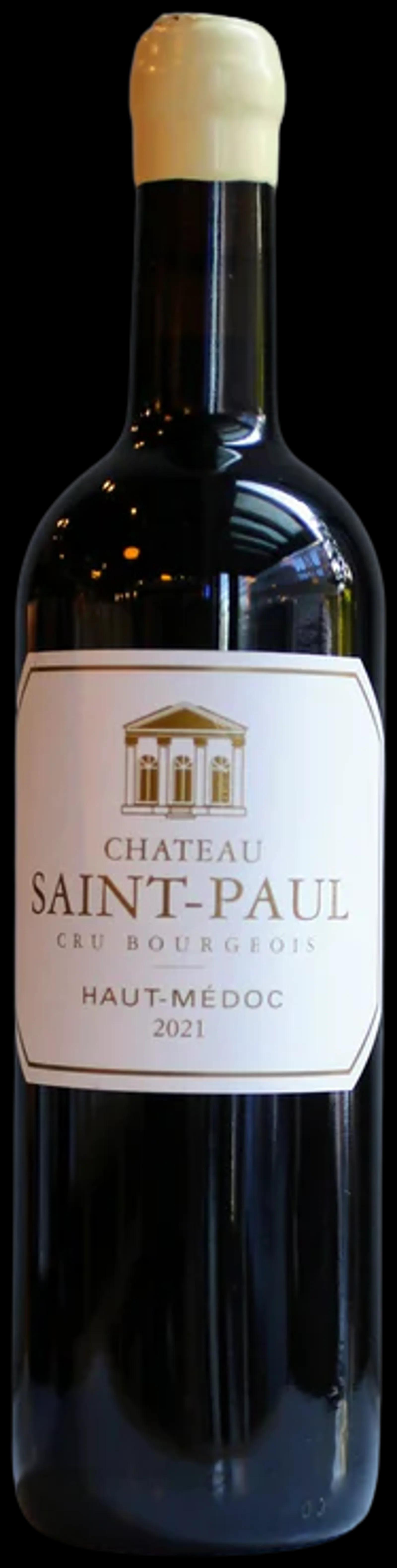
The gap between Bordeaux Cabernet Sauvignon and the grape as grown elsewhere in France is structural, not a matter of preference. In the Médoc and left-bank Bordeaux, Cabernet Sauvignon dominates blends because the deep, well-drained gravel soils regulate water stress during the growing season, slowing ripening and preserving tannin integrity. The result is a grape that builds phenolic complexity over years, not months. Cabernet Sauvignon planted in the Languedoc-Roussillon, by contrast, ripens faster under a Mediterranean sun. Producers there tend to pick earlier to retain acid structure, or blend with Syrah and Grenache Noir to balance the warmth-driven fruit. In the Loire Valley, Cabernet Sauvignon appears in Anjou and Saumur, where it behaves differently again: the cooler, more continental climate keeps alcohol lower — often below 13% — and produces a tighter, more herbaceous profile than either Bordeaux or the south. Cabernet Franc, its close relative and frequent blending partner in the Loire, fills a different role: it ripens earlier and suits the cooler terroir more naturally, which is why Cabernet Sauvignon tends to be the secondary grape in that region rather than the lead.
How French Cabernet Sauvignon Compares to the Same Grape Grown Elsewhere
France is where Cabernet Sauvignon developed its reference character, but that reference varies significantly even within French borders. The Bordeaux model — structured tannins, black-currant fruit, a long ageing curve — is the one most producers elsewhere have historically used as a benchmark. What that benchmark obscures is that Bordeaux Cabernet Sauvignon is almost never a varietal wine. The classic left-bank blend typically includes Merlot, Petit Verdot, and Cabernet Franc in proportions that change with the vintage. A monovarietal French Cabernet Sauvignon — as seen in parts of Languedoc — expresses the grape uncut, which means the tannins are more pronounced and the wine requires either careful viticulture or extended bottle age to integrate. Italian Cabernet Sauvignon from Tuscany is often blended with Sangiovese, producing a structurally different result: higher acid, more leather-and-tobacco character, earlier approachability in warm vintages. The French version, particularly from Bordeaux appellations, trades that accessibility for longer-term structure. Neither approach is superior; they are products of different soils, different climates, and different winemaking traditions. Producers who list on Free Grape Society set their own prices and their own production terms — no importer, no wholesaler. The price you see is the price the producer agreed to.
Styles of Cabernet Sauvignon from France
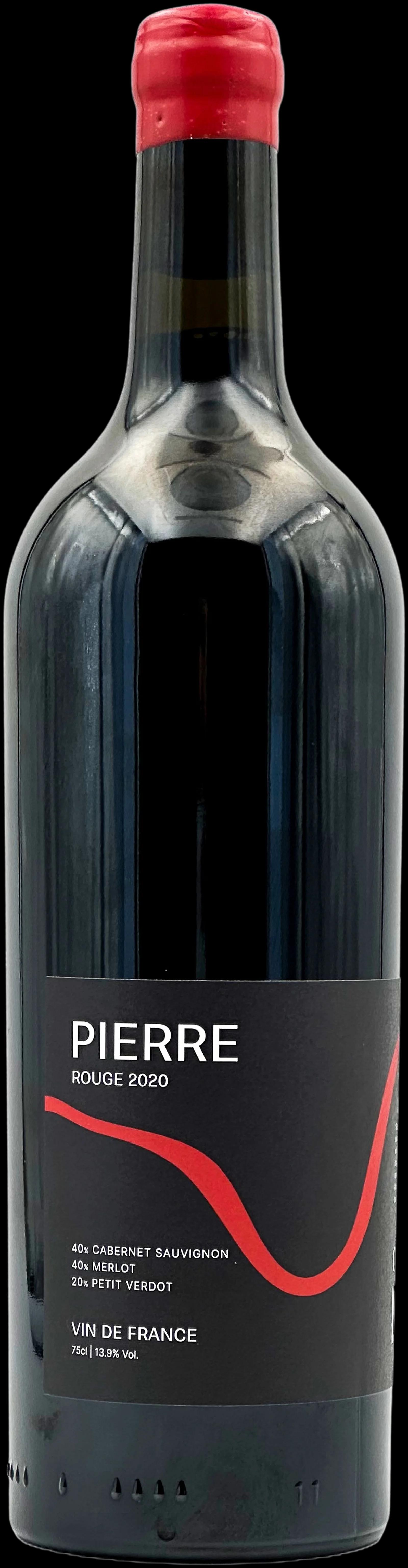
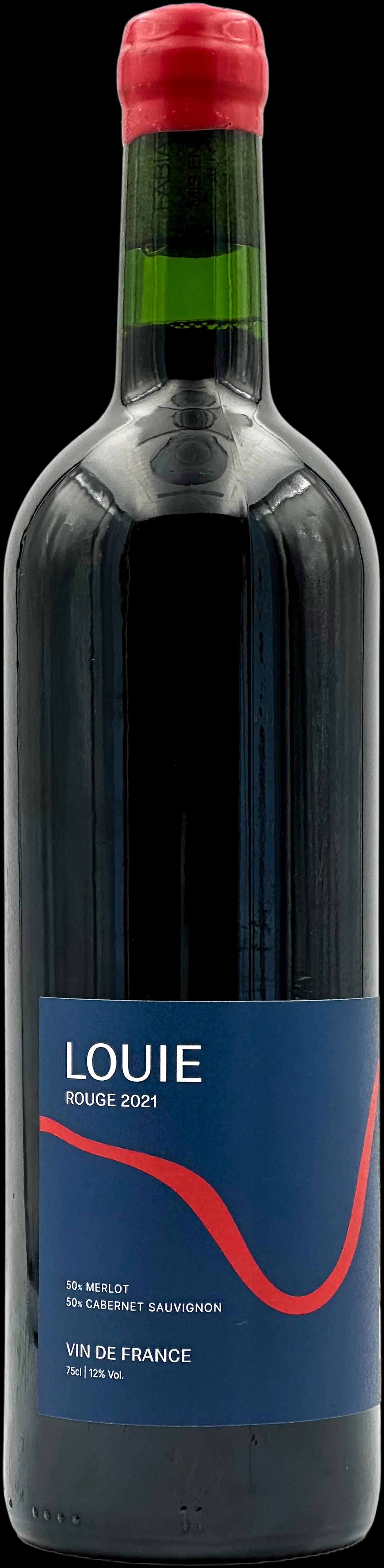
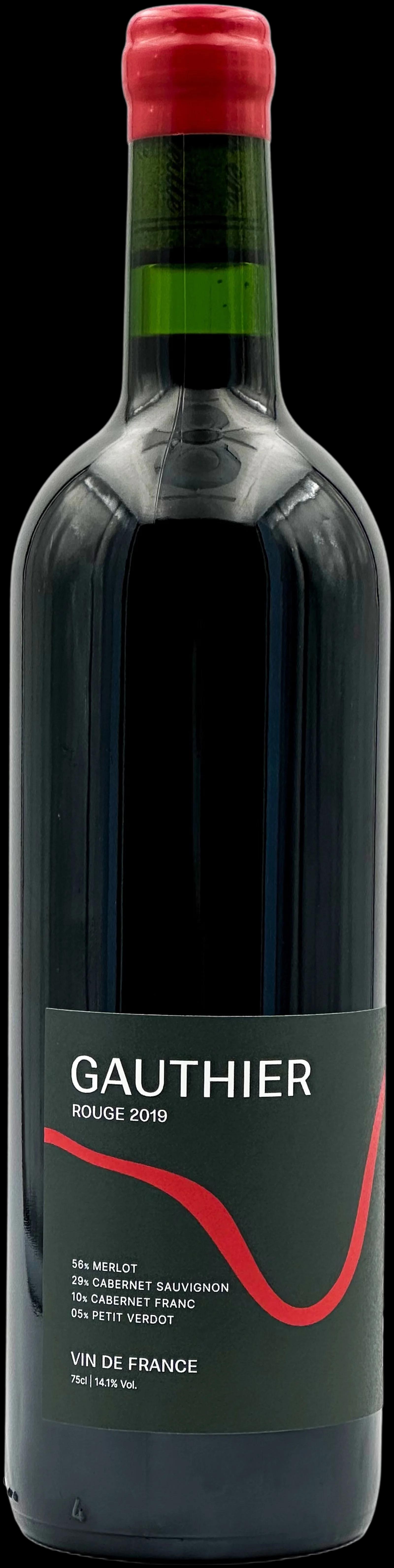
Three broad style categories define French Cabernet Sauvignon as it appears across the country. The first is blend-dominant Bordeaux, where Cabernet Sauvignon typically accounts for 50–70% of left-bank wines and the winemaking decision-making revolves around which parcels carry the most tannin-ripeness in a given year. In cooler vintages, the proportion of Merlot increases. The second style is the varietal or near-varietal Cabernet Sauvignon from southern appellations — fuller-bodied, higher in alcohol (often 14–15%), and built for earlier consumption rather than extended cellaring. The third is a smaller category: barrel-aged, single-estate Cabernet Sauvignon from producers working outside major appellations under IGP classification. These wines are often made in smaller quantities, with less obligation to match a regional profile, which gives producers more latitude in picking decisions and extraction levels. Across all three styles, the grape itself contributes its defining structural trait: a thick skin with high tannin load and strong pigmentation, which is why even lighter interpretations of French Cabernet hold their colour for decades. Producers working in French red wine more broadly use Cabernet Sauvignon primarily as a structural anchor — a grape that frames the blend rather than softening it. That role is consistent whether the bottle comes from a classified Bordeaux château or an independent producer in the Languedoc hills.