Where Cabernet Sauvignon comes from and how region shapes it
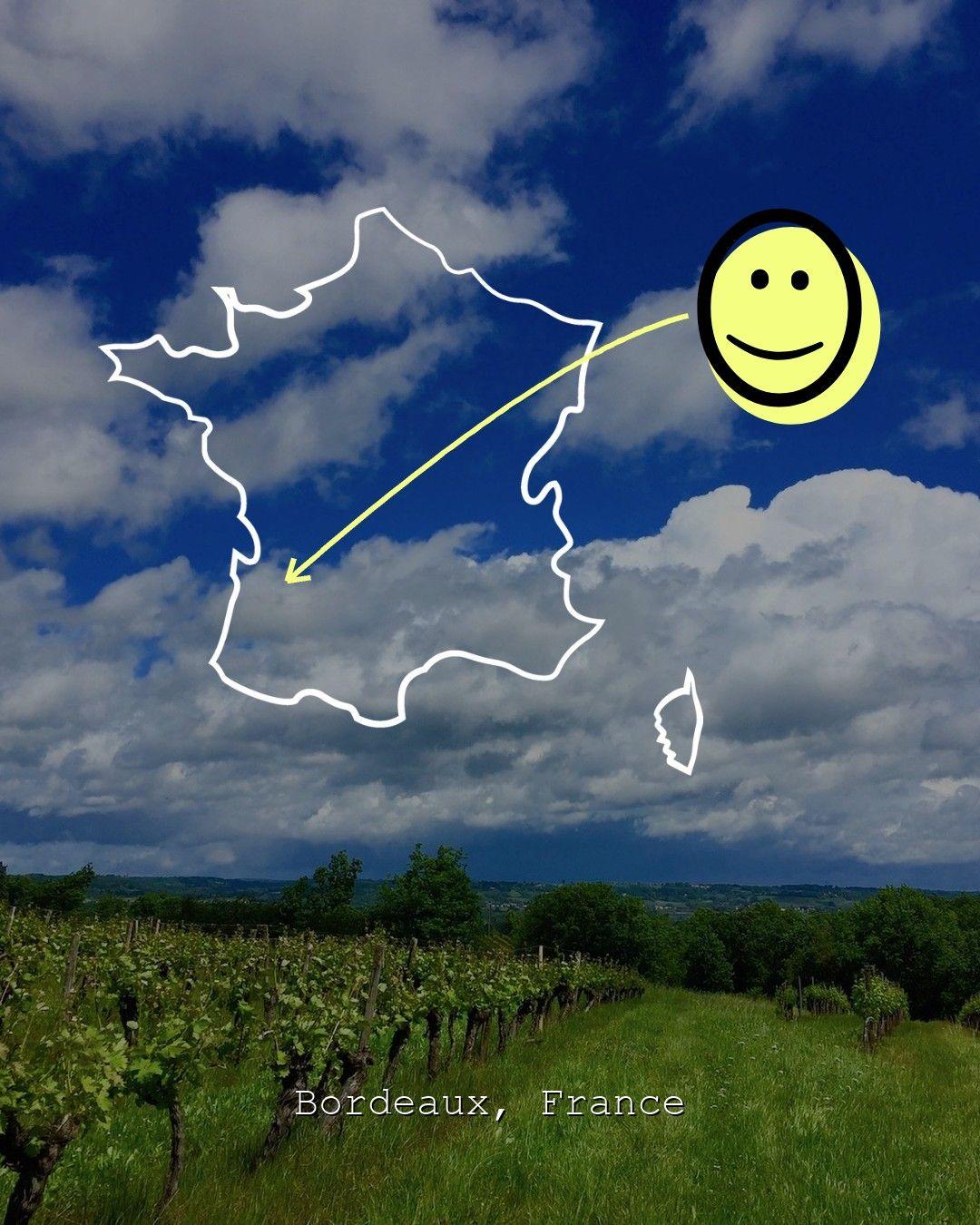
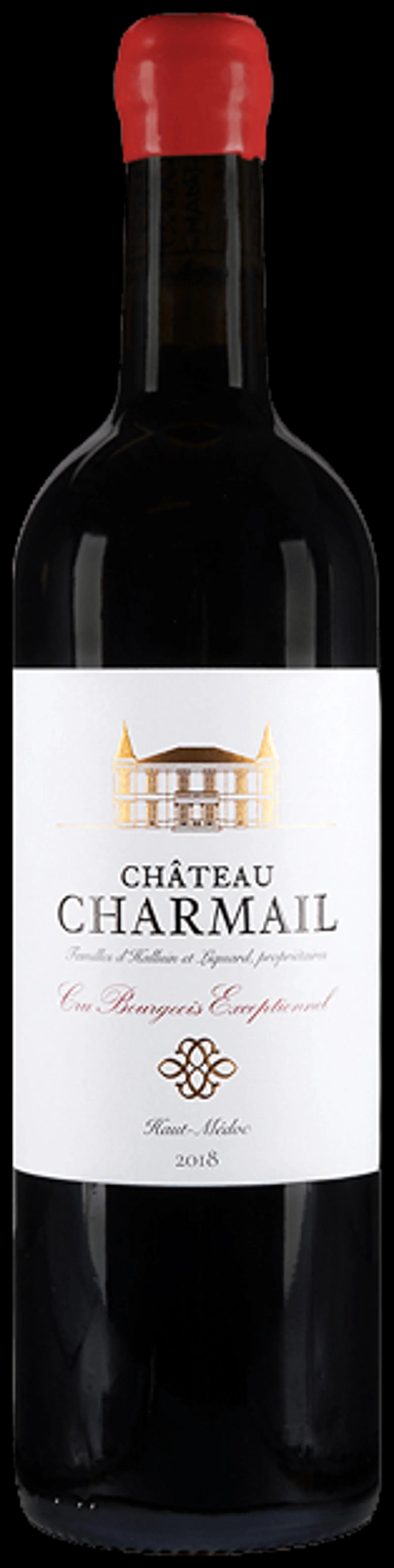
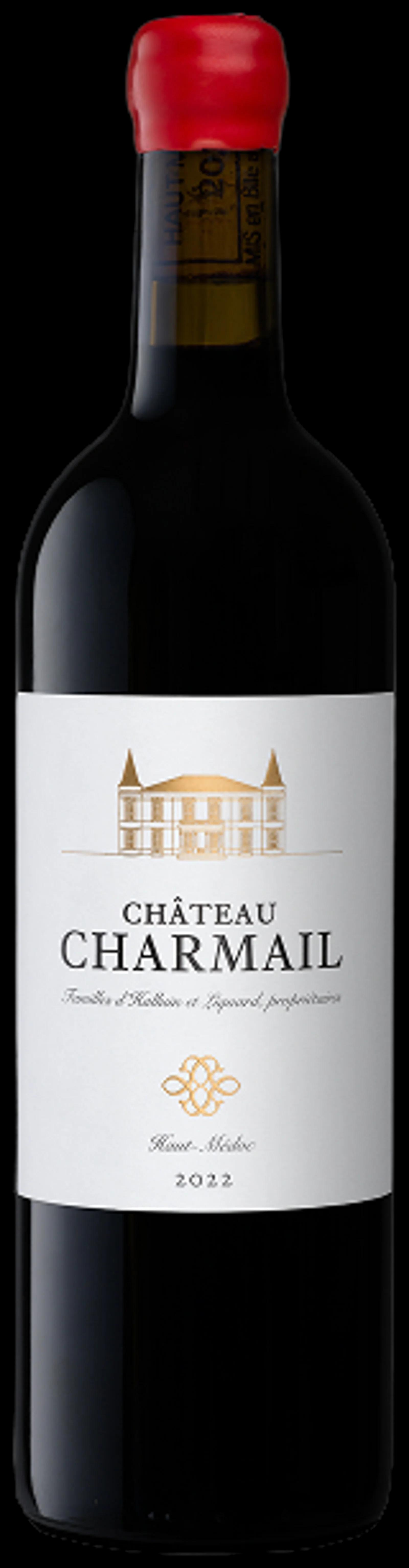
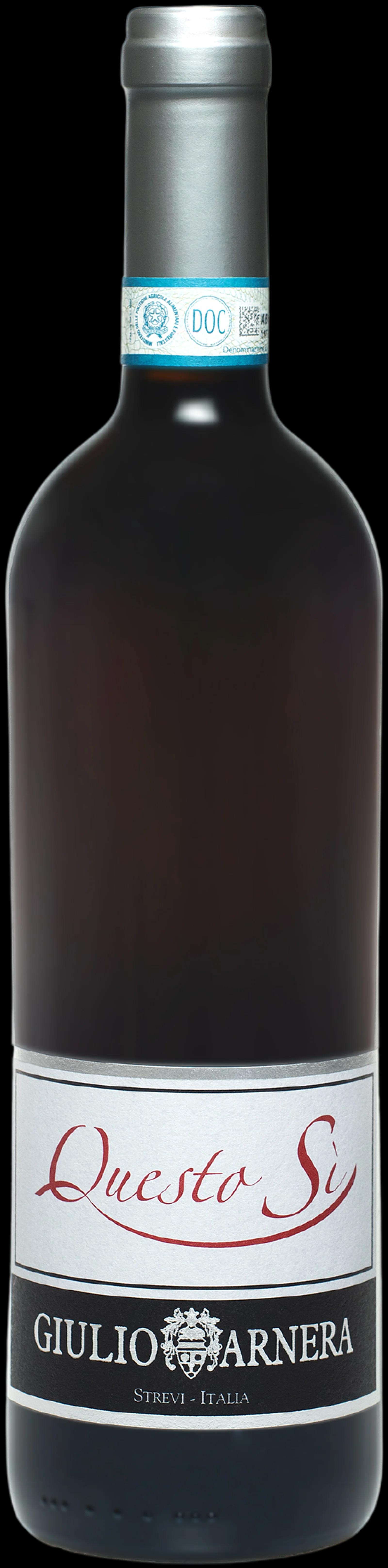
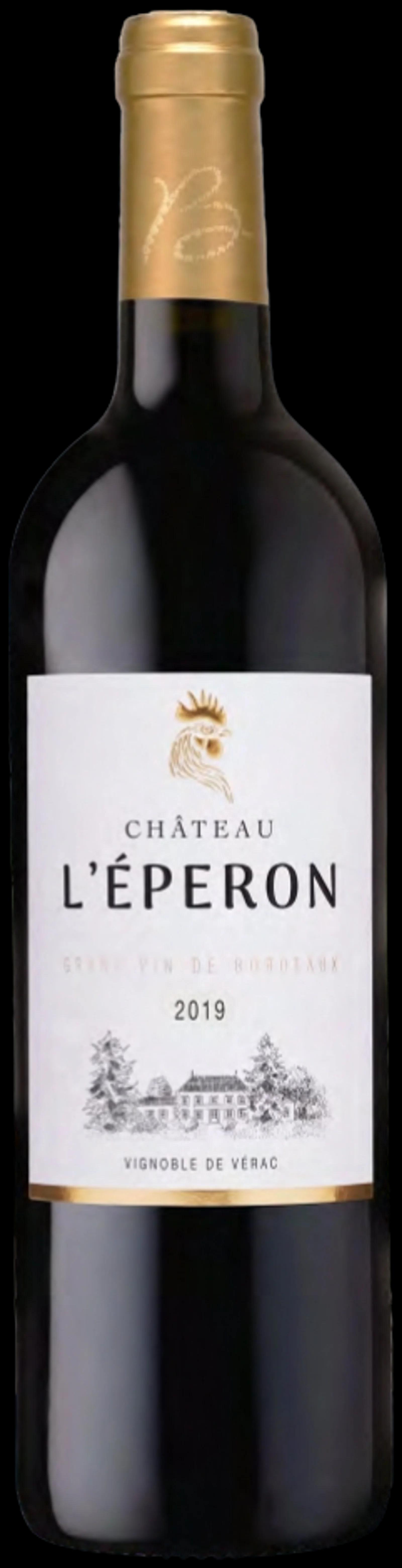
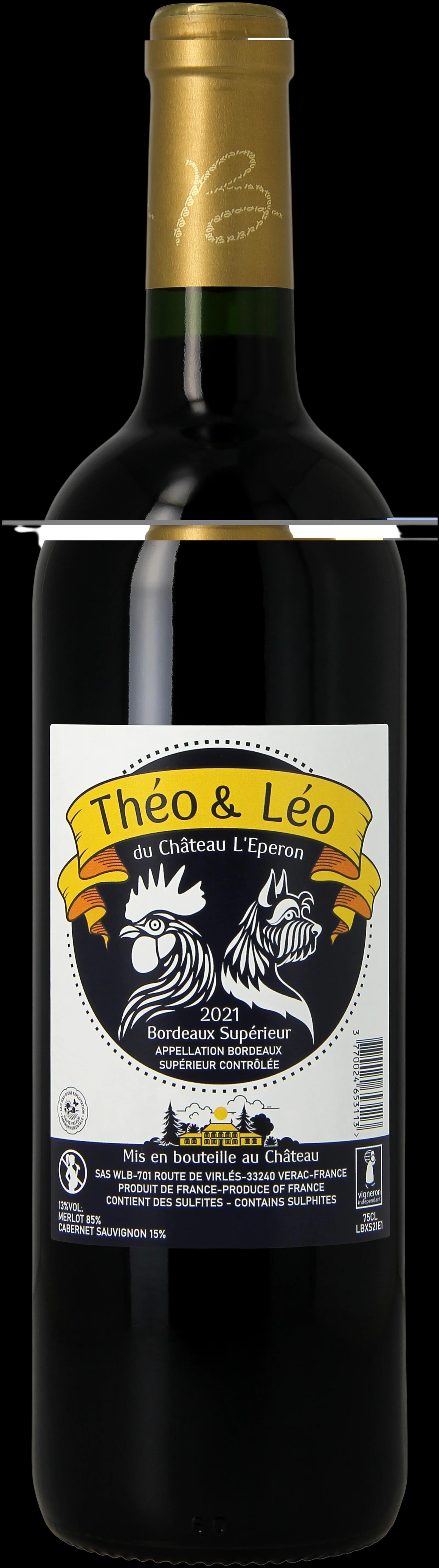
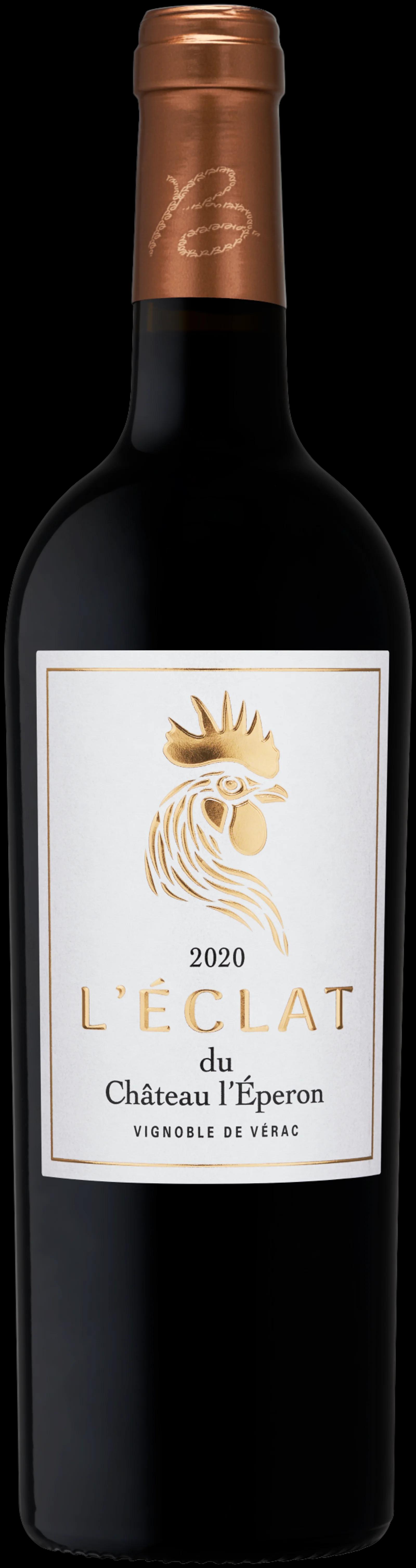
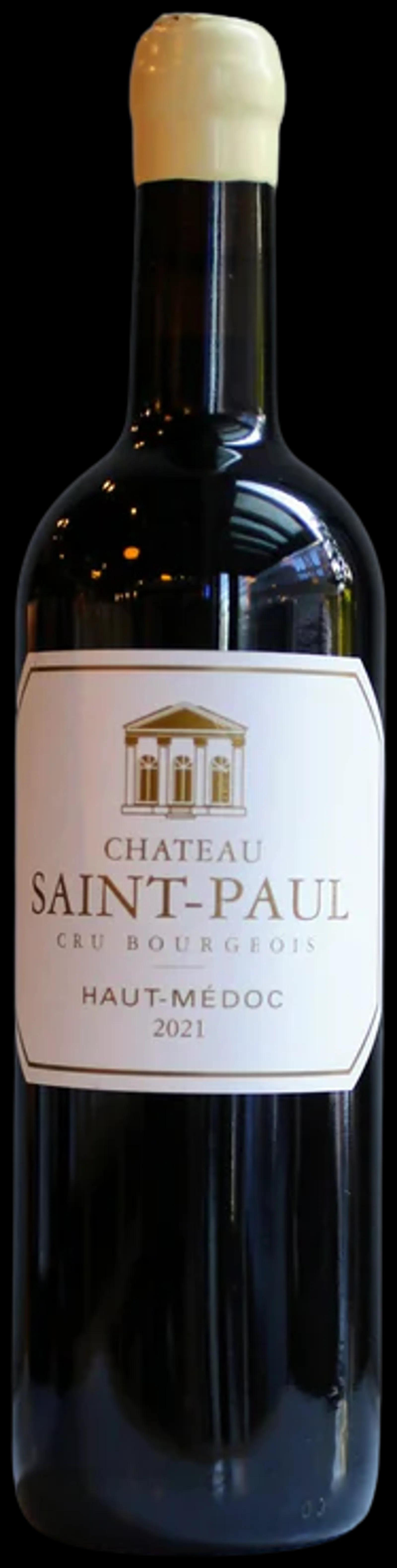
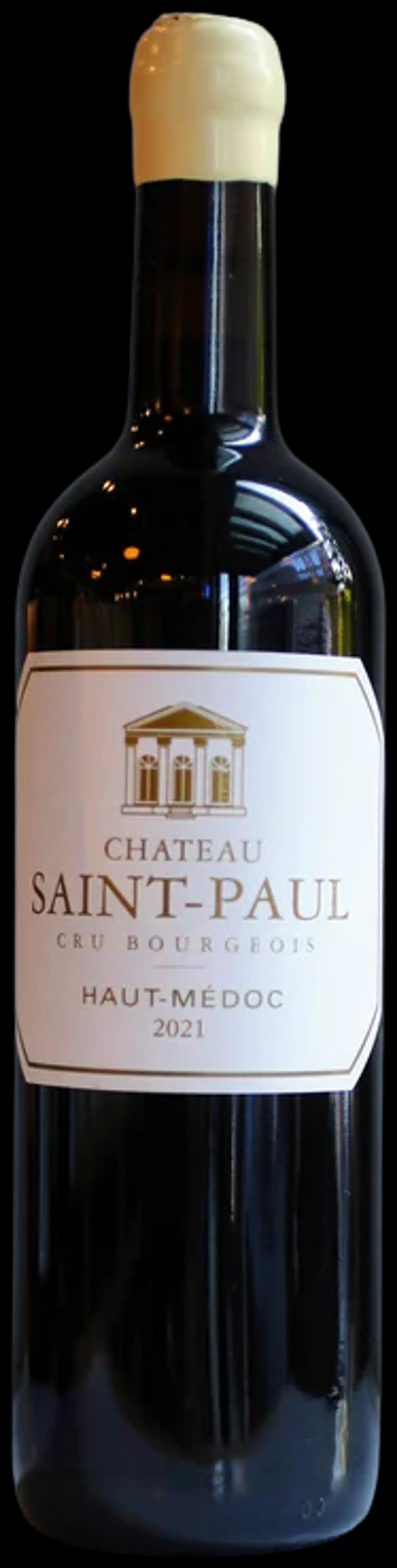
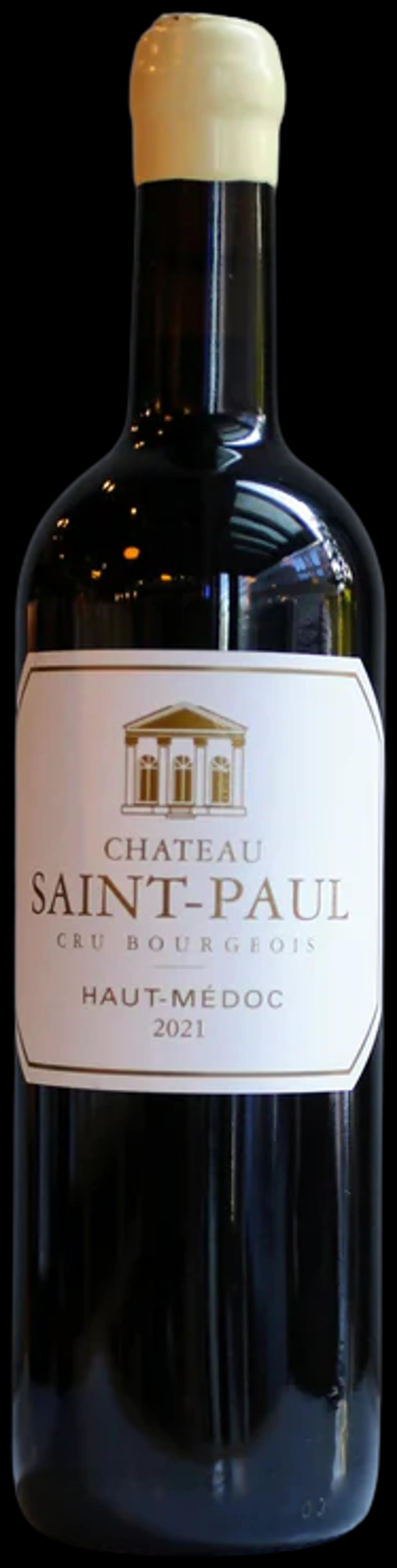
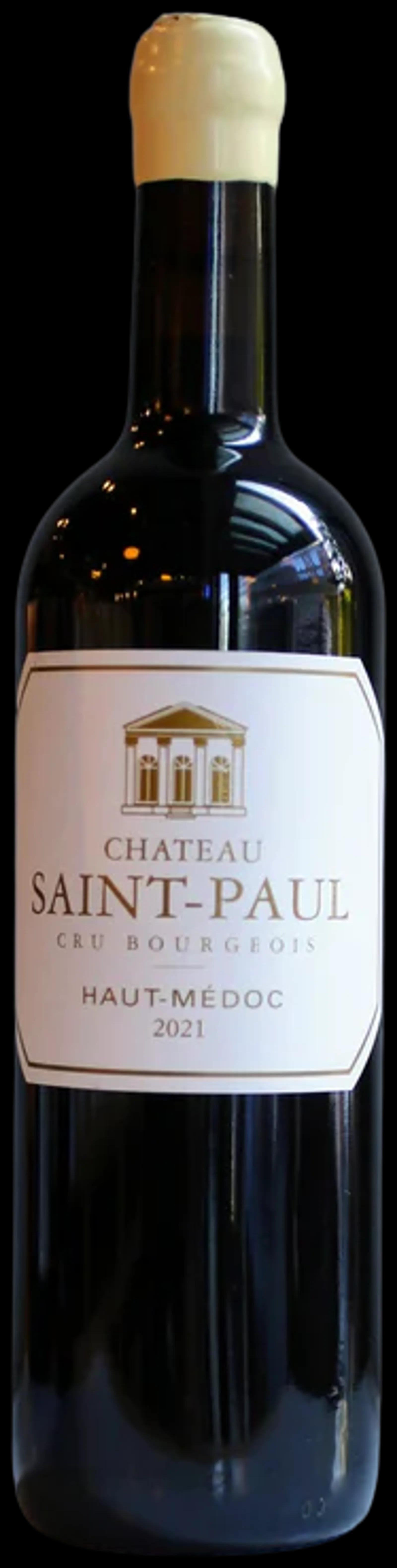
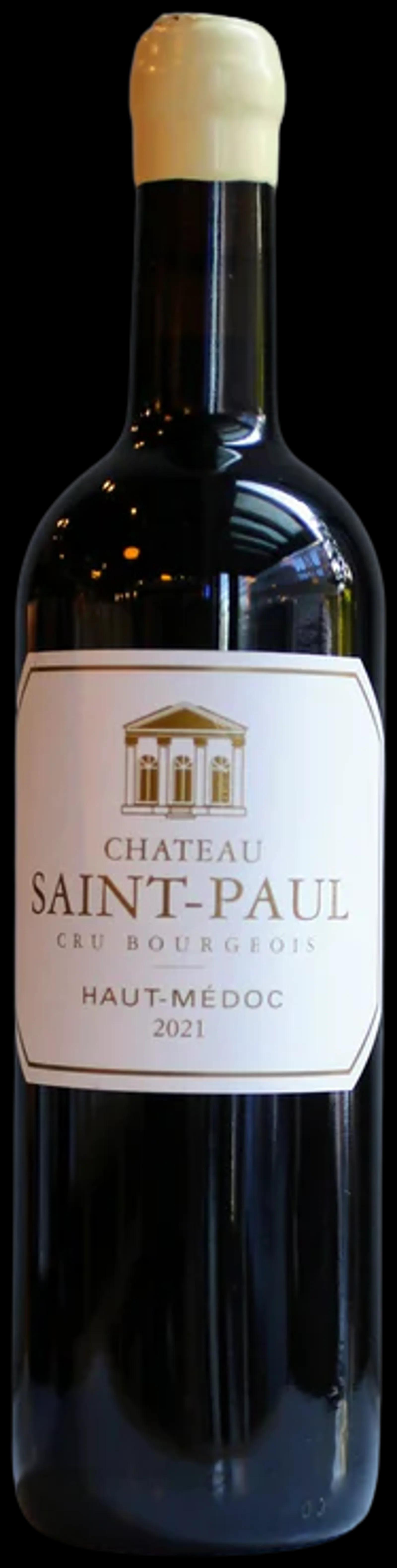
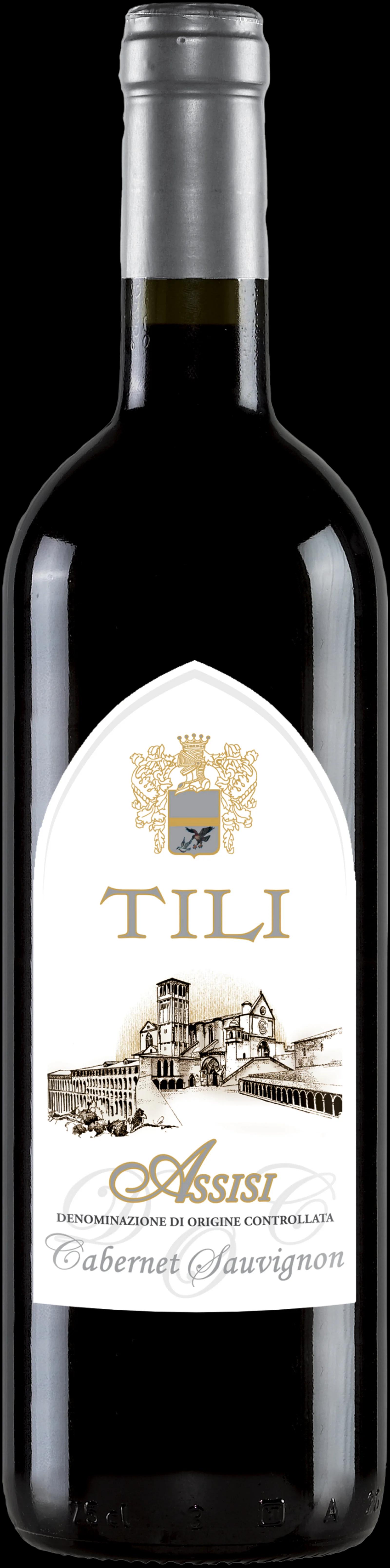
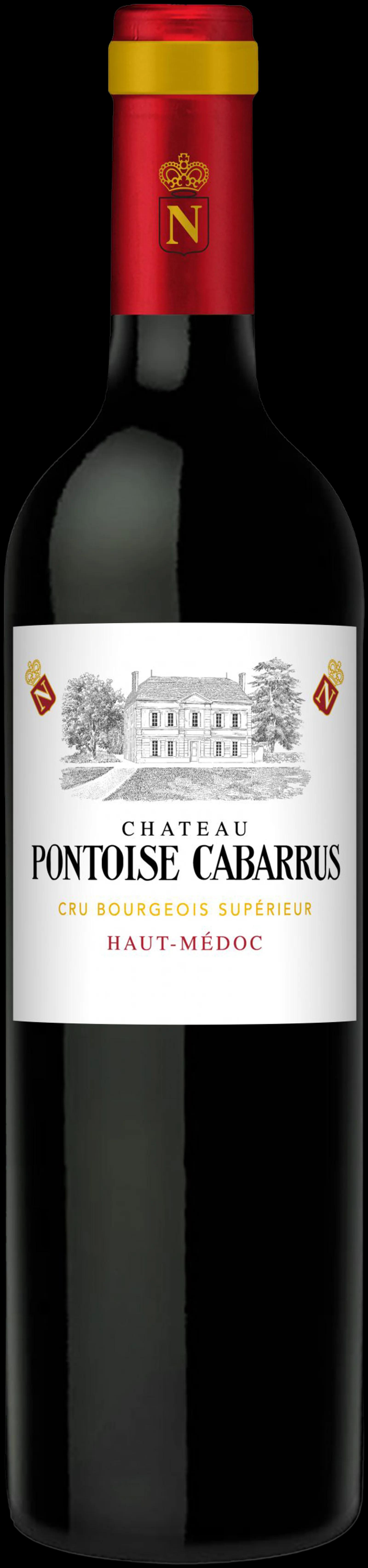
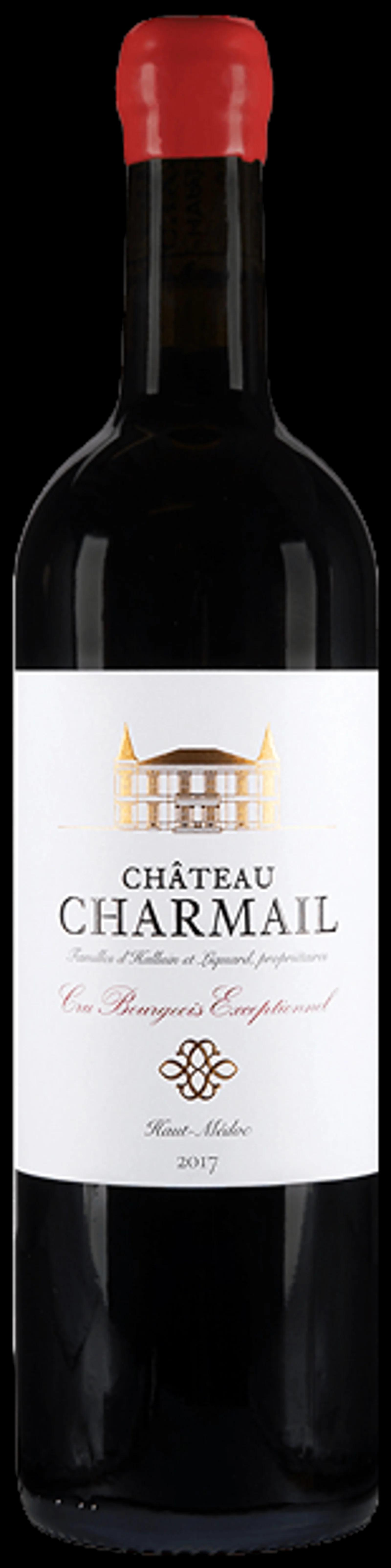
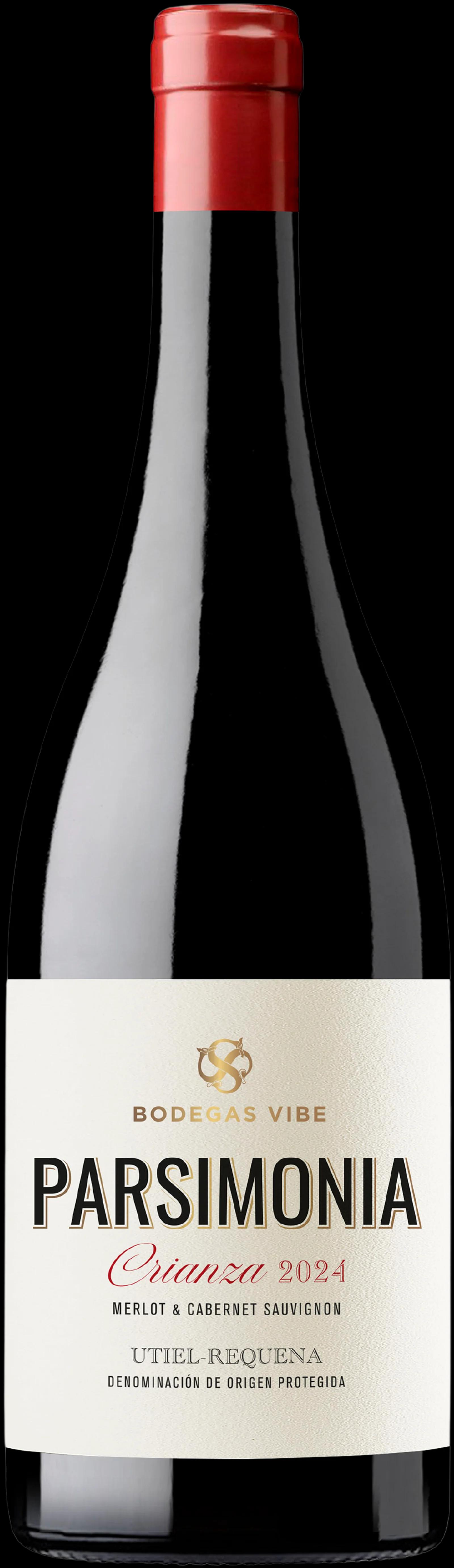
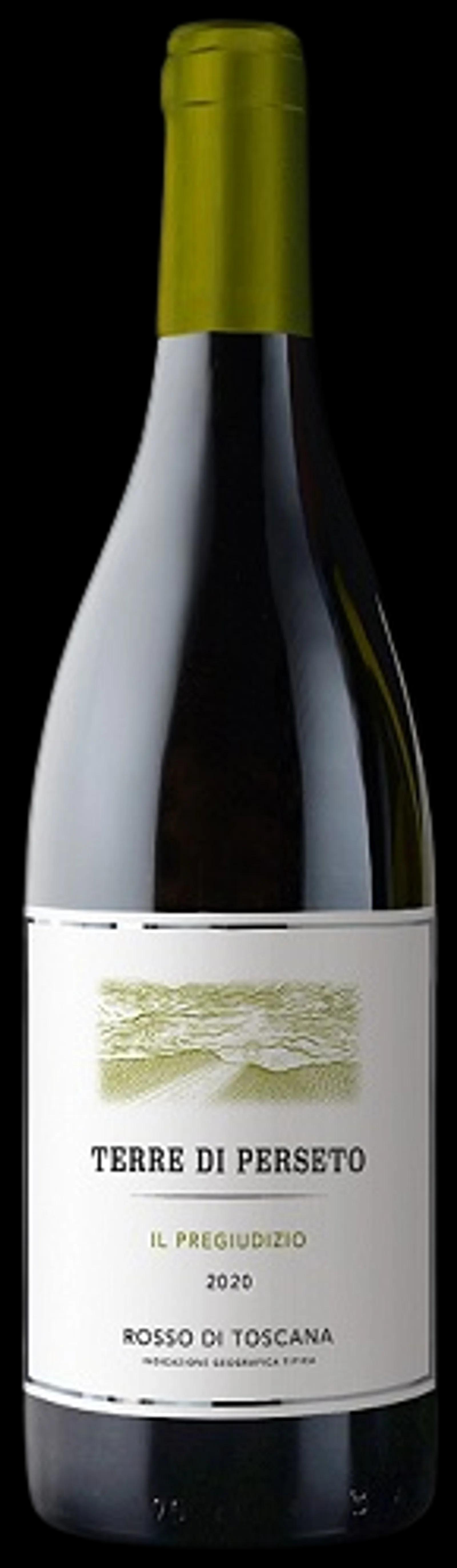
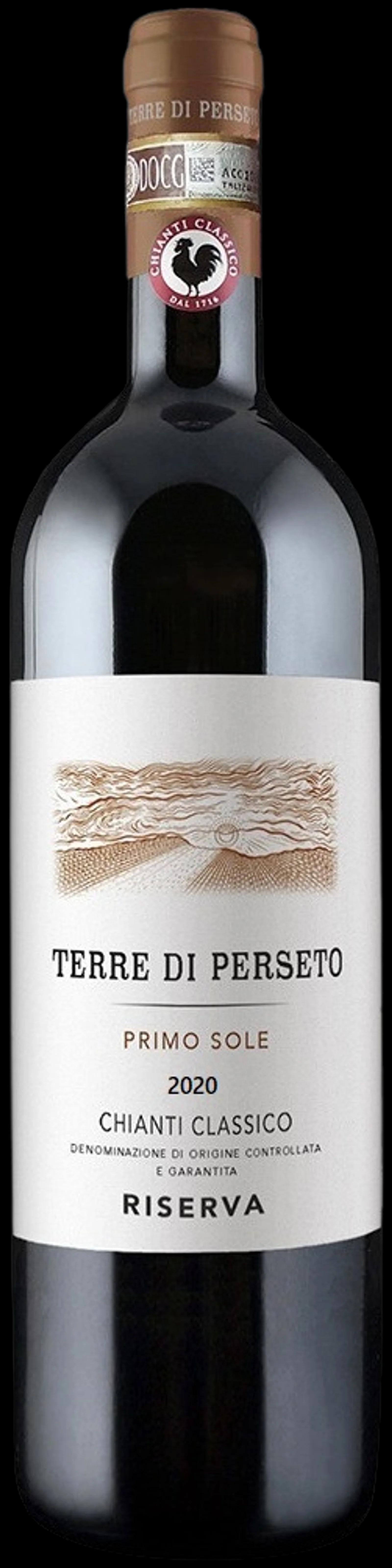
Cabernet Sauvignon originated in south-west France, where it emerged as a natural cross between Cabernet Franc and Sauvignon Blanc — a fact confirmed through DNA analysis in the late 1990s. Its heartland is Bordeaux, where it dominates the Left Bank appellations of Médoc and Graves, typically blended with Merlot and Cabernet Franc. Outside France, it has planted itself successfully across Tuscany, where producers in Bolgheri and the broader Tuscan coast blend it with Sangiovese or vinify it alone, and across Spain, where it appears in Aragon, Castile and León and beyond. The grape is thick-skinned and relatively late-ripening, which means it does well in warm, well-drained soils and struggles where the season is too short. That said, it adapts: grown in a cooler part of a warm region, it retains more acidity and green herb character; in full sun on free-draining gravel or clay-limestone, it builds the deep colour and firm tannin it is known for.
How Cabernet Sauvignon tastes, and what to drink it with
The structural signature of Cabernet Sauvignon is high tannin, firm acidity and a deep, dense colour. Young wines typically show blackcurrant, black cherry and a touch of cedar or pencil shaving from oak ageing; with time in bottle, those tannins soften and the fruit shifts toward dried plum, tobacco and leather. Because of its structure, Cabernet Sauvignon pairs well with food that can stand up to it: grilled or roasted red meat, lamb, aged hard cheese, and slow-cooked dishes with fat and protein to balance the tannin. Lighter expressions — from producers working in cooler sites or with shorter oak contact — can work with duck or mushroom-based dishes. If you are exploring the variety across origins, the Bordeaux page and the Italian Cabernet Sauvignon page sit at different ends of the style spectrum and are a useful comparison.
Buying Cabernet Sauvignon direct from independent producers
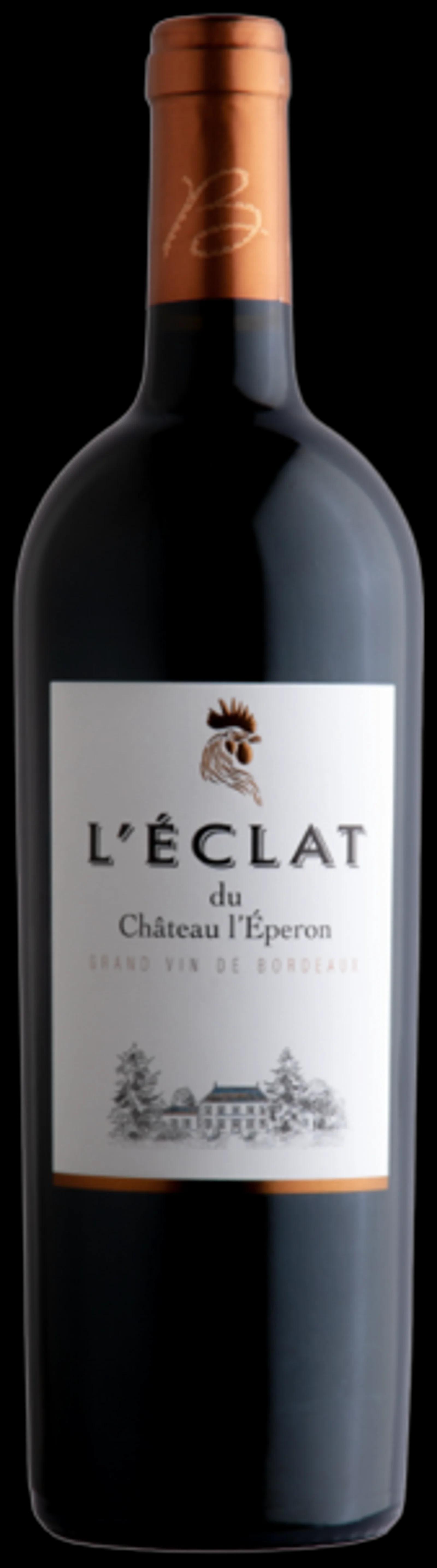
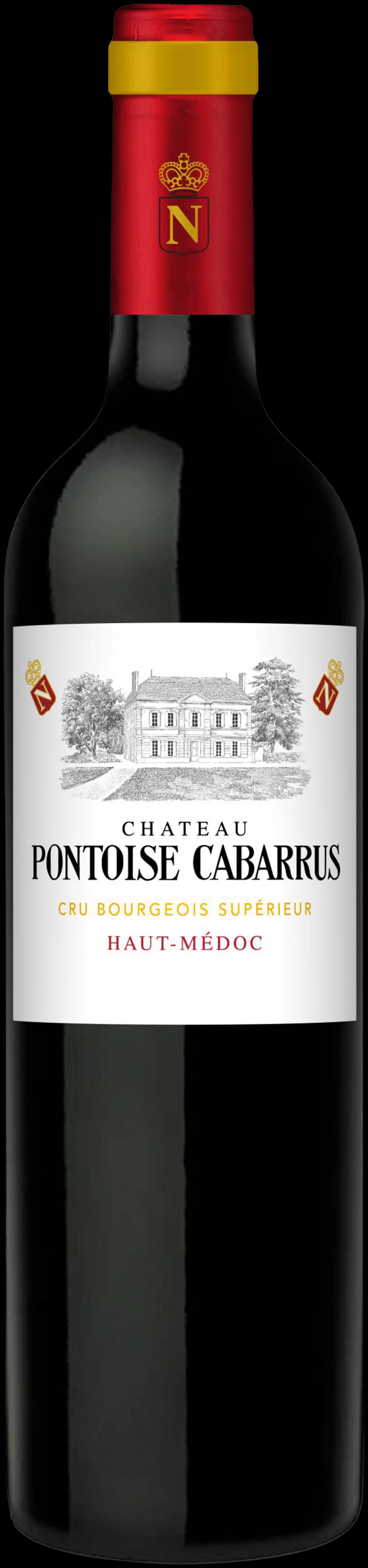
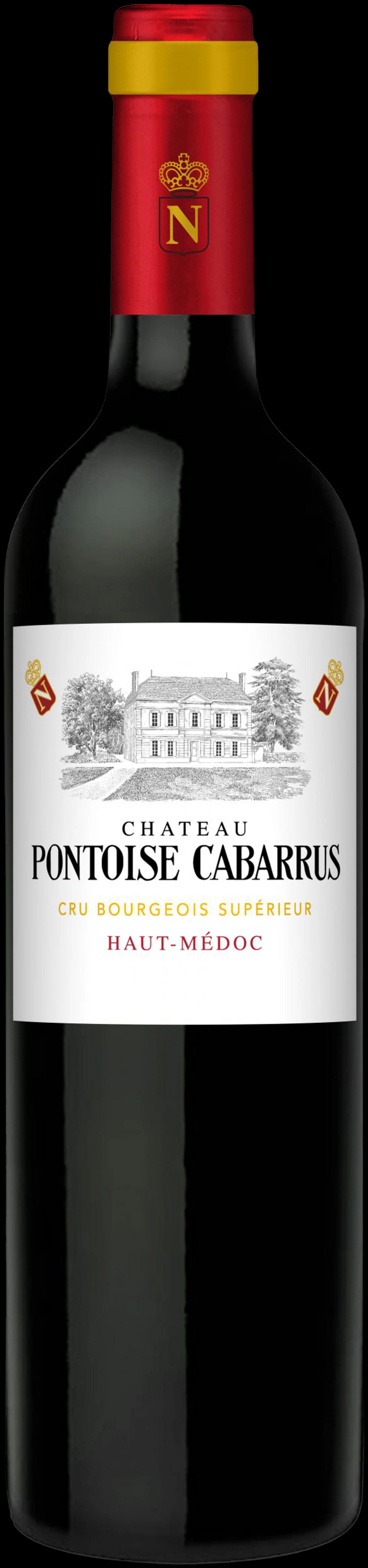
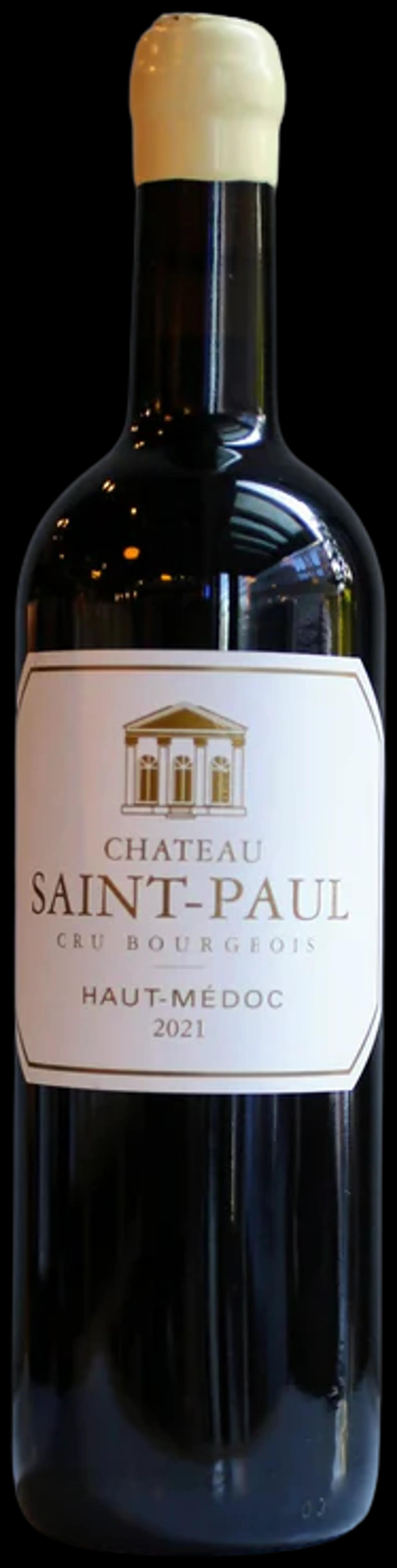
Most Cabernet Sauvignon sold through retail and large online shops comes from négociants or large estates that produce at scale. The wines on Free Grape Society come from independent growers — estates that grow their own fruit, make their own wine and ship it directly from their own cellar, with no importer or warehouse in between. That means the price you pay reflects what the producer charges, not a margin accumulated through a distribution chain. You can find producers working with Cabernet Sauvignon from France, Italy, Spain and several other countries on this page, and where a producer has put together a mixbox — their own selection of six bottles — those appear in the mixbox section above. Free Grape Society is a society of producers, independent experts and wine lovers, not a shop: the producers here set their own prices, market their wines directly, and handle the relationship with the buyer themselves.