Cabernet Sauvignon from Italy — beyond the Bordeaux shadow

Cabernet Sauvignon grown in Italy, from Bolgheri to the Alto Adige. Direct from the producer.

Italian estates working with Cab on their own terms.

Color

Dropdown arrow

Type

Dropdown arrow

Country (1)

Dropdown arrow

Region

Dropdown arrow

Grape (1)

Dropdown arrow

Pairing

Dropdown arrow

Sort by

Sort arrow
Italy
Cabernet Sauvignon

Italian Cabernet Sauvignon

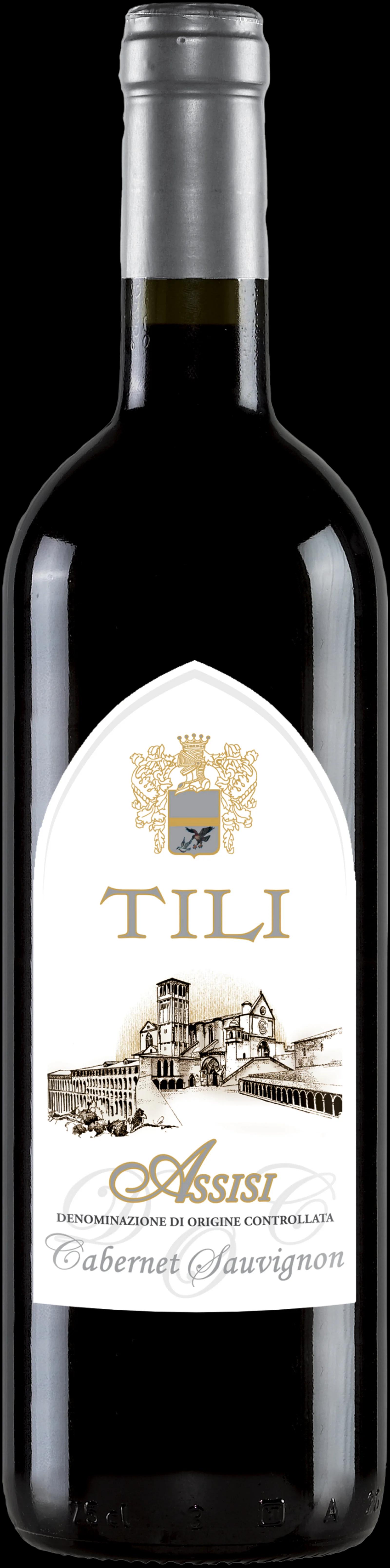
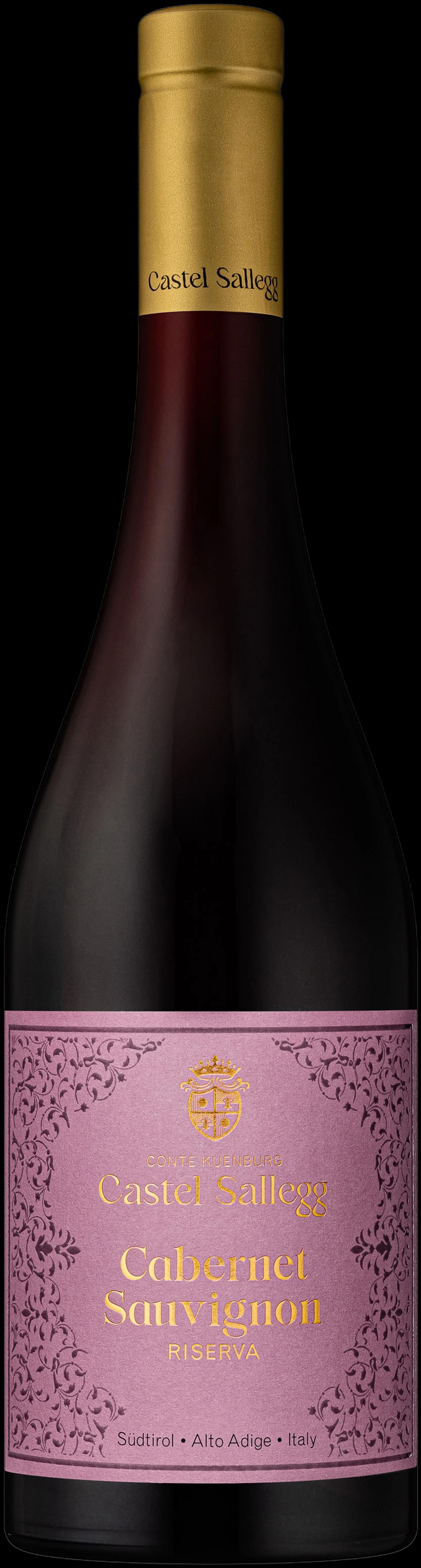
Cabernet Sauvignon arrived in Italy in the nineteenth century, but it was Bolgheri on the Tuscan coast that gave it a permanent address. The area's free-draining soils and proximity to the Tyrrhenian Sea produce a structural ripeness the grape rarely achieves inland. Further north, in Trentino-Alto Adige, cooler alpine conditions push the variety toward a leaner, more herbaceous profile — closer in character to Bordeaux than to anything produced in central Tuscany. Neither is a copy of a French model. Both are the result of producers working with local conditions for long enough to have a point of view.

Previous1 of 1Next

Frequently asked questions

How do I order Italian Cabernet Sauvignon on Free Grape Society?

Browse the wines listed on this page and add bottles to your cart. Each listing shows the producer, region, vintage, and price set by the producer. Checkout is handled once. Wines ship from the producer's cellar directly to your address. No account is required to browse.

What happens if a bottle arrives broken or doesn't taste right?

Send a photo to Free Grape Society customer support within 7 days of delivery. We will arrange a replacement or a refund. Because producers ship directly, quality issues are handled with the producer's direct involvement. Shared responsibility is built into how FGS works.

Can I order multiple Italian Cabernet Sauvignon wines from different producers in one order?

Yes. You can add wines from different producers to a single cart and pay once. Each producer ships their wines separately, so a single order may arrive in multiple deliveries. Estimated delivery for each is shown at checkout.

How long does delivery take?

Average delivery is 8 to 9 days from order to door. The full range is 4 to 14 days depending on the producer's location and your delivery address. Wines ship directly from the producer's cellar, not from a central warehouse.

How do I find the right Italian Cabernet Sauvignon for my taste?

Start by region. Bolgheri and Tuscany produce riper, fuller-bodied styles with darker fruit and more oak. Trentino-Alto Adige produces leaner expressions with more defined tannins and cooler-climate character. Independent wine experts on the platform have reviewed individual bottles and can narrow it down further.

Does Italian Cabernet Sauvignon age well, and which styles are worth cellaring?

Bolgheri-based wines, particularly Sassicaia-style blends, are built for aging. Tannin structure, acidity, and fruit concentration all support 10 to 20 years in bottle. Single-varietal Cabernet from Trentino-Alto Adige tends to peak earlier. Vintage year matters here more than in many other Italian styles.

Which wine expert on Free Grape Society can recommend an Italian Cabernet Sauvignon for me?

Several independent wine experts on the platform specialize in Italian reds and have reviewed specific Cabernet Sauvignon wines. Browse the expert profiles to find one whose focus matches what you are looking for. You can message any expert directly through their profile.

Why don't you carry Italian Cabernet Sauvignon from every producer in the region?

Every wine on Free Grape Society is tasted before listing. Producers who want to be on the platform go through a quality review. No producer pays for placement. That means the list is not exhaustive by design — it reflects wines that passed the review, not the full census of what exists.

Is Italian Cabernet Sauvignon available through regular retail or Systembolaget?

Some widely produced labels are available at Systembolaget. Most independent Italian Cabernet Sauvignon producers on Free Grape Society work at volumes too small for retail distribution. That is partly why they work directly with platforms like this one instead.

Cabernet Sauvignon in Italy — How the Grape Settled In

Cabernet Sauvignon arrived in Italy in the 19th century, but its modern role was shaped in Tuscany in the 1970s and 1980s, when producers in Bolgheri began planting it outside the DOC framework entirely. The wines that resulted — dense, structured, age-worthy — were classified as humble Vino da Tavola because they didn't fit existing regulations. The category they created, now informally called Super Tuscans, forced Italian wine law to eventually create the IGT classification in 1992 to accommodate them.

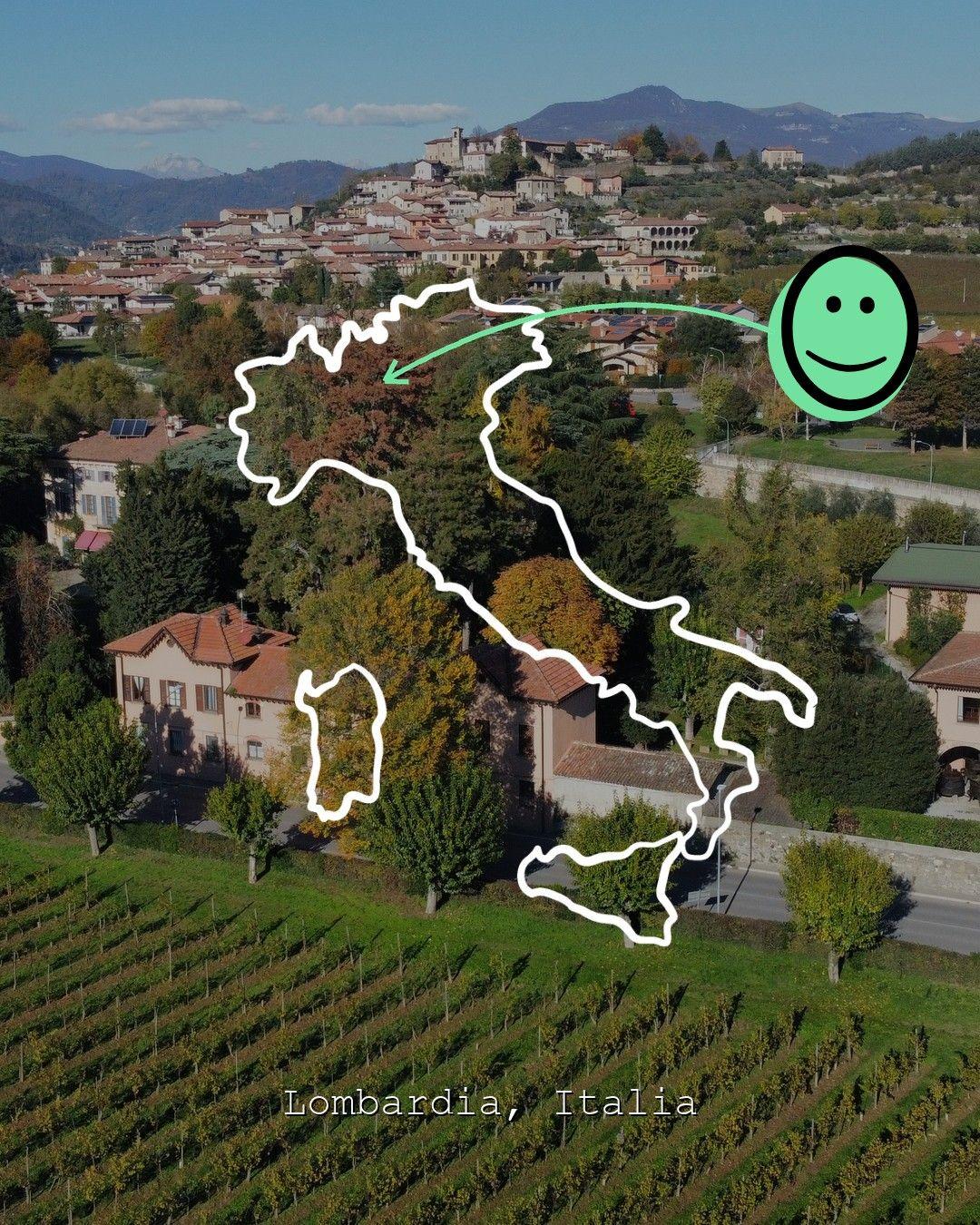
Outside Tuscany, Friuli Venezia Giulia and Trentino-South Tyrol have the longest track record with the grape in the north. In Trentino, the grape grows at altitudes between 250m and 500m. That elevation slows ripening enough to retain acid structure, producing wines with more linear tension than Bolgheri's warmer, coastal-influenced style. The two expressions share the variety but not much else.

Cabernet Sauvignon is also grown in Veneto, Lombardy, and parts of Piedmont, though in Piedmont it almost always plays a supporting role in blends rather than leading them. In the south, Sicily has seen increasing interest in the variety, where the challenge is managing ripeness in high-heat growing seasons — a different problem from the north's altitude-driven structure work.

How Italian Cabernet Sauvignon Compares to the Same Grape Elsewhere

Italian Cabernet Sauvignon sits structurally between Bordeaux and Napa in most expressions. It tends to carry more acidity than New World versions and less tannic density than classified Bordeaux in youth, though Bolgheri's top wines approach Bordeaux weight at full ripeness.

The key difference from French Cabernet Sauvignon — which in Bordeaux is almost always blended with Merlot, Cabernet Franc, or Petit Verdot — is that Italian producers in Bolgheri and Tuscany more often bottle it as a monovarietal or in a Cabernet-dominant blend without the Bordeaux proportions. Some blend it with Sangiovese instead, which changes the texture profile significantly: Sangiovese adds iron-mineral edge and cherry fruit to Cabernet's cassis and graphite base.

For producers listed here, no importer, no wholesaler. The price you see is the price the producer agreed to. That applies as much to a single-estate Bolgheri as to a Trentino mountain wine priced under 20 euros.

Styles of Cabernet Sauvignon from Italy

The range is wide enough that region matters more than variety when choosing. Bolgheri produces the most internationally recognized style: full-bodied, concentrated, often with new oak influence, structured for 10-plus years of aging. These are the wines that built the category's reputation.

Northern Italian versions from Trentino-South Tyrol are consistently leaner and more aromatic, with green herb and red fruit notes rather than the dark-fruit depth of coastal Tuscany. The altitude difference explains most of it. Friuli produces a middle style — structured but with more freshness than Tuscany.

Blended versions with Sangiovese, particularly from inland Tuscany and Umbria, show how the grape integrates with Italian-native varieties. The blends tend to have less weight than monovarietal Cabernet from the same producers but gain complexity from the varietal contrast. If you want to understand how Cabernet Sauvignon adapts to Italian winemaking thinking rather than French or Californian templates, these blends are where that shows most clearly. Producers working with red wines from Italy at this intersection usually have a clear position on which approach they favor — and that's visible in how they describe the wine, not just in the glass.