Merlot in Italy — how the grape settled and changed
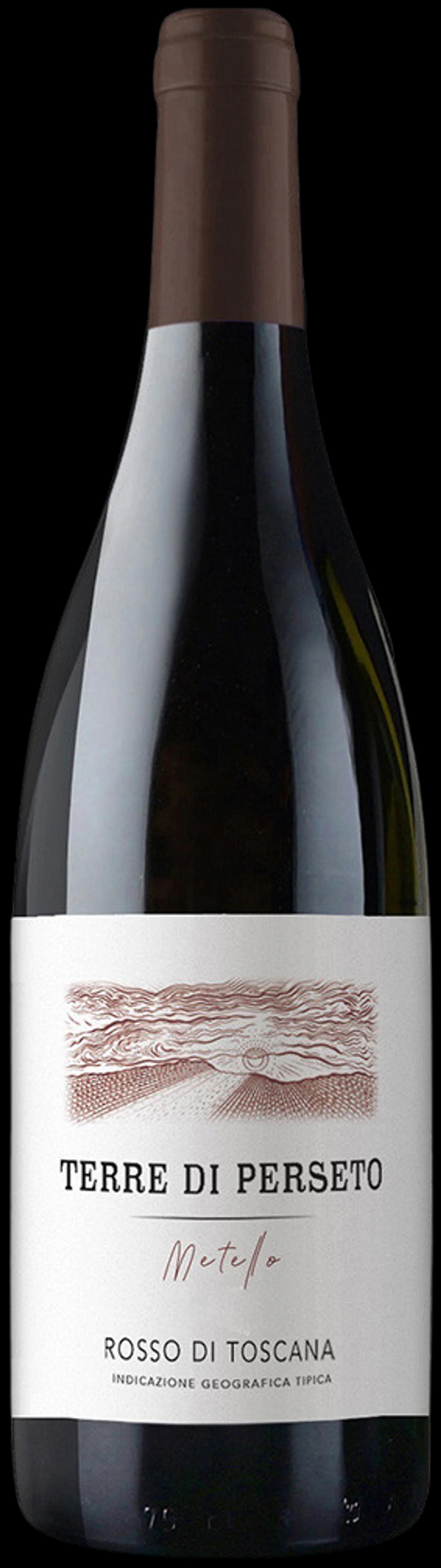
Merlot arrived in northeastern Italy in the mid-nineteenth century, brought through commercial and agricultural ties with France. It found its first serious foothold in Friuli Venezia Giulia and Veneto, where the alluvial and clay-rich soils of the Venetian plains gave it conditions not unlike the Right Bank of Bordeaux. But the expression it developed was distinctly Italian. The grape ripened earlier here than in France, producing wines with softer tannins, lower natural acidity, and a darker, fuller fruit profile than a typical Saint-Émilion or Pomerol. In Friuli, producers working with Merlot have historically aimed for varietal precision — single-estate, single-vineyard bottlings that show where the fruit came from, not where the grape was born. In Tuscany, Merlot took on a different role. It entered the region largely through the Super Tuscan movement of the 1970s and 1980s, blended with Cabernet Sauvignon and sometimes Sangiovese to produce wines outside the DOC system. A small number of producers then pushed Merlot as a varietal, most famously in Bolgheri, where the maritime influence of the Tyrrhenian coast moderates summer heat and allows the grape to develop structure without losing freshness. The difference between a Veneto Merlot and a Bolgheri Merlot is not subtle — one is shaped by altitude and drainage, the other by coastal wind and iron-rich soil.
How Italian Merlot compares to Merlot grown elsewhere
The same grape grown in Bordeaux, California, Chile, and Italy produces structurally different wines. In Bordeaux, Merlot is almost always a blending component, supporting or leading depending on the appellation. In Italy, producers increasingly bottle it as a varietal, which means the regional character has to carry the wine on its own. Italian Merlot — particularly from the northeast — tends toward a leaner, more mineral profile than New World expressions. Where California Merlot often presents plum, chocolate, and low acidity, Friulian and Venetian Merlot sits closer to red cherry, dried herb, and firm but approachable tannin. This is partly soil: clay and gravel in the Veneto plain versus the volcanic and decomposed basalt of some Californian sites. It is also a function of yields. Italian producers working with indigenous and international varieties at lower yields produce fruit with more concentrated skin-to-juice contact, which affects tannin texture and aromatic complexity. If you already know French Merlot from Bordeaux, Italian Merlot will read as more austere in youth and more regionally specific in character. It does not taste like a southern European version of the same wine. It tastes like a different interpretation of the same grape. For context on how Merlot expresses across styles globally, the Merlot grape page covers the broader picture.
Styles of Merlot from Italy — and how producers on Free Grape Society work with it
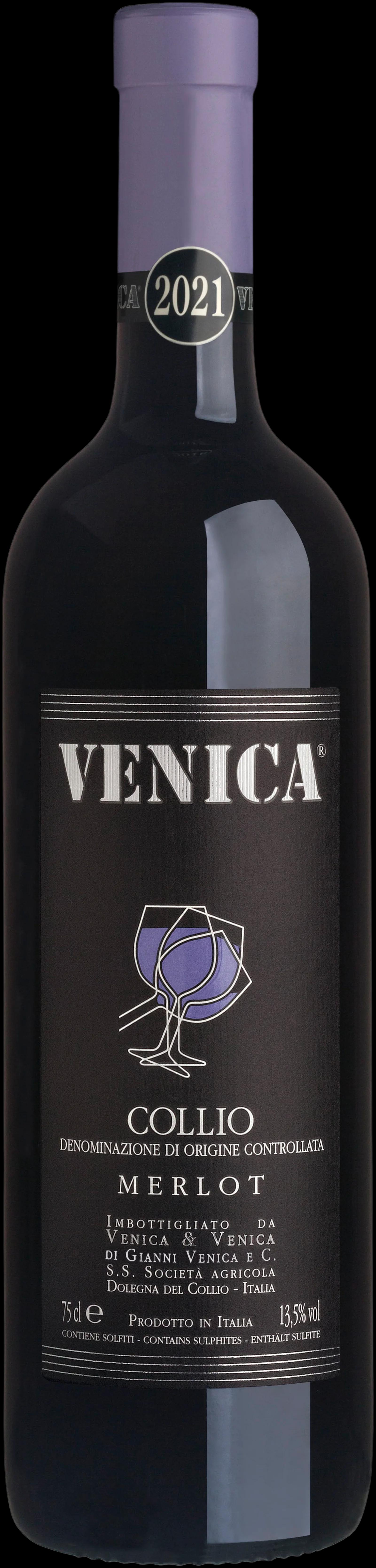
Italian Merlot is not one style. The three most distinct expressions come from Friuli Venezia Giulia, Veneto, and coastal Tuscany, and they differ in ways that matter when choosing a bottle. Friulian Merlot is typically vinified with precision and restraint — medium-bodied, with mineral edges and a relatively short maceration period that keeps the wine fresh rather than extracted. Veneto Merlot ranges from light, early-drinking styles in the plains to more structured expressions from hillside sites like the Colli Euganei or Colli Berici, where elevation reduces yields and concentrates flavor. In Tuscany, particularly in Lombardy-adjacent zones and along the coast, Merlot is often aged in small French oak barrels, building structure and complexity over 12 to 24 months. The result is wines with more weight and a longer aging window. Producers on Free Grape Society listing Italian Merlot set their own prices and control their own allocations. No buyer with quarterly targets determines what gets listed or at what margin. The producer decides if they want to be here, and what is here. Wines are tasted by our Head of Product before going live. Independent wine experts review individual wines on the platform. For related context, see red wines from Italy, wines from Tuscany, and Barbera from Italy as a point of comparison for how another international-versus-indigenous dynamic plays out in the Italian red wine landscape.