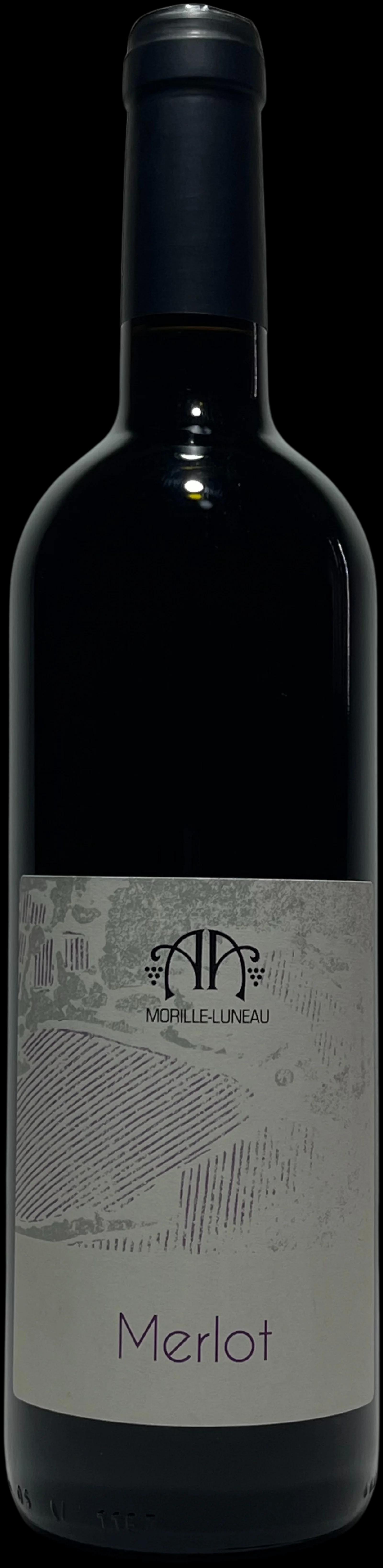
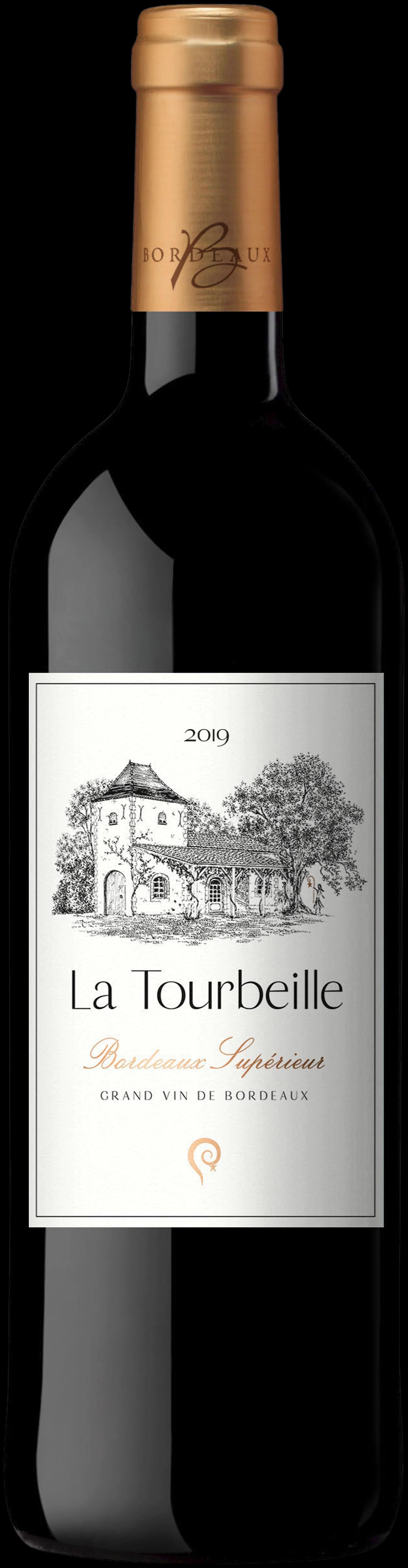
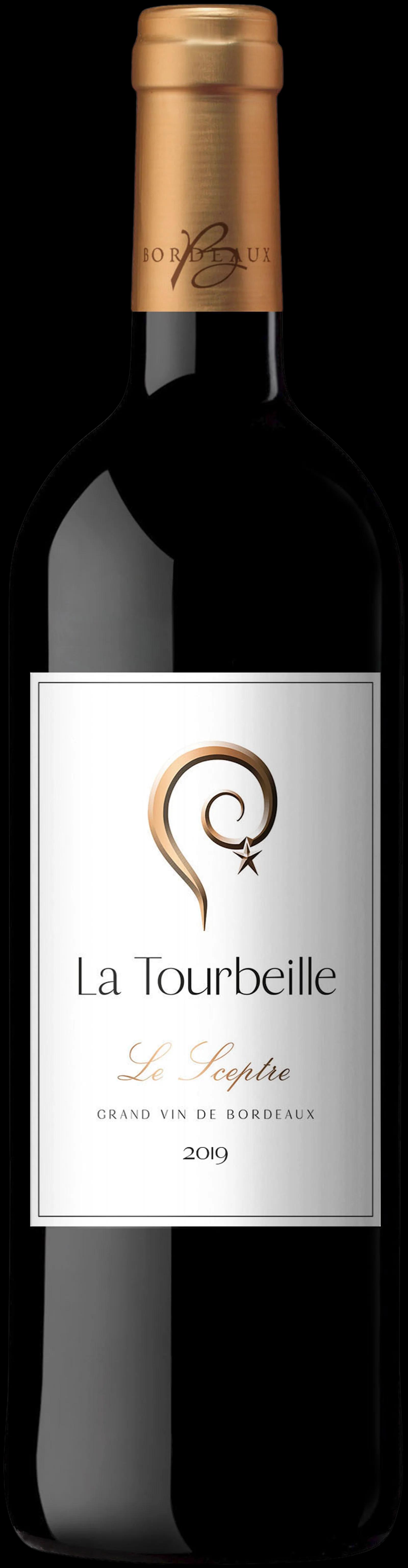
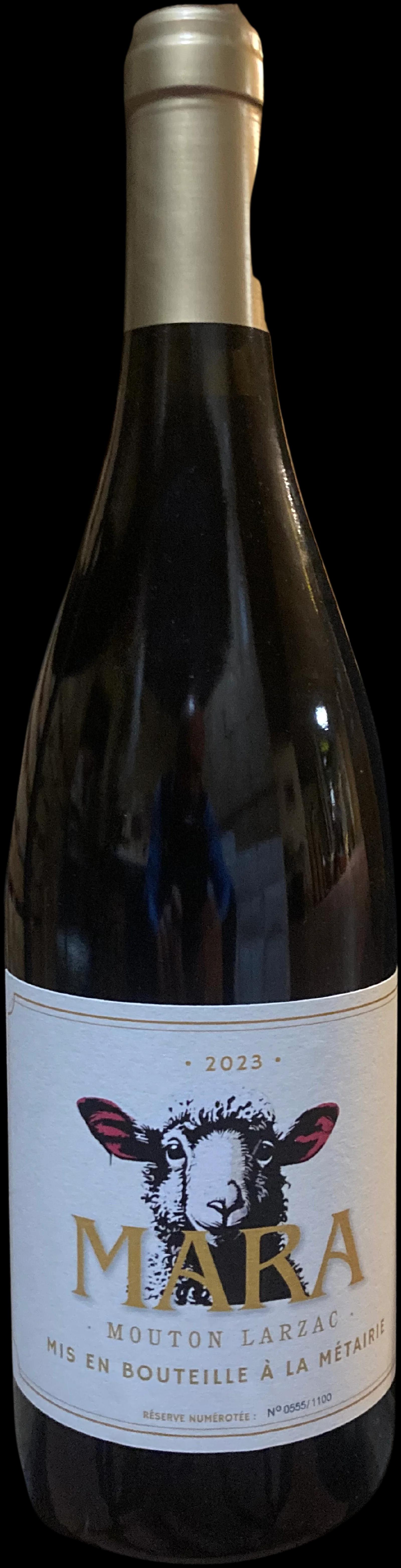
Merlot: from Bordeaux's Right Bank to estates across Europe

Merlot wine is one of the world's most widely planted red grapes, yet it rarely tastes the same twice. The producers below grow it across France, Italy and beyond, each shaping it in their own way.
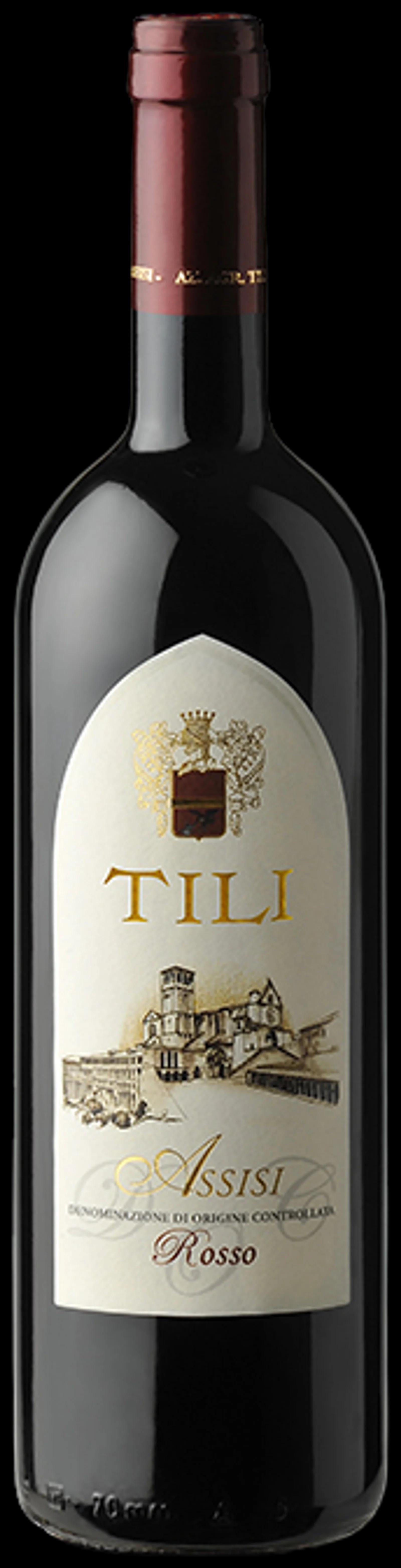
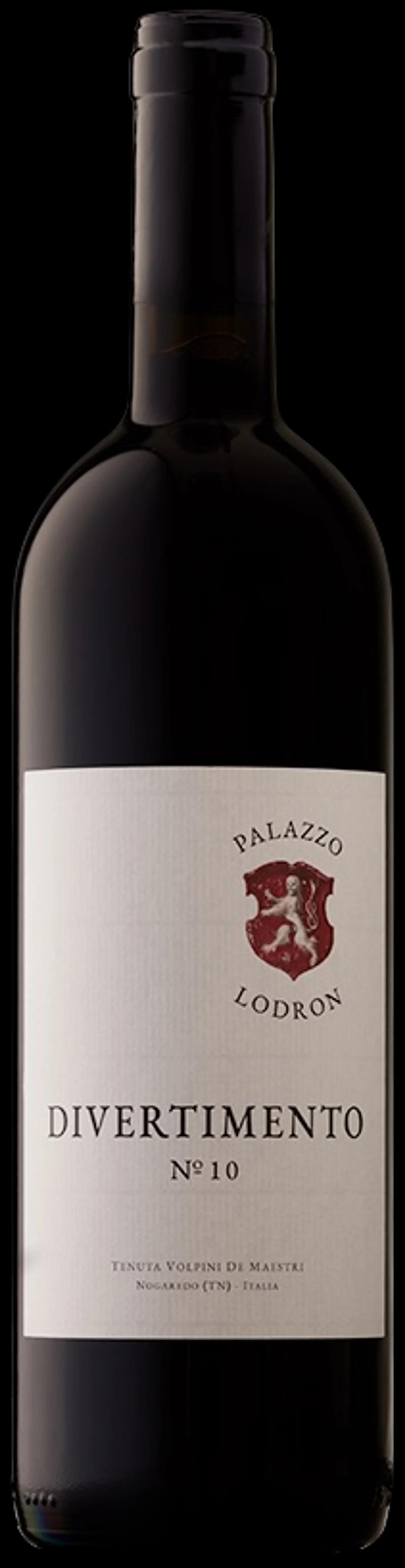
Soft tannins and a ripe, plummy core that shifts from silky to structured depending on where and how it is grown.

Color

Dropdown arrow

Type

Dropdown arrow

Country

Dropdown arrow

Region

Dropdown arrow

Grape

Dropdown arrow

Pairing

Dropdown arrow

Sort by

Sort arrow
Merlot

Merlot wines

Merlot is one of the oldest documented grapes in Bordeaux, where records place it in the vineyards of the Right Bank — Saint-Émilion and Pomerol — well before it spread across France and into Italy, where Tuscan producers adopted it as a blending partner for Sangiovese and, increasingly, as a single-variety wine in its own right. It ripens earlier than Cabernet Sauvignon, which makes it well-suited to cooler clay soils where the growing season is shorter. On Free Grape Society, each bottle is shipped directly from the producer's own cellar, with no importer or warehouse in between.

Previous1 of 3Next

Merlot mixboxes

A mixbox here is the producer's own six-bottle selection — put together as the recommendation they would make if you visited the cellar. With Merlot, that often means tasting one estate's interpretation across different cuvées or alongside the varieties it is commonly blended with, showing how the grape holds together a wine and what happens when it takes the lead. Free Grape Society is a society of producers, independent experts and wine lovers, not a shop.

View all mixboxes

Wineries

The growers below work with Merlot in quite different settings — some in its Bordeaux heartland on the Right Bank, others in the clay-rich hills of Tuscany or in cooler pockets further north. A producer's own notes will usually tell you more about why a wine tastes the way it does than any category description can, and the wine-advice service is there if you would rather talk through the options before choosing.

View all wineries

Wine experts

Merlot is a grape where individual expression varies considerably, and a second view is often useful before deciding. Independent wine experts on Free Grape Society review wines they have personally tasted, and their notes are visible on each wine page and on the expert's own profile. Several of the experts below have reviewed Merlot wines featured on this page, so you can read what they thought before you buy.

View all wine experts

Frequently asked questions

How do I order Merlot wines on Free Grape Society?

Browse the Merlot wines on this page, add bottles to your basket and check out. Each bottle is sold and shipped directly by the producer, so your order may arrive in separate deliveries if you buy from more than one estate. Delivery takes between 4 and 14 days on average, and shipping is free.

What happens if a bottle arrives broken or doesn't taste right?

Send a photo to Free Grape Society customer support within 7 days of delivery. We will arrange a replacement or a refund. Because producers ship directly, quality issues are handled with the producer's direct involvement. Shared responsibility is built into how FGS works.

Can I order Merlot from more than one producer in the same order?

Yes. You can add wines from different producers to the same basket and check out in one transaction. Each producer ships their own bottles directly from their cellar, so the wines arrive separately. Payment is handled in a single step via Klarna or card.

How long does delivery take?

Average delivery is 8 to 9 days from order to door. The full range is 4 to 14 days depending on the producer's location and your delivery address. Wines ship directly from the producer's cellar, not from a central warehouse.

How do I choose between the different Merlot wines on this page?

The clearest split is between region and style. Bordeaux Right Bank Merlot tends toward plum and earth with a rounded structure; Tuscan versions are often firmer, shaped by the warmer, drier climate and sometimes blended with Sangiovese. Reading the producer's own description is usually the quickest way to find the style that suits you.

What is the difference between single-variety Merlot and a Merlot-dominant blend?

A single-variety Merlot shows the grape's character directly — the soft tannins, ripe fruit and approachable structure it brings. In a blend it is usually paired with Cabernet Sauvignon or Cabernet Franc to add body and structure, or with Sangiovese in Tuscan wines. Both styles are represented among the producers on this page.

Which Merlot wine expert can recommend something for me?

The independent wine experts listed on this page have reviewed Merlot wines they have personally tasted. Browse their profiles to read their notes, or submit a question through the wine-advice service and an expert will come back to you with a personal recommendation.

Why don't you sell supermarket-brand Merlot wines?

Free Grape Society lists wines from independent producers who grow, make and bottle their own wine. Supermarket-brand Merlot is typically produced at scale by large négociants or co-operatives and sold through retail distribution chains. That model does not fit the direct producer-to-buyer approach the platform is built around.

Can I find Merlot wines in European supermarkets or wine shops?

Yes — Merlot from large commercial producers is widely stocked in supermarkets and wine retailers across Europe. What you generally will not find there are wines from small independent estates who bottle their own production and sell direct. Those are the producers on Free Grape Society.

Where Merlot comes from and how region changes the wine

Merlot's heartland is Bordeaux, and more precisely the Right Bank, where the clay-rich soils of Saint-Émilion and Pomerol suit its earlier ripening cycle better than the gravels on the Left Bank. On the Right Bank it produces wines with plum fruit, rounded tannin and a softer structure than Cabernet Sauvignon-dominated blends from Médoc — though the two grapes are often blended together across Bordeaux's appellations. Outside France, Merlot travels well. In Tuscany it became one of the grapes behind the so-called Super Tuscans from the 1970s onwards, where producers in Bolgheri blended it with Cabernet Sauvignon in a decidedly Bordeaux-influenced style. In northeastern Italy it is vinified as a varietal wine with a leaner, more herbal character, shaped by the cooler Alpine influence. Spanish producers use it in blends, often alongside Tempranillo or Garnacha, particularly in Aragon and Castilla La Mancha. Across these regions, the same grape produces wines that can taste markedly different — softer and rounder from warmer clay sites, firmer and more structured from cooler elevations.

How Merlot tastes, and what to drink it with

Merlot is a thin-to-medium-skinned red grape that tends toward lower tannin and higher natural sugar than Cabernet Sauvignon, which generally means a rounder, earlier-drinking wine. The core flavour range runs from fresh plum and red cherry in cooler sites to darker blackberry and chocolate notes in warmer ones. In oak-aged examples from Bordeaux-influenced producers, you often find cedar and dried herb alongside the fruit. At the table, Merlot's softness makes it versatile: it pairs readily with dishes that would overwhelm a more tannic red. Roast lamb, duck, mushroom-heavy pasta and aged hard cheeses all work well. Leaner, cooler-climate examples from northern Italy or Friuli suit lighter preparations — a roast chicken or a plate of charcuterie — where a bigger wine would dominate. If you want to explore how much style varies by origin, tasting a French Merlot from Bordeaux alongside an Italian Merlot from the same vintage is a straightforward way to see the climate's effect directly.

Buying Merlot direct from independent producers

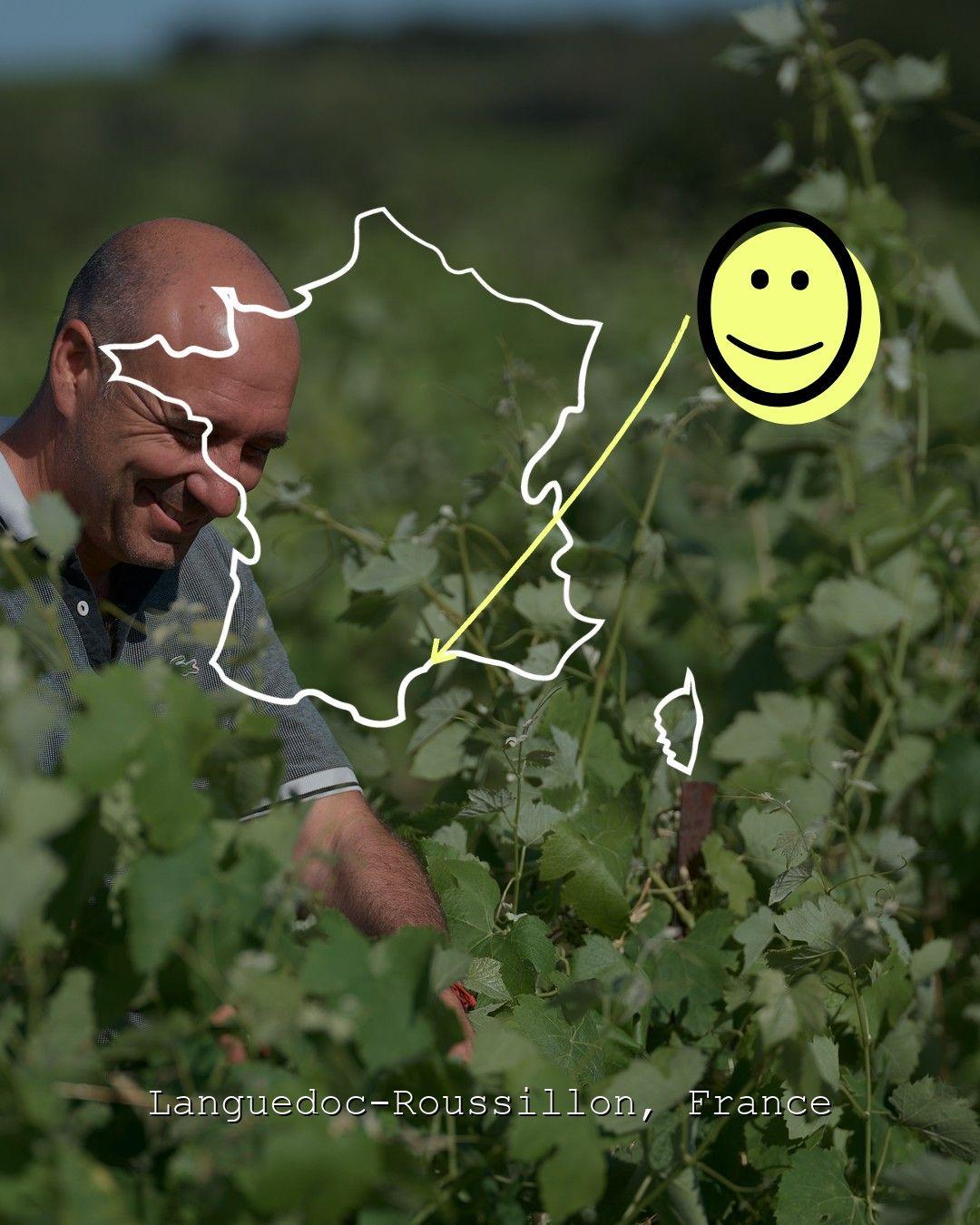
Most Merlot sold through supermarkets and large retailers comes from négociants or cooperatives working at scale, which means the wine is blended across many growers and vinified to a consistent commercial profile. The producers on Free Grape Society work differently: they grow their own fruit, make their own wine and ship directly from their own cellar, with no importer or warehouse in between. That direct route means you receive wine at the condition and price the producer intended, and it means the producer keeps a fair share of what you pay. You can find Merlot from independent growers across the regions where it matters most — Bordeaux, Tuscany, Languedoc-Roussillon and Veneto among them — as well as from smaller regions where Merlot plays a supporting role in local blends. If you are unsure which style suits you, the wine-advice service connects you with an independent expert who can point you toward the right bottle. Free Grape Society is a society of producers, independent experts and wine lovers, not a shop — and the Merlot selection here reflects the range that independent growers actually produce, not what moves fastest at volume.