Where Merlot comes from and how region changes the wine
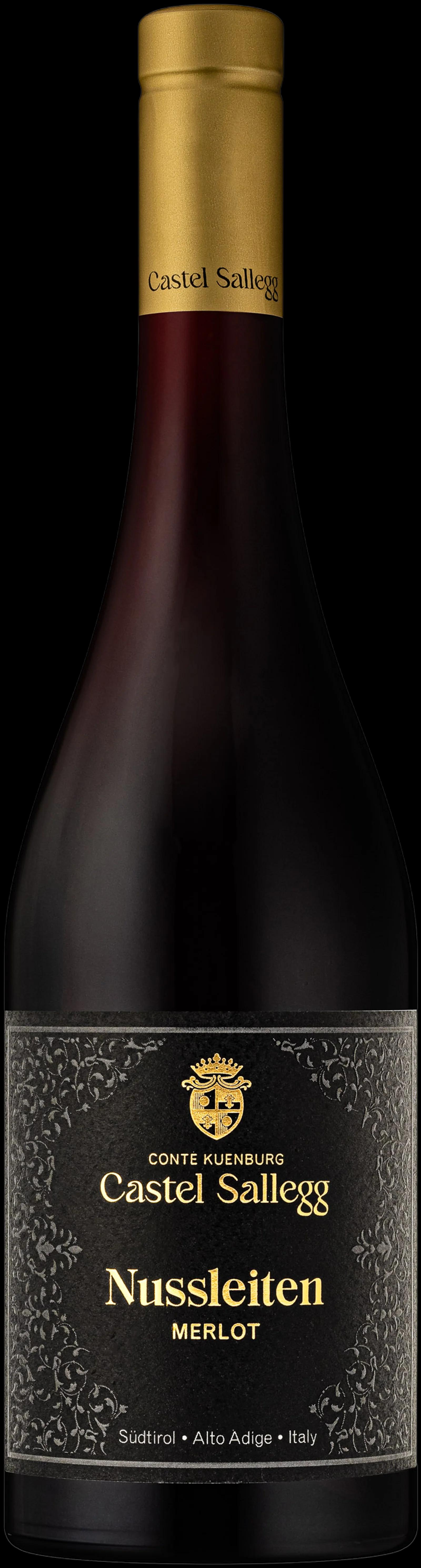
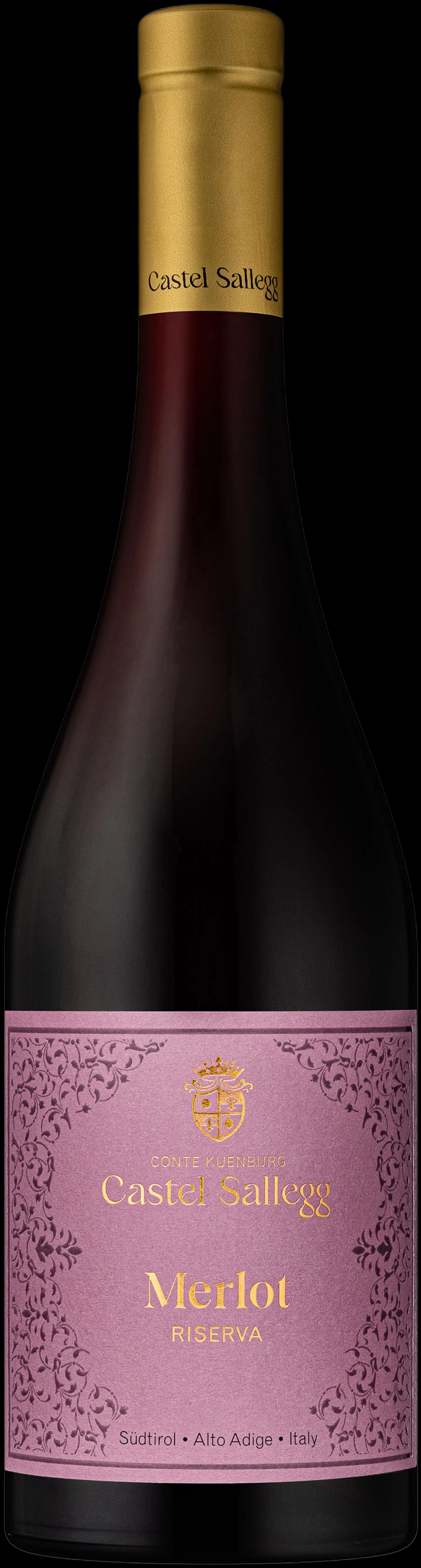
Merlot's heartland is Bordeaux, and more precisely the Right Bank, where the clay-rich soils of Saint-Émilion and Pomerol suit its earlier ripening cycle better than the gravels on the Left Bank. On the Right Bank it produces wines with plum fruit, rounded tannin and a softer structure than Cabernet Sauvignon-dominated blends from Médoc — though the two grapes are often blended together across Bordeaux's appellations. Outside France, Merlot travels well. In Tuscany it became one of the grapes behind the so-called Super Tuscans from the 1970s onwards, where producers in Bolgheri blended it with Cabernet Sauvignon in a decidedly Bordeaux-influenced style. In northeastern Italy it is vinified as a varietal wine with a leaner, more herbal character, shaped by the cooler Alpine influence. Spanish producers use it in blends, often alongside Tempranillo or Garnacha, particularly in Aragon and Castilla La Mancha. Across these regions, the same grape produces wines that can taste markedly different — softer and rounder from warmer clay sites, firmer and more structured from cooler elevations.
How Merlot tastes, and what to drink it with
Merlot is a thin-to-medium-skinned red grape that tends toward lower tannin and higher natural sugar than Cabernet Sauvignon, which generally means a rounder, earlier-drinking wine. The core flavour range runs from fresh plum and red cherry in cooler sites to darker blackberry and chocolate notes in warmer ones. In oak-aged examples from Bordeaux-influenced producers, you often find cedar and dried herb alongside the fruit. At the table, Merlot's softness makes it versatile: it pairs readily with dishes that would overwhelm a more tannic red. Roast lamb, duck, mushroom-heavy pasta and aged hard cheeses all work well. Leaner, cooler-climate examples from northern Italy or Friuli suit lighter preparations — a roast chicken or a plate of charcuterie — where a bigger wine would dominate. If you want to explore how much style varies by origin, tasting a French Merlot from Bordeaux alongside an Italian Merlot from the same vintage is a straightforward way to see the climate's effect directly.
Buying Merlot direct from independent producers
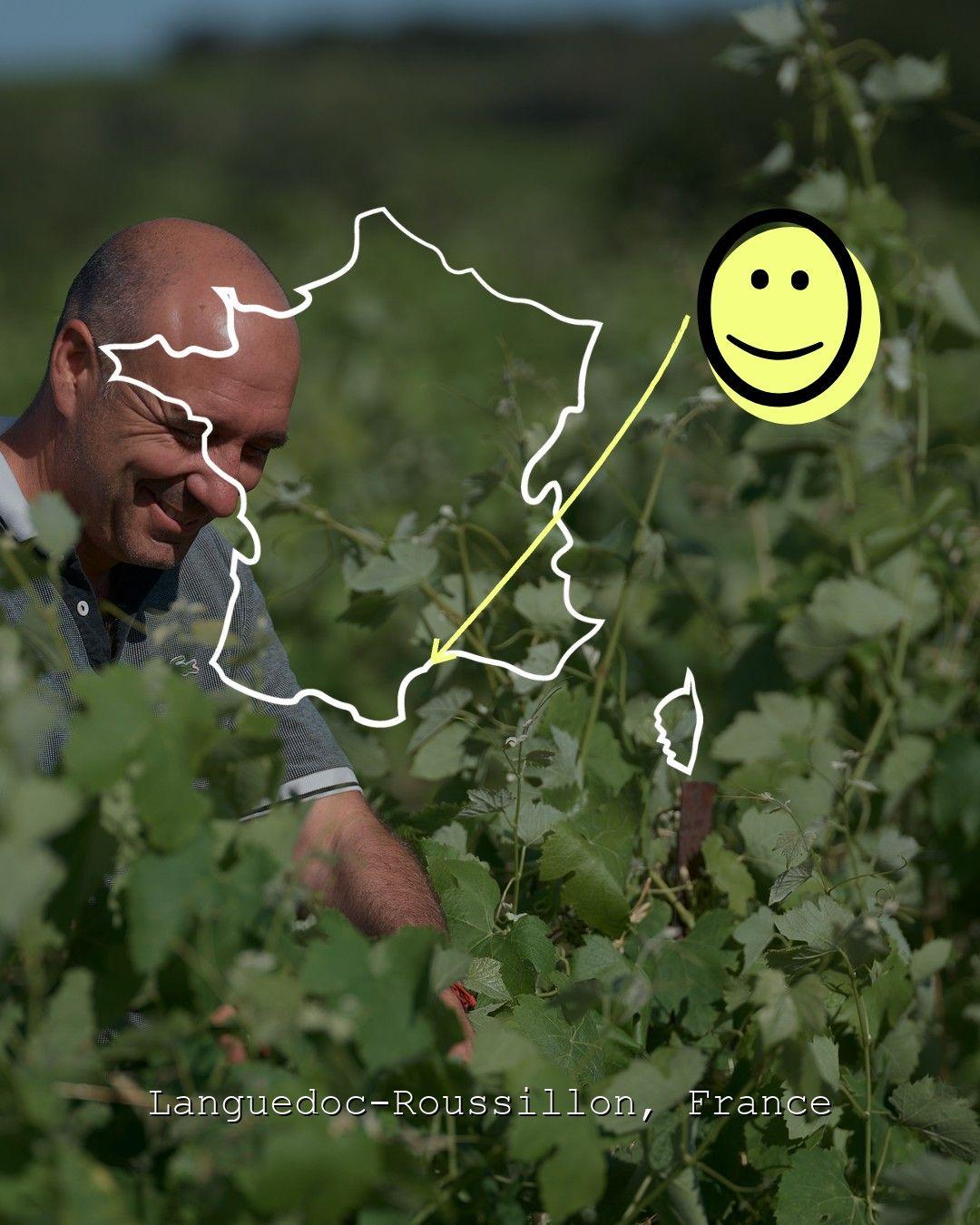
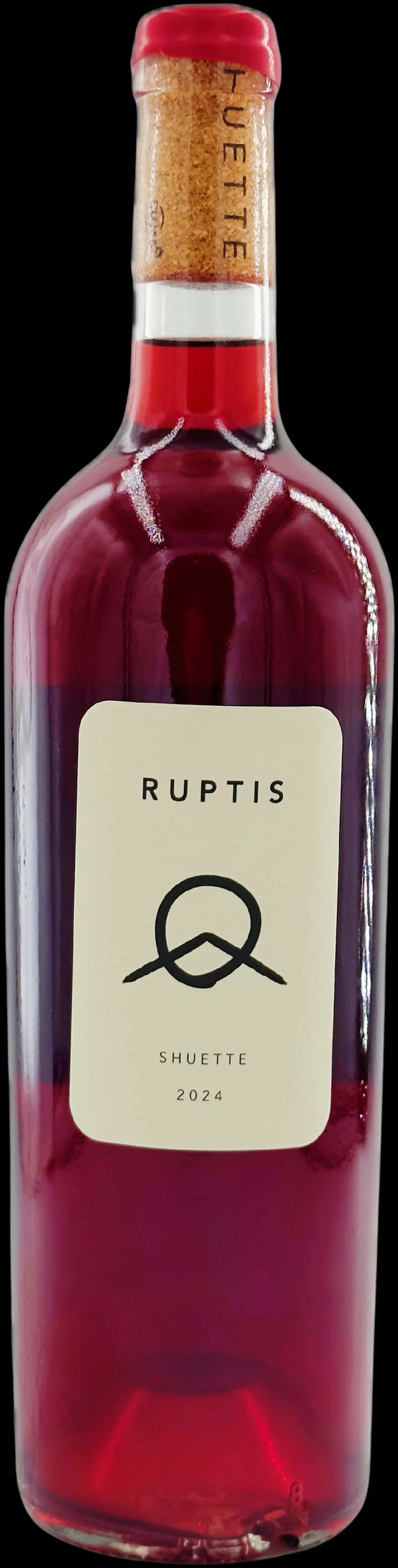
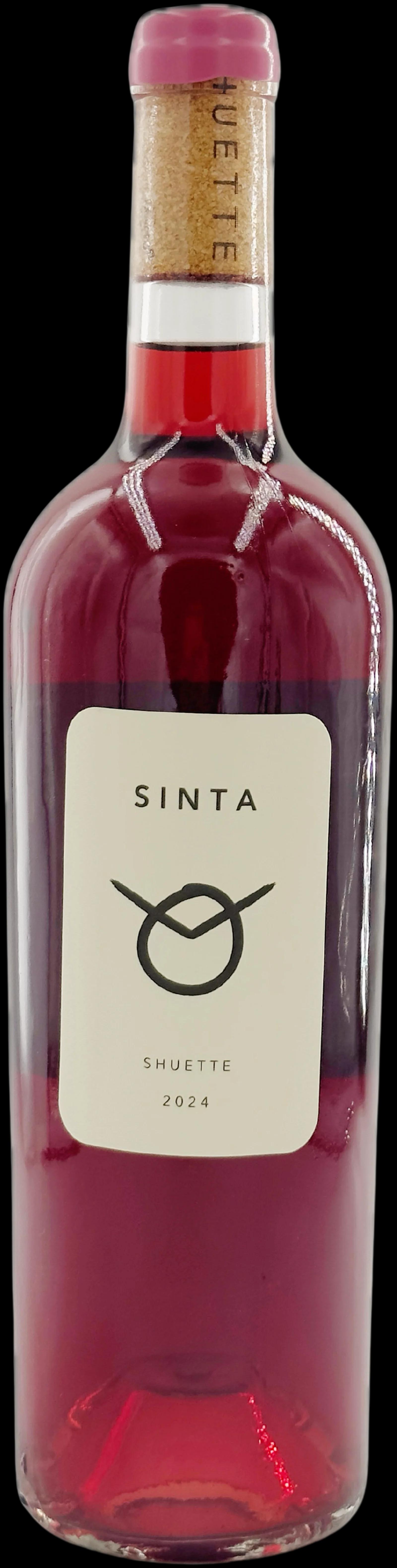
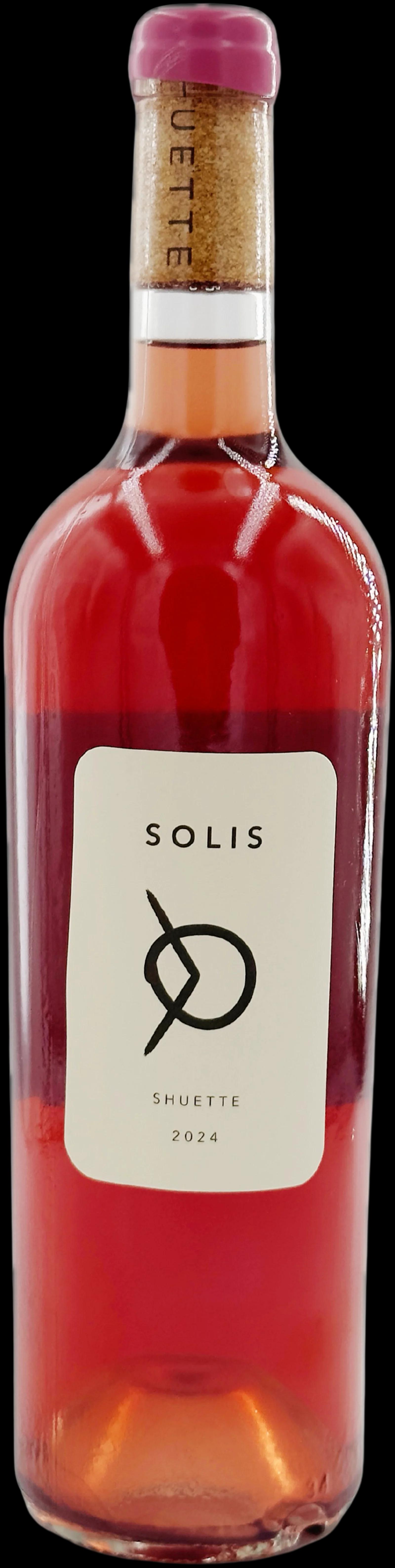
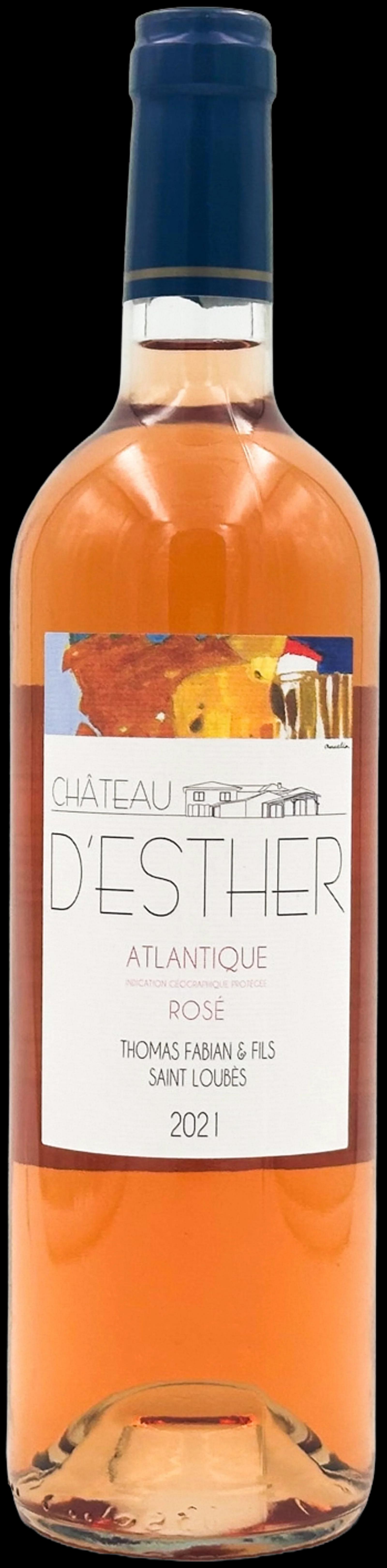
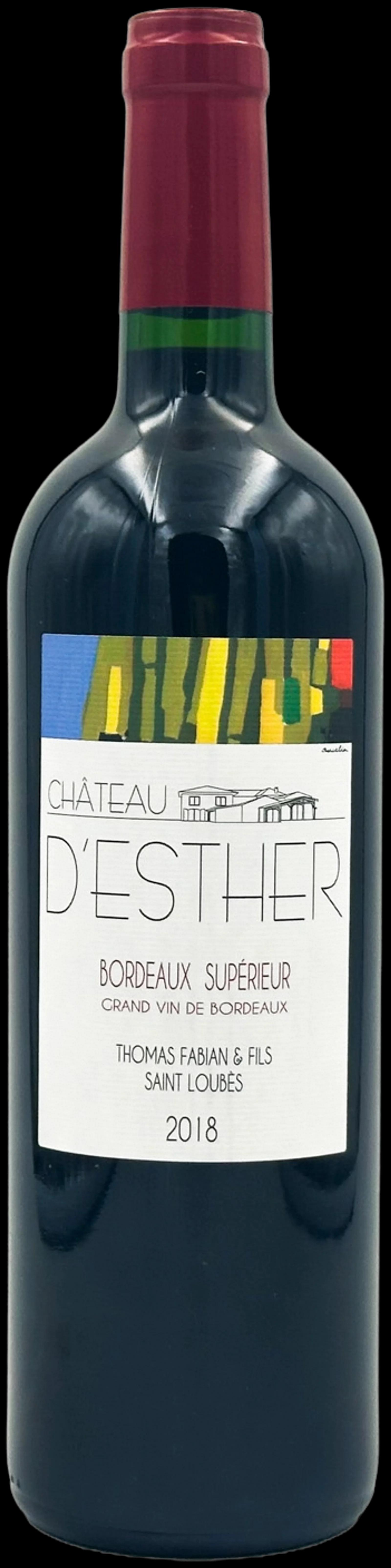
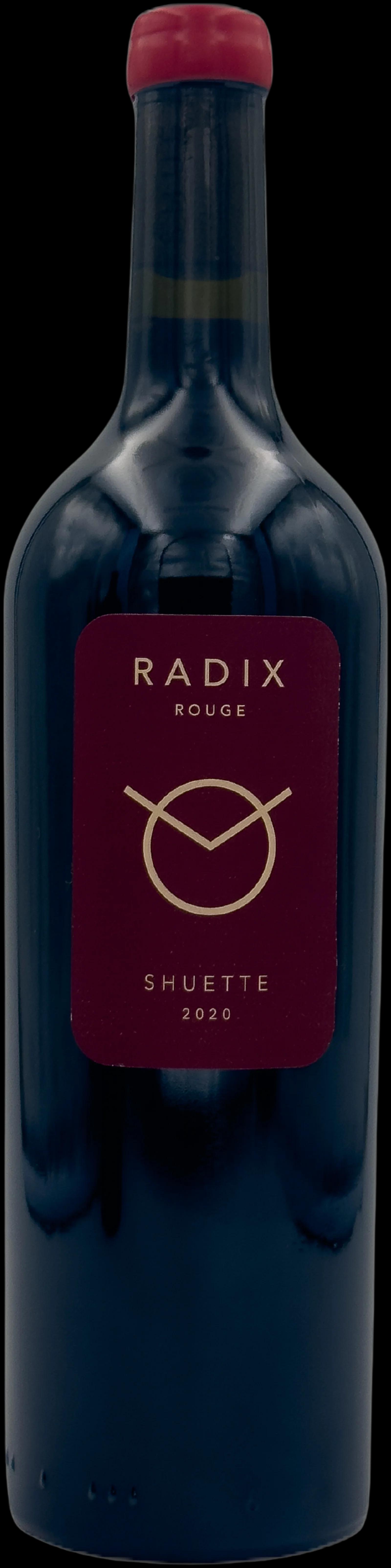
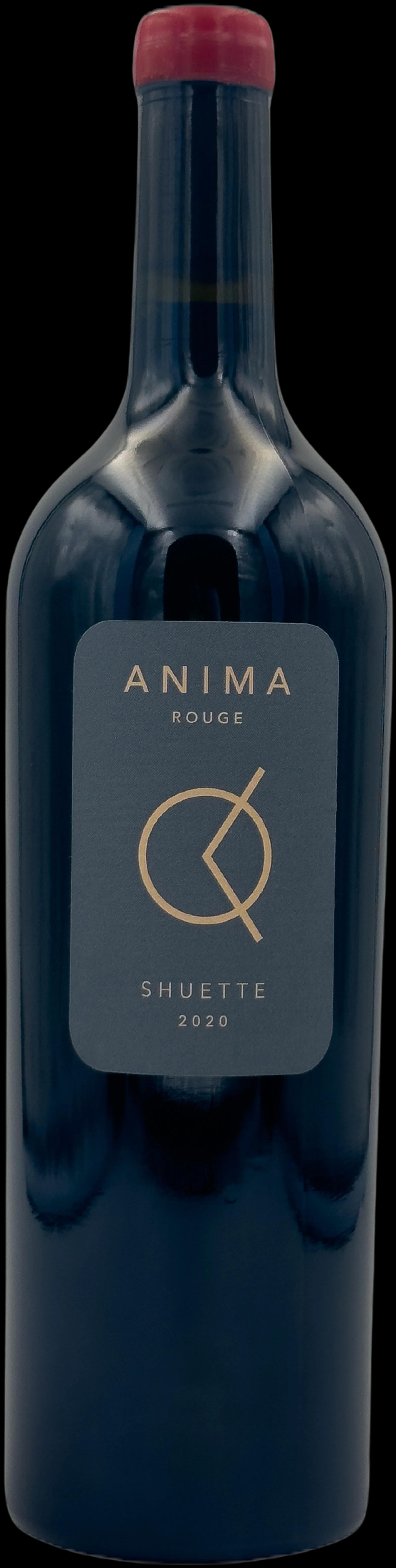
Most Merlot sold through supermarkets and large retailers comes from négociants or cooperatives working at scale, which means the wine is blended across many growers and vinified to a consistent commercial profile. The producers on Free Grape Society work differently: they grow their own fruit, make their own wine and ship directly from their own cellar, with no importer or warehouse in between. That direct route means you receive wine at the condition and price the producer intended, and it means the producer keeps a fair share of what you pay. You can find Merlot from independent growers across the regions where it matters most — Bordeaux, Tuscany, Languedoc-Roussillon and Veneto among them — as well as from smaller regions where Merlot plays a supporting role in local blends. If you are unsure which style suits you, the wine-advice service connects you with an independent expert who can point you toward the right bottle. Free Grape Society is a society of producers, independent experts and wine lovers, not a shop — and the Merlot selection here reflects the range that independent growers actually produce, not what moves fastest at volume.