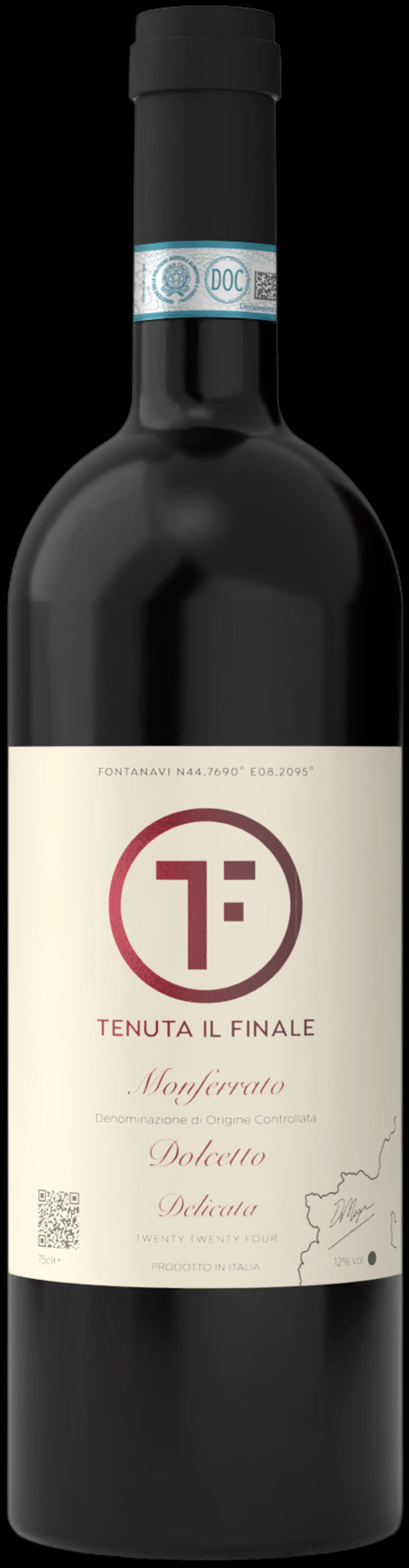
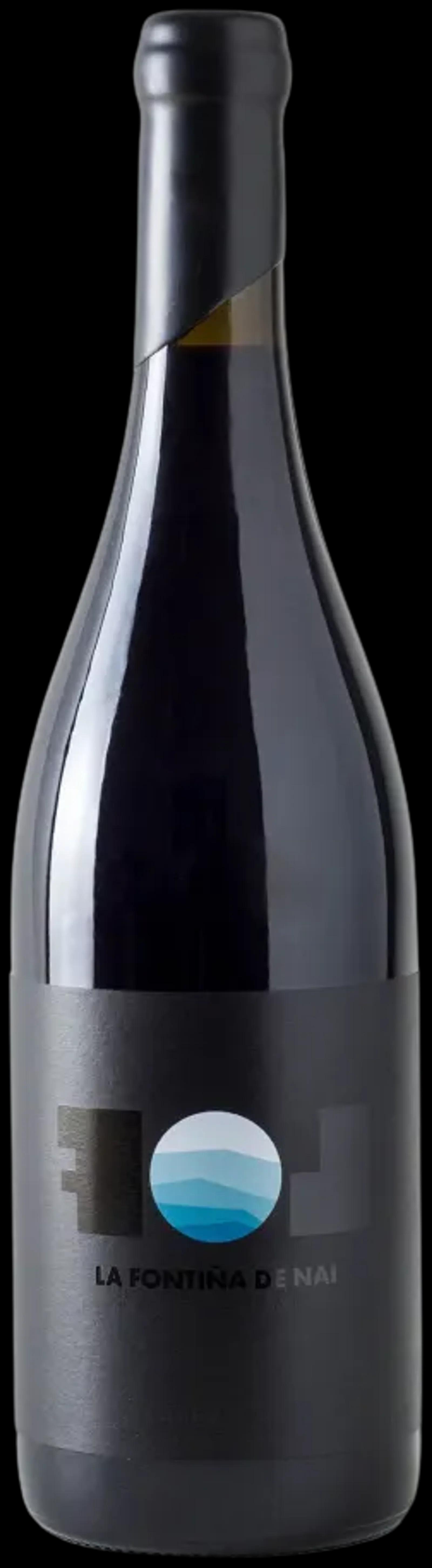
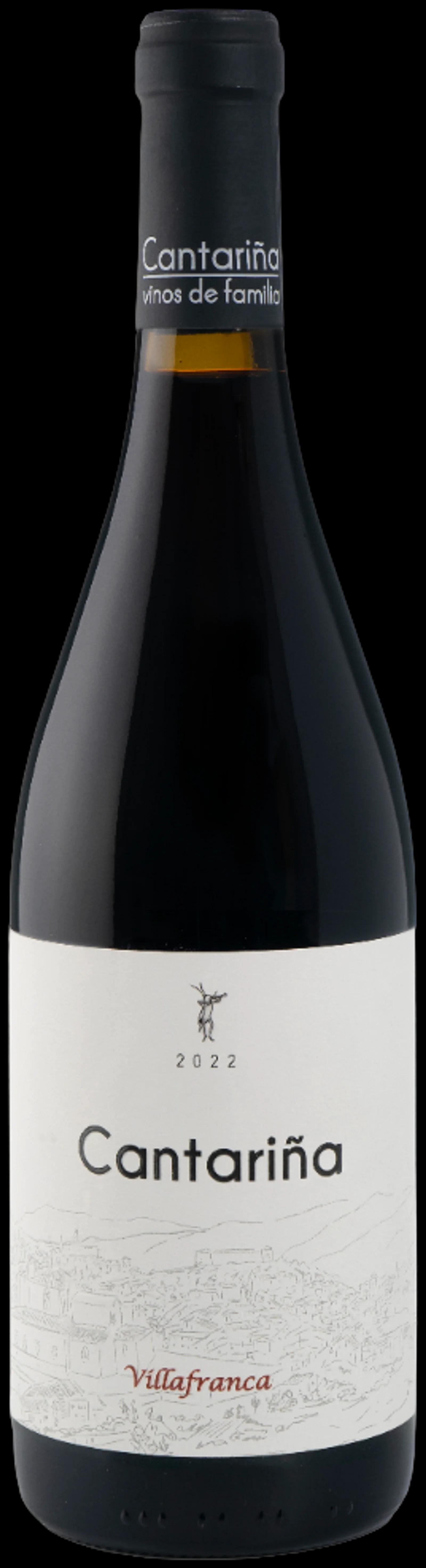
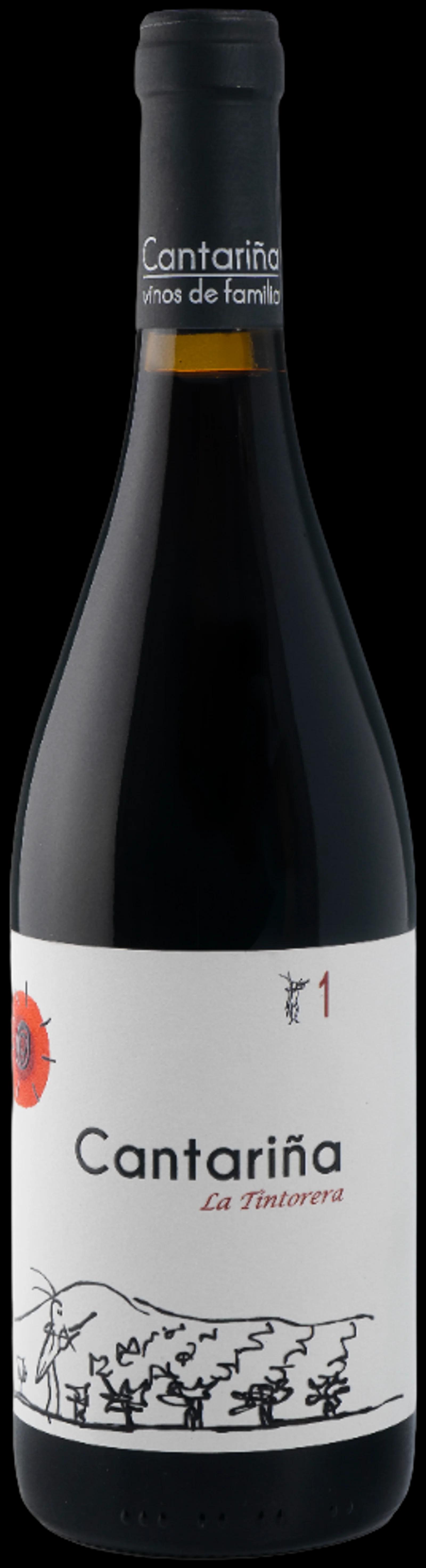
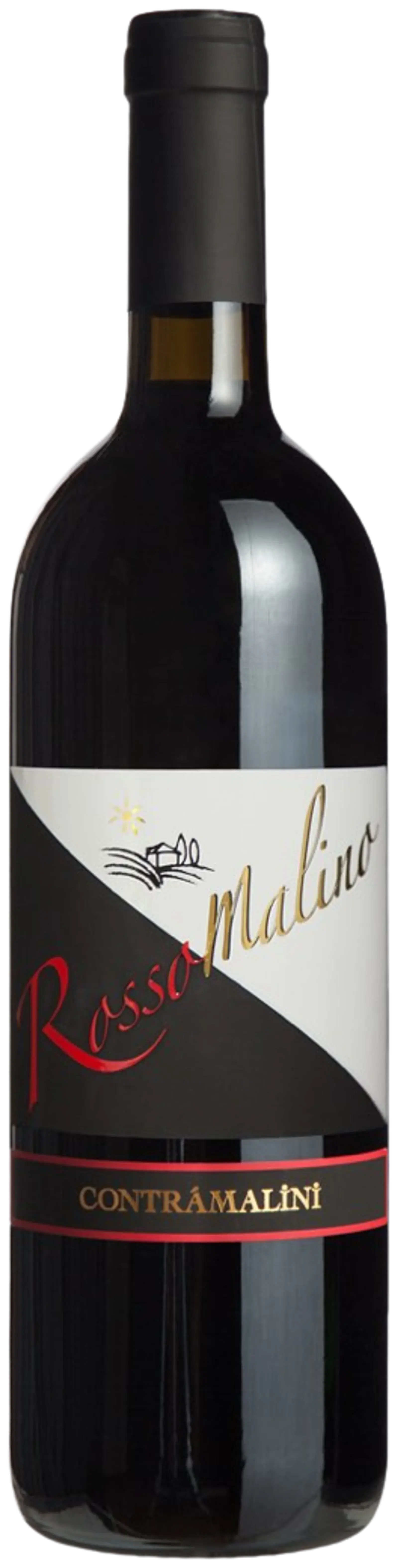
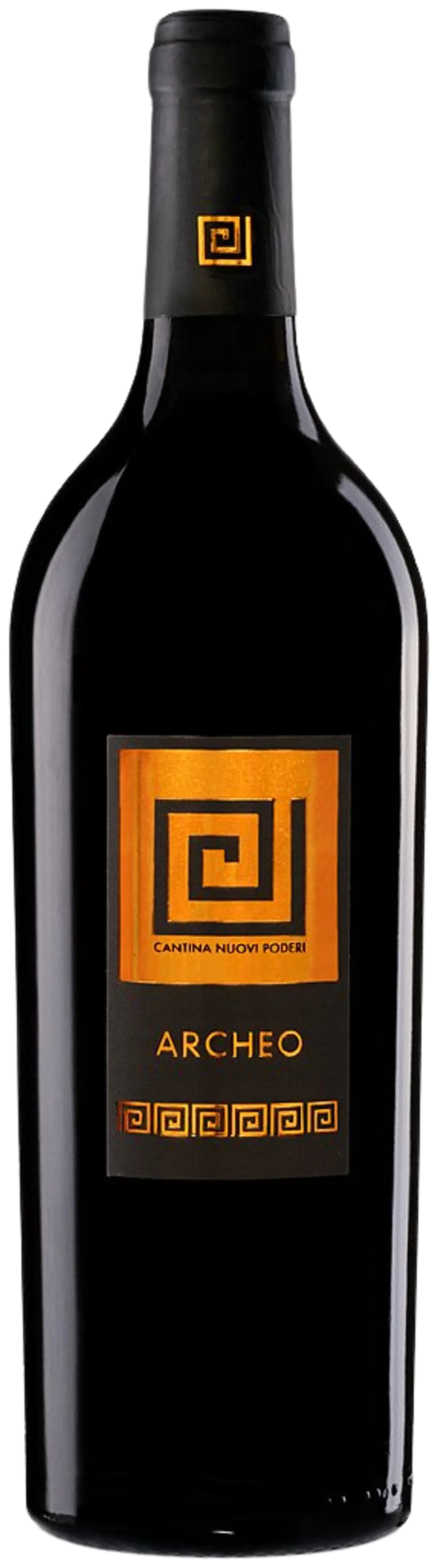
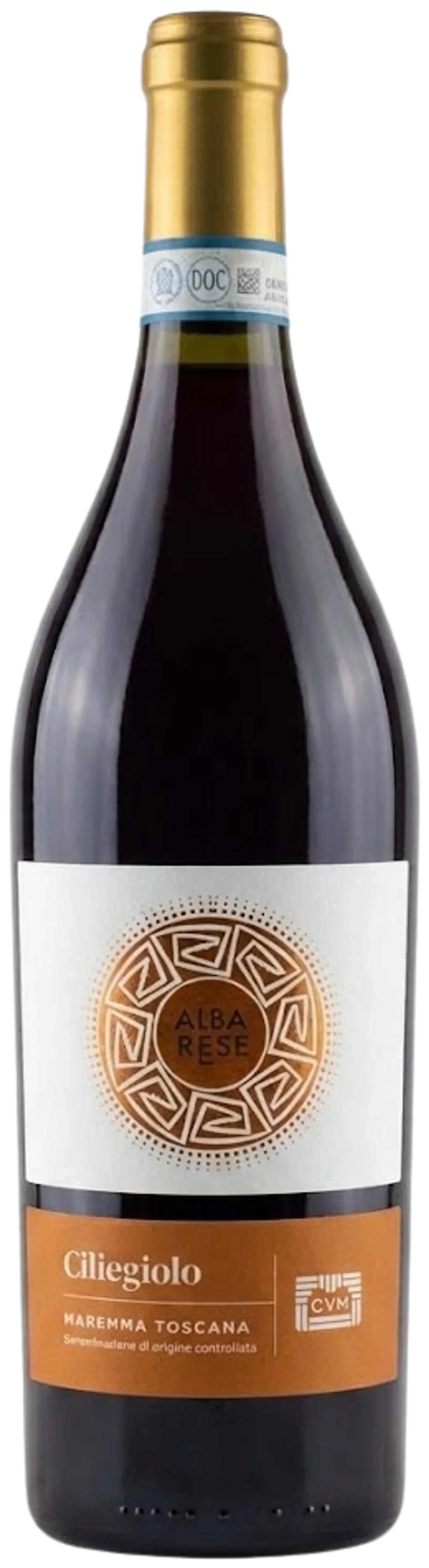
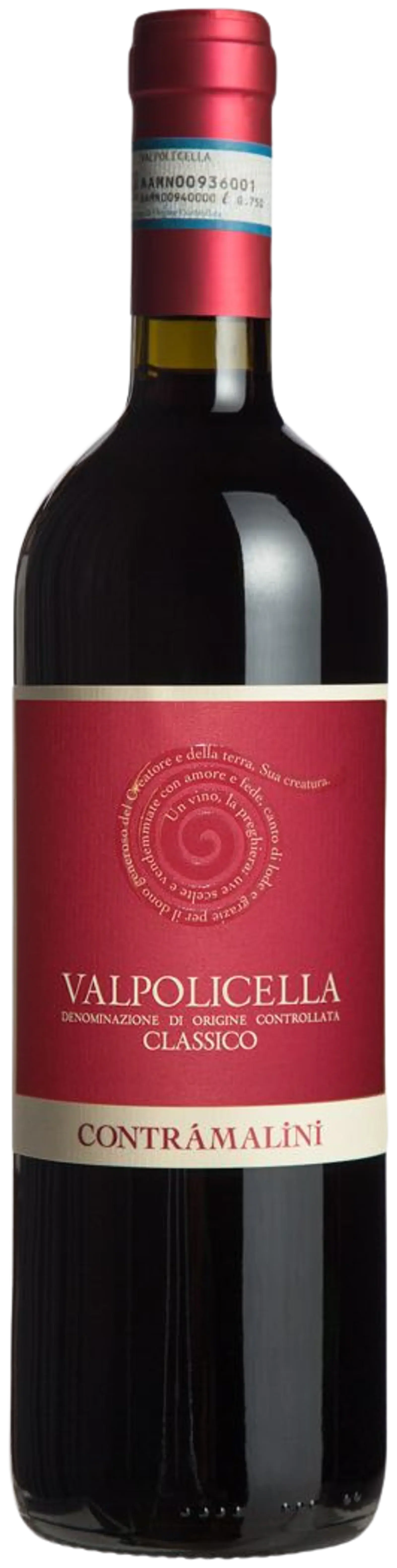
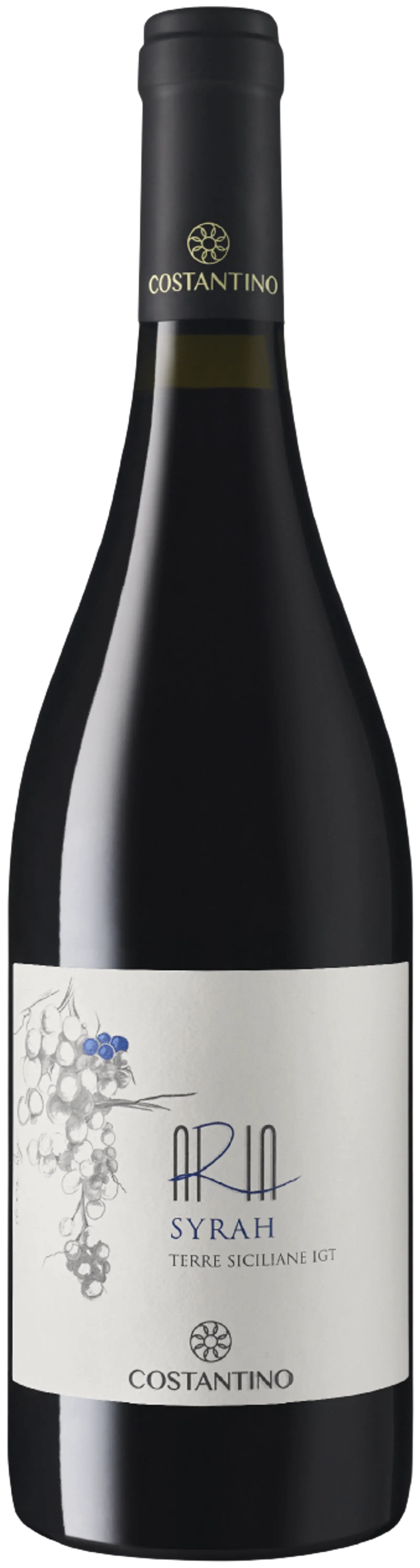
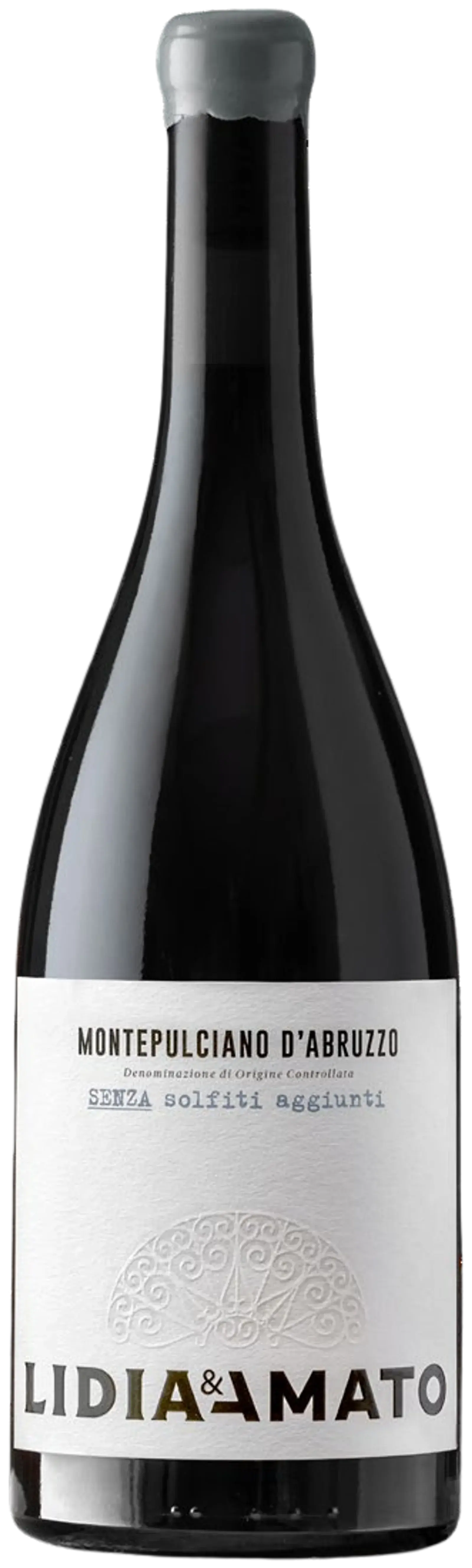
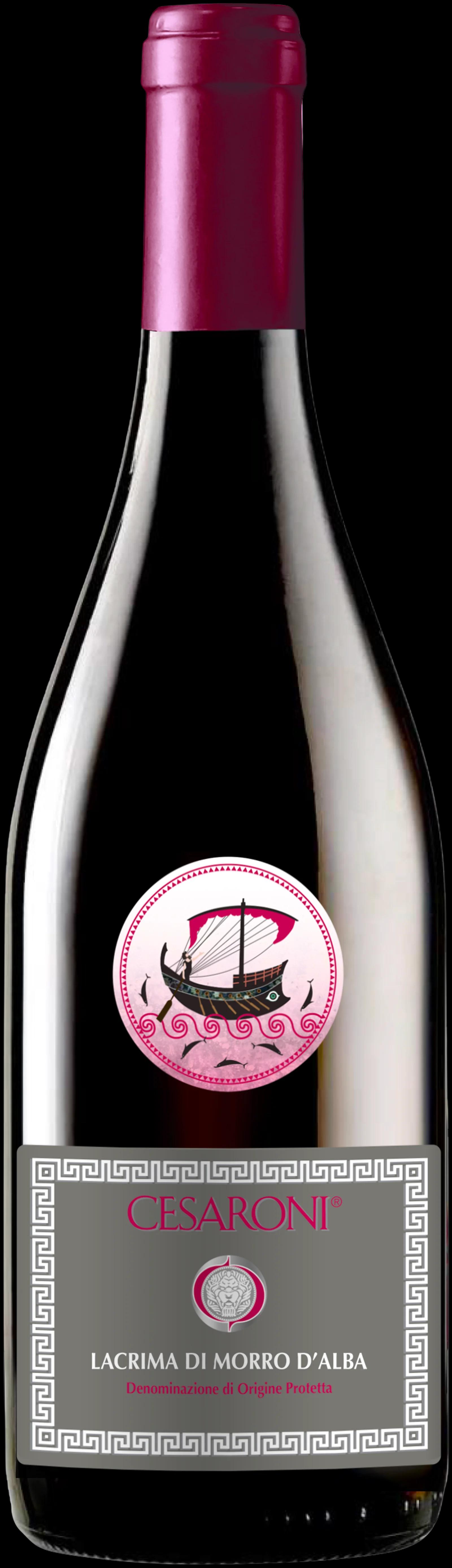
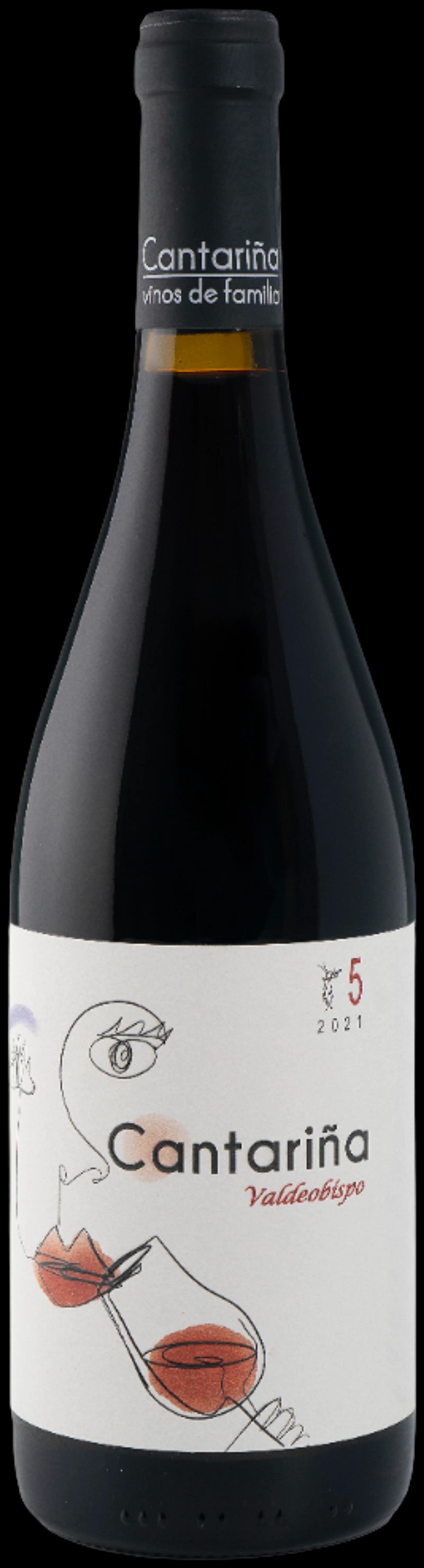
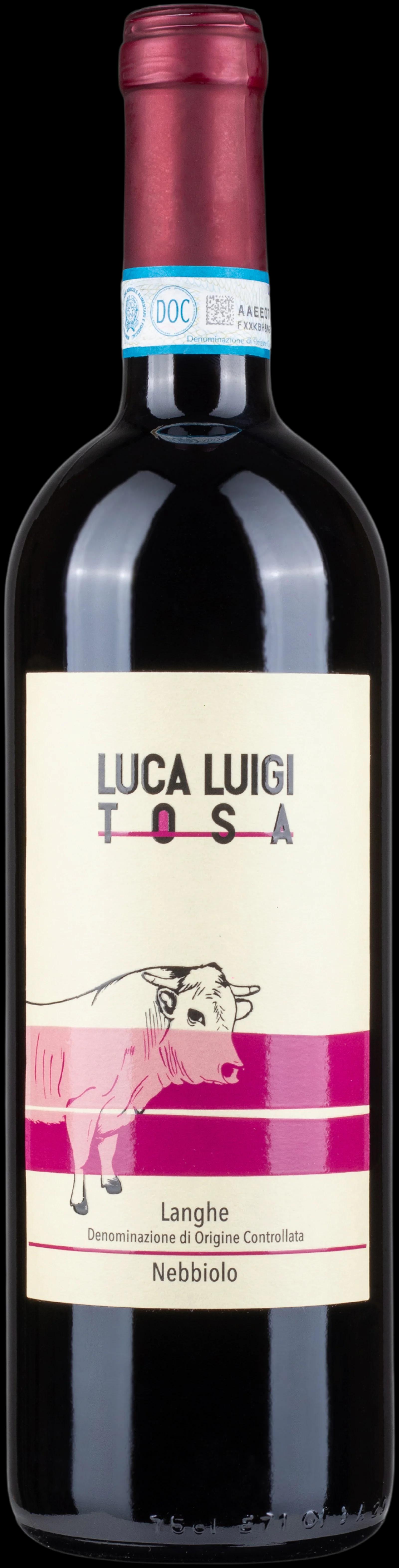
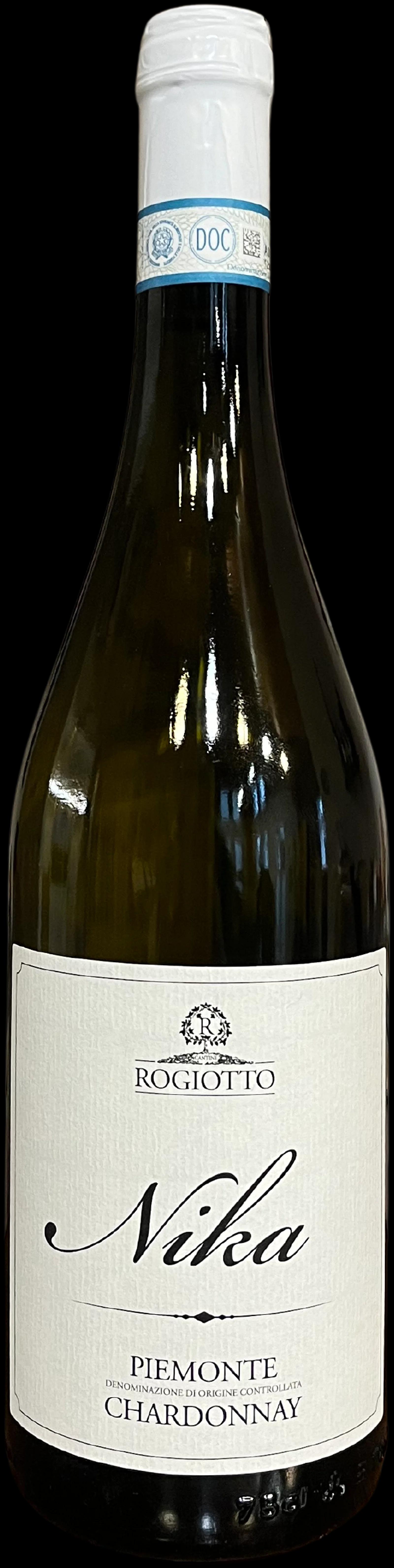
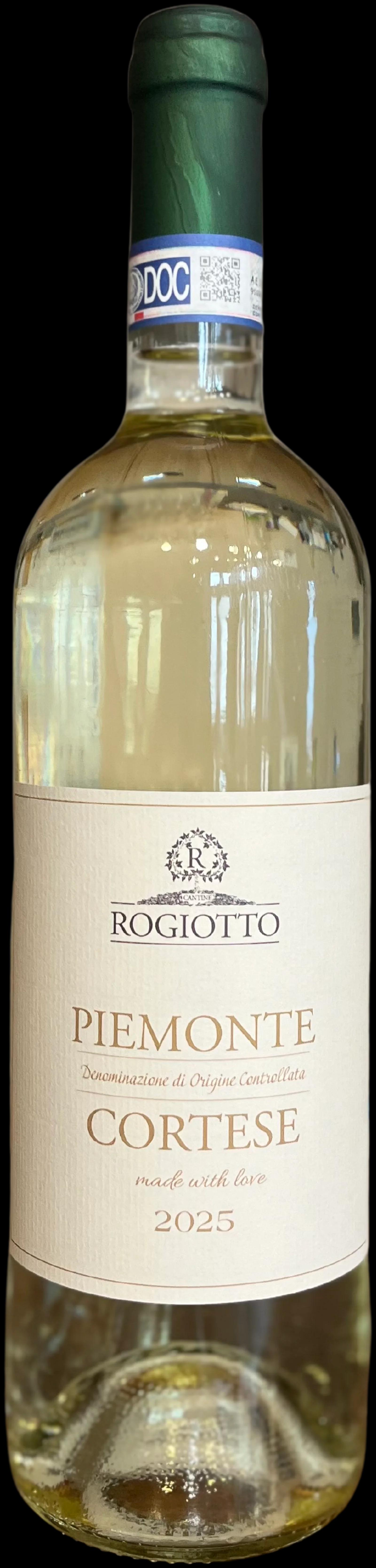
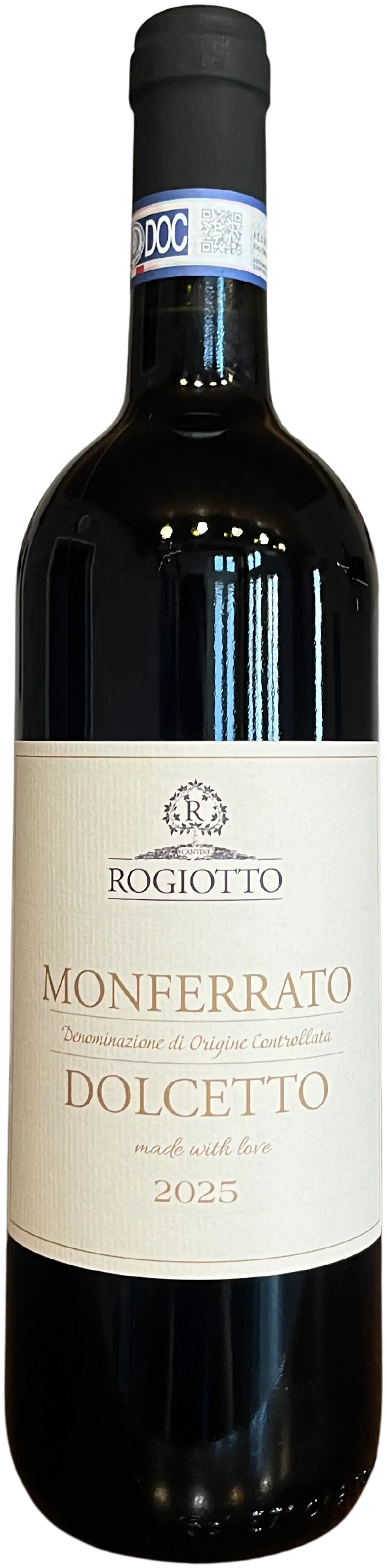
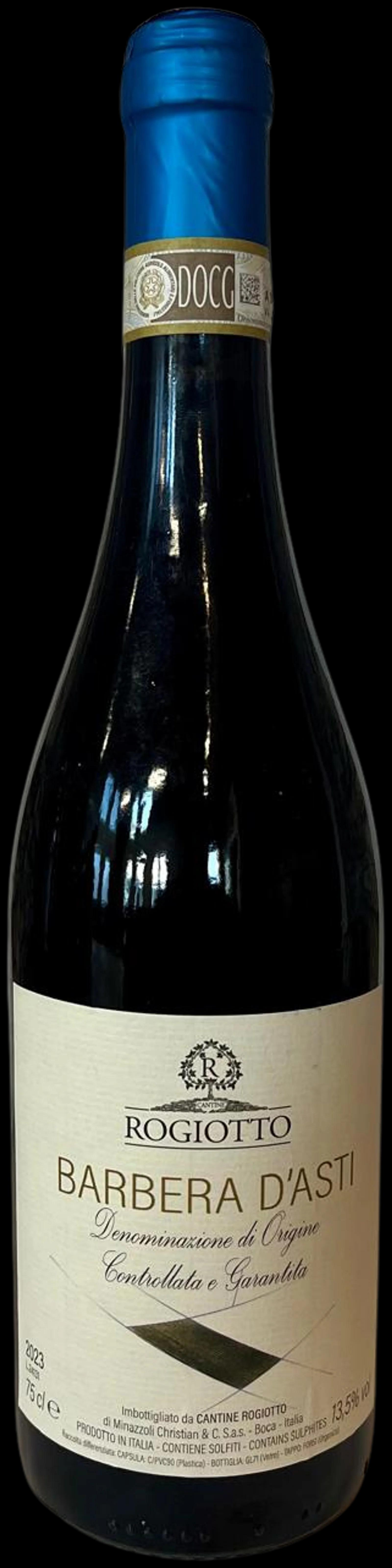
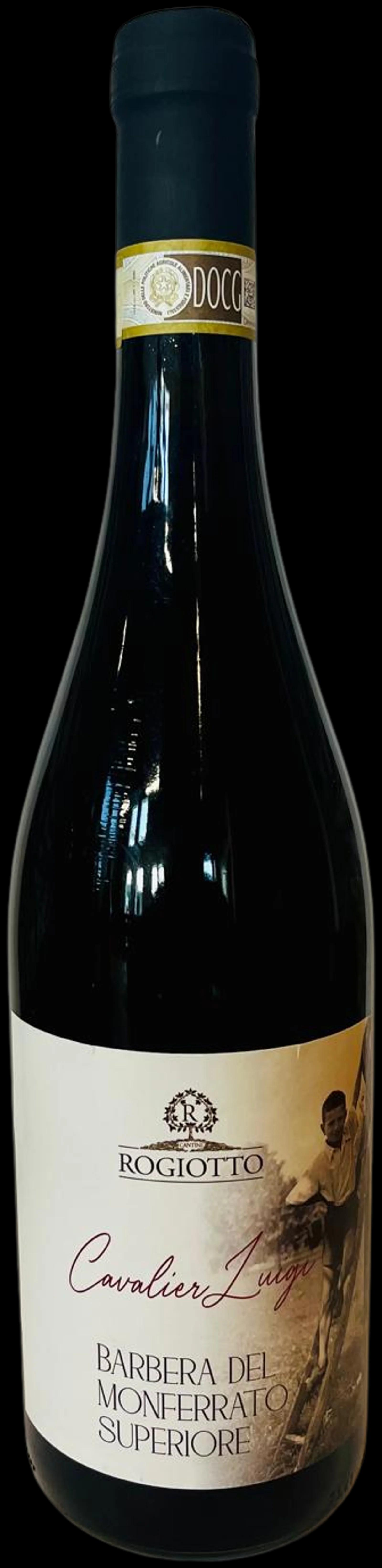
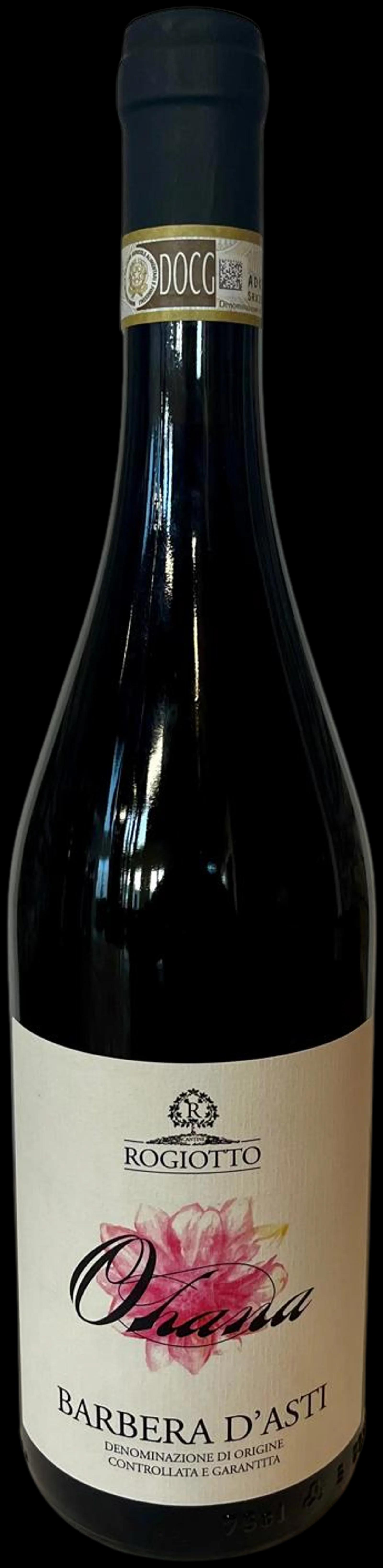
Red wines, direct from the cellars that made them

Red wines from independent estates. Every wine tasted before listing. No supermarket labels.

Independent producers across Europe's key red wine regions.

Color (1)

Dropdown arrow

Type

Dropdown arrow

Country

Dropdown arrow

Region

Dropdown arrow

Grape

Dropdown arrow

Pairing

Dropdown arrow

Sort by

Sort arrow
Red

Red wines

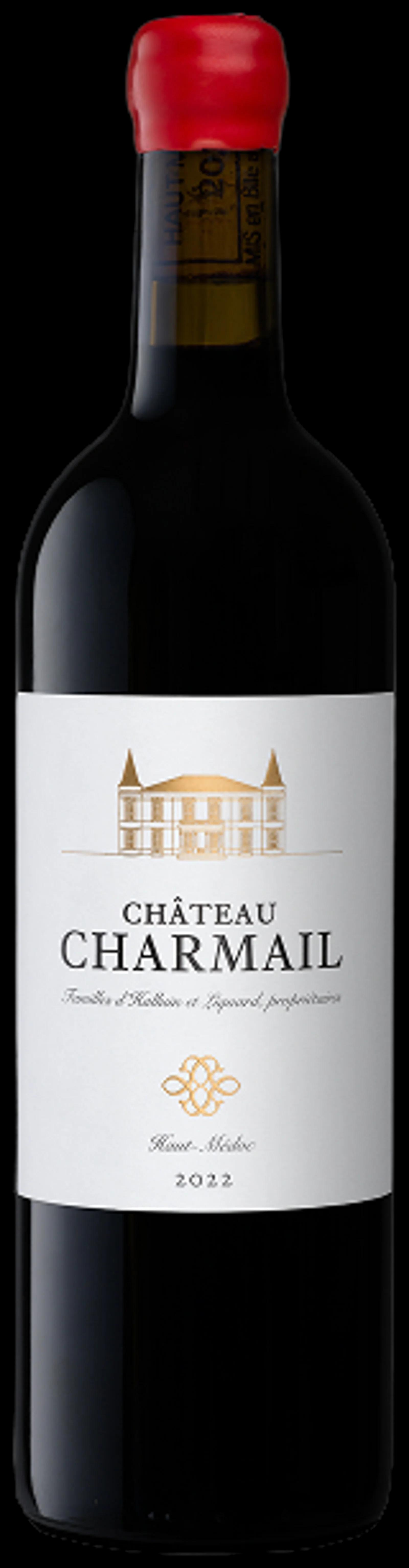
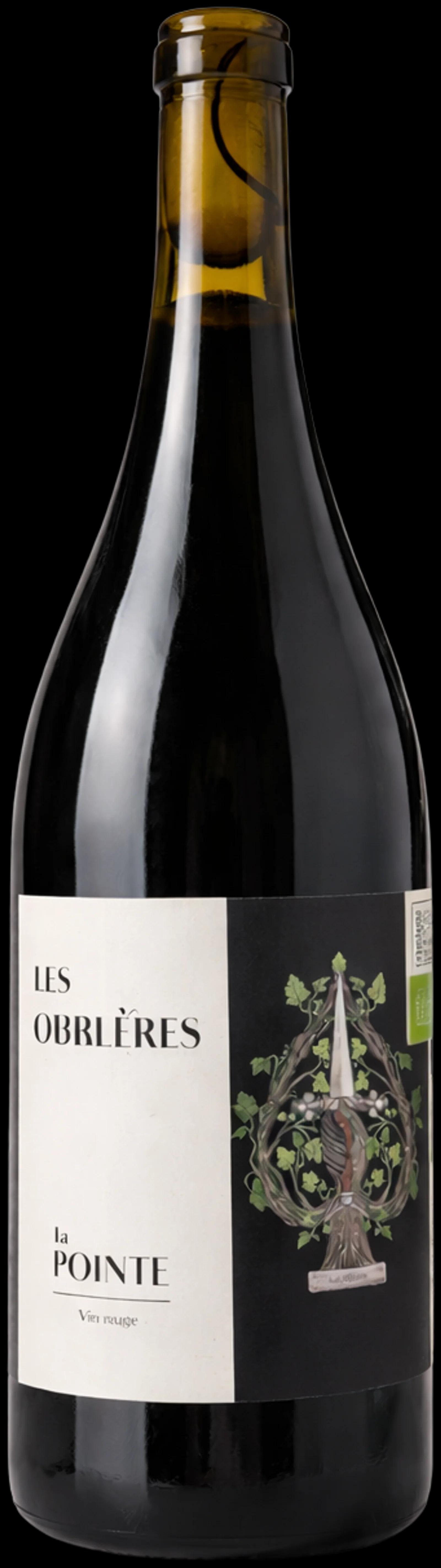
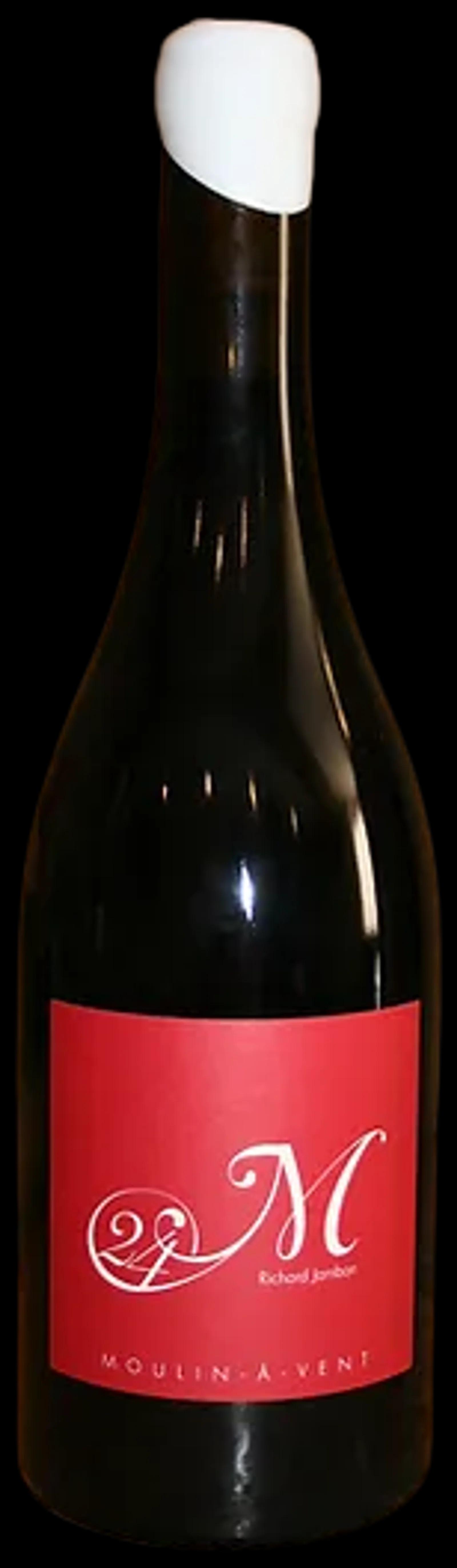
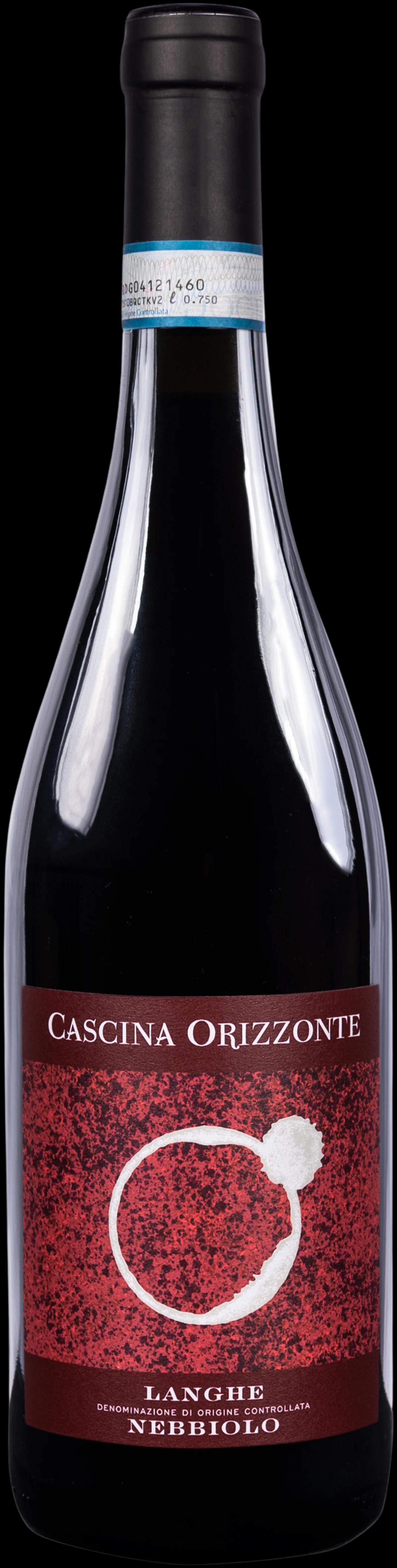
Red wine covers a wider stylistic range than any other color category. A Pinot Noir from Burgundy and a Nero d'Avola from Sicily are both red wines, but their tannin structure, acidity, and weight sit at opposite ends of the spectrum. The grapes, the climate, and the winemaker's choices in the cellar all determine where a wine lands. These are not the wines your supermarket carries. They are the wines your supermarket cannot carry.
Previous1 of 13Next

Red wine mixboxes

A red mixbox on Free Grape Society always contains exactly 6 bottles, all from one producer, composed by that producer as their own recommendation. At least 4 of the 6 bottles are red wines. The remaining 1 or 2 bottles may be another color the producer wants to introduce. No buyer assembles the box. The producer does.

Wine experts

The producers listed below have each passed a quality review before going live on the platform. Samples are sent to our Head of Product, who tastes every wine before it is listed. The producer sets the price. The producer owns their listing. No importer, no wholesaler. The price you see is the price the producer agreed to.

Red wine producers

Independent wine experts on Free Grape Society rate and review red wines they have personally tasted. Their reviews are visible on the wine page and on the expert's own profile. Several of the experts listed below specialize in red wine and have reviewed wines featured on this page. Their recommendations reflect firsthand tasting, not algorithmic ranking.

Frequently asked questions

How do I order red wines on Free Grape Society?

Browse the red wines listed on this page and add bottles to your cart. Each listing shows the producer, region, grape variety, and vintage. You pay once at checkout. Wines ship directly from the producer's cellar to your door. No account is required to browse the full range.

What happens if a bottle arrives broken or doesn't taste right?

Send a photo to Free Grape Society customer support within 7 days of delivery. We will arrange a replacement or a refund. Because producers ship directly, quality issues are handled with the producer's direct involvement. Shared responsibility is built into how FGS works.
Can I order red wines from multiple producers in one order?

Yes. You can add wines from different producers to one cart and check out in a single transaction. Because each producer ships from their own cellar, you may receive separate deliveries. Each shipment is tracked individually.
How long does delivery take?

Average delivery is 8 to 9 days from order to door. The full range is 4 to 14 days depending on the producer's location and your delivery address. Wines ship directly from the producer's cellar, not from a central warehouse.

How do I find a red wine that suits my taste — light-bodied versus full-bodied?

Tannin level and body are the most useful filters. Pinot Noir and Gamay produce lighter, lower-tannin reds. Nebbiolo, Cabernet Sauvignon, and Aglianico produce fuller-bodied wines with firmer tannin. Filtering by grape variety is the most reliable way to navigate style before reading individual producer notes.

What is the difference between a natural red wine and a conventional red wine?

Conventional red wine is made with approved additives including sulfites, commercial yeasts, and fining agents. Natural red wine typically uses ambient yeast, minimal or no added sulfites, and no fining. There is no legal definition for natural wine, so practices vary significantly between producers. Reading the producer's description is the most reliable guide.

Which wine expert can recommend a red wine for me?

Several wine experts on Free Grape Society specialize in red wine. Browse the expert profiles on this page to find one whose regional or varietal focus matches what you are looking for. You can view each expert's reviewed wines on their profile and message them directly for a personal recommendation.

Why don't you sell mass-market red wines from the supermarket brands?

Mass-market red wines are made to a volume price point and distributed through wholesale chains that add margin at each step. The producers on Free Grape Society ship from their own cellar. A bottle changes hands once, not three times. Different supply chain, different wines, different prices.

Can I find red wines on Free Grape Society that are not available at Systembolaget?

Most red wines on Free Grape Society are not stocked at Systembolaget. Independent producers who sell in smaller volumes rarely qualify for retail distribution requirements. That structural gap is part of the reason they work directly with platforms like Free Grape Society instead.

Signature grapes for red wine

Red wine is built on tannin, acidity, and pigment — all extracted from grape skins during fermentation. The grape determines the structural baseline. Nebbiolo in Piedmont produces wines with high acid, firm tannin, and a transparency of color that misleads: these are among the most structured reds in Europe and can age for 20 years or more. Sangiovese anchors Tuscany, ranging from approachable Morellino to the tannic density of a long-aged Brunello. In France, Pinot Noir defines Burgundy — thin-skinned, pale, and built on acidity rather than tannin. Syrah takes two forms: the savory, peppery style of the northern Rhône Valley and the riper, fuller expressions further south. Grenache rarely works alone — it blends with Syrah and Carignan across Languedoc-Roussillon and with Tempranillo in Spain. In Spain, Tempranillo covers the most ground, from the oak-driven reds of Rioja to the more restrained styles coming out of Castile and León. Garnacha is Grenache under a different name, planted deep in Aragonese hillsides and giving old-vine wines of concentration and breadth. In Sicily, Nero d'Avola produces dense, warm-climate reds with ripe structure; in the south of Italy, Monastrell crosses into Murcia in Spain and performs at lower yields than most grapes can tolerate in that heat.

Regions known for red wine

Europe's red wine map is not organized by prestige — it is organized by climate, soil, and the decisions producers made over generations. Bordeaux operates on a château classification system last revised in 1855, blending Cabernet Sauvignon, Merlot, Cabernet Franc, and Petit Verdot in proportions that shift by vintage and by bank of the Gironde. Burgundy works differently: single-vineyard Pinot Noir from plots that may be fractions of a hectare, classified into village, premier cru, and grand cru, where the same grape expresses entirely different structure depending on which side of a path it is planted on. Piedmont produces Barolo and Barbaresco from Nebbiolo on calcarite-rich Langhe hills — wines legally required to age a minimum of 38 months before release for Barolo, 26 for Barbaresco. Tuscany spans the Chianti Classico zone, Montalcino, Montepulciano, and the Maremma coast, all anchored by Sangiovese. Rioja divides production by aging category: Joven (no minimum oak), Crianza (minimum 2 years, 1 in oak), Reserva (3 years, 1 in oak), and Gran Reserva (5 years, 2 in oak). The southern Rhône Valley allows up to 18 different grape varieties in a single Châteauneuf-du-Pape blend. Languedoc-Roussillon is one of the largest wine regions in the world by area and produces more red wine annually than all of Australia. Independent producers here, working with old-vine Carignan and Grenache, have changed how the region is regarded in the past two decades. Producers on Free Grape Society ship directly from their cellar — not from a warehouse in the Netherlands.

How we choose our red wine producers

Every red wine on Free Grape Society is tasted before it goes live. Samples are sent by the producer; the Head of Product tastes each one before a listing is approved. That applies to the first wine from a new producer and to each new vintage from producers already on the platform. Independent wine experts Rate and Review individual wines on the platform — their assessments are visible on the wine page and on each expert's profile, so the track record is transparent and searchable. Producers list their own wines and set their own prices. Free Grape Society does not act as a buying intermediary, does not take ownership of the stock, and does not mark up between producer and consumer. No importer, no wholesaler. The price you see is the price the producer agreed to. What that means in practice: producers with genuine cellar-door pricing can offer that price here. The red wines from Italy, France, and Spain on this platform include estates that do not sell through conventional retail channels — not because they lack the volume, but because the margin structure of that chain does not work for small-production wines. These are not the wines your supermarket carries. They are the wines your supermarket cannot carry.