Appellations and grape varieties in Rioja
Rioja is divided into three sub-zones: Rioja Alta, Rioja Alavesa, and Rioja Oriental (formerly Rioja Baja). Rioja Alta sits at elevations above 500 metres with clay-limestone soils and a cooler Atlantic-influenced climate. Rioja Oriental is hotter and drier, with alluvial soils and a stronger Mediterranean character. The wines from each zone taste measurably different, even when made from the same grape.
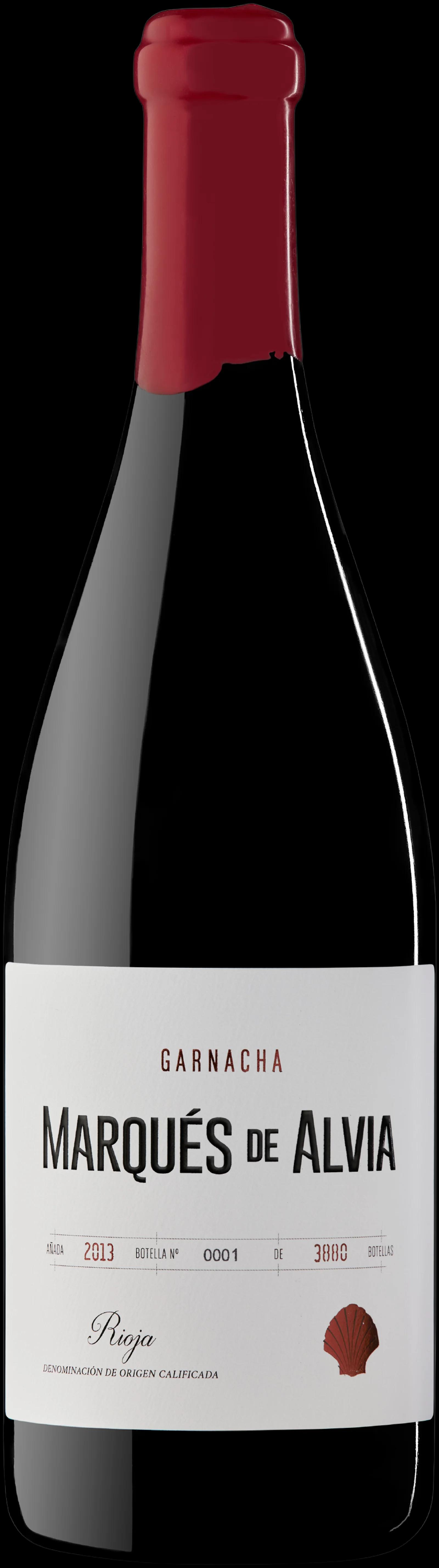
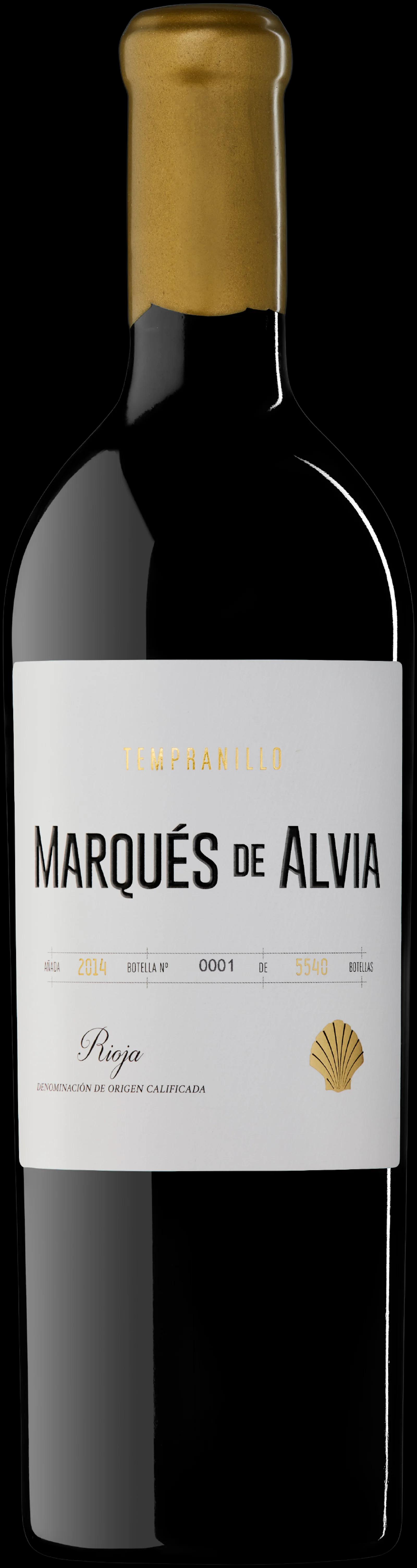
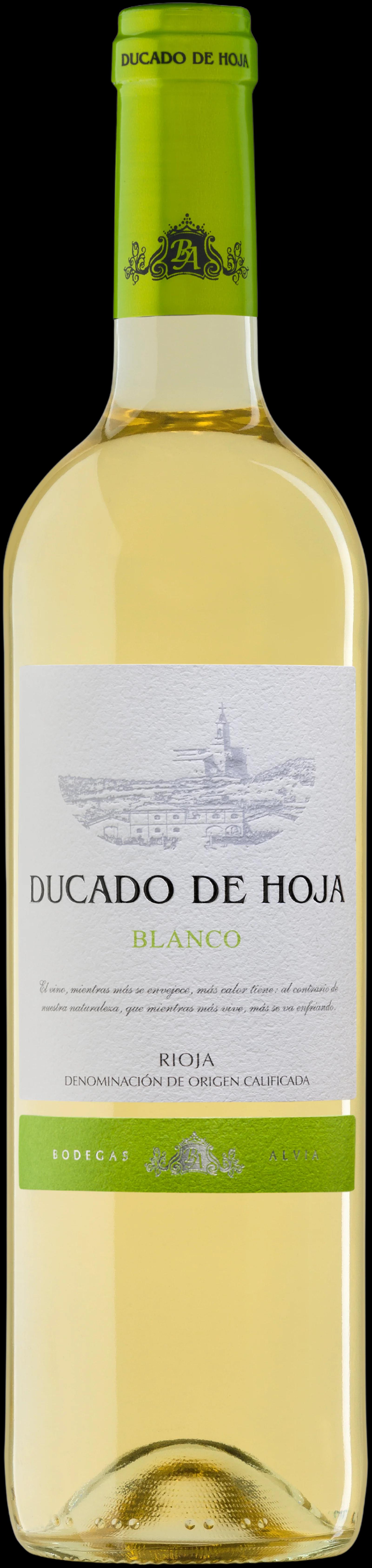
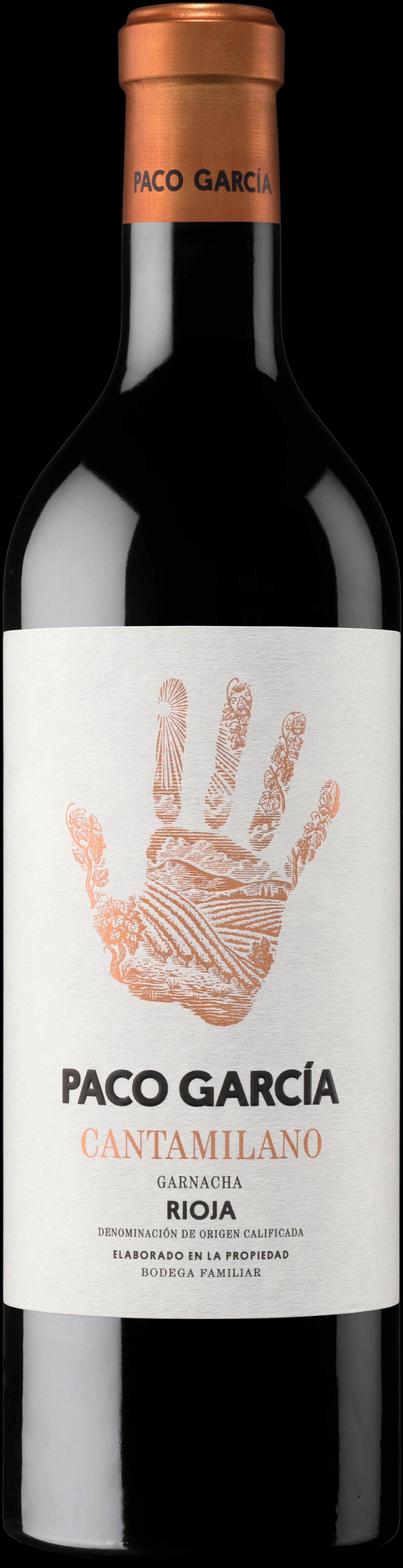
Tempranillo is the dominant variety, accounting for roughly 75% of all plantings in the region. It produces wines that range from pale and cherry-scented in younger styles to dense and structured after extended oak ageing. Garnacha is the second most planted red variety, more common in Rioja Oriental where the heat allows it to ripen fully. White Rioja is a smaller but growing category, led by Viura (Macabeo) and, increasingly, Godello planted at altitude in the western zones.
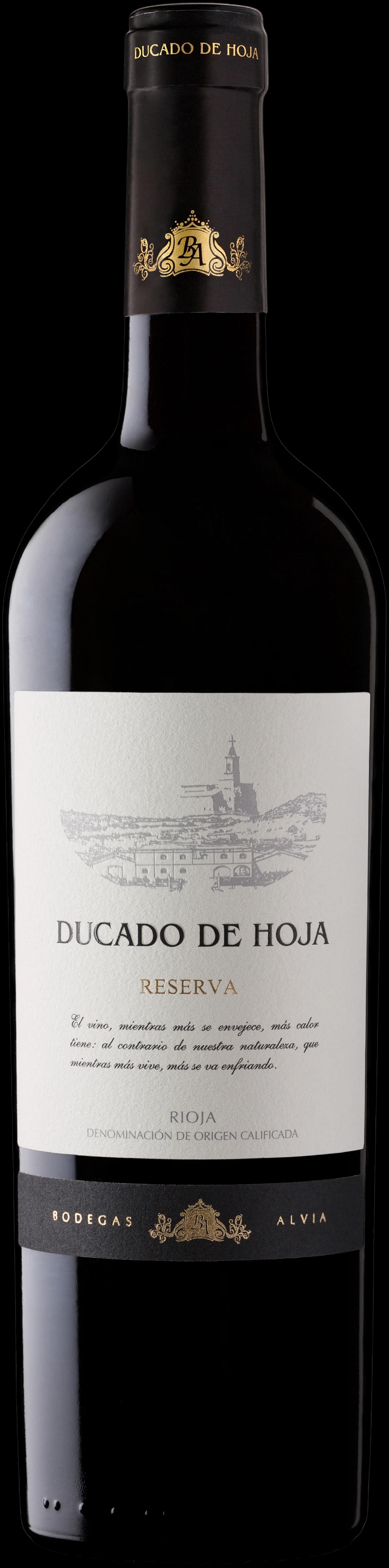
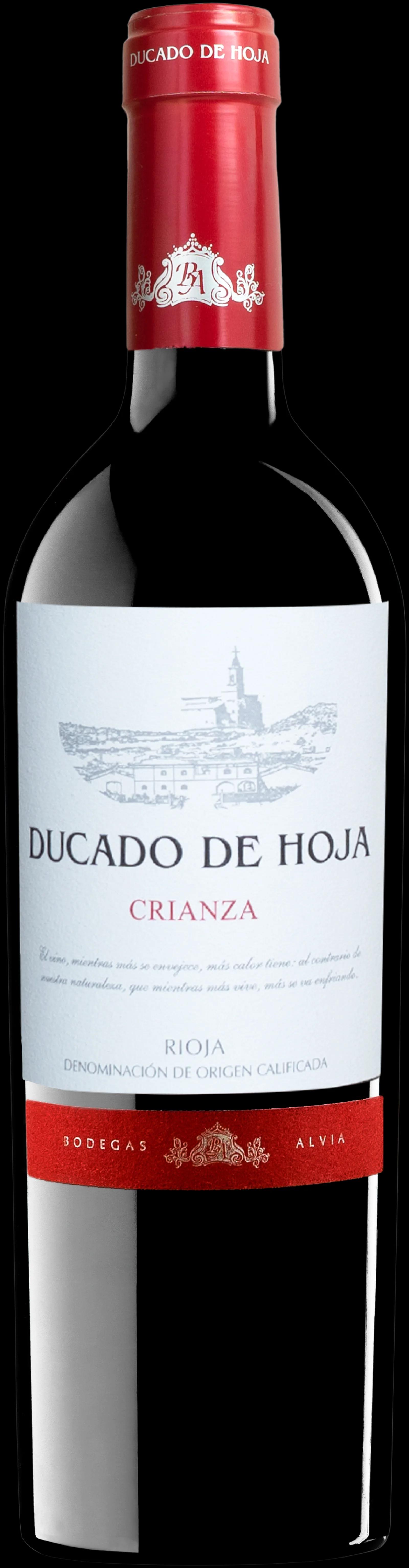
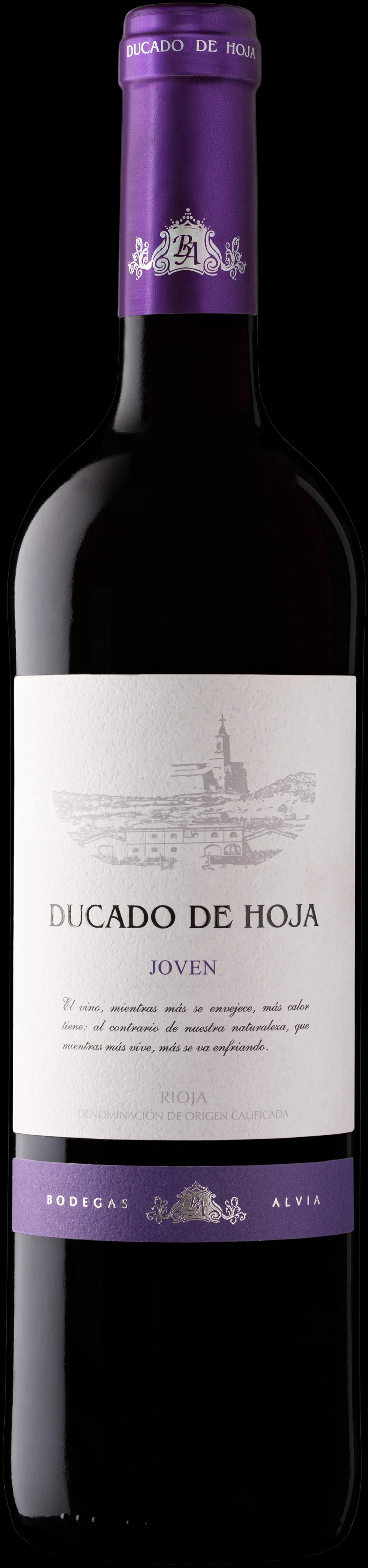
Rioja's classification system works differently from most European appellations. Age in oak and bottle determines the label tier: Joven sees little or no oak, Crianza requires a minimum of one year in oak plus one year in bottle, Reserva two years in oak with one in bottle, and Gran Reserva at least two years in oak and three in bottle. In 2017, a single-vineyard designation — Viñedo Singular — was introduced to allow site-specific labelling for the first time, recognising that terroir had long been overshadowed by ageing categories.
Winemaking traditions and producer structure in Rioja
Rioja has one of Spain's oldest formal wine classifications, awarded in 1991 as a DOCa (Denominación de Origen Calificada) — a status shared only with Priorat among Spanish regions. The appellation was formally delimited in 1925, which means producers here have been working within a regulated framework for a century.
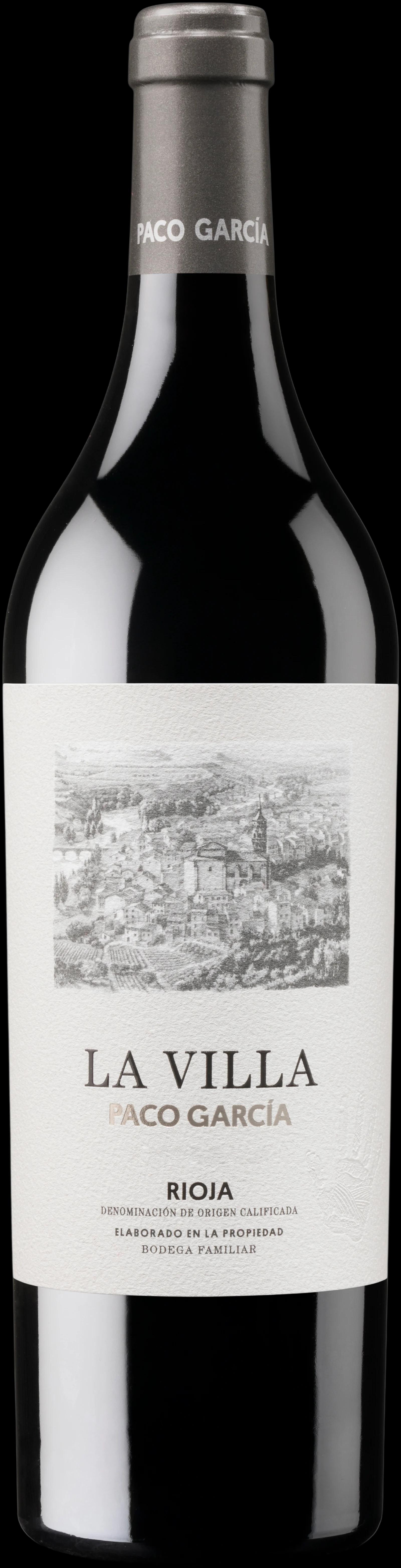
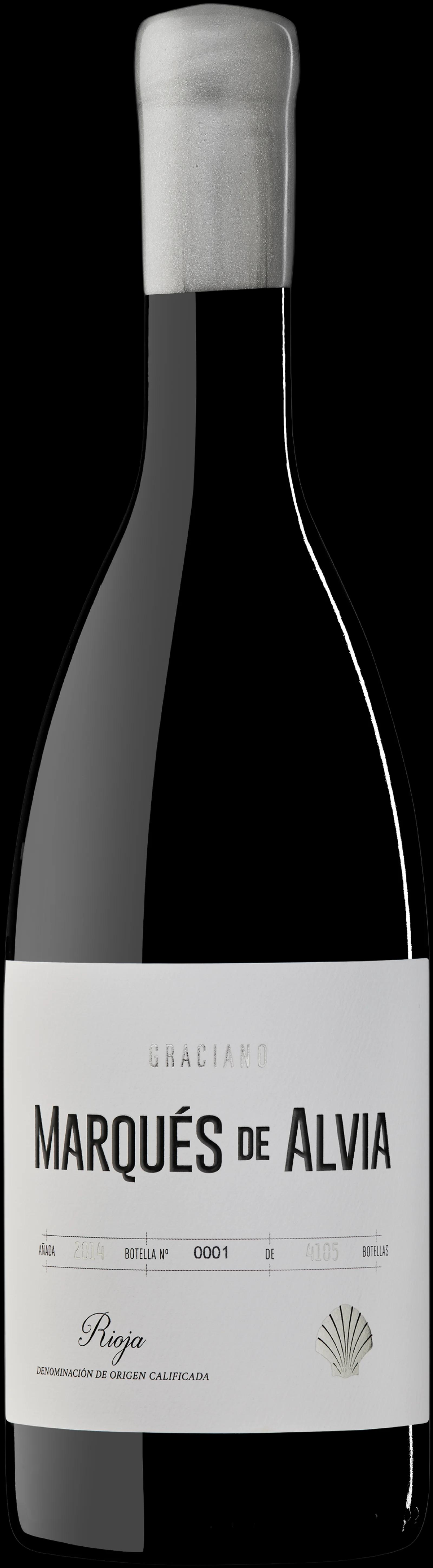
Historically, large bodegas dominated the region, buying grapes from hundreds of small growers and blending across zones. That model produced consistent, widely distributed wines but compressed the identity of individual plots and families. Over the past two decades, a generation of smaller, estate-focused producers has pushed back — bottling from single vineyards, reducing new oak contact, and ageing in larger vessels to let the fruit carry more of the wine.
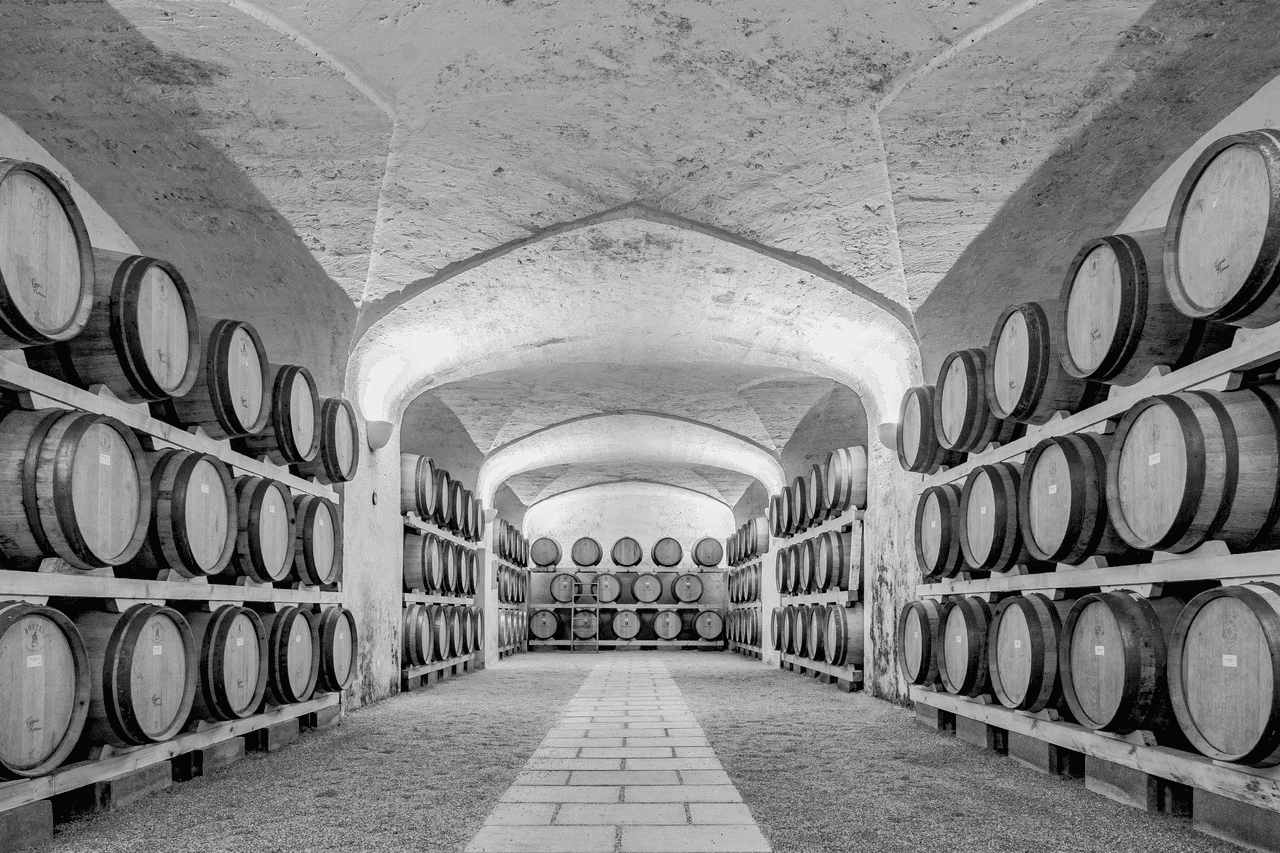
American oak was the traditional choice in Rioja, contributing the region's characteristic vanilla and dill notes. French oak use has grown significantly since the 1990s, particularly among producers prioritising tighter grain and subtler wood influence. Some estates now use both, or have moved toward older barrels that contribute texture without flavour. This shift is documented in the wines themselves: a Reserva from the 1980s and one from today are structurally different products, even from the same producer.
The producers listed on Free Grape Society are independent estates that set their own prices and ship directly from their cellars. No importer, no wholesaler. The price you see is the price the producer agreed to. For broader Spanish context, see wines from Spain or compare with producers from Castile and León and Catalonia, two regions with a similarly evolving producer landscape.
How producers on Free Grape Society are quality-vetted
Every wine listed on Free Grape Society is tasted before it goes live. Producers send samples to our Head of Product, who reviews each wine individually. Independent wine experts also Rate & Review wines they have personally tasted, and those reviews are visible on the wine page and on the expert's own profile. Neither the platform nor the experts act as purchasing gatekeepers — producers decide if they want to be here, and what they list.
Producers, experts, restaurants, and wine lovers on the same platform, on the same terms. That is what Free Grape Society is.
If you want to compare Rioja alongside other Spanish red wines or look at Garnacha and Tempranillo across regions, the grape pages carry reviews and producer context beyond a single appellation. For producers across Spain, the wineries section gives a direct view of who is listed and what they make.