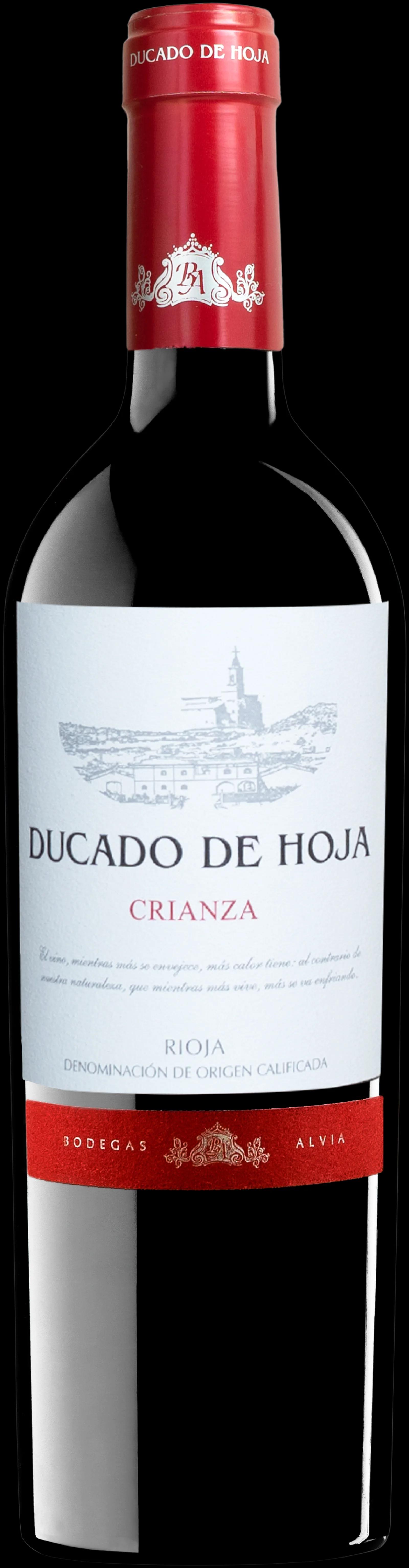
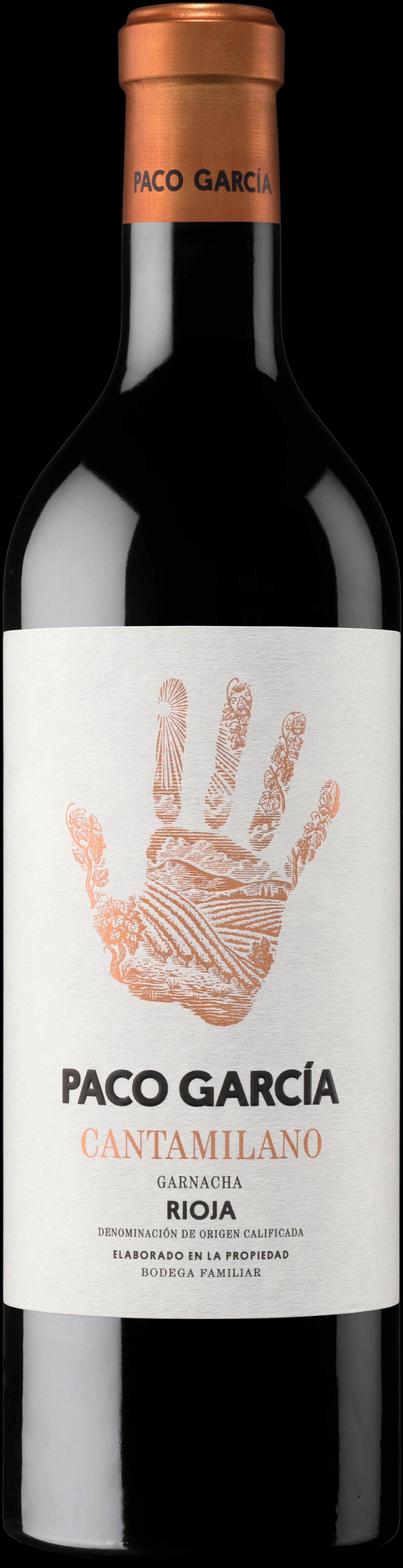
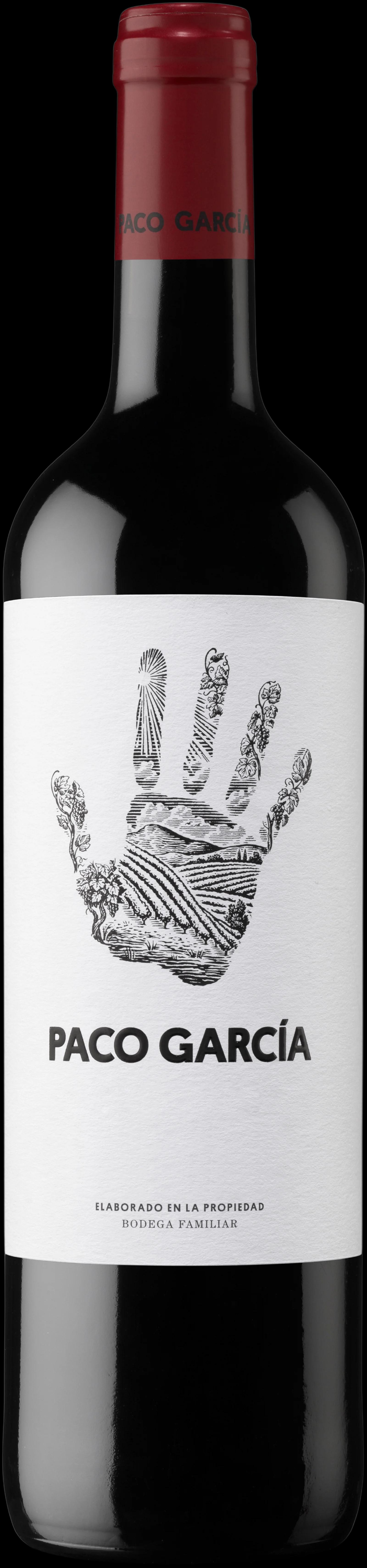
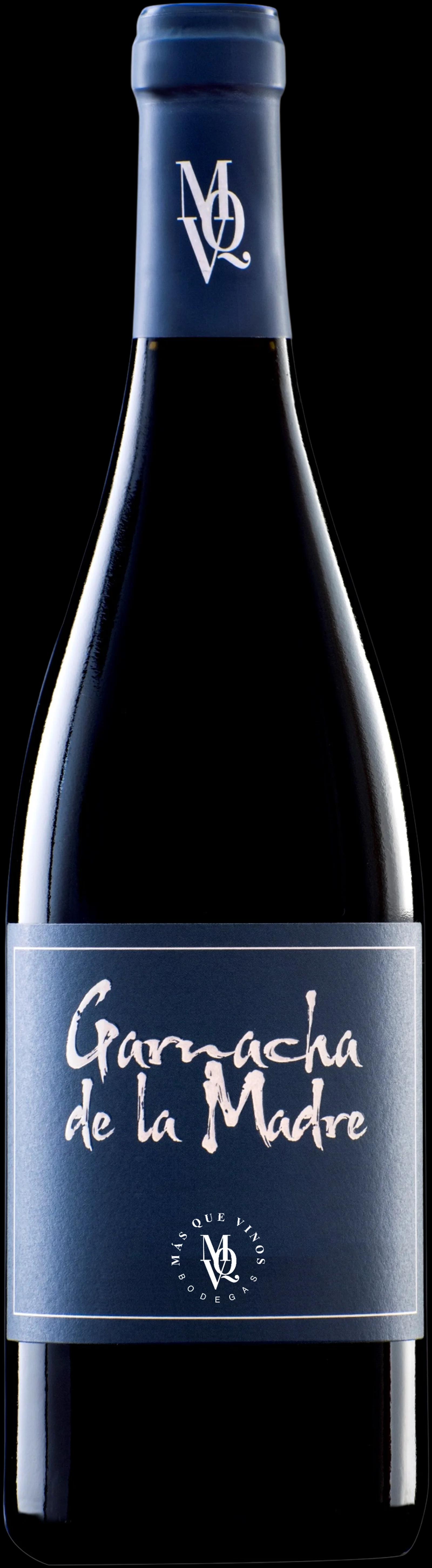
Where Garnacha comes from and how region shapes it
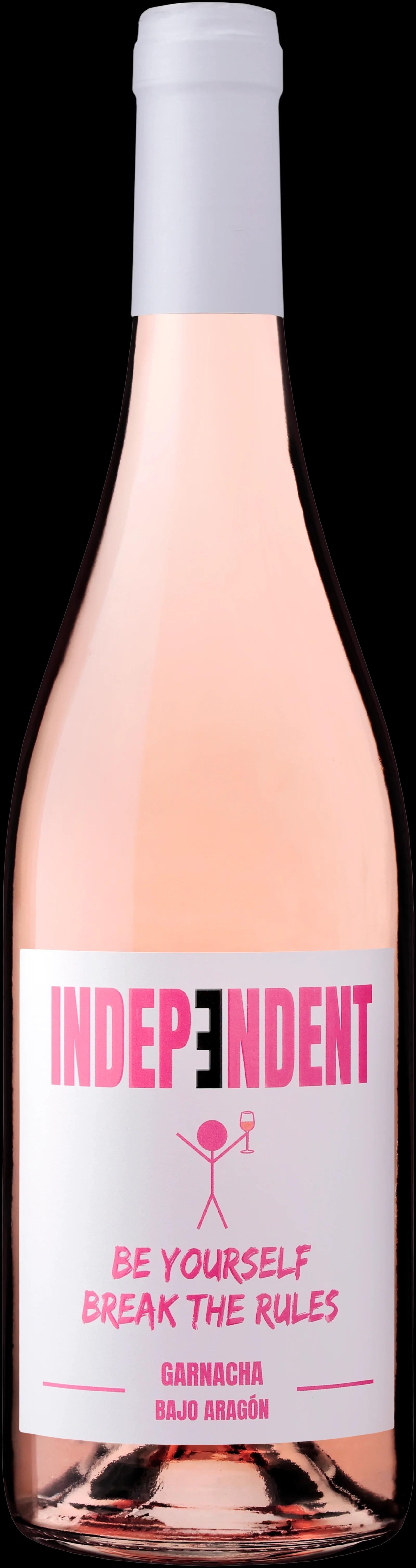
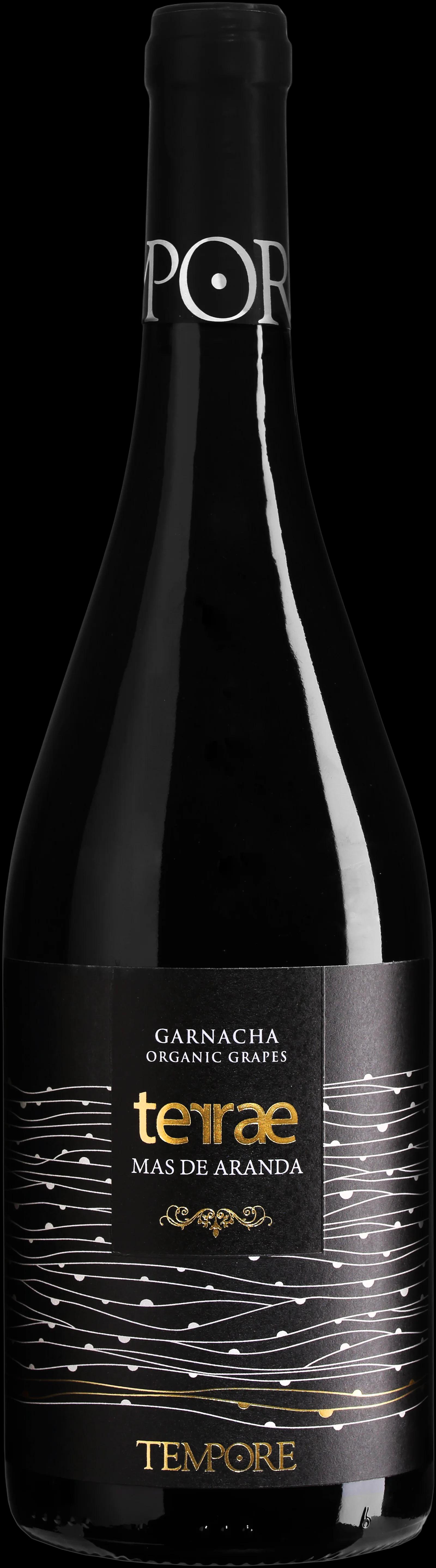
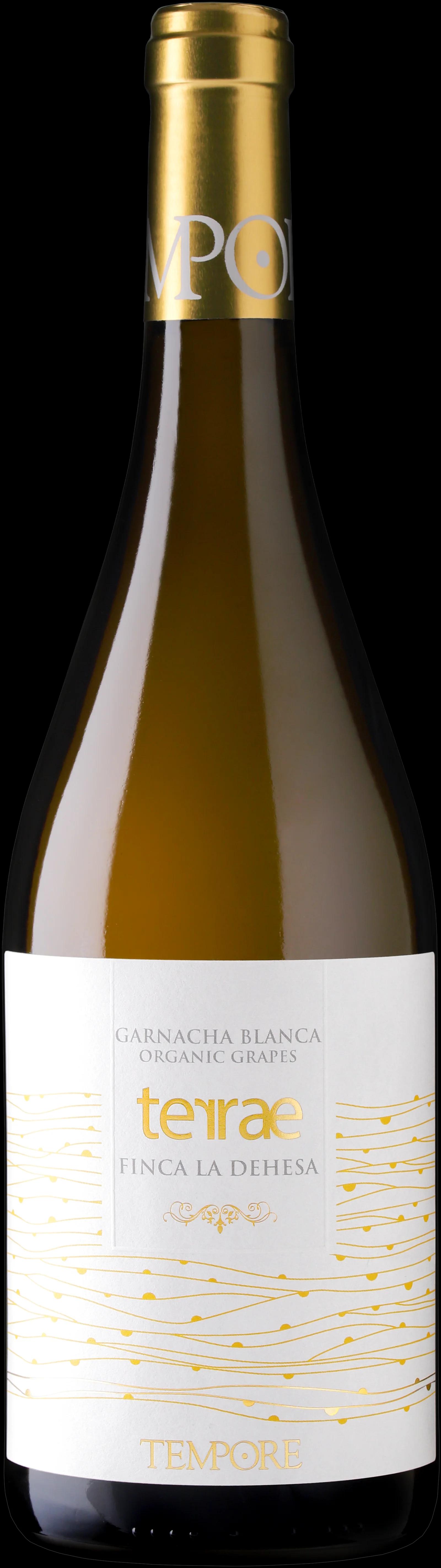
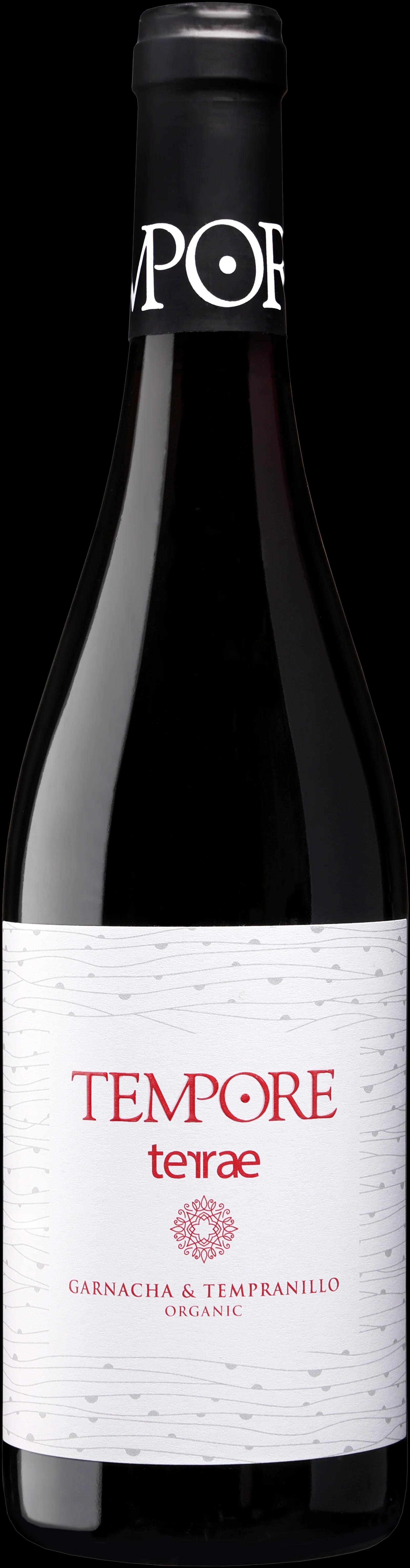
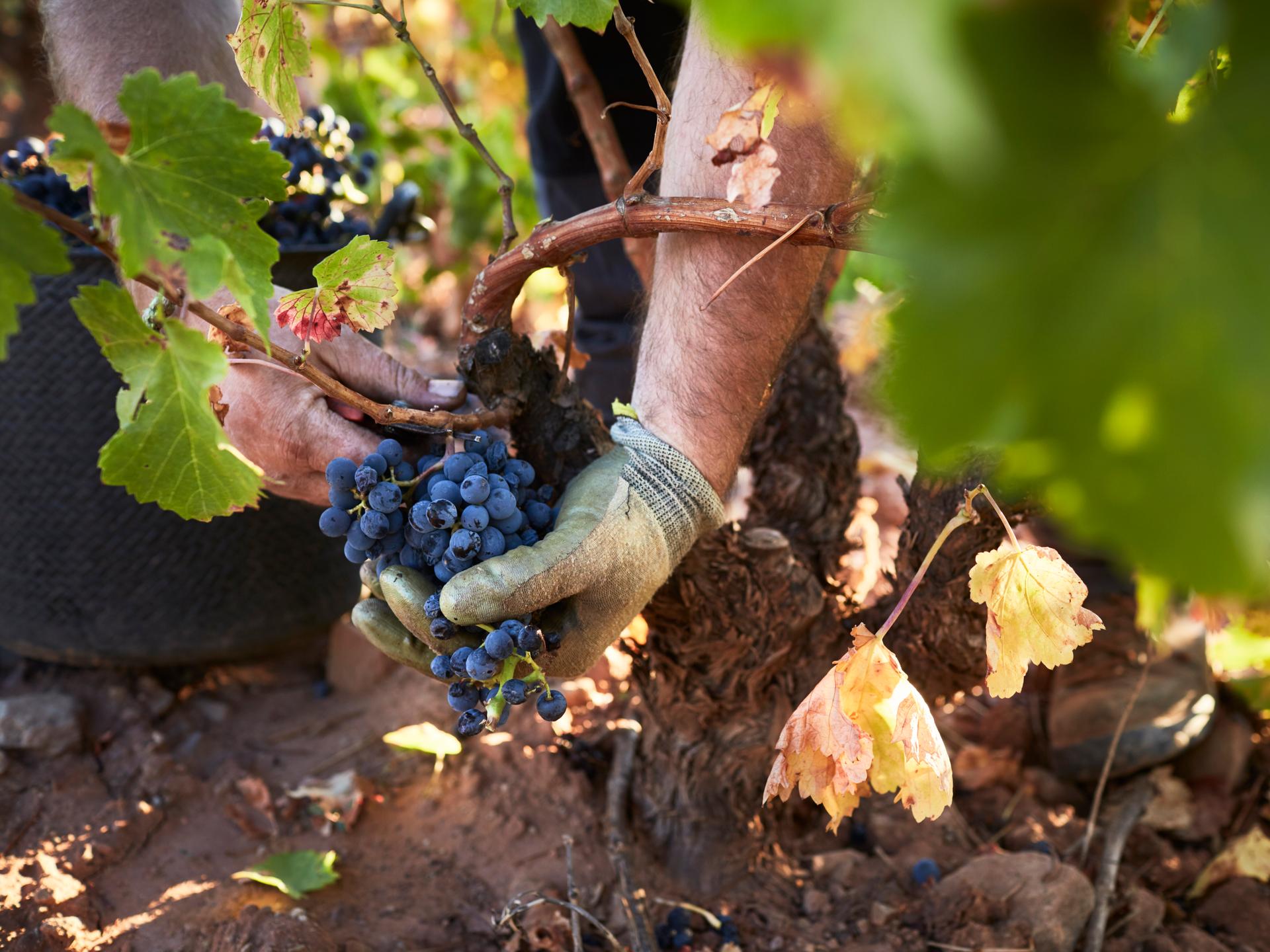
Garnacha is one of the most widely planted red grapes in the world, but its heartland is northeastern Spain. It is thought to have originated in Aragón, where it has been grown for centuries, before spreading south into Castilla-La Mancha, east into Catalonia and Valencia, and across the Pyrenees into the south of France, where it is known as Grenache. The grape thrives in hot, dry conditions and produces very different wines depending on where it grows and how old the vines are. In Aragón, old bush vines on poor, stony soils yield concentrated reds with firm structure and dark fruit. In Rioja, it often plays a supporting role alongside Tempranillo, adding body and warmth. In Priorat, planted on the region's distinctive llicorella slate, it produces some of Spain's most powerful and age-worthy reds. In the Rhône Valley, Grenache forms the backbone of Châteauneuf-du-Pape, blended with Syrah and Mourvèdre. The same grape in a cooler site, or harvested earlier, shifts toward lifted red fruit and lighter structure — which is why a Garnacha rosé from Navarra and a concentrated red from Valencia can taste like entirely different propositions.
How Garnacha tastes, and what to drink it with
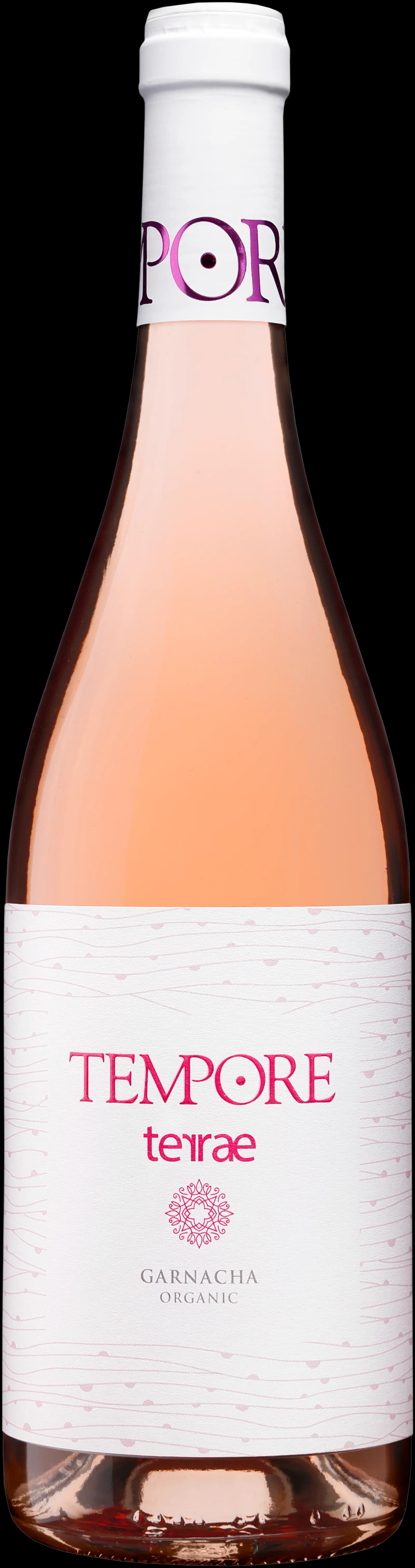
Garnacha is naturally low in tannin and high in alcohol, with a tendency toward ripe red and dark fruit — strawberry, raspberry, dried cherry — and, in warmer sites or older vintages, notes of dried herbs, leather, and spice. It oxidises relatively quickly compared to thicker-skinned grapes, which means that in younger wines you often find fresh and juicy character, while aged examples from old vines take on more savoury, earthy depth. The grape's low tannin and generous fruit make it unusually food-friendly. It pairs well with lamb, pork, grilled vegetables, and the kind of slow-cooked meat dishes common in the Spanish and southern French regions where it dominates. Garnacha rosé — made by brief skin contact or saignée — is one of the more versatile styles at the table, working across fish, salads, and charcuterie. For bottles made from this grape alongside complementary Spanish red varieties, or for a broader look at how it expresses itself across the Languedoc-Roussillon, the range on these pages gives a useful starting point.
Buying Garnacha direct from independent producers
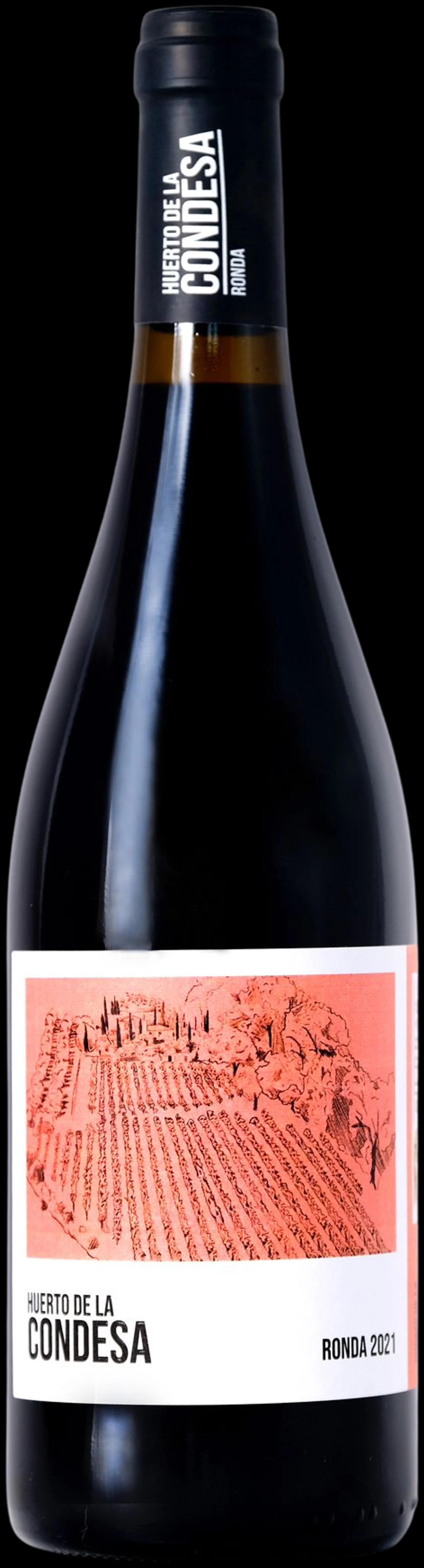
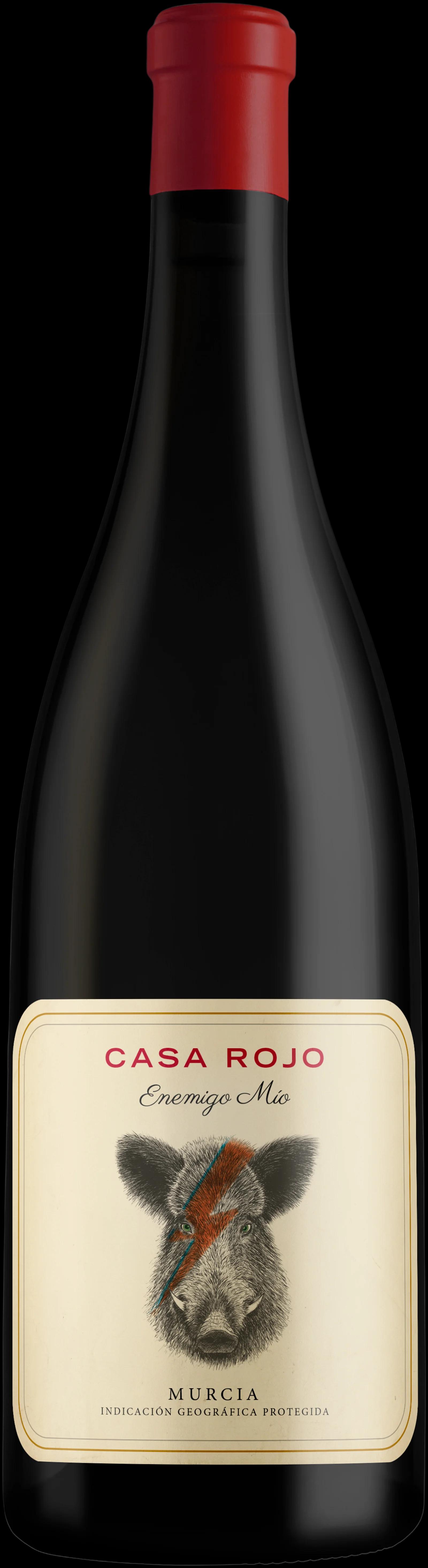
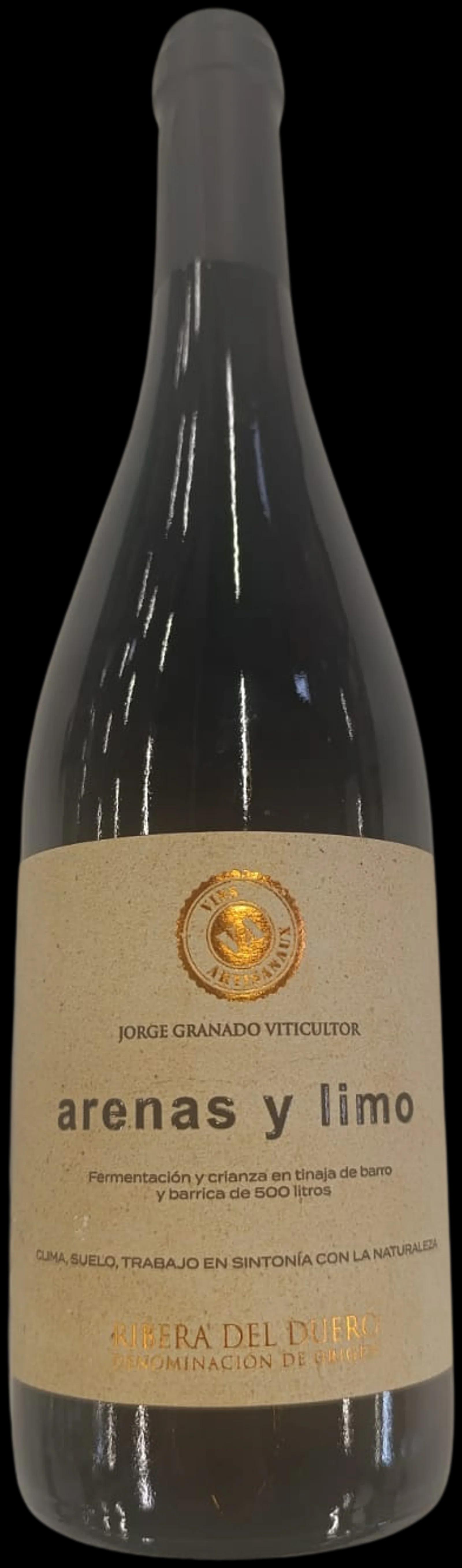
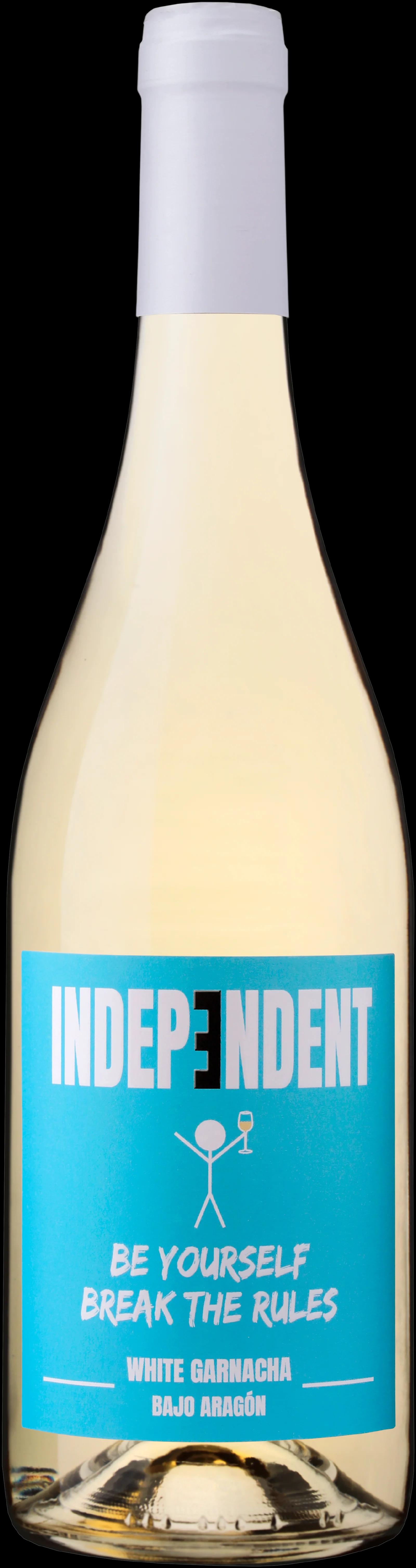
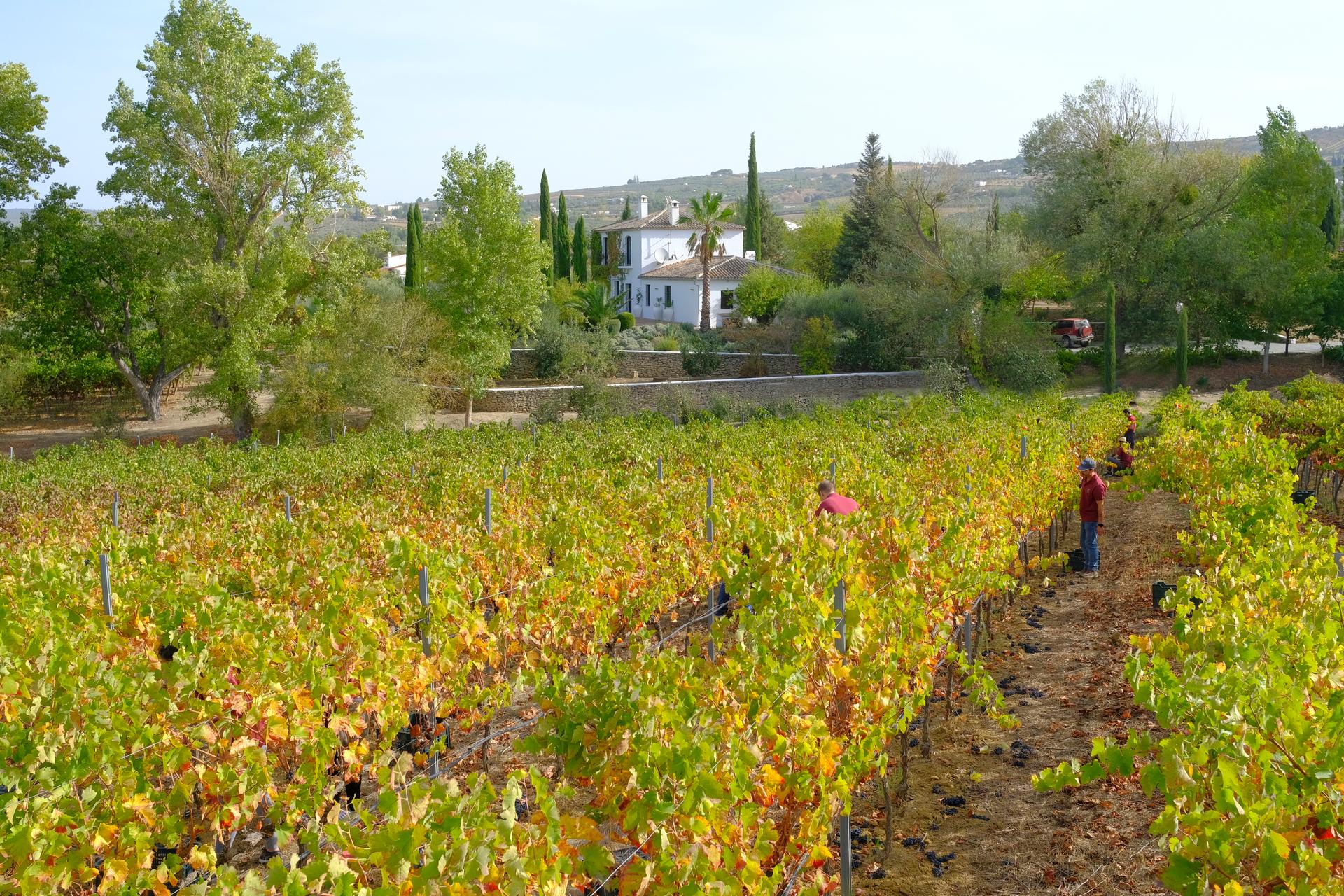
Most Garnacha sold in supermarkets and large retail chains comes from high-volume producers working at scale, where the grape's natural generosity and heat tolerance suit bulk production. Independent growers — particularly those farming old vines or difficult hillside terrain — work with the grape very differently: lower yields, longer hang time, and winemaking choices that reflect a specific site rather than a category formula. On Free Grape Society, producers ship Garnacha wines directly from their own cellars, with no importer or warehouse added in between. That means the wine arrives as the grower intended, and the price reflects the actual cost of making it rather than a distribution chain. The producers on this page grow Garnacha across several of its Spanish strongholds — Aragón, Valencia, and Castilla-La Mancha among them — as well as in France, where Languedoc-Roussillon and the Rhône Valley carry the grape under the Grenache name. Wines tasted before listing. Free Grape Society is a society of producers, independent experts and wine lovers, not a shop.