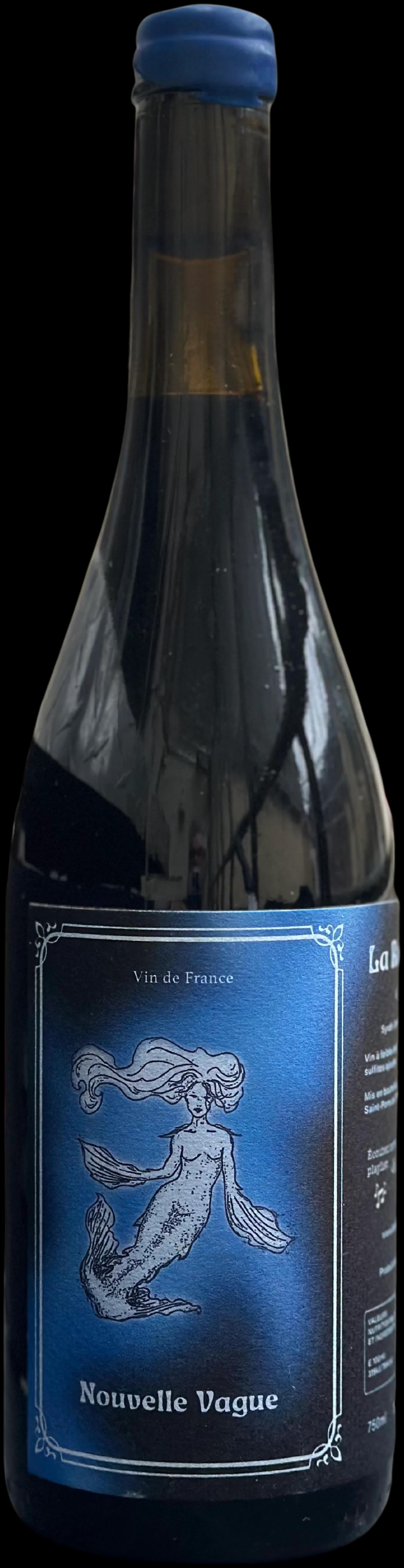
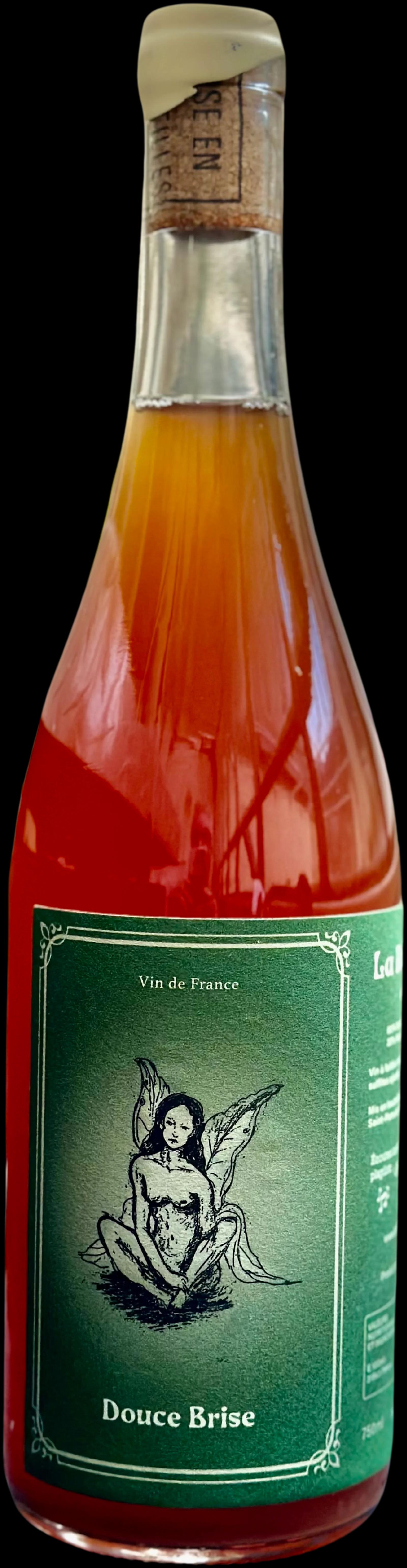
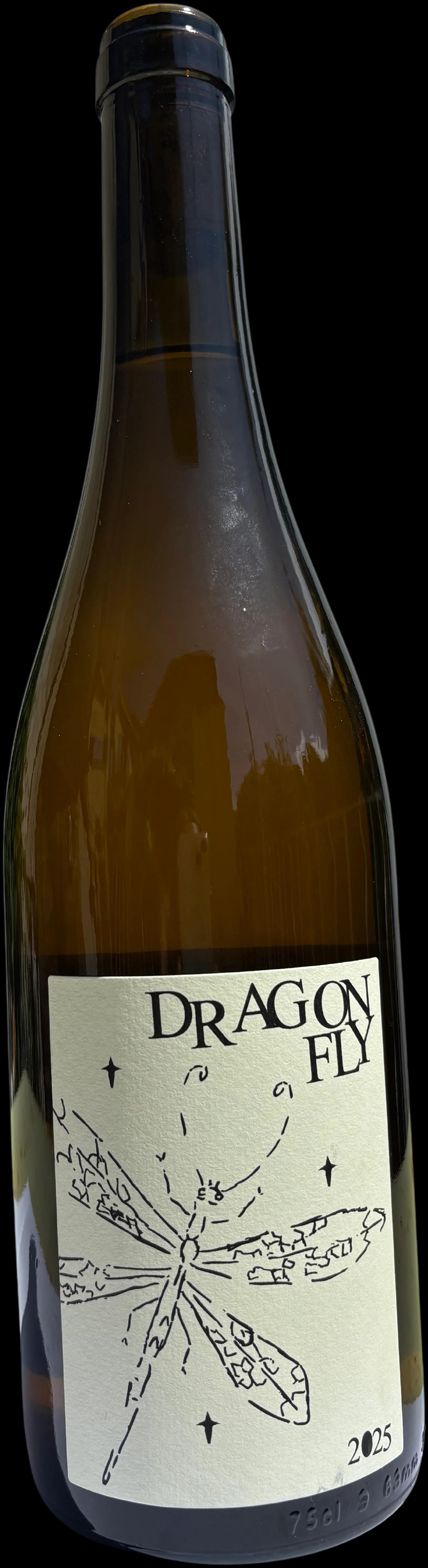
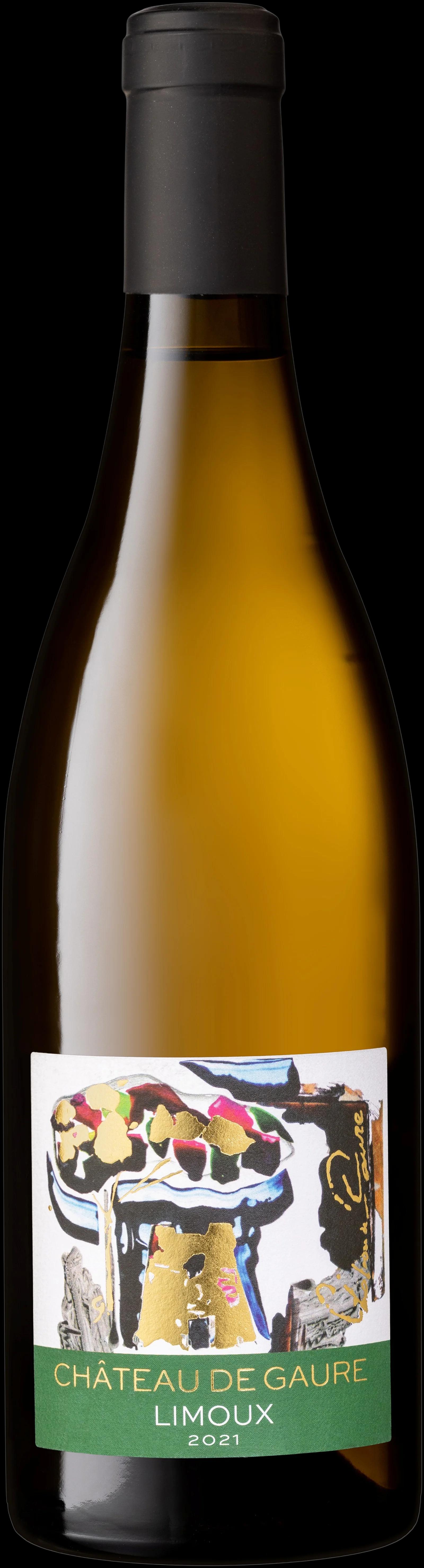
Appellations and grape varieties of Languedoc-Roussillon
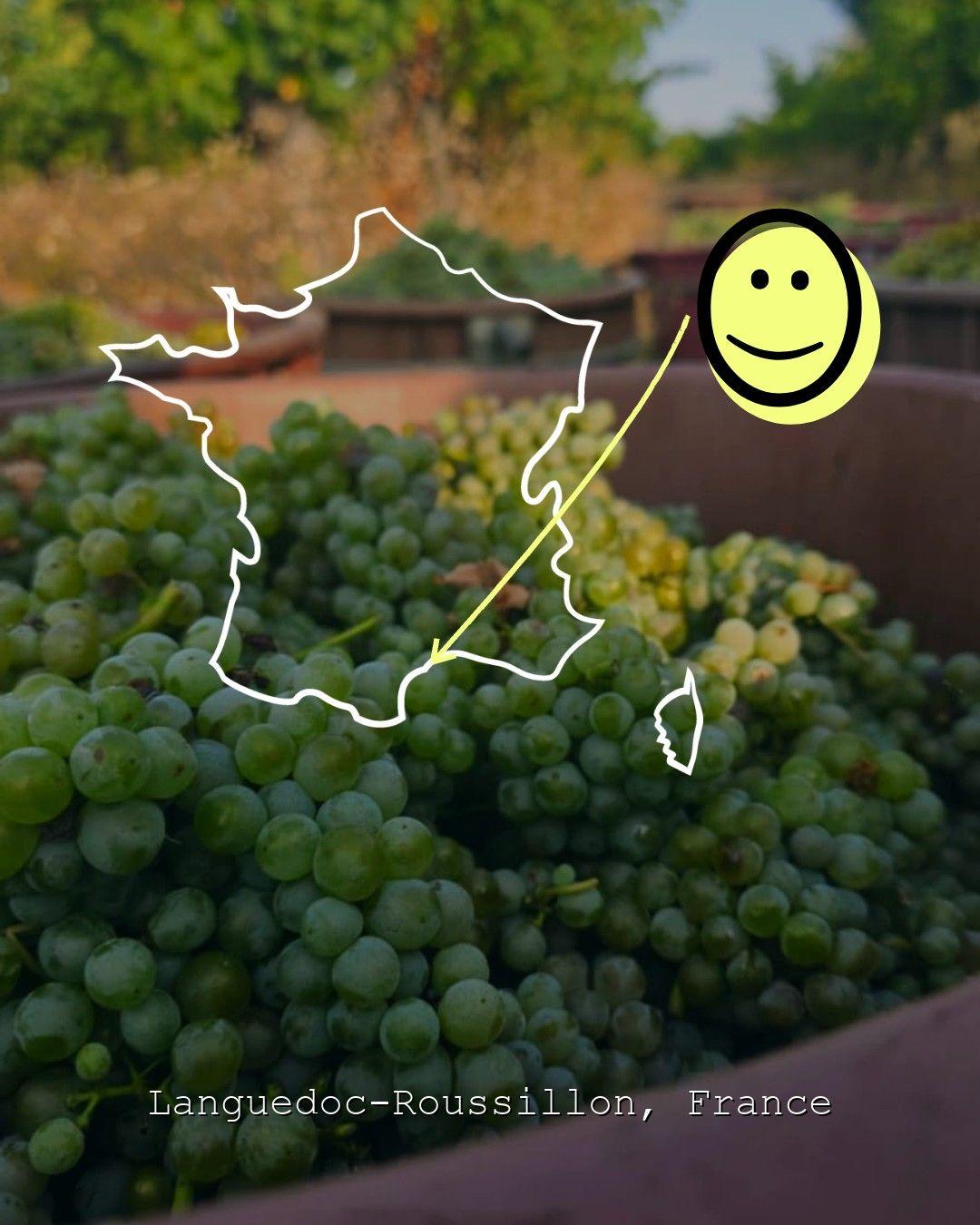
Languedoc-Roussillon is the largest wine-producing region in France by volume, stretching from the Rhône delta to the Spanish border across roughly 300 kilometres. Within that span, the appellation structure is dense and fragmented. Grenache, Syrah, and Carignan dominate the red and rosé blends across most AOCs, while Cinsault is increasingly prominent in lighter-bodied and low-intervention styles. In the Roussillon sub-region bordering Catalonia, Grenache Noir is the backbone of fortified Vins Doux Naturels — wines that undergo partial fermentation stopped with neutral spirit, preserving residual sugar while retaining between 15% and 18% alcohol. The appellation of Picpoul de Pinet covers white wines made exclusively from Picpoul Blanc, grown on soils directly adjacent to the Thau lagoon; the marine influence and the grape's naturally high acidity are the reasons the style tastes the way it does. Minervois and Corbières are the two largest AOCs in the Languedoc portion, together covering more vineyard area than the entire Côte d'Or. Terroir within both is highly variable — Minervois La Livinière, a superior cru within Minervois, sits at between 200 and 400 metres altitude on clay-limestone soils that produce structurally different wines from the valley-floor parcels a few kilometres away.
Winemaking practices and the independent producer landscape
Languedoc-Roussillon has the highest concentration of independent domaines and cooperative members of any French wine region, but the balance has shifted noticeably since the 1990s. Before that decade, roughly 80% of production passed through cooperatives. Today, a growing share is bottled and sold directly by independent estates — partly because appellation rules were reformed to make smaller-scale bottling viable, and partly because export demand for estate-bottled wine outpaced cooperative bulk. Many of the producers working in the region today are not from traditional winemaking families. A significant number arrived from other industries or other regions, bought neglected parcels in the garrigue hills, and replanted or rehabilitated old-vine Carignan and Grenache. Old Carignan vines — some over 80 years — are particularly valued here because yields drop to levels where concentration and complexity increase without requiring irrigation. The region is also one of the most active in France for certified organic viticulture: as of the early 2020s, Languedoc-Roussillon accounted for approximately 20% of all organically certified vineyard area in France, even though it represents a smaller share of total French AOC production. These are not the wines your supermarket carries. They are the wines your supermarket cannot carry, because the volumes are too small and the producers have no interest in the terms retail chains demand.
How producers from Languedoc-Roussillon work on Free Grape Society
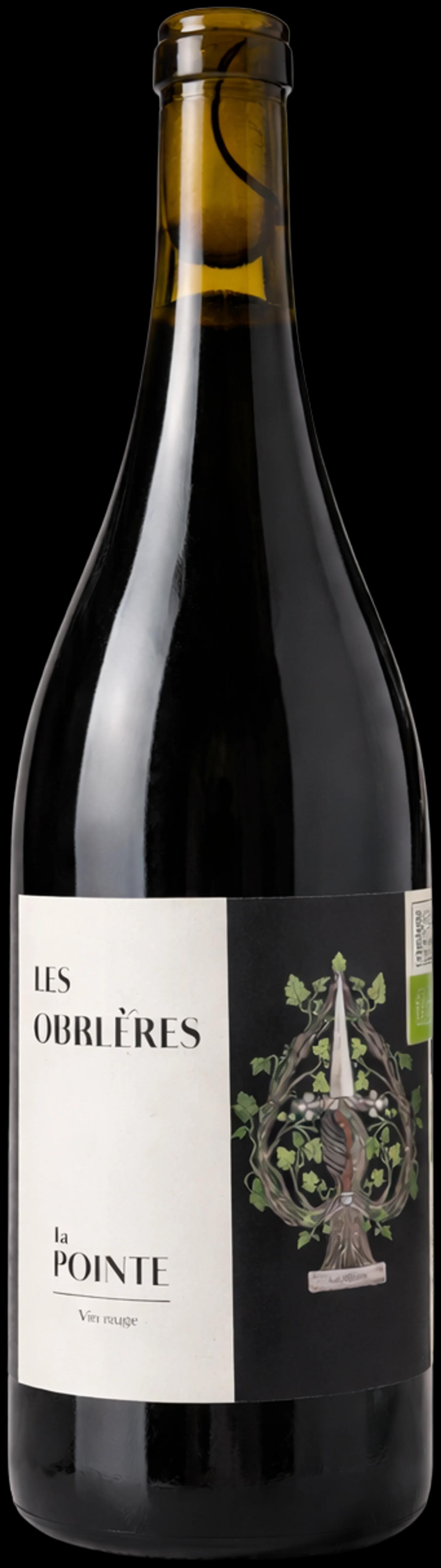
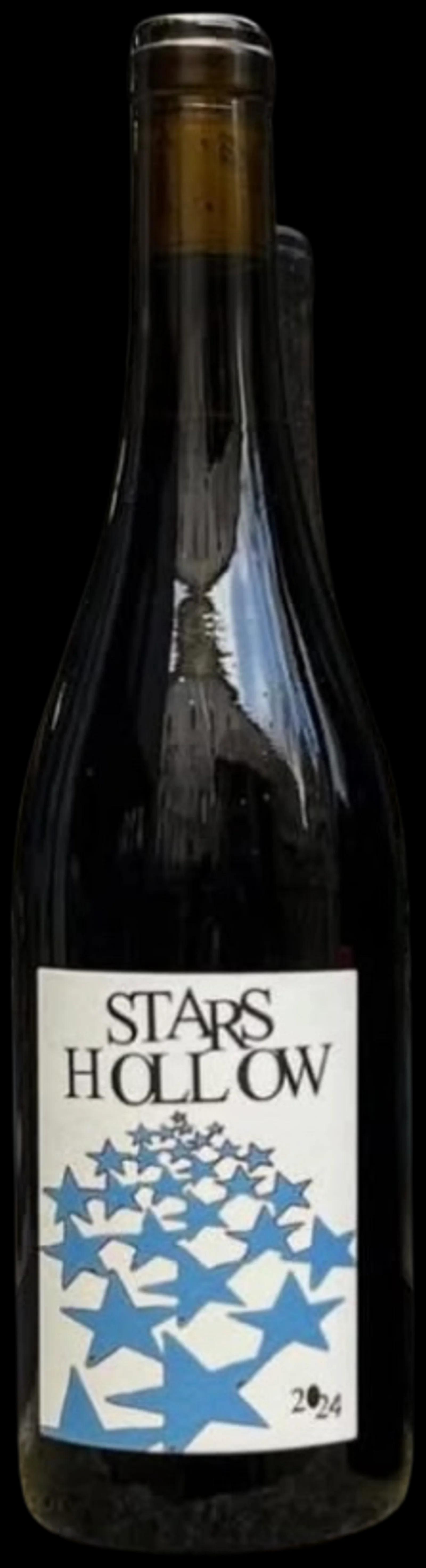
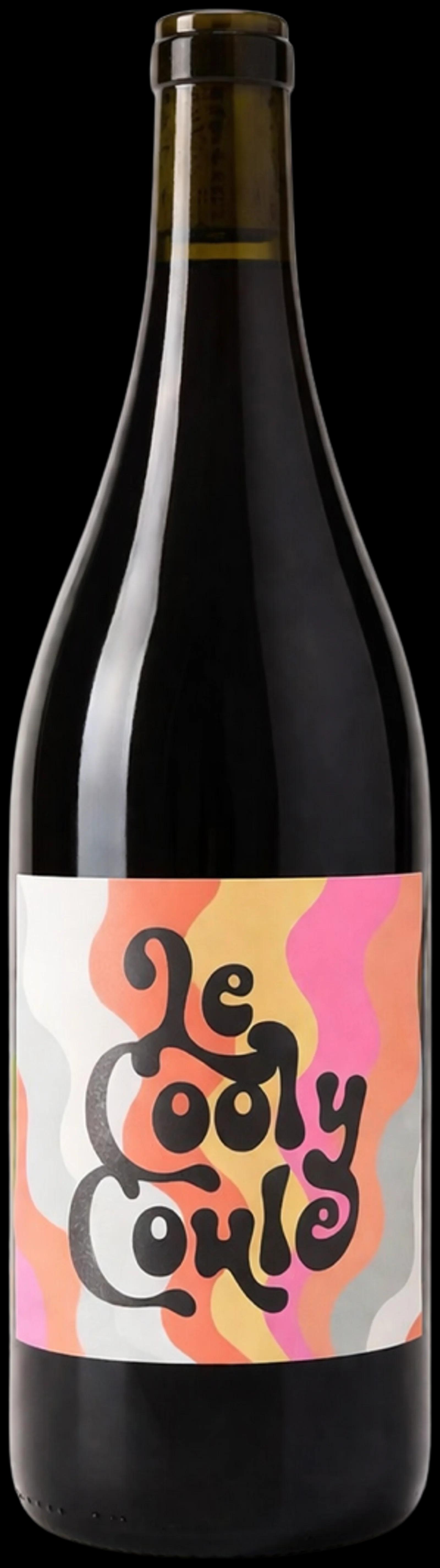
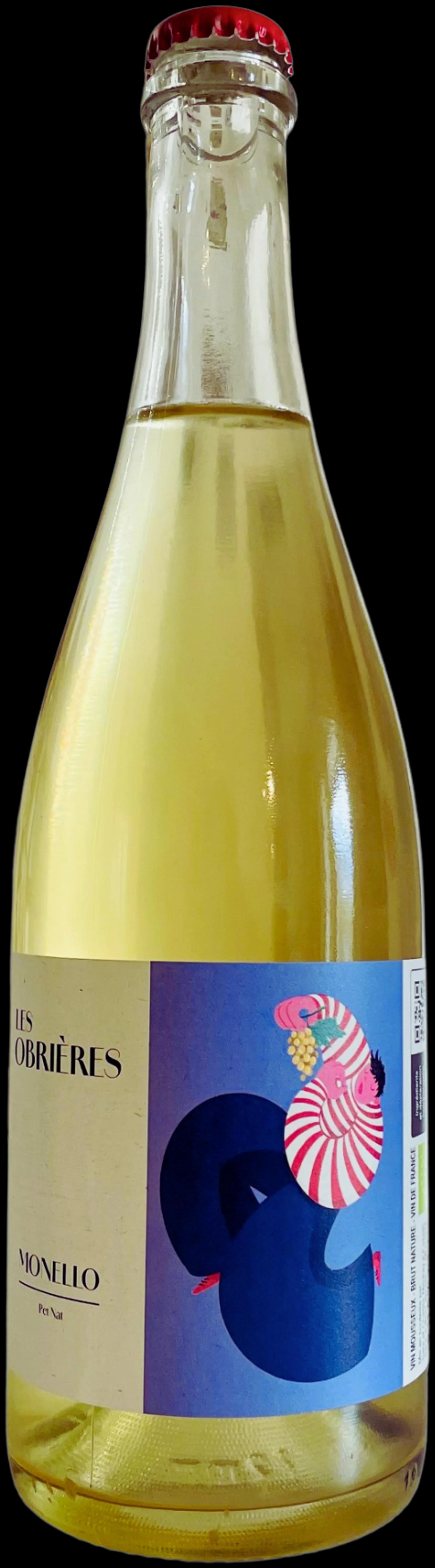
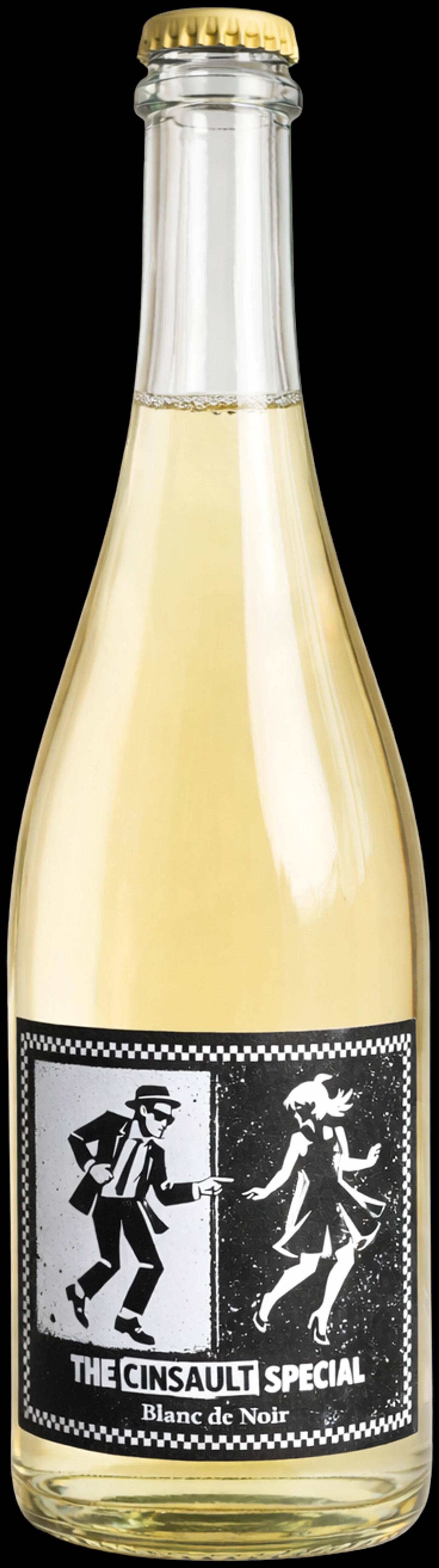
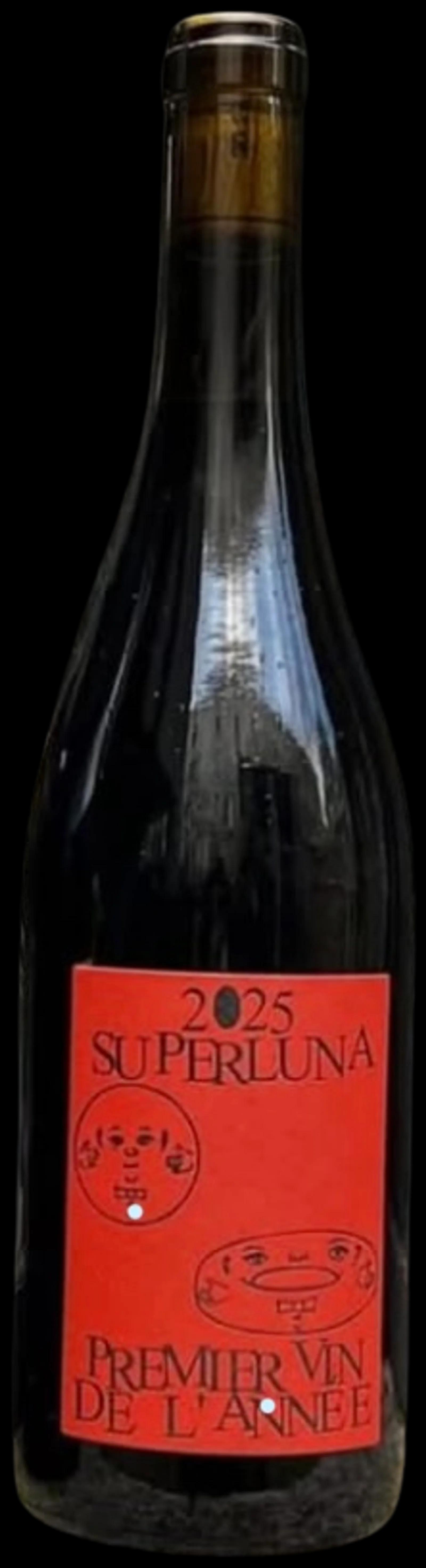
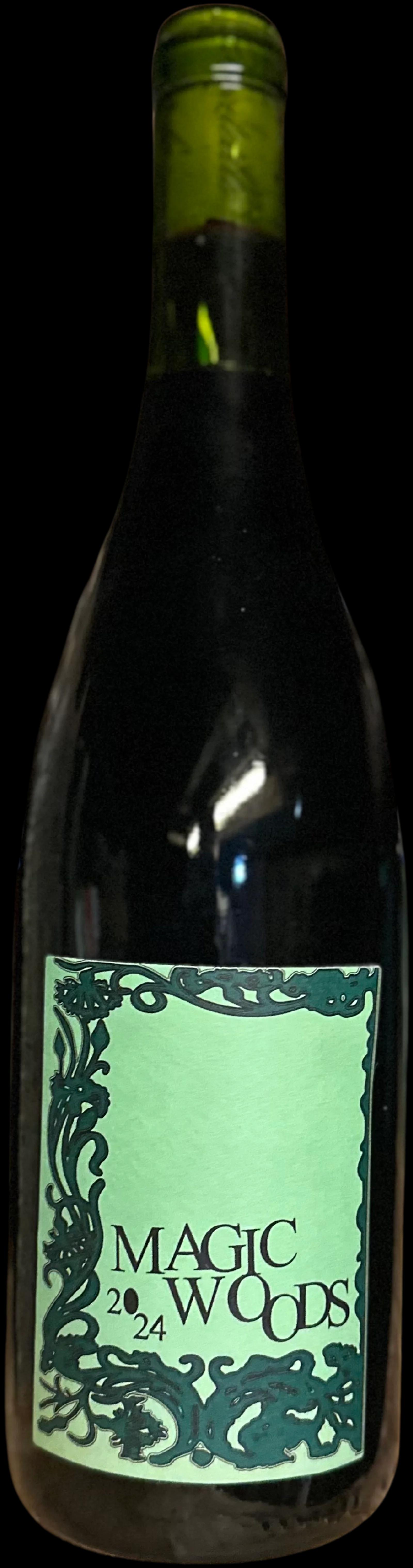
Producers from Languedoc-Roussillon list their wines directly on the platform. Every wine is tasted by our Head of Product before going live. Independent wine experts Rate & Review individual wines — their assessments are visible on the wine page and on the expert's own profile, so you can read the reasoning, not just a score. A bottle of wine normally changes hands three times before it reaches you. Here it changes hands once. Producers set their own prices. No importer adds a margin. No wholesaler takes a cut. If you want to see which estates are currently active on the platform, the Languedoc-Roussillon wineries page lists them with their profiles. If you want to try several producers before committing to full bottles, the Languedoc-Roussillon mixboxes are composed by the producers themselves as their own recommendation of what to taste first. Average delivery from producer cellar to your address runs 8 to 9 days, with a range of 4 to 14 days depending on the producer's location within the region.