Native grapes of the Aegean Islands
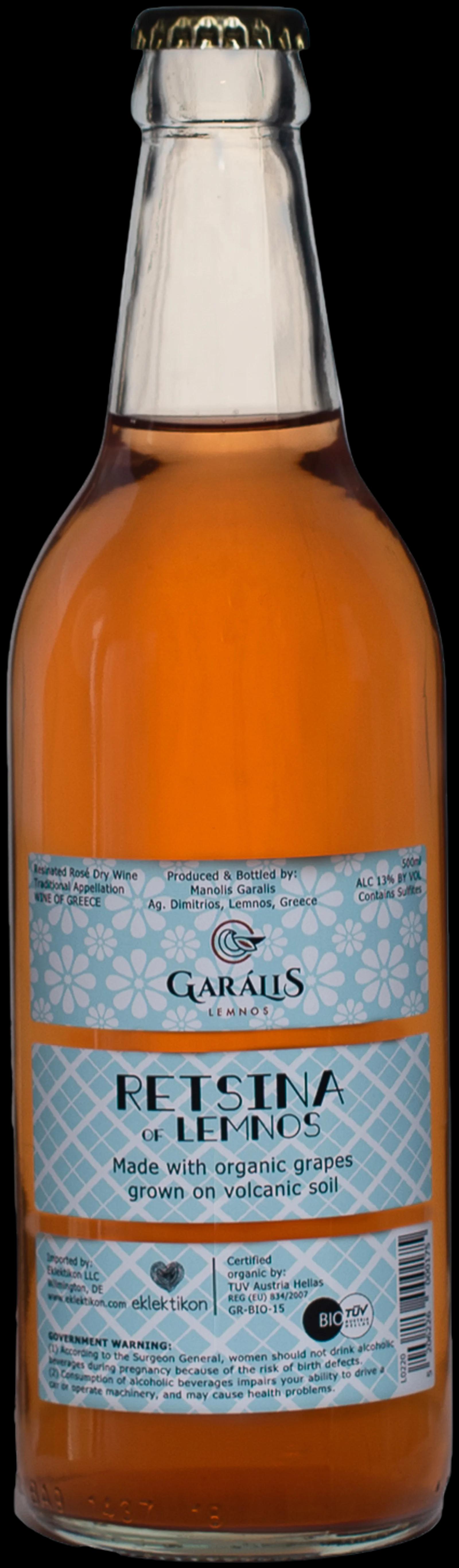
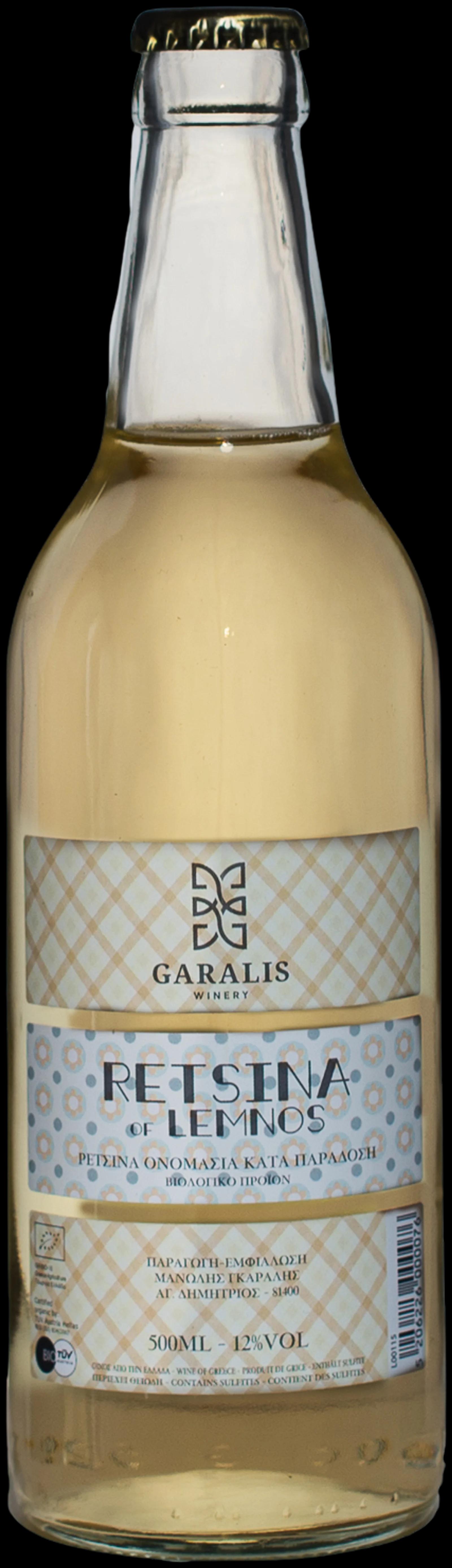
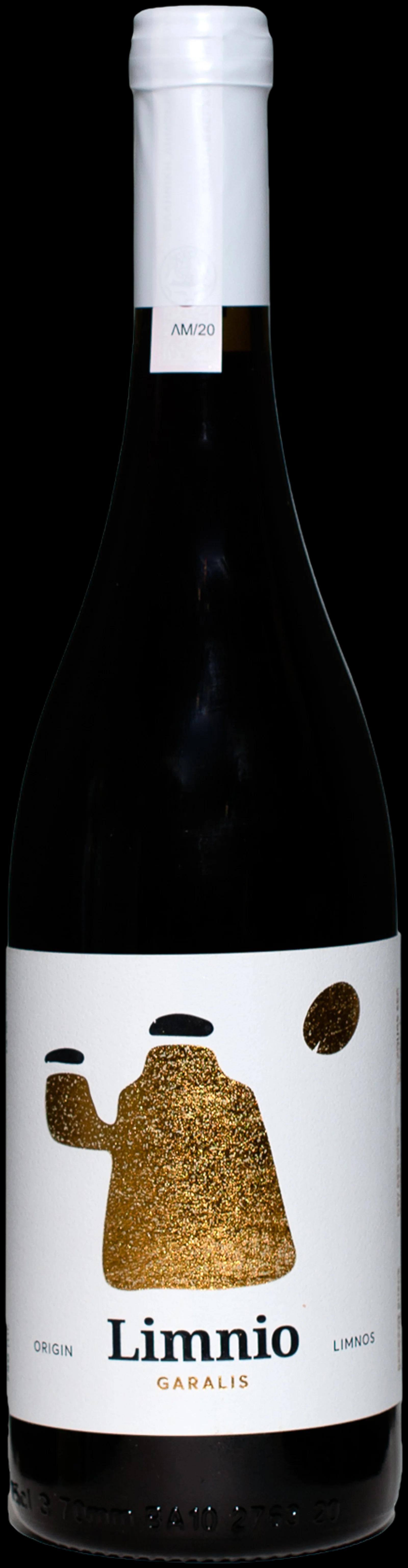
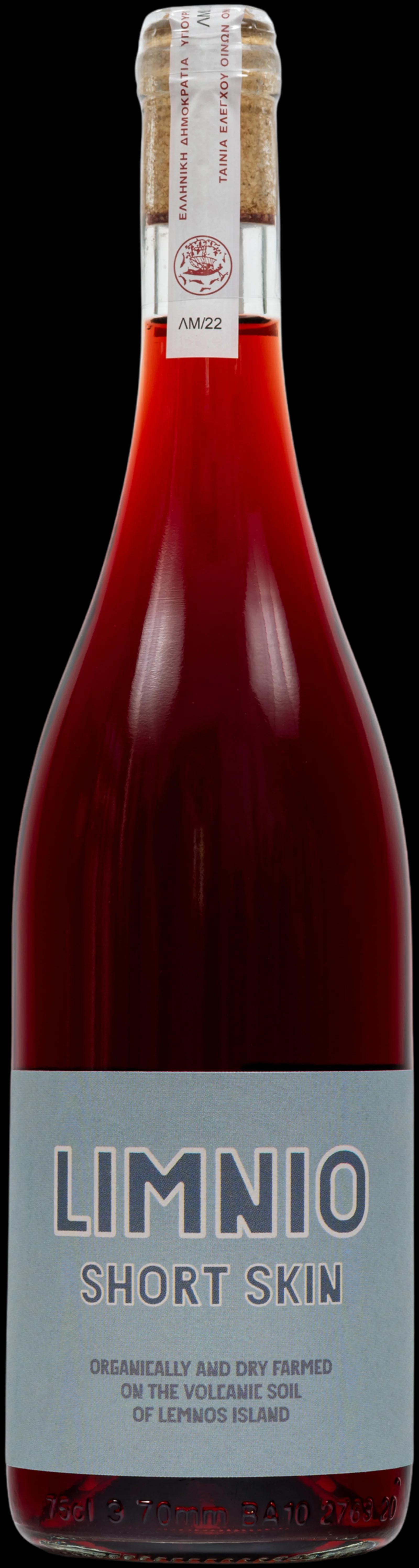
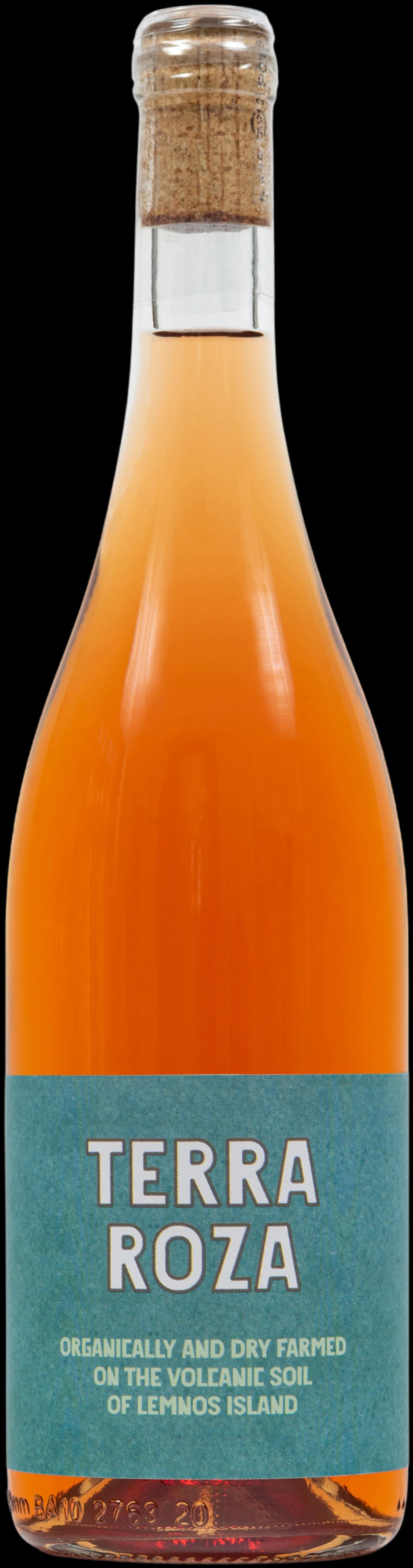
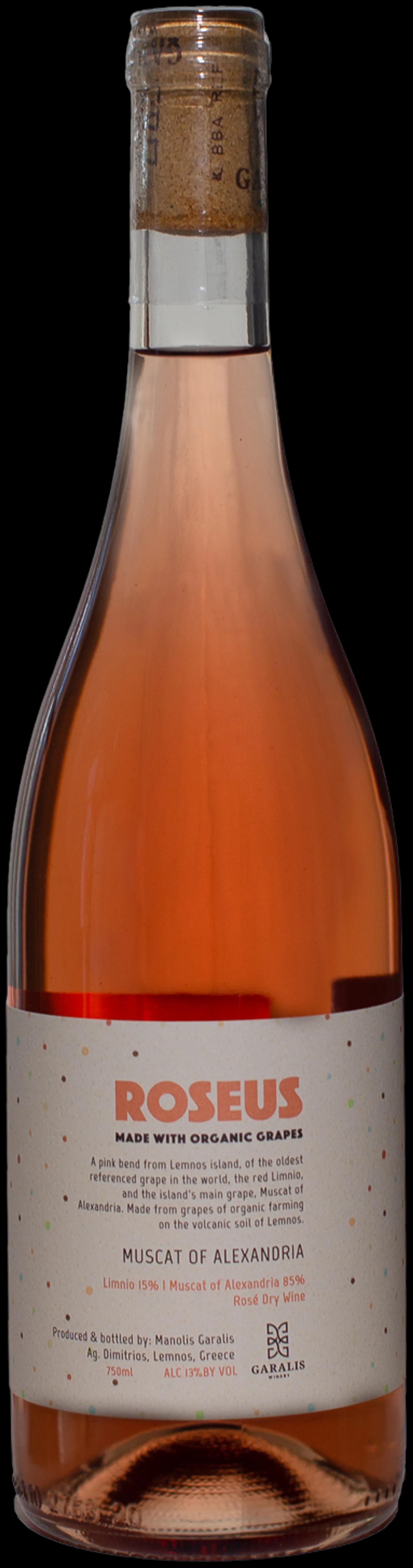
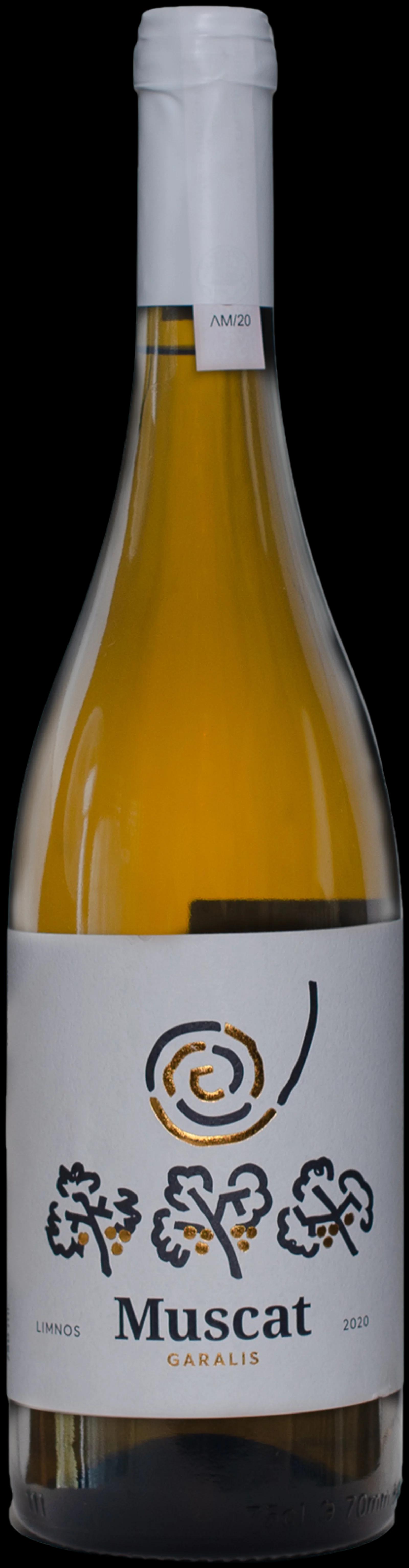
The Aegean Islands sit across a wide stretch of the eastern Mediterranean, and grape variety diversity here is substantial. Assyrtiko is the most widely recognised: a white variety native to Santorini that retains high natural acidity even in summer temperatures above 30°C, partly because the island's volcanic pumice soils force roots several metres deep in search of moisture. On Santorini, many vines are trained in the kouloura basket shape, a technique that keeps the fruit close to the ground and shields it from the meltemi wind. Muscat of Samos is a separate tradition: the island has produced sweet Muscat wines since at least the 17th century, and the local cooperative model means production is tightly regulated by appellation rules. Lemnos grows Muscat of Alexandria, a variety found elsewhere in the Mediterranean but particularly well-suited to that island's dry summers. On Rhodes, Athiri is the dominant white grape, a thin-skinned variety that produces light, high-acid wines with low phenolic extraction. For red wines, Mandilaria — also called Mandelari — is widespread across the Cyclades and Dodecanese; it contributes colour and tannin but low sugar, so it is often blended rather than vinified alone. These are not varieties found in any significant volume outside Greece.
Appellations and classification in the Aegean Islands
Greek wine law uses the PDO (Protected Designation of Origin) framework, which maps reasonably closely onto the French AOC model, though the boundaries and production rules differ by island. Santorini PDO is among the most strictly defined: permitted varieties, minimum vine age, maximum yield per hectare, and training method are all specified. The minimum vine age for PDO Santorini is 15 years, but many plots contain vines over 100 years old, some dating to before the phylloxera epidemic that destroyed most of European viticulture in the late 19th century — Santorini's volcanic and sandy soils meant phylloxera could not establish, leaving a population of pre-phylloxera vines intact. Samos PDO covers sweet wines produced from Muscat Blanc à Petits Grains under cooperative rules; dry Muscat from the island is sold under a different designation. Rhodes PDO allows both white and red wines, with Athiri and Mandilaria as the principal varieties. Paros PDO is smaller and less exported, built around a blend of Mandilaria and Monemvasia. The PGI (Protected Geographical Indication) tier, labelled Aegean or by individual island name, gives producers more flexibility on variety and style — a number of the independent producers working with Free Grape Society operate at PGI level, which allows them to vinify single-variety wines or unconventional blends outside PDO constraints. No importer, no wholesaler. The price you see is the price the producer agreed to.
How Aegean Islands producers work with Free Grape Society
The Aegean Islands are not a volume wine region. Total vineyard area across Santorini is roughly 1,200 hectares — smaller than a single large Bordeaux estate. That makes island wine structurally scarce and mostly absent from mainstream retail channels. The producers listed on Free Grape Society send samples to our Head of Product, who tastes every wine before it goes live on the platform. Independent wine experts Rate and Review individual wines on the platform, and those reviews are visible on each wine page and on the expert's own profile. Producers set their own prices. Free Grape Society does not act as a buyer or importer: producers use the platform to sell directly, which means the margin normally absorbed by a distributor or wholesaler stays with the producer or is passed to the buyer. Bottles ship directly from the producer's cellar, not from a redistribution warehouse. For a region where yields are low and production runs are small, that direct connection matters. If you want to compare styles across the islands, the Aegean Islands wines page lists current stock by producer. For broader Greek context, the Greece wines page covers mainland regions alongside the islands. Producers, experts, restaurants, and wine lovers on the same platform, on the same terms. That is what Free Grape Society is.