Arneis: a white grape from Piedmont, grown by independent producers

Arneis wine is made from one of Piedmont's oldest white grapes, grown across Roero and parts of the Langhe. The producers below work with it directly, from vine to bottle.

Floral, dry and low in acidity — a variety that almost disappeared from the Langhe hills.

Color

Dropdown arrow

Type

Dropdown arrow

Country

Dropdown arrow

Region

Dropdown arrow

Grape

Dropdown arrow

Pairing

Dropdown arrow

Sort by

Sort arrow
Arneis

Arneis wines

Arneis is a white grape native to Piedmont, recorded in the Roero hills on the left bank of the Tanaro river for centuries. It fell close to extinction in the mid-twentieth century before a handful of growers revived it in the 1970s. The grape is low in acidity and prone to oxidising early, which makes it technically demanding to work with. Each bottle here is shipped directly from the producer's own cellar, with no importer or warehouse in the chain.

Previous1 of 1Next

Arneis wine cases

A producer's wine case is their own selection of six bottles, chosen as the recommendation they would make if you came to the cellar. For a grape as site-specific as Arneis, that usually means comparing how the same variety expresses itself across different soils and aspects within Roero or the wider Piedmont landscape. Free Grape Society is a society of producers, independent experts and wine lovers, not a shop.

View all mixboxes

Wineries

The growers below all cultivate Arneis, but their approaches differ — some farm organically, others work in the older Piedmontese tradition of mixed viticulture where Arneis grew alongside Nebbiolo on the same estate. The wine-advice service is available if you would like a grower's background or a pairing suggestion before choosing.

View all wineries

Wine experts

Arneis is less widely reviewed than Piedmont's red grapes, which makes an independent perspective genuinely useful here. Wine experts on Free Grape Society review wines they have personally tasted, and their notes appear on each wine page and on the expert's own profile. Several of the experts below have reviewed Arneis wines featured on this page.

View all wine experts

Frequently asked questions

How do I order Arneis wine on Free Grape Society?

Choose the bottles you want from the Arneis wines listed on this page and place your order through the site. Payment is handled securely via Klarna or card. Each bottle ships directly from the producer's cellar — there is no central warehouse. Delivery typically takes between four and fourteen days, and shipping is free.

What happens if a bottle arrives broken or doesn't taste right?

Send a photo to Free Grape Society customer support within 7 days of delivery. We will arrange a replacement or a refund. Because producers ship directly, quality issues are handled with the producer's direct involvement. Shared responsibility is built into how FGS works.

Can I order Arneis wines from more than one producer in the same order?

Yes. You can add wines from different producers to the same order. Each producer ships their own bottles separately, so two shipments may arrive on different days if you order from two growers. Both are included under the free shipping arrangement.

How long does delivery take?

Average delivery is 8 to 9 days from order to door. The full range is 4 to 14 days depending on the producer's location and your delivery address. Wines ship directly from the producer's cellar, not from a central warehouse.

How do I choose between the different Arneis wines on this page?

Arneis varies depending on where in Piedmont it is grown and how the producer approaches fermentation and ageing. Roero DOCG is the benchmark appellation, but some growers make it as a Langhe DOC wine with slightly different character. Reading the producer's own notes — visible on each wine page — is usually the fastest way to understand what a specific bottle offers.

Is Arneis always a dry white wine?

Almost always dry. A small number of producers make a late-harvest or passito-style Arneis from dried grapes, but the grape's low acidity and tendency to lose freshness quickly make sweet styles rare. The wines on this page are dry unless the producer's notes indicate otherwise.

Which Arneis wine expert can recommend something for me?

The wine experts listed on this page have reviewed Arneis wines personally. You can read their notes on the individual wine pages, or use the wine-advice form to put a question directly to an independent expert. Describe what you enjoy and they will suggest a specific bottle.

Why don't you sell supermarket-brand Arneis wines?

Free Grape Society works only with independent producers who grow their own grapes and bottle their own wine. Supermarket-label wines are typically blended and bottled by large négociants or cooperative cellars rather than a named grower. The growers on this page put their own name on every bottle they make.

Is Arneis easy to find in general retail?

Outside Italy, Arneis is uncommon in mainstream retail. It sits in the shadow of Piedmont's famous red grapes — Nebbiolo, Barbera, Dolcetto — and does not have the international profile of white varieties like Pinot Grigio or Soave. That limited distribution is part of why ordering directly from a Piedmontese grower is often the most straightforward route to a good bottle.

Where Arneis comes from and how region shapes it

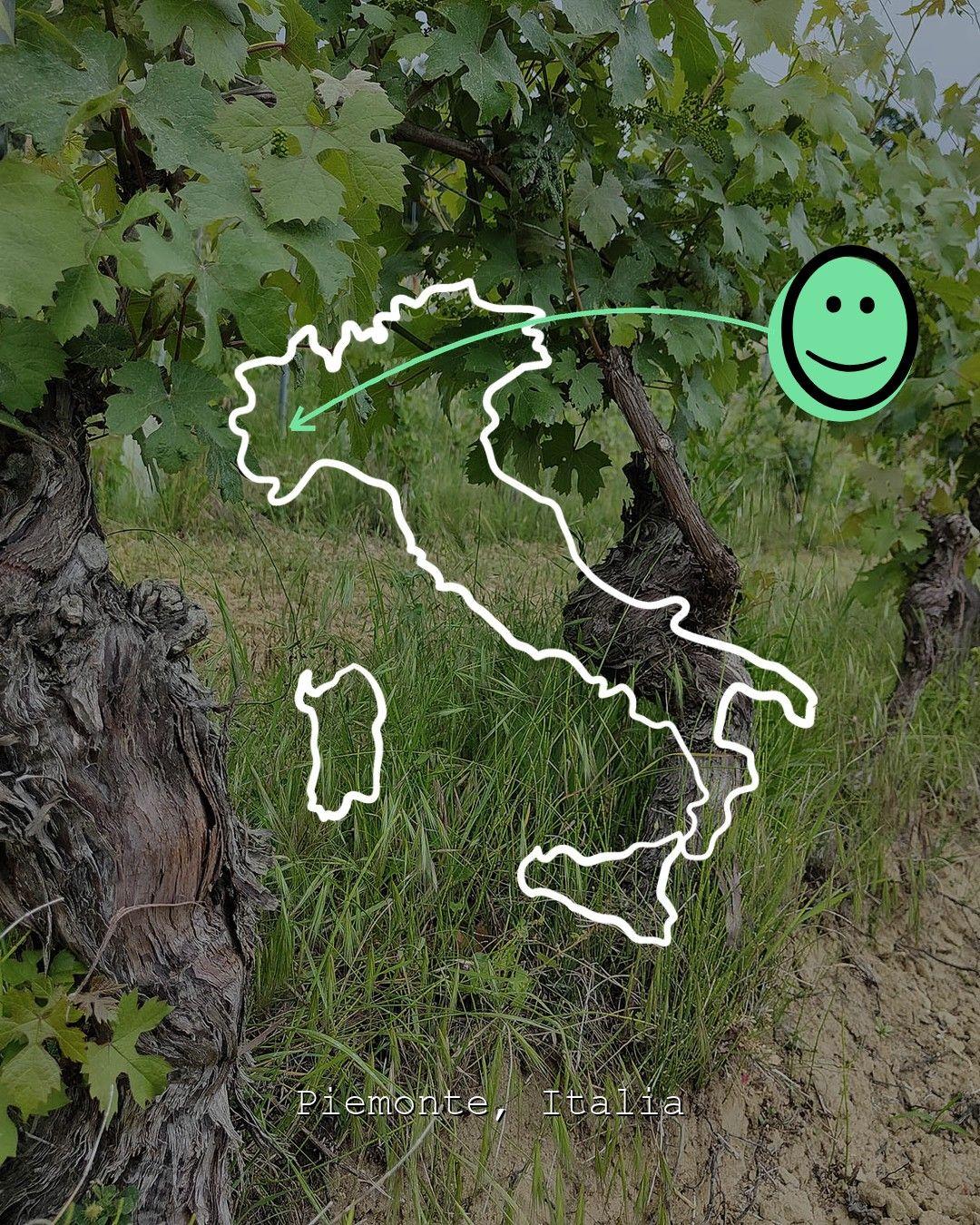
Arneis is a white grape native to Piedmont in northwestern Italy, where it has been grown for centuries in the Roero hills on the left bank of the Tanaro river, directly across from the more famous Langhe. For much of the twentieth century it was used primarily as a blending grape to soften the tannins of Nebbiolo, and it came close to disappearing entirely before a handful of growers revived it in the 1970s and 1980s. Today it has its own DOC recognition as Roero Arneis, and it is also produced across the broader Piedmont wines region and, to a lesser extent, in Liguria and other parts of northern Italy. The Roero's sandy, calcareous soils give Arneis wines a particular lightness and floral lift that distinguishes them from the richer whites produced on the Langhe side of the river. A small number of growers in other countries have planted it, but Piedmont remains where it is most at home and where the variety makes its clearest argument for attention.

How Arneis tastes, and what to drink it with

Arneis produces dry white wines with relatively low acidity, a delicate body, and a profile built around white flowers, pear, almond, and a faintly bitter finish that is characteristic of the variety. The bitterness is a feature, not a flaw — it is part of what makes the wine interesting alongside food, and it is where the name comes from: arneis means 'little rascal' in the local Piedmontese dialect, a reference to the grape's reputation for being difficult to grow. Because it is low in acidity, Arneis is best drunk young, when the floral and fruit notes are fresh. It pairs naturally with lighter dishes: seafood, risotto, white fish, and the antipasti of northern Italy. It also works well alongside dishes where a wine with higher acidity would compete rather than complement. Growers from the Piedmont wineries page produce the full range of styles, from crisp and mineral to slightly rounder and more textured depending on the vintage and the site.

Buying Arneis direct from independent producers

Arneis is not a grape you find easily outside Italy, which makes direct access to the producers who grow it genuinely useful. On Free Grape Society, producers ship directly from their own cellars, with no importer or warehouse adding cost or time between the winery and your door. Wines are tasted before listing, so what you see on the page reflects what is actually worth ordering. If you want to explore the Roero alongside other varieties from the same corner of Piedmont — Nebbiolo, Barbera, Dolcetto — the Piedmont wines and Italian white wines pages show what is available from independent growers across the region. Free Grape Society is a society of producers, independent experts and wine lovers, not a shop — and with a variety as specific as Arneis, that distinction matters: the producers you find here chose to be here, and the wines reflect that.