Where Marselan comes from and what shaped it
Marselan is a cross between Cabernet Sauvignon and Grenache Noir, created in 1961 at the INRA research station in Marseillan, in the Hérault department of the Languedoc. It was bred to combine Cabernet Sauvignon's structure and disease resistance with Grenache's adaptability to heat and drought, two qualities that matter a great deal in the warm, dry growing conditions of southern France. For decades it remained a minor variety, used mainly in blends to add colour and body. Recognition came slowly: Marselan was only officially authorised for use in French appellations in the early 2000s, and it has since found its most consistent home in the Languedoc-Roussillon, where independent growers increasingly bottle it as a varietal wine in its own right. It also travels: producers in Spain, parts of Italy, and further afield have planted it for the same reasons it was created — warmth tolerance, reliable ripening, and a generous colour that survives summer heat without losing freshness.
How Marselan tastes, and what to drink it with
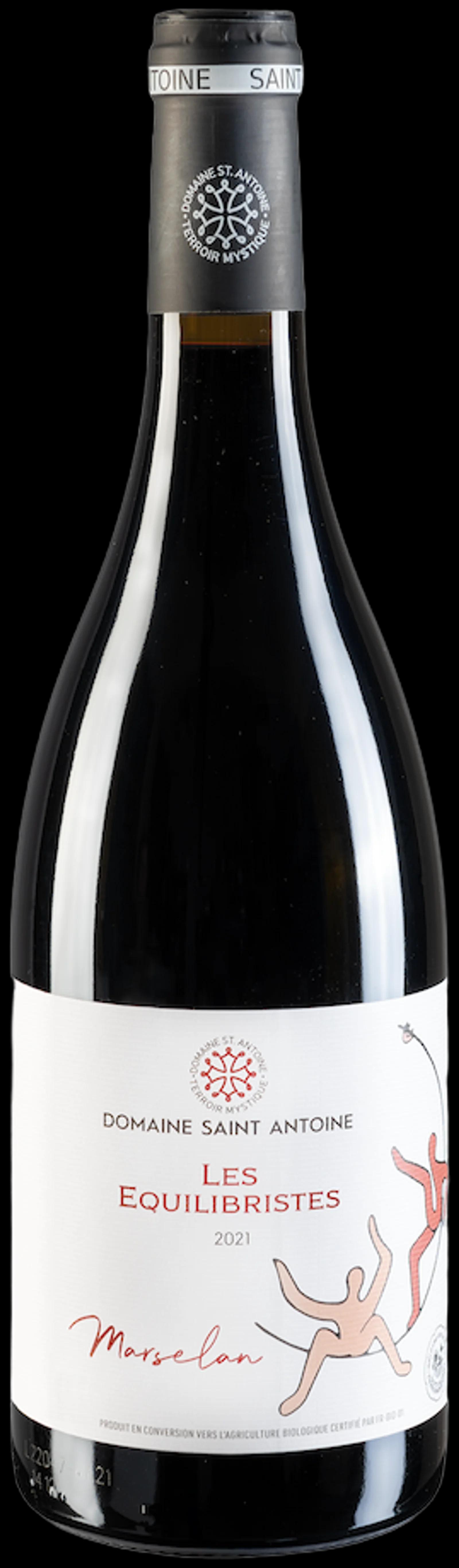
Marselan produces deeply coloured red wines with firm but not aggressive tannins, relatively high acidity for a warm-climate grape, and aromas that sit somewhere between its two parents: the dark fruit and cedar of Cabernet Sauvignon alongside the ripe red berry and spice of Grenache. In cooler, higher-altitude sites the result leans fresher and more structured; in warmer lowland vineyards the wine tends toward concentration and softer texture. It suits food well precisely because it holds onto its acidity even at full ripeness. Grilled lamb, slow-cooked pork, duck with fruit sauces, and dishes built around tomato and herbs are natural partners. It also works alongside hard cheeses and charcuterie without being overwhelmed. If you are exploring the variety across regions, comparing a Languedoc-Roussillon bottling with one from Aragon or another warm-climate zone gives a clear sense of how site and vintage pull the grape in different directions. Producers working with it on Free Grape Society ship each bottle directly from their own cellar, so what you receive reflects the individual grower's choices rather than a blended commercial style.
Buying Marselan wine direct from independent producers
Because Marselan sits outside the most searched appellation names, it rarely appears on supermarket shelves and is almost never stocked by large distribution chains, which means the most direct route to it is through the producers who actually grow it. On Free Grape Society, each order ships directly from the winery, with no importer or warehouse in between — the bottle you receive is the same one the grower would hand you if you visited the estate. Wines tasted before listing, so the producers you find here have already been reviewed by the Head of Product before appearing on the platform. Independent wine experts also add their own ratings and reviews to individual bottles over time, and those are visible on each wine page. If you want to explore Marselan alongside the broader Languedoc-Roussillon range it comes from, the Languedoc-Roussillon wines page is a good place to start. For the French wines selection more broadly, or to look at what producers working with Grenache Noir and Cabernet Sauvignon — Marselan's two parent varieties — are doing, both pages give a wider picture of the regional context. Free Grape Society is a society of producers, independent experts and wine lovers, not a shop.