
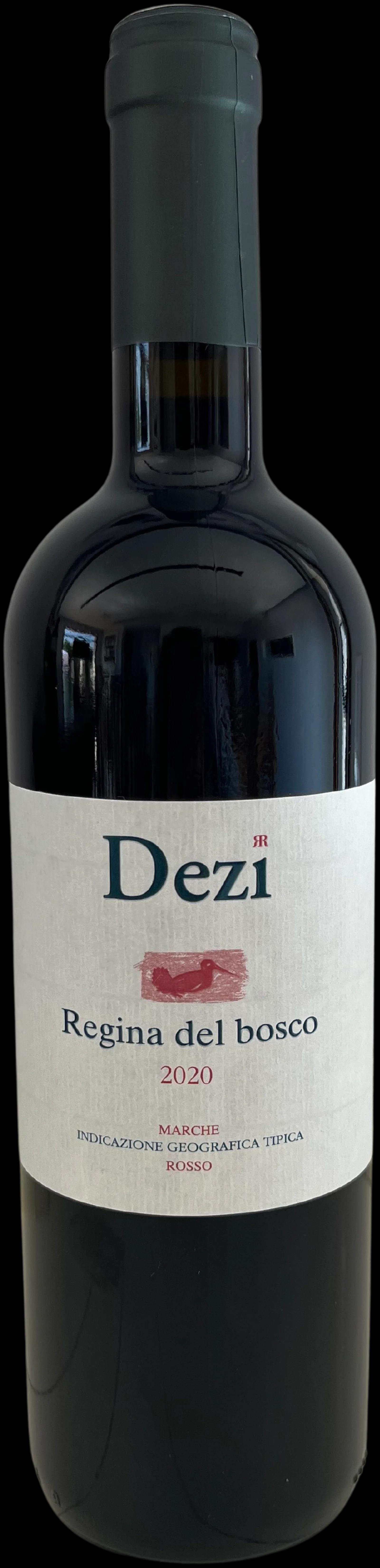
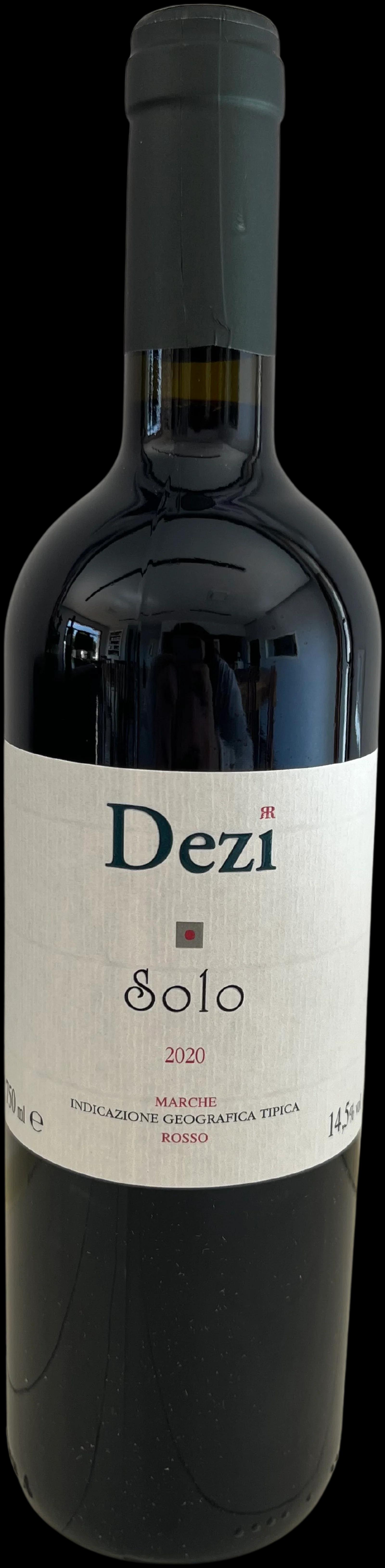
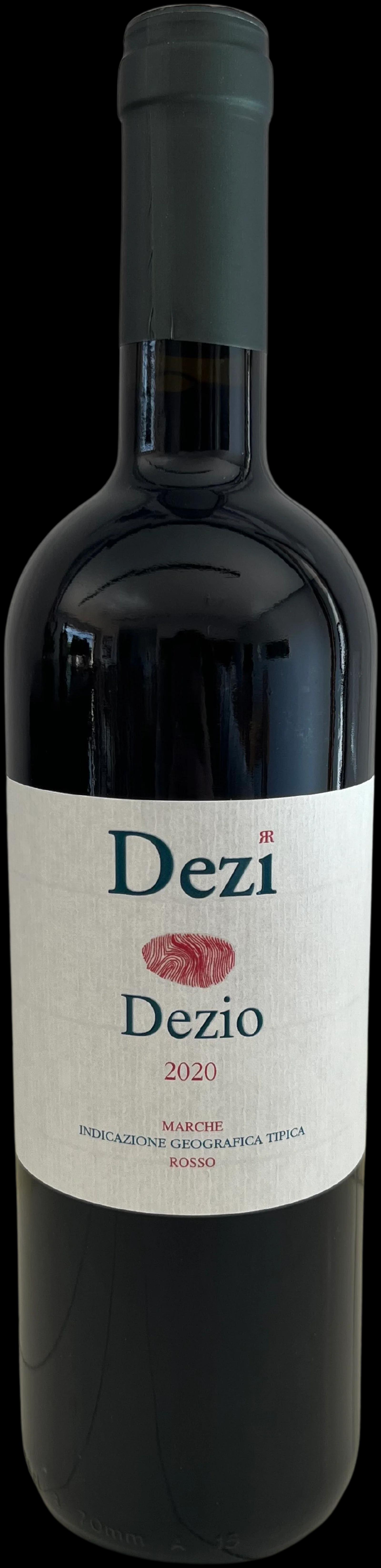
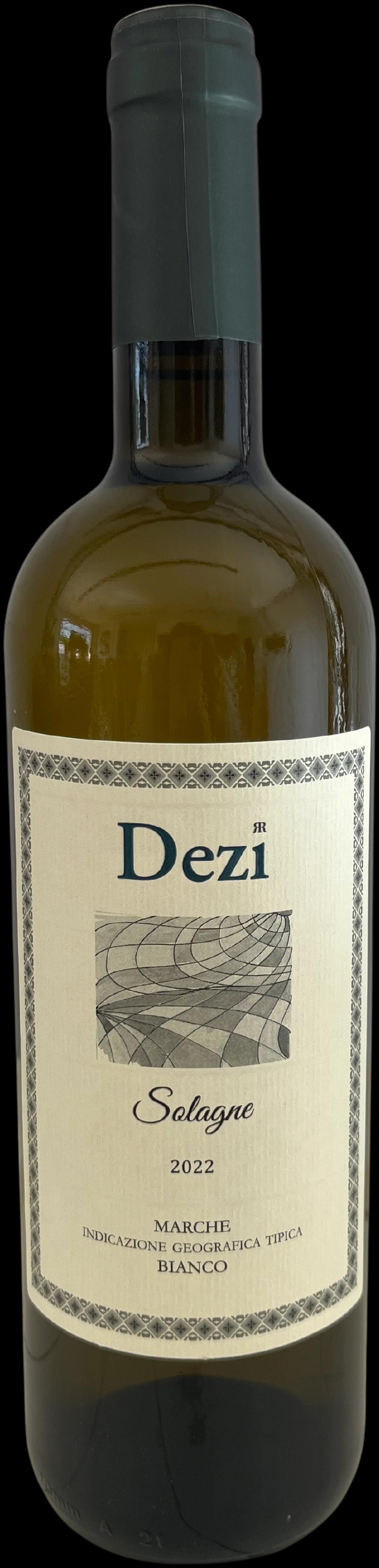

Marches wines — independent estates from Italy's Adriatic coast

Red and white wines from independent Marche estates. Every wine tasted before listing. No industrial labels.

Verdicchio, Montepulciano, and the grapes that define Le Marche.

Color

Dropdown arrow

Type

Dropdown arrow

Country

Dropdown arrow

Region (1)

Dropdown arrow

Grape

Dropdown arrow

Pairing

Dropdown arrow

Sort by

Sort arrow
Marche
Previous1 of 1Next

Marches producers

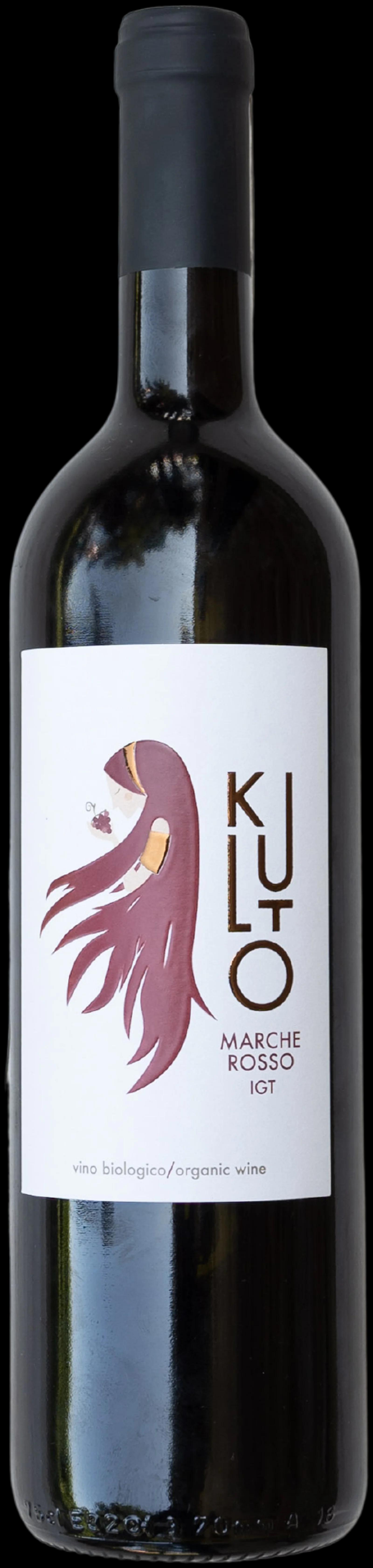
Rosso Conero and Rosso Piceno are the two main red appellations in Le Marche. Rosso Conero is built almost entirely on Montepulciano, grown on the slopes around Monte Conero on the Adriatic coast. Rosso Piceno blends Montepulciano with Sangiovese. These are not the wines your supermarket carries. They are the wines your supermarket cannot carry, made by estates too small for wholesale distribution. The producers on FGS set their own prices, with no importer or wholesaler adding margin in between.

View all wineries from Marche

Wine experts

Independent wine experts on Free Grape Society rate and review wines they have personally tasted. Their reviews appear on the wine page and on the expert's own profile. Several experts below have reviewed Marche wines listed on this page. Their reviews are based on their own tasting notes, not on producer briefings or commercial relationships.

View all wine experts

Frequently asked questions

How do I order directly from a Marches producer?

Choose the winery you want on this page, browse their wines, and add bottles to your cart. The order ships directly from the producer's cellar in the Marches to your door. You pay securely by card or Klarna, and delivery typically takes between four and fourteen days depending on where you are.

What happens if a bottle arrives broken or doesn't taste right?

Send a photo to Free Grape Society customer support within 7 days of delivery. We will arrange a replacement or a refund. Because producers ship directly, quality issues are handled with the producer's direct involvement. Shared responsibility is built into how FGS works.

Do all Marches producers on Free Grape Society ship to my country?

Shipping availability depends on the individual producer and your delivery address. Each winery page shows which countries it ships to. If a producer does not yet ship to your country, you can follow them and be notified when that changes. Most producers listed here ship across the EU.

How long does delivery take?

Average delivery is 8 to 9 days from order to door. The full range is 4 to 14 days depending on the producer's location and your delivery address. Wines ship directly from the producer's cellar, not from a central warehouse.

How do I find the right Marches producer for the wines I like?

Start by the appellation that interests you — Verdicchio dei Castelli di Jesi if you want the region's signature white, Rosso Conero if you are after a Montepulciano-based red from the coastal hills. Each producer page describes their holdings, farming approach and the wines they make, which gives you enough to judge whether their style matches what you are looking for.

How does Free Grape Society decide which Marches producers to list?

We work directly with the growers, get to know how they farm and what they charge, and taste samples before any wine is listed. We look for producers with a clear relationship to their land and pricing that reflects the work without the mark-ups importers and warehouses add. Once listed, independent wine experts rate and review individual bottles, building a public record buyers can read.

Which Marches wine expert can recommend something for me?

Fill in the form on any wine page or expert profile page and an independent wine expert will respond with a recommendation based on your preferences. Experts on Free Grape Society specialise in different regions and styles, so if you tell them what you like — or what you are pairing with — they can point you toward the right Marches producer or bottle.

Why don't you carry every wine from every Marches producer you work with?

We list wines tasted before listing, from producers we have a direct relationship with. Not every wine a producer makes will have gone through that process yet, and some wines are made in quantities too small to list reliably. The selection on each producer page reflects what we can stand behind at the time you visit it.

Can I buy Marches wines anywhere else online in Europe?

Some Marches producers sell through their own websites or through Italian wine merchants, but the direct-from-producer model — where the grower sets the price, ships the bottle themselves, and keeps the relationship with the buyer — is what Free Grape Society is built around. That removes the importer and warehouse layer that most online wine retail still relies on.

Appellations and grapes of the Marches

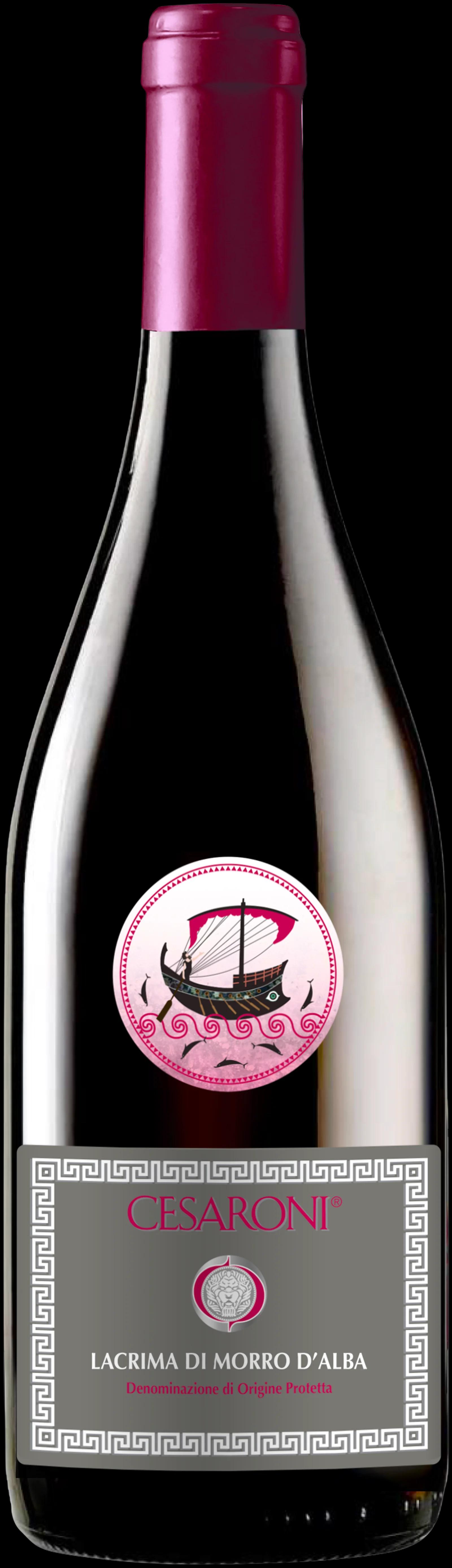
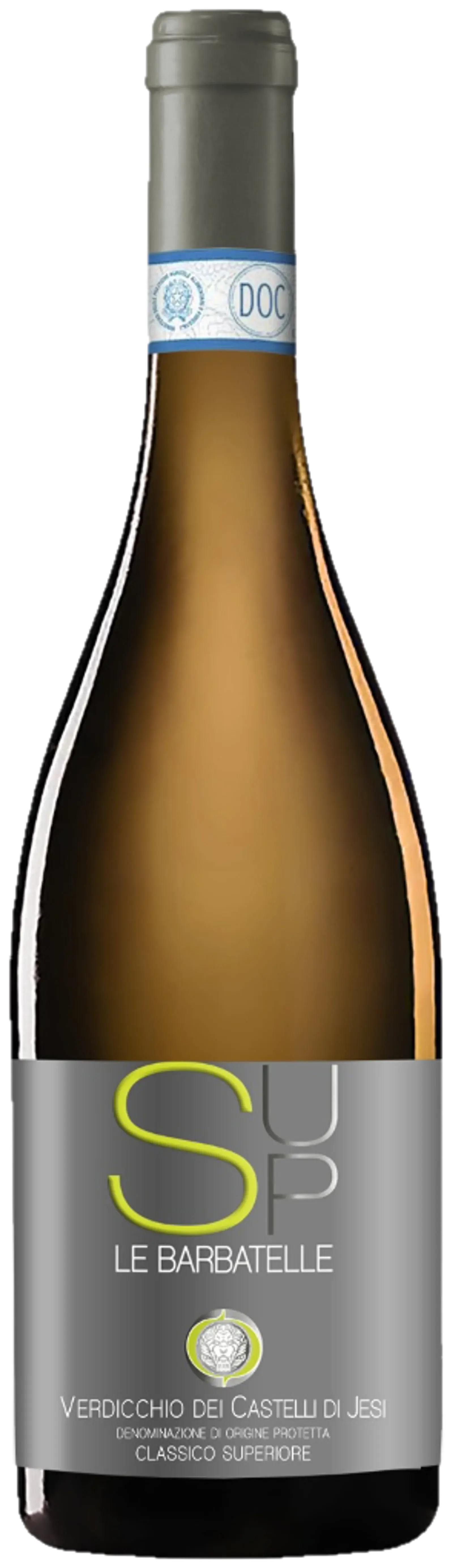
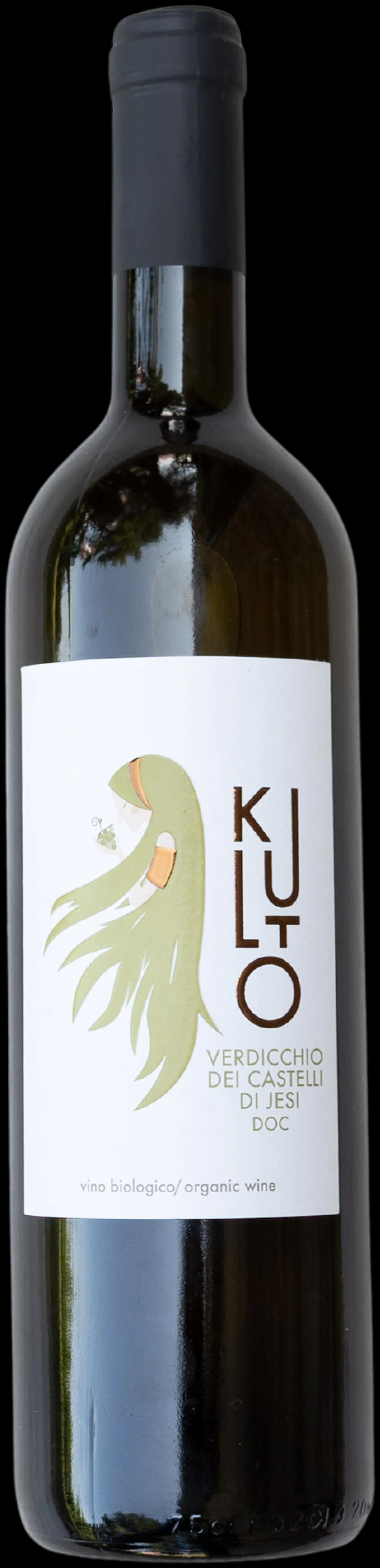
The Marches (Marche in Italian) stretches along the Adriatic coast of central Italy, bordered by the Apennines to the west. The region holds 15 DOC and 5 DOCG designations. Its most internationally recognized appellation is Verdicchio dei Castelli di Jesi, where Verdicchio produces dry whites with high natural acidity and a characteristic bitter almond finish. Verdicchio dei Matelica, further inland and at higher elevation, tends to produce a more structured, longer-lived version of the same grape. On the red side, Rosso Conero is built on Montepulciano — a thick-skinned variety that reaches its northernmost serious expression here on the slopes of Monte Conero. Rosso Piceno blends Montepulciano with Sangiovese, a combination that softens the tannin structure and adds red-fruit character. The Marches is also one of the few Italian regions where Lacrima di Morro d'Alba — a deeply aromatic red with violet and rose notes — has its own dedicated DOCG. These are not varieties you will find on most retail shelves outside Italy.

Winemaking practice and terroir in the Marches

The Marches has two distinct growing environments that shape how producers work. The coastal strip between the Apennines and the Adriatic benefits from a maritime climate: warm summers, moderate humidity, and sea breezes that extend the ripening season and preserve acidity in white varieties. Inland, elevations above 400 metres introduce significant diurnal temperature variation — the gap between day and night temperatures during harvest can exceed 15°C — which is one reason Verdicchio dei Matelica carries more mineral tension than its coastal counterpart. Montepulciano thrives across both zones but behaves differently depending on soil composition: clay-heavy soils push extraction and tannin; sandy coastal soils produce softer, earlier-drinking reds. A growing number of producers in the Marches work without irrigation, relying on the Apennine water table. Organic and biodynamic certification rates in the region have roughly doubled over the past decade, though certification is not a prerequisite for quality. Producers on Free Grape Society submit samples before listing, and every wine is tasted by our Head of Product before going live. Independent wine experts Rate & Review individual wines on the platform. No buyer with quarterly targets. No retail chain defending shelf space. The producer decides if they want to be here, and what is here.

How the Marches compares to neighbouring Italian regions

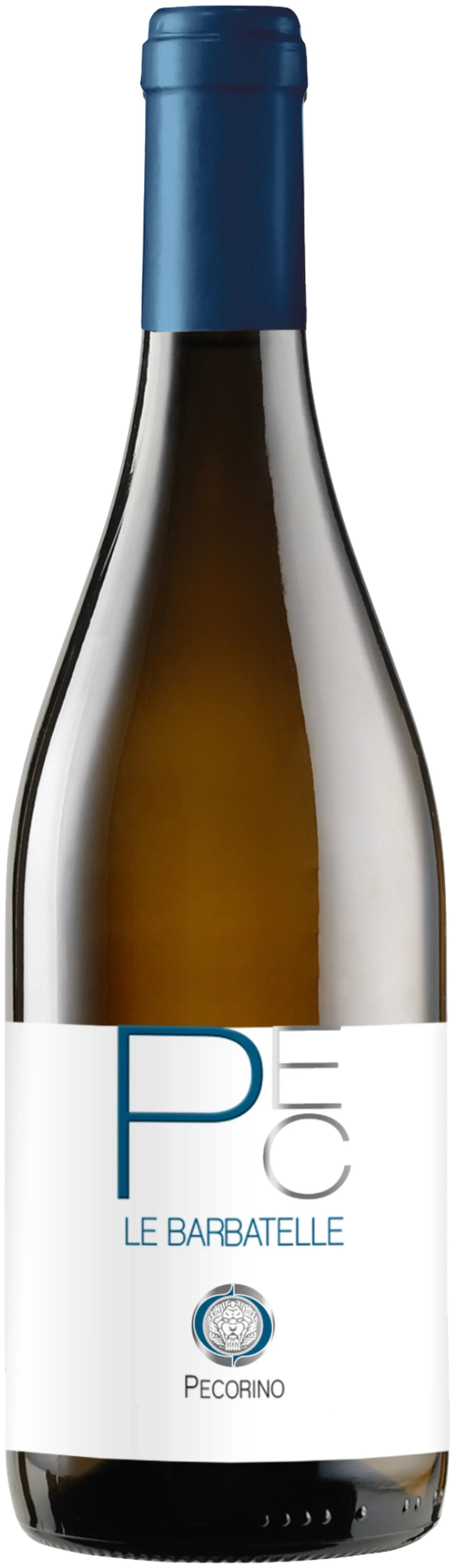
The Marches sits between Tuscany to the south-west and Umbria to the west, two regions with considerably higher global name recognition. That gap in visibility has a practical consequence: Marches wines are frequently underpriced relative to equivalent quality levels in Chianti Classico or Montefalco. Verdicchio dei Castelli di Jesi, for instance, has been producing age-worthy single-vineyard whites since the 1980s, a category that only became commercially legible to international buyers in the 2010s. Montepulciano d'Abruzzo, grown just across the regional border in Abruzzo, is often compared to Rosso Conero, but the Monte Conero growing area introduces different soil and microclimate conditions that give the Marches version a distinct mineral and saline quality. Producers in the Marches also work with Pecorino — a white variety that nearly disappeared in the 1980s before a handful of estates began reviving it. Today, Pecorino DOC is one of the region's fastest-growing appellations. For anyone already buying from Piedmont or Veneto, the Marches offers a logical next step into under-explored central Italian production.